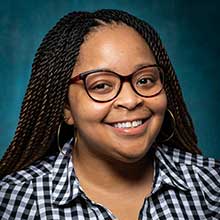
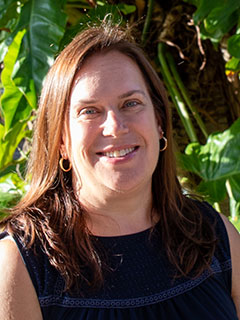
Dawn Rose is a Lecturer at the Lucerne School of Music, part of Lucerne University of Applied Sciences and Arts (HSLU) in Switzerland. Her primary academic focus is music psychology with specialties in music’s role in health and wellbeing. She holds adjunct roles as External Examiner for WaterBear College of Music (Falmouth University, UK) and is affiliated with organizations including the Swiss Society for Music Medicine and the International Judo Research Unit (iDojo). Education: Rose holds a PhD and MSc in Music, Mind and Brain from Goldsmiths, University of London, supervised by Prof. Pam Heaton. Her doctoral work explored musical development in children and adults. Prior to academia, she was a professional drummer and taught at BIMM (British & Irish Modern Music Institute). Research: Her work bridges music psychology and healthcare, focusing on Parkinson’s disease management through rhythmic interventions and musician wellbeing. Key projects include the Songlines for Parkinson’s co-developed intervention and studies on room acoustics’ effects on musicians. She also investigates music’s role in movement synchronization and imagery use among Parkinson’s patients. Awards & Grants: Notable recognition includes AGORA Grants (2023), Parkinson Schweiz funding (2021), and multiple travel/engagement awards from Goldsmiths and the Wellcome Trust. Labs & Teams: Leads the CC Music Performance Research group at HSLU and collaborates with interdisciplinary teams in Switzerland and internationally. Active in public dissemination through BBC documentaries and science festivals, including a featured role in the 'Meltdown Festival' Power of Music discussion.
Starlette Sinclair, Ph.D., is an Assistant Professor in the Department of Psychology at Florida Gulf Coast University (FGCU). She holds a Ph.D. and M.S. from the Georgia Institute of Technology and a B.S. from Florida State University. Her research focuses on metamemory, metacognition, source memory, and age-related cognitive functions, with a particular interest in how these processes vary across the lifespan. Sinclair teaches courses such as General Psychology, Research Methods, Cognitive Psychology, and History and Systems of Psychology. Her work has been recognized with awards like the 2019 Best Research Poster Award from the American Association of Colleges of Pharmacy. Education: Ph.D. Psychology, Georgia Institute of Technology M.S. Psychology, Georgia Institute of Technology B.S. Psychology, Florida State University Research interests span cognitive and developmental psychology, including studies on metacognitive accuracy, source monitoring, and educational interventions related to immigration attitudes. Sinclair has presented at conferences such as the Cognitive Aging Conference and the American Psychological Association Convention, contributing to interdisciplinary dialogues on equity in research and community engagement. Her recent work examines impostor phenomenon, grit, and job satisfaction among female pharmacy faculty, reflecting her broader commitment to understanding psychological dynamics in academic and professional settings.
Jennifer C. Britton is an Associate Professor in the Department of Psychology at the University of Miami's College of Arts and Sciences. She leads the Bridging Research on Anxiety, Innovations, and Neuroscience (BRAIN) Group, dedicated to understanding anxiety disorders through interdisciplinary approaches combining behavioral science, psychophysiology, and neuroimaging. Her research focuses on the neural mechanisms underlying anxiety across the lifespan, particularly studying threat learning, attention biases, and interoception. She employs advanced methods like fMRI, eye-tracking, and computational modeling to explore how fear conditioning and extinction processes contribute to clinical disorders. Key themes include developmental trajectories of anxiety, treatment development (e.g., attention bias modification), and translational neuroscience applications. Expertise: Anxiety Disorders | Neuroimaging | Developmental Neuroscience Methodologies: fMRI | EEG | Augmented Reality Interventions Current work examines social reward-threat conflict processing, cardiac interoceptive awareness in HIV populations, and validating novel assessment tools like the Attention Bias Questionnaire (ABQ). Her lab also investigates neural correlates of therapy outcomes in pediatric anxiety. Notable contributions include demonstrating amygdala-cortical connectivity changes during attention bias modification and pioneering child-friendly fear conditioning paradigms. She advocates integrating neurocognitive training into clinical interventions for anxiety and obsessive-compulsive disorders. Grants and collaborations focus on translational research bridging basic science and clinical care. Ongoing projects explore neurobiological markers of treatment response and developing personalized interventions using gene-environment interaction insights.
Hayley Root is an Assistant Professor in the Department of Physical Therapy and Athletic Training at Northern Arizona University. Her research is centered on injury prevention, osteoarthritis following ACL injuries, and the psychosocial aspects of athletic training. She actively contributes to clinical consensus and evidence-based guidelines in sports medicine. Her research interests include Injury Prevention , Osteoarthritis , ACL Injury , Qualitative Research , Sport Specialization , and Physical Literacy . These areas reflect her commitment to improving long-term health outcomes for athletes and enhancing the professional well-being of athletic trainers. The recent articles highlight a strong trend in clinical and public health research, particularly in the development of consensus statements for preventing osteoarthritis post-ACL injury, methodological rigor in study design, and the use of psychometric tools to assess physical literacy in youth athletes. Her work bridges statistical methodology, qualitative inquiry, and practical application in athletic healthcare. Scientific Awards : No specific awards mentioned in the provided text. Hayley Root is actively involved in collaborative research, particularly with national task forces such as the Osteoarthritis Action Alliance. She has contributed to high-impact publications and consensus guidelines, suggesting involvement in significant research grants and professional networks, although specific grant details are not listed. Her work is widely shared on social media and has been picked up by news outlets, indicating public and professional engagement. There is no mention of specific labs or research teams, but her collaborative authorship on multi-institutional projects suggests active participation in broader research networks focused on athletic injury prevention and rehabilitation.
Christina Ramsenthaler is a Professor of Research Methods and Statistics at the ZHAW School of Health Sciences , where she leads the (e)SENIORS projects. Her research focuses on patient-centred outcome measures (PCOMs) across palliative care, geriatrics, and community care, emphasizing their role in fostering patient-centred care for professionals and informal caregivers. Education: PhD in Palliative Care (King's College London, 2017) MSc in Palliative Care (King's College London, 2012) Diploma in Psychology (University of Bremen, 2009) She develops PCOMs for use in dementia care, acute care, and population-level healthcare monitoring, integrating psychometric methods (e.g., Rasch theory) and big data analysis. Her work addresses social inequality impacts on healthcare systems through quantitative frameworks and hybrid implementation trials. Recent publications center on IPOS-Dem validation, co-production in dementia research, and meta-analytic evaluations of palliative care service models. Network Memberships: German Guideline Program in Oncology Wolfson Palliative Care Research Centre POS and IPOS groups (Cicely Saunders Institute) European Association for Palliative Care
Bruno Gauthier is a Full Professor in the Department of Psychology at Université de Montréal's Faculty of Arts and Sciences. He directs the Laboratoire d'études en neuropsychologie de l'enfant et de l'adolescent (LÉNEA) and specializes in neuropsychological assessment and intervention for neurodevelopmental disorders. Université de Montréal (2015-present) Clinical Neuropsychologist at Montreal Children's Hospital (former) Co-founder of TELEQ assessment tools for Quebec children Collaborator with CR-IUSMM, BRAMS, and CIRCA research units His research focuses on neurodevelopmental disorders including ADHD, developmental language disorders, and Tourette syndrome. Key areas include executive functions, graphomotor skills, and technology-enhanced assessment tools. Current projects involve developing digital biomarkers and mobile applications for cognitive evaluation. Machine learning for neurodevelopmental assessment Technology integration in child neuropsychology ADHD and executive function relationships Writing and reading disorder evaluation Language acquisition and speech processing Clinical supervision methodologies Recent publications show expertise in ADHD design fluency analysis, phonological awareness testing, and digital assessment tools. His work combines neuropsychological theory with computational methods like artificial neural networks. Grants include funding from: FRQSC (Société et culture) CRSH (Conseil de recherches en sciences humaines du Canada) MITACS Inc. - Stage Accélération Québec Université de Montréal - FEI sans restriction He supervises doctoral and Psy.D. students in clinical neuropsychology, with particular focus on pediatric populations. His lab collaborates with interdisciplinary teams from Polytechnique Montréal and other institutions.
Simon Wessely is the Regius Professor of Psychiatry at King’s College London, based at the Institute of Psychiatry, Psychology & Neuroscience (IoPPN). He is a psychiatrist and epidemiologist who has been a key figure at King’s since 1991, after training at the Maudsley. He established the King’s Centre for Military Health Research (KCMHR) in 1996 and co-directs it; he also leads the PHE NIHR Health Protection Unit for Emergency Response and Preparedness. His work spans military health, public mental health, epidemiology, and societal responses to crises. His research focuses on unexplained symptoms, military and veteran mental health, public mental health during emergencies, and the psychological impact of adversity. He has led major national initiatives, including the Independent Review of the Mental Health Act (2017–2019), and has been highly active during the COVID-19 pandemic, leading studies on healthcare worker wellbeing and long-term sequelae. His interdisciplinary approach includes collaborations with legal scholars, historians, and social scientists. His recent publications reveal a strong focus on longitudinal studies of military and emergency service personnel, post-COVID conditions, mental health disparities, and methodological rigor in psychological assessment. Themes include trauma, resilience, occupational health, and the social determinants of mental health. Notable scientific honors include being elected a Fellow of the Royal Society (2021), Fellow of the Academy of Medical Sciences, Royal College of Physicians, and Royal College of Psychiatrists. He was knighted and appointed the first Regius Professor of Psychiatry in the UK. He has advised government and public bodies extensively and is a Past President of both the Royal College of Psychiatrists and the Royal Society of Medicine. He leads major research units including the King’s Centre for Military Health Research and the PHE NIHR Health Protection Unit. He has secured significant funding for longitudinal cohort studies on veterans, police, and healthcare workers, particularly through the NHS CHECK and ADVANCE programs. He is actively involved in public engagement, having appeared on BBC programs like Desert Island Discs, The Life Scientific, and Today, and contributed to documentaries and cultural events on mental health and history.
Mathieu Busque-Carrier is an Adjunct Professor at the Faculty of Education, University of Sherbrooke , with expertise in work values, psychological health at work, and organizational assessment. His research focuses on quantitative methods, personality psychology, and career development, integrating self-determination theory into workplace dynamics. Doctorate in Education (2021), University of Sherbrooke Master's in Career Counseling (2015), University of Sherbrooke Bachelor's in Career Counseling (2011), University of Sherbrooke Certificate in Psychology (2009), University of Sherbrooke His research examines how work values interact with psychological needs, job satisfaction, and career counseling practices, validated through psychometric tools like the Integrative Work Values Scale and Wally IE emotional intelligence tests. He has developed longitudinal studies on career counseling impacts and workplace psychological mechanisms. Recent publications highlight trends in work values validation, emotional intelligence in organizations, and psychological needs in career motivation. His work bridges academic theory with practical applications in workplace wellness and employee engagement. Professional Award (2023), Ordre des conseillers d'orientation du Québec Best Dissertation Award in Education (2022), University of Sherbrooke Joseph-Armand-Bombardier Doctoral Scholarship (2020), SSHRC FRQSC Doctoral Research Grant (2019) He has secured over $300,000 in grants from SSHRC and FRQSC to study longitudinal career counseling effects, work values-personality associations, and workplace psychological mechanisms. His academic roles include teaching courses in career counseling, psychometric testing, and workplace statistics.
Diogo Lamela is an Associate Professor in Developmental Psychopathology and Child Clinical Psychology at Lusófona University. He serves as Deputy Director of the Digital Human-Environment Interaction Lab and Deputy Director of the Clinical Psychology Program at the same institution. Education: Ph.D. in Clinical Psychology from the University of Minho. Training: Child Maltreatment Data Collection Short Course, Modified Strange Situation Procedures, Attachment Story Completion Task, The Alarm Distress Baby Scale, Couple Interaction Task, Intimate Relationship Interview, Teacher in Higher Education Training Certificate, Psychological Networks Amsterdam Winter School, Translating Child Sexual Abuse Research to Practice, Compassion Focused Therapy for Difficult Emotions. His research focuses on child maltreatment, intimate partner violence, coparenting dynamics, and high-conflict divorces. He has authored 46 articles in international journals and contributed to eight funded research projects, emphasizing cross-cultural studies and European child protection frameworks. Key article trends include perinatal mental health, child abuse surveillance, coparenting assessments, and trauma-informed clinical guidelines. His work employs systematic reviews, longitudinal analyses, and multinational cohort studies. Lamela actively collaborates with European institutions, serving on editorial boards, advisory panels, and as an expert for the European Commission’s Citizens, Equality, Rights, and Values Programme. He also supervises multidisciplinary teams supporting child protection procedures in Portuguese courts.
Emma Grace is a Professor and Program Chair of the Ph.D. International Psychology Program at The Chicago School, College of Graduate and Professional Studies , Washington, DC Campus. She leads doctoral-level courses, chairs dissertation committees, and co-leads the Global Collaboration on Traumatic Stress (GC-TS) as Project Leader, focusing on the Global Psychotrauma Screen (GPS) for children and adolescents. D.Sc. in Psychology , Ph.D. in Psychology Her research spans global mental health , trauma psychology , mass violence , revenge ideation , radicalism , and suicide terrorism . She integrates mixed methods research and cross-cultural adaptation to address mental health in conflict zones, pandemics, and displaced populations. Recent work focuses on PTSD assessment and transdiagnostic screening via the GPS framework. Her scientific awards include the Distinguished International Research and Scholarship Award and the Multicultural Teaching Excellence Award. She serves as a peer-reviewer for psychology and conflict studies journals and contributes to international conferences on trauma and radicalization. Her professional memberships include the Association for Psychological Science (APS) and International Society for Traumatic Stress Studies (ISTSS) . She also engages in community education with the Alzheimer's Association, National Capital Area Chapter .
Professor Sebastian Gaigg (City St George's, University of London) is a leading researcher in autism spectrum disorders, focusing on learning/memory mechanisms and emotional well-being across the lifespan. He contributes to courses in clinical neuroscience and psychology, including modules on History and Theory of Psychology and Emotions . Co-leads the Autism Research Group Module leader for PS1004 and PS3034 Research Interests : Memory processes in autism (episodic, relational, structural) Emotional lives and anxiety mechanisms in autistic individuals Co-design methods for inclusive research practices Publications Trends : Recent work spans systematic reviews of parental mental health interventions, neurocognitive studies on memory/anxiety in autism, and sensory processing research in clinical populations. Collaborative projects often involve multidisciplinary teams across psychology, psychiatry, and healthcare. PhD Mentorship : Supervises current students Effy Zachou, Sarah Donald, Nalini Edwards, Laura Lennuyeux-Comnene, and Mariana Costa e Silva. Former students include Manuel Mello and Sophie Anns.
Joan Beasley is a Research Professor and Director of the National Research Consortium on Mental Health in Intellectual and Developmental Disabilities (MH-IDD) at the Institute on Disability, College of Health and Human Services, University of New Hampshire. She is also a visiting scholar at Brandeis University and collaborates with Georgetown University. Her work focuses on advancing mental health services for individuals with intellectual and developmental disabilities through research, policy, and cross-system collaboration. Education: Ph.D. in Admin/Plan/Soc Pol, Heller School, Brandeis University M.Ed., Northeastern University B.A., City University of New York Dr. Beasley's research interests center on mental health services, emotional well-being, crisis decision-making, and social welfare policy for individuals with IDD. She developed the cross-systems framework underlying the START model, a nationally recognized crisis prevention and intervention program implemented since 1988. Her recent work emphasizes inclusive research methodologies, service accessibility, and measuring effective outcomes in mental health care for people with IDD. She is actively engaged in national studies and policy mentorship across the U.S. and internationally. Her recent publications reflect a strong focus on telemental health access, psychotropic medication use across age groups, development of person-centered outcome measures, and strengths-based psychological approaches. These works span disciplines including mental health services, developmental disabilities, geriatric psychiatry, and positive psychology, with a consistent emphasis on equity, inclusion, and evidence-informed practice. Scientific Awards: No specific awards listed in the provided text. Dr. Beasley serves as Principal Investigator on multiple national studies focused on inclusive research, mental health service effectiveness, and well-being promotion for individuals with IDD. She mentors students, researchers, and policy leaders, contributing significantly to capacity-building in the field. Her leadership in the START model and the National Research Consortium underscores her role in shaping best practices and policy across service systems. She is affiliated with interdisciplinary teams at UNH, Brandeis, and Georgetown, working to bridge research, clinical practice, and public policy.
Jan Becker is a Professor of Marketing and Service Management at Kühne Logistics University (KLU) in Hamburg, Germany. He holds a Dr. habil. and Dr. sc. pol. in Marketing from Christian-Albrechts-University at Kiel. With over 15 years of industry and consulting experience in digital transformation, his work bridges academic research and practical applications in customer management. Academic Affiliation: Kühne Logistics University (2011–present) Research Focus: Customer Relationship Management, Strategic Marketing, Service Management, Electronic Commerce Teaching: Offers courses in Consumer Behavior, Marketing, Marketing Analytics, and Nonprofit Management across bachelor, master, and doctoral programs His research explores critical areas such as: Geographic proximity effects on social influence Proactive postsales service efficiency Reward-scrounging in referral programs Outcome heterogeneity in entertainment marketing CRM implementation challenges in corporate settings Network effects in peer-to-peer systems Notable scientific awards include the 2018 Sheth/Journal of Marketing Award and the 2015 IJRM Best Paper Award. He is a regular visiting scholar at UCLA’s Anderson Graduate School of Management. Jan Becker’s industry collaborations focus on advanced analytical methods for decision-making in customer management, including churn prevention, referral program optimization, and targeting strategies. His empirical studies span telecommunications, online communities, and digital media sectors, emphasizing both theoretical rigor and practical relevance.
Rob Klassen is Professor and Chair of the Psychology in Education Research Centre at the University of York, UK, a position he has held since 2012. Prior to this, he was a Professor in the Department of Educational Psychology at the University of Alberta in Canada (2004-2012). His academic career is built on extensive practical experience as a teacher (1988-1992) and school psychologist (1992-2004) in Vancouver, Canada, with additional experience in England and Australia. Professor Klassen's educational background includes: B.Ed. and M.A. in Educational Psychology from the University of British Columbia PhD in Educational Psychology from Simon Fraser University (2003) Professor Klassen's research focuses on the psychology of teacher selection, motivation and emotions in education, and cross-cultural educational psychology. His work applies theories and methods from educational and organizational psychology to strengthen the teacher workforce. The Teacher Selection Project team conducts research and consultancy to address challenges in teacher and educational leader recruitment, selection, and development. Professor Klassen's recent publications demonstrate a consistent focus on teacher effectiveness, selection methods, and development. His work spans cross-cultural studies examining teacher stress, self-efficacy, and occupational commitment across multiple countries. A significant portion of his research involves developing and testing innovative methods for teacher recruitment and selection, including situational judgment tests and realistic job previews. Professor Klassen has received numerous prestigious awards and honors: Fellow of the American Psychological Association Chartered Psychologist with the British Psychological Society Fellow of the Academy of Social Sciences (2023) Mensa Education & Research Foundation Award for Excellence in Research (2021) Alberta Teachers' Association Educational Research Award (2011) Coutts-Clarke Research Fellowship (2009) Paul R Pintrich Outstanding Dissertation Award (2004) Professor Klassen is actively involved in research supervision, accepting PhD students interested in teacher selection, teaching effectiveness, and adolescent motivation. His research has been funded by prestigious organizations including the ERC (Consolidator and Proof of Concept grants), SSHRC (Insight and Standard grants), ESRC IAA fund, World Bank, and GIZ (German Development Agency). He maintains extensive international collaborations across Australia, Germany, Hong Kong, Kenya, Morocco, and the UK. Professor Klassen leads the Teacher Selection Project team at the University of York, which focuses on developing evidence-based methods for teacher recruitment and selection. He also serves as Associate Editor for the British Journal of Educational Psychology and on the editorial boards of the Journal of Educational Psychology and Journal of Experimental Education. His research group maintains active collaborations with institutions across Asia, Australia, Europe, and the Americas.
Dominik Deffner serves as a Qualifikationsprofessur (W1, Tenure Track W2) for Computational Modeling of Behavior at the Department of Psychology, Philipps University of Marburg. His research group, Computational Modeling of Behavior (AG Deffner), is housed in the Institute Building at Gutenbergstraße 18 in Marburg. Deffner's work bridges cognitive science, evolutionary anthropology, and social psychology through interdisciplinary approaches combining dynamic group experiments, cultural evolution studies, and computational modeling. Deffner's educational background includes a PhD (Dr.rer.nat.) from the Max-Planck-Institute for Evolutionary Anthropology in Leipzig (2018-2021), an MSc in Evolutionary and Comparative Psychology from the University of St Andrews, UK (2016-2017), and dual undergraduate degrees in Psychology and Comparative Cultural and Religious Studies, Philosophy from Philipps-University Marburg (2012-2016). Prior to his current position, he worked as a postdoc at the Max-Planck-Institute for Human Development and Science of Intelligence Cluster in Berlin (2021-2024). His research interests focus on understanding how individuals and collectives adapt to changing and uncertain environments through cognitive processes and social/cultural dynamics. Deffner's work primarily investigates collective dynamics and cultural evolution, cognitive modeling and Bayesian statistics, causal inference, cross-cultural comparative methods, and collective foraging. He combines immersive computer games, field research, and statistical modeling to study social cognition in naturalistic groups, particularly examining how visual-spatial dynamics drive adaptive social learning in complex environments. Analysis of Deffner's recent publications reveals a strong emphasis on interdisciplinary research that bridges theoretical frameworks with empirical data. His work spans computational approaches to cultural evolution, collective decision-making processes, risk-sensitive learning strategies, and causal inference methodologies. A notable trend is his integration of Bayesian statistics with agent-based modeling to understand social learning dynamics across different contexts, from human groups to animal behavior studies. His research increasingly focuses on developing statistical workflows that enable robust causal inferences in cross-cultural research. As an academic advisor, Deffner offers thesis opportunities in both empirical work (interactive group experiments, data analysis) and statistical/theoretical modeling (cognitive modeling, collective behavior, cultural evolution). His research group welcomes students interested in social learning, decision research, cultural evolution, group processes, and advanced Bayesian data analysis methods. While specific grant information isn't detailed in the provided texts, his affiliation with the Max Planck Society and publication in high-impact journals suggest successful funding acquisition for his research program. Deffner leads the Computational Modeling of Behavior research group, which investigates cognitive decision-making processes in groups interacting in natural and complex environments. The group combines immersive computer games and field research with statistical modeling to better understand collective dynamics in real-world contexts. Current research directions include social cognition in naturalistic groups, social learning and cultural evolution, causal inference and statistical workflows, and flexibility and adaptation in both human and non-human animals.