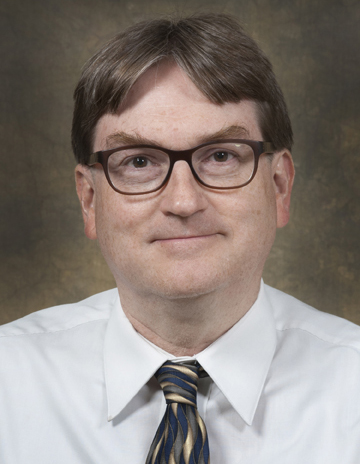
Rodney Braun is an Associate Professor at the School of Medicine , Wayne State University . As Course Director of Medical Histology and Embryology , he leads Year 1 curriculum development while contributing to the Biology of the Eye course. Active in curriculum and promotions committees Research focuses on tumor oxygenation and blood flow modification Current collaboration with Dr. Avril Genene Holt Research Highlights: Specializes in ocular tumor hemodynamics using laser Doppler flowmetry , oxygen microelectrodes , and high-frequency ultrasound to study choroidal melanoma growth patterns. Publication Trends: Recent works (2012-2013) emphasize MRI contrast agents and mitochondrial inhibitors for tumor imaging, while earlier studies (2001-2002) explore neurotrauma and endothelin-1 dynamics .
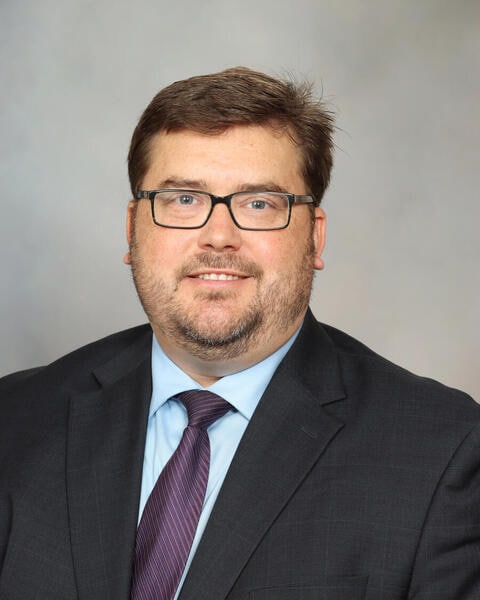
Andrew J. Layman, M.D., is a Research Fellow at the Mayo Clinic College of Medicine, affiliated with the Mayo School of Graduate Medical Education and Department of Laboratory Medicine and Pathology. He specializes in cardiovascular and forensic pathology. 2022: Fellowship in Forensic Pathology (Maryland Medical Examiner) 2021: Cardiovascular Pathology Fellowship (Mayo Clinic) 2017: M.D. (Johns Hopkins University) His research focuses on cardiovascular and transplant pathology, immune mechanisms in disease, and forensic autopsy practices. Recent publications explore thoracic transplant diagnostics, valve pathology, and rare cardiac conditions. Scientific honors include Academic Excellence in Pathology (2016), William Welch Award (2016), and Trainee Research Award (2011). He chairs the Clinical Competency Committee for Cardiovascular Pathology and directs resident rotations at Mayo Clinic.
Rebeca Garcia Fandiño is a Full Professor in the Department of Organic Chemistry at the Faculty of Biology, University of Santiago de Compostela. She leads the SupraNanoBioMol research group focused on supramolecular systems, nanobiomimetics and molecular biophysics. Develops cyclodextrin-based therapeutics for age-related diseases Studies cyclic peptide nanotubes for antimicrobial applications Specializes in molecular dynamics simulations of biomolecular systems Her research explores hierarchical membrane structures, water model effects in nanoconfined environments, and membrane-targeted therapies. She has published extensively on: Toxic oxysterol removal using cyclodextrin dimers Antimicrobial D,L-α-cyclic peptide interactions Quantum-classical simulation hybrid approaches Post-COVID condition molecular characterization Augmented reality applications in education The SupraNanoBioMol group at CIQUS center utilizes experimental and computational techniques including DSC, ATR-FTIR and MD simulations. Recent work addresses antimicrobial resistance through membrane disruption mechanisms and AI-driven drug discovery.
Julie Bourbeillon is a Lecturer in Computer Science at Institut Agro Rennes-Angers , where she co-directs the Department of Statistics and Computer Science. Her work bridges Bioinformatics , Computer Vision , and Data Integration with applications in Plant Biology and Horticulture . She has developed educational frameworks for integrating digital skills into horticultural training using the PiX framework . Education : PhD in Computer Science (2007, Université Grenoble 1), Master of Science and Engineering for Health and Medicine (2004), Engineer (2002, INAPG) Her research focuses on semantic distance , heterogeneous data integration , and data visualization for biological datasets. She leads the DIVIS project for handling complex phenotypic data and co-developed ELVIS and QuaDS software tools. Key projects include: DIGITOM (2024-2027): Digital twins for climate-resilient agriculture ERICA (2025-2026): Robotic climate mapping in greenhouses GRIOTE (2014-2018): Bioinformatics collaboration
Dr. Nicholas Matheson is a researcher at the University of Cambridge's Department of Medicine and a collaborator in the Cambridge Immunology Network. His work focuses on understanding how viruses like HIV and SARS-CoV-2 manipulate host immunometabolism through protein regulation and proteomic analysis. Research Focus: Using SILAC and TMT-based proteomics, Matheson investigates how HIV accessory proteins (Vpu, Nef) modulate cell surface nutrient transporters to alter metabolic flux in infected cells. His studies extend to SARS-CoV-2 research, including viral entry mechanisms, immune response heterogeneity, and Long Covid pathogenesis. Collaborative Themes: His work spans Host-pathogen interactions in T cells CRISPR-Cas9 functional genomics Immunometabolic regulation Extracellular vesicle biology Viral entry mechanisms (TMPRSS2, ACE2)
Yasushi Okada, Ph.D., is a Professor at the Department of Cell Biology, Graduate School of Medicine, The University of Tokyo, with concurrent positions at the Department of Physics, Graduate School of Science, and RIKEN Center for Biosystems Dynamics Research where he serves as Principal Investigator and Team Leader of the Laboratory for Cell Polarity Regulation. His interdisciplinary research bridges cell biology, biophysics, physics, chemistry, and information science to address fundamental questions about life processes. Dr. Okada's research focuses on developing and applying advanced imaging technologies to directly observe molecular processes within living cells. His laboratory specializes in three key technological areas: high-resolution live-cell imaging techniques, cell state visualization probes, and image analysis methods. Through these approaches, his team investigates intracellular transport mechanisms, particularly in neurons, with emphasis on axonal transport and microtubule-kinesin interactions. Analysis of his recent publications reveals a strong trend toward interdisciplinary approaches combining advanced microscopy, molecular probe development, and computational analysis. His work spans multiple biological systems including stem cells, neurons, and mitochondrial dynamics, with applications in understanding fundamental cell biology processes and neurological disorders. His research often involves developing novel imaging technologies that push the boundaries of what can be observed in living cells. Scientific Awards: Nakatani Award (February 2024) Dr. Okada has established significant research collaborations across multiple institutions and disciplines. His laboratory develops original technologies ranging from microscope optics to molecular probes, demonstrating strong technical innovation alongside biological discovery. His recent work shows increasing integration of computational methods with experimental approaches, particularly in image analysis and deep learning applications for cellular feature extraction. His research team operates at the intersection of multiple core facilities including imaging cores and data science resources, facilitating cutting-edge investigations into cellular dynamics. Current work focuses on understanding how structural differences in cellular components like microtubules contribute to polarized transport and cell fate determination.
Hiromichi Suetani is a Professor at the Department of Co-creative Science and Engineering , Faculty of Science and Engineering , Oita University . He holds concurrent positions as an Affiliated Researcher at the International Research Center for Neurointelligence , University of Tokyo , and has previously worked at institutions including RIKEN Center for Brain Science , ATR , and Kagoshima University . His research bridges nonlinear dynamics , machine learning , and neuroscience . Education : PhD in Informatics from Kyoto University, with research at the Institute of Statistical Mathematics and graduate training in Mathematical Engineering at the University of Tokyo. Research Society Affiliations : Society for Neuroscience Japan Neuroscience Society Physical Society of Japan His research focuses on decoding brain information and controlling complex systems using techniques like reservoir computing , topological data analysis , and nonlinear modeling . He investigates human EEG individuality , collective patterns in active matter , and chaotic synchronization in dynamical systems. Recent work with collaborators explores hybrid prediction models combining anticipating synchronization and echo state networks to improve time series forecasting in chaotic systems. Earlier studies analyzed EEG consistency under noisy stimuli and applied manifold learning to map brain oscillations. His teaching includes mechanics , computational physics , and nonlinear science at Oita University. He has secured competitive funding from the Japan Society for the Promotion of Science for projects on critical computation systems , stable chaos in neural networks , and topological analysis of biological data .
Sandra Gemma is an Associate Professor at the University of Siena's Department of Biotechnology, Chemistry and Pharmacy. Her research focuses on medicinal chemistry approaches for developing therapeutics against infectious diseases, cancer, and fibrotic conditions. She specializes in structure-based drug design targeting viral proteases (including SARS-CoV-2 and monkeypox), parasitic enzymes (trypanothione reductase in Leishmania), and bacterial quorum sensing mechanisms in ESKAPE pathogens. Her research integrates: Design and synthesis of enzyme inhibitors (HDACs, proteases, reductases) Development of epigenetic modulators for oncology and retinal diseases Exploration of natural products for wound healing and anti-infective applications Medicinal chemistry optimization of heterocyclic scaffolds (quinolones, quinazolines, spiroindolines) Publication analysis reveals strong focus on: Targeted protein degradation (PROTACs) and covalent inhibitors Multi-target epigenetic modulators for fibrosis and leukemia Structure-guided optimization of antiviral and antiparasitic compounds Translational applications of natural product derivatives She advises pharmacy students on experimental theses covering antiviral synthesis, anti-leishmanial agents, and quorum sensing disruptors. No funded grants or awards were documented in available materials.
Rudi D'Hooge is a Paid Guest Professor in the Department of Psychology at Vrije Universiteit Brussel, focusing on interdisciplinary neuroscience and psychological research. His work bridges cognitive and behavioral studies with neurobiological mechanisms, particularly in rodent models. Research interests include Spatial and reversal learning Neuronal plasticity and Alzheimer's disease models Cognitive effects of chemotherapy drugs like methotrexate Microglial function in neuroinflammation Pharmacological modulation of learning tasks . Recent publications highlight expertise in functional brain connectivity, neurodegenerative models, and cognitive toxicology. Collaborations span neuroimaging, behavioral neuroscience, and neuroimmunology domains. Scientific impact metrics include a Scopus h-index of 24 and 1,840 citations. Research outputs (63 total) emphasize mouse models for studying cognition and brain pathology.
Dr. Sebastian Ahnert is an Associate Professor at the Department of Chemical Engineering and Biotechnology, University of Cambridge, and a Senior Research Fellow at The Alan Turing Institute. He leads the Structural Complexity research group and is a Fellow of King's College, Cambridge. Current Positions: Associate Professor (Cambridge), Senior Research Fellow (Alan Turing Institute), Fellow (King's College) Research Interests: Algorithmic information theory, network analysis, genotype-phenotype maps, interdisciplinary applications in biology, humanities, and food science His work spans the quantification of biological complexity using algorithmic descriptions, including protein quaternary structure classification , RNA sequence-structure maps , and symmetry in evolutionary systems . Network analysis applications extend to historical correspondence (Tudor Networks of Power), food science (flavor compound networks), and connectomes . Recent publications emphasize non-deterministic genotype-phenotype maps , neutral set thermodynamics , and automated phenotyping technologies. Award highlights: 2024 Richard Deswarte Prize in Digital History Shortlisted for 2024 SHARP Book History Prize Current students include PhD candidates in computational biology and plant science, with former advisees contributing to RNA evolution and network analysis studies. Collaborations span quantum physics, plant developmental biology, neuroscience, and digital humanities.
Jane M. Liu is a Professor of Chemistry and Vice Chair of the Chemistry Department at Pomona College, where she has been a faculty member since 2012. She also serves as an Institute for Inclusive Excellence (IIE) Faculty Fellow for 2025-2026. Her work bridges molecular microbiology and chemical biology, with a focus on bacterial pathogenesis and science education. As an active researcher and educator, she directs the Liu Lab, which investigates gene regulation in bacteria while simultaneously developing innovative educational approaches to increase equity and inclusion in science classrooms. Dr. Liu's educational background includes: Post-Doc at Tufts University School of Medicine Ph.D. from Harvard University B.A. from Swarthmore College Her research interests center on understanding how the bacterial pathogen Vibrio cholerae senses environmental cues and regulates gene expression to survive and cause disease. Specifically, she investigates the roles of regulatory proteins and non-coding RNAs in bacterial metabolism and pathogenesis. Complementing her microbiology work, Dr. Liu has developed a robust educational research program focused on how students engage with scientific literature and interventions to increase equity in science education. Her lab creates novel genetic systems and educational tools, including augmented reality applications for biochemistry education. Dr. Liu's publication record demonstrates a dual trajectory of research in bacterial gene regulation and science education innovation. Her scientific papers primarily examine Vibrio cholerae's response to nutrient changes, revealing intricate regulatory networks involving transcription factors and non-coding RNAs. Simultaneously, her educational scholarship develops and assesses teaching methods that integrate social justice themes into science curricula and create engaging learning tools like augmented reality applications for macromolecular visualization. This dual focus reflects her commitment to both advancing scientific knowledge and transforming how science is taught and experienced. Her significant honors include: Wig Distinguished Professor Award for Excellence in Teaching (2015, 2020) National Institutes of Health Academic Research Enhancement Award (2010, 2014, 2019) Henry Dreyfus Teacher-Scholar Award (2016) National Science Foundation CAREER Award (2012) National Institutes of Health TEACRS Postdoctoral Fellowship (2006) National Science Foundation Graduate Research Fellowship (2002) As an advisor, Dr. Liu mentors undergraduate researchers through the Liu Lab, where students gain hands-on experience in molecular biology techniques while developing scientific thinking skills. Her NIH and NSF-funded research supports multiple student researchers each year, providing opportunities for conference presentations and co-authorship on publications. Dr. Liu emphasizes creating a lab environment that values evidence-based science, safety, respect, and accountability, with a strong commitment to diversity, equity, and inclusion. She encourages students to pursue fellowships like Fulbright and Watson and prepares them for graduate programs and diverse career paths. The Liu Lab operates as a collaborative research community committed to both scientific discovery and educational innovation. Lab members investigate gene regulation in Vibrio cholerae while developing novel educational tools and approaches. The lab's values emphasize evidence-based science, safety, respect, and accountability, with explicit commitments to diversity and anti-racism. Through partnerships like BRT Biotechnologies, the lab provides students with additional research opportunities. The lab's structured mentoring approach includes regular meetings, electronic lab notebooks, and clear protocols to ensure both scientific rigor and student development.
Wei Wang is the Leonard Kleinrock Chair Professor in Computer Science and Computational Medicine at University of California, Los Angeles (UCLA) , and the founding Director of the Scalable Analytics Institute (ScAI) . She is also a core faculty member of the UCLA Jonsson Comprehensive Cancer Center, Institute for Quantitative and Computational Biology, and Bioinformatics Interdepartmental Graduate Program. Education: Ph.D. in Computer Science, UCLA (1999) M.S. in Systems Science and Industrial Engineering, SUNY at Binghamton (1995) Research Interests: Dr. Wang’s research spans big data analytics , machine learning , data mining , natural language processing , bioinformatics , computational biology , and AI for science . Her work focuses on designing scalable algorithms for complex pattern discovery in large-scale, heterogeneous data, with applications in medicine, genomics, and scientific discovery. Scientific Awards & Honors: ACM Fellow (2020) IEEE Fellow (2022) NSF CAREER Award (2005) Microsoft Research New Faculty Fellow (2005) Phillip and Ruth Hettleman Prize (2007) Okawa Foundation Research Award (2013) ACM SIGKDD Service Award (2016) IEEE ICDM Outstanding Service Award (2012) IBM Invention Achievement Awards (2000, 2001) Multiple Best Paper Awards at SIGKDD, ICDE, and ACM BCB Advising & Research Team: Dr. Wang currently advises 15 PhD students and 1 postdoctoral fellow . Her lab focuses on AI-driven scientific discovery, scalable analytics, and interdisciplinary applications in biomedicine and materials science. Labs & Institutes: Director, Scalable Analytics Institute (ScAI) , UCLA Member, UCLA Jonsson Comprehensive Cancer Center Member, Institute for Quantitative and Computational Biology Member, Bioinformatics Interdepartmental Graduate Program
Prof. Dr. Thomas Schlichthärle is a Tenure Track Assistant Professor at the Technical University of Munich (TUM) , holding the Professorship for AI-Guided Protein Design within the TUM School of Natural Sciences and Department of Bioscience . His research bridges machine learning, structural biology, and synthetic biology to develop synthetic proteins that modulate cellular signaling pathways. Education: B.Sc. in Molecular Medicine, University of Tübingen M.Sc. in Molecular Bioengineering, TU Dresden Research at Wyss Institute (Boston) and Max Planck Institute of Biochemistry (Munich) Research Focus: AI-assisted protein design for controlling cellular decision-making processes, with applications in biomedicine and synthetic biology. His lab develops novel protein design methods validated in cell-based systems, centered on creating synthetic proteins that can detect, modulate, or reprogram signaling pathways through oligomeric assemblies. Scientific Awards: Wübben Foundation Fellow (2025) EMBO Postdoctoral Fellowship (2021) Roland Ernst Scholarship (2014) Germany Scholarship (2013) Ferry Porsche Prize (2007) Collaborations & Grants: Collaborated with Prof. David Baker's lab at the University of Washington and participated in high-impact interdisciplinary projects involving DNA-PAINT microscopy and quantitative protein imaging. His work has been supported by competitive fellowships and institutional grants.
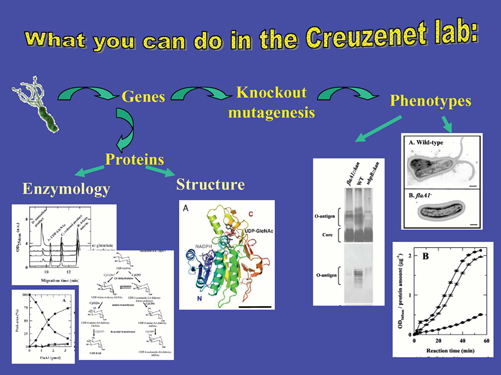
Dr. Carole Creuzenet is an Associate Professor in the Department of Microbiology and Immunology at the University of Western Ontario , where she has been since 2007 after serving as Assistant Professor from 2001–2007. Education : BSc (INA-PG), PhD (INRA, Nantes) in Protein Biochemistry Postdoctoral Training : MIT (Signal Transduction of the Visual System), University of Guelph (Enzymology of LPS Biosynthesis in Pseudomonas aeruginosa ) Research Interests focus on the molecular basis of surface virulence factor biosynthesis in Campylobacter jejuni , Helicobacter pylori , and Yersinia pseudotuberculosis , particularly protein glycosylation , capsular heptose biosynthesis , and amoeba-mediated survival mechanisms . Her work employs bacterial genetics, enzymology, structural biology, and host interaction models to identify therapeutic targets. Publications span 2000–2025, with recent articles examining C. jejuni capsule-heptose interactions with innate immunity, H. pylori redox regulation, and lactic acid bacteria as anti- H. pylori agents. Common themes include glycosylation pathways , virulence factor characterization , and enzymatic target discovery . Students mentored include PhD, MSc, and research trainees, many of whom received scholarships (OGS, NSERC USRA, SURF). Her lab has produced over 10 graduate students and trainees, several of whom hold academic or research positions. Collaborations extend to Prof. C. Burucoa and Dr. H. Atanassov in France, and Canadian Helicobacter Study Group members.
Jeanine A. Ursitti, PhD, serves as Assistant Professor in the Department of Orthopaedics at the University of Maryland School of Medicine, where her research bridges fundamental cytoskeletal biology with clinical implications for muscular and cardiovascular pathologies. Her work focuses on spectrin-based membrane skeleton organization across diverse cell types including erythrocytes, skeletal myofibers, and cardiomyocytes. Her academic foundation includes: B.S. in Biology from Loyola University Maryland Ph.D. in Membrane Physiology from the University of Maryland Baltimore Postdoctoral Fellowship at The Wistar Institute, Philadelphia, PA Dr. Ursitti's research program centers on the structural and functional roles of spectrin isoforms, with particular emphasis on alternative splicing variants in cardiac and skeletal muscle. Her investigations span from basic erythrocyte membrane architecture to disease mechanisms in muscular dystrophy, cardiomyopathy, and aging-related tissue degeneration. Key contributions include characterizing spectrin's role in costamere formation, connexin 43 localization in cardiomyocytes, and keratin-spectrin interactions in striated muscle. Analysis of her 30-year publication record reveals an evolving trajectory from foundational erythrocyte cytoskeleton studies (1989-1996) toward increasingly clinically relevant cardiac and muscular research (2001-2013). Her recent work demonstrates how αII-spectrin complexes regulate cardiac conduction and protect against dilated cardiomyopathy, highlighting translational potential. The consistent thread throughout her career is the investigation of spectrin's role as a mechanical scaffold and signaling platform across diverse physiological systems. Dr. Ursitti maintains active collaboration with the University of Maryland's muscle biology research group, particularly with Dr. Richard J. Bloch's laboratory, as evidenced by her extensive co-authorship record. While specific grant details aren't provided, her sustained publication output suggests consistent research funding supporting her investigations into cytoskeletal pathologies. Her laboratory likely employs advanced techniques including immunocytochemistry, protein biochemistry, and transgenic mouse models to explore spectrin-related disease mechanisms.