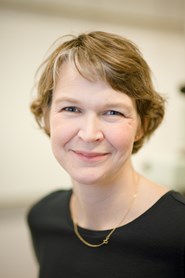
Mehdi Abdollahi is an Associate Professor at Chalmers University of Technology's Department of Food and Nutrition Science. His research focuses on alternative proteins, food biotechnology, and plant-based hybrid foods, with emphasis on sustainable utilization of food side streams, legumes, cereals, and microalgae as future protein sources. Develops pH-shift technology and ultrasound-assisted methods for protein extraction Specializes in hybrid food engineering via fermentation and biorefinery Works on 3D food printing and high-moisture extrusion for food analogs Researches collagen and biobased food packaging materials His work includes >100 peer-reviewed publications, 4 book chapters, and 3 patents. Current projects involve collaborations with Arla Foods, Lantmännen, and Nordic Seafarm, addressing sustainable seafood systems and plant-protein hybridization. 2024 Bertebos Prize recipient 2025: Recognized among Sweden's Top 101 Sustainability Figures Mentors 7 PhD students and 3 postdocs while collaborating with European institutions like Kristianstad University and Ankara University. His group explores biorefinery strategies, hybrid food functionality, and innovative packaging solutions.
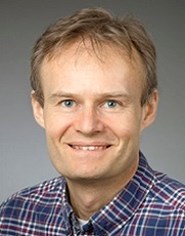
Hedvig Kjellström is a Professor at the Division of Robotics, Perception and Learning within the School of Electrical Engineering and Computer Science at KTH Royal Institute of Technology. She holds significant affiliations with the Swedish e-Science Research Centre and the Max Planck Institute for Intelligent Systems in Germany. Her work spans multiple interdisciplinary domains and she serves as Editor-in-Chief for CVIU and was Program Chair for CVPR 2025. Her research centers on Computer Vision as a sub-field of AI, with three interconnected themes: Computational Aesthetics (exploring aesthetic aspects of human communicative behavior), Communicative Behavior (developing models of how humans and animals perceive and produce non-verbal communication), and Embodied Artificial Intelligence (creating methodologies for robots and autonomous agents to perceive the world through sensors, primarily vision). Her work has significant applications in medical diagnostics, animal welfare, human-robot interaction, and creative arts. Analysis of her recent publications reveals a strong trend toward multimodal AI systems that integrate vision, language, and action understanding. Her research increasingly focuses on animal-centered applications, particularly equine pain detection and behavior analysis, while maintaining strong foundations in human communication modeling, gesture recognition, and 3D reconstruction techniques. The interdisciplinary nature of her work bridges computer science with veterinary medicine, neuroscience, and performing arts. Hedvig Kjellström actively supervises numerous PhD and Master's students across various projects and maintains extensive collaborations with institutions including Karolinska Institutet, Swedish University of Agricultural Sciences, and international partners. Her research is supported by major funding bodies including WASP, VR, and SeRC. She leads or participates in several notable projects including OrchestrAI (communication between conductor and orchestra), ANITA (Animal Translator), MARTHA (3D horse motion analysis), and STING (synthesis and analysis with transducers and invertible neural generators). Her work with ACAI (Animal Centered Artificial Intelligence), which she co-founded and directs, demonstrates her commitment to applying AI for animal welfare.
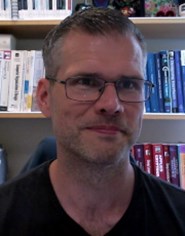
Professor Ingrid Undeland leads the Marine research group at the Division of Food and Nutrition Science, Department of Life Sciences at Chalmers University of Technology. She is a distinguished researcher with expertise spanning marine food science, lipid chemistry, and blue biorefining, having established herself as a leading figure in sustainable seafood research and marine biotechnology. Her educational background includes food science studies from Linnaeus University and a PhD in bioscience from Chalmers University of Technology and SIK (now RISE). Between 1999-2002, she was a post-doctoral fellow at University of Massachusetts Marine Station, which significantly shaped her research trajectory in marine food science. Professor Undeland's research focuses on pioneering next-generation seafood through innovative value chains from seaweed, small pelagic fish, fish side streams, mussels, and microalgae. Her specialized expertise lies in marine lipids and proteins, particularly their stabilization, isolation from complex sources, and nutritional properties including digestibility. She has extensive experience with antioxidant strategies using plant-derived side streams or extracts and fundamental studies of fish hemoglobins as pro-oxidants. Her work also encompasses innovative technologies for biomass fractionation and nutrient recycling to build blue biorefineries, along with in vitro digestion models and general seafood analytics. Beyond marine research, she explores filamentous fungi as sustainable alternative food protein sources. The trends in her recent publications reveal a strong emphasis on valorizing marine resources through advanced processing techniques. Her work increasingly focuses on sustainable extraction methods for seaweed proteins, particularly Ulva fenestrata, and developing antioxidant strategies using berry side streams to stabilize fish proteins. There's a growing interest in understanding the nutritional properties and digestibility of alternative marine proteins, along with environmental assessments of processing technologies. Her research consistently bridges fundamental science with practical applications for creating sustainable seafood value chains. Swedish representative in Nordic Lipidforum, WEFTA, and EuCheMS Editorial board member of Journal of the Aquatic Food Product Technology Member of the National Committee for Nutrition and Food Science at the Royal Swedish Academy of Sciences Co-founder of the startup company AquaFood H-index of 47 according to Google Scholar Professor Undeland has an extensive record of academic mentorship, having supervised or currently supervising 23 PhD students, 14 postdoctoral researchers, and examining over 25 MSc students. Her research is supported by numerous grants, including the WaSeaBi Project which focuses on valorizing seafood side-streams through holistic value chain design. She collaborates with various industry partners and academic institutions across Europe. Her laboratory includes technicians Dr. Karin Larsson and Dr. Rikard Fristedt, and she leads a dynamic research team working on multiple projects related to marine biorefining and sustainable seafood development. Her research group operates within well-equipped facilities at Chalmers University, with specialized laboratories for marine food analysis, protein extraction, lipid oxidation studies, and in vitro digestion modeling. The team also maintains cultivation systems for seaweed and filamentous fungi, enabling integrated research from raw material production to final product development.
Alexey Vorobiev is a Researcher at Uppsala University's Materials Physics department, focusing on neutron reflectometry and magnetic materials. His work spans thin films, superlattices, and nanoparticle interfaces. Education : Not explicitly mentioned in the text. Research Interests Vorobiev's research explores magnetic properties of materials, surface interactions, and neutron optics. Key areas include spintronics, nanoscale assembly, and thin film characterization. His work often integrates experimental methods like neutron scattering with materials engineering. Article Trends Recent publications emphasize neutron-based techniques for studying magnetic multilayers, graphene oxide behavior, and nanoparticle self-assembly, reflecting a strong focus on interfacial physics and advanced material synthesis.
Anders Backlund is Professor of Pharmacognosy at Uppsala University's Department of Pharmaceutical Biosciences, with dual institutional roles including Garden Director at Uppsala Linnaean Gardens. His work bridges pharmaceutical sciences and botanical heritage through the university's historic gardens. His research centers on pharmacognosy and natural products chemistry, with pioneering development of the ChemGPS-NP platform for chemical space navigation. This computational tool maps biological activity in chemical property space, enabling prediction of pharmacological effects and mechanisms of action. His work spans plant metabolomics, evolutionary chemography, and drug discovery from natural sources including marine organisms, fungi, and medicinal plants. Recent publications (2019-2023) demonstrate strong continuity in applying ChemGPS-NP to diverse problems: predicting membrane permeability of Alpinia galanga constituents (2022), evaluating Ononis isoflavonoids for CNS targeting (2022), and decoding multi-functional bioactivities in Maca (2021). His work increasingly integrates computational prediction with experimental validation across anti-inflammatory, anti-allergic, and antimicrobial domains. As Garden Director of Uppsala Linnaean Gardens, he maintains institutional connections to botanical heritage while advancing modern pharmacognosy. His dual roles exemplify the integration of historical plant knowledge with contemporary drug discovery methodologies.
Leif Andersson is a Professor at Uppsala University's Department of Medical Biochemistry and Microbiology, leading a research group focused on functional genomics in domestic animals and fish. His work bridges genetics, ecology, and evolutionary biology to explore phenotypic variation and adaptation. His research includes comparative genomics of domesticated species, identifying mutations linked to traits like horse gaits , chicken comb morphology , and herring ecological adaptation . Recent studies highlight genetic mechanisms in species such as corn snakes , Grey horses , and Darwin's finches , emphasizing environmental interactions and molecular pathways. Key article trends include supergenes in herring adaptation, RNA-binding proteins in cancer and development, and mutation-discovery in domesticated animals. His group's work spans genetic variation , ecological pressures , and evolutionary genetics . Students in his group include Arianna Cocco Ryan Joseph Daniels Jake Goodall Zheng Li Cheng Ma Giulia Maestri Fahime Mohamadnejad Sangdehi Mats Pettersson Matteo Sebastianelli Leyi Su Dandan Wang His contact details include the email Leif.Andersson@imbim.uu.se and phone number 070-425 02 33 , with an office at BMC, Husargatan 3, Uppsala.
Linda Sandblad is Associate Professor at the Department of Chemistry, Umeå University, and Research Fellow at Molecular Infection Medicine Sweden (MIMS). She directs the Umeå Centre for Electron Microscopy and leads research into cytoskeletal organization using advanced imaging techniques. Her research investigates: FilP protein dynamics in Streptomyces coelicolor bacterial model Keratin filament assembly in epithelial tissues Microtubule dynamics and associated protein functions Advanced electron microscopy method development Recent publications demonstrate applications of cryoelectron tomography, fluorescence imaging, and structural analysis across bacterial and eukaryotic systems, with particular focus on membrane proteins, cellular division mechanisms, and host-pathogen interactions. She received the Bo and Barbro Hammarström Prize for outstanding contributions to research infrastructure development.
Anders Hofer is an Associate Professor and Docent in Medical Biochemistry at Umeå University's Department of Medical Biochemistry and Biophysics, serving as Director of Studies. His research focuses on nucleotide metabolism in pathogens and mammalian cells, with an emphasis on enzymes like ribonucleotide reductase and nucleoside kinases. His work targets pathogens such as Trypanosoma brucei (African sleeping sickness), Giardia intestinalis, and Borrelia burgdorferi (Lyme disease), aiming to develop drugs exploiting their metabolic vulnerabilities. His lab employs techniques like GEMMA analysis, mass photometry, and nucleotide quantification methods. Recent grants include a three-year strategic research grant from the Medical Faculty in 2023. Key projects include studying nucleotide salvage pathways in pathogens and developing adenosine analogues as antiparasitics. Collaborations span structural biology, enzymology, and drug discovery. His work addresses antibiotic resistance by targeting unique pathogen features.
Tommy Löfstedt is an Associate Professor at Umeå University , affiliated with the Department of Computing Science and the Department of Mathematics and Mathematical Statistics. His research focuses on machine learning , computer vision , and medical image analysis , with applications in life sciences, radiation therapy, and biomedical imaging. He leads multiple research projects, including AI-driven delineation in radiation therapy, quantitative MRI for radiotherapy, and machine learning for plant nutrient uptake. Current research emphasizes structured regularization methods to improve model interpretability and robustness. Key applications include medical image segmentation , Alzheimer's classification , and uncertainty estimation in MRI . Recent publications highlight his work on morphological regularization , adversarial attack mitigation , and multi-task learning in medical imaging contexts. His projects span 2022–2026 with funding for pediatric oncology automation and gynecological cancer staging. Affiliated with both computing and mathematical departments, he bridges algorithm development with applied mathematical frameworks in medical and life science domains.
Yan Borné serves as Associate Professor and Associate Researcher at Lund University's Faculty of Medicine, with specialized expertise in Nutrition Epidemiology. He is actively affiliated with two major research initiatives: EpiHealth (Epidemiology for Health) and EXODIAB (Excellence of Diabetes Research in Sweden), reflecting his dual focus on population health and metabolic disorders. Dr. Borné's research spans critical areas of nutritional epidemiology, with particular emphasis on diet-disease relationships across multiple domains including cardiovascular health, diabetes, dementia, and mental health outcomes. His work frequently employs large-scale population-based cohort studies to investigate how dietary patterns - particularly ultraprocessed food consumption, dairy intake, and adherence to structured dietary indexes like EAT-Lancet - influence disease development and progression. The research integrates advanced methodologies including metabolomics and proteomics to identify biomarkers linking dietary exposures to health outcomes. Analysis of recent publications reveals a strong trend toward investigating the systemic effects of diet across multiple organ systems, with growing attention to mental health outcomes alongside traditional physical health endpoints. His work demonstrates increasing methodological sophistication through integration of omics technologies with traditional epidemiological approaches. Dr. Borné actively supervises doctoral research through multiple projects including 'Metabolic characterization of high sugar consumers' and 'The role of sugar intake in cardiovascular disease prevention,' indicating substantial involvement in training the next generation of researchers. His work has attracted significant attention, with several publications picked up by hundreds of news outlets and referenced across multiple social media platforms. He contributes to major collaborative research initiatives including 'Ultra-processed foods and cardiometabolic diseases in the Swedish population,' demonstrating leadership in contemporary nutrition research questions with significant public health implications. His research aligns with multiple UN Sustainable Development Goals, particularly those related to health and well-being.
Jens Carlsson is a Professor at Uppsala University, affiliated with the Department of Cell and Molecular Biology and the Science for Life Laboratory (SciLifeLab) . His research focuses on computational biochemistry , particularly G protein-coupled receptors (GPCRs) , using physics-based modeling to advance structure-based drug design . Academic rank: Full Professor (since 2022) Key methodologies: Molecular dynamics simulations, docking, free energy calculations Research themes: GPCR ligand interactions, virtual chemical space screening, allosteric modulators Recent work (2025) highlights AI-driven discovery of brain disease therapeutics and DNA repair inhibitors , while 2024 projects explore AlphaFold applications in TAAR1 agonist design . His group has received Swedish Research Council grants (3.6M SEK, 6M SEK) and industry collaborations . Scientific awards include the Göran Gustafsson Prize (2016), Excellence Prize in Molecular Design (2022), and Ingvar Carlsson Award (2012). Key students include PhD candidates Mariama Jaiteh and Pierre Matricon , with postdocs like Nicolas Panel and Duy Duc Vo .
Vito Foderà is a tenured Associate Professor of Biophysics at the Department of Pharmacy, University of Copenhagen, and a LINXS Fellow affiliated with the Integrative Structural Biology Working Group. He received his Ph.D. in Physics (2009) from the University of Palermo (Italy) and has held academic positions including Research Associate at the Cavendish Laboratory (University of Cambridge) and Assistant Professor at the University of Copenhagen. Education: Ph.D. in Physics, University of Palermo (Italy) His research focuses on protein self-assembly mechanisms and their interactions with biological interfaces and biomolecules. Key applications include advanced nanomedicine materials, protein drug formulation safety, and understanding neurodegenerative diseases. He leads the 5-year ProSmart initiative (Villum Young Investigator award, 2018), leveraging advanced microscopy and X-ray/neutron techniques to study structural heterogeneity in self-assembled protein systems. Scientific recognition includes the Marie Curie IEF Career Development grant (2012) and the Villum Young Investigator award (2018). His work bridges fundamental biophysics with translational applications in pharmacology and structural biology.
Dr. Axel Sandvig is an Adjunct Associate Professor at the Department of Community Medicine and Rehabilitation , Umeå University , with a focus on neurodegenerative diseases and neural network engineering. He also serves as a physician at the Department of Clinical Sciences , Umeå University , specializing in neurosciences. His work intersects clinical practice with cutting-edge research in neuroengineering and neurodegeneration. Adjunct Associate Professor, Department of Community Medicine and Rehabilitation, Umeå University Physician, Department of Clinical Sciences, Umeå University Dr. Sandvig’s research spans multiple domains of neuroscience , neuroengineering , and biomedical applications . He investigates Alzheimer’s disease using engineered human neural networks with mutations like LRRK2 G2019S and P301L tau, analyzing structural, functional, and connectomic changes. His work also explores neuroplasticity in stroke recovery , nanotechnology for neuroimaging , and lab-on-chip platforms for neuromodulation. Recent studies highlight synaptic connectivity and autophagy pathways as therapeutic targets. The 15 most recent publications reveal a trend toward neurodegenerative disease modeling , neural network dynamics , and biomedical nanotechnology . Key subfields include LRRK2/tau mutations , small-world network topology , neuroregeneration after ischemia , and gold nanostructure design . His work often involves in vitro models , neuroimaging , and stem cell applications . Dr. Sandvig collaborates extensively on neuroregenerative therapies , including nanoparticle delivery systems and manganese-enhanced MRI for axonal tracing. His affiliations bridge clinical practice at Norrland University Hospital with academic research at Umeå University.
Ignacio Mir-Sanchis serves as Assistant Professor at Umeå University's Department of Medical Biochemistry and Biophysics and holds an affiliated position at the Wallenberg Centre for Molecular Medicine (WCMM). His research focuses on antimicrobial resistance mechanisms and phage therapy development. His primary research interests center on Mobile Genetic Elements (MGEs) in Staphylococcus aureus , particularly Methicillin-Resistant S. aureus (MRSA). His laboratory investigates how MGEs hijack host proteins for DNA replication and gene expression during horizontal transfer, identifying potential drug targets. Additional work explores bacteriophages as therapeutic tools against antibiotic-resistant infections, employing techniques from molecular biology to cryo-EM structural analysis. Recent publications reveal significant trends in bacterial defense mechanisms against viruses and protein dynamics related to antibiotic resistance spread. His 2025 discovery of bacterial viral defense systems provides new pathways for combating resistance. WCMM Fellow (2019) Swedish Research Council Grant (2023) As head of the Mir-Sanchis Lab, he leads research on antimicrobial resistance and phage therapy, with active projects in bacteriophage engineering for therapeutic applications and structural analysis of resistance mechanisms. Current work includes developing phage-like particles as biotechnology tools and investigating host protein hijacking by MGEs.
Jing Li is a Staff Scientist at Stockholm University's Department of Chemistry, leading operations at the MACAL Soft Matter Characterization Lab and Surface Analysis Core. She holds two PhDs in Physical Chemistry (Xiamen University, China) and Surface Science (KTH Royal Institute of Technology, Sweden), with postdoctoral experience at University of Alberta and Swedish University of Agricultural Sciences (SLU). Her interdisciplinary research bridges electrochemistry, atomic force microscopy (AFM), and bio-based nanomaterials. PhD in Physical Chemistry (2004-2010), Xiamen University PhD in Surface Science (2011-2015), KTH Royal Institute of Technology Postdoctoral Fellow, University of Alberta (2010-2011) Researcher, Swedish University of Agricultural Sciences (2016, 2017-2018, 2020) Guest Researcher, BOKU Vienna (2017-2018) Research Focus: Development of advanced AFM methodologies for nanoscale surface science, electrochemistry of conductive nanomaterials, and functionalization of cellulosic composites. She investigates corrosion mechanisms through in situ electrochemical-AFM, with applications in water treatment membranes and renewable energy systems. Her work employs quantitative force mapping and nanomechanical analysis of bio-based materials. Scientific Leadership: Manages MACAL's multimode AFM, DMA, tensile testing, and gas adsorption analyzers. Teaching responsibilities include two advanced courses: Introduction into AFM (KZ41005) and Introduction into Dynamic Mechanical Analysis (KZ41021) , emphasizing practical data acquisition and interpretation.


 grupp.webp)