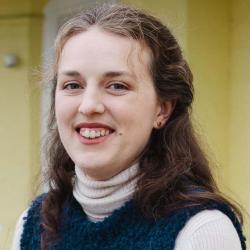
Iris Hardege is a researcher affiliated with the Department of Zoology at the University of Cambridge. As part of the Cambridge NERC Doctoral Landscape Awards (CREATES), she focuses on the molecular complexity of neurotransmission in invertebrates, particularly nematodes, and its evolutionary and ecological significance. Key Research Areas: Ligand-gated ion channels (LGICs), G-protein-coupled receptors (GPCRs), sensory biology, parasite control, neurophysiology, and evolutionary adaptation. Methodologies: Genetics, electrophysiology, high-resolution imaging, behavioral analysis, and CRISPR/Cas9 gene editing. Her work explores how receptor diversity influences neural circuit function, behavioral plasticity, and environmental adaptation, with potential applications in developing novel anti-helminthics for agricultural parasites. Current projects aim to characterize novel amine-gated ion channels, investigate pharmacological evolution in nematode-specific receptors, and conduct comparative analyses of neurotransmitter systems across invertebrates. Her recent publications highlight expertise in invertebrate neurobiology, ion channel characterization, and evolutionary studies across species like C. elegans and Octopus vulgaris . She collaborates with interdisciplinary teams under the C-CLEAR DTP program, integrating bioinformatics and molecular techniques to uncover mechanisms of neural signaling.
Jing He is a Professor in the Department of Computer Science at Old Dominion University, affiliated with the College of Sciences. Her work bridges computer science and structural biology through computational methods for molecular problems. Ph.D. in Structural & Computational Biology & Molecular Biophysics from Baylor College of Medicine (2001) M.S. in Applied Mathematics from New Mexico State University (1994) B.S. in Applied Mathematics from Jilin University (1990) Her research focuses on computational methods for biological problems involving molecular structures, particularly addressing the protein folding challenge through simplified 3D protein representations, statistical energy functions, and geometry-constrained optimization. This integrates computer science , structural bioinformatics , and molecular biophysics . Recent publications highlight her expertise in β-strand twist analysis , actin filament modeling , and 3D image processing for cryo-EM data. These span computational geometry , biomedical imaging , and algorithm validation . She has secured federal funding for projects like "ABI Innovation: Advanced Informatics And Effective Algorithms To Enable Cryoem Protein Structure Prediction And Density Analysis" , emphasizing her role in developing scalable tools for structural biology.
Professor Randy J Read FRS is a prominent structural biologist at the Cambridge Institute for Medical Research (CIMR), University of Cambridge, where he leads research in structural biology methods and applications. He holds a position in the Department of Haematology and maintains the Structural Medicine research group focused on protein structure determination through X-ray crystallography and cryo-electron microscopy. His work has significantly advanced computational methods for macromolecular structure determination. Read's research interests span structural biology methodology development, particularly maximum likelihood approaches for protein crystallography. His group developed the Phaser software, which has become a standard tool in structural biology. His research also encompasses structural studies of medically-relevant proteins, including bacterial toxins like pertussis toxin and Shiga-like toxins, as well as serpins and other proteins involved in disease processes. His work bridges computational method development with biological applications, focusing on how protein structure informs function in disease contexts. His recent publications demonstrate continued leadership in structural biology methodology, with significant contributions to integrating AlphaFold predictions with experimental approaches, likelihood-based methods for cryo-EM data analysis, and advanced molecular replacement techniques. The Phaser software continues to evolve as a critical tool for the structural biology community. Fellow of the Royal Society (FRS) Wellcome Trust Principal Research Fellow Extensive contributions to structural biology methodology Author of over 150 publications in top scientific journals Read supervises research staff and students, with notable group members including Airlie McCoy and Alisia Fadini. His laboratory receives funding from the Wellcome Trust and the National Institutes of Health. His work has established him as a leading figure in the development of computational methods for protein structure determination, while maintaining strong connections to medically-relevant biological questions.
Alexandre Medina de Jesus is an Associate Professor in the Department of Pediatrics at the University of Maryland School of Medicine. With a D.Sc. in Neuroscience (2000) and postdoctoral training in Neuroscience (2003), he has maintained continuous academic appointments at major institutions since 1999. His career includes tenure at Virginia Commonwealth University (2005-2012) before transitioning to his current role at University of Maryland (2012-present). Universidade Santa Ursula, Brazil - B.S., Biology (1990) Universidade Federal do Rio de Janeiro, Brazil - M.Sc., Zoology (1996) Universidade do Estado do Rio de Janeiro, Brazil - D.Sc., Neuroscience (2000) Virginia Commonwealth University - Postdoctoral Fellowship, Neuroscience (2003) Dr. Medina specializes in neurodevelopmental disorders , particularly Fetal Alcohol Spectrum Disorders (FASD) . His research explores how early alcohol exposure disrupts neuronal plasticity and multisensory integration , with notable work on cortical visual system development and transcription factor regulation (CREB, SRF, MEF2). He pioneered the ferret FASD model to study sensory processing deficits. Recent publications focus on cortical layer-specific multisensory integration (2024), visual-tactile circuit microstructure (2018), and CREB phosphorylation requirements for plasticity (2021). His work balances basic neuroscience with clinical translational research , including studies on neonatal hypoxia (2022) and NICU environmental exposures (2020). Scientific Awards & Service NIH/NIAAA R01 Grants (AA13023, AA022455) VA Merit Grant I01BX005678 President, FASD Study Group (2015-2016) NIH Study Section Member (NAL, 2018-2022) Research Themes Neuronal Plasticity Mechanisms Developmental Neurotoxicology Cortical Circuit Organization Translational Neuroscience Multisensory Processing Transcription Factor Regulation
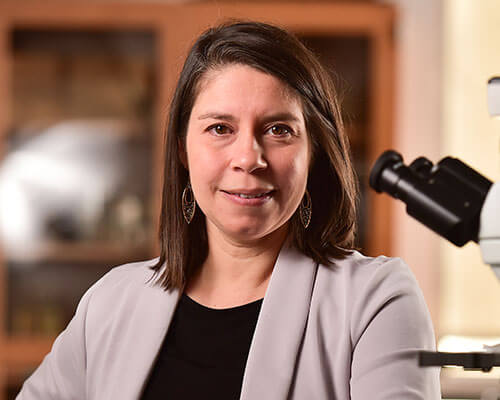
Verónica Contreras-Shannon, Ph.D., is a Professor of Biological Sciences at St. Mary’s University in San Antonio, Texas. She specializes in biomedical research focusing on metabolic side effects of atypical antipsychotics and cytoskeletal dynamics in disease states, particularly atherosclerosis and muscle regeneration. Her teaching portfolio includes General Biology for Majors, Toxicology, and Cell and Molecular Methods Lab, where she employs evidence-based practices like course-based research experiences to enhance student engagement. Education: Ph.D. in Biochemistry from UTHSCA (2003), B.A. in Biology from UC Santa Cruz (1995) Research Programs: Director of NIH-funded U-RISE and MARC programs for undergraduate research training Awards: Distinguished Faculty Award (2019), NIH SCORE Pilot Project Award (2018), Undergraduate Research Mentor Award (2012), Senior Faculty Research Mentoring Award (2023) Her research involves undergraduate students in studying: Mechanisms of metabolic side effects from antipsychotics Cytoskeletal roles in disease phenomena Beta-tubulin isotype involvement in foam cell formation and atherosclerosis Publications span molecular neurobiology, immunology, and biochemistry, with a focus on inflammation, muscle regeneration, and cancer biology. Contreras-Shannon is actively engaged in mentoring and serves on the American Society for Investigative Pathology Leadership Council.
Michael Heinzinger is a researcher at the Chair for Bioinformatics within the School of Informatics at Technische Universität München. His work focuses on protein language models, machine learning applications in structural biology, and sequence-structure-function relationships. He contributes to projects like ProtTrans and participates in teaching activities including Data Mining and Problem-Based Learning (PBL) modules. Research Focus: Heinzinger's research explores Protein language modeling and representation learning Structure prediction using deep learning Functional annotation through sequence embeddings Evolutionary insights via domain analysis Transmembrane protein visualization tools Publication Trends: Recent work emphasizes protein language models (ProtTrans, HiFi-NN), structure prediction without alignments, binding residue analysis in disordered regions, and evolutionary studies of venom/toxin genes. Techniques include embeddings, contrastive learning, and attention mechanisms applied to protein space visualization and functional prediction. Contact: Email: ga32bav@mytum.de
David Eisenberg is a Professor at the University of California, Los Angeles, specializing in structural biology and neurodegenerative diseases. His research focuses on amyloid proteins, including tau, α-synuclein, and TDP-43, using cryo-EM and computational methods to understand aggregation mechanisms in Alzheimer's and related disorders. Key Research Areas: Amyloid formation, cross-β spine structures, structure-based inhibitor design Recent Trends: Development of D-peptide inhibitors for tau, liganded nanoparticles for α-synuclein imaging Collaborations: Extensive work with UCLA's MBI (Molecular Biology Institute) and international amyloid research groups His scientific contributions include defining the structural basis of amyloid polymorphism and identifying critical pathways for protein aggregation, with applications in both neurodegenerative disease therapy and materials science. Awards and honors are not explicitly listed in the provided text, but his work has been published in top-tier journals like Nature , Science , and PNAS .
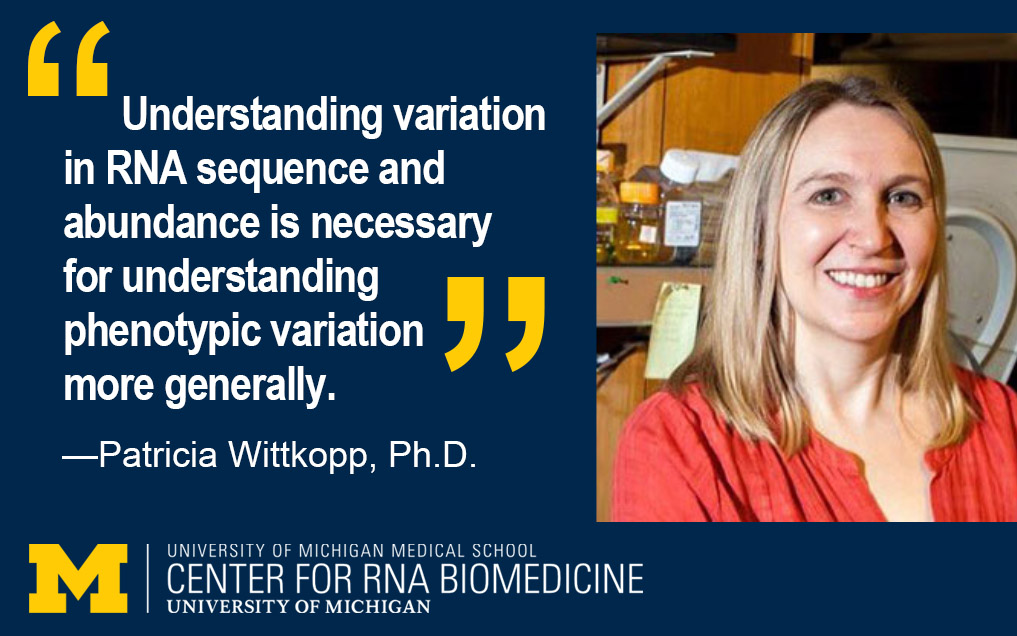
Patricia Wittkopp is a Professor at the University of Michigan's College of Literature, Science, and the Arts, with dual appointments in Ecology & Evolutionary Biology and Molecular, Cellular & Developmental Biology. Her research focuses on understanding genetic and molecular mechanisms underlying phenotypic differences within and between species, particularly through gene expression regulation. Education: University of Michigan (undergraduate), University of Wisconsin-Madison (PhD), Cornell University (postdoc) Research Areas: Transcriptional regulation, cis/trans-regulatory evolution, gene network divergence, and evolutionary processes Her lab combines molecular biology, developmental genetics, and computational approaches to study Drosophila and Saccharomyces cerevisiae. Recent work explores mutation-selection dynamics, chromatin accessibility, and microRNA-driven adaptations across species. Scientific Awards: Arthur F. Thurnau Professor Sally L. Allen Collegiate Professor
Professor David Attwell FRS is the Jodrell Professor of Physiology at University College London (UCL) in the Faculty of Life Sciences, within the Division of Biosciences, Department of Neuroscience, Physiology and Pharmacology. He organizes the 4-year PhD program in Neuroscience at UCL and delivers undergraduate lectures. His leadership extends to university governance as he serves on the Governance Committee of Academic Board, having previously served as Vice-Head of the Graduate School and on UCL's Council. Attwell earned his D.Phil. in neuroscience from Oxford University, where he studied with Julian Jack, after completing studies in physics and physiology at Magdalen College, Oxford. He also pursued research at the University of California, Berkeley with Frank Werblin. Professor Attwell's research focuses on the intricate signaling between neurons, glial cells (including microglia, oligodendrocytes, and astrocytes), and the vasculature, with particular emphasis on how the brain's energy supply controls its computational power. His lab pioneered analyses of subcellular energy use in the brain, establishing the first comprehensive energy budgets for grey and white matter. These studies revealed that brain energy use imposes significant constraints on information processing speed, necessitating energy-saving coding strategies. His work on pericytes has demonstrated their crucial role in regulating capillary blood flow and their involvement in pathological conditions like stroke and Alzheimer's disease. Analysis of Professor Attwell's publication record reveals a strong focus on neurovascular coupling, brain energy metabolism, and glial cell function. His research spans multiple disciplines including cellular neuroscience, biophysics, and vascular biology, with particular emphasis on how energy constraints shape neural computation. The work has significant translational implications for understanding and treating stroke, Alzheimer's disease, multiple sclerosis, and other neurological conditions involving white matter damage. Professor Attwell's scientific achievements have been recognized with numerous prestigious awards: 2020 Annual Review Prize Lecture of the Physiological Society 2019 Highly Cited Scientist, Web of Science (top 0.1% of scientists) 2018 Member, Norwegian Academy of Science and Letters 2016 FENS-Kavli award for mentoring neuroscientists 2016 Fondation Ipsen Prize for Neuroenergetics 2016 Member, Academia Europaea 2010 Medal of Australian Physiological & Pharmacological Society 2001 Fellow of the Royal Society 2000 Fellow, Academy of Medical Sciences 1986 Sharpey Schafer Medal of the Physiological Society Professor Attwell actively mentors the next generation of neuroscientists, both through formal teaching and laboratory supervision. He organizes UCL's 4-year Neuroscience PhD program and participates in international teaching programs including Ion Channels workshops and the Astrocyte School. His lab has been generously supported by major funding bodies including the Wellcome Trust (Senior Investigator Award), European Research Council (Advanced Investigator Award), Medical Research Council, Fondation Leducq, and Rosetrees Trust. His commitment to outreach extends to public lectures on brain energy supply and participation in programs like In2Science, which brings underprivileged school children into research laboratories. The Attwell lab comprises a diverse team of researchers working on various aspects of neurovascular and glial biology. Current lab members investigate immune cell-vascular interactions, pericyte function in neurological and cardiac disorders, node of Ranvier dynamics, microglial properties, and the effects of diabetes on the microvasculature. The lab's collaborative approach is evident in its partnerships with researchers at UCL, King's College London, the Crick Institute, and international institutions.
Ronna Hertzano is a Clinical Professor at the Department of Otorhinolaryngology-Head & Neck Surgery, University of Maryland School of Medicine. Her research focuses on hearing science, inner ear biology, and multi-omic data integration. Established the Hearing Science Accelerator initiative Developed the gEAR portal for multi-omic data exploration Contributed to the BRAIN Initiative Cell Census Network Pioneered cochlear organoid models for hair cell differentiation studies Her work spans transcriptomic profiling of the inner ear, epigenetic mechanisms in hearing loss, and interdisciplinary collaborations with bioengineers and computational biologists. Recent publications emphasize noise-induced hearing loss , age-related auditory degeneration , and sex-specific differences in hearing biology. She serves as a key figure in the Neuroscience Multi-Omic Archive and has developed platforms like NeMO Analytics for Alzheimer's disease research. Her clinical focus includes cochlear implants , pulsatile tinnitus , and ototoxicity prevention. Notable contributions: Created the first cell type-specific transcriptomic atlas of the inner ear Developed 3D-biofabrication protocols for tissue engineering Advanced understanding of miR-96 and GFI1 roles in hearing Explored estrogen signaling for hearing protection
Robert Molday is a distinguished Professor in the Department of Biochemistry and Molecular Biology at the University of British Columbia's Faculty of Medicine. He also holds the position of Professor of Ophthalmology and Visual Sciences, serves as Director of the Centre for Macular Research, and is a Senior Member of the UBC Brain Research Centre. Additionally, he is a Member of the Neuroscience Graduate Program. Dr. Molday was the Canada Research Chair in Vision & Macular Degeneration from 2000 to 2021 and is a Fellow of the Royal Society of Canada. Dr. Molday received his BSc (Honours Chemistry) from the University of Pennsylvania in 1965, followed by an MSc in Chemistry from Georgetown University in 1967. He completed his PhD in Biochemistry at the University of Pennsylvania in 1971 and conducted postdoctoral research at the California Institute of Technology in 1975. Dr. Molday's research is directed toward determining the molecular structure and function of membrane proteins and elucidating their role in cell physiology and disease. His laboratory primarily focuses on vertebrate retinal photoreceptor proteins and their roles in: phototransduction and other signaling pathways; rod and cone photoreceptor cell structure and morphogenesis; lipid transport across membranes; protein and vesicle trafficking; and inherited retinal degenerative diseases which are a significant cause of blindness worldwide. His work has significant implications for understanding and treating conditions such as Stargardt macular degeneration, retinitis pigmentosa, and Leber Congenital Amaurosis. Analysis of Dr. Molday's recent publications reveals a strong focus on ABCA4 protein and its role in Stargardt disease, with numerous studies examining the structure, function, and disease-associated variants of this critical transporter. His work increasingly incorporates advanced structural biology techniques like cryo-EM to understand molecular mechanisms. There's also a growing emphasis on therapeutic approaches, including gene therapy and drug discovery for inherited retinal degenerative diseases. His research spans from fundamental molecular mechanisms to translational applications, demonstrating a comprehensive approach to understanding and treating retinal diseases. Canada Research Chair in Vision & Macular Degeneration (2000-2021) Fellow, Royal Society of Canada Dr. Molday leads an active research laboratory focused on retinal diseases and membrane proteins. His lab employs a wide range of techniques including generation and characterization of monoclonal antibodies, cDNA cloning and sequencing, heterologous protein expression, immunoaffinity purification, and cryo-electron microscopy. His research has been supported by numerous grants focused on understanding the molecular basis of retinal degenerative diseases and developing potential therapeutic interventions. Dr. Molday collaborates extensively with researchers in ophthalmology, neuroscience, and biochemistry to advance understanding of retinal function and disease. Dr. Molday directs the Centre for Macular Research at UBC and oversees a multidisciplinary team of researchers investigating the molecular mechanisms underlying macular degeneration and other retinal diseases. His laboratory is equipped with state-of-the-art facilities for biochemical, biophysical, and cell biological analyses of membrane proteins, particularly those involved in retinal function. The lab maintains specialized animal models, including knockout and transgenic mice, to study disease mechanisms and test potential therapeutic approaches for retinal degenerative conditions.
David Kastner is an Adjunct Instructor in the Department of Psychiatry at the University of California, San Francisco (UCSF) , affiliated with the UCSF Weill Institute for Neurosciences . Holding a MD-PhD in Neuroscience from Stanford University (2014) , his research spans interdisciplinary neuroscience, computational biology, and neurophysiology.
Richard Hoge is an Associate Professor at the Montreal Neurological Institute, McGill University, specializing in brain imaging technology development. He directs the Human Magnetic Resonance (MRI) Program and focuses on functional MRI and PET imaging for studying aging-related cognitive processes. Department: Neurology and Neurosurgery Academic Rank: Associate Professor Education: BSc Honours in Physics, Carleton University (1989) MSc in Physics, McGill University (1996) PhD in Biomedical Engineering, McGill University (1999) Postdoctoral Training at Harvard University (Radiology Department, Massachusetts General Hospital) Research Focus: Neuroimaging, particularly MRI and PET techniques to analyze physiological changes in aging brains and neurodegenerative diseases. His lab uses 7 Tesla fMRI machines for studying oxygen dynamics and brain function in health and pathology. Research Trends: Recent work spans Tau PET imaging, advanced MRI coil design, sleep-neuroinflammation links in Alzheimer's risk, and neurophysiological markers in Parkinson's disease. Key themes include brain metabolism quantification, vascular reactivity analysis, and neuroimaging protocol harmonization. Professional History: Formerly associate director at Université de Montréal's Functional Neuroimaging Unit and assistant physicist at Massachusetts General Hospital. Laboratory: Develops methods for oxygen delivery/consumption imaging and investigates aging-related brain changes using cutting-edge MRI/PET technologies.
Layton Lamsam is a resident in the Department of Neurosurgery at Yale School of Medicine , focusing on epilepsy and functional neurosurgery . He completed his MD and BS in Biology at Stanford University , where he developed expertise in statistical programming and causal inference on observational data. Education: MD, Stanford University School of Medicine (2019) BS, Stanford University, Biology (2014) Research Interests: Layton's work spans epilepsy surgery , neuroimaging , and scRNA-Seq analysis for brain tumors. His recent studies examine structural network remodeling post-surgery, portable MRI applications, and therapeutic interventions like laser interstitial thermal therapy. Key Trends: His publications highlight neurosurgical outcomes , epilepsy , and neuroimaging , with a focus on clinical translational research , minimally invasive techniques , and neuro-oncology . Lab Involvement: He contributes to the Damisah Lab at Yale, which investigates neurosurgical innovations and epilepsy management strategies.
Tony Capra is an Assistant Professor of Computer Science at the Vanderbilt University School of Engineering , where he investigates intersections of computational methods and biomedical research. His work leverages advanced informatics to explore genetic and evolutionary questions with direct clinical relevance. Education: Ph.D. and M.A. in Computer Science from Princeton University; B.A. in Computer Science and Mathematics from Columbia University Dr. Capra's research program focuses on developing computational frameworks to address challenges in human genetics, evolutionary biology, and biomedical applications. His laboratory specializes in: Biomedical machine learning Evolutionary genomics Structural variant interpretation Electronic health record analysis Comparative 3D genome modeling Population-scale data integration His recent publications demonstrate increasing emphasis on cross-species evolutionary comparisons, structural biology applications, and clinical translation of genomic insights. Key methodologies involve machine learning at biobank scales and functional annotation of noncoding variation. Current affiliations include the Department of Computer Science and Biomedical Engineering at Vanderbilt, with research teams working at the interface of computational biology and clinical data science. Collaborative efforts span human genetics, primate genomics, and precision medicine initiatives.