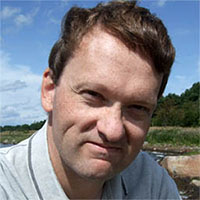
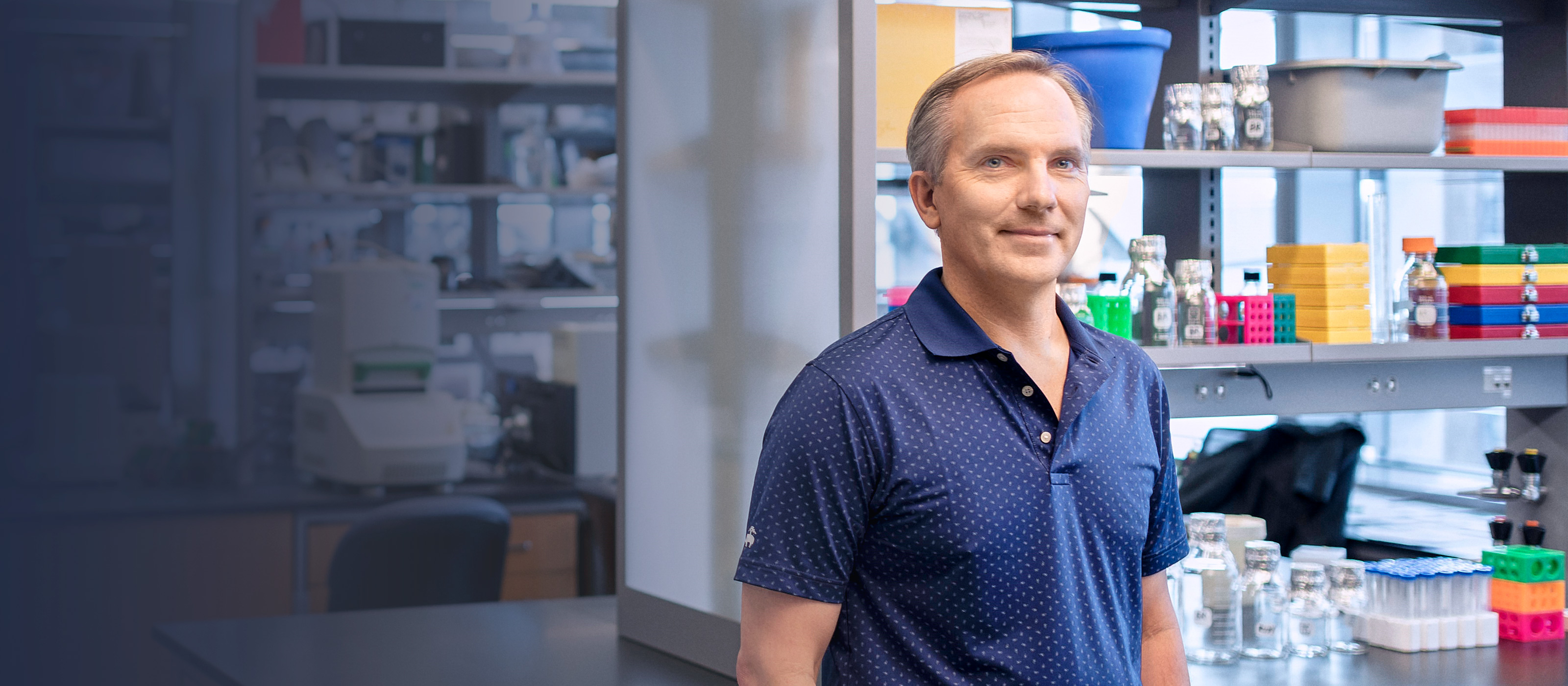
Matthew StateView profile
Professor
Matthew W. State, MD, PhD is the Oberndorf Family Distinguished Professor and Chair of Psychiatry at the University of California, San Francisco (UCSF) School of Medicine, and Director of the Langley Porter Psychiatric Institute and Hospital. He is also affiliated with the UCSF Weill Institute for Neurosciences, where he leads groundbreaking research at the intersection of child psychiatry and human genetics. Dr. State received his undergraduate and medical degrees from Stanford University, completed his residency in psychiatry and fellowship in child psychiatry at the UCLA Neuropsychiatric Institute, and earned a PhD in genetics from Yale University working in the lab of David C Ward. He was on the faculty at Yale from 2001 to 2013 where he was the Donald J. Cohen Professor of Child Psychiatry, Psychiatry and Genetics and the Co-Founder and Co-Director of the Yale Program on Neurogenetics. Dr. State is a leading child psychiatrist and human geneticist whose research focuses on pediatric neuropsychiatric syndromes, particularly autism spectrum disorders (ASD) and Tourette disorder (TD). His laboratory has played a pivotal role in demonstrating the contribution of rare and de novo genetic variation to these conditions. His work has contributed significantly to the identification of dozens of ASD risk genes and the first high-confidence TD genes. Through systems biological approaches, his research has characterized the spatial and temporal convergence of autism genes in developing human brain, providing crucial insights into disease mechanisms. His lab utilizes diverse methodologies including genomic analysis, functional studies in model systems, and collaborative large-scale sequencing efforts. Analysis of Dr. State's recent publications reveals a strong focus on the molecular and cellular mechanisms underlying autism spectrum disorders. His research increasingly examines the convergence of autism-related proteins, chromatin regulation, and the role of specific cellular structures like cilia in neurodevelopment. There's also a growing emphasis on translating genetic findings into potential therapeutic approaches, with several recent papers addressing treatment development and biomarker identification for autism and related conditions. His work demonstrates a clear trajectory from gene discovery to understanding biological pathways and ultimately to developing novel therapeutic strategies. Yale Graduate School Alumni Association 2020 Wilbur Cross Medal National Academy of Medicine 2017 Rhoda and Bernard Sarnat International Prize in Mental Health National Academy of Medicine 2014 Elected member American Academy of Child and Adolescent Psychiatry 2014 Tarjan Award Brain and Behavior Research Foundation 2012 Ruane Prize Science Magazine 2011 Annual Top 10 Scientific Breakthroughs Science Magazine 2005 Annual Top 10 Scientific Breakthroughs Dr. State plays a leadership role in numerous national and international collaborative genomics studies, including the Simons Simplex Collection Genomics Consortium, the Autism Sequencing Consortium, and the Tourette International Collaboration (TIC) on Genetics. His NIH-funded research portfolio includes multiple principal investigator roles on grants examining the genetic architecture of autism and Tourette disorder, brain development, and the functional consequences of genetic variants. His laboratory has been continuously funded by the National Institutes of Health since 2002, with recent grants totaling millions of dollars supporting cutting-edge research in neurogenetics. His collaborative approach has established him as a central figure in the field of psychiatric genetics. Dr. State directs a vibrant research program that integrates genomic analysis with functional studies to understand the biological basis of neurodevelopmental disorders. His work bridges basic science and clinical applications, with a growing emphasis on identifying potential therapeutic targets based on genetic findings. He collaborates extensively with researchers across multiple institutions and disciplines, fostering a collaborative approach to understanding the complex genetic architecture of autism spectrum disorders and Tourette disorder. His research program includes both human genetic studies and functional validation in model systems, creating a comprehensive pipeline from gene discovery to biological mechanism.