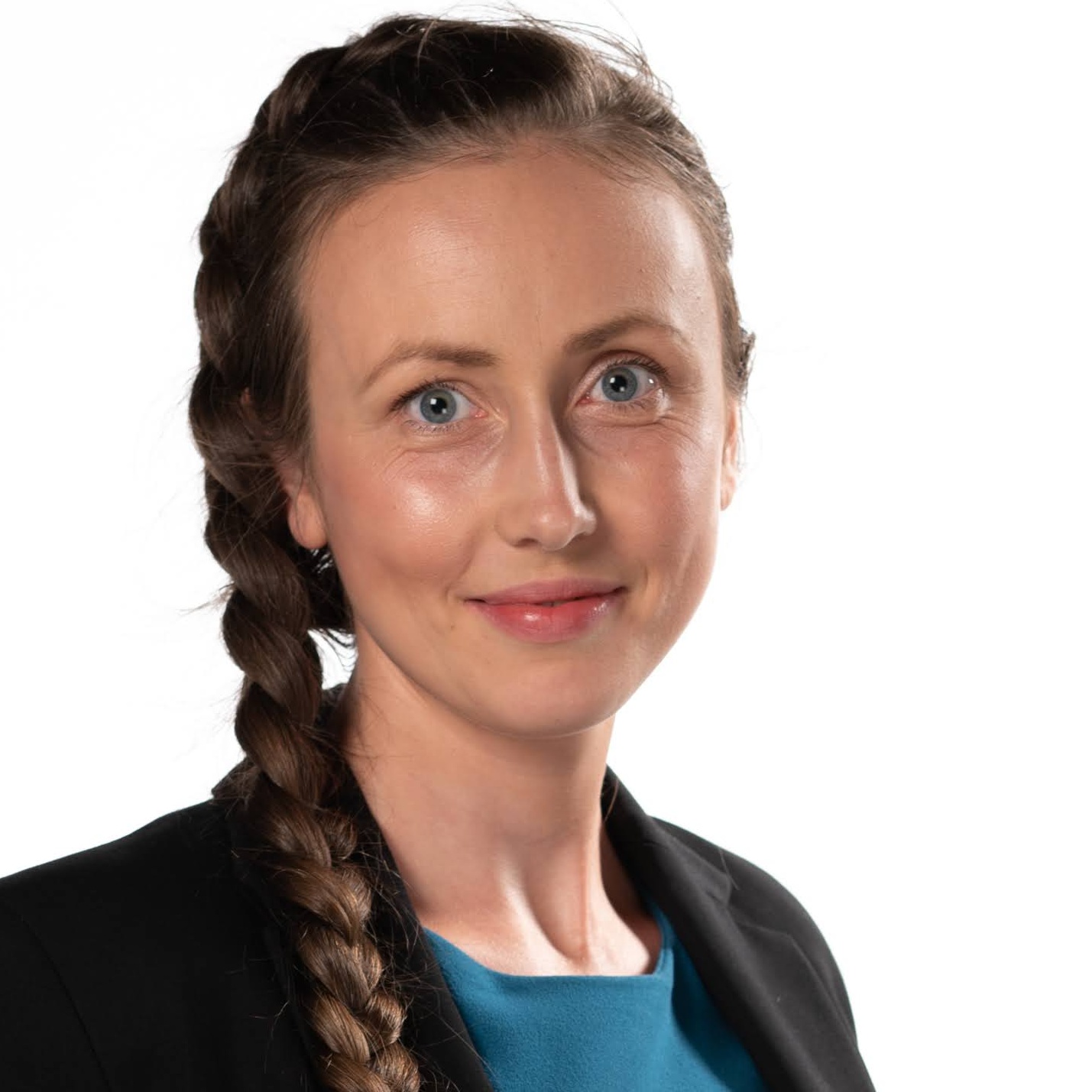
Daniel CoppersmithView profile
Assistant Professor
Daniel Coppersmith is an Assistant Professor joining the Department of Psychological and Brain Sciences at the University of Massachusetts Amherst in Fall 2025. His research program is dedicated to advancing the understanding, prediction, and prevention of suicide using innovative technologies such as smartphones and wearable biosensors. He is affiliated with the College of Natural Sciences and operates at the intersection of clinical psychology and computational behavioral science. His research interests center on the dynamic, heterogeneous nature of suicidal thoughts and behaviors. Key areas include: Describing the form and function of suicidal ideation Identifying time-varying risk and protective factors Developing personalized, scalable interventions using real-time data His work emphasizes affect regulation, temporal dynamics, and just-in-time adaptive systems to support individuals at risk. Analysis of his recent publications reveals a strong focus on digital mental health tools, computational modeling of suicide risk, and the development of real-time interventions. His work frequently employs longitudinal data, dynamic systems modeling, and mobile technology to capture intraindividual variability in suicidal thinking. Collaborations with leading figures such as Matthew K. Nock and Emily M. Kleiman underscore his integration into top-tier research networks in clinical and computational psychiatry. Although no scientific awards are currently listed, his publication record in premier journals like Proceedings of the National Academy of Sciences and Behaviour Research and Therapy highlights significant scholarly impact. His future work is expected to expand the reach of precision suicide prevention through scalable, technology-enhanced care models. Dr. Coppersmith advises graduate students in clinical psychology and related fields, though specific advisees are not yet listed. His lab likely focuses on digital phenotyping, suicide risk modeling, and intervention development. He may pursue grants from NIH, NIMH, and private foundations focused on mental health innovation and suicide prevention. His team is expected to include data scientists, clinical psychologists, and software developers working on real-time behavioral monitoring systems.