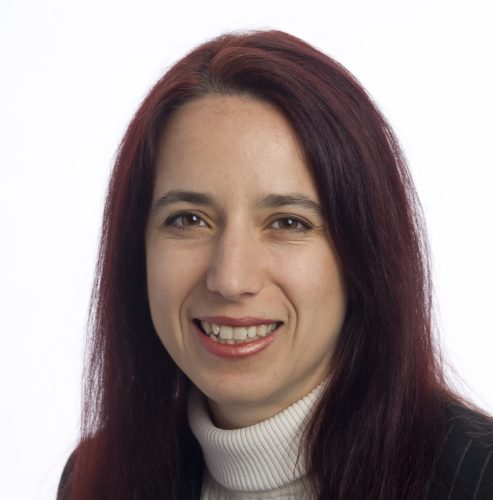
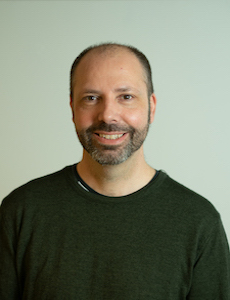
Vilhelm Bohr is an Affiliate Professor at the Department of Cellular and Molecular Medicine , University of Copenhagen, affiliated with the Molecular Aging Program and Center for Healthy Aging . His research explores the interplay between DNA maintenance , mitochondrial biology , and aging , particularly in age-associated neurodegeneration and Alzheimer’s disease. Research Interests include: Molecular mechanisms linking NAD + metabolism to mitochondrial dysfunction and neurodegeneration Role of tau pathology in DNA damage and mitochondrial stress Impact of Aprataxin (APTX) and RECQL4 helicase defects on mitochondrial DNA integrity Pharmacological strategies to improve mitochondrial health via autophagy modulation Publications (2025-2024) span topics like NAD + biosynthesis, Werner/Rothmund-Thomson syndromes, tau nuclear functions, and mitochondrial turnover, with high citations and media attention. Collaborations extend to clinical tumor samples and CRISPR-based disease models.
Michael Kjær is a Clinical Professor at the Department of Clinical Medicine, University of Copenhagen, Faculty of Health and Medical Sciences. He specializes in Internal Medicine: Rheumatology and leads research groups focused on exercise physiology, sports injuries, and aging. His work addresses the impact of physical activity on the human organism, with particular emphasis on tissue damage and repair mechanisms. Dr. Kjær's primary research interests center around sports medicine, physiology, and exercise science. His work investigates tendon pathology, muscle physiology, sports injuries, and the effects of exercise on aging populations. He has made significant contributions to understanding sports-related injuries, particularly tendon overuse conditions, and the physiological responses to physical activity across different age groups. His recent publications (2025) demonstrate a strong focus on tendon research, sports injury treatment dilemmas, effects of anabolic steroid abuse, muscle physiology, and bone health in athletes and older adults. The research spans from basic science investigations of cellular mechanisms to clinical studies addressing practical sports medicine challenges. His work shows particular strength in connecting molecular and tissue-level changes with clinical outcomes in sports medicine. With 415 research outputs including 369 journal articles, 15 book chapters, and 15 reviews, Dr. Kjær maintains an active research program with substantial impact. His work has been referenced in Wikipedia pages, cited by Bluesky users, and picked up by news outlets, demonstrating its relevance to both academic and public discourse. Dr. Kjær leads multiple research groups within the Center for Healthy Aging Damage and Repair at the Department of Clinical Medicine. His laboratory work focuses on tissue response to injury and exercise, particularly examining tendon and muscle physiology using both in vivo and in vitro approaches. His research bridges basic science with clinical applications in sports medicine and rehabilitation.
Professor Guillermo Montoya is a Research Director and Group Leader at the Protein Structure & Function Program of the Novo Nordisk Foundation Center for Protein Research (CPR), University of Copenhagen, Denmark. His work focuses on unraveling cellular mechanisms at the atomic level through advanced methodologies including X-ray crystallography and cryo-electron microscopy. PhD in Chemistry, University of Zaragoza (1989–1993) MSc in Biochemistry, University of the Basque Country (1984–1989) Montoya's research spans Structural Molecular Biology and Genome Integrity , with specific emphasis on: Activation mechanisms of oligomeric kinases CRISPR-Cas12a conformational dynamics Macromolecular complexes in telomere maintenance His publications reveal significant contributions to CRISPR-Cas systems , kinase activation , and DNA/RNA degradation mechanisms . Scientific Awards: EMBO Member (2018) Spanish National Prize in Biomedicine (2009) Multiple Fellowships (EMBO, Marie Curie, FEBS, Marie Curie) Montoya's group integrates structural biology with cell biology to address fundamental questions in genome stability and biomedical applications. His work has been cited over 188 times for studies on CRISPR-Cas endonucleases and has attracted attention from 41 patents.
Ole Nørregaard Jensen is a Professor in Biomedical Mass Spectrometry and Systems Biology at the Department of Biochemistry and Molecular Biology, University of Southern Denmark . His research integrates advanced mass spectrometry, proteomics, and bioinformatics to study chromatin biology, post-translational modifications, and cellular signaling networks. He is actively involved in major research initiatives funded by Novo Nordisk Foundation and Lundbeck Foundation. His research interests include Mass Spectrometry, Proteomics, Posttranslational Modification, Histone Biology, Chromatin Biology, Bioinformatics, Systems Biology, Lipidomics, and Protein Chemistry . He employs cutting-edge techniques such as tandem mass spectrometry and ion mobility spectrometry to analyze protein isomers and dynamic modifications. His work has significant implications for understanding gene regulation, DNA replication, and disease mechanisms. His recent publications demonstrate a strong trend in chromatin dynamics, epigenetics, and integrated omics approaches , combining proteomics with transcriptomics and lipidomics to unravel complex biological systems. His research spans from fundamental molecular mechanisms to translational applications in biomedicine and food science. He has been recognized with several prestigious awards: MCP Lectureship Award Juan Pablo Albar Proteomics Pioneer Award 2019 EliteForsk 2009 prize Knight Order of Dannebrog (Ridder af Dannebrogordenen) Jensen is deeply involved in academic service, including peer review for journals like Nature Communications and Molecular and Cellular Proteomics , organizing conferences, and supervising students. He teaches courses such as Biomedical Mass Spectrometry - Principles and Applications and coordinates the Computational Biomedicine international Master’s program. He leads multiple active research projects, including PLATO and INTEGRA, focusing on health data, imaging, and protein networks. He is a key member of a vibrant research environment in biomedical mass spectrometry at SDU, contributing to both national and international scientific collaborations. His lab is at the forefront of developing and applying novel mass spectrometry methodologies for systems biology.
Sharath Anugula serves as a Guest Researcher in the Department of Cellular and Molecular Medicine at the University of Copenhagen's Faculty of Health and Medical Sciences, specifically within the Molecular Aging Program and Juel-Rasmussen Group. His research is centered at Panum Instituttet in Copenhagen. Dr. Anugula's research interests focus on the intricate relationship between mitochondrial function, genomic stability, and aging processes. His work bridges molecular biology, genetics, and systems approaches to understand fundamental mechanisms of biological aging. He has made significant contributions to understanding how DNA repair mechanisms, particularly REV1-mediated processes, interact with mitochondrial metabolism in aging contexts. His publication record demonstrates expertise in mitochondrial biology, with research examining how metabolic shifts, genomic instability, and nucleotide synthesis pathways influence aging trajectories and disease development. His work often employs both experimental and computational approaches to model complex biological systems. Anugula completed his Ph.D. at the University of Copenhagen in 2021 with research focused on nucleus-mitochondria communication in healthy aging. His scholarly output includes journal articles in Heliyon, Mitochondrion, and Experimental Gerontology, as well as book chapters on aging biology. His collaborative research network includes prominent scientists in aging research, particularly Professor Lene Juel Rasmussen, with whom he has published multiple studies examining the molecular underpinnings of aging processes.
Thomas Miller is an Associate Professor in the Department of Cellular and Molecular Medicine at the University of Copenhagen, working within the Molecular Aging Program. His research focuses on understanding the molecular mechanisms that maintain eukaryotic genome stability during DNA replication using genetic, biochemical, cellular, and structural techniques, including cryo-EM. Dr. Miller's primary research interests include: Molecular mechanisms of faithful genome replication How failures in genome stability maintenance cause developmental disorders and age-related diseases The role of replisomes and accessory factors in regulating chromosome replication His current research projects specifically investigate: The mechanisms and regulation of MCM helicase loading Replication-coupled DNA-protein crosslink (DPC) repair Accessory helicases in DNA replication Electron microscopy methods development through 'Reconstitution in silico' (RECONSIL) Dr. Miller's publication record demonstrates expertise across structural biology, molecular mechanisms of DNA replication, and cryo-EM techniques. His recent work spans from fundamental studies of replisome structure and function to developing new methodologies for studying DNA replication processes. His research has significant implications for understanding developmental disorders and age-related diseases including neurodegeneration and cancer. Dr. Miller is the founder of TCRM Consulting, indicating industry engagement alongside his academic work.
Irena Vodenska is Professor of Finance and Director of Finance Programs at Boston University’s Metropolitan College, Department of Administrative Sciences. She holds a PhD in statistical finance and an MA in economics from Boston University, an MBA from Vanderbilt University, and a BS in computer information systems from the University of Belgrade. She is also a Chartered Financial Analyst (CFA) charter holder. Her research is at the intersection of finance, complexity science, and artificial intelligence, focusing on systemic risk modeling, ESG investments, and financial network dynamics. She has led major interdisciplinary research projects funded by the National Science Foundation, the European Commission, and the U.S. Army Research Office. PhD, Statistical Finance – Boston University MA, Economics – Boston University MBA – Owen Graduate School of Management, Vanderbilt University BS, Computer Information Systems – University of Belgrade Dr. Vodenska’s research interests include network theory in finance, systemic risk propagation, AI-powered ESG analysis, cryptocurrency price forecasting, and financial regulation. She employs big data, machine learning, and natural language processing to analyze financial news, market dynamics, and corporate sustainability. Her work investigates how climate disinformation spreads via social networks and influences public policy and governance. The recent articles highlight a consistent focus on modeling financial and economic systems using network science and AI. Trends include systemic stress testing, sentiment analysis in financial markets, cascading failures, and the interplay between macroeconomic indicators and financial networks. Her work spans econophysics, behavioral finance, public health economics, and ethical AI in fintech. National Science Foundation (NSF) research grant (2023) NSF EAGER Award (2014–2015) European Commission FET Open Grant (2012–2014) U.S. Army Research Office (ARO) Grant (2020–2021) MEXT Post-K Computer Grant, Japan (2016–2019) Alexander Hamilton Fulbright Fellowship (1994) Owen Graduate School Fellowship (1995–1996) Dr. Vodenska teaches core finance courses such as Investment Analysis and Portfolio Management, Derivatives Securities, and Financial Regulation and Ethics. She co-developed the MET AD 678 course with Professor Tamar Frankel from BU Law, emphasizing real-world case studies and ethical decision-making. Her research grants have supported innovative work in systemic risk modeling, AI for ESG, and financial network stability. She is actively involved in mentoring, conference organization, and editorial roles in leading journals. She is a key organizer of the International School and Conference on Network Science (NetSci) and the Big Data in Economics, Science, and Technology (BEST) Conference. Her lab and research team focus on complexity in financial systems, bringing together economists, physicists, computer scientists, and data analysts to study global financial stability and sustainability.
Andres Lopez-Contreras serves as an Adjunct Associate Professor in the Department of Cellular and Molecular Medicine at the University of Copenhagen, affiliated with the Molecular Aging Program and Center for Healthy Aging. His research focuses on DNA damage/repair mechanisms, replication stress, and mouse models for cancer and aging. Primary Projects Funded by "Sapere Aude – DFF Starting Grant" on replication stress in aging KVB Project from Danish Cancer Society targeting BRCA1 ubiquitin ligase activity European Research Council (ERC-2015-StG) grant for chromosomal fragile site research Research Network : Collaborates with institutions in Spain (CNIO), USA (NIH), and Denmark (CPR, CEHA). Participants in his group include PhD students Eliene Albers and David Pladevall Morera. Publication Trends : Recent work examines topoisomerase mutations (2025), fragile site instability (2025), ZGRF1 helicase role in fertility (2025), and PICH helicase in lymphoma progression (2024). Labs/Teams Based at Panum Institute, Copenhagen (Blegdamsvej 3) Collaborates with proteomics (Jesper V. Olsen) and mitochondrial genomics (Lene J. Rasmussen) labs
Professor Simon Holst Bekker-Jensen is affiliated with the University of Copenhagen , specifically the Faculty of Health and Medical Sciences and the Department of Cellular and Molecular Medicine . He leads research at the Molecular Aging Program Damage and Repair Center for Healthy Aging , focusing on stress signaling pathways in cellular biology. Academic Rank: Professor Department: Cellular and Molecular Medicine Research Center: Molecular Aging Program Damage and Repair Center for Healthy Aging His research investigates MAP kinase activation mechanisms under stress , novel stress signaling pathways , and the role of cellular stress responses in cancer . Using siRNA screens , proteomics , and biochemical techniques , he explores RNA-binding proteins and post-transcriptional regulation in stress and inflammation. Current projects target ZAKα kinase and NLRP1 inflammasome dynamics, with potential therapeutic applications in cancer and inflammatory disorders. Collaborations span international institutions, with recent external partnerships in multiple countries. He serves as a consultant for KinxeaTherapeutics , developing kinase inhibitors for clinical trials.
Jakob Møller-Jensen is an Associate Professor and Head of Department at the Department of Biochemistry and Molecular Biology, University of Southern Denmark. With a PhD in his field, he maintains an active research program with 67 publications to date and leads departmental operations. His research focuses on molecular microbiology with emphasis on host-pathogen interactions and pathogenic bacteria. His work primarily investigates Escherichia coli and uropathogenic strains, examining their behavior in urinary tract infections, plasmid dynamics, and bacterial morphology changes during infection processes. His research fingerprint shows strong expertise in Escherichia coli (100%), Uropathogenic Escherichia Coli (95%), Urinary Tract infections (43%), Plasmid biology (43%), RNA mechanisms (31%), Fimbria (31%), Gene Expression (29%), and Caenorhabditis Elegans models (27%). Analysis of his recent publications reveals a consistent focus on bacterial pathogenesis mechanisms, particularly how E. coli adapts to host environments, with special attention to urinary tract infections, bacterial morphology changes, and antibiotic resistance mechanisms. His work bridges fundamental molecular microbiology with clinical implications for infection treatment. Dr. Møller-Jensen has been involved in teaching Chemistry, Biology and Molecular Biology courses from 2009-2019, and has participated in numerous academic activities including conferences, workshops, and seminars. His collaborative network spans multiple countries and research institutions. His current research projects include significant funding from Lundbeckfonden on cellular senescence in cancer (2024-2029), NANOCHEM for ultrahigh resolution chemical characterization (2022-2028), metabolic regulation of mammalian DNA replication (2021-2026), and gut bacteria as biomarkers for colorectal cancer (2023-2025).
David Lopez Martinez is a Researcher in the Department of Cellular and Molecular Medicine at the University of Copenhagen's Faculty of Health and Medical Sciences. He works within the Transcription, RNA, and Gene Medicine Program as part of the Svejstrup Group, focusing on molecular mechanisms of transcription and its interface with DNA-related processes. His research spans RNA biology, transcription mechanisms, and DNA repair pathways. Key areas include RNA polymerase II function, transcription termination, DNA damage response pathways, and the Fanconi anemia pathway. His work bridges fundamental molecular processes with potential implications for human health and disease. Dr. Martinez has published significant papers in high-impact journals including Molecular Cell, Journal of Molecular Biology, and Cell Reports. His recent publications (2023-2025) demonstrate expertise in RNA Polymerase II termination mechanisms, PAF1C-mediated kinase activation, and regulation of DNA repair complexes. He maintains active collaborations across multiple institutions, contributing to our understanding of essential cellular processes. His research has garnered attention in the scientific community with multiple citations and downloads of his publications.
Rui Cui is a Guest Researcher at the University of Copenhagen's Faculty of Health and Medical Sciences, Department of Cellular and Molecular Medicine, and Molecular Aging Program, based in Copenhagen, Denmark. Contactable via phone (+4535324771) and email (cuirui@sund.ku.dk), Cui investigates chromosomal instability mechanisms and their impact on human diseases including cancer, neurodegeneration, and infertility. Research centers on genome maintenance pathways, with emphasis on common fragile sites as models for difficult-to-replicate genomic regions and the characterization of ultra-fine anaphase bridges (UFBs)—DNA structures connecting sister chromatids during mitosis. UFBs are coated with proteins like PICH and BLM helicase (mutated in Bloom's syndrome), studied through protein biochemistry, molecular/cell biology, high-resolution imaging, and microfluidics-based single-molecule techniques for in vitro DNA metabolism reconstitution. Recent work trends show a focus on mitotic regulation, exemplified by the 2025 EMBO Journal article on anaphase bridge signaling to the abscission checkpoint, revealing how UFBs influence cell division fidelity and disease pathogenesis. This aligns with broader efforts to link defective genome maintenance to cancer predisposition. Cui operates within the Hickson Group, a research team dedicated to understanding disease-causing mutations in genome maintenance genes. Collaborative efforts span country-level networks in molecular aging research, leveraging advanced biophysical tools to dissect DNA metabolism pathways.
Michael Strøm serves as a Clinical Associate Professor within the Department of Clinical Medicine at the University of Copenhagen's Faculty of Health and Medical Sciences. His institutional affiliation combines clinical practice at the Capital Region of Denmark (Region Hovedstaden) with academic responsibilities in medical education and research. Dr. Strøm's research program focuses on the critical intersection of surgical simulation and artificial intelligence, specifically targeting endovascular procedures. He pioneers machine learning applications for objective proficiency assessment in aortic repair simulations, addressing fundamental challenges in surgical training standardization. His work bridges computational science with hands-on clinical skills development, emphasizing data-driven evaluation methods that transcend traditional subjective assessments. His 2024 publication in Current Problems in Surgery demonstrates a clear research trajectory toward AI-enhanced surgical education, with growing emphasis on quantitative performance metrics and real-time feedback systems. This work reflects broader trends in medical technology where computational methods increasingly validate clinical competencies. Dr. Strøm actively collaborates with the ENHANCE research consortium on vascular surgery innovation. While specific advising roles aren't detailed in available materials, his research output indicates leadership in interdisciplinary projects merging clinical expertise with engineering solutions. His institutional position suggests integration within both university academic structures and regional hospital training programs.
Frank Kjeldsen is a Professor and group leader in the Protein Research group at the Department of Biochemistry and Molecular Biology , University of Southern Denmark . His research focuses on proteomics, mass spectrometry, and the biological effects of nanoparticles, with a strong emphasis on method development in negative ion mode and ultrafast proteomic platforms. His research interests span: Proteomics and systems biology Nanoparticle-biological system interactions Development of novel mass spectrometry and chemical biology methods Fundamental gas-phase peptide chemistry Metabolomics and multi-omics integration Recent publications (2023–2025) highlight trends in ultrafast proteomics , multi-omics for environmental and biomedical applications, nanoplastic toxicity , and neuroprotection . His work frequently involves advanced LC-MS/MS techniques, ion mobility, and software development for data analysis. Scientific recognition includes: 2 prizes (as noted in his CV profile) He actively supervises research and collaborates on multiple interdisciplinary projects. His lab, the Frank Kjeldsen Lab , is part of the Biomedical Mass Spectrometry research section. He has contributed to numerous grants and collaborative research efforts in toxicology, cancer, and environmental science.
Kaima Tsukada serves as a Postdoctoral Researcher in the Department of Cellular and Molecular Medicine within the Faculty of Health and Medical Sciences at the University of Copenhagen. She holds dual appointments as a Guest Researcher in the Ochs Group and participates in the Molecular Aging Program. Her work focuses on DNA repair mechanisms and genome stability maintenance. Her research interests center on molecular mechanisms of DNA repair, particularly involving Bloom syndrome complex functions, replication fork dynamics, and double-strand break resolution. Key areas include Okazaki fragment processing, Holliday junction dissolution, and RPA-coated DNA sensing pathways. Her work bridges structural biology, cancer genetics, and cellular response to replication stress. Recent publications demonstrate significant contributions to understanding BLM helicase functions and BRCA1-BARD1 coordination in DNA repair. Her 2021 Nature Communications paper has garnered 55 citations and 120 Mendeley readers, while her 2022 PNAS article on Bloom syndrome complex assembly shows substantial academic impact with 15 citations and 45 readers. Dr. Tsukada maintains active collaborations across international research networks, with significant co-authorship ties to institutions in the United Kingdom and Australia. Her laboratory work occurs at dual campus locations: Blegdamsvej 3 and Ole Maaløes Vej 5 in Copenhagen, utilizing advanced molecular biology facilities within the BRIC (Biotech Research & Innovation Centre) and Department of Cellular and Molecular Medicine infrastructure.