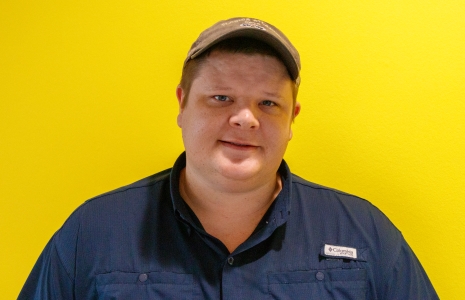
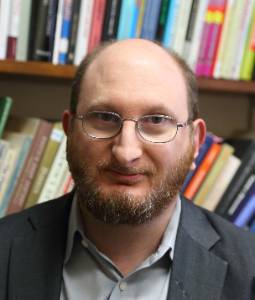
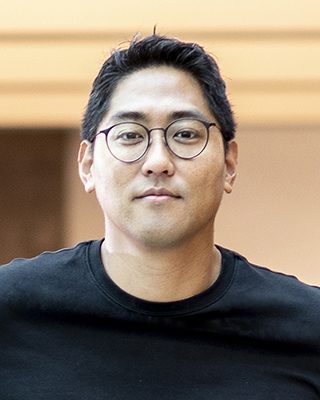
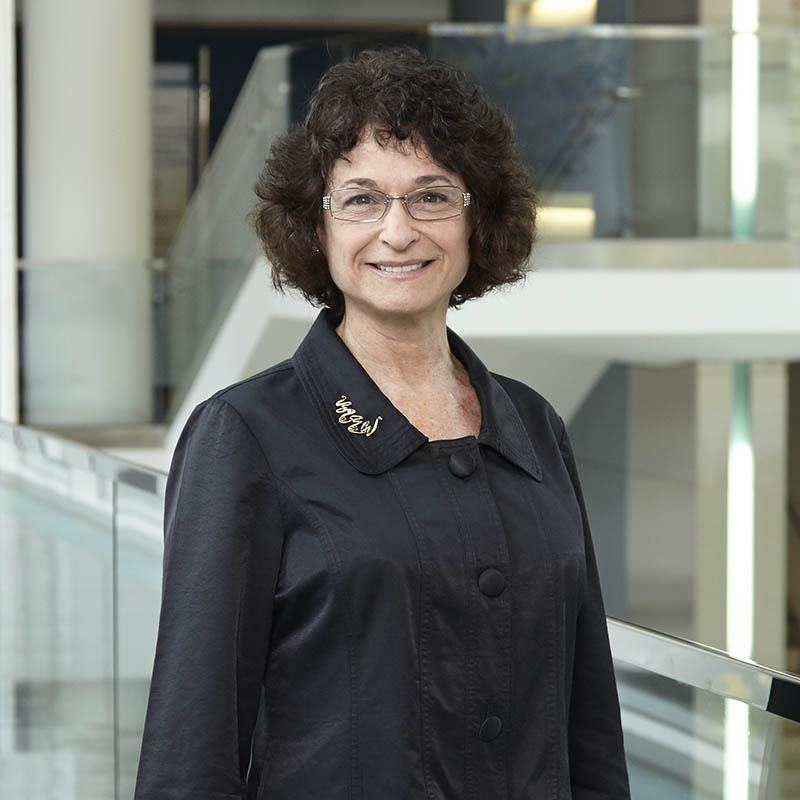
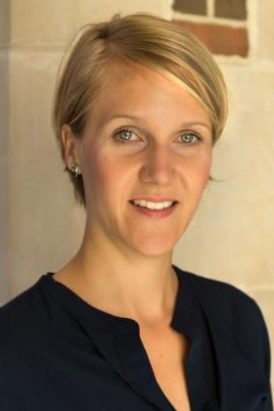
Vittorio Solina is a Researcher at the Department of Mechanical, Energy and Management Engineering (DIMEG) of the University of Calabria, specializing in industrial systems simulation and digital twin technologies. His work spans Industry 4.0/5.0 applications, supply chain optimization, and human-robot collaboration. Affiliation: University of Calabria Academic Role: Researcher (Legge 240/10) Research Focus: Digital twins, simulation modeling, sustainable manufacturing His research emphasizes advanced simulation tools for decision support, including applications in Industry 4.0 , Smart Manufacturing , and Agri-Food Supply Chains . Recent work explores adaptive simulation optimization for Industry 5.0 and 5G-enabled robotics. Key publication trends include: (1) Digital twin integration for supply chain resilience (2024-2025), (2) Simulation automation methodologies (2025), and (3) Human-robot collaboration frameworks (2024).
Massachusetts Institute of TechnologyUnited States
Esther Duflo is the Abdul Latif Jameel Professor of Poverty Alleviation and Development Economics at the Massachusetts Institute of Technology (MIT), where she is affiliated with the Department of Economics within the School of Humanities, Arts, and Social Sciences. She co-founded and co-directs the Abdul Latif Jameel Poverty Action Lab (J-PAL) and holds the position of Chaire, Pauvreté et politiques publiques at the Collège de France. Duflo also serves as President of the Paris School of Economics, demonstrating her significant international influence in economic policy and research. Her educational background includes first degrees in history and economics from Ecole Normale Superieure, Paris, followed by a Ph.D. in Economics from MIT in 1999. This strong foundation has enabled her to become one of the most influential economists of her generation. Duflo's research focuses on understanding the economic lives of people living in poverty, with the explicit aim of informing effective social policy design and evaluation. Her work spans critical areas including health, education, financial inclusion, environmental sustainability, and governance. What distinguishes her approach is the rigorous application of randomized controlled trials to evaluate development interventions, bringing scientific precision to poverty alleviation efforts. Her research methodology has revolutionized how economists approach development questions, moving beyond theoretical models to evidence-based policy recommendations. Her scholarly output demonstrates remarkable breadth and impact, with publications spanning from technical academic papers to influential books for general audiences. Duflo's work consistently bridges the gap between academic research and practical policy applications, with recent publications addressing contemporary challenges including climate change adaptation, pandemic response, and economic policy for hard times. Her research trends reveal a deepening commitment to translating complex economic concepts for broader audiences while maintaining scholarly rigor. Sveriges Riksbank Prize in Economic Sciences in Memory of Alfred Nobel (2019, with Abhijit Banerjee and Michael Kremer) Princess of Asturias Award for Social Sciences (2015) A.SK Social Science Award (2015) Infosys Prize (2014) John Bates Clark Medal (2010) MacArthur 'Genius Grant' Fellowship (2009) Member of the National Academy of Sciences (2017) Duflo has supervised numerous graduate students and collaborated extensively with researchers worldwide through J-PAL, which has grown into a global network conducting field experiments across multiple continents. Her grant portfolio includes substantial funding from major foundations and government agencies supporting large-scale development research. Beyond traditional academic advising, Duflo has mentored a generation of development economists through J-PAL's training programs and field research opportunities. Her primary institutional home is the Abdul Latif Jameel Poverty Action Lab (J-PAL), which she co-founded at MIT. J-PAL has grown into a major research center with offices worldwide, connecting academic researchers with policymakers to ensure that program evaluations inform real-world decisions. Duflo also leads research teams at the Collège de France and the Paris School of Economics, creating a transatlantic network focused on evidence-based poverty reduction strategies.
Dr. Corey T. Callaghan is an Assistant Professor in the Department of Wildlife Ecology and Conservation at the University of Florida . Based at the Fort Lauderdale Research and Education Center , his research focuses on global change ecology using big data from citizen science platforms like eBird and iNaturalist, combined with geospatial analyses and macroecological theory . Ph.D. (2019) from UNSW Sydney M.S. (2015) from Florida Atlantic University B.S. + B.S. (2013) from Canisius College His work examines urban ecology , including how species traits influence urban tolerance across birds, amphibians, and butterflies. He develops adaptive sampling frameworks to optimize citizen science data collection while addressing biases. Current projects analyze human-nature interactions through citizen science participation, secondary data in photographs, and machine learning for biodiversity monitoring. He actively contributes to conservation strategies for urban biodiversity and data-driven restoration efforts . Recent publications highlight his expertise in cross-taxa comparisons , continental-scale analyses , and ecosystem service quantification . He leads the Global Ecology Research Group at the University of Florida, emphasizing collaborative science and open-source methodologies .
Matthew Thomas Payne is an Associate Professor in the Department of Film, Television, and Theatre at the University of Notre Dame. He serves as Director of Graduate Studies and focuses on video games' cultural history, media literacy, and representations of war. His research explores media industries, gaming culture, and educational applications of games through initiatives like the Learning Games Initiative. Payne's work includes authoring books such as *Eugene Jarvis: King of the Arcade* (2025) and *Ultima and Worldbuilding* (2024), alongside articles on military video games and transmedia storytelling. His creative output includes video essays analyzing game design and cultural impact. Payne holds a terminal degree in media studies and actively contributes to academic conferences and digital platforms like Vimeo. Education: Ph.D. in Media Studies (assumed based on faculty role). Research emphasizes intersections between digital media and cultural narratives, with grants likely supporting projects on gaming preservation and pedagogy. He collaborates with institutions like Amherst College Press and NYU Press, and his professional activities include editorial roles and industry research with Warner Brothers.
Ronald C. Lasky is a Professor of Engineering at Dartmouth College's Thayer School of Engineering and a Senior Technologist at the Indium Corporation. His academic roles include teaching courses such as ENGM 187: Technology Innovation and Entrepreneurship and ENGS 155: Intermediate Thermodynamics . Dr. Lasky holds a BS in Engineering Physics from Cornell University (1970), an MS in Applied Mathematics from Binghamton University (1974), and a PhD in Materials Science from Cornell University (1986). His research focuses on process optimization, electronic assembly, materials science, and environmental compliance. Notable contributions include work on lead-free solder assembly and Lean Six Sigma methodologies. He received the Member of Technical Distinction Award from the SMTA in 2021. Dr. Lasky actively engages with industry, exemplified by his collaboration with Galanz in China, exploring modern manufacturing practices and infrastructure. His insights on global supply chains and technological advancements highlight his dual academic and professional expertise.
Joseph A. November is an Associate Professor in the Department of History at the University of South Carolina, affiliated with the McCausland College of Arts and Sciences. His research focuses on the history of biomedical computing, distributed computing, and the intersection of technology and medicine. He holds a Ph.D. from Princeton University (2006), an M.A. from the University of Chicago (2002), and a B.A. from Hamilton College (1997). His work includes the award-winning book Biomedical Computing: Digitizing Life in the United States (2012), which explores the co-development of biomedicine and computing technologies. Current projects include Revolutions@home , examining distributed computing in protein folding research, and a biography of computing pioneer Robert S. Ledley. He has received grants from the NSF, NIH, and the Charles Babbage Institute. Teaching interests span the history of science and technology, including courses on the history of medicine, digital humanities, and the role of games in historical education. He actively contributes to professional organizations like SHOT and the History of Science Society. Awards include the Computer History Museum Prize (2013) and the National Institutes of Health DeWitt Stetten Fellowship (2007-2008). His research bridges historical analysis with contemporary issues in technology and biomedical ethics.
University of Applied Sciences and Arts LucerneSwitzerland
Christina Antonie Reh is a Lecturer at the Lucerne School of Business (HSLU), affiliated with the Institute of Communication and Marketing (IKM MM). Her roles include academic teaching and research in digital marketing and sustainability. She holds a PhD from WHU - Otto Beisheim School of Management and has professional experience in data science and marketing at companies like LOréal and SevenVentures. Education: PhD (tbc 2024), WHU; M.Sc. (2016), LMU Munich; B.Sc. (2013), LMU Munich Her research focuses on digital marketing effectiveness , sustainability in advertising , and consumer behavior . Notable projects include studies on long-term brand equity and sustainable product messaging. Recent work explores the impact of climate pledges on consumer trust. Publications highlight her contributions to media measurement modeling and online coupon strategies. Key awards include the Amazon Research Awards (ARA 2023) and MassChallenge recognition (2024). Advising: No formal students listed; however, co-founded baybies GmbH and Aiko Pet Foods GmbH. Grants: $28,000+ from Amazon Research Awards. Labs/Teams: Co-founder of startups baybies and Aiko Pet Foods, focusing on sustainable consumer products and pet food innovation.
Professor Hutan Ashrafian is a clinician-scientist and surgeon at the University of Leeds Business School, holding dual roles as Professor of Research Impact and Senior Research Fellow at Imperial College London. His expertise spans AI in healthcare, metabolic surgery, and ancient history. He pioneered STARD-AI and QUADAS-AI guidelines for AI diagnostics, collaborated on AI-driven breast cancer screening with Google and NHS, and led global health policy initiatives. Ashrafian’s work bridges medicine, history, and philosophy, including his contributions to understanding historical figures’ medical conditions, such as King Tutankhamun’s epilepsy. He has authored over 550 publications, 12 books, and holds a PhD in computational physiology and an MBA with distinction. Awards include the Hunterian Prize and Wellcome Trust Fellowship. His research also explores AI ethics, quantum physics paradoxes, and art-based medical diagnostics. Education: PhD in Computational Physiology (Imperial College London) MBA (Warwick Business School) MD (University College London) Bachelor of Science in Immunology (University College London) Research Interests: Ashrafian’s work spans: AI in Medicine: Diagnostic algorithms, guideline development (STARD-AI/QUADAS-AI), and ethical frameworks. Metabolic Surgery: Bariatric interventions, gut microbiome, and obesity treatments. Ancient History: Medical analyses of historical figures (e.g., Tutankhamun, Julius Caesar) and art-based pathology identification. Philosophy: AI rights (AIONAI law), temporal paradoxes, and the Simulation Argument. Awards: Royal College of Surgeons Arris and Gale Lectureship Hunterian Prize Wellcome Trust Research Fellowship Advising & Innovation: Supervised >50 PhD students, co-founded Oxford Medical Products (weight loss tech), and serves as CSO at Flagship Pioneering’s Preemptive Health division. He advises on NHS digital transformation and global health policy. Labs/Teams: Leads AI initiatives at Imperial’s Institute of Global Health Innovation and collaborates with Google, NICE, and international institutions on health tech solutions.
Jerrica Ty Rowlett serves as an Assistant Professor of Communication and Language Studies within the College of Arts and Sciences at Bryant University, where she examines digital communication's societal implications through research and teaching in digital culture and social media dynamics. Education Ph.D., Florida State University M.A., Clemson University B.A., Georgetown College Her research program investigates identity formation, civic engagement, and digital inequity through critical analysis of social media platforms. She explores how digital environments shape interpersonal relationships, political discourse, and community building while addressing power dynamics in online spaces, with particular attention to abusive contexts, gender representation, and emotional experiences. Analysis of her publication record (2015-2024) reveals a consistent trajectory examining social media's evolving societal impact. Early work focused on educational applications and youth culture, progressing to sophisticated analyses of political meme culture, relationship dissolution in abusive contexts, and emotional contagion online. Her scholarship demonstrates increasing attention to social justice dimensions within digital communication. Scientific Awards No awards documented in current sources Advising and Grants Student advising details and research grant information are not specified in available materials, though her extensive publication record indicates active scholarly mentorship and research productivity. Labs and Teams No dedicated research laboratories or formal collaborative teams are mentioned in the provided information.
Chua Tat Seng is a Professor at the School of Computing, National University of Singapore (NUS), holding the KITHCT Chair Professorship since 2009. He serves as co-Director of the NExT++ Center, a joint research center between NUS and Tsinghua University focused on Extreme Search. His academic career spans over three decades at NUS, where he has held various leadership positions including Acting Dean of the School of Computing (1998-2000) and Acting Head of the Department of Information Systems & Computer Science (1996-1998). Professor Chua's research spans unstructured data analytics , multimedia information retrieval , recommendation and conversation systems , and emerging applications in e-commerce and fintech . He established the Lab for Media Search (LMS) at the School of Computing and has been instrumental in advancing multimodal learning and search technologies. His work bridges theoretical foundations with practical applications, particularly in developing trustable AI systems for real-world deployment. His recent publications demonstrate a strong focus on large language models for recommendation systems , multimodal learning , and generative AI applications . The research trends show increasing emphasis on LLM-based recommendation, multimodal understanding, and addressing fundamental challenges in AI reliability, fairness, and efficiency. His work spans theoretical advancements in representation learning to practical applications in e-commerce, finance, and healthcare domains. ACM SIGMM Technical Achievement Award 2015 Multiple Best Paper Awards across ACM Multimedia, IEEE Transactions, and MMM conferences (2007-2020) Professor Chua has supervised 37 PhD students since 2004, establishing himself as a dedicated mentor in the academic community. His research has been supported by substantial grants including NExT++ ($12 million), Base Metals Price Forecasting ($200,000), and Multilingual Multimodal Knowledge Graph ($500,000). He maintains active collaborations with Tsinghua University, University of Southampton, and industry partners like Four Elements Capital and Singapore Press Holdings. As co-Director of the NExT++ Center, he leads a major research initiative focused on Web Intelligence and User Empowerment. His visiting professorships at Tsinghua University (2017-present) and Zhejiang University (2021-present) reflect his international impact in the field of multimedia and AI research.
Amir Zamir is a tenure-track Assistant Professor of Computer Science at the Swiss Federal Institute of Technology Lausanne (EPFL) in the School of Computer & Communication Sciences. Previously, he worked at UC Berkeley, Stanford, and UCF with prominent researchers including Silvio Savarese, Jitendra Malik, Mubarak Shah, Rahul Sukthankar, and Leonidas Guibas. He currently leads the Visual Intelligence & Learning Lab at EPFL and serves as chief scientist of Duranta, having previously been the CVML chief scientist of Aurora Solar (a Forbes AI 50 company valued at $4B in 2022) from 2015 to 2022. Dr. Zamir's research spans computer vision, machine learning, and artificial intelligence, with a focus on developing general multi-modal/multi-task vision systems that operate as active agents in the real world. His work emphasizes slow science principles, seeking fundamental understanding over quick publications. Key research areas include embodied vision, multimodal foundation models, computational imaging, and vision-language integration. His notable projects include 4M, Taskonomy, Gibson Environment, Omnidata, and MultiMAE, which have significantly influenced the field of computer vision and embodied AI. Zamir has made substantial contributions to the computer vision community through numerous high-impact publications and leadership roles. His work demonstrates a consistent focus on creating vision systems that go beyond narrow and passive methods toward more general, active, and embodied approaches. The trajectory of his research shows increasing sophistication in handling multiple modalities and tasks within unified frameworks, culminating in recent work on multimodal foundation models that can handle diverse vision tasks. Dr. Zamir has received numerous prestigious awards including the Young Researcher Award 2022 from ECCV, the PAMI Mark Everingham Prize 2022, SIGGRAPH 2022 Best Paper Award for CLIPasso, CVPR 2018 Best Paper Award for Taskonomy, and CVPR 2016 Best Student Paper Award. He is also an ELLIS Faculty Scholar and received the NVIDIA Pioneering Research Award in 2018 for the Gibson Environment. As an advisor, Dr. Zamir has mentored numerous PhD students including Roman Bachmann, Andrei Atanov, Rishubh Singh, Jason Toskov, Kunal Pratap Singh, Zhitong Gao, Mingqiao Ye, and Muhammad Uzair Khattak. His former PhD students include Oguzhan Kar (now at Apple), Alexander Sasha Sax (co-advised with Jitendra Malik, now at Meta FAIR), and Teresa Yeo (now at MIT-Singapore Alliance). Dr. Zamir teaches several advanced courses including CS-503 Visual Intelligence, CS-500 AI Product Management, COM-304 Intelligent Systems, and ENG-615 Topics in Autonomous Robotics. Dr. Zamir leads the Visual Intelligence & Learning Lab at EPFL, which focuses on developing fundamental methods for visual intelligence that can operate effectively in real-world environments. The lab takes an interdisciplinary approach combining computer vision, machine learning, robotics, and cognitive science to create systems that can perceive, understand, and interact with the world. Current research directions include multimodal foundation models, computational imaging, embodied vision, and personalization of generative models.
Sewoong Oh is a Professor at the Paul G. Allen School of Computer Science & Engineering at the University of Washington, where he has been faculty since 2019. His research focuses on the foundations of machine learning with particular emphasis on differential privacy, secure and robust machine learning, and federated learning. Prior to joining UW, he was at the Department of Industrial and Enterprise Systems Engineering at the University of Illinois at Urbana-Champaign from 2012-2019. He is affiliated with multiple NSF AI Institutes including ACTION (Agent-based Cyber Threat Intelligence and Operation), AI-EDGE (Future Edge Networks and Distributed Intelligence), and IFML (Foundations of Machine Learning). Oh received his PhD in Electrical Engineering from Stanford University in 2011 under Andrea Montanari, followed by postdoctoral work at MIT's Laboratory for Information and Decision Systems under Devavrat Shah. His educational background spans top institutions in theoretical computer science and electrical engineering. His research spans the critical intersection of machine learning security, privacy, and robustness. Oh's work addresses fundamental challenges in making AI systems reliable and trustworthy, with particular focus on defending against backdoor attacks, developing privacy-preserving algorithms, and creating efficient tokenization methods for language models. His recent SuperBPE work demonstrates how moving beyond traditional subword tokenization can significantly improve language model efficiency and performance. His research consistently bridges theoretical foundations with practical implementations, as evidenced by numerous open-source repositories containing production-ready code. Oh's publications reveal a consistent trajectory toward addressing security and privacy concerns in increasingly complex machine learning systems, with recent work focusing on language model tokenization, data-centric AI, and federated learning frameworks. His research shows strong interdisciplinary connections between theoretical computer science, statistics, and practical machine learning systems. ACM SIGMETRICS best paper award (2015) NSF CAREER award (2016) ACM SIGMETRICS rising star award (2017) GOOGLE Faculty Research Awards (2017, 2020) 2024 ICML Best Paper Award (for work by advisee Jon Hayase) Professor Oh maintains an active research group with numerous PhD students, postdocs, and undergraduate researchers. His students have secured prestigious positions at leading tech companies including Amazon, Google, and Snap, as well as academic appointments at institutions like University of Wisconsin-Madison and Shanghai Jiao Tong University. He has received substantial research funding through his participation in multiple NSF AI Institutes and industry research awards from Google. His lab maintains several active GitHub repositories implementing cutting-edge research in backdoor defense, robust statistics, and privacy-preserving machine learning.
Herman Barkema is a Professor in Epidemiology of Infectious Diseases at the Faculty of Veterinary Medicine, University of Calgary, with a joint appointment in the Department of Community Health Sciences, Cumming School of Medicine. His research focuses on preventing infectious diseases in cattle herds (e.g., mastitis, Johne’s disease) and antimicrobial resistance, integrating animal and public health perspectives under the One Health framework. He founded the Department of Production Animal Health and leads the AMR – One Health Consortium and CAN-AMR-Net. DVM, Veterinary Medicine, Utrecht University (1988) PhD, Veterinary Science, Utrecht University (1998) His work spans clinical veterinary epidemiology, antimicrobial resistance mechanisms, and zoonotic disease control. He has over 425 publications and collaborates globally, including as a Foreign Expert at China Agricultural University. Recent research trends highlight his focus on multi-omics approaches, ceRNA networks, and antimicrobial stewardship in dairy systems, with significant contributions to Johne’s disease diagnostics and mastitis prevention. Roger Morris ISVEE Award (2024) Plowright Prize (2022) Killam Annual Professorship (2019) Multiple Journal of Dairy Science Most Cited Awards (2011–2024) Fellow, Canadian Academy of Health Sciences (2014) Dr. Barkema supervises graduate students and postdoctoral fellows, emphasizing interdisciplinary mentorship. He co-developed the Veterinary DialogueTrainer for clinical communication training and participates in public engagement initiatives like Breakfast on the Farm. He leads the AMR – One Health Consortium and CAN-AMR-Net, integrating stakeholders across Canada and internationally. His affiliations include the Snyder Institute for Chronic Diseases and strategic initiatives on Infectious Diseases and One Health (2015–2025).
Cheryl Gaimon holds the Esther and Edward J. Brown Chair and serves as a Regents' Professor at the Scheller College of Business, Georgia Institute of Technology. She is Faculty Director of the Management of Technology (MoT) Certificate Program, which she helped establish, and teaches across all academic levels including executive education. Professor Gaimon initiated the Operations Management Program and served as its first Area Coordinator for seven years. Her academic credentials include: Ph.D. in Operations Research from Carnegie Mellon University M.S. in Industrial Administration (Operations Management) from Carnegie Mellon University B.S. in Mathematics and Economics (Magna Cum Laude) from Brooklyn College, City University of New York Professor Gaimon's research centers on managing knowledge-based resources in technology-driven environments. Her work spans Innovation and Management of Technology , Knowledge Management and Outsourcing , New Product/Process Development , Alliances for Innovation , and Sustainability Research . She examines how firms navigate technological change through strategic resource allocation, knowledge transfer, and sustainable operations, with increasing emphasis on environmental strategies in recent years. Her publication trajectory reveals consistent focus on operations management within technological evolution—from foundational work on technology acquisition and capacity planning to contemporary studies on environmental strategies and multidisciplinary technology management. Key journals featuring her research include Management Science , Operations Research , and Production and Operations Management . Major recognitions include: Regents' Professor designation (2005) by the Georgia Board of Regents The 1999 Georgia Tech Research Award for doctoral student development Brady Family Award for Faculty Research Excellence (2014) Best Department Editor Award for POM (2024) POMS Fellow status and Distinguished Service Award (2009/2014) As an educator, she has mentored doctoral students and shaped curriculum through the MoT program. Her professional leadership includes serving as POMS President (2008-2009), founding co-President of the POMS College on Product Innovation and Technology Management, and editorial roles at top journals including Management Science and Production and Operations Management . Professor Gaimon directs the interdisciplinary Management of Technology Certificate Program, fostering cross-departmental collaboration for technology management research and education while advancing sustainability integration in operations.
Silvia Lindtner is an Associate Professor at the University of Michigan's School of Information and Director of the Center for Ethics, Society, and Computing (ESC). She holds courtesy appointments in the Penny W. Stamps School of Art and Design and the Digital Studies Institute. Her work focuses on the social and cultural study of technology in China and globally, with a focus on data-driven governance, AI ethics, and the intersection of technology and labor. Lindtner has conducted nearly two decades of fieldwork in China, examining innovation ecosystems, digital economies, and the affective dimensions of state control. She is the author of the award-winning *Prototype Nation: China and the Contested Promise of Innovation* (2020) and co-author of *Technoprecarious* (2020). Education: PhD in Information and Computer Sciences from University of California, Irvine; BS/MS in Media Technology and Design from University of Hagenberg, Austria. Research Interests: Science and Technology Studies (STS), China Studies, HCI, Critical Computing, AI Ethics, Data Governance, Labor Studies, and Transnational Digital Economies. She explores how technological systems shape governance, labor practices, and everyday life, particularly in contexts of global inequality and state surveillance. Awards: Joseph Levenson Prize (2021), Francis L.K. Hsu Book Prize (2021), ACM Distinguished Member (2022), and fellowships from the National Committee on US-China Relations (2021-2023) and China-US Scholars Program (2021-2022). Grants: Supported by NSF, IMLS, Intel Labs, Google Anita Borg, and Chinese National Natural Science Foundation. Leads interdisciplinary initiatives including Tech.Culture.Matters research group and Michigan Interactive and Social Computing (MISC) research group. Labs/Teams: Directs the Center for Ethics, Society, and Computing (ESC) and collaborates with the Lieberthal-Rogel Center for Chinese Studies. Current projects include studies on affective control in AI governance and transnational data practices in healthcare and labor.