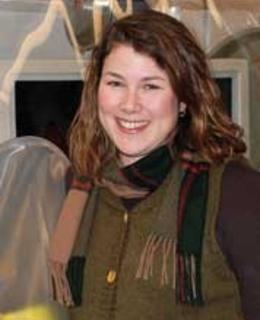
Lisa Gieg is a Professor in the Department of Biological Sciences at the University of Calgary, where she leads research in environmental microbiology. She holds a B.S. in Microbiology from the University of Alberta (1991) and Ph.D. in Microbiology from the same institution (1996). Her laboratory investigates microbial processes in energy environments, focusing on anaerobic hydrocarbon biodegradation pathways and applications in bioremediation and energy recovery. Dr. Gieg's research examines how anaerobic microorganisms metabolize hydrocarbons and related compounds in contaminated environments and natural reservoirs. Her work elucidates novel biodegradation pathways under sulfate-reducing and methanogenic conditions through cultivation, analytical chemistry, and molecular biology approaches. Current applications include anaerobic bioremediation, enhanced methane recovery from marginal oilfields, biocorrosion mitigation, paraffin treatment, heavy oil recovery, oil sands tailings reclamation, and souring control. Her recent publications demonstrate advances in understanding microbiologically influenced corrosion mechanisms, naphthenic acid biodegradation, piezophile microbiology, and enzyme biotechnology for oilfield applications. This research bridges fundamental microbial ecology with practical solutions for energy industry challenges. Gieg teaches Microbial Physiology (CMMB 443) and Petroleum Microbiology (CMMB 545), training students in environmental microbiology concepts and techniques.
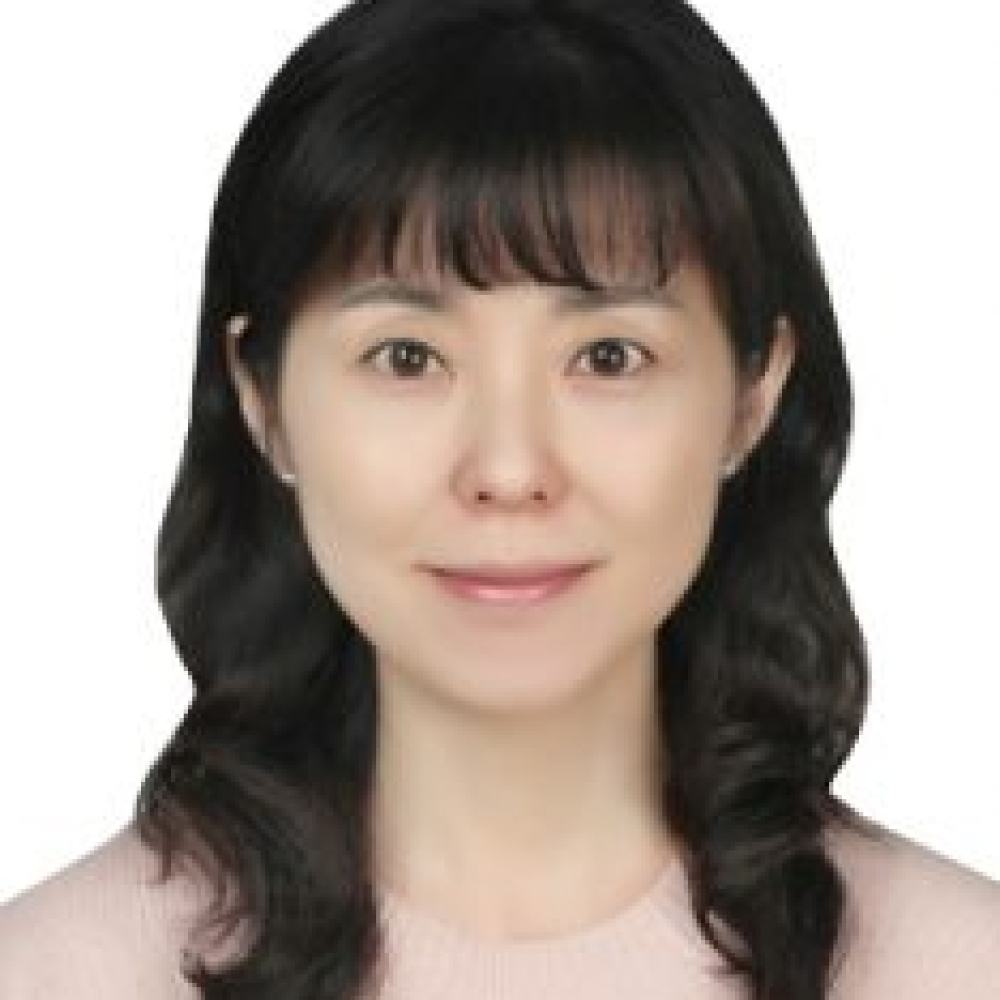
Hyejin Ku is a Full Professor in the Department of Mathematics and Statistics at York University's Faculty of Science. Her research focuses on the intersection of Mathematical Finance and Machine Learning, addressing challenges in risk measurement, portfolio optimization, and quantitative finance. She develops advanced mathematical models to enhance decision-making through reinforcement learning and data analytics. Notable projects include novel algorithms for credit rating prediction using neural networks and sequence-based clustering for credit risk assessment. Her work integrates applied mathematics with real-world financial applications, such as systemic risk reduction in multi-layer networks and option pricing under liquidity constraints. She holds a prominent position in mathematical finance, contributing to both theoretical advancements and practical solutions for financial markets. Her research trends emphasize interdisciplinary approaches, combining machine learning techniques with financial modeling to solve complex problems in risk management and asset valuation. Her publications span over two decades, showcasing contributions to portfolio optimization, derivatives pricing, and computational finance. Dr. Ku is affiliated with York University’s Department of Mathematics and Statistics, where she contributes to academic leadership and research mentorship. Her office is located in DB 2025, and she can be reached at hku@yorku.ca.
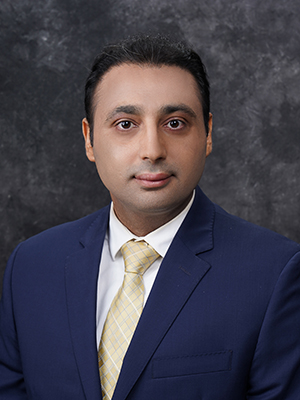
Amir Asadi is an Associate Professor in the Department of Engineering Technology and Industrial Distribution at Texas A&M University, holding the Corrie & Jim Furber '64 Faculty Fellow position. His research focuses on scalable manufacturing of multifunctional composites, structural energy systems, and advanced materials design. He leads the Polymer Composites Advanced Manufacturing (PCAM) Lab, which explores bottom-up fabrication techniques and additive manufacturing processes. Asadi holds a Ph.D. in Mechanical and Manufacturing Engineering from the University of Manitoba (2013), an M.S. in Mechanical Engineering from Iran University of Science & Technology (2006), and a B.S. in Mechanical Engineering from the same institution (2004). His work bridges molecular-level interactions with macroscale material performance, targeting applications in aerospace, e-mobility, and energy storage. Key research interests include structural battery/supercapacitor composites, additive manufacturing of polymer composites, and fast-rate manufacturing of thermoplastics. He has pioneered methods like supercritical CO₂-assisted atomization and cellulose nanocrystal-enabled interface tailoring to enhance composite performance. Asadi has received the NSF CAREER Award (2022) and has been an invited speaker at major conferences such as the Brazilian Conference on Composite Materials (2021) and Chalmers University’s “Materials for Tomorrow” event (2020). His lab’s innovations aim to revolutionize lightweight, multifunctional materials for industrial sectors. His research outputs include over 50 peer-reviewed articles, covering topics from nanocomposite interfaces to 3D-printed structural batteries. He collaborates with industry partners like the Air Force Research Lab and focuses on translating lab-scale innovations into scalable manufacturing solutions.
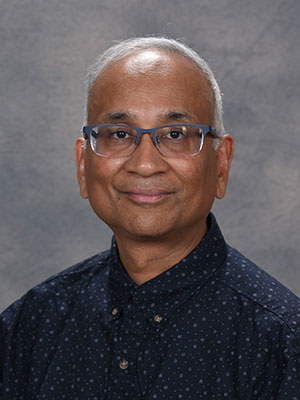
Sandeep Kumar is an Associate Professor in the Department of Computer Science and Engineering at Texas A&M University, College Station. He holds a PhD in Computer Science from Purdue University (1995) and a B.Tech in Electrical Engineering from the Indian Institute of Technology, New Delhi (1985). His research focuses on computer security, networking, and system-level programming. Prior to academia, he worked in industry roles including at VMware in Palo Alto, CA. He currently teaches courses such as CSCE 313 (Introduction to Computer Systems) and CSCE 222 (Discrete Mathematics), emphasizing system software, networking, and cybersecurity. His teaching philosophy incorporates modern tools like GCP and Docker for practical learning. He advises students on technical projects but notes his non-tenure track role limits formal research supervision. Professional interests include curriculum design, educational technology, and bridging industry-academia gaps in cybersecurity. Education: Ph.D., Computer Science, Purdue University, 1995 M.S., Computer Science, University of Tennessee, 1987 B.Tech, Electrical Engineering, IIT Delhi, 1985 Research Interests: Computer Security, Networking, Operating Systems Teaching: CSCE 313 (Computer Systems), CSCE 222 (Discrete Math), CSCE 111 (Java Programming) Industry Experience: VMware (Networking & Security), Former Googler Awards: Hagler Fellow (2023), Google GCP Educational Grants Dr. Kumar’s work emphasizes practical system-level programming and security, with contributions to intrusion detection systems and secure enterprise networks. His courses integrate modern tools like RustRover and Docker, reflecting industry standards. He actively engages with educational technology, including LaTeX-based lecture materials and Gradescope integration.
Blake Miller is an Assistant Professor of Computational Social Science in the Department of Methodology at the London School of Economics (LSE), affiliated with the Data Science Institute. Their research focuses on computational methods applied to political communication in authoritarian regimes, particularly China, and the intersection of social media with political violence and identity politics. They hold a PhD from the University of Michigan (2018) and conducted postdoctoral research at Dartmouth College. Key substantive areas include: China's surveillance-driven security state and information control mechanisms Political mobilization through moral outrage and outgroup targeting Technological adaptations in authoritarian governance Methodological expertise spans machine learning, text analysis, and fairness in AI applications. Their book project Platforms and Power examines how authoritarian states delegate censorship to private platforms. Teaching focuses on quantitative text analysis and machine learning in political contexts. Research outputs include influential work on: Censorship patterns during China's zero-COVID protests Moral-emotional triggers for violence support Evaluation of active learning algorithms for text labeling Blake's work has been featured in The Washington Post , China File , and the CSIS Pekingology Podcast. They maintain an active presence in interdisciplinary research communities.
Dr. Chad Paulk is an Associate Professor in the Department of Grain Science and Industry at Kansas State University. His research focuses on Feed Processing Technologies, Monogastric Nutrition, and Quality Assurance/Feed Safety. He holds a B.S. from the University of Georgia (2009) and M.S./Ph.D. degrees from Kansas State University (2011/2014). Previously, he served as an Assistant Professor of Swine Nutrition at Texas A&M University (2014–2017). His current role involves 60% research and 40% teaching, including courses like GRSC 100 (Foundations in Grain Science) and GRSC 650 (Nutritional Impacts of Processing). He advises Feed Science undergraduate students and co-leads the Feed Science Club. Key research themes include optimizing feed processing parameters, mitigating pathogen risks in feed systems, and evaluating novel feed ingredients like Kernza® grain. Recent work emphasizes viral pathogen detection in feed mills (e.g., African swine fever virus), enzyme supplementation effects, and the impact of feed particle size/pelleting on nutrient digestibility. He collaborates with industry partners to enhance feed safety protocols and sustainable practices. Laboratory affiliations include the BIVAP Feed Quality Assurance Lab and the O.H. Kruse Feed Technology Center. His research has addressed critical issues like mitigating porcine epidemic diarrhea virus contamination and optimizing feed formulations using thermal processing and organic additives.
Dr. Yi Guo is an External Scientific Staff member at the Power Systems and High Voltage Lab, part of ETH Zurich's Department of Information Technology and Electrical Engineering. His research focuses on advancing smart grid technologies, particularly in power system coordination, stochastic control, and distributed energy resource integration. His work emphasizes real-time operational frameworks for integrated transmission-distribution systems, flexibility modeling, and robust optimization under uncertainty. Collaborations include projects funded by NCCR Automation (SNF). Key research areas include: - Real-time grid control and NMPC applications - Stochastic modeling of distributed energy resources (DERs) - Sparsity-promoting control design for power grids - Joint optimization-estimation architectures for distribution networks - Two-stage electricity market frameworks for DER participation Recent publications (2020-2024) highlight contributions to grid resilience, DER aggregation, and sensor placement optimization. His work addresses challenges in energy transition through advanced control systems and market mechanisms. Lab affiliations include the Power Systems and High Voltage Lab, collaborating on projects like NCCR Automation Phase I. His research bridges theoretical control advancements with practical grid implementation.
Dr Carol Verheecke-Vaessen is a Senior Lecturer in Applied Molecular Mycology at Cranfield University, affiliated with the Centre for Soil, Agrifood and Biosciences and the Applied Mycology Group under the Environment and Agrifood theme. She leads the Food Safety module in the MSc Food Systems & Management program and is the Director of the Mycotoxin Training Hub, developing industry-focused training and research initiatives globally. Education: PhD in Mycotoxin Research, Federal University of Toulouse, France (2014) Postgraduate Certificate in Academic Practice, Cranfield University (2021) Her research focuses on understanding the molecular mechanisms of mycotoxin production in fungi under environmental stress, particularly climate change. She develops holistic solutions from farm to fork for managing mycotoxin risks, including biocontrol agents, decision support systems, and food waste valorization. Her work spans agrifood chain contamination assessment using advanced molecular and analytical techniques. The recent publications reflect a strong trend in climate change impact on mycotoxin dynamics, real-time detection methods (e.g., CO2 monitoring, spectroscopy), biocontrol strategies in coffee and cereals, and innovative pretreatment techniques for mycotoxin analysis. Her studies often involve interdisciplinary collaborations across Europe, Africa, and Asia. Scientific Awards: Best Innovative PhD Award, Federal University of Toulouse (2015) Fellow of the Higher Education Academy (FHEA) She actively supervises PhD and MSc students and has secured funding from Research England, Innovate UK, and BBSRC. She is co-leading the development of the Magan Centre of Applied Mycology and contributes to the Africa Centre of Excellence for Sustainable Cooling and Cold-chain (ACES). Her research projects include Oats for the Future, NutriNuts, and Gender-equal mycotoxin training, emphasizing sustainable and equitable food systems. Laboratories and Research Teams: Applied Mycology Group, Cranfield University Mycotoxin Training Hub (Director) Magan Centre of Applied Mycology (Co-Lead) Africa Centre of Excellence for Sustainable Cooling and Cold-chain (ACES) – Active Member
Benjamin Recht is a Professor in the Department of Electrical Engineering and Computer Sciences and Department of Statistics at the University of California, Berkeley. Previously, he was an Assistant Professor in the Department of Computer Sciences at the University of Wisconsin-Madison. Recht received his BS in mathematics from the University of Chicago and his MS and PhD from the MIT Media Laboratory, followed by a postdoctoral fellowship at Caltech's Center for the Mathematics of Information. His research interests span Machine Learning, Optimization, Control Theory, and Statistics , with a focus on both theoretical foundations and practical applications. Recht's work addresses fundamental questions in reproducibility, generalization, and robustness of machine learning systems, while also developing novel methods for control, computer vision, and data analysis. Recht's recent publications reveal a strong focus on reproducibility in machine learning , with papers like "The Mechanics of Frictionless Reproducibility" (2024), alongside continued contributions to statistical learning theory ("Interpolating Classifiers Make Few Mistakes", 2023) and computer vision ("Plenoxels", 2022; "K-planes", 2023). His work increasingly addresses societal implications of AI , including papers on systemic harm detection and post-deployment evaluation. NSF Career Award Alfred P. Sloan Research Fellowship 2012 SIAM/MOS Lagrange Prize in Continuous Optimization Presidential Early Career Award for Scientists and Engineers 2014 Jamon Prize 2015 William O. Baker Award for Initiatives in Research 2017 and 2020 NeurIPS Test of Time Awards Recht has advised numerous PhD students who have gone on to faculty positions at top universities and research roles at leading technology companies. His work on optimization algorithms has been widely influential, including the development of methods like HOGWILD! for parallel stochastic gradient descent. He co-founded the Conference on Learning for Decision and Control and has served on editorial boards for the Journal of Machine Learning Research and Mathematical Programming. His research group spans both theoretical and applied work, with connections to healthcare (adaptive medication tapering), computer vision (radiance fields), and social impact (systemic harm detection in deployed systems).
Craig L. Just holds the Donald E. Bently Professorship in Engineering and serves as a Professor in the Department of Civil and Environmental Engineering at the University of Iowa's College of Engineering. He also works as a Faculty Research Engineer at IIHR—Hydroscience and Engineering. With a PhD in Environmental Engineering and Science (2001) and an MA in Chemistry (1994), both from the University of Iowa and University of Northern Iowa respectively, his career spans over two decades of academic and practical contributions. Education: PhD, Environmental Engineering and Science, University of Iowa (2001) MA, Chemistry, University of Northern Iowa (1994) BS, Chemistry, University of Northern Iowa (1992) Dr. Just's research focuses on water quality monitoring through sensor technology, freshwater mussel biosensing , pharmaceutical contaminant removal , and PCB exposure analysis from dredging operations. His work bridges environmental engineering with ecological health and sustainable systems. Recent publications highlight trends in anaerobic digestion optimization , PCB emission characterization , and machine learning applications for biogas prediction. He has extensively studied constructed wetlands , nitrogen cycling , and flood risk mitigation in agricultural and urban contexts. As director of the Iowa Wastewater and Waste to Energy Research Program, he leads initiatives connecting bioremediation , smart infrastructure , and community engagement . His projects span from hydrological modeling in Iowa to international water programs in Honduras.
Dr. Huadong Mo is a Senior Lecturer at the School of Systems and Computing, University of New South Wales (UNSW) Canberra, Australia. He holds a B.E. degree in automation from the University of Science and Technology of China (2012) and a Ph.D. in systems engineering and engineering management from the City University of Hong Kong (2016). Prior to his current position, he was a research associate at ETH Zurich's Reliability and Risk Engineering Lab (2016-2019) and a Lecturer at UNSW Canberra (2019-2021). Dr. Mo's educational background includes a strong foundation in systems engineering with international experience across China, Switzerland, and Australia. His career trajectory demonstrates a progression from academic research to faculty positions with increasing responsibilities in teaching and research leadership. His research focuses on enhancing the resilience, performance, and security of complex systems using learning-based algorithms, primarily in power and energy systems, cyber-physical systems, and manufacturing systems. He applies data analytics to understand system evolution under uncertainties, with particular emphasis on prognostics and health management, sustainable transportation, robust operation of power systems under extreme events, and reinforcement learning-based asset management. His work bridges theoretical advances with practical applications in critical infrastructure. Analysis of Dr. Mo's recent publications reveals a strong focus on energy systems, particularly in the integration of machine learning with power grid management, battery storage systems, and resilience against cyber threats. His research shows a clear trajectory toward increasingly complex system integration, with growing emphasis on multi-vector energy communities, cross-domain prediction, and uncertainty-aware energy management. The interdisciplinary nature of his work spans electrical engineering, computer science, and operations research. 2024 IEEE SMC Early Career Award 2023 Visiting Research Fellowship (Jean d'Alembert Pour Fellowship) Gold Medal in 2024 China International College Student Innovation Competition (as supervisor) Arc PGC Supervisor Award (2021) IEEE SMC Outstanding Chapter Award (2021) Alumni Achievement Award from City University of Hong Kong (2019) Dr. Mo actively supervises numerous HDR students working on cutting-edge research topics including battery health monitoring, quantum control, reinforcement learning for power systems, and explainable AI for energy management. He leads multiple significant research grants totaling over 3 million AUD, including projects funded by ARC, Energy Innovation Fund, and international collaborations with institutions like ETH Zurich, Cambridge, and Tsinghua University. His research group maintains strong international connections, facilitating student exchanges and collaborative research. As Postgraduate Course Coordinator of Systems Engineering and Chair of IEEE SMC ACT Chapter, Dr. Mo plays a significant role in academic leadership and professional community building. His research team collaborates with industry partners on practical implementations of their theoretical work, particularly in the energy sector.
Professor Jim Haseloff is a faculty member at the University of Cambridge, serving as Head of the Synthetic Biology for Engineering Plant Growth Group within the Department of Plant Sciences, School of Biological Sciences. His research focuses on applying engineering principles to construct new genetic systems in plants, with particular emphasis on using Marchantia polymorpha as a model system for understanding and engineering plant growth and development. Professor Haseloff's research interests span synthetic biology, genetic circuit design, plant transformation technologies, and the development of low-cost tools for biological research. His laboratory develops novel DNA tools and imaging techniques for visualizing, manipulating, and modeling genetic interactions and morphogenesis in plants. His work bridges the gap between fundamental plant biology and applied engineering approaches to reprogram plant development and physiology. The lab has established Marchantia polymorpha as a simplified model system with a streamlined genome, haploid genetics, and an open form of development ideal for quantitative analysis. Analysis of Professor Haseloff's recent publications reveals a strong focus on advancing the Marchantia model system for synthetic biology applications. His work spans genetic tool development, chloroplast engineering, plant sensing technologies, and fundamental developmental processes. Notably, his research increasingly integrates low-cost sensing technologies with traditional plant biology, reflecting his commitment to making synthetic biology more accessible worldwide. Professor Haseloff is actively involved in several major initiatives including OpenPlant (promoting open technologies for plant synthetic biology), Biomaker (funding construction of low-cost devices for biology), and the Engineering Biology IRC. He has taught undergraduate courses on Plant and Microbial Sciences (NST PMS 1B), Plant Development (NST CDB 1B), and Synthetic Biology (NST PS 2), with extensive teaching materials publicly available online. His laboratory has pioneered techniques for cell-free expression systems that are 200-400 times cheaper than commercial versions, low-cost microreactors using 3D-printed components, and innovative in vivo plant sensing devices. The group has developed extensive resources for the plant synthetic biology community, including standardized DNA parts, microscopy techniques, and educational materials for no-code programming in biology.
Prof. Dr.-Ing. Udo Fiedler is a faculty member at the Technical University of Central Hesse (THM), Department of Business Administration and Economics, where he serves as Head of the Production Engineering Laboratory and Member of the Senate. His academic work focuses on manufacturing engineering with specialization in high-speed machining, production processes, and machine tools. His research interests include: High-Speed Machining (HSC) and precision manufacturing Green machining of sintered parts in the green state Process optimization using statistical experimental design Machine tool technology and NC programming Industry 4.0 applications in manufacturing education Process monitoring and control for increased manufacturing safety Prof. Fiedler's publication record demonstrates an evolution from fundamental machining processes toward integrating AI with traditional manufacturing. His recent work shows strong emphasis on applying artificial intelligence to quality prediction, optimizing green machining processes, and implementing Industry 4.0 concepts through learning factory approaches, bridging traditional manufacturing engineering with modern digital technologies. His significant scientific contributions include: Development of methods for NC programming of complex workpieces Research on stability lobe diagrams for milling processes Studies comparing different production methods including HSC, EDM, and generative processes Work on mechatronic tool holders for process monitoring Applications in the ophthalmic industry for precision machining of spectacle lenses Prof. Fiedler teaches multiple courses at THM including Factory Planning/Ergonomics, Handling and Assembly Technology, Innovative Manufacturing Processes, and Machine Tools at the bachelor's level, and Learning Factory 1 and 2 at the master's level. He leads current research projects including Klag-Robotics (2023-2025), Loewe Project OST (2018-2021), and GrünSpan (2014-2015), demonstrating sustained research activity across multiple manufacturing domains.
Valeria Bruschi is a Researcher at the Department of Information Engineering (DII) within the Faculty of Engineering at Università Politecnica delle Marche (UNIVPM) in Ancona, Italy. Her academic profile was last updated on April 13, 2024, and she maintains her office at the Engineering Faculty on via Brecce Bianche, with contact information including phone +39 071-220-4486 and email v.bruschi@staff.univpm.it. Dr. Bruschi's research spans multiple domains within audio and signal processing, with particular expertise in spatial audio systems, automotive human-computer interaction, and biomedical signal applications. Her work bridges theoretical signal processing techniques with practical implementations across diverse fields including automotive safety systems, hearing aid technology, sleep medicine, and agricultural monitoring. She has made significant contributions to head-related transfer function (HRTF) processing, real-time audio enhancement algorithms, and innovative monitoring systems that utilize acoustic signals for various applications. Analysis of Dr. Bruschi's recent publications reveals a strong trajectory in developing practical audio processing solutions with real-world applications. Her work shows increasing integration of machine learning techniques with traditional signal processing approaches, particularly in areas like driver monitoring systems, snoring detection and cancellation, and spatial audio rendering. A notable trend is her focus on creating lightweight, real-time implementations suitable for embedded systems and practical deployment scenarios, while maintaining high performance standards. Her research consistently demonstrates interdisciplinary collaboration, connecting audio engineering with fields as diverse as automotive safety, sleep medicine, and agricultural technology. Dr. Bruschi actively contributes to advancing audio engineering through her research on equalization techniques, noise reduction systems, and immersive audio technologies. Her work on pulse compression techniques for hearing aid distortion measurement represents an important contribution to audiological assessment methodologies. Her publication record demonstrates consistent scholarly output with increasing impact across multiple application domains, reflecting her ability to translate theoretical signal processing concepts into practical engineering solutions.
Nuno Miguel Fonseca Ferreira is a Full Professor at the Instituto Superior de Engenharia de Coimbra (ISEC), part of the Polytechnic of Coimbra, where he currently serves as President of the Scientific Council. His academic career spans over 25 years at ISEC, progressing from Assistant to Professor Coordenador Principal. He has held significant leadership positions including Vice-President of ISEC (2001-2005), Pro-President of the Polytechnic of Coimbra (2009-2010), President of ISEC (2010-2013), and Vice-President of the Polytechnic of Coimbra (2013-2017), where he was responsible for internationalization initiatives. His educational background includes a degree in Electrical Engineering from the University of Porto (1996), a Doctorate in Electrical Engineering from the University of Trás-os-Montes and Alto Douro (2006), and a Habilitation Title (Aggregation) from the same institution (2020). His research focuses on Robotic Systems, with specialization in cooperative robotic systems as evidenced by his Habilitation work. Professor Ferreira's research spans multiple domains of robotics and intelligent systems, with particular emphasis on multi-robot coordination, environmental applications, and medical robotics. His work bridges theoretical control systems with practical applications across diverse fields including forestry, healthcare, manufacturing, and education. He has developed innovative approaches to robotic manipulation, sensor integration, and human-robot interaction, often incorporating advanced techniques from artificial intelligence and machine learning. His recent publications demonstrate a strong trend toward practical applications of robotics in real-world environments, particularly in forestry maintenance, industrial automation, and medical applications. The research shows progression from theoretical control systems to applied robotics in challenging environments, with increasing integration of computer vision, deep learning, and collaborative systems. His work spans both fundamental robotics research and immediate industrial applications, reflecting a balance between academic inquiry and practical implementation. Professor Ferreira has supervised two doctoral theses and participated in numerous research projects with substantial funding. His leadership extends to coordinating 15 of the 33 national and international R&D projects he has participated in, demonstrating significant grant acquisition and management capabilities. His international collaborations through Erasmus+ and other European programs highlight his role in fostering global research partnerships. He is an integrated member of GECAD (Research Group in Engineering and Intelligent Computing for Innovation and Advanced Development), a Portuguese R&D unit classified as Excellent by the Portuguese Science and Technology Foundation. Additionally, he is a member of LASI (Associated Laboratory for Intelligent Systems), the Portuguese laboratory associated with Artificial Intelligence, connecting him to a broader national research ecosystem.