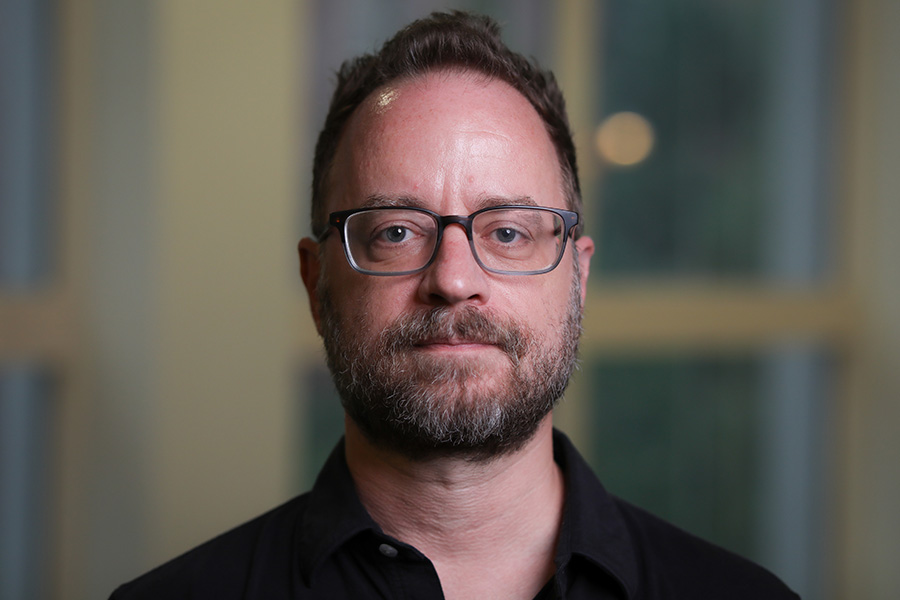
Jan Akmal is an Assistant Professor at Aalto University, holding dual affiliations in the Department of Energy and Mechanical Engineering and the Materials to Products group. His research specializes in additive manufacturing (AM), focusing on defect detection, smart materials, and 4D printing applications. He leads the AIM-Zero project (2023–2026), exploring AI-driven zero-defect AM processes. Akmal has received the Aalto Doctoral Incentive Scholarship (2023) and an Honorary Award (2023). He serves on editorial boards for Frontiers in Manufacturing Technology and Frontiers in Mechanical Engineering , and chairs the Finnish Rapid Prototyping Association (FIRPA). Key research areas include AI-based defect detection in metal AM, self-sensing components, and hybrid materials for dynamic displays. He collaborates globally on topics like optical tomography in powder bed fusion and medical AM applications. His work addresses sustainability, industrial adoption of AM, and legal frameworks for military logistics. Akmal has authored 24 publications and contributed to datasets on AM inaccuracies and defect classification, emphasizing practical applications and industry integration.
Jesse Cougle is a Professor of Psychology at Florida State University, focusing on anxiety disorders , obsessive-compulsive and related disorders (OCRD), and problematic anger . He leads the Cougle Lab, which develops computerized treatments and investigates distress intolerance , courage , and transdiagnostic factors . Education: University of Texas at Austin (2008), Oxford University (postgraduate) Research: Cognitive-behavioral mechanisms in anxiety disorders, technology-based interventions for social anxiety and BDD, and biological processes in problematic anger Students: Mentoring Tapan Patel, James Zech, Victoria Swaine, and others His work spans interpretation bias modification , safety behavior reduction , and 'not just right' experiences in OCRD. Recent publications emphasize digital interventions for mental health and distress tolerance as a key transdiagnostic factor. Scientific Awards: President’s New Researcher Award (ABCT) Graduate Faculty Mentor Award (FSU) He serves as Editor-in-Chief of the Journal of Obsessive-Compulsive and Related Disorders and holds editorial roles in major journals. The Cougle Lab explores anxiety , perfectionism , and appearance-related psychopathology through multimodal research .
Hüseyin ÜNÜBOL is an Associate Professor (part-time) at Uskudar University's Department of Psychiatry. He graduated from Ege University Faculty of Medicine in 2008 and completed his PhD in Psychiatry in 2010. He achieved the title of Associate Professor in 2020. His research focuses on behavioral addictions, psychiatric epidemiology, and mental health during crises. Notable areas include ADHD diagnostic methods, pandemic-related anxiety, and addiction patterns in Turkey. Education: Ege University Faculty of Medicine (MD 2008), PhD in Psychiatry (2010) Key Roles: Part-time academic contributor to Uskudar University's Psychiatry Department Research Interests: His work spans addiction medicine, public health surveillance, and the psychological impacts of modern technologies. He has pioneered studies on social media addiction, pandemic mental health dynamics, and the neurocognitive basis of ADHD diagnosis using eye-tracking technology. His recent projects include large-scale national surveys on problematic gaming, shopping addiction, and substance use patterns. Articles Trends: Over 50 peer-reviewed publications since 2012, with recent emphasis on behavioral addictions (sex/gaming/social media), pandemic-related mental health, and diagnostic innovations. His 2020-2024 work shows strong focus on epidemiological studies and technological applications in psychiatry. Awards: None explicitly listed. Grants/Advising: Active in large-scale national health surveys like TURBAHAR but no specific grants/advising details provided here. Collaborates on addiction mapping projects and public health initiatives. Labs/Teams: Involved in multidisciplinary teams studying behavioral addictions and psychiatric epidemiology, though specific lab affiliations not detailed.
Professor Ian Jefferson is a Professor in Geotechnical Engineering at the Department of Civil Engineering, University of Birmingham. He has held academic positions at Loughborough University (lecturer from 1992–1995) and Nottingham Trent University (Lecturer/Senior Lecturer from 1995–2001, Principal Lecturer from 2001–2002, and Reader until 2004 before joining Birmingham). His roles include teaching and research in civil engineering disciplines, with a focus on sustainability and geotechnical practices. He is affiliated with the School of Engineering at the University of Birmingham, located in Edgbaston, Birmingham, UK. Education: BEng (Hons) in Civil Engineering, Loughborough University PhD in Geotechnical Engineering Professor Jefferson’s research interests revolve around collapsible soils , particularly loess , and their geotechnical implications across Eastern Europe, Central Asia, and the UK. He explores ground improvement techniques , including chemical stabilization and vibro-stone columns, with a focus on sustainability. His work also addresses geohazards such as rising groundwater and problematic soils like glacial tills. He investigates sustainability in urban development , sustainable geotechnical processes, and the application of geophysical methods for assessing improved ground conditions. These areas highlight his commitment to integrating environmental and geotechnical challenges in engineering solutions. Professor Jefferson’s recent publications emphasize the intersection of geotechnical engineering and sustainability. His work explores sustainable infrastructure planning, emissions reduction in soil improvement techniques, and geophysical methods for ground assessment. Key themes include the mitigation of collapsible soils, optimizing ground improvement technologies, and sustainability indicators for urban redevelopment. His research frequently addresses environmental impacts, particularly in transportation and utility infrastructure contexts, alongside advancing methodologies for geotechnical practices. Fellow of the Geological Society (FGS) In terms of grants and funding, Professor Jefferson has secured over £4 million in research grants. While his role in advising students is not explicitly stated, he contributes to academic governance through his positions as a Marker/Moderator for the Postgraduate Teaching Certificate and as the Plagiarism Officer for Civil Engineering since 2013. Professor Jefferson is actively involved in several research initiatives, including Loess soil stabilisation , collapsibility in loess soils , and Ground Improvement using stone columns . He also leads projects on Assessment of improved ground using geophysics , Shear strength of glacial tills , and Sustainability Assessments in urban Development . His work contributes to the Sustainable urban redevelopment - Eastside project in Birmingham. These projects reflect his collaboration with interdisciplinary teams and his focus on practical, sustainable solutions in geotechnical engineering.
Claire Dambrin is a Professor of Management Control at ESCP Business School, specializing in qualitative and critical research rooted in the social studies of accounting and control. She investigates performance measurement tools, including accounting systems and incentive frameworks, with a focus on gendered aspects and feminist perspectives. Her work explores how these tools can both empower and constrain individuals. She earned her PhD from Paris Dauphine University in 2005 and previously served as a professor of accounting at HEC Paris (2004–2012). Her research contributions span leading journals in accounting and management. She holds editorial roles at Accounting, Organizations and Society , Management Accounting Research , and Critical Perspectives on Accounting , and co-edits Comptabilité Contrôle Audit / Accounting Auditing Control . Her research interests include performance measurement systems, organizational sociology, and gender studies in business contexts. She critically examines how metrics shape organizational behavior and societal structures, particularly in the pharmaceutical industry and professional service sectors. Her recent work interrogates sustainability, ethical dimensions of control, and technological mediation in management practices. Key projects address topics such as ERP system lifecycle dynamics, CRM software adoption barriers, and the sociopolitical implications of quantification. Her contributions bridge theoretical frameworks (e.g., Latour’s actor-network theory) with empirical insights to challenge conventional managerial practices.
Dr. Helen Vossen is an Associate Professor at the Faculty of Social and Behavioural Sciences at Utrecht University , specializing in Clinical Child and Family Studies . Her research examines how digital media use affects psychosocial development in children and adolescents, including projects like the Digital Family project and the multidisciplinary Youth and Digitization (JEDi) study . Her work focuses on family dynamics, empathy, and strategies to mitigate problematic social media use while supporting youth development. Areas of expertise: Adolescence , Social Media , Empathy Research themes: Dynamics of Youth , Youth Education & Life Skills Her recent publications emphasize problematic social media use , parental mediation , and longitudinal analyses of digital behavior. She has secured competitive grants such as the DigAble fellowship (2023) , NWA-NVO grant (2022) , and Reliable Measurement fellowships (2020) . Her work intersects with the UN Sustainable Development Goals , particularly those related to mental health and digital equity. Scientific awards: DigAble (2023), NWA-NVO (2022), Reliable Measurement (2020), Reliable Measurement (2020)
Dr. Karen Maher is a Chartered Psychologist and Lecturer at Aston Business School , part of the College of Business and Social Sciences at Aston University. Her work focuses on Occupational Health and Work Wellbeing, with a PhD in Work Psychology from Loughborough University (2018), examining employee wellbeing and shift work in the Fire and Rescue Service. Prior to academia, she worked as a Health, Fitness, and Wellbeing practitioner, specializing in exercise referral and weight management. Research Interests: Karen’s research explores healthy workplaces, behavior change interventions to improve worker safety and health, maladaptive coping techniques (e.g., substance use), and adherence to workplace safety policies. Her recent projects include studies on staff wellbeing in pediatric critical care and problematic substance use in midwives. Education: PhD in Work Psychology, Loughborough University (2013–2018) MSc in Health Psychology, Coventry University (2013) BSc in Sport and Exercise Psychology, University of Brighton (1998) PG Cert in Academic Practice, Coventry University (2019) Professional Roles: External Examiner at Lincoln University since 2020 Member: British Psychological Society (Chartered), Advance HE (Fellow) Key Contributions: Her work spans behavioral interventions in healthcare, post-pandemic workplace management, and midwifery wellbeing. Recent publications include edited books on midwifery challenges and feasibility studies on staff wellness programs in pediatric care.
Jon D. Elhai is a Distinguished University Professor in the Department of Psychology at the University of Toledo, with a joint appointment in Neurosciences and Psychiatry. His research focuses on cyberpsychology, internet addictions, and problematic smartphone/social media use. He previously studied PTSD and trauma but now emphasizes technology's psychological impacts. Dr. Elhai holds a Ph.D. in Clinical Psychology (2000) from Nova Southeastern University and completed a postdoctoral fellowship at the Medical University of South Carolina. He teaches courses on abnormal psychology, research design, and advanced data analysis. Education: Ph.D., Clinical Psychology, Nova Southeastern University, 2000 Postdoctoral Fellowship, PTSD Assessment and Treatment, Medical University of South Carolina, 2002 Research Interests: Cyberpsychology, internet addiction, fear of missing out (FOMO), digital mental health, and behavioral addictions. Affiliations: Anxiety and Stress Lab, University of Toledo; Elhai Psychological Consultants, LLC. Students: Advises graduate students on theses and dissertations, with a focus on technology use and mental health. Notable advisees include Elyse Hutcheson, Rachel Bond, and Caleb Hallauer. Collaborations: Works with global researchers including Ahmad Alghraibeh (King Saud University), Cherie Armour (Queen’s University Belfast), and Christian Montag (University of Macau). Teaching: Courses include abnormal psychology, psychological assessment, and R programming for data analysis. Dr. Elhai’s 400+ publications span cyberpsychology and PTSD research. He occasionally serves as a forensic expert witness in legal cases involving PTSD diagnoses. His work appears in journals like Journal of Affective Disorders and Emerging Trends in Drugs, Addictions, and Health . Personal interests include Mandarin language learning, travel (e.g., China, Europe), and collecting mechanical watches.
Thorsten Quandt is a Professor of Online Communication at the University of Münster, affiliated with the Faculty of Arts and Humanities and the Department of Communication Science. His academic journey includes a Ph.D. in Communication Science from TU Ilmenau (2004) and a habilitation from Ludwig Maximilian University of Munich (2008). He has held visiting professorships at the University of California, Santa Barbara (2014) and has been a faculty member at institutions like the University of Hohenheim and Freie Universität Berlin. Quandt's research focuses on online communication, digital journalism, and computational analysis of media ecosystems. Notable projects include studying conspiracy theories and ideological movements online, media innovations, and gaming disorder. He leads the Cluster of Excellence project B3-44 on computational methods for analyzing new ideological movements. His work bridges communication studies and computational social science, addressing topics like dark participation, media trust, and information disorder. Awards include an ERC Advanced Grant (2025), ICA Fellowship (2023), and ERC Starting Grant (2009). He serves on editorial boards of journals like Journal of Communication and Digital Journalism . Quandt’s research has explored gaming’s psychosocial impacts, digital journalism’s evolution during crises, and media moderation strategies. His recent work emphasizes computational methods and interdisciplinary approaches to understanding digital media’s societal role.
Dr. Clayton Neighbors is a Professor in the Department of Psychology at the University of Houston, College of Liberal Arts and Social Sciences. He serves as Director of the Social Influences and Health Behaviors Lab and holds the Moores Professor chair. His research examines social and motivational factors in health behaviors, including alcohol and substance abuse, problem gambling, body image, intimate partner violence, and aggressive driving. Education: Ph.D. and B.A. from University of Houston and Lamar University, respectively Dr. Neighbors' work integrates social norms, self-determination theory, and social identity into interventions for substance use and health behaviors. His studies often focus on college students and veterans, with funding from NIH institutes (NIAAA, NIDA, NIMH), Department of Defense, and the National Center for Responsible Gaming. Recent research trends include gamified digital interventions, religious drinking norms, and longitudinal analysis of drinking identity and social networks. He mentors graduate students in grant writing and publication, emphasizing preparation for academic or applied research roles. His lab is a leader in event-specific prevention strategies and personalized feedback interventions.
Dr Doğa Istanbulluoglu is a Lecturer in the Department of Marketing at the Birmingham Business School, University of Birmingham . She holds a PhD in Marketing from the same institution and teaches undergraduate courses such as 'Research Methods'. She also serves as the EDI Representative for the Marketing Department and PGTA Coordinator for both Marketing and Strategy & International Business Departments. Education: Postgraduate Certificate in Academic Practice (Distinction), Centre for Learning and Academic Development, University of Birmingham (2017) PhD in Marketing, University of Birmingham (2014) MSc in Marketing (Merit), University of Birmingham (2008) BSc in Business Management (High Honour), Bilkent University, Turkey (2007) Her research focuses on online consumer behavior , particularly on social media platforms. She investigates negative consumer behaviors such as complaining, negative word-of-mouth, boycotts, and anti-consumption, as well as problematic technology use including smartphone addiction. Her work emphasizes post-purchase behaviors and the psychological and social dynamics behind consumer dissatisfaction and resistance. The recent articles show a strong trend in digital consumer behavior , with recurring themes in anti-consumption , fake online reviews , complaint handling , and technology overuse . Her research combines marketing theory with psychological and sociological insights, often using empirical methods to analyze consumer responses in digital environments. Dr Istanbulluoglu has published in leading journals such as European Journal of Marketing , Computers in Human Behavior , and Information Technology & People . Her work contributes to understanding ethical issues in digital marketing and strategies for effective online customer engagement and service recovery. She supervises postgraduate research and is involved in academic leadership through her PGTA and EDI roles. While no formal grants or doctoral students are listed, her collaborative publications suggest active research partnerships. She does not appear to lead a dedicated lab but contributes to interdisciplinary discussions on consumer ethics and digital behavior.
Maria D. Molina serves as an Assistant Professor in the Department of Advertising and Public Relations at Michigan State University. Her academic role involves teaching and conducting research at the intersection of digital media, health communication, and human-computer interaction. She is based in the Communication Arts and Sciences Building in East Lansing, Michigan. Her academic credentials include: PhD in Mass Communications from Penn State University Her research program investigates online persuasion through three interconnected lenses: Technological affordances for prosocial behavior Technological affordances for negative content sharing User responses to AI communication tools Her work spans thematic areas including Computational Communication, Health & Risk Communication, Human Centered Technology Design, and Media Psychology, employing experimental and computational methods to examine digital health interventions, misinformation dynamics, and privacy concerns. Analysis of Dr. Molina's recent publications (2024-2025) reveals consistent focus on digital persuasion mechanisms across social media behavior, meme-based deception, AI trust dynamics, and app-based motivation. These studies demonstrate methodological diversity through experimental designs and computational analyses, appearing in high-impact journals including New Media & Society and PLoS One. She actively contributes to Michigan State University's Health and Risk Communication Center, where her research informs public health communication initiatives through digital innovation and evidence-based strategies.
Prof. Dr. Peter Kerkhof is a Full Professor of Social Media at Vrije Universiteit Amsterdam's Department of Communication Science and serves as Vice Dean of Education at the Faculty of Social Sciences. He holds a PhD (1997) in Social Psychology from VU Amsterdam. His research focuses on social media's impact on organizational and individual interactions, emphasizing how online environments shape perceptions of brands, policies, and health behaviors. He has held key administrative roles, including Chair of Communication Science (2010–2018) and membership in the Kansspelauthoriteit advisory board. Education: PhD in Social Psychology (VU Amsterdam, 1997) Administrative Roles: Vice Dean of Education, Chair of Communication Science, Faculty Board Member His research spans social media's role in health communication (e.g., blood donation campaigns), psychological effects of FOMO, and corporate reputation management. He has published in journals like Journal of Computer-Mediated Communication and Human Communication Research . Awards include the Best Faculty Paper in Public Relations (2016) and the Bob Heath Award (2015). Recent articles explore topics like blood donation engagement via Facebook, longitudinal studies on FOMO and well-being, and patient support groups on social media. His work bridges communication science with practical applications in health, marketing, and digital ethics. Scientific Awards: Best Faculty Paper in Public Relations (2016), Bob Heath Award (2015) Grants/Activities: Supervised 11 PhD theses, engaged in media outreach (e.g., commentary on social media trends) He is affiliated with the Network Institute and the Communication Choices, Content and Consequences (CCCC) research group, contributing to interdisciplinary projects on digital communication and societal resilience.
Ana Romero Abrio is a Professor at the Department of Education and Social Psychology at Universidad Pablo de Olavide (Spain), with a concurrent affiliation as a Faculty Member in the Faculty of Education at the International University of La Rioja. She earned her PhD from Universidad Pablo de Olavide in 2019, focusing on psychosocial analyses of adolescent violence. Her research integrates family dynamics, educational psychology, and digital behavior. Her primary research interests include: Adolescent psychosocial development and aggression Cyberbullying and digital safety in youth Family communication and parent-child relationships Educational interventions for at-risk adolescents Gender differences in behavioral psychology Her publications demonstrate a consistent focus on adolescent well-being, with recent work exploring intersections between family communication, technology use, and violence. She frequently employs gender analyses and longitudinal frameworks in her studies. Dr. Romero Abrio is an active member of the FAMINTER Research Group (Values, Family, Equality and Intergenerational Relations), where she collaborates on projects addressing youth violence prevention and family support systems.
Dr. Tehzeeb Zulfiqar is a Research Fellow at the National Centre for Epidemiology and Population Health at the Australian National University (ANU) and an Adjunct Associate Professor at the Health Services Academy in Pakistan. With over 30 years of experience in public health policy and research across Pakistan and Australia, she brings extensive expertise in epidemiology, program evaluation, and health systems strengthening. Her current work focuses on the evaluation of the Australian Pathogen Genomics Program (AusPathoGen) using realist theory, examining the utility and cost-effectiveness of genomic-based public health responses and capacity transformation with emphasis on end-user acceptability. Dr. Zulfiqar's educational background includes: PhD in Public Health from the Australian National University Master of Public Health (MPH) from the Australian National University MPhil in Reproductive Physiology from Quaid-i-Azam University MSc in Community Nutrition from Allama Iqbal Open University MBBS from Army Medical College Dr. Zulfiqar's research spans genomic epidemiology, immigrant health, and environmental health challenges. Her primary focus is on genomic surveillance systems and their implementation in public health practice, particularly through her leadership in evaluating Australia's national pathogen genomics program. She has conducted extensive studies on obesity patterns, health disparities, and cultural adaptation among immigrant populations in Australia, examining intergenerational differences in body image standards and dietary practices. Her environmental health research has gained prominence following Australia's devastating bushfire seasons, where she investigated community perceptions of smoke exposure and the effectiveness of public health communication during environmental disasters. Her work demonstrates how housing conditions, individual risk perception, and public health advice interact during climate-related emergencies. Dr. Zulfiqar's publication record shows a clear trajectory toward integrating advanced genomic technologies with practical public health applications while maintaining a strong commitment to health equity. Her recent work spans from technical evaluations of genomic surveillance systems to critical examinations of public health terminology and its impact on marginalized communities, particularly regarding the problematic use of terms like 'culturally and linguistically diverse (CALD).' Dr. Zulfiqar has supervised multiple students including Hesham Al-Sharani, Russell Tolentino, and Alfi Fatima Yudani. She has been involved in numerous significant research projects, including the third-party evaluation of Pakistan's Lady Health Workers program conducted by Oxford Policy Management, UK, where she served as national lead. Her teaching experience includes Family Medicine, Public Health Nutrition, Life Style Medicine, and serving as a tutor at the ANU Medical School for 8 years. Dr. Zulfiqar is actively involved in multiple research teams, most notably as a key researcher in the Australian Pathogen Genomics Program evaluation and the Timor-Leste One Health Bacteria Enteropathy and Nutrition (BEN) Study (2023-2027). Her interdisciplinary approach bridges epidemiology, social sciences, and public health practice to address complex health challenges both in Australia and internationally.