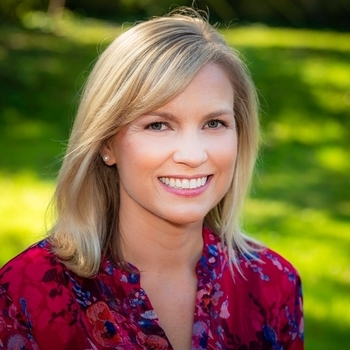
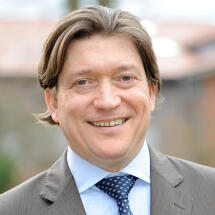
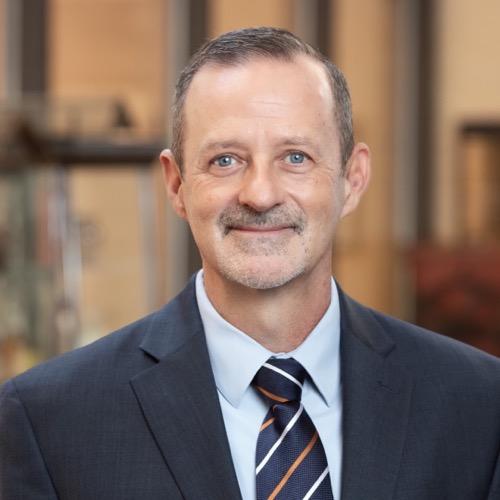
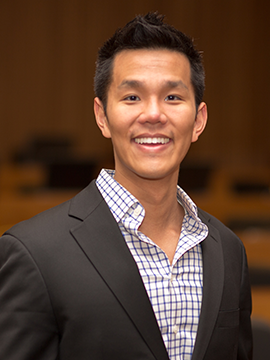
Kelly Arnold is an Associate Professor in the Department of Biomedical Engineering at the University of Michigan. Her research integrates systems engineering principles with immunology to investigate variability in immune responses across infection, vaccination, and injury, with a focus on computational modeling and clinical translation. Research Focus Systems-level immune response modeling Vaccination and antibody functionality Vaginal microbiome-host interactions Chronic lung disease progression Computational serology and proteomics Recent Work Her 2025 studies examine SARS-CoV-2 vaccination responses in cancer patients and computational frameworks for vaginal probiotics. Earlier works (2024-2007) span COPD progression, lupus fibrosis, HIV susceptibility, and tissue engineering for fertility preservation. Methodologies include proteomic profiling, network modeling, and microfluidic systems.
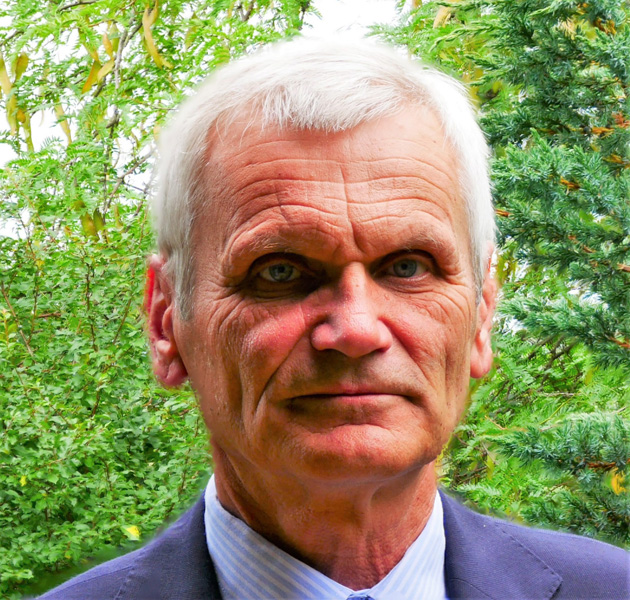
Professor Marek Sanak serves as Full Professor at the Department of Internal Medicine, Jagiellonian University Medical College in Cracow, Poland. He concurrently holds leadership positions as Acting Director of the Department of Forensic Medicine, Head of the Division of Molecular Biology and Clinical Genetics, and Vice-Rector for Research and International Cooperation since 2016. His academic foundation includes: MD from Jagiellonian University Medical College Specialization in Pediatrics and Genetics PhD from Jagiellonian University Research appointments at Harvard University, University of Paris VI, and University of Zurich Professor Sanak's research integrates clinical genetics with molecular immunology, focusing on asthma pathogenesis, lipid mediators of inflammation, and genetic diagnostics. His laboratory employs advanced techniques including deep DNA/RNA sequencing to identify biomarkers and elucidate disease mechanisms. The work bridges fundamental molecular discoveries with clinical applications in respiratory diseases, allergic disorders, and forensic medicine, demonstrating particular expertise in aspirin-exacerbated respiratory disease and epigenetic regulation of inflammatory pathways. Analysis of his recent publications reveals a strategic evolution from classical asthma research toward molecular genetics and viral pathogenesis. His 2017-2021 work increasingly incorporates epigenetic approaches (DNA methylation, microRNA profiling) while expanding into SARS-CoV-2 research during the pandemic. The publications demonstrate interdisciplinary integration across immunology, respiratory medicine, and molecular diagnostics, with consistent focus on translational applications. His distinguished career has been recognized through numerous honors: The Lancet Investigators Award on Asthma (1997) Polish Ministry of Health Individual Prize (1999) Jagiellonian Laurel (2012) Pro Arte Docendi Award (2014/15) Gold Medal for Long Service (2019) Top 2% of world scientists ranking (Elsevier 2022) As Vice-Rector for Research, Professor Sanak has significantly expanded international collaborations with King's College London, University of Southampton, and University of Zurich. His leadership has secured substantial funding for molecular diagnostics and inflammatory disease research while mentoring numerous early-career researchers. He delivers invited lectures globally for organizations including the American Thoracic Society and European Academy of Allergy and Clinical Immunology. Professor Sanak directs integrated research units across the Division of Molecular Biology and Clinical Genetics, Division of Biochemical and Molecular Diagnostics at University Hospital Cracow, and the Department of Forensic Medicine. These teams combine clinical service with basic research to advance genetic diagnostics and understand disease mechanisms, maintaining forensic genetics expertise developed over 20 years of practice.
Christopher Buckley is the Kennedy Professor of Translational Rheumatology and Director of Clinical Research at the Kennedy Institute of Rheumatology, University of Oxford. He holds concurrent roles as Director of NIHR Infrastructure for Birmingham Health Partners. His research focuses on fibroblast biology in rheumatoid arthritis (RA), stromal cell interactions, and translational medicine approaches to stratified therapy. He leads the Arthritis Therapy Acceleration Programme (A-TAP), advancing precision medicine strategies for immune-mediated inflammatory diseases. Educations: BSc Biochemistry, University of Oxford (1985) MBBS Medicine, Royal Free Hospital, London (1990) DPhil in Molecular Medicine (Wellcome Trust Fellowship) under Prof. John Bell (Oxford) Research Interests: Pathogenic fibroblast subpopulations in RA and systemic sclerosis Tissue-resident memory T cells in chronic inflammation Spatial transcriptomics of synovial and tendon tissues Pro-resolving fibroblast networks during inflammation resolution Development of biomarkers for disease flare/remission Awards & Leadership: MRC Senior Clinical Fellowship (2001) Arthritis Research UK Professorship (2002) Director, Birmingham NIHR Clinical Research Facility (2012-2017) Key Projects: Leading A-TAP's stratified pathology approach for drug development Investigating Wnt signaling in stromal inflammation Developing cellular atlases of joints using spatial transcriptomics
Gustavo Nader, Ph.D., is a Professor of Kinesiology at The Pennsylvania State University's College of Health and Human Development, where he holds the Dorothy Foehr Huck and J. Loyd Huck Endowed Chair in Molecular, Cellular and Integrative Physiology. His research laboratory at 101 Noll Lab focuses on molecular mechanisms of skeletal muscle adaptation, employing human, animal, and cellular models to investigate ribosome biogenesis, transcriptional regulation, and muscle growth control in contexts ranging from exercise hypertrophy to cancer cachexia. Dr. Nader's research examines fundamental processes including: Ribosome biogenesis and its role in muscle growth regulation Epigenetic control of RNA Polymerase I activity Molecular pathways in mechanical overload-induced hypertrophy Tumor-induced muscle wasting mechanisms Biomimicry approaches inspired by hibernator physiology His work spans exercise physiology, cancer biology, and environmental stress responses. Analysis of his 15 most recent publications (2015-2025) reveals predominant themes in muscle hypertrophy mechanisms, cancer cachexia pathophysiology, ribosomal function analysis, and environmental stress impacts on muscle. His work consistently integrates molecular techniques with physiological models across species. Notable scientific recognitions include: Dorothy Foehr Huck and J. Loyd Huck Chair appointment (2024) Huck Institutes Leadership Fellowship (2025-2026) Dr. Nader leads an active research team investigating muscle plasticity, with current projects funded through the Huck Institutes of the Life Sciences. He collaborates extensively through Penn State's Integrative and Biomedical Physiology graduate program and Center for Cellular Dynamics.
Prof. Dr. med. Franz Lennard Ricklefs is a Senior Physician and Head of the Working Group at the Department of Neurosurgery, University of Hamburg Faculty of Medicine. He is a Medical Specialist in Neurosurgery with cross-disciplinary expertise in neuro-oncology, molecular pathology, and extracellular vesicle research. Affiliations: University Medical Center Hamburg-Eppendorf (UKE), European Liquid Biopsy Society (ELBS), International Consortium on Meningiomas (ICOM) Research Interests: His work focuses on neurosurgical oncology, particularly glioblastoma and meningioma pathobiology. He investigates DNA methylation patterns, extracellular vesicle biomarkers, and liquid biopsy implementation in clinical neuro-oncology. Additional interests include surgical outcomes for epilepsy and aneurysm management. Article Trends: Over the last decade, Dr. Ricklefs has published extensively on: Extracellular vesicle applications as liquid biopsy markers DNA methylation subclasses for glioblastoma and meningioma Multicenter surgical outcome benchmarking Immune evasion mechanisms in neuro-oncology Technological innovations in neurosurgical visualization Molecular characterization of rare CNS tumors Professional Contributions: He co-authored the MISEV2023 guidelines for extracellular vesicle studies and participates in international consensus reviews for meningioma classification. His collaborations span institutions across Europe and North America.
Trond Vidar Hansen is a Professor at the Department of Pharmacy, University of Oslo , and leads the LIPCHEM research group . He collaborates with institutions including the University of Bergen and Vestlandets Innovasjonsselskap through the VITADEL project, which recently received NOK 5,000,000 in verification support from the Research Council of Norway. His research focuses on the synthesis and biological evaluation of specialized pro-resolving lipid mediators derived from omega-3 fatty acids, with applications in inflammation resolution, neuroinflammation, and drug development. University : University of Oslo Department : Department of Pharmacy Research Group : LIPCHEM Collaborations : University of Bergen, Vestlandets Innovasjonsselskap Research Interests : H Hansen's work centers on the organic synthesis of bioactive lipid derivatives, particularly pro-resolving mediators from omega-3 polyunsaturated fatty acids. His team investigates their roles in inflammatory disease models , neuroinflammation , and PPAR receptor activation , aiming to develop therapeutic agents for conditions like chronic pain, diabetes, and neurodegenerative disorders. The research integrates stereoselective chemistry , biochemical profiling , and pharmacological evaluation to validate these mediators' clinical potential. Recent Awards : 2025: NOK 2,000,000 verification support from Research Council of Norway 2025: Co-leader of NOK 5,000,000 VITADEL project Publications : His articles (2015–2024) reveal a focus on stereoselective synthesis of resolvins, protectins, and maresins, with applications in anti-inflammatory and neuroprotective therapies . Key subfields include omega-3 metabolite profiling , PPAR agonist design , and biosynthetic pathway elucidation , often utilizing human cell models and mouse disease models . Collaborative projects emphasize commercialization of academic research and translational medicine .
Kari Vaahtomeri is a University Researcher at the University of Helsinki, affiliated with the Molecular and Integrative Biosciences Research Program and the CAN-PRO Translational Cancer Medicine Program. He serves as a Cellular Communication Supervisor in the Doctoral Programme in Integrative Life Science, focusing on lymphatic biology, immune cell migration, and tumor-endothelial interactions. Research Programs: Molecular and Integrative Biosciences, CAN-PRO Translational Cancer Medicine Supervision: Doctoral Programme in Integrative Life Science His research explores the lymphatic system's role in cancer metastasis, immune cell transmigration, and vascular network development. Key areas include chemokine signaling, endothelial cell dynamics, and the molecular mechanisms of antigen presentation in tumors. Recent publications highlight his work on lymphatic endothelial multicellular junctions, melanoma-lymphatic crosstalk, and AMPK signaling in lung cancer immune evasion. His projects span from 2017 to 2027, funded by the Sigrid Jusélius Foundation and the Academy of Finland. Key Collaborations: IST Austria, international lymphatic research networks Activities: Oral presentations at conferences, academic visits to research institutions
Sophie Lanone is a researcher and team leader of the Genetic-environment Interactions in COPD, Cystic Fibrosis, and Respiratory Pathologies (GEIC2O) team at the Mondor Institute of Biomedical Research (IMRB), affiliated with Université Paris-Est Créteil. Her work focuses on understanding the interplay between genetic and environmental factors in respiratory diseases, particularly COPD, cystic fibrosis, and surfactant-related pathologies. She leads a multidisciplinary team of clinicians and scientists investigating molecular mechanisms, inflammation resolution, and environmental impacts on pulmonary health. Key research themes include the molecular basis of cigarette smoke-induced COPD, genetic and cellular aspects of cystic fibrosis, and the role of specialized pro-resolving mediators in disease. Funding sources include EU programs (e.g., H2020 REMEDIA), ANR, and patient associations like Vaincre la Mucoviscidose. Recent advances include identifying lipid mediator defects in CF patients and demonstrating resolvin E1’s efficacy in correcting ciliary dysfunction. Team members have received awards, such as Khadeeja Adam Sy’s 2024 prize for active participation in CF research. Collaborations span in vitro/ex vivo models, patient cohort studies, and translational approaches toward personalized therapies. The team also explores environmental exposures (e.g., asbestos, nanoparticles) and their long-term respiratory health impacts.
Gustavo Alberto Nader is a Professor of Kinesiology at The Pennsylvania State University , holding the Dorothy Foher and J. Lloyd Huck Chair in Molecular, Cellular and Integrative Physiology. His research focuses on skeletal muscle growth control , ribosome biogenesis , and transcriptional/epigenetic regulation in health and disease contexts. Affiliated with the Huck Institutes of the Life Sciences and College of Health and Human Development Principal Investigator on NIH-funded projects examining ribosomal control of muscle mass Research Interests span molecular mechanisms of muscle adaptation to exercise, cancer cachexia, chronic disease impacts on muscle, and cross-species Wnt signaling regulation by CO₂ levels. Key methodologies include human/animal/cell models, ribosomal analysis, and epigenetic profiling. Publication Trends show sustained focus on: Ribosome biogenesis in muscle hypertrophy (2012–2025) Cancer-induced muscle wasting mechanisms (2015–2024) CO₂/Wnt pathway interactions (2015–2019) Exercise-induced transcriptional responses (2001–2016) Scientific Awards include the Huck Chair, while his Grants & Collaborations involve NIH-funded studies on transcriptional/epigenetic mechanisms (2019–2026) with cross-disciplinary teams in physiology, oncology, and respiratory medicine.
Thomas Pap serves as Professor at the Department of Molecular Medicine within the Institute of Musculoskeletal Medicine (IMM) at the University of Muenster. He actively participates in the "Cells in Motion" research cluster and the Imaging Network, focusing on cell dynamics and imaging applications in musculoskeletal pathologies. His research centers on molecular mechanisms of inflammatory joint diseases, with key emphases on: Destructive arthritis pathogenesis through fibroblast transformation and adherens junction dynamics Regulation of alarmin activity (S100A8/S100A9) in sterile inflammation TRP channel modulation of osteoclast function and bone loss Translational models for tendon healing and microsurgical reconstruction Advanced imaging techniques for monitoring inflammatory lesions Analysis of his 2013-2021 publications reveals consistent interdisciplinary work bridging immunology, cell biology, and clinical applications. His studies frequently employ molecular imaging and translational models to investigate rheumatoid arthritis mechanisms, neutrophil chemotaxis, and bacterial immune evasion, with strong emphasis on therapeutic targeting of inflammatory pathways. The Pap Group operates within the Multiscale Imaging Centre (MIC), collaborating on pilot projects and the "Train Gain Fellowships" graduate program. Their work integrates with the university's broader Imaging Network, utilizing advanced microscopy and molecular techniques to study cell dynamics in inflammatory conditions.
Dr. Nadia Guerra is an Associate Professor and head of the 'Inflammation and Cancer Immunity' lab at Imperial College London's Department of Life Sciences (Faculty of Natural Sciences). Her research focuses on Natural Killer (NK) cell receptors' roles in immunopathologies and cancer, particularly the paradoxical tumor-promoting role of NKG2D in inflammation-driven cancers. She collaborates with institutions like AstraZeneca and the Institute of Chemical Biology to develop novel cancer diagnostics and therapies. Education: BS in Biochemistry (University of Marseille Luminy), MRes in Transplant Immunology (University of Besancon), PhD in Immunology (University of Paris VI). Postdoctoral training at UC Berkeley (David Raulet lab). Established her lab in 2009 with a Wellcome Trust Career Development Fellowship. Research Interests: NK cell biology, cancer immunity, inflammation-driven tumorigenesis, NKG2D receptor signaling, nanomaterials for immunotherapy, and microbiome-cancer interactions. Recent work explores tyramine's role in post-bariatric surgery colon cancer risks and nano-platforms for cancer biomarker detection. Notable achievements include generating NKG2D-deficient mice (Immunity 2008), discovering NKG2D's pro-tumorigenic role in liver cancer (Nat Comm 2017), and securing CRI Technology Impact Award funding (2024). Her lab has trained over 10 PhD students/postdocs, with ongoing collaborations in multi-photon imaging and chemist-immunology interfaces. Awards: Wellcome Trust Career Development Fellowship (2009) Cancer Research Institute (CRI) Technology Impact Award (2024) Society of Swedish Engineers (SIS) Award (2018) Lab Collaborations: Works with Prof. David Pinato (Imperial Medicine), Dr. Joshua Edel (Chemistry), and UCL teams on interdisciplinary projects. Active in Imperial's Chemical Biology CDT and Immuno-Pathology Network.
John H. Richburg, Ph.D. serves as Associate Dean for Research and Graduate Studies and Professor of Pharmacology & Toxicology at The University of Texas at Austin College of Pharmacy. He holds the distinguished Gustavus and Louise Pfeiffer Professorship in Toxicology, reflecting his significant contributions to the field. Dr. Richburg's research program has been continuously funded by the NIH for over 28 years, focusing on molecular and cellular mechanisms by which environmental toxicants (particularly phthalates) and chemotherapeutic agents (like cisplatin) disrupt male reproduction. His work specifically investigates paracrine cellular signaling mechanisms between cells in the testis that regulate the balance between survival and death of germ cells. The Richburg Laboratory recently received a 5-year NIH/NIEHS R01 grant to study the functional contribution of innate immune cells in testicular responses to environmental toxicants. Analysis of Dr. Richburg's publications reveals a consistent focus on testicular toxicology, with particular emphasis on phthalate exposure effects and cisplatin-induced male infertility. His work bridges immunology, reproductive biology, and toxicology, demonstrating how environmental and clinical agents disrupt spermatogenesis through complex cellular mechanisms. Recent publications increasingly incorporate transcriptomics and detailed immune cell analysis, showing evolution toward more sophisticated molecular approaches. Best Paper of 2021 in Toxicological Sciences by the Society of Toxicology's Reproductive and Developmental Toxicology Specialty Section As Associate Dean, Dr. Richburg oversees research and graduate programs, enhancing outside research funding and recruiting qualified graduate students. His laboratory has trained numerous doctoral students, postdoctoral fellows, and research scientists, with alumni occupying prominent positions in academia, industry, and government. The Richburg Lab maintains active research projects on MEHP-induced testicular inflammation and cisplatin-induced male infertility, supported by continuous NIH funding. Dr. Richburg leads a vibrant research team comprising postdoctoral scholars, graduate students, and undergraduate researchers, fostering the next generation of toxicologists while advancing understanding of environmental and clinical impacts on male reproductive health.
Dr. Eric S. Kim is an Assistant Professor of Psychology at the University of British Columbia (UBC) and a Visiting Scientist with the Lee Kum Sheung Center for Health and Happiness (Harvard T.H. Chan School of Public Health) and the Human Flourishing Program (Harvard University’s Institute for Quantitative Social Science). With a Ph.D. from the University of Michigan (2015) and postdoctoral training at Harvard (2017), he focuses on psychological well-being and social connection’s role in reducing age-related chronic conditions. His work spans health psychology, social epidemiology, gerontology, and translational science. Education: B.A. (2009), Ph.D. (2015) from University of Michigan; Postdoctoral Fellowship at Harvard (2017) Dr. Kim’s research examines biobehavioral pathways linking psychological well-being to physical health through health behaviors , biological mechanisms , and stress-buffering . He leverages population-based cohort studies , causal inference methods , and machine learning to assess psychosocial factors via social media footprints. His work addresses social adversities like racial disparities , neighborhood cohesion , and economic shocks . His 15 most recent publications reveal trends in using longitudinal designs to study adolescent well-being’s long-term health impacts , epigenetic aging , and social cohesion interventions . Key journals include PNAS , JAMA Psychiatry , and Health Psychology , with media coverage in New York Times , BBC , and Washington Post . Scientific Awards MSFHR Scholar (2020) APA Division 20 Early Career Award (2020) AJE Article of the Year (2020) NIH K99/R00 (2018) Forbes 30 Under 30 in Healthcare (2016) IPPA Early Career Researcher Award Dr. Kim provides pro bono statistical consulting to nonprofits and collaborates with AARP , UnitedHealth Group , and Chan Zuckerberg Initiative . His lab at UBC, the Psychosocial Flourishing and Health Lab , trains graduate and undergraduate researchers in healthy aging and population-level interventions .
Dr Lucy Farrimond is an Academic Clinical Lecturer at the Nuffield Department of Clinical Neurosciences (NDCN), affiliated with the University of Oxford and Keble College . She serves as an Honorary Neurology Registrar at Oxford University Hospitals NHS Foundation Trust and leads research within the Oxford Motor Neuron Disease Centre . Her work bridges clinical practice and fundamental research into amyotrophic lateral sclerosis (ALS). Education: BM BCh (University of Oxford, 2012) Training: Academic Foundation Programme, NIHR Academic Clinical Fellowship Her research focuses on activity-dependent mechanisms of motor neuron degeneration in ALS, particularly using optogenetics with induced pluripotent stem cells (iPSC) from ALS patients to study the C9ORF72 genetic subtype. Publications highlight expertise in neuroinflammation, axonal transport, and iPSC co-culture models. Key collaborations include work with Professor Kevin Talbot's group. Recent publications demonstrate her focus on genetic ALS mechanisms (C9ORF72 hexanucleotide repeats), microglial toxicity, and clinical diagnostics optimization. She contributes to advancing genetic testing methodologies in ALS clinics. Scientific Awards: Wellcome Trust Clinical Research Fellowship NIHR Academic Clinical Fellowship in Neurology Dr Farrimond combines clinical responsibilities as a Neurology Registrar with teaching neuroscience and clinical neurology to Oxford medical students. Her work exemplifies translational research merging bench and bedside insights.
Wenjie Luo is a researcher at the Brain and Mind Research Institute, Weill Cornell Medical College, focusing on neurodegenerative diseases and neuroimmunology. His role involves investigating molecular pathways linking tauopathy, microglial function, and genetic risk factors for Alzheimer's disease. Education: B.S. and M.S. from Peking University (China), Ph.D. from Albert Einstein College of Medicine (2001) His research explores the interplay between neuroinflammatory mechanisms, tau pathology, and genetic variants in Alzheimer's disease progression. Key areas include the cGAS-STING pathway, TREM2 agonism, and microglial interactions with oligodendrocytes. Recent publications highlight his work on tau propagation models, microglial signaling pathways (NF-κB, AKT), and sex-based differences in neurodegeneration. He collaborates on grants from the National Institute on Aging and BrightFocus Foundation, focusing on tau metabolism, TREM2 ligands, and APOE mutations in neurodegenerative diseases.