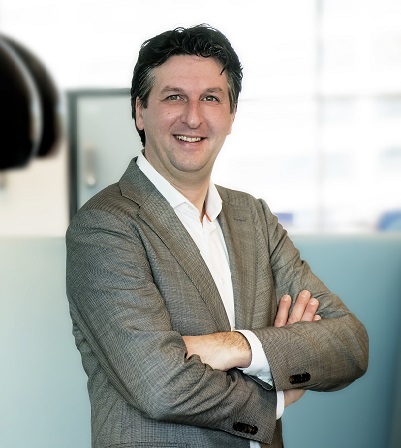
Jeffrey Beekman is a Full Professor at the University Medical Center Utrecht, specializing in translational research for chronic diseases through the Department of Pediatric Pulmonology. His work bridges basic and clinical research to develop novel diagnostics and therapeutics for conditions like cystic fibrosis (CF) and Primary Ciliary Dyskinesia. Education: PhD in Molecular Immunology (2004) Key Roles: Principle Investigator since 2010, co-founder of FAIR Therapeutics, Board Member of the Dutch Society for Stem Cell Research His research focuses on patient-derived organoid models to study disease mechanisms, validate therapeutic targets, and optimize drug development. Strategic programs include Child Health and Regenerative Medicine & Stem Cells . Recent publications highlight his work on CFTR gene therapy, organoid-based drug efficacy testing, and host-pathogen interactions in CF. Collaborations span molecular biology, clinical pulmonology, and biotech translation. Key Techniques: Organoid modeling, RNA sequencing, Forskolin-induced swelling assay Diseases Studied: Cystic Fibrosis, Colorectal Cancer Susceptibility, Primary Ciliary Dyskinesia
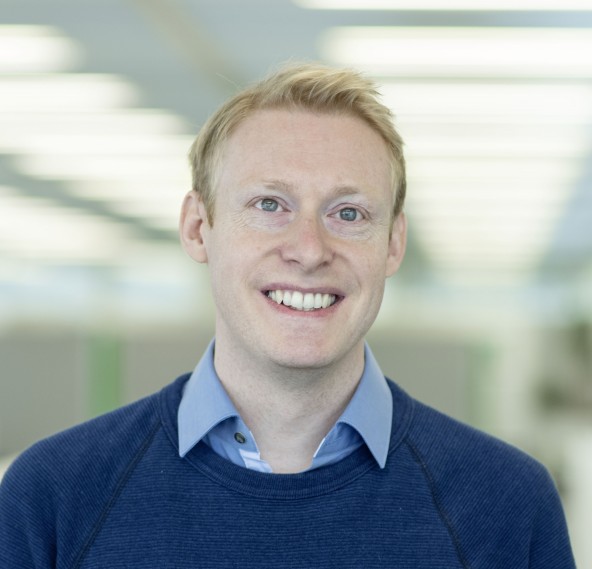
George T. C. Chiu is a Professor in the School of Mechanical Engineering at Purdue University, with courtesy appointments in Electrical and Computer Engineering and Psychological Sciences. He holds a 50% appointment as Assistant Dean for Global Engineering Programs and Partnerships. His research focuses on mechatronics, dynamic systems and control, functional printing, and human-machine interaction, with applications in biomedical engineering, robotics, and advanced manufacturing. Education: PhD (1994), MS (1990) University of California, Berkeley; BS (1985) National Taiwan University. Research interests emphasize application-driven solutions for printing technologies, motion control, and embedded systems. Notable projects include developing inkjet printing for biomedical materials and sensor systems. Awards include ASME Fellowship (2013) and the 2024 ASME Rabins Leadership Award. Publications span topics like inkjet drop dynamics, control systems, and biofabrication. He has led initiatives such as the Purdue FIRST Programs, fostering K-12 STEM education through robotics mentorship. Editorial roles include Editor-in-Chief of IEEE/ASME Transactions on Mechatronics (2017-2019).
Maria Chikina is an Assistant Professor at the University of Pittsburgh School of Medicine's Department of Computational and Systems Biology. She holds a PhD in Molecular Biology from Princeton University. Her research focuses on developing computational methods to analyze large-scale genomic datasets, bridging statistical rigor with biological insights to overcome experimental biases. Key research areas include latent variable modeling (e.g., PLIER, CellCODE), interpretable neural networks for sequence-to-function modeling, evolutionary rate analysis (RERconverge), and applications in tumor immunology, exercise genomics, and infectious disease (e.g., SARS-CoV-2). Her lab has developed tools like InstaPrism, NIFA, and L0 segmentation for data-driven biological discovery. Her work spans collaborations with institutions like UPMC (on tumor microenvironment) and the Molecular Transducers of Physical Activity Consortium (MoTraPAC). Notable projects include analyzing convergent evolution in marine mammals and subterranean species, and developing epigenetic biomarkers for disease states through the ECHO program. Lab members include PhD students (Rezwan Hosseini, Tugrul Balci) and postdocs (Tina Subic, Anish Sevekari). Past students Wynn Meyer now leads a group at Lehigh University. Her group emphasizes open-source tools (GitHub repository ChikinaLab) and interdisciplinary approaches to systems biology challenges.
Francesca Rodino is a Doctoral Assistant and Research Fellow at École Polytechnique Fédérale de Lausanne (EPFL), affiliated with the School of Engineering and the Electrical and Microengineering Institute (IEM). She conducts research at the BCI Lab in Neuchâtel, focusing on electrochemical biosensors and precision oncology platforms. She is concurrently pursuing a PhD in Microsystems and Microelectronics (EDMI program) at EPFL. Education: B.Sc. in Biomedical Engineering, Politecnico di Torino (2019) M.Sc. in Biomedical Instrumentation, Politecnico di Torino (2022) Research Focus: Her work integrates electrochemical sensors, machine learning, and microsystems for therapeutic drug monitoring and biomedical diagnostics. Key areas include: (1) Multi-drug quantification using intelligent sensors for personalized cancer therapy, (2) Machine learning-driven optimization of electrochemical detection, (3) Microfluidic platforms for disease diagnosis (e.g., malaria), and (4) Wearable systems for neural prosthetics. Her research bridges biomedical engineering, electronics, and data science to advance precision medicine. Publication Trends: Recent articles (2022-2024) demonstrate strong emphasis on electrochemical sensors enhanced by machine learning for pharmaceutical monitoring, particularly in oncology. Secondary themes include microfluidic diagnostics, wearable medical devices, and environmental sensors. Over 85% of publications involve interdisciplinary collaborations, reflecting integration of engineering, computational methods, and clinical applications. Teaching & Leadership: Teaching Assistant for Bio-nano-chip design (EE-517) and MEMS practicals II (MICRO-503) EPFL team coach for international SensUs biotechnology competition
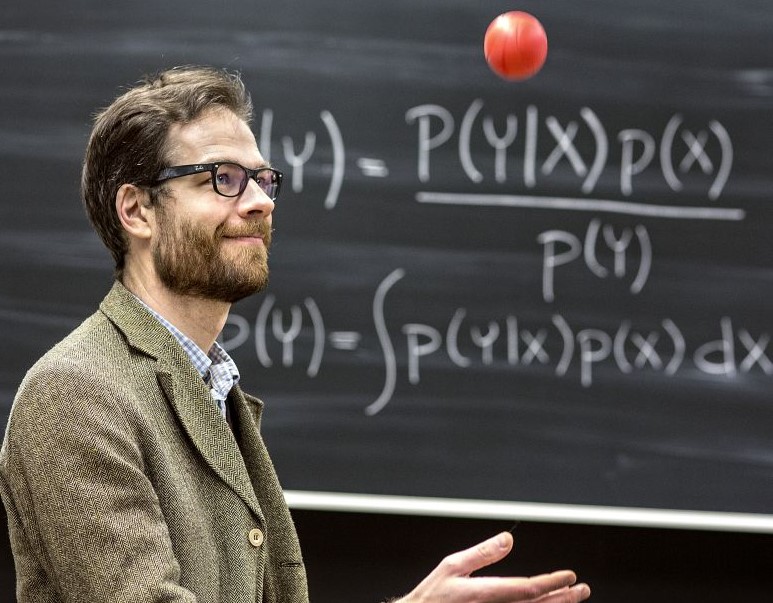
Carl Henrik Ek is a Professor of Statistical Learning at the Department of Computer Science and Technology (Computer Laboratory) at the University of Cambridge. He is also a fellow and Director of Studies at Pembroke College, and holds visiting positions at Karolinska Institute in Stockholm and the Royal Institute of Technology. He serves as co-Director for the UKRI AI Centre for Doctoral Training in Decision Making for Complex Systems, a collaboration between Cambridge and Manchester universities, and is involved with the Accelerate Program in the Computer Laboratory. Dr. Ek's educational background includes a MEng degree in Vehicle Engineering from the Royal Institute of Technology in Stockholm, followed by a PhD from Oxford Brookes University. During his PhD, he spent time at the University of Manchester and the University of Sheffield. His PhD supervisors were Professor Neil Lawrence and Professor Phil Torr, and his postdoctoral research was conducted at UC Berkeley with Professor Trevor Darrell and Professor Raquel Urtasun. Professor Ek's research focuses on statistical learning, particularly on developing data-efficient and interpretable machine learning methods. His work spans modeling and inference in machine learning, with special emphasis on Bayesian non-parametric methods and Gaussian processes. He explores how to specify assumptions that allow learning from small amounts of data, bridging theoretical foundations with practical applications in various domains. His recent publications demonstrate a strong trend toward applying machine learning to healthcare, drug discovery, and engineering design. There's significant work on Gaussian processes, reinforcement learning, and generative models, with applications ranging from medical diagnostics to structural engineering. His research shows an increasing interdisciplinary focus, connecting machine learning with fields like cardiology, pharmacology, and computational geometry. Professor Ek has received numerous teaching awards throughout his career: Pilkington Price for Teaching Excellence (2024) Teacher of the year in Computer Science at University of Bristol (2016) Docent in Machine Learning at Royal Institute of Technology (2016) Teacher of the year at Royal Institute of Technology, Sweden (2015) Teacher of the year from Student chapter in Industrial Economics at Royal Institute of Technology (2015) Teacher of the year in Computer Science at Royal Institute of Technology (2012) Professor Ek teaches Advanced Data Science, Advanced topics in machine learning, and Machine Learning and the Physical World. He has supervised PhD students throughout his career but is not currently accepting new PhD students for 2025/26 or 2026/27. His research is supported by various grants, including his role as co-Director of the UKRI AI Centre for Doctoral Training. He is an active member of the ml@cl research group at Cambridge and has previously been involved with research groups at University of Bristol and Royal Institute of Technology. His work connects with several interdisciplinary initiatives, particularly in healthcare AI and engineering applications of machine learning.
Professor Ananya Choudhury serves as Chair and Honorary Consultant in Clinical Oncology at the University of Manchester, where she is also Co-Group Leader of the Translational Radiobiology Group within the Division of Cancer Sciences. She joined The Christie NHS Foundation Trust in 2008, specializing in urology and sarcoma, and has since focused on radiotherapy-related research in prostate and bladder cancers. Professor Choudhury is clinical lead for advanced radiotherapy, including the groundbreaking MRLinac project, and plays a key role in national radiotherapy research initiatives. Professor Choudhury earned her BA (Hons) in 1993, MB. BChir (Cantab) in 1995, and MA (Cantab) in 1997 from Trinity College, Cambridge. She completed her Clinical Oncology training at the Yorkshire Deanery from 2000-2008, during which she earned her MRCP in 2000 and F.R.C.R in 2004. She completed her PhD in 2008 through the University of Leeds and Princess Margaret Hospital in Toronto, Canada, where she studied the molecular epidemiology of DNA double strand break repair in bladder cancer. Professor Choudhury's research program focuses on optimizing and personalizing radiotherapy using advanced imaging technology to deliver high doses while minimizing side effects. Her work centers on prostate and bladder cancers, with particular interest in predictive biomarkers, hypoxia, and the integration of magnetic resonance imaging to improve treatment precision. She has pioneered research in radiotherapy dose optimization, biomarker development, and the identification of patients who would benefit most from different treatment approaches. Her extensive publication record demonstrates a strong focus on radiation therapy, particularly in genitourinary cancers. Recent work explores MRI-guided radiotherapy, hypoxia biomarkers, and personalized treatment approaches across multiple cancer types. She has made significant contributions to understanding how imaging technology can improve radiotherapy precision and effectiveness while reducing side effects, with several publications appearing in top journals through 2025. Professor Choudhury has received multiple prestigious awards recognizing her contributions to the field: Cancer Research-UK/Royal College of Radiologists Clinical Training Fellowship (2005) Fellowship for the 10th ECCO-AACR-ASCO Workshop on Methods in Clinical Cancer Research (2007) Outstanding Contribution, Greater Manchester Clinical Research Awards (2017) RCR Research Fellowship (2005) Research Fellowship, Princess Margaret Hospital, Toronto (2004) Professor Choudhury has supervised numerous doctoral and master's students across multiple cancer types, with current students expected to complete through 2024. She is Principal Investigator on multiple research grants, including 'Measuring tumour radioresistance to improve radiotherapy outcomes' and the 'MAESTRO Programme' as part of CRUK RadNet. Her research program is supported by significant funding from NIHR Manchester Biomedical Research Centre and other major funding bodies. As Co-Group Leader of the Translational Radiobiology Group, Professor Choudhury collaborates extensively with leading researchers including Peter Hoskin, Catharine West, Corinne Faivre-Finn, and Marcel van Herk. Her team is at the forefront of integrating advanced imaging with radiotherapy to improve cancer treatment outcomes, with active projects spanning from basic radiobiology to clinical implementation of novel radiotherapy techniques.
Kunihiko Kaneko is a Professor at the Niels Bohr Institute, University of Copenhagen, with a distinguished career in theoretical biophysics and complex systems. He received his PhD and MSc in Physics from the University of Tokyo, and has held leadership roles at the Universal Biology Institute and Center for Complex Systems Biology. PhD Physics, 1984 - University of Tokyo MSc Physics, 1981 - University of Tokyo His research spans five primary areas: Universal Biology, Evolutionary Constraints, Ecosystem Dynamics, Neural Cognition, and Universal Anthropology. He has published extensively on multi-level consistency principles, dimensional reduction in biological systems, and reciprocity between robustness and plasticity across scales. Recent publications show strong focus on microbial ecosystems (2025), evolutionary game theory (2025), neural modular architectures (2024), and dimensional reduction in cellular systems (2024). His work bridges physics and biology through dynamical systems theory applied to diverse phenomena from protocells to human societies.
Dame Fiona Powrie is a Professor of Musculoskeletal Sciences at the University of Oxford and Director of the Kennedy Institute of Rheumatology . She leads the Mucosal Immunology Research Group and serves as Director of the Oxford Centre for Microbiome Studies (OCMS) and Cluster Lead in the MRC National Mouse Genetics Network Microbiome Cluster . Roles: Director of Kennedy Institute, Professor, Research Group Leader Relevant Affiliations: Wellcome Trust Governor (2018–present), Deputy Chair (2022), Royal Society Fellow (2011) Research Interests : Fiona specializes in the interplay between the intestinal microbiota and the host immune system, focusing on how dysregulation leads to inflammatory bowel disease (IBD) . Her work has elucidated the role of regulatory T cells in maintaining gut homeostasis and identified the IL-23 pathway as critical in chronic intestinal inflammation. Current efforts aim to translate these findings into clinical therapies for IBD patients. Scientific Awards and Fellowships : Ita Askonas Award (European Federation of Immunological Societies) Louis-Jeantet Prize for Medicine (2012) Honorary Lifetime Membership (British Society of Immunology, 2021) Fellow of the Royal Society (2011), EMBO (2013), Academy of Medical Sciences (2014) International Fellow of the National Academy of Sciences (2020) Advising and Leadership : Fiona leads the Mucosal Immunology group at the Kennedy Institute, mentors researchers, and contributes to national and international scientific governance. She has been instrumental in advancing microbiome and immunology research through leadership roles at the Oxford Centre for Microbiome Studies and the MRC National Mouse Genetics Network . Labs and Teams : Fiona's research group at the Kennedy Institute of Rheumatology investigates mucosal immunity and microbiome interactions, combining experimental and clinical approaches to address inflammatory diseases.
Prof. Dr. Soeren Lienkamp is an Assistant Professor at the Institute of Anatomy , Faculty of Medicine , University of Zurich . His work bridges digital education and genetic research , focusing on enhancing medical teaching through innovative formats. Research Interests : Genetics, developmental biology, kidney disease modeling, CRISPR applications, digital medical education, and advanced microscopy. Methodologies : Combines Xenopus tropicalis models, deep learning , and bioengineering to study genetic kidney disorders and improve diagnostic tools. Publication Trends : His recent articles highlight predictable genome editing , 3D imaging technologies , and mechanistic insights into kidney and eye development. Earlier works focus on ciliary function , Wnt signaling , and metabolic stress in renal cells.
Kuo-Ching Mei is an Assistant Professor of Molecular Pharmaceutics in the College of Pharmacy at the University of Utah. His laboratory pioneers lipid nanoparticle (LNP)-based gene delivery platforms that span cancer immunotherapy, immune tolerance induction, and programmable nanomedicine. Education B.Sc., Taipei Medical University Ph.D., University of London Dr. Mei’s research integrates molecular pharmaceutics, immunoengineering, and translational pharmaceutical sciences to advance precision immunotherapies. Core themes include mRNA-LNP systems for both immunostimulatory (anti-cancer vaccines) and immunomodulatory (tolerogenic) applications, the influence of immunometabolic cues (IFN-γ, amino-acid deprivation) on RNA translation, and the development of next-generation lipid chemistries for organ- and cell-specific delivery. Across his recent publications, a clear trend emerges toward refining LNP composition and architecture to enhance RNA delivery specificity, minimize toxicity, and modulate innate and adaptive immunity. Studies range from fundamental formulation science to pre-clinical evaluation in syngeneic tumor models and assessments of anti-vector immune responses. Research Support & Collaborations While specific grant numbers are not listed, the breadth and continuity of projects—from programmable lipid synthesis to high-throughput in vivo screening—indicate robust funding and active interdisciplinary collaborations within the University of Utah’s bioscience ecosystem. Laboratory & Team Dr. Mei leads a dynamic lab that employs chemical synthesis, formulation development, high-throughput screening, and integrated in vitro/in vivo disease models to translate discoveries into clinically viable RNA therapeutics and immunoengineering solutions.
Yading Yuan, PhD is an Associate Professor of Radiation Oncology (Physics) at Columbia University Irving Medical Center and a member of the Data Science Institute. He holds a PhD in medical physics from the University of Chicago (2010) and completed clinical residency at Harvard Medical Physics Program (2013). His research focuses on AI-driven innovations in radiation oncology, including automated medical image analysis systems, federated learning frameworks for tumor segmentation, and data-driven approaches to personalized cancer treatment. He is certified by the American Board of Radiology and licensed in New York State. Education: PhD in Medical Physics (University of Chicago, 2010); Clinical Residency (Harvard Medical Physics Program, 2013). Research interests include: automated knowledge-based treatment planning, large-scale clinical AI systems, medical image reconstruction algorithms, and panomics integration for precision oncology. His work emphasizes translating data science advancements into clinical practice to improve patient outcomes. Key trends in his publications include federated learning for privacy-preserving medical AI, tumor segmentation in multi-modal imaging (PET/CT, MRI), and AI-driven prediction of treatment outcomes and recurrence risks. Recent work emphasizes decentralized learning architectures and cross-institutional collaboration systems. Scientific Awards: Distinguished Reviewers 2013 (selected by peer review committees) Advising/grants: No specific student names or grant details listed in provided text. His work is supported through institutional and collaborative research initiatives. Labs/teams: Active member of Columbia's Data Science Institute and Radiation Oncology department, contributing to interdisciplinary medical AI research groups.
Wen Xue is a Professor at UMass Chan Medical School, affiliated with the RNA Therapeutics Institute within the T.H. Chan School of Medicine. She holds multiple additional roles across departments such as the Program in Molecular Medicine, Cancer Biology, and Biochemistry and Molecular Biotechnology at the Morningside Graduate School of Biomedical Sciences. Her research focuses on developing genetic models for liver and lung cancer using CRISPR/Cas9 and RNAi tools. Key areas include CRISPR-mediated genome editing for cancer gene discovery, KRAS inhibition mechanisms, and miRNA networks in lung cancer. She has secured grants from NIH, American Cancer Society, and others. Awards include the NIH Director’s New Innovator Award and Lung Cancer Research Foundation grants. Her lab actively recruits postdoctoral researchers and offers rotation projects in CRISPR technology and cancer biology. Education: B.S. and M.S. in Biochemistry from Nanjing University; Ph.D. in Biochemistry from State University of New York, Stony Brook. Research Interests: Wen Xue’s lab employs CRISPR tools to accelerate cancer gene validation and therapeutic target identification. Projects include: CRISPR-based liver cancer gene correction and oncogene deletion studies. Investigating KRAS inhibition resistance via RNAi and CRISPR in lung cancer models. Characterizing miRNA networks using TCGA data to identify therapeutic miRNA candidates. Her work bridges functional genomics with precision medicine, emphasizing in vivo and in vitro platforms. Publications: Over 100 peer-reviewed articles, including high-impact studies on CRISPR applications in gene therapy and cancer modeling. Recent work explores prime editing, base editing, and viral/non-viral delivery systems for lung diseases. Grants & Awards: NIH grants (P01HL131471, DP2HL137167), American Cancer Society (RSG-16-093), and industry partnerships like the Cystic Fibrosis Foundation. Collaborations include projects on CFTR mutation repair and AAV vector development. Labs/Teams: Xue Lab focuses on cancer genetics and gene editing, with interdisciplinary collaborations in molecular medicine and bioengineering. Ongoing projects aim to translate CRISPR-based therapies into clinical applications.
Prashant Mali is a Professor in the Department of Bioengineering at the University of California, San Diego . His research bridges genome engineering, RNA biology, and biomedical applications, with a focus on CRISPR-Cas systems and ADAR-mediated RNA editing. Education : Ph.D. in Bioengineering Key Affiliations : UC San Diego, Altman Clinical and Translational Research Institute Dr. Mali's work centers on CRISPR-Cas9 technology , RNA editing , and human pluripotent stem cells . His lab develops tools for programmable gene regulation, synthetic lethal screens, and metabolic pathway analysis in disease contexts. Recent publications highlight innovations in circular RNA engineering , ADAR activity mapping , and metabolic reprogramming in cancer . His team employs multi-omics approaches and in vivo models to translate genome editing into clinical applications. Students and Collaborators Current Lab Members : Sami Nourreddine (Postdoc), Amir Dailamy (Graduate), Andrew Portell (Graduate), Michael Tong (Graduate) Alumni : Kyle Ford (PhD 2022), Nathan Palmer (PhD 2022), Udit Parekh (PhD 2021) Research Themes CRISPR Screens : Synthetic lethal interactions, oncogenic pathways, metabolic vulnerabilities RNA Editing : ADAR engineering, circular guide RNAs, clinical translation Tissue Engineering : Vascularized organoids, cardiac maturation, ex vivo models
Dr. Alexandre Marques is an Assistant Professor at the University of Southern Mississippi. His expertise spans Microbiology, Immunology, and Parasitology, with a focus on vaccine development against parasitic infections like Leishmaniasis, Chagas disease, and Malaria. He holds a PhD from the Universidade de São Paulo (2007) and teaches courses such as Gen Microbiology and Microorg Hth Di at the university. His research integrates immunological, clinical, and molecular approaches to understand parasitic disease mechanisms and therapeutic interventions. Notable areas include α-Gal immunization strategies, transcriptomic analysis of breast cancer, and vaccine design against Leishmania. He has also explored applications in aquaculture nutrition and cosmetic safety assessments. Dr. Marques’ work spans interdisciplinary collaborations, including veterinary medicine, nanotechnology-based drug delivery, and antimicrobial stewardship in pediatrics. His contributions to animal models for Chagas disease and canine visceral leishmaniasis highlight translational research impact. Key themes in his publications include immune response modulation, pathogen-host interactions, and biomarker discovery in chronic infections. He has published over 50 articles across microbiology, immunology, and biomedical engineering since 2007.
Prof. Dr. med. Franz Lennard Ricklefs is a Senior Physician and Head of the Working Group at the Department of Neurosurgery, University of Hamburg Faculty of Medicine. He is a Medical Specialist in Neurosurgery with cross-disciplinary expertise in neuro-oncology, molecular pathology, and extracellular vesicle research. Affiliations: University Medical Center Hamburg-Eppendorf (UKE), European Liquid Biopsy Society (ELBS), International Consortium on Meningiomas (ICOM) Research Interests: His work focuses on neurosurgical oncology, particularly glioblastoma and meningioma pathobiology. He investigates DNA methylation patterns, extracellular vesicle biomarkers, and liquid biopsy implementation in clinical neuro-oncology. Additional interests include surgical outcomes for epilepsy and aneurysm management. Article Trends: Over the last decade, Dr. Ricklefs has published extensively on: Extracellular vesicle applications as liquid biopsy markers DNA methylation subclasses for glioblastoma and meningioma Multicenter surgical outcome benchmarking Immune evasion mechanisms in neuro-oncology Technological innovations in neurosurgical visualization Molecular characterization of rare CNS tumors Professional Contributions: He co-authored the MISEV2023 guidelines for extracellular vesicle studies and participates in international consensus reviews for meningioma classification. His collaborations span institutions across Europe and North America.