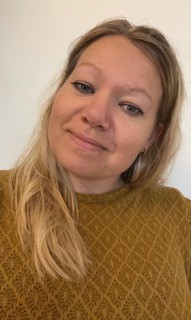
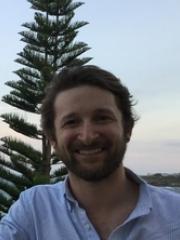
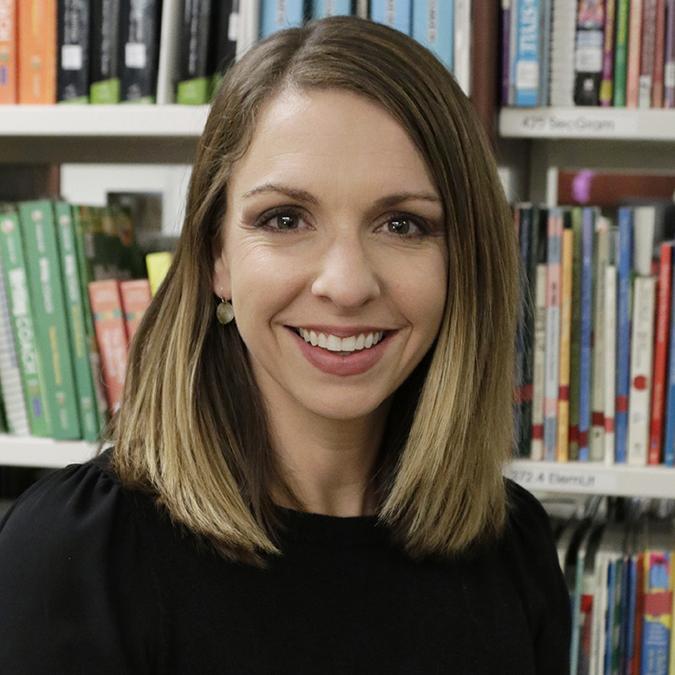
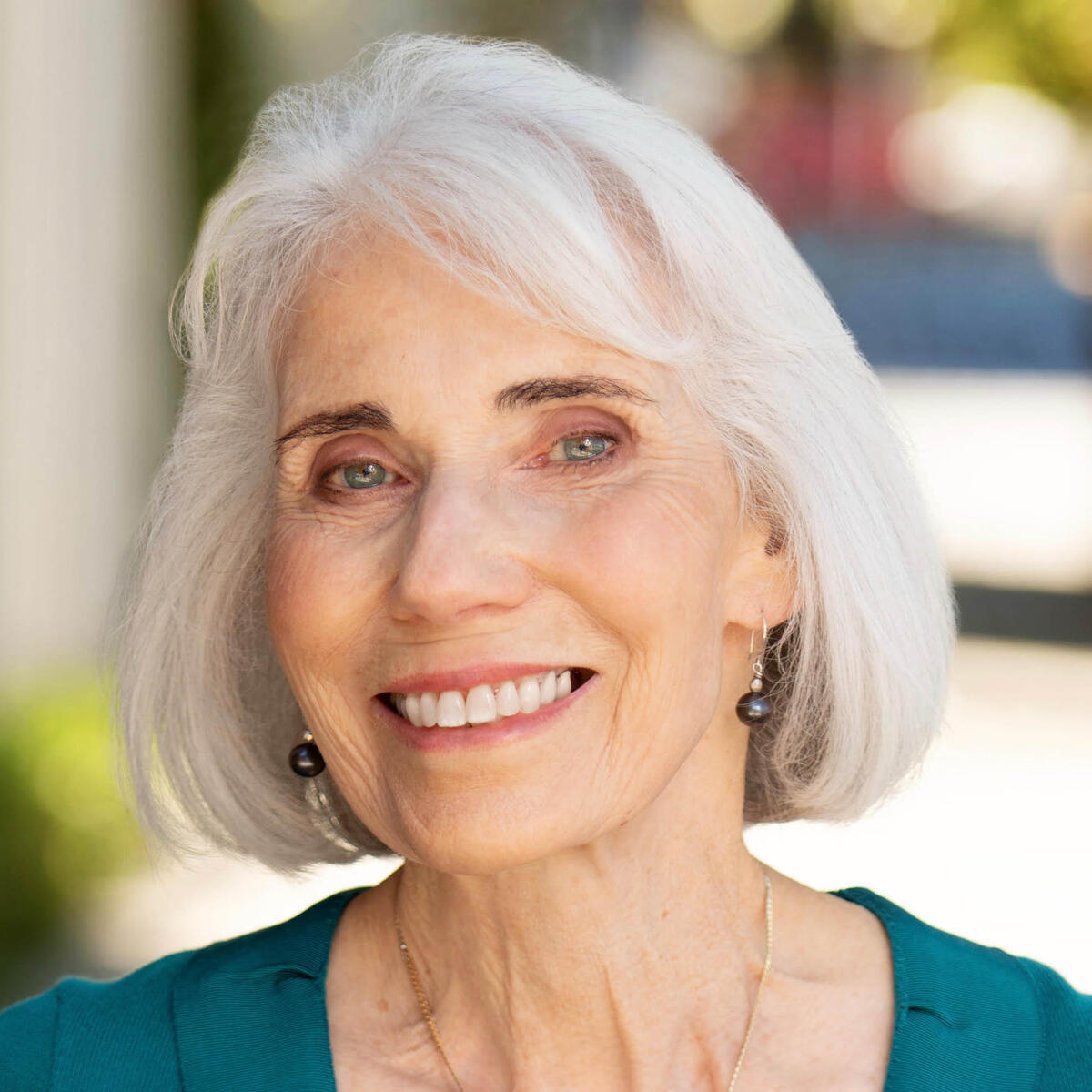
Univ.-Prof. Dr. Katja Heim is a prominent academic in the field of English Didactics, currently serving at the Institute of English Philology (WE6) at Freie Universitaet Berlin . With extensive experience in primary and secondary English education, her work focuses on social inclusion , learner autonomy , and hybrid/digital learning environments . She has held various academic positions including Freie Universitaet Berlin since 2024, after roles at Duisburg-Essen and other institutions. PhD in English Didactics Specializes in project-based teacher education Expert in bilingual learning in primary schools Her research emphasizes democratic classroom practices , multimodal texts , and technology integration in language teaching. Notable contributions include coordinated projects on digital media in teacher training and publications on inclusive education strategies. While her recent articles highlight hybrid learning and learner autonomy frameworks, her career spans over two decades of academic development in English education. Key research trends include: Blended learning implementation Bilingual education models Action research methodology
Marco Rozendaal is a researcher at Delft University of Technology's Industrial Design Engineering department, specializing in Human-Centered Design and Human Technology Relations. He focuses on ethical dimensions of technology, human-robot interaction, wearable health solutions, and critical design philosophies. His work bridges theoretical research and practical applications, such as designing embodied coaches for stroke rehabilitation and exploring moral stress in technical practice. Research Interests: Rozendaal investigates how technology impacts human behavior and ethics, emphasizing embodied interaction, friction in digital systems, and healthcare innovations. Notable areas include AI ethics, wearable technologies for body awareness, and the sociotechnical implications of robotics in workplaces and healthcare settings. His projects often involve interdisciplinary collaborations with theater professionals, medical practitioners, and farmers. Publications Trends: His recent work highlights themes like moral stress in technical fields, human-robot collaboration in mixed-reality environments, and ethical design frameworks. Key contributions include guidelines for robot communication in dairy farming and critical analyses of seamless technology's societal impacts. Awards: He received the 2018 Best Paper Award for exploring ambiguity in behavioral design, recognizing his contributions to design theory and ethics. Teaching & Projects: Rozendaal teaches courses like Design in Robotics and Videography . He leads research initiatives such as Wearable Technology for Increased Body Awareness and MUG CUP , which support parents of hospitalized children. His work also addresses the 'New Normal' in post-pandemic design practices. Labs & Teams: His research is conducted within TU Delft's Human-Centered Design group, collaborating with industry partners and academic networks to advance ethical and human-centric technological solutions.
Anne Ingeborg Apeland Swallow is an Associate Professor in the Department of Social Sciences at the University of Stavanger, under the Faculty of Social Sciences. Her work is deeply rooted in child welfare, with a specialized focus on kinship foster care and family dynamics within the child protection system. Research Interests: Her research explores the complex relationships between children, families, and child welfare services, particularly in kinship foster care settings. She investigates lived experiences of adolescents, foster parents, and biological families, emphasizing emotional ambivalence, identity, and institutional follow-up practices. Her work bridges academic inquiry with practical implications for social work and policy reform. Publication Trends: Over the past few years, her publications have consistently centered on kinship foster care in Norway, analyzing perspectives from multiple stakeholders. The body of work shows a strong qualitative and phenomenological approach, often highlighting voices from service users and caregivers, contributing to a more nuanced understanding of family-based care systems. Scientific Awards: No awards listed. Advising and Grants: No information available about students supervised or research grants received. Labs and Teams: No specific research labs, teams, or collaborative centers are mentioned in the provided text.
Professor Simone White serves as Dean of the School of Education at Royal Melbourne Institute of Technology (RMIT), where she leads the Design and Social Context department. With extensive leadership experience including past roles as Director of Professional Experience at Deakin University, Chair of Teacher Education at Monash, and Associate Dean (International and Engagement) at QUT, she brings significant expertise to her current position. She is a Past President of the Australian Teacher Education Association (ATEA) and maintains an active research profile focused on teacher education policy and practice. Professor White's research interests center on teacher education policy, teacher learning, professional experience, and building university-school/community partnerships, with particular emphasis on preparing teachers for rural, regional, and remote contexts. Her work consistently addresses educational equity and community engagement, especially in underserved educational settings. She has developed innovative approaches to teacher professional learning, including a Casual Relief Teacher learning module that addresses an often-overlooked workforce area. Her recent publications demonstrate strong focus on teacher shortages, career change teachers, school-university partnerships, and rural education leadership. The research output reveals consistent engagement with policy analysis, partnership development, and practical solutions to contemporary challenges in teacher education. Her work bridges theoretical frameworks with practical applications, emphasizing social justice perspectives and community-centered approaches. Professor White has secured significant research funding, including ARC Discovery and Linkage projects such as Teacher Education for Rural and Regional Australia (TERRAnova) and Studying the Effectiveness of Teacher Education (SETE). She also led an Office of Learning and Teaching federal grant focused on supporting teachers to engage with Aboriginal and Torres Strait Islander parents and caregivers. Currently, she serves as Chief Investigator on three ARC projects addressing career change teachers, hard-to-staff schools, and precariously employed teachers. As an educator, Professor White supports various teacher professional learning workshops and supervises research-based degrees. Her supervision interests include inclusive education policy impacts on students with disabilities. Through her collective work, she aims to connect research, policy, and practice while breaking down traditional borders between academics, policymakers, communities, and practitioners.
Professor Kate Smith holds a Personal Chair at the University of Aberdeen within the School of Education , specifically leading the Department of Counselling, Well-being, and Educational Psychology. She actively supervises PhD students in Psychology and Education and maintains a clinical-practitioner role alongside her academic work. PhD Psychology (2016) - University of St Andrews PGCert Higher Education Teaching (2014) - Abertay University BSc Psychology (2010) - Open University PGDip Counselling (2009) - Abertay University PGCert Counselling Skills (2007) - Abertay University MA Natural Sciences (2003) - University of Cambridge Kate's research focuses on enhancing therapeutic effectiveness through pluralistic approaches, emphasizing client responsiveness, demographic influences on therapy outcomes, and digital mental health delivery. Her recent work examines pluralistic therapy's process and outcomes, training methodologies, and online therapy perceptions. Key trends in her 15 most recent publications include pluralistic practice development, digital therapy modalities (2024: BJGC review), and therapeutic process metrics like speech rhythm analysis (2022: AMCSS ). She contributes to training frameworks (2021: PCCS Books ) and social justice in research (2021: Frontiers in Psychology ). Professor Smith oversees the Bounds counselling clinic and collaborates with the TRACCS group on therapy process-outcome studies. Her funded projects include validating non-verbal emotion indicators (DASA £99,753), BACP diabetes counselling grants, and ATLEF digital learning environment assessments.
Dr. Guy Bennett-Hunter is a philosopher affiliated with the School of Divinity at the University of Edinburgh, serving as Executive Editor of the Expository Times , a leading religious studies journal. His academic background includes a PhD from the University of Cambridge and roles at Durham, Aberdeen, and Edinburgh universities. Specializing in existential phenomenology, philosophy of religion, and aesthetics, he explores ineffability, religious experience, and the intersection of theology with art and language. Bennett-Hunter holds Fellowships with the Royal Society of Arts and the British Psychological Society, reflecting his interdisciplinary contributions. His research bridges philosophy, theology, and psychology, with recent work analyzing interreligious communication, divine ineffability, and the sacred’s pre-theistic roots. Over 25 publications span books, articles, and edited volumes, addressing topics from Wittgensteinian fideism to the legacy of Ronald W. Hepburn. His clinical work as a Senior Psychological Wellbeing Practitioner in forensic settings further highlights his commitment to applying philosophical insights to human well-being. Education: PhD, University of Cambridge (2011) MSc (Distinction), Psychology, University of East London (2020) MA (Distinction), Philosophy, University of Durham (2008) BA (Hons.), Philosophy and Theology, University of Durham (2006) Research Interests: Ineffability in religious and mystical contexts Phenomenology of existential experience Aesthetic and theological interpretations of the sacred Interreligious dialogue and Wittgensteinian philosophy Recent Work: His 2024 report on Cornel West’s Gifford Lectures and 2019 analyses of interreligious communication exemplify his engagement with contemporary philosophical and theological debates. His edited volume on Ronald W. Hepburn (2018) underscores his role in advancing interdisciplinary scholarship.
Dr Daniel Harris is a Senior Lecturer in the Department of Geography at the School of the Environment, University of Queensland (UQ). His research focuses on coastal and coral reef morphodynamics, integrating physical processes like waves and tides with ecological and geological systems. Prior to UQ, he held positions at the University of Sydney and the Leibniz Center for Tropical Marine Ecology (ZMT). He leads The BeachLab, dedicated to developing tools for coastal resilience in a warming world. Research interests include coral reef structural complexity, coastal protection under climate change, and surf zone processes. His work combines field data, remote sensing (e.g., LiDAR, drones), and numerical modeling to address both fundamental and applied questions. Notable projects involve quantifying coral rubble mobility, analyzing Holocene reef evolution, and assessing shoreline change via satellite imagery. His expertise spans marine geoscience, physical oceanography, and environmental adaptation strategies. Publications emphasize coral reef dynamics, coastal geomorphology, and climate impacts. He collaborates with ecologists, geologists, and coastal engineers to advance interdisciplinary solutions. Teaching focuses on geography and marine science, reflecting his commitment to educating future researchers and practitioners. Key contributions include advancing methods for shoreline monitoring using Bayesian networks and Google Earth Engine. His research highlights the critical role of coral reefs in coastal protection, particularly under rising sea levels and extreme weather events. The BeachLab’s work bridges academic inquiry with practical management strategies for vulnerable coastal ecosystems.
Marco Giacalone is a Research Professor at the Private and Economic Law Department (PREC) of the Vrije Universiteit Brussel (VUB), where he also serves as Co-Director of the Research Group on Digitalisation and Access to Justice (DIKE). He holds adjunct professorships at VUB (2018-2019) and has been a postdoctoral researcher at the Brussels Research Institute on Development, Governance, and Empowerment. His work focuses on the intersection of digital technologies and legal processes, particularly in Private International Law, ODR, and ADR. **Education**: PhD in Law (Doctor Europaeus, 2016) from VUB and University of Naples Federico II, specializing in Dispute Resolution and emerging IT realities. **Research Interests**: Digital transformation of legal systems, blockchain applications in justice, AI-driven conflict resolution, cross-border dispute mechanisms, and equitable algorithmic systems. His projects include EU-funded initiatives like CREA3 (Equitative Algorithms) and IDEA (Access to Justice tools). **Grants & Projects**: Over 10 projects funded by the EU, including EU683 (Equitative Algorithms), EU681 (IDEA), and EU676 (Digitalising Small Claims). Active in consortiums like IPSU 2022 (Digital Ius Knowledge Empowerment) and OZR4193 (VUB-UNIPARTHENOPE PhD collaboration). **Awards**: 2019 Best Paper Award and Marie Skłodowska-Curie Fellowship (2020). Extensive speaking engagements on topics like AI in judiciary, blockchain legal frameworks, and digital justice. **Labs/Teams**: Leads the DIKE Research Group and collaborates with the Brussels Research Institute. Involved in developing tools like Prodigit (digital tax justice) and CREA’s cloud-based decision support systems.
Dr. Kelly C. Johnston is an Associate Professor at the School of Education, Baylor University. She teaches undergraduate and graduate courses in the Department of Curriculum & Instruction, focusing on literacy pedagogy, critical literacies, and equity in education. Her research explores literacy engagement in underserved communities, integrating literacy with physical activity and sociomaterial frameworks. Literacy in schools and communities Critical literacies Sociomaterial approaches to literacy Affective literacy engagement Literacy across content areas Equitable education practices Dr. Johnston’s recent publications analyze inquiry-based learning, global literacies, and affective responses to literacy practices. She has received multiple awards for her scholarship, including the 2022 Innovation in Teaching and Learning Award. Innovation in Teaching and Learning Award (2022) John Laska Dissertation Award in Teaching (2020) Emerging Scholar Fellowship Award (2019) Timothy & Cynthia Shanahan Outstanding Dissertation Finalist (2019) Previously, she taught at Teachers College, Columbia University, and The City College of New York while serving as a research fellow at Teachers College. She holds a doctorate in Curriculum and Teaching from Teachers College, Columbia University (2018).
Assoc Prof Jacki Job is an acclaimed artist-scholar at the University of Cape Town with over 30 years of international experience in dance, choreography, and theatre-making. As a pioneer of Butoh in Africa and a leading practitioner in decolonial performance strategies, her work bridges artistic innovation and scholarly inquiry. PhD in Dance & Performance Studies (2022) MA in Dance Studies (2014) BA Hons (First Class) in Dance Research (2013) Her research focuses on Non-Western choreographic principles and Indigenous Methodologies, Embodied Decoloniality, Dance as Philosophy, and the Liminal Body. She explores animism, animal-human embodiment, and transformation in performance. Her publications and creative works (2019–2025) examine decolonial aesthetics, relational body theories, and third-space choreography. Notable projects include Daai za Lady (1995–present) and And Then… (2018–2024), which earned UCT Creative Works Prizes and Naledi Award nominations. Scientific awards include: UCT Meritorious Creative Works Prize (2022, 2024) NRF Thuthuka Grant (2019, 2023) David & Elaine Potter Fellowship (2016) Japan Foundation International Performance Grant (2011)
Konstantinos Alexakos is a Professor and Program Coordinator for General Science (GSCI) and Science Education (covering biology, chemistry, physics and earth science for grades K-12) at the School of Education, Brooklyn College, City University of New York (CUNY). He also holds a professorship in The Ph.D. Program in Urban Education at the Graduate Center, CUNY. His academic work focuses on science education, teacher development, and the integration of mindfulness practices in educational settings. His educational background includes: B.S. in Physics from The City College of New York - CUNY (1989) M.A. in Education in Physics and General Science from New York University (2000) M.Phil. in Science Education from Columbia University (2004) Ph.D. in Science Education from Teachers College, Columbia University (2005) Alexakos's research interests span multiple interconnected domains within science education. He has made significant contributions to understanding mindfulness and wellness in educational contexts , particularly how contemplative practices can enhance teaching and learning environments. His work explores emotional dimensions of science education , examining how teachers and students navigate emotional landscapes in classrooms. He has pioneered research on cogenerative dialogue and coteaching as mechanisms for improving educational practice. His scholarship also addresses diversity, equity, and inclusion in science education, with particular attention to race, gender, and cultural considerations. Alexakos investigates teacher identity formation and the challenges science educators face in urban settings, while also developing frameworks for authentic inquiry that empower teachers as researchers. His recent work increasingly focuses on holistic approaches to education that integrate physical, emotional, and intellectual dimensions of learning. Analysis of his recent publications (2017-2022) reveals a clear trajectory toward integrating contemplative practices with science education. His scholarship demonstrates a consistent focus on teacher development through authentic inquiry, with increasing emphasis on wellness, mindfulness, and emotional dimensions of teaching and learning. The publications show a progression from theoretical frameworks to practical applications of heuristics and contemplative practices in educational settings. His collaborative work with Kenneth Tobin forms a substantial portion of his output, indicating a productive research partnership focused on transforming educational practices. The publications span multiple formats including books, book chapters, and journal articles, demonstrating versatility in scholarly communication. His scientific awards and recognitions include: Brooklyn College Student Technology Fee Award for "Science Lab Probes" ($12,000) PSC-CUNY Research Award (PSCREG-38-335) for "Self and Science Teacher Attrition" ($6,000; 2007-08) PSC-CUNY Research Award (PSCOOC-37-30) for "The Science Teacher, Subjective Constructs of Science Teaching, and the 'Organic Link'" ($5,990; 2006-07) Alexakos has been actively involved in mentoring students through various teaching practicums and research activities. His courses include Natural Science for Early Childhood & Childhood Education, General Science for Child & Elementary School, Physical Science for Childhood Teachers, and multiple student teaching practicum courses. He has developed the master of arts in teaching (MAT) in science education program at Brooklyn College that infuses research and practice in science teaching in urban settings. His grant activities include research projects on teacher attrition, the science teacher as the organic link, and wellness practices in educational contexts. He has also secured funding for technology implementation in science education through the Student Technology Fee Award. While not explicitly mentioned as leading a specific laboratory, Alexakos is deeply involved with the Urban Science Education Research Seminar at the CUNY Graduate Center, where he has presented and organized numerous sessions. He has collaborated extensively with colleagues including Kenneth Tobin, Maria Powietrzynska, and Leah Pride on research related to emotions, mindfulness, and wellness in educational settings. His work with the Association of Greek American Professional Women (AGAPW) on "Inspiring Women in Science, Technology, Engineering, and Mathematics (STEM)" demonstrates his commitment to supporting underrepresented groups in STEM fields.
Bethany Silva is a Research Assistant Professor of Education and Director of the Community Literacy Center at the University of New Hampshire. She holds an Ed.D. in reading, writing and literacy from the University of Pennsylvania, an M.F.A. in writing for children and young adults from Vermont College of Fine Arts, and a B.A. from Middlebury College. Her research centers on literacy studies through three interconnected pillars: place-based pedagogies examining how physical environments shape learning, practitioner research methodologies that elevate educator expertise, and digital writing processes among diverse youth populations. Dr. Silva's work consistently emphasizes social justice frameworks, particularly in developing literacy programming that honors community-defined goals and addresses systemic inequities in predominantly white educational settings. Analysis of her recent publications reveals a clear trajectory toward intersectional approaches combining multilingual education, STEM integration, and anti-racist pedagogy. Her scholarship increasingly focuses on creating ecosystemic teaching models that bridge formal and informal learning spaces while centering student voice and cultural identity. Her major scientific recognition includes: 2017 Philadelphia Writing Project Award for outstanding commitment to practitioner inquiry and literacy instructional leadership Dr. Silva secures significant external funding through competitive grants, including: Transforming Literacy Equity (Spencer Foundation, 2024-2025) Multilingual Book Clubs (NH Humanities Council, 2023-2024) Book to Art: Book Clubs for the Seacoast’s Early Readers (New Hampshire Charitable Foundation, 2018-2019) Summer Boot Camps in Public Humanities (Mellon Foundation, 2018-2023) Book to Art: Using Children's Literature to Teach for Social Justice Phonics Programming Professional Development As Director of the Community Literacy Center, she orchestrates a statewide network connecting university faculty, K-12 educators, youth, and families through initiatives like drop-in writing clubs, book-art collaborations, and social justice-focused professional development cohorts that transform New Hampshire's educational landscape.
Maria Hvid Bech Dille is an Assistant Professor in Organization and Learning at Aalborg University (AAU), Copenhagen, and a member of the Institute for Advanced Study in Problem-based Learning (IAS PBL). She holds a PhD in management studies (2021) and a master’s in critical organization studies. Her research focuses on digitalization’s societal impacts, care work dynamics, and interdisciplinary collaboration with practitioners and institutions. Education: PhD: 'Becoming in the middle - towards a new materialist perspective on middle management positions in education' (Aalborg University, 2021) Master’s in critical organization and management studies Research Interests: Explores digital transformation’s role in creating inclusion/exclusion divides, elderly care work valuations, and the intersection of digital care with professional identities. Uses poststructuralist/posthumanist frameworks and feminist ethics of care. Engages in projects like LABCare (elderly care education), Hybrid Learning in Aesthetic Practices, and immigrant inclusion initiatives. Teaching Roles: Bachelor’s program in Communication & Digital Media Master’s programs in Data-Driven Organizational Development and Nordic Master in Visual Studies/Art Education Key Projects: LABCare: Expansive learning environments in elderly care (2023–2028) Inclusion of Adult Immigrants: Sustainable model for societal integration (2022–2023) Hybrid Learning in Aesthetic Practices: Innovating arts education (2022–2025) Labs/Teams: VILD Research Center (Visual Studies & Learning Design) and ILD-LAB (IT & Learning Design).
Dr. Paulina Yurman is a Wellcome Research Fellow and Lecturer in Industrial Design at Central Saint Martins, University of the Arts London. She is currently leading the Wellcome-funded research project Maternal Machines: Design Speculations about Fantasies of Care (2024–2028), which explores AI and technology in maternal and infant care through speculative design and participatory workshops with diverse stakeholders. PhD, Goldsmiths, University of London (2019) MA, Royal College of Art (1996) DIC, Imperial College London (1996) Her research centers on ambivalence in human-technology relationships, particularly in family and caregiving contexts. Using speculative design, drawing, and material prototyping, she investigates how technologies shape rituals, emotions, and identities in everyday life. Her work critically engages with feminist design, material culture, and psychoanalytic perspectives. The recent publications and projects reflect a strong trajectory in speculative and critical design, especially in maternal health, bodily fluids, and AI. Themes include the defamiliarization of care technologies, entanglements between humans and machines, and non-numerical forms of bodily knowledge. Her visual and workshop-based methods emphasize collaboration and imagination in envisioning alternative technological futures. Scientific awards include: Honorable Mention Award, ACM Creativity & Cognition Conference (2021) She has advised and collaborated with researchers and practitioners across design, HCI, AI ethics, medical humanities, and maternal health. Her work has been supported by major grants, including the Wellcome Trust and EPSRC. She has led workshops and presented at institutions such as KTH, Imperial College, and the Leverhulme Centre for the Future of Intelligence. Dr. Yurman leads the Drawing Conversations initiative, a collaborative drawing practice that bridges disciplines through visual dialogue with scholars in mathematics, physics, and HCI. She also developed the Fluid Speculations method, using watercolour to explore the materiality and ambiguity of care technologies.
Marcia C. Linn is the Evelyn Lois Corey Professor of Instructional Science at the University of California, Berkeley, School of Education. She is a member of the National Academy of Education and a Fellow of the American Association for the Advancement of Science (AAAS), the American Psychological Association, the Association for Psychological Science, and the International Society of the Learning Sciences (ISLS). She has held leadership roles, including President of the ISLS, Chair of the AAAS Education Section, and board memberships at the Educational Testing Service, the McDonnell Foundation, and the National Science Foundation Education and Human Resources Directorate. Ph.D., Stanford University, Educational Psychology Postdoctoral experiences: Geneva (Jean Piaget), Israel (Fulbright Professor), London (University College) Fellow, Center for Advanced Study in Behavioral Sciences (three terms) Marcia C. Linn’s research focuses on science education, technology integration, and learning environments. She explores how technology can enhance knowledge integration, curriculum design, and equity in education, with an emphasis on urban schooling, gender equity, and policy analysis. Her work bridges school and non-school learning contexts, prioritizing participatory research and practitioner knowledge to inform educational practices. National Association for Research in Science Teaching Award for Lifelong Distinguished Contributions to Science Education American Educational Research Association Willystine Goodsell Award Council of Scientific Society Presidents first award for Excellence in Educational Research She has authored influential books, including Computers, Teachers, Peers (2000) and Science Education and Technology (2011), and chairs the Technology, Education—Connections (TEC) series for Teachers College Press. Her professional affiliations span the Learning Sciences and Human Development Cluster and Social Research Methodologies at UC Berkeley.