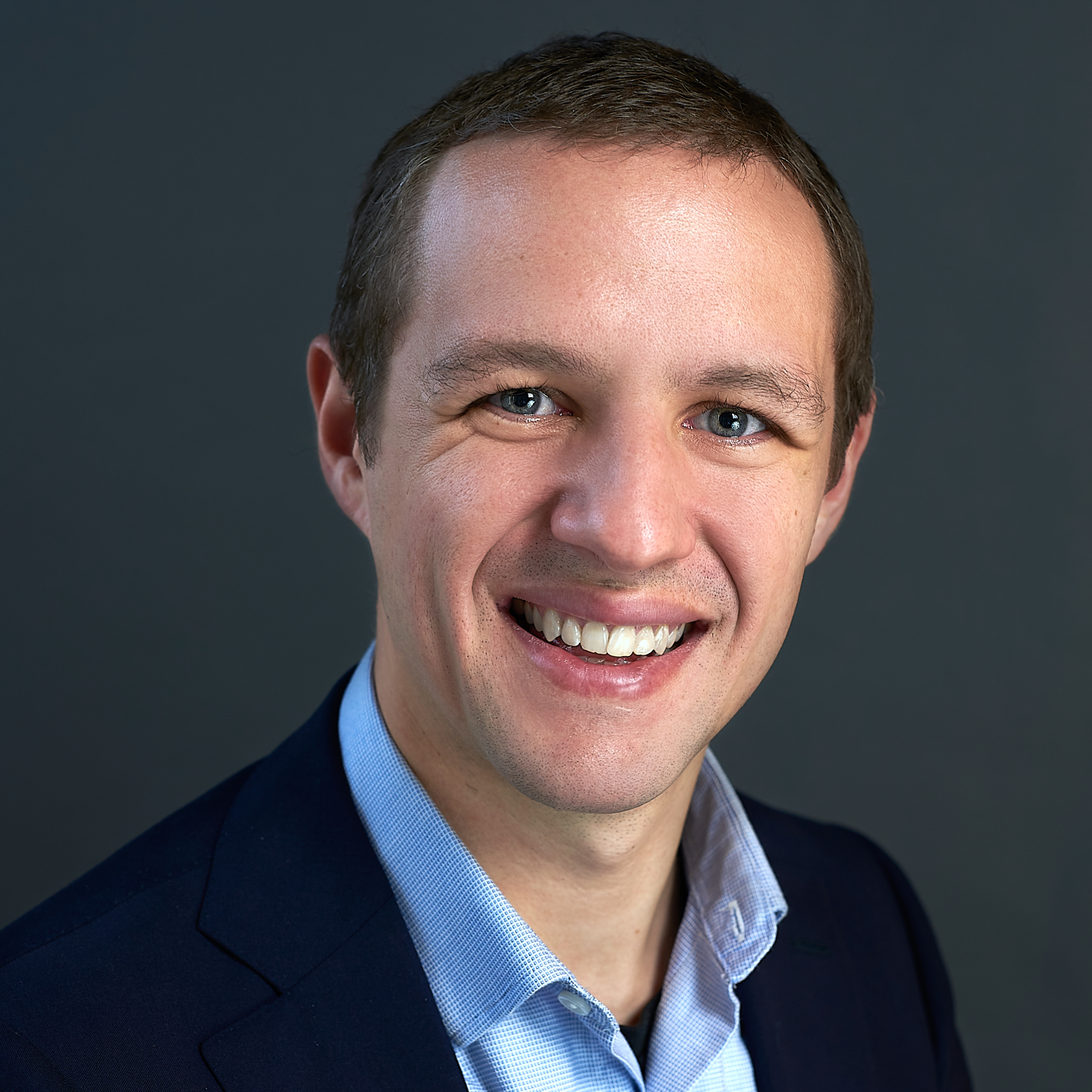
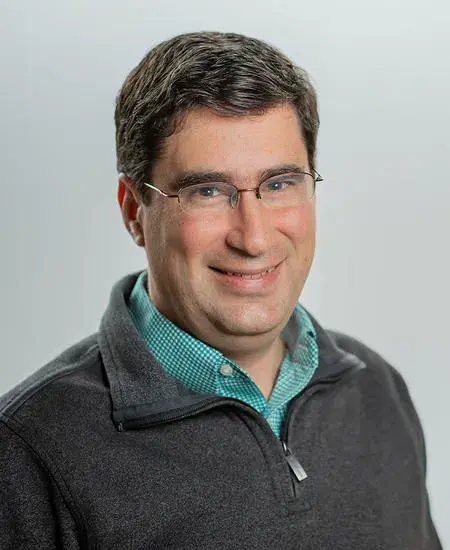
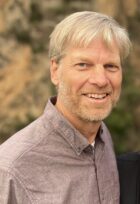
Dr. Piotr Dulian is an Assistant Professor at the Department of General and Inorganic Chemistry , Faculty of Chemical Engineering and Technology, Tadeusz Kościuszko Cracow University of Technology . His research focuses on mechanochemical synthesis and characterization of advanced ceramics, particularly electroceramics like perovskites and titanium oxides, for applications in sensors, photocatalysis, and energy technologies. He teaches courses in Inorganic Chemistry (Labs), Mechanochemistry (lectures), and analytical/inorganic chemistry laboratories. Research Areas : Mechanochemical synthesis, dielectric ceramics, photocatalytic materials, sol-gel thin films, solid-state reactions, oxide composites Key Projects : PRELUDIUM grant UMO-2012/05/N/ST8/03764 (2013-2015): Mechanochemical production of perovskite electroceramics for piezoelectric sensors Publications : 15 most recent works (2014-2024) cover topics like: Mechanochemical synthesis of electroceramics (BaTiO 3 , Bi 2 Mo 3 O 12 ) Photocatalytic TiO 2 modifications for organic pollutant degradation Dielectric properties of doped perovskites and vanadates Ultrasonic treatment effects on oxide composites Atomic layer deposition for optical thin films Technical Expertise : High-energy ball milling, X-ray diffraction, dielectric spectroscopy, sol-gel processing, photocatalytic reactor design
Christian Schmidt is a Research Associate at the Chair of Reaction Engineering within the Institute of Energy Process Engineering and Chemical Engineering at TU Bergakademie Freiberg, where he has been affiliated since 2015. He holds an M.Sc. in Chemistry from the same institution. His research expertise spans catalytic reaction engineering with focus areas including: Fischer-Tropsch synthesis Methanol production processes Catalyst characterization via X-ray photoelectron spectroscopy (XPS) X-ray diffraction analysis of catalyst powders Fuel composition and quality analysis No information is available regarding research grants, laboratory leadership, awards, or publications in the provided materials.
Michael Aubrey serves as an Assistant Professor in the Department of Chemistry within the College of Natural Sciences at The University of Texas at Austin. His primary affiliation is with the Allen J. Bard Center for Electrochemistry, where he leads the Aubrey Lab focused on energy materials research. His research interests center on Inorganic Chemistry , Electrochemistry , and Materials Science , with specific expertise in energy storage materials, nanoscience, and nanotechnology. Through the synthesis of new material interfaces, his lab creates active materials that can move and shape their environments while displaying emergent phenomena for energy storage applications. Professor Aubrey's recent publications primarily focus on educational materials in crystallography and electrochemistry, including lecture notes on crystal symmetry and structure types. His research group has established significant instrumentation including a Rigaku Miniflex powder diffractometer, UV-Vis-NIR, and FT-IR spectrometers, supporting their work on redox-active materials as potential low-cost battery alternatives. Affordable Education Champion (2024) - Awarded by UT Libraries, Senate of College Councils, and Natural Sciences Council His lab actively recruits students for research in inorganic chemistry, electrochemistry, and materials discovery, with recent initiatives including a Freshmen Research Initiative stream in Materials Synthesis. Professor Aubrey teaches courses including Materials Chemistry (CH367C/390K) and has developed a new Special Topics course in Inorganic Chemistry (CH 368C) focused on primary literature analysis.
Riccardo Ceccato is an Associate Professor at the University of Trento, affiliated with the Department of Industrial Engineering. He serves as the Rector's delegate for Safety in the workplace and teaches foundational chemistry courses for engineering students. Research Expertise Composite materials Corrosion protection Dye-sensitized solar cells Material characterization Powder metallurgy Spark plasma sintering Teaching Activities Chimica con elementi di chimica organica (PARI) - Department of Industrial Engineering Laboratorio di chimica per materiali, energia, ambiente - Department of Industrial Engineering
Stefano Gialanella is an Associate Professor at the Department of Industrial Engineering, University of Trento. He serves as the Rector's delegate for Student Welfare and the Student Community and presides over the Joint Committee for the Right to Study. Expertise: Archaeometry, Metallurgy, Composite Materials, Electron Microscopy Teaching: Archeometria (Humanities Department), Metallurgy, Materials Selection for Engineering Design His research bridges industrial engineering and cultural heritage conservation, focusing on advanced material characterization techniques and sustainable engineering solutions. Recent work examines brake material emissions, shape memory alloys, and nanocrystalline material analysis. Teaching activities emphasize material science fundamentals, manufacturing technologies, and non-destructive testing methods.
Matthew Beck, Ph.D., is Professor of Materials Engineering and Director of Graduate Studies for Materials Engineering at the University of Kentucky ’s Stanley and Karen Pigman College of Engineering. Since 2009 he has held continuous faculty appointments at UK, advancing from Assistant to Associate to full Professor, and has served in graduate-studies leadership roles since 2017. Education: Post-Doctoral Research, Materials Physics, Vanderbilt University, 2005-2008 Ph.D. Materials Science & Engineering, Northwestern University, 2005 B.S.E. Materials Science & Engineering, University of Michigan, 2000 Research interests integrate computational materials science with experimental surface physics . Major thrusts include atomistic and multi-scale modelling of structure–property relationships , thermodynamic and kinetic behaviour of surfaces, interfaces and nanoscale systems , and quantum-mechanical understanding of catalysis, bond-making/breaking and electron emission . Recent work couples stochastic mechanics of metallic foams and ablative thermal-protection materials with scandate thermionic-cathode technologies for vacuum electronics. Beck’s 2020-2025 publications exhibit a strong pivot toward scandate cathodes : over a dozen papers map processing–microstructure–emission links using DFT, surface thermodynamics and environmental-SEM, clarifying how Sc-containing surface layers lower work function. A parallel stream develops stochastic mesoscale models that translate random cellular geometries of Duocel metallic foams into macroscopic mechanical response, with spin-offs for spacecraft MMOD shielding and ablative heat-shield design. Scientific awards: none explicitly listed in the supplied material. Advising & grants: While individual student names are not provided, Beck’s continuous supervision role as Director of Graduate Studies and principal investigator on federally supported cathode and foam projects indicates active mentoring of M.S. and Ph.D. candidates; formal grant identifiers are not supplied. Labs & teams: Beck leads the computational materials subgroup within the Department of Chemical and Materials Engineering and participates in multi-departmental efforts on thermal-protection materials and vacuum electronic devices at UK.
Stefan Michalik is a Beamline Scientist at Diamond Light Source, UK, working on the I12 beamline since 2018. He joined Diamond in 2015 as a Postdoctoral Research Associate after research roles at the Institute of Physics ASCR in Prague (2013-2015) and Pavol Jozef Šafárik University in Košice (2012). He earned his PhD in Condensed Matter Physics from Pavol Jozef Šafárik University in Košice in 2011. His research centers on structural studies of disordered systems, particularly metallic glasses, using synchrotron and neutron scattering combined with Reverse Monte Carlo simulations. Expertise includes X-ray pair distribution functions, in situ devitrification studies, powder diffraction, and computational modeling of atomic structures. Recent publications demonstrate interdisciplinary work in metallurgy, glass science, and environmental applications, employing advanced X-ray techniques to analyze microstructure evolution and develop novel materials for industrial and ecological uses. As part of the I12 beamline (JEEP) team at Diamond, he supports high-energy X-ray imaging and microtomography for engineering, environmental, and materials science research.
Dr. Jürgen Getzschmann serves as a Senior Lecturer at Technische Universität Dresden, where he conducts specialized research in materials characterization through X-ray diffraction methodologies and teaches core inorganic chemistry practicals. His research expertise spans: Metal-Organic Frameworks (MOFs) characterization Single-crystal and powder X-ray diffraction Crystal structure determination and refinement Advanced materials analysis With continuous publication activity since 2008, his scholarly work demonstrates sustained focus on applying diffraction techniques to solve structural problems in inorganic materials science. His teaching directly supports undergraduate training through the 'Chemistry of the Elements' practical course for Chemistry and Food Chemistry Bachelor's students.
Dr. Volodymyr Bon is a researcher and lecturer specializing in porous materials, particularly Metal-Organic Frameworks (MOFs) and Covalent Organic Frameworks (COFs). Affiliated with Prof. Stefan Kaskel's research group, he focuses on gas storage, separation, and in situ characterization of structural dynamics in flexible frameworks. His research encompasses synthesis and crystal engineering of MOFs/COFs, advanced X-ray diffraction methods (single crystal, powder, variable temperature), and development of time-resolved synchrotron techniques to monitor guest-induced switching and adsorption kinetics. This work targets energy-efficient applications in gas separation and storage, leveraging instrumentation for real-time analysis under chemical and electromagnetic stimuli. Dr. Bon co-supervises master's and PhD theses and teaches General and Inorganic Chemistry. He secures substantial funding through active BMBF projects 'TIMESWITCH' and 'TOMOPORE' (2022-2025), building on prior ERC grants (AMPLIPORE) and DFG collaborations. His scholarly output includes book chapters in flagship publications and patents for adsorption chamber design, reflecting translational impact. Collaborations span international consortia and synchrotron facilities, emphasizing methodological innovation in nanoporous materials science.
Thomas D. Varberg serves as DeWitt Wallace Professor of Chemistry at Macalester College, where he has taught physical and general chemistry since 1993. His research focuses on high-resolution electronic spectroscopy of metal-containing free radicals using advanced laser techniques. His educational background includes: BA in Chemistry from Hamline University (1985) PhD in Physical Chemistry from MIT (1990) Postdoctoral training at NIST Boulder (1990-92) and University of Oxford as NATO Fellow (1992-93) Varberg's research centers on unraveling electronic structures of gas-phase transition metal molecules through hyperfine-resolved spectroscopy. His group pioneered the first detection of vanadium hydride spectra, providing critical data for astronomical searches. Current projects investigate VH, VF, TaH, and TaO systems using molecular beam sources and pulsed lasers, with emphasis on spin-orbit coupling and perturbation analysis. His work bridges fundamental chemical physics with potential applications in stellar spectroscopy. Analysis of his 15 most recent publications reveals dominant themes in transition metal hydride/oxide spectroscopy, hyperfine structure characterization, and educational laboratory development. Over 80% focus on vanadium, tantalum, and gold compounds, with consistent methodology emphasizing high-resolution gas-phase techniques and astronomical relevance. Scientific recognition includes: Henry Dreyfus Teacher-Scholar Award (1998-2003) NATO Postdoctoral Fellowship (1992-93) Cottrell College Science Award (1994-96) Varberg has secured over $1.4 million in research funding, primarily through continuous NSF support since 1992. His current $264k RUI grant (2021-2025) supports undergraduate researchers in vanadium and niobium hydride studies. He has mentored more than 35 Macalester students, with undergraduate co-authors appearing on 28 research articles. His sabbaticals in Oxford, Boulder, Vancouver, Sydney, Zurich, Florence, and Cape Town reflect extensive international collaborations. The Varberg Lab operates advanced molecular beam apparatus with laser ablation sources, hollow cathode discharges, and high-resolution detection systems. The group maintains active collaborations with institutions including Arizona State University and international spectroscopy teams, particularly through the High Resolution Molecular Spectroscopy conference series.
Véronique Favier is a University Professor at Arts et Métiers Institute of Technology, where she currently serves as Deputy Director General since September 2022. She conducts her research at the PIMM laboratory (a joint research unit of ENSAM, CNRS and Cnam), leading the CoMet research team focused on the behavior and microstructure of metals. Her institutional affiliations include membership on the CETIM Board of Directors, the Doctoral School SMAER at Sorbonne University, and HESAM University's Doctoral College Council. Professor Favier's research spans micromechanics, material behavior under various loading conditions, fatigue analysis (particularly very high cycle fatigue), semisolid processing of metals, and laser-based material processing techniques. Her work bridges fundamental material science with practical engineering applications, with significant contributions to understanding deformation mechanisms, microstructure-property relationships, and advanced manufacturing processes for metallic materials. Analysis of her recent publications reveals a strong focus on ultrasonic fatigue characterization, laser processing technologies, and microstructural analysis of metallic materials. Her work increasingly incorporates advanced characterization techniques like time-resolved X-ray diffraction and explores applications in additive manufacturing and nuclear engineering contexts. Professor Favier has published 53 articles in international peer-reviewed journals with an h-index of 26 and 4011 citations (excluding self-citations) as of November 2023 according to Scopus. She has authored significant book chapters including in the Encyclopedia of Sciences (2022) and Comprehensive Materials Processing (2014). As Deputy Director General, Professor Favier coordinates the Evolutive Learning Factory project across Arts et Métiers' 8 campuses and leads the France 2030 JENII project on immersive digital teaching twins. Her research has been supported through major initiatives including the European ERC 'FastMat' project (2017-2022), the Additive Factory Hub platform, and the Transfuge project on mechanical transmission systems development. At the PIMM laboratory, Professor Favier leads the CoMet research team which works closely with other teams including DISCO Laser (Laser Processes) and P&C (Polymers & Composites), utilizing extensive experimental platforms for materials characterization and processing. Her work maintains strong connections with industrial partners through CETIM and the Transfuge project, ensuring practical relevance of research findings.
Assoc. Prof. Biliana Kostova, PhD is an Associate Professor in the Department of Natural Sciences at New Bulgarian University (NBU), where she has been serving since January 2017. Previously, she held positions as Senior Assistant at NBU's Department of Earth Sciences and Environment (2010-2016) and at the Institute of Mineralogy and Crystallography 'Acad. I. Kostov' at the Bulgarian Academy of Sciences. Her academic career spans over two decades with consistent scholarly output and active participation in numerous research projects. Her educational background includes a PhD in Geology-Geochemistry from Sofia University 'St. Kl. Ohridski' (2000-2004), with specialized training at ETH Zurich in fluid inclusion analysis techniques. She completed her Master's degree in Mineralogy, Petrology and Mineral Resources from the same institution (1991-1996). Prof. Kostova's research focuses on the intersection of archaeometry, geochemistry, and material science, with particular emphasis on archaeological chemistry applications. Her work employs advanced analytical techniques including X-ray diffraction, spectroscopy, and thermal analysis to study ancient materials and environmental systems. She has published extensively on topics ranging from archaeometric analysis of pottery and construction materials to the thermal behavior of minerals and environmental applications of geological materials. Her recent publication record shows a clear trend toward interdisciplinary archaeological chemistry, with over a dozen publications between 2020-2024 focusing on the analysis of ancient mortars, bricks, pithoi, and metallurgical slags from Bulgarian archaeological sites. These studies typically employ multi-technique approaches combining chemical, phase, and thermal analyses to reconstruct ancient production technologies and environmental conditions. Prof. Kostova serves as principal investigator for significant research projects including Contract KP-06-N39/9 (2019) 'Reconstruction of material culture and knowledge of the ancient environment through the methods of archaeological chemistry (RE:MATRIARCHES)'. She has participated in numerous other nationally funded projects through the National Science Fund of Bulgaria, including spatial archaeology, landscape archaeology, and chemical risk assessment initiatives. She is an active member of the Bulgarian Geological Society since 2002 and has participated in over 50 international scientific conferences between 2001-2021. Her current teaching responsibilities at NBU include courses in Environmental Monitoring and Assessment, Sedimentology, Hydrology, General Geology, Mineralogy and Petrology, and Environmental Pollution control.
Holger Grohganz is an Associate Professor in the Department of Pharmacy at the Faculty of Pharmaceutical Sciences, University of Copenhagen, holding this position since May 2011. His academic journey spans multiple Nordic institutions, including prior appointments at Nord-Trøndelag University College and the University of Tromsø. His educational background includes: Ph.D. in Pharmacy, University of Tromsø (2004) Pharmacy degree, University of Erlangen-Nürnberg (1997) Registration as pharmacist (1998) Dr. Grohganz's research centers on stabilizing unstable pharmaceutical compounds, addressing critical challenges in drug development: structural instability of macromolecules and poor water solubility of small molecules. His work pioneers co-amorphous systems to enhance drug solubility while maintaining stability, alongside advancing freeze-drying techniques for protein therapeutics. Key methodologies include multivariate analysis and design of experiments for pharmaceutical process optimization. Co-amorphous drug formulations Freeze-drying and spray-drying of biologics Design of experiments (DoE) implementation Process analytical technology (PAT) His 2024-2025 publications reveal intensive focus on co-amorphous system stability under mechanical stress, crystallization mechanisms in hydrated systems, and novel electrospinning applications for drug delivery. Recent work extends to microfluidic liposome fabrication and inflammatory skin disease therapies using sustained-release dressings. Dr. Grohganz actively supervises Master's theses in Pharmacy and teaches core courses including 'Pharmacy 2 - Solid Dosage Forms' and 'Bachelor Project in Pharmacy,' emphasizing production, composition, and quality assurance of tablets and solid formulations. He leads research within the Solid State Pharmaceutics group at the University of Copenhagen, collaborating internationally on pharmaceutical development projects with emphasis on quality-by-design principles and advanced material characterization.
Professor Recep Avci is a Research Professor in the Department of Physics at Montana State University's College of Letters & Science. He serves as the Director of the Imaging and Chemical Analysis Laboratory (ICAL), a core facility specializing in complementary surface, interfacial, and bulk characterization of materials using state-of-the-art instrumentation for high-resolution imaging and spectroscopy. ICAL is also a partner of the Montana Nanotechnology Facility (MONT), part of the NSF-sponsored National Nanotechnology Coordinated Infrastructure program. Education: Ph.D. from University of Illinois at Urbana-Champaign, Solid State Physics, 1978 M.S. from University of Illinois at Urbana-Champaign, 1976 B.S. from Istanbul University, Physics, 1971 Dr. Avci's research focuses on nanoscale material characterization using advanced microscopy and spectroscopy techniques. His expertise spans the study of bulk and bio-materials, with emphasis on surfaces and interfaces. His current interests include biophysics, particularly the trapping and concentration of bacteria from liquid environments including fuels, and their application to studying microbially influenced corrosion of materials and biodeterioration of fuels. He also investigates the role of metallurgy in bio-deterioration of metals and alloys. With over 100 published articles and two book chapters, Dr. Avci has made significant contributions across materials science, nanotechnology, and corrosion science. Analysis of Dr. Avci's publications reveals a consistent focus on advanced material characterization techniques, particularly surface analysis methods like SIMS, SEM, and various spectroscopic approaches. His work spans multiple disciplines with applications ranging from industrial materials to biological systems. A notable trend is the application of nanoscale characterization to understand biological interactions with materials, particularly in corrosion and biodeterioration contexts. His research demonstrates strong interdisciplinary connections between physics, materials science, microbiology, and engineering. Grants: FMRG Eco: Manufacturing, repairing, and re-using biomineralized infrastructure materials through low-energy biological processes (National Science Foundation) NNCI: Montana Nanotechnology Facility (National Science Foundation) As Director of ICAL, Dr. Avci oversees a facility serving MSU researchers, external academics, and industry partners. The laboratory supports research across physical, chemical, material, biological, Earth and environmental sciences, and engineering disciplines. ICAL provides training, material characterization services, and expert experimental design assistance, with instrumentation including field-emission scanning electron microscopes, Time-of-Flight Secondary Ion Mass Spectrometry, Auger Nanoprobe, Powder X-ray diffraction, and Atomic Force Microscopy.
Dr. Victor Kuncser is a Research Professor at the National Institute of Materials Physics in Bucharest-Magurele and serves as Head of the Magnetism and Superconductivity Department. He is also a PhD promoter as Professor associated with the Doctoral School at University of Bucharest, Faculty of Physics. His academic journey includes research appointments at prestigious institutions including Ruhr, Rostock and Duisburg Universities in Germany, University of Rouen in France, Padova University in Italy, and Zaragoza University in Spain, as well as Deutsche Synchrotron and Berlin Neutron Scattering Center. Dr. Kuncser earned his PhD in Physics (Condensed Matter) in 1995 from the Institute of Atomic Physics, Bucharest-Magurele. His research spans multiple cutting-edge areas of magnetism, including nanomagnetism, spintronics, magnetic nanoparticles, and magnetofunctional materials. His work heavily focuses on experimental and theoretical investigations of magnetic phenomena at the nanoscale, with particular emphasis on spin structure at interfaces, exchange bias systems, and magnetic nanocomposites. Analysis of his recent publications reveals a strong trend toward biomedical applications of magnetic materials, particularly in drug delivery systems for cancer treatment. His work also demonstrates continued exploration of fundamental magnetic properties in novel materials systems, including skyrmions, magnetocaloric materials, and diluted magnetic semiconductors. The interdisciplinary nature of his research bridges physics, materials science, and biomedical engineering. Alexander von Humboldt fellowship (2001, Duisburg-Essen University) Prize of the Romanian Academy (2002) Dr. Kuncser has promoted 5 international and 9 national projects in the last decade, including Large Scale PCCDI and top-down Solutii initiatives. His project portfolio spans defense applications, advanced nanocomposites, CBRNE incident response systems, and specialized magnetic characterization techniques. He has established significant research infrastructure and collaborations across European institutions. Dr. Kuncser leads the Laboratory of Magnetism and Superconductivity at NIMP, which maintains strong connections with international synchrotron and neutron scattering facilities. His team employs comprehensive characterization techniques including magnetometry, Mössbauer spectroscopy, and advanced microscopy to investigate magnetic phenomena across multiple length scales.