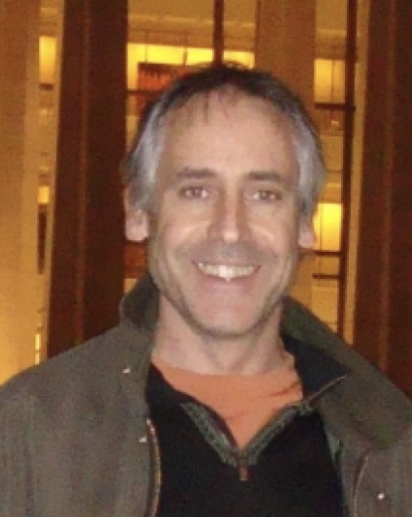
Henry N. Higgs is a Professor of Biochemistry and Cell Biology at the Geisel School of Medicine , Dartmouth College, holding the John LaPorte Given Professorship in Cytology. His lab investigates actin dynamics in mammalian cells, particularly focusing on ER-associated actin bursts and mitochondria-stress-induced ADA structures. Education: B.A. (Lafayette College, 1987), Ph.D. (University of Washington, 1996), Post-Doc (Salk Institute, 2001) Research: Mechanisms of actin polymerization in calcium signaling, mitochondrial division, and cancer immunotherapy via glycolytic activation in T cells Key Findings: Discovery of INF2-mediated actin bursts triggering mitochondrial division, ADA's role in metabolic switching, and therapeutic applications in adoptive T cell therapies. His lab employs live-cell microscopy, biochemical reconstitution, and proteomics to connect cytoskeletal dynamics with organelle function. Collaborations: Works with Martin Pollak (Beth Israel) and Ed Usherwood (Dartmouth) on cancer metabolism and immunological projects. Participates in NIH-COBRE grants supporting junior faculty development.
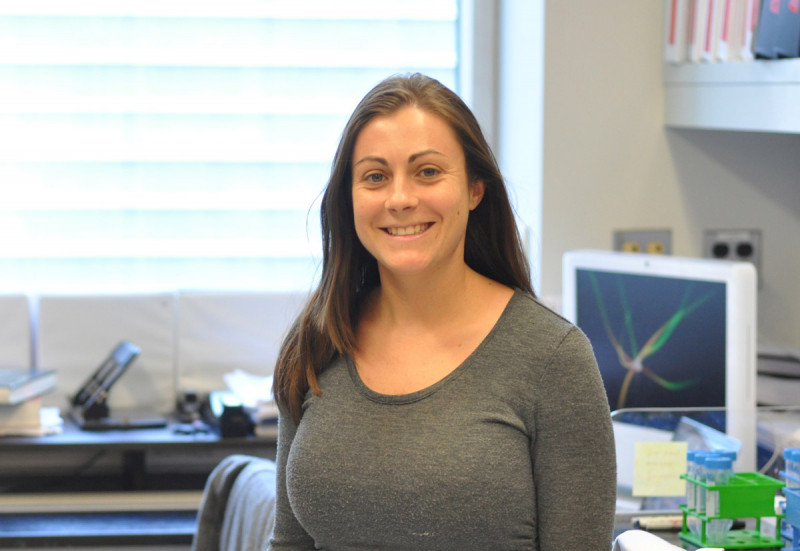
Dr. Melinda Diver is an Assistant Professor and Assistant Member at the Structural Biology Program, Sloan Kettering Institute, Memorial Sloan Kettering Cancer Center , with affiliations to the Weill Cornell Graduate School of Medical Sciences and the Tri-Institutional PhD Program in Chemical Biology . She leads the Diver Lab, which investigates the molecular mechanisms of understudied membrane-embedded proteins, particularly ion channels and transporters, to identify novel therapeutic targets for chronic pain and cancer. B.Sc. in Biochemistry, University of British Columbia (2007) Ph.D. in Biochemistry and Structural Biology, Weill Cornell Graduate School (2015) Postdoctoral Training, University of California, San Francisco (2021) Her research lies at the intersection of structural biology, biochemistry, and neuropharmacology, with a strong focus on cryo-electron microscopy to determine high-resolution structures of membrane proteins in functionally relevant states. She investigates how lipid-protein and protein-protein interactions modulate channel function, and how dysregulation contributes to disease. Her work emphasizes studying proteins in more native-like environments to bridge the gap between in vitro and in vivo models. Dr. Diver’s recent publications reveal mechanistic insights into key proteins such as TRPM8 (a cold- and menthol-sensitive ion channel) and XPR1 (a phosphate exporter), uncovering details about gating mechanisms, desensitization, ligand binding, and ion permeation. Her studies integrate structural data with functional assays to provide comprehensive models of protein behavior. She has received numerous prestigious awards, including: Josie Robertson Investigator (2021) NIH Pathway to Independence Award (K99/R00) (2019) A.P. Giannini Postdoctoral Fellowship (2017) American Heart Association Pre-doctoral Fellowship (2012) Dorris J. Hutchinson Fellowship (2010) Dr. Diver actively mentors graduate students and postdoctoral fellows from programs including the Weill Cornell BCMB Allied Program , Tri-Institutional MD-PhD Program , and Gerstner Sloan Kettering Graduate School . Her lab has been supported by major grants from the NIH and institutional funding. The Diver Lab is part of the Structural Biology Program and contributes to collaborative research in cancer and neuroscience, with a strong emphasis on translating structural insights into therapeutic strategies.
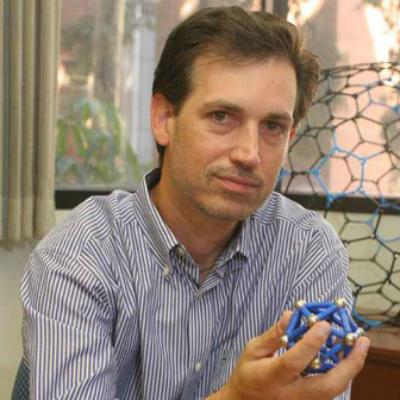
Steven S. Gross is Professor of Pharmacology at Weill Cornell Medicine and a key faculty member in the Graduate School of Medical Sciences. He leads a research laboratory focused on nitric oxide (NO) signaling and directs the Mass Spectrometry Core Facility, underscoring his dual role in research and institutional infrastructure. His work bridges pharmacology, biochemistry, and cellular signaling, with significant contributions to understanding NO in vascular regulation and disease. Dr. Gross earned his Ph.D. in Biomedical Science from Mount Sinai School of Medicine. His research interests include nitric oxide signaling, molecular pharmacology, cellular regulation, vascular biology, and metabolic pathways. His lab investigates the synthesis and action of NO, its role in septic shock, and the development of NO-based therapeutics, leading to the founding of ArgiNOx Inc. His recent publications reveal a strong trend in cancer metabolism, redox signaling, and gene-environment interactions, with high-impact work on vitamin C in KRAS-mutant cancers, fructose and tumor growth, and epigenetic regulation by TET1. These studies span molecular oncology, metabolomics, and bioinformatics, often involving interdisciplinary collaborations. Active member of NIH Study Sections Founder and Board Director, Nitric Oxide Society Author of over 90 research papers and 40 book chapters Dr. Gross actively mentors graduate students, including Tal Nuriel, Alex Hansler, Pamela Wille, Qiuying Chen, and Yuliang Ma. His lab is central to research on NO biology and mass spectrometry applications. He has no listed scientific awards in the provided texts, but his sustained publication record and leadership roles indicate significant scientific impact.
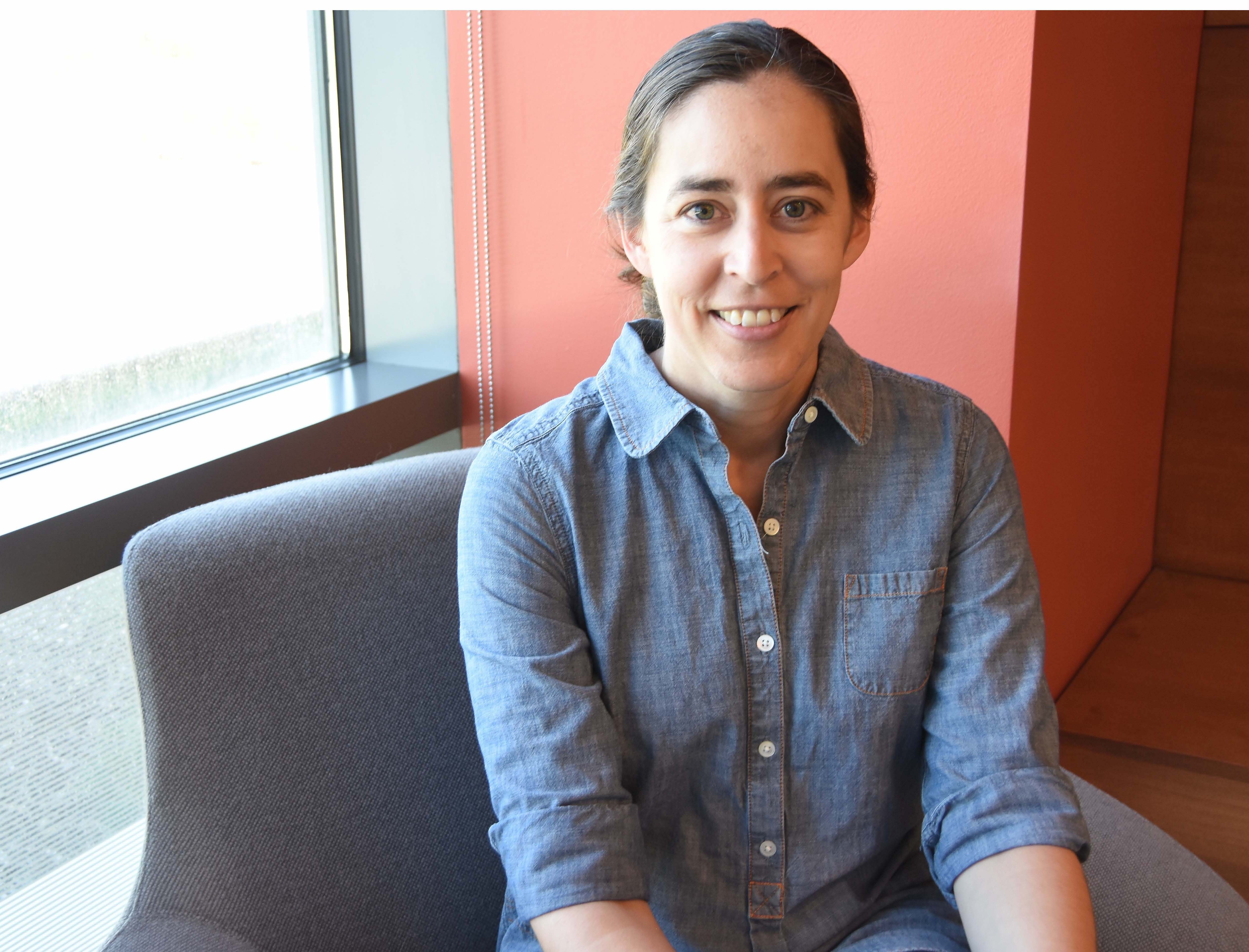
Dr. Mark Banfield is a structural biologist at Newcastle University , focusing on metalloprotein structure-function relationships and bacterial pathogenesis. His work spans metal coordination in cupredoxins, ferric binding in cyanobacteria, and virulence protein architecture in Streptococcus pyogenes and Escherichia coli . Key research areas: Structural Biology, Metalloproteins, Bacterial Pathogenesis, Protein Engineering, Molecular Biology, Metal Homeostasis Notable collaborations: with Wendy Smith, Christopher Dennison, Paul Race, and others on metal binding and bacterial virulence His structural studies on pilus subunits and sortase A provide insights into host-pathogen interactions. Recent work on loop length and aromatic interactions highlights design principles for metalloprotein active sites. Current efforts include exploring phosphorylation effects in virulence proteins and metal specificity in folding environments.
Marcus J. Wagner, PhD is an Assistant Professor in the Department of Biomedical Education and Data Science at Temple University's Lewis Katz School of Medicine. His dual expertise bridges medical education innovation and cardiac molecular research. PhD in Biomedical Sciences (Organ Systems and Translational Medicine), Temple University, 2021 Certificate in Higher Education, Temple University, 2021 B.S. in Biology (Cum Laude), Ursinus College, 2017 Post-Doctoral Fellowship, Cardiovascular Institute, University of Pennsylvania, 2021-2024 Dr. Wagner's research spans two critical domains: medical education where he investigates student efficacy, STEM identity development, and institutional impact on learning; and cardiac science focusing on sarcomeric protein dynamics, hypertrophic cardiomyopathy mechanisms, and immunological aspects of cardiac repair. His work integrates pedagogical innovation with translational cardiovascular research. Analysis of his publications reveals a consistent focus on cardiac regeneration mechanisms, particularly stem cell therapies and immunomodulation in myocardial repair. Recent work (2023) explores macrophage polarization in ischemic injury and Hsp70-BAG3 regulation of sarcomeric proteins, demonstrating evolving sophistication in molecular cardiac research. Brody Family Medical Trust Post-Doctoral Fellowship (2023) American Physiology Society PrEP-E Fellowship (2022) American Heart Association Pre-Doctoral Fellowship (2019-2021) Dr. Wagner actively mentors through his educational mission to support medical students across Temple's programs. His research has been funded by major cardiovascular fellowships including the Brody Family Trust and American Heart Association awards. Current work continues in cardiac immunology and medical education innovation at Temple University.
Prof. Dr. Gabriele Fischer von Mollard is a leading researcher at Bielefeld University's Faculty of Chemistry , holding the Biochemistry III professorship since 2005. She previously held positions at Ruhr University Bochum (2004) and University of Göttingen (1998-2004) where she led a junior research group funded by the Volkswagen Foundation. University studies in Biochemistry at Tübingen, Munich, and Berlin Diploma (1989) and PhD (1992) from Free University of Berlin Habilitation (2002) at University of Göttingen Her research focuses on membrane transport mechanisms , particularly the molecular roles of SNARE proteins in yeast and mammalian cells. Current projects include: Investigating NDRG3-GOSR2 interactions in ER-Golgi transport Characterizing SNARE protein deficiencies (vti1a/b) in neuronal development Engineering fungal L-amino acid oxidases for biocatalytic applications Recent publications highlight both fundamental discoveries in vesicular transport (15+ articles 2021-2025) and applied biocatalysis projects involving enzyme immobilization technologies. Her work bridges basic science with industrial applications through collaborations in enzyme engineering and protein production systems.
Todd O. Yeates serves as a Research Professor in the Department of Chemistry and Biochemistry at the University of California, Los Angeles (UCLA), where he leads an active laboratory at the UCLA-DOE Institute for Genomics and Proteomics. His research program integrates molecular, structural, and computational biology to address fundamental questions in protein architecture and function, with significant implications for nanotechnology and bioenergy applications. Professor Yeates' primary research interests include: Bacterial Microcompartments : Pioneering structural studies of protein-based metabolic organelles in bacteria, providing the first 3D views of shell proteins and mechanistic insights into substrate transport across microcompartments Synthetic Protein Design : Developing innovative strategies for engineering self-assembling protein cages, arrays, and nanomaterials with applications in nanotechnology and biomaterials Computational Genomics : Creating genomic context methods to infer protein function, including the discovery of disulfide bonding as a key stability mechanism in thermophilic archaea Protein Crystallography : Solving theoretical challenges in macromolecular crystallization, including space group preferences and racemic crystallography approaches Analysis of recent publications (2023-2025) reveals a dominant research trajectory toward engineered protein scaffolds for cryo-EM applications, with significant focus on overcoming resolution barriers for small proteins. Concurrently, his group continues advancing bacterial microcompartment research while integrating computational tools like AlphaFold for hybrid structure determination. The work demonstrates a consistent theme of bridging fundamental structural biology with practical nanotechnology applications through rational protein design. No scientific awards were documented in the available source materials. The Yeates laboratory maintains an active research program supported by institutional resources at UCLA, though specific grant details and advisee information are not provided in the source text. The laboratory's extensive publication record and methodological innovations suggest robust research infrastructure and mentorship activities within the department. Based at the UCLA-DOE Institute, the laboratory employs interdisciplinary approaches combining X-ray crystallography, cryo-EM, computational modeling, and synthetic biology. Current priorities include refining imaging scaffolds for structural biology, exploring fundamental principles of protein self-assembly, and applying genomic context methods to discover novel biological mechanisms, with ongoing emphasis on translating basic research into nanotechnology applications.
Amy Barrios is a Professor of Biochemistry and Professor of Medicinal Chemistry at the University of Utah, serving as Associate Dean of Postdoc Affairs. Her research focuses on protein phosphorylation mechanisms, chemical probe development, and metals in medicine, with direct applications to immune dysregulation, cancer, and neurological disorders. Her educational background includes: B.S. from the University of Utah Ph.D. from the Massachusetts Institute of Technology Dr. Barrios' research program addresses critical gaps in understanding protein phosphatases through innovative chemical biology approaches. Her lab specializes in developing fluorogenic and luminogenic probes to visualize enzyme activity in cellular contexts, investigating phosphorylation's structural and functional consequences, and identifying selective inhibitors for therapeutic development. Key research thrusts include targeting phosphatases involved in autoimmune diseases, cancer progression, and nerve regeneration pathways, with emphasis on translating basic discoveries into druggable leads. Analysis of her recent publications reveals a cohesive trajectory in chemical probe engineering for phosphatase study, spanning fluorogenic assay development, natural product-based inhibitor discovery (notably illudalic acid derivatives), and metalloenzyme investigation. Her work demonstrates increasing integration of disease-relevant models, particularly in neurological regeneration and sulfide metabolism, while maintaining strong methodological innovation in chemical biology tools. No scientific awards were explicitly listed in the source material. As principal investigator of the Barrios Lab, she oversees a research program that trains graduate students and postdoctoral fellows in chemical biology techniques. While specific grant details weren't provided, her extensive publication record in high-impact journals indicates sustained NIH or equivalent funding support for her phosphatase-focused research. The Barrios Lab operates at the chemistry-biology interface, utilizing organic synthesis, enzyme kinetics, cellular imaging, and structural analysis to develop chemical tools for phosphatase investigation. Current work emphasizes translational applications in cancer therapeutics and neurological repair, with active exploration of metal-containing systems relevant to hydrogen sulfide signaling pathways.
Julie Hollien is a Professor of Biological Sciences at the University of Utah, leading research on endoplasmic reticulum (ER) stress mechanisms and their implications in neurodegenerative diseases. Her work bridges molecular cell biology with disease pathology, focusing on protein homeostasis pathways critical in conditions like Huntington's disease and Alzheimer's. Her academic background includes: B.A. from Reed College Ph.D. from the University of California, Berkeley Dr. Hollien's research program investigates the Unfolded Protein Response (UPR) and Regulated Ire1-Dependent Decay (RIDD), revealing how mRNA decay pathways regulate lysosome positioning and protein aggregate clearance. Her lab demonstrated that RIDD-mediated degradation of Blos1 mRNA triggers perinuclear lysosome clustering, enhancing clearance of disease-associated aggregates like mutant Huntingtin. This work establishes critical links between ER stress, RNA regulation, and neurodegeneration using Drosophila and mammalian models. Analysis of her publication trends shows sustained focus on ER stress adaptation mechanisms, with recent work expanding into therapeutic implications for neurodegenerative and metabolic disorders. Her articles consistently explore intersections between RNA biology, organelle dynamics, and disease pathogenesis, demonstrating translational relevance from fundamental mechanisms to disease models. She directs an active research laboratory at the University of Utah that employs molecular, cellular, and genetic approaches to dissect stress response pathways. Her team investigates how RNA decay mechanisms influence cellular physiology during proteotoxic stress, with ongoing work exploring therapeutic modulation of these pathways for neurodegenerative conditions.
Ryan E. Looper is a Professor in the Department of Chemistry at the University of Utah. His research focuses on small molecule interactions in biological systems, emphasizing synthetic methodology for natural products and fragment-based small molecule collections to advance biomedical screening infrastructure. Collaborative efforts in his lab target post-translational arginine modifications in diseases like multiple sclerosis, rheumatoid arthritis, and cancer, alongside antibiotic development for prokaryotic protein synthesis inhibition. Education: B.S. from Western Washington University Ph.D. from Colorado State University Research Interests: Synthesis of bioactive natural products and RNA-binding molecules Exploring disease-related arginine modifications Antibiotic design targeting uncharacterized rRNA sites Metabolic oncometabolite studies in glioma Development of cancer-selective ionophores
Jianping Hu is a Professor of Plant Biology at Michigan State University and a faculty member of the MSU-DOE Plant Research Laboratory. She serves as the Director of the Molecular Plant Sciences Program and is also affiliated with the Genetics & Genome Sciences Program and the Cell & Molecular Biology Program. Her research focuses on molecular mechanisms of plant energy organelles and their role in stress response. Dr. Hu's laboratory investigates the dynamic behavior of plant mitochondria, peroxisomes, and chloroplasts, which are essential for energy capture, conversion, and metabolism in plants. Dr. Hu received her B.S. from Peking University in Beijing, China, followed by a Ph.D. from the University of Georgia in Athens, GA. She completed her postdoctoral research at the Howard Hughes Medical Institute, Salk Institute for Biological Studies in La Jolla, CA. Dr. Hu's research centers on understanding the molecular mechanisms underlying the dynamic behavior of plant energy organelles and their role in plant interaction with the environment. Her lab investigates how peroxisomes and mitochondria proliferate, divide, move, and distribute, and how these processes contribute to plant robustness and stress response. Current research focuses on organelle motility along the cytoskeleton in the context of photosynthesis, photorespiration, and stress response, as well as the regulation of photorespiration in dynamic environmental conditions and its role in plant defense against pathogens. Through genetic suppressor screening, her lab has identified regulators and non-canonical pathways that modulate photorespiration under dynamic light conditions. Her work has significant agricultural relevance, potentially providing molecular bases for engineering crop plants to improve metabolism, bioenergy production, and defense against environmental stresses. Analysis of Dr. Hu's recent publications reveals a strong focus on peroxisome biology, photorespiration, and organelle dynamics in plants. Her research spans multiple model systems including Arabidopsis and rice, with applications in understanding plant stress responses, immunity, and metabolic engineering. Recent work has expanded into the biosynthesis of plant defense compounds like salicylic acid, and the development of computational tools like DeepLearnMOR for organelle morphology classification. Her collaborative approach is evident in the numerous multi-author publications across various high-impact journals including Nature, Cell, and Plant Cell. Dr. Hu leads the Hu laboratory, which employs a multidisciplinary approach combining genetics, molecular biology, biochemistry, cell biology, and computational methods to study plant organelle dynamics. The lab has established a deep-learning framework (DeepLearnMOR) to rapidly classify organelle morphology, facilitating large-scale screens for mutants in organelle dynamics. Current research directions include revealing mechanisms for organelle motility along the cytoskeleton and investigating the regulation of photorespiration in dynamic environmental conditions and its role in plant defense against pathogens.
Helen E. Blackwell is the Norman C. Craig Professor of Chemistry at the University of Wisconsin–Madison, where she has served on the faculty since 2002. She directs the Blackwell Lab within the Department of Chemistry, leading an interdisciplinary program that merges organic synthesis, microbiology, and materials science to understand and manipulate bacterial quorum sensing. Education & Training B.A., Oberlin College (1994) Ph.D., Chemistry, California Institute of Technology (1999) Postdoctoral Fellow, Harvard University (1999–2002) Research Overview The Blackwell group designs small molecules, peptidomimetics, and smart materials that intercept bacterial communication pathways known as quorum sensing. By targeting LuxR-type receptors in Gram-negative pathogens and AgrC-type receptors in Gram-positive pathogens, her work provides molecular tools to dissect signal transduction and to attenuate virulence without killing bacteria—an anti-virulence strategy aimed at reducing resistance pressure. Complementary efforts combine microwave-assisted combinatorial chemistry with spatially addressable macroarrays to rapidly generate and screen focused libraries of bioactive compounds. A parallel track explores materials chemistry: the group engineers slippery liquid-infused porous surfaces (SLIPS) and biodegradable polymer coatings that release quorum-sensing modulators, preventing biofilm formation on medical devices and wound dressings in collaboration with the Lynn laboratory. Publication Trends Over the past two decades Blackwell has authored >200 peer-reviewed articles. Recent work (2022-2025) emphasizes structure–function analyses of LasR, RhlR, and QscR receptors in Pseudomonas aeruginosa , elucidation of AgrC signaling in staphylococci, and development of in-vivo-active peptidomimetics. A notable trend is the integration of high-resolution structural biology, single-cell imaging, and mouse infection models to translate synthetic modulators from bench to pre-clinical evaluation. Awards & Recognition Norman C. Craig Professorship (endowed chair) Multiple NIH R01 and NSF grants supporting chemical biology and antimicrobial research Highly cited researcher in quorum sensing and chemical microbiology Training & Mentorship Blackwell has mentored 20+ Ph.D. students, 15 post-doctoral researchers, >50 undergraduate researchers, and visiting scholars. Alumni occupy tenure-track positions and leadership roles in biotech, pharma, and academia. Laboratory Culture The Blackwell Lab is committed to an inclusive, supportive environment that fosters creativity and interdisciplinary collaboration. Weekly group meetings, individualized mentoring, and outreach activities (public lectures, high-school workshops) reinforce the mission of translating chemical insights into societal benefit.
Lloyd M. Smith is the W. L. Hubbell Professor and Hall-Fischer Professor of Chemistry at the University of Wisconsin–Madison. His research focuses on developing cutting-edge proteomics technologies that bridge biology, chemistry, and computational analysis. Key research areas include comprehensive proteoform identification Development of tools like ProteaseGuru, MetaMorpheus, and FlashLFQ Applications in neurodegenerative diseases (Alzheimer's), viral biology (HIV), and diabetes Research trends show strong emphasis on: Mass spectrometry innovations RNA-protein interaction networks Proteoform family concept development Machine learning integration in proteomics
K. Aurelia Ball is an Associate Professor and Chair of the Chemistry Department at Skidmore College, where she has been since 2016. Her work bridges computational biochemistry, biophysics, and molecular dynamics to study intrinsically disordered proteins (IDPs) and their interactions with folded proteins in disease and cellular function. Education B.A. in Physics, Middlebury College (2007) Ph.D. in Biophysics, University of California, Berkeley (2013) Postdoctoral Researcher, University of California, San Francisco (2013-2016), with an NIH National Research Service Award (2015-2016) Her research focuses on IDP dynamics, including: HIV Vif protein interactions with human proteins Alzheimer’s β-amyloid peptides and their structural ensembles SH3 domain binding pathways and modulation Role of proline isomerization and phosphorylation in disordered proteins Computational enzyme design and protein structure prediction Her publications span computational methods for IDP characterization, SH3 domain biophysics, and HIV-Alzheimer's protein dynamics. Research emphasizes interdisciplinary approaches combining physics, chemistry, biology, and computer science. Scientific Awards & Grants NIH National Research Service Award (2015-2016) NSF Grant for SH3 domain binding research (2023-2026) Students & Collaborations Mentored undergraduates include Anna Rader, Ally Mujica, Nina van Hoorn, and Adriana Cuibus (Goldwater Scholar) Labs collaborate with structural biologists, biochemists, and computational chemists Lab Mission Conduct high-quality computational biophysics research Contribute to a just scientific community through inclusivity and accountability Use simulations for atomic-level insights into biomolecular interactions Provide safe, supportive learning environment for students
Daniel Kolarich is Professor and ARC Future Fellow at Griffith University's School of Environment and Science, Department of Chemistry and Forensic Science. He leads the cancer glycomics initiative at the Australian Centre for Cancer Glycomics and the Advanced Mass Spectrometry Facility at the Institute for Glycomics. His academic background includes a PhD from the University of Natural Resources and Life Sciences Vienna, habilitation at Freie Universität Berlin, and postdoctoral positions at Macquarie University and Max Planck Institute. Kolarich's research focuses on glycosylation in cancer biology, developing glycan-sequencing technologies for clinical applications. His work has pioneered sequencing from as few as 1000 cells, enabling comprehensive glycosylation mapping in ovarian, breast, prostate, and other cancers. Research interests include glycoproteomics, viral-host interactions, and receptor tyrosine kinase glycosylation. His publications predominantly explore glycoproteomic informatics, cancer glycobiology, and HIV assembly mechanisms. Recent work reveals structural aspects of viral particle formation and glycan-mediated host-pathogen interactions. Kolarich has supervised 13 doctoral students to completion and leads current projects on novel diagnostics and Pseudomonas aeruginosa treatment. Awards include an ARC Future Fellowship, Marie Curie Integration Grant, and Sanofi-Aventis Prize. He serves as Editor-in-Chief of the Glycoconjugate Journal. His laboratory develops spatial transcriptomics and light sheet fluorescence microscopy techniques. International collaborations focus on translating glycomic discoveries into precision medicine applications for early cancer detection.