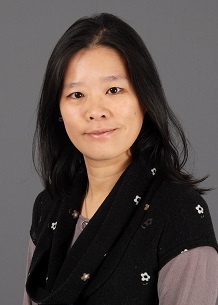
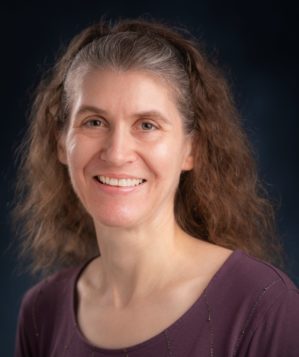
Dr. Han-Jou Chen is a Lecturer in Neuroscience at the Department of Biology, University of York. Their research investigates the molecular mechanisms underlying protein aggregation in neurodegenerative diseases such as ALS, Alzheimer’s, and Parkinson’s, with a focus on chaperone response systems and RNA-protein interactions. Current projects include exploring cell-specific responses to TDP-43 pathology and developing small molecule activators of the HSF1 pathway for therapeutic applications. Education: PhD in VAPB mutation studies (Imperial College London), MSc in Molecular Medicine (National Taiwan University), Postdoc in TDP-43 pathogenesis (King's College London) Research interests center on protein homeostasis in neuronal cells, particularly how dysregulation of the heat shock protein (HSP) network and RNA binding contributes to TDP-43 aggregation. Their work combines cellular models, CRISPR editing, and collaborations with biophysicists for drug screening. Recent publications highlight their dual focus on understanding TDP-43 pathology and developing chaperone-targeted therapies. They actively supervise PhD students through cell-based projects and maintain collaborations with European networks focused on ALS treatment. As an educator, Dr. Chen teaches advanced neuroscience and genetics courses, emphasizing critical thinking and translational research approaches. Their tutorials encourage deep exploration of neuroscience topics through paper discussions and evidence-based essay writing.
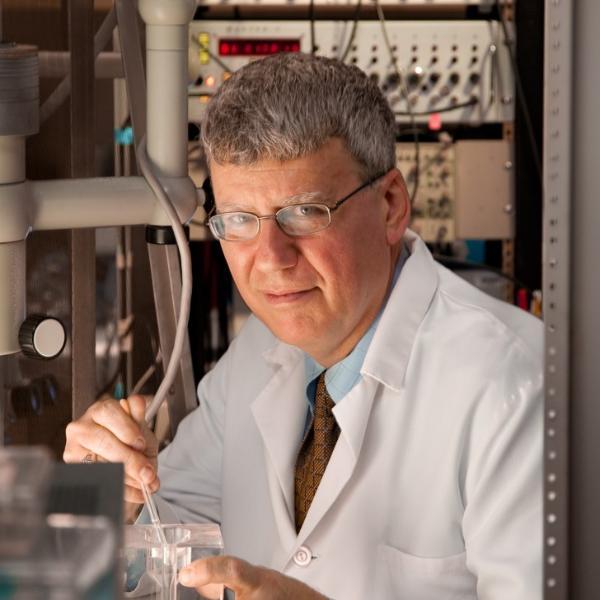
Donald F. Hunt is Professor of Chemistry at the University of Virginia, College of Arts and Sciences, where he leads a research program that pioneers ultra-sensitive mass spectrometry methods for protein characterization and immunopeptidomics. Research Focus: Development of nanoflow HPLC-microelectrospray ionization techniques coupled to ion-trap and Fourier-transform mass spectrometers. Structural analysis of proteins and post-translational modifications at femtomole/attomole sensitivity. Discovery of peptide antigens presented via MHC molecules on cancerous or infected cells for vaccine development. Large-scale differential proteomics to compare healthy vs diseased states, drug treatments, and secreted proteins. Identification of phosphoproteins, protein-protein and protein-DNA interactions. Recent Publications: All five 2017 papers leverage advanced mass-spectrometry workflows to dissect antigen presentation, MHC-peptide specificity, phosphorylation-dependent antigens, and high-resolution intact protein fragmentation. Laboratory & Facilities: The Hunt laboratory occupies Room 188B in the Chemistry Building at the University of Virginia, equipped with state-of-the-art ion-trap and FT-ICR mass spectrometers optimized for nano-LC-ESI-MS/MS analyses.
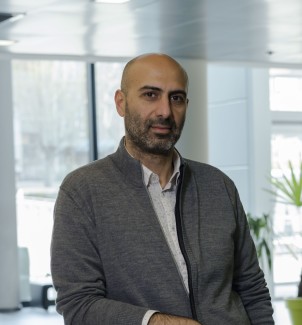
Xi Chen is an Assistant Professor at the Department of Biology, Southern University of Science and Technology (SUSTech), since 2019. He previously worked as a Senior Staff Scientist at the Wellcome Sanger Institute (2016–2019) and Postdoctoral Fellow at the European Bioinformatics Institute (2013–2016). His academic journey includes a PhD in Life Sciences (2009–2012) and BSc in Experimental Medicine (2005–2009) from the University of Manchester and Peking University Health Science Center respectively. Education: PhD, Life Sciences, University of Manchester (2009–2012) BSc, Experimental Medicine, Peking University Health Science Center (2005–2009) Research Interests focus on: Developing single-cell epigenetic and transcriptomic sequencing technologies Epigenetic and bioinformatic analysis of genomic data Using T cells and stem cells as models to study transcription factors and chromatin complexes in cell fate determination and memory Recent Publications highlight his work in single-cell genomics (2018–2019), with methodological advances like rapid chromatin accessibility profiling and insights into T helper cell CRISPR screens, embryonic stem cell differentiation, and innate immunity variability. His publications span high-impact journals including Cell , Nature , and Nucleic Acids Research . Labs & Collaborations: Xi Chen leads the xichenlab.com , a hub for single-cell genomics research. The lab recruits postdocs and research assistants for both computational (dry lab) and experimental (wet lab) roles, emphasizing interdisciplinary collaboration and access to SUSTech's supercomputing resources.
Dr. Oliver Brookes is a Research Fellow at Queen Mary University of London's School of Engineering and Materials Science, supervised by Prof David Lee in Engineering Building 147. His work bridges biomedical engineering and toxicology through advanced in vitro model development. Primary research foci include: Stem Cell Biology : Biomechanical properties of embryonic stem cells and pericyte differentiation from mesenchymal stem cells Respiratory Modeling : Co-culture systems for alveolar/bronchial epithelium and nanoparticle interaction studies Nanotoxicology : Pulmonary surfactant effects on nanoparticle uptake and xenobiotic exposure mechanisms His 2017-2023 publications demonstrate evolving expertise in 3D respiratory barrier models, with increasing emphasis on repeated exposure scenarios and secretome dynamics. Key methodological trends include integration of biomechanical analysis with stem cell models and translation of co-culture systems for toxicity screening. Brookes currently leads an Innovate UK-funded project (£34,996 BBSRC ICURe Explore grant; Oct 2024-Jan 2025) focused on commercializing respiratory barrier models. He collaborates within Prof Lee's biomaterials research group and cross-institutional toxicology networks to advance preclinical testing platforms.
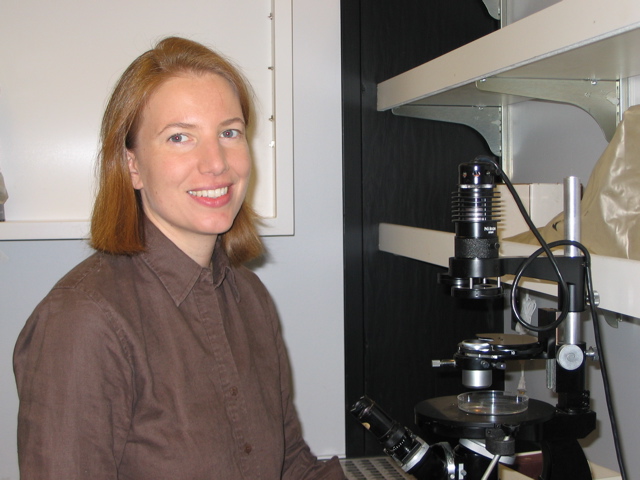
Dr. K.E. Stecker serves as an Assistant Professor in the Biomolecular Mass Spectrometry and Proteomics (BMSP) group within the Faculty of Science at Utrecht University. Her research focuses on applying innovative mass spectrometry approaches to understand protein regulation in cancer, with particular emphasis on tumor-immune cell interactions. Dr. Stecker's research interests span several interconnected areas of molecular and cellular biology. She investigates protein signaling in immuno-oncology, exploring how tumor cells interact with immune cells and how these interactions can be leveraged for therapeutic benefit. Her work on protein regulation in cytokine-mediated cell death provides insights into fundamental mechanisms of cell survival and death pathways. Additionally, she develops innovative mass spectrometry methods to study protein post-translational modifications, which are crucial for understanding cellular signaling networks. Her recent publications reveal a strong trajectory from plant proteomics during her PhD to cancer-focused research during her postdoc and faculty position. The work shows increasing emphasis on translational applications, particularly in immuno-oncology and breast cancer research. Her group employs advanced proteomics and phosphoproteomics techniques to study protein dynamics in cellular systems, with particular focus on microtubule regulation, DNA damage response, and tumor-immune interactions. Scientific Recognition: National Science Foundation Graduate Research Fellowship (awarded during PhD work) Dr. Stecker leads an active research group that applies cutting-edge mass spectrometry approaches to address fundamental questions in cancer biology. Her work bridges basic science and clinical applications, particularly through collaborations with clinical researchers studying treatment resistance in breast cancer. The group has developed specialized techniques for phosphoproteomics sample preparation and analysis that have been widely adopted in the field. Her laboratory focuses on understanding protein regulation in cancer, with particular expertise in studying protein signaling networks that govern tumor-immune cell interactions. The group combines biochemical, proteomic, and cell biological approaches to investigate how post-translational modifications regulate protein function in cancer contexts.
Pål Falnes is a Professor at the University of Oslo , affiliated with the Department of Biochemistry and Molecular Biology . His research focuses on protein methylation, particularly in mitochondrial contexts and its implications for RNA/DNA repair mechanisms. Active in studying seven-β-strand (METTL) methyltransferases and their roles in lysine methylation. Investigates mitochondrial enzymatic activity , including ATP synthase and citrate synthase regulation. Research Interests : Dr. Falnes specializes in post-translational modifications , particularly lysine and histidine methylation. His work bridges protein-RNA interactions , translation dynamics , and mitochondrial metabolism , with recent studies on METTL family members like METTL13, METTL18, and FAM173B. Article Trends : Publications highlight METTL methyltransferases in human proteomics, mitochondrial respiration regulation, and DNA/RNA repair via AlkB proteins. Key themes include chronic pain mechanisms , ribosome biogenesis , and sequence-specific enzymatic methylation . Research Groups : He leads the Biological Methylation - Falnes group and contributes to the Center for Computational Inference in Evolutionary Life Science (CELS) .
Professor R. Gary Sawers leads the Microbiology division at the Institute of Biology, Martin Luther University Halle-Wittenberg. His research spans three decades, focusing on microbial formate/hydrogen metabolism and Streptomyces physiology at the aerobic-anaerobic interface. Key contributions include elucidating glycyl radical enzyme mechanisms and nitrate respiration in actinomycetes. Research Themes: Microbial formate metabolism, hydrogen production, Streptomyces dormancy, and respiratory nitrate reductases Key Techniques: Molecular genetics, protein biochemistry, structural analysis, microbial physiology Recent Publications (2020-2025) reveal his group's work on: Formate channel (FocA) function in pH homeostasis and metabolite transport [NiFe] hydrogenase maturation and cofactor biosynthesis Streptomyces spore survival mechanisms under anaerobic stress Redox regulation of hydrogen metabolism in enterobacteria Group Members include PhD students Christopher Erdmann and Sissy Schnabel, along with postdocs Dr. Dörte Falke, Dr. Marco Fischer, Dr. Michelle Kammel, and Dr. Anne Oertel. Technical support is provided by Claudia Hammerschmidt, Antje Krippner, and Stefan Schwoch.
Alicia K. Byrd serves as an Assistant Professor in the Department of Biochemistry and Molecular Biology at the University of Arkansas for Medical Sciences (UAMS) College of Medicine. She also holds an Associate Member position at the Winthrop P. Rockefeller Cancer Institute. Her research focuses on DNA damage response mechanisms, particularly the role of helicase enzymes in maintaining genomic stability. Dr. Byrd's research interests center on DNA repair pathways and genomic instability. Her laboratory investigates how helicases resolve secondary DNA structures like G-quadruplexes, which can cause chromosomal rearrangements leading to cancer or Fragile X Syndrome. Using biophysical, biochemical, and cellular techniques—including single-molecule kinetics, proteomics, and genomics—her team examines enzyme mechanisms both individually and within multi-protein complexes, with emphasis on post-translational modifications. Her publication analysis reveals strong specialization in G-quadruplex biology and helicase function across diverse systems from bacteriophage to human enzymes. Key trends include methodological innovations in DNA unwinding assays, structural analyses of helicase-DNA interactions, and exploration of helicase roles in replication fork dynamics. The research demonstrates consistent focus on fundamental mechanisms of DNA repair enzymes with translational implications for cancer and genetic disorders. Dr. Byrd leads an active research program in the Biomedical Research Center (B408), utilizing advanced techniques to study DNA-protein interactions. Her laboratory maintains collaborative relationships across multiple institutions as evidenced by co-authorship patterns in publications.
Rong Zhai is a Professor in the Department of Neurology at the University of Chicago. She has an active research program focused on neurodegeneration, autophagy, polyamine metabolism, and microRNA-mediated neuroprotection. Education: PhD in Neurobiology – University of Alabama at Birmingham Postdoctoral Fellowship in Neurogenetics – Baylor College of Medicine Research Interests: Dr. Zhai’s work centers on understanding molecular mechanisms underlying neurodegenerative diseases using Drosophila models. Her research spans autophagy regulation, polyamine biosynthesis, microRNA-mediated post-transcriptional control, and NAD+ metabolism. She has made significant contributions to understanding how metabolic imbalances and protein aggregation contribute to diseases such as Alzheimer’s, Huntington’s, and rare genetic neuropathies. Scientific Impact: Her recent publications demonstrate a strong focus on translational neuroscience, particularly in developing therapeutic strategies for rare genetic disorders like Snyder-Robinson syndrome and hereditary neuropathies. She has consistently published in high-impact journals such as Nature Genetics , PNAS , Cell Death & Disease , and EMBO Molecular Medicine . Funding: Dr. Zhai has been continuously funded by the NIH since 2008, holding multiple R01, R21, R33, and RF1 grants as Principal Investigator. Her current projects focus on polyamine imbalance in neurotoxicity and microRNA regulation of neuroprotective pathways.
Dr. HASSAN Bassem is a Research Professor and Principal Investigator leading the Brain Development team at Inserm, affiliated with the Paris Brain Institute (Institut du Cerveau). He holds a PhD in Molecular Genetics from Ohio State University (1996) and a Bachelor of Science in Biology from the American University of Beirut (1989). His research explores how genomic networks instruct neural development, bridging cell fate specification and neuronal wiring using Drosophila models. Research Focus His work addresses: 1) Gene regulation in neural cell development, 2) Mechanisms of brain wiring specificity/robustness, 3) Roles of disease-associated genes (e.g., FMRP) in axon growth, and 4) Development of computational/genetic tools for neural mapping. Key themes include neurogenesis plasticity, behavioral individuality origins, and tumor suppression links. Publication Trends Recent articles (2013–2020) emphasize Drosophila -based studies of neural circuitry, behavioral genetics, and molecular regulators of neurodevelopment. Methodological innovations in conditional mutagenesis and temporal control of gene activity are recurring highlights. Leadership He directs the BrainDev team, focusing on interdisciplinary approaches to decode brain self-organization. The lab prioritizes tool development for genetic/neuronal network analysis.
Judy Davie is an Associate Professor at Southern Illinois University Carbondale in the Department of Biochemistry and Molecular Biology. Her research focuses on gene regulation during skeletal muscle development, cytokine signaling, and epigenetic mechanisms in rhabdomyosarcoma. PhD in Molecular Biology (University of California, Berkeley, 1998) Postdoctoral Fellowship (MD Anderson Cancer Center) Research Highlights : Dr. Davie's lab investigates the role of myogenic regulatory factors (MRFs) like myogenin in muscle cell differentiation. Key work explores how CIITA and IFN-γ signaling disrupt myogenesis and contribute to muscle repair and diseases such as muscular dystrophy. Her team also studies epigenetic silencing in rhabdomyosarcoma, identifying therapeutic targets for pediatric cancer. Publication Trends : Her recent work spans gene regulatory networks, cytokine signaling, epigenetic modifications, and transcriptional defects in cancer. Themes connect muscle biology, transcriptional machinery, and immune-related gene expression. Scientific Awards : American Cancer Society Postdoctoral Fellowship Contact : Email: jdavie@siumed.edu Phone: (618) 453-5002
Dr Camille Ettelaie is a Lecturer in Biomedical Science, with a research focus on the role of tissue factor in coagulation, cancer progression, and cellular signaling pathways. Her work spans molecular mechanisms, extracellular vesicles, and translational applications in thrombosis and cancer diagnostics. Research Interests : Dr Ettelaie investigates tissue factor biology, including its regulation via phosphorylation, ubiquitination, and interactions with integrins and protease-activated receptors (PAR2). Her studies explore the non-haemostatic roles of coagulation proteases in cancer, endothelial dysfunction, and vascular inflammation. Key Trends in Recent Publications : Recent articles address extracellular vesicle heterogeneity, MISEV2023 guidelines for EV research, tissue factor's role in pancreatic cancer diagnostics, and cross-talk between coagulation and inflammation. Earlier work includes studies on geomechanics, calcitonin receptor networks, and lipid metabolism in coagulation.
Jorge I. Mora serves as Professor of Clinical Medicine in the Division of Sleep Medicine at the University of Pennsylvania's Perelman School of Medicine. He holds key leadership positions including Associate Chief of Clinical Affairs for the Division of Sleep Medicine, Medical Director of the Penn Sleep Centers, and Director of the Sleep Noninvasive Ventilation Program at the Hospital of the University of Pennsylvania. Dr. Mora earned his M.D. from the Jose Maria Vargas School of Medicine, Universidad Central de Venezuela in 1993. His clinical expertise spans noninvasive ventilation, central apnea, and congenital central hypoventilation syndrome (CCHS), with research bridging sleep medicine and cardiology through investigations of sleep-disordered breathing's impact on heart failure and atrial fibrillation. His publication record reveals consistent focus on clinical management of sleep-related breathing disorders and cardiovascular interactions, particularly central sleep apnea treatment innovations like the remede system and drug-induced sleep endoscopy techniques. Recent work emphasizes nurse-led multidisciplinary approaches for obesity and sleep apnea in cardiac patients, demonstrating translational impact from pathophysiology to clinical implementation. Dr. Mora directs the Penn Sleep Centers and Sleep Noninvasive Ventilation Program, where his team integrates clinical care with research on ventilatory support systems and sleep-disordered breathing management. His textbook contributions to Fishman's Pulmonary Diseases and Disorders establish him as a key educator in pulmonary and sleep medicine disciplines.
Dr. Ian Pike is a Professor in the Department of Pediatrics at the University of British Columbia's Faculty of Medicine and serves as the director of the BC Injury Research and Prevention Unit at BC Children's Hospital Research Institute. With over 40 years of experience in injury prevention and healthy lifestyle promotion, Dr. Pike's work is concentrated on establishing a society free from preventable injuries. He is also the co-executive director of The Community Against Preventable Injuries (Preventable), an innovative social marketing organization working to change attitudes and behaviors toward preventable injuries. Dr. Pike holds master's and doctoral degrees in the science of physical education, sport, and recreation (exercise physiology and kinesiology) from the University of Alberta. After completing his graduate studies, he led the Lower Mainland chapter of the Canadian Red Cross before joining UBC in 2004. Dr. Pike's research focuses on the determinants of injury, including deprivation; sport and recreation; linkages between unintentional and inflicted injury as a means to creating a safety-oriented culture; child passenger safety; fire-related injury; the relationship between policies and injury, including COVID-19; and the efficacy of social marketing campaigns to reduce serious injury and death. His most recent work, supported by CIHR, developed a novel methodology that privileges the voices of Indigenous children and youth for community injury prevention improvement. Analysis of Dr. Pike's publication record reveals a strong trajectory from foundational injury prevention research to increasingly sophisticated methodologies addressing pediatric trauma, policy impacts, and innovative intervention strategies. His work spans clinical, epidemiological, and public health approaches with particular emphasis on translating research into practical interventions for children and youth. Dr. Pike has received significant recognition for his contributions: UBC President's Award for Public Education Through Media Canadian Fire Chiefs of Canada Fire Researcher of the Year UBC Faculty of Medicine Distinguished Achievement Award for contributions to the community and to the university Dr. Pike has successfully led five multi-year CIHR-supported research teams exploring policy indicators for primary, secondary and tertiary injury prevention among children and youth across Canada, including Indigenous populations. He completed a three-year Transport Canada-funded project on evidence-informed social marketing campaigns to reduce recreational boating injuries in BC. Currently, he leads two CIHR-supported teams investigating the impact of COVID-19 policies on unintentional and inflicted injuries among children and youth. As director of the BC Injury Research and Prevention Unit and co-executive director of Preventable, Dr. Pike oversees multidisciplinary teams dedicated to translating research into practical interventions, public education campaigns, and policy recommendations. His work bridges academic research, clinical practice, and community engagement to create safer environments for children and youth through evidence-based approaches.
Patric K. Stanton is a Professor in the Cell Biology and Anatomy & Neurology departments at New York Medical College . He holds a Ph.D. in Pharmacology from Uniformed Services University of the Health Sciences and a B.S. in Natural Sciences from Johns Hopkins University, with post-graduate training in Neurophysiology (Max Planck Institute) and Biophysics (Johns Hopkins). Research Interests : Cellular mechanisms of neuronal plasticity, focusing on long-term potentiation/depression (LTP/LTD), biochemical signaling cascades, synaptic dysfunction in Alzheimer’s disease, traumatic brain injury, depression, stroke, and epilepsy. His lab pioneered two-photon imaging of transmitter release and developed drug treatments for reversing synaptic damage now in clinical trials. Scientific Awards : Alexander von Humboldt Foundation Fellow Klingenstein Fellow in the Neurosciences Office of Naval Research Young Investigator Award American Physiological Society Frontiers in Physiology Investigator Recent Research Trends : Investigating Zelquistinel’s NMDA receptor modulation for rapid antidepressant effects Exploring STAT4’s role in metabolic and aging-related synaptic decline Developing human cortical interneuron grafts to abort seizures Understanding Panx1 channels in memory retention and astrocyte-neuron interactions Linking microvascular disruption to tau pathology and chronic traumatic encephalopathy Studying cosmic radiation impacts on hippocampal learning Professional Service : Editor-in-Chief of NeuroReport and Journal of Bioenergetics & Biomembranes , NIH advisory committee member, and affiliations with leading neuroscience societies. Teaching : Cellular Mechanisms of Learning and Memory and Medical Neuroscience .