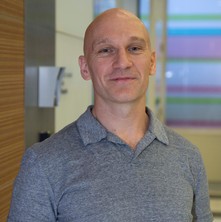
Associate Professor Adam Irwin is an NHMRC Emerging Leadership Fellow and Associate Professor in Infectious Diseases at the University of Queensland (UQ) and Queensland Children’s Hospital. He holds positions within the UQ Centre for Clinical Research, Faculty of Health, Medicine and Behavioural Sciences. His work focuses on early sepsis recognition, antimicrobial stewardship, and pediatric infectious diseases. Dr. Irwin completed his medical degree at the University of Birmingham and his PhD in 2016 from the University of Liverpool’s Institute of Infection and Global Health. He has led initiatives like the Queensland Paediatric Sepsis Program, recognized with a Global Sepsis Alliance Award and Queensland Health Excellence Awards. His research spans sepsis pathway implementation, antimicrobial resistance trends, and rapid diagnostic tools. Notable grants include NHMRC funding for studies on multi-drug resistant infections and Children’s Hospital Foundation support for genomics and antimicrobial stewardship projects. He supervises PhD candidates in areas like bloodstream infections and molecular diagnostics. Dr. Irwin collaborates across institutions, contributing to projects such as the RAPIDS Study Group and the PAEDS surveillance network. Awards include the NHMRC Emerging Leadership Fellowship and recognition for sepsis program excellence. His work emphasizes translating research into clinical practice, improving outcomes for critically ill children through evidence-based protocols and innovative diagnostics.
Stephen Redmond is an Associate Professor at the School of Electrical and Electronic Engineering at University College Dublin (UCD), where he leads the Biomedical Sensors and Signals Research Group. He completed his Bachelor of Electronic Engineering at UCD in 2002, followed by a PhD in biosignal processing in 2006 on at-home sleep staging. After spending 10 years at the University of New South Wales in Sydney, he returned to UCD in 2018. His educational background includes: BE Electronic Engineering, University College Dublin (2002) PhD Biosignal Processing, University College Dublin (2006) Redmond's research focuses on the intersection of signal processing, pattern recognition, and novel sensing hardware to enable longitudinal health monitoring in home environments. His group has developed expertise in wearable sensor systems for human movement analysis, robust physiological signal measurement in unsupervised settings, tactile physiology and sensing, and the application of deep neural networks for medical image segmentation and robotic manipulation. His work bridges biomedical engineering with practical applications in healthcare and robotics. His recent publications demonstrate a strong trend toward integrating tactile sensing with machine learning for robotic applications, particularly in slip detection and dexterous manipulation. His research spans multiple disciplines including biomedical engineering, robotics, computer vision, and artificial intelligence, with a particular emphasis on practical applications that bridge the gap between laboratory research and real-world implementation. His notable recognition includes: Science Foundation Ireland President of Ireland Future Research Leaders Award for his project on tactile sensing As a research leader, Redmond mentors multiple doctoral students and postdoctoral researchers, securing significant research funding to support his team's work in tactile sensing and robotic manipulation. His research group has established strong industry connections, notably through the co-founding of Contactile, a tactile sensor company. The group maintains active collaborations with both academic and industry partners to translate research into practical applications. The Biomedical Sensors and Signals Research Group operates a well-equipped laboratory featuring advanced robotics platforms including a UR5e six-axis arm, Physik Instrumente Hexapods, ATI force/torque sensors, multiple 3D printers, and specialized tactile sensing equipment including Contactile Dev Kits and Meta Digit tactile sensors. This infrastructure supports their research in tactile physiology, sensor development, and intelligent robotic manipulation.
Elisha David Klonsky is a Professor in the Department of Psychology at the University of British Columbia, Faculty of Arts. His primary research classification is Clinical Psychology with a secondary focus in Social/Personality Psychology. He directs the Personality, Emotion, and Behaviour Lab (PEBLab) and maintains an active research program while accepting graduate students for the 2023/24 application cycle. Dr. Klonsky earned his PhD from the University of Virginia in 2005. His educational background has positioned him as a leading researcher in clinical psychology, particularly in suicide research. Dr. Klonsky's research interests center on suicide theory, motivations, and the transition from suicidal thoughts to attempts. His work also spans metascience, emotion research, and psychological/clinical assessment. He has developed the influential Three-Step Theory (3ST) of suicide, which operates within an ideation-to-action framework. His research examines how emotional pain, impulsivity, and nonsuicidal self-injury relate to suicidal behavior, with particular interest in developing better assessment tools for clinical practice. Recent work has expanded into metascience, addressing the replication crisis in psychology. His publication record shows consistent high-impact work primarily in suicide research, with recent emphasis on suicide motivations, emotion measurement, and theoretical frameworks. The research demonstrates strong clinical applicability while maintaining rigorous scientific methodology. Dr. Klonsky has received numerous prestigious awards including: UBC Killam Research Prize (2020) Killam Faculty Research Fellowship (2017) American Association of Suicidology: Edwin S. Shneidman Award (2015) Association for Psychological Science Rising Star (2011) David Shakow Early Career Award (2011) American Psychological Association Fellow (2010) Dr. Klonsky has successfully mentored numerous graduate students who have gone on to academic positions at institutions including Old Dominion University, McGill University, Wesleyan University, and Texas Tech University. His research has been supported by significant funding from organizations including the Social Sciences and Humanities Research Council, American Foundation for Suicide Prevention, and National Institute of Mental Health. Current projects include studies on suicidality in youth with autism spectrum disorder and advancing the measurement of emotional experience. The Personality, Emotion, and Behaviour Lab maintains active research programs in suicide, emotion, metascience, and related areas, with particular emphasis on developing parsimonious models of suicide and better understanding suicide motivations and warning signs.
Professor Gavan McNally is a distinguished behavioral neuroscientist at the University of New South Wales, where he serves as a Professor in the School of Psychology. He is actively engaged in research on the fundamental behavioral and brain mechanisms for learning and motivation, with applications to clinical conditions such as addictions, anxiety disorders, and mood disorders. McNally holds several prestigious editorial positions, including Editor-in-Chief of Neurobiology of Learning & Memory and Senior Editor of The Journal of Neuroscience. He also serves as President-Elect of the European Behavioral Pharmacology Society and is a Member of the Australian Research Council College of Experts. McNally's research interests span behavioral neuroscience, focusing on how fundamental brain mechanisms apply to clinical conditions. He employs a systems neuroscience approach, combining well-controlled behavioral approaches with optogenetics, chemogenetics, in vivo calcium imaging, and whole brain circuit mapping in both normal and transgenic animals. His work bridges basic science with clinical applications through collaborations with colleagues at University of Sydney, Sydney Local Health District, Monash University, and Turning Point. McNally's research particularly examines the cellular, circuit, and systems level mechanisms underlying learning, motivation, and their dysregulation in disorders like addiction. His laboratory investigates how these mechanisms translate to human conditions, with a strong emphasis on developing new treatments for psychological disorders. His extensive publication record demonstrates a clear trajectory in understanding punishment learning, addiction mechanisms, and the neural circuits underlying motivated behavior. Recent work has increasingly focused on the cognitive pathways to punishment insensitivity, the role of specific neural circuits in addiction, and translational approaches to understanding maladaptive behaviors. McNally's research bridges animal models with human studies, creating a comprehensive understanding of the neural mechanisms that govern learning and motivation, with particular attention to how these processes go awry in addiction and other psychological disorders. 2008 QEII Fellow, Australian Research Council 2009 Association for Psychological Science, International Rising Star 2010 Fellow, Association for Psychological Science 2010 UNSW Faculty of Science Staff Excellence Award for Research and Training 2011 Pavlovian Research Award, The Pavlovian Society 2012 Future Fellow (Level 3), Australian Research Council 2016 D.G. Marquis Behavioral Neuroscience Award, American Psychological Association 2017 Fellow, American Psychological Association 2019 Fellow of the Academy of Social Sciences in Australia 2021 D.G. Marquis Behavioral Neuroscience Award, American Psychological Association 2022 Ross Day Plenary Lecturer, Australasian Brain and Psychological Sciences 2023 European Behavioural Pharmacology Society Plenary Lecturer 2024 Elspeth McLachlan Plenary Lecturer, Australasian Neuroscience Society 2024 D.G. Marquis Behavioral Neuroscience Award, American Psychological Association Professor McNally actively supervises several students including Bixuan Lin, Si Yin Lui, Hannah Machet, Bart Cooley, Kelly Zhuang, and Alexandra Gregory. His current research is supported by significant funding including an Australian Research Council Discovery Project (2024-2026) on "Risky choices: From cells and circuits to computations and behaviour," another Discovery Project (2025-2028) on "Multimodal mapping of punishment learning," and NHMRC grants including a Synergy Grant on "Linking clinical and basic science discovery to find new treatments for alcohol-use disorder" and an Ideas Grant on "Novel pathways to abstinence from alcohol seeking." These projects reflect his commitment to both fundamental neuroscience and translational applications for treating psychological conditions. His teaching responsibilities include PSYC2081 Learning & Physiological Psychology and PSYC3051 Physiological Psychology. McNally's laboratory employs advanced techniques including optogenetics, chemogenetics, in vivo calcium imaging, and whole brain circuit mapping to investigate the neural mechanisms underlying learning, motivation, and their dysregulation in disorders. His team works at the intersection of basic neuroscience and clinical applications, with strong collaborations across multiple institutions to translate fundamental findings into potential treatments for addiction and other psychological disorders. The lab has made significant contributions to understanding the role of brain regions like the ventral pallidum, paraventricular thalamus, and nucleus accumbens in addiction, fear learning, and punishment sensitivity.
Laia Becares is a Professor of Social Science and Health at King's College London, part of the School of Global Affairs and the Department of Global Health & Social Medicine. She previously held roles at the University of Sussex (2018-2022) and the University of Manchester (2010-2018), where she maintains an Honorary position. She serves as an Editor of Sociology of Health and Illness and on the Academic Reference Group of the NHS Race and Health Observatory. Her work is funded by organizations such as the Nuffield Foundation and the Health Foundation. Laia holds a PhD in Social Epidemiology from University College London (UCL) and a Master's in Public Health from Boston University School of Public Health. Her research employs an interdisciplinary approach, collaborating with sociologists, psychiatrists, geographers, and demographers to understand how discrimination and marginalization perpetuate social and health inequities. Key areas include racism, homophobia/heterosexism, LGBTQ+ inequalities, and the impact of systemic oppression across life stages. She co-developed the Queerantine Study on pandemic impacts on LGBTQ+ communities and leads the ESRC Centre for Society and Mental Health, fostering student mentorship in health inequality topics. Her scientific awards include ESRC/MRC Postdoctoral Research Fellowship (2010-2012), Hallsworth Research Fellowship (2012-2016), and ESRC Future Research Leader Fellowship (2012-2015). Recent work focuses on ethnic healthcare disparities in multimorbidity and longitudinal studies of racism's effects on health outcomes. Ongoing projects include LGBTQ+ policymaking networks and the GHSM Anti Racism Steering Group, addressing structural inequities in academia and healthcare. Laia’s grants include Nuffield Foundation funding for ethnic inequalities in later life and Health Foundation support for healthcare equity studies. She advocates for integrating lived experiences into research design, particularly through the Evidence for Equality National Survey (EVENS). Her lab affiliations include Queer@King’s and the ESRC Centre for Society and Mental Health, emphasizing collaborative, community-driven approaches.
Ali Abbas is a Senior Researcher and Methods Fellow at the MRC Epidemiology Unit within the University of Cambridge's School of Clinical Medicine. His academic background includes a PhD in Computer Science from Manchester Metropolitan University, an MSc in Media Informatics from RWTH Aachen University, and a BS in Computer Science from Mohammad Ali Jinnah University. With over two decades of research experience, he specializes in data-driven approaches including exploratory analysis, statistical modelling, and interactive visualization. His core research focuses on developing environmentally sustainable transport systems with positive public health outcomes, particularly through: Agent-based modeling of transport behaviors Cycling infrastructure and active travel interventions Health impact assessment of urban mobility policies Spatial analysis using GIS technologies Complex systems approaches to public health He leads several major research initiatives including the JIBE project (integrating transport and built environment models), GLASST (global health impact assessment), TIGTHAT (integrated global transport-health tool), National Propensity to Cycle Tool, and Impacts of Cycling Tool. His publication portfolio demonstrates consistent focus on transport-health interactions, physical activity epidemiology, and urban health modelling, with recent work emphasizing policy applications and global scalability. As an advocate for open science, he maintains active GitHub repositories of his computational models. He additionally manages junior researchers and contributes to training initiatives within his unit.
Dr. Nancy L. Sin is an Associate Professor in the Department of Psychology within the Faculty of Arts at the University of British Columbia. She teaches undergraduate and graduate courses in health psychology and supervises students at multiple levels. She is Co-Chair of the Antiracism Task Force for the Society for Biopsychosocial Science and Medicine and a member of the Steering Committee at the UBC Edwin S.H. Leong Centre for Healthy Aging. Previously, she served on the Executive Committee for the American Psychological Association's Division on Adult Development and Aging and established the Diversity Mentorship Program. PhD, University of California, Riverside, 2012 Dr. Sin's research focuses on biological and behavioural pathways linking daily well-being and stress to health. Her work demonstrates that emotional responses to daily stressors are associated with inflammatory, neuroendocrine, and autonomic mechanisms implicated in aging-related conditions like cardiovascular disease. She investigates daily positive events as protective factors for stress processes and health, with particular interest in emotional well-being and aging, stress-sleep cycles, and health equity. Her research spans multiple disciplines including health psychology, gerontology, and social psychology. Analysis of Dr. Sin's recent publications reveals consistent focus on daily stress processes, positive emotions, and health outcomes across the lifespan. Her work increasingly examines pandemic-related stressors, social determinants of health, and health disparities, with strong emphasis on methodological rigor through daily diary and longitudinal approaches. The publications demonstrate interdisciplinary collaboration across psychology, public health, and medicine, with growing attention to diversity, equity, and inclusion in health research. Distinguished Alumni Award, Department of Psychology, University of California, Riverside (2025) Fellow, Gerontological Society of America (2025) Innovative Research on Aging Award (Bronze Award) from the Mather Institute (2021) Michael Smith Foundation for Health Research Scholar (2020) Springer Early Career Achievement Award in Research on Adult Development and Aging (2019) Gerontological Society of America's Behavioral and Social Sciences Student Research Award Editor's Choice article at Annals of Behavioral Medicine Dr. Sin actively supervises undergraduate, MA, and PhD students, with a current focus on Health Psychology graduate students specializing in adult development and aging, stress, and health equity/disparities. Her research has been supported by significant grants as PI or Co-I from the U.S. National Institute on Aging, Social Sciences and Humanities Research Council of Canada, Canadian Institutes of Health Research, Canada Foundation for Innovation, and the Michael Smith Foundation for Health Research. She has established a strong research program examining daily experiences and their health implications across adulthood. Dr. Sin directs the UPLIFT Health Lab (Understanding Pathways Linking Inter- and Intraindividual Factors To Health), which explores psychosocial well-being and biobehavioural mechanisms underlying healthy aging. The lab investigates how daily positive events promote health through lower inflammation, adaptive cortisol profiles, and better health behaviors, with particular attention to how positive emotions buffer stress processes. The lab actively recruits community participants for studies on daily experiences and health, contributing to intervention development for promoting psychological and physical well-being across adulthood.
Cornelia Betsch serves as Director of the Institute for Planetary Health Behaviour (IPB) at the University of Erfurt, where she holds a professorship in Health Communication within the Faculty of Philosophy. She is responsible for the Master's program in Health Communication through the Department of Media and Communication Studies and leads the Health Communication Working Group at the Bernhard Nocht Institute for Tropical Medicine in Hamburg as an external position. Her interdisciplinary work bridges behavioral science, psychology, and public health to address critical global challenges. Habilitation (2006), University of Erfurt: 'The role of risk perception and risk communication in prevention decisions – the example of vaccination decisions' PhD (Dr. phil., summa cum laude, 2006), University of Heidelberg: 'Preference for intuition and deliberation– measurement and consequences of affect- and cognition based decision making' Diplom in Psychology (2002), University of Heidelberg Betsch's research focuses on understanding health and planetary health behaviors, particularly examining vaccination behavior, prudent antibiotic use, and climate-friendly actions. Her work extends globally, with investigations in various African countries on vaccination and antibiotic practices. She pioneered the influential COVID-19 Snapshot Monitoring (COSMO) and subsequently developed the Planetary Health Action Survey (PACE), large-scale studies that regularly track public knowledge, risk perception, protective behaviors, and trust during crises. Her research emphasizes applying behavioral and cultural insights to design effective policy frameworks and explanatory communication that promotes positive health behaviors. The 15 most recent articles showcase Betsch's research evolution toward integrating behavioral science with planetary health, climate action, and vaccine communication. Her work increasingly examines the psychological foundations of climate behavior while maintaining her established expertise in vaccine hesitancy and antimicrobial resistance. Recent publications demonstrate methodological diversity, including systematic reviews, meta-analyses, survey experiments, and large-scale monitoring datasets that bridge academic research with practical policy applications. German Psychology Prize (2021) Thuringian Research Prize (2022) Betsch has secured research funding from independent research organizations, ministries, and foundations to support her work on health communication and planetary health behavior. She serves as a scientific advisor to multiple organizations including the WHO Technical Advisory Group on Behavioral and Cultural Insights, Science Media Center Germany, and Museum für Naturkunde Berlin. At the Bernhard Nocht Institute for Tropical Medicine, she established the WHO Collaborating Center for Behavioral Research in Global Health, demonstrating her commitment to translating research into global health practice. Her engagement extends to policy advising, having served on the Corona Expert Council of the Federal Chancellery during the pandemic. As Director of the Institute for Planetary Health Behaviour, Betsch leads an interdisciplinary team applying social and behavioral science perspectives to planetary health and the climate crisis. The institute serves as a hub for research, education, and science communication at the intersection of human health and environmental sustainability. Her work through the IPB emphasizes Open Science principles and aims to understand the comprehensive factors influencing climate-friendly behavior to identify effective intervention points for policy development.
Joe Pitt-Francis is Associate Professor of Computer Science and Tutorial Fellow in Computer Science at St Edmund Hall, University of Oxford . Since 1999 he has tutored Oxford computer-science students and formally became a Tutorial Fellow of St Edmund Hall in 2024. His research lies at the intersection of computational biology and mathematical biology . Using sophisticated numerical techniques he constructs and analyses models of the heart , cancer and blood flow . A central strand of his work is software development for biological simulation; he is an active contributor to Chaste ( Cancer, Heart and Soft-Tissue Environment ), a large-scale C++ library that supports multiscale computational models in physiology and medicine. Across more than 60 peer-reviewed publications since 1998, his work has progressively advanced from foundational software-engineering papers describing Chaste’s architecture to highly-cited studies on cardiac electrophysiology , tumour-induced angiogenesis , microvascular haemodynamics and cell-cycle dynamics under hypoxia . The 2024-2025 corpus shows strong emphasis on multiscale frameworks , open benchmarking , and radiotherapy-induced vascular remodelling , positioning his group at the forefront of translational in-silico oncology. Contact: Email: Joe.Pitt-Francis@seh.ox.ac.uk
Matt Nassar is an Associate Professor of Neuroscience and Assistant Professor of Cognitive and Psychological Sciences at Brown University. He leads the Learning, Memory and Decision Lab, which is part of the Department of Neuroscience and the Robert J. & Nancy D. Carney Institute for Brain Science. His research focuses on understanding how the brain flexibly processes information to achieve complex and adaptive behaviors through computational approaches that bridge cognitive psychology and neuroscience. Education: PhD, University of Pennsylvania (2012) BA, Colgate University (2004) Nassar's research examines how different cognitive systems—learning, memory, and perception—leverage common computational principles to optimize decision-making. His work particularly focuses on how the brain balances stability and flexibility in processing information, how uncertainty is represented and utilized in learning, and how neural computations underlie complex behaviors. Through computational modeling and empirical research, he investigates how modular information-processing systems impact decisions and complex behavior in dynamic environments. His research integrates methods from cognitive psychology, neuroscience, and computational modeling to address fundamental questions about human cognition. Analysis of Nassar's recent publications (2020-2024) reveals a strong focus on computational neuroscience applied to decision-making, learning, and psychiatric conditions. His work frequently employs Bayesian modeling approaches to understand belief updating, uncertainty processing, and structure learning. Key themes include the neural basis of flexibility in learning, computational mechanisms underlying psychiatric symptoms, and age-related changes in cognitive processing. His research bridges cognitive psychology, neuroscience, and computational modeling to provide insights into both healthy cognition and disorders such as depression and schizophrenia. Scientific Contributions: Developed computational models of belief updating and learning under uncertainty Investigated neural mechanisms of stability-flexibility tradeoffs in cognition Examined age-related differences in learning and memory processes Explored computational mechanisms underlying psychiatric conditions Studied the role of noise correlations in neural learning systems Investigated how prefrontal cortex representations shape decision processes Nassar actively mentors researchers in his lab, with recent announcements highlighting postdocs joining from prestigious institutions like Max Planck UCL and Freie Universität Berlin. His lab appears to receive significant research funding, supporting multiple postdoctoral positions and research projects. Collaborations span multiple departments at Brown University, particularly with researchers in Cognitive and Psychological Sciences, Neurology, and Psychiatry. The lab has produced numerous high-impact publications in top journals including Nature Human Behaviour, Brain, and eLife. The Learning, Memory and Decision Lab, led by Nassar, is an active research group that uses computational models to understand how the brain represents and stores information for effective decision making. Recent lab announcements (as of February 2025) indicate the lab is expanding with new postdoctoral researchers joining from Harvard, Max Planck UCL, and Freie Universität Berlin, suggesting strong research momentum and funding support. The lab appears to be well-integrated within Brown's neuroscience community, with collaborations spanning multiple departments and research centers.
Braam Lowies is a Senior Lecturer in Property at UniSA Business, University of South Australia, based at the City West Campus. He is an active researcher and Research Degree Supervisor, focusing on the intersection of financial behaviour, mental health, and ageing in Australia. His work spans multiple disciplines including housing, public policy, gerontology, and behavioural economics. Institution: University of South Australia School: UniSA Business Department: Property Position: Senior Lecturer Email: Braam.Lowies@unisa.edu.au Dr. Lowies' research primarily explores the financial and psychological wellbeing of older Australians, particularly in the context of retirement, housing equity, and crises such as the COVID-19 pandemic. His studies examine how savings, debt, hope, and mental health influence financial decisions, and how the home environment affects health outcomes across different age groups in later life. He frequently employs large-scale datasets like HILDA and applies both qualitative and quantitative methods. His recent publications highlight trends in ageing-in-place, equity release, digital banking challenges, and the socio-ecological determinants of financial stress. These works appear in high-impact journals such as Stress and Health , PLoS One , and Ageing & Society , as well as in book chapters with Edward Elgar Publishing. His research has relevance for policy development in housing, retirement planning, and mental health support systems. Dr. Lowies collaborates extensively with researchers such as Kurt Lushington, Rajabrata Banerjee, and Vandana Arya. His work has been cited in academic databases and picked up by media outlets, indicating its societal impact. Understanding the effect of financial behaviour on mental health: evidence From Australia (2025) Ageing-in-place (2024) The home environment: influences on the health of young-old and old-old adults in Australia (2024) The effect of psychological factors on financial behaviour among older Australians (2023) COVID‐19: financial well‐being of older Australians in times of crisis (2022) Dr. Lowies has no listed scientific awards in the provided materials. He is actively involved in supervising research degrees but specific student names are not mentioned. There is no information about grants, laboratories, or research teams he leads, though his collaborative work suggests strong interdisciplinary engagement.
Katrine Eldegard is a Professor at the Norwegian University of Life Sciences (NMBU), Faculty of Environmental Sciences and Natural Resource Management (MINA), Department of Ecology and Natural Resource Management (INA). She leads BatLab Norway and contributes extensively to national and international conservation science policy. Institution: Norwegian University of Life Sciences School: Faculty of Environmental Sciences and Natural Resource Management Department: Department of Ecology and Natural Resource Management Position: Professor Her research centers on understanding how human activities and land use affect natural ecosystems and species across taxa and spatial scales. She specializes in the behavioral, population, and community-level responses of mammals, birds, and insects to anthropogenic pressures such as energy infrastructure, transport networks, and forestry. A major focus is on bat ecology and conservation, pollination dynamics, and biodiversity monitoring in boreal and agricultural landscapes. Her recent publications reveal strong trends in climate change impacts on bat morphology and distribution, pollinator-plant interactions under environmental change, and the ecological consequences of infrastructure development. These works integrate field ecology with advanced modeling and policy-relevant assessments. She has played leading roles in key scientific committees: Chair, Mammal Committee, Norwegian Red List for Species (2021) Chair, Mammal Committee, Norwegian Alien Species List (2023) Member, Norwegian Scientific Committee for Food and Environment (VKM), CITES Expert Panel Norway’s representative, UNEP/Eurobats Advisory Committee Eldegard has supervised numerous research projects and collaborated with government agencies and private partners on applied ecology. She teaches courses including NATF200 Vern og forvaltning av norsk natur and the upcoming NATF300 Conservation Science. Her work is supported by extensive fieldwork, interdisciplinary collaboration, and integration of ecological theory with practical conservation. She leads BatLab Norway, a research group dedicated to advancing knowledge on bat ecology, behavior, and conservation through innovative methods including telemetry, acoustic monitoring, and landscape analysis.
Maria C.W. Peeters serves as a Full Professor at Eindhoven University of Technology (TU/e) within the Department of Industrial Engineering and Innovation Sciences, specifically the Human Performance Management Group. She concurrently holds an Associate Professor position at Utrecht University in the Department of Social, Health and Organizational Psychology, reflecting her dual institutional engagement in Work and Organizational Psychology. Her educational background includes: MSc in Health Sciences from Maastricht University PhD from Radboud Universiteit Nijmegen (dissertation: effect of social support on work stress) Peeters' research investigates sustainable workforce performance through the critical lens of worker diversity in high-tech environments. She specializes in worker (ill)health and well-being, work engagement, sustainable employability, job crafting interventions, work-life balance dynamics, and tailored technological innovation implementation. Her work emphasizes adapting technologies to accommodate older workers, those with lower educational levels, and disabilities to extend labor market participation. Recent publications (2025) analyze psychosocial safety climate and the DISC model for office workers, while earlier studies (2018-2015) focused on job crafting transmission and intervention efficacy. Her research consistently employs quantitative methodologies like regression analysis within the Job Demands-Resources framework, addressing sustainable performance threats from rapid technological implementation. No specific scientific awards or prizes are documented in the provided text. Peeters has published over 100 national and international articles and book chapters, with 75 research outputs listed in TU/e's repository. She co-edited the textbook "An Introduction to Contemporary Work Psychology" (Wiley Blackwell, 2014) and serves on editorial boards for Work & Stress and Gedrag en Organisatie (Dutch Journal of Behaviour in Organizations). Her academic leadership includes presidency of the Dutch Association of Work & Organizational Psychology since 2018. She operates within the Human Performance Management Group at TU/e, which studies workforce optimization through health, engagement, and sustainable employability metrics in digitized workplaces.
Veerle Foulon serves as full professor and dean of the Faculty of Pharmaceutical Sciences at KU Leuven, Belgium. She leads the Unit Clinical Pharmacology and Pharmacotherapy within the Department of Pharmaceutical and Pharmacological Sciences. Her institutional leadership roles include membership in the University Council, Academic Council, and Special Academic Council as dean, alongside positions in the Board for Alumni Relations and Biomedical Sciences Group Management. Leuven Centre for Health Humanities Leuven Interdisciplinary Centre for Meaning and Lived Religion LC&Y - KU Leuven Institute for Child and Youth LIVO – KU Leuven Institute for Educational Research LKI - KU Leuven Cancer Institute Her research centers on pharmaceutical care, interdisciplinary collaboration, patient-centered care, and rational pharmacotherapy. Key focus areas include medication safety during pregnancy through the BELpREG registry, antimicrobial stewardship in Ethiopian healthcare settings, and person-centered medication optimization for elderly patients in nursing homes. She emphasizes real-world data collection and interdisciplinary approaches to address critical gaps in medication safety for vulnerable populations. Analysis of her recent publications reveals dominant themes in pregnancy medication safety (particularly via the BELpREG cohort), nursing home medication pathways, and antimicrobial resistance interventions. Her work consistently involves large-scale international collaborations across Europe and Ethiopia, addressing systemic challenges in pharmaceutical care through mixed-methods designs and registry-based studies. As principal investigator on major funded projects extending to 2028—including antimicrobial resistance initiatives in Ethiopia and pregnancy medication safety studies—she directs substantial research grants. Her leadership in interdisciplinary consortia drives innovation in medication optimization, though specific doctoral advisees are not documented in the provided materials. Current projects demonstrate strong translational focus with direct clinical implementation pathways. Embedded within multiple Leuven research institutes, she fosters cross-disciplinary collaborations through the BELpREG consortium and antimicrobial stewardship networks. Her work actively involves partnerships with Ethiopian tertiary hospitals, European pregnancy registries, and Belgian nursing home networks to develop and implement evidence-based pharmaceutical care models.
Dr. Matteo Montecchi is a Senior Lecturer (Associate Professor) in Marketing at King’s Business School, King’s College London, where he also serves as Theme Lead for Sustainable Consumption at the Centre for Sustainable Business and Programme Director for the Strategic Marketing (Open Executive) programme. He teaches core modules such as Consumer Behaviour, Digital Marketing, and Research Methods, and leads executive education initiatives. Previously, he was a Senior Lecturer at the London College of Fashion, University of the Arts London, and has held visiting positions at Milan Politecnico, Università Cattolica del Sacro Cuore, and Università Federico II. Montecchi earned his PhD in Marketing from King’s College London, an MRes in Marketing from Birkbeck College, an Executive Master in Marketing and Sales from SDA Bocconi and ESADE, and a Bachelor’s in Business Economics from the University of Modena and Reggio Emilia. He also holds a PgCert in Academic Practice and is a Fellow of the Higher Education Academy (FHEA). His research focuses on the digital transformation of marketing, particularly the role of artificial intelligence and blockchain in enhancing transparency and trust. He investigates ethical engagement with diverse consumer groups, inclusion, and corporate responsibility, with a special interest in marginalized communities. His work integrates consumer behavior, digital interactions, and decision-making with technological innovation, offering actionable insights for sustainable and responsible business strategies. The most recent 15 publications reflect a strong trend in AI in retail, brand transparency, consumer trust, ethical data use, voice technologies, and social sustainability. His research spans journals in marketing, psychology, interactive marketing, and business ethics, demonstrating interdisciplinary impact. Scientific Awards: KingsCAT: Capture and Analysis Tool for Social Media Research at King’s College London (2024) – Recognized as part of a collaborative team for advancing digital research infrastructure and media analysis. Montecchi is actively involved in PhD supervision and is accepting new students. He has led research projects using social media analytics (KingsCAT) and has contributed to strategic debates on grand challenges in marketing. His work connects academic research with real-world managerial applications, particularly in digital strategy and ethical innovation. He is a key contributor to interdisciplinary research through tools like KingsCAT, which supports collaborative social media analysis, and his publications often involve co-authorship with experts in data science, psychology, and organizational behavior.