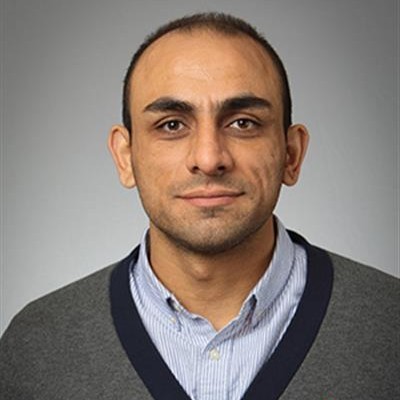
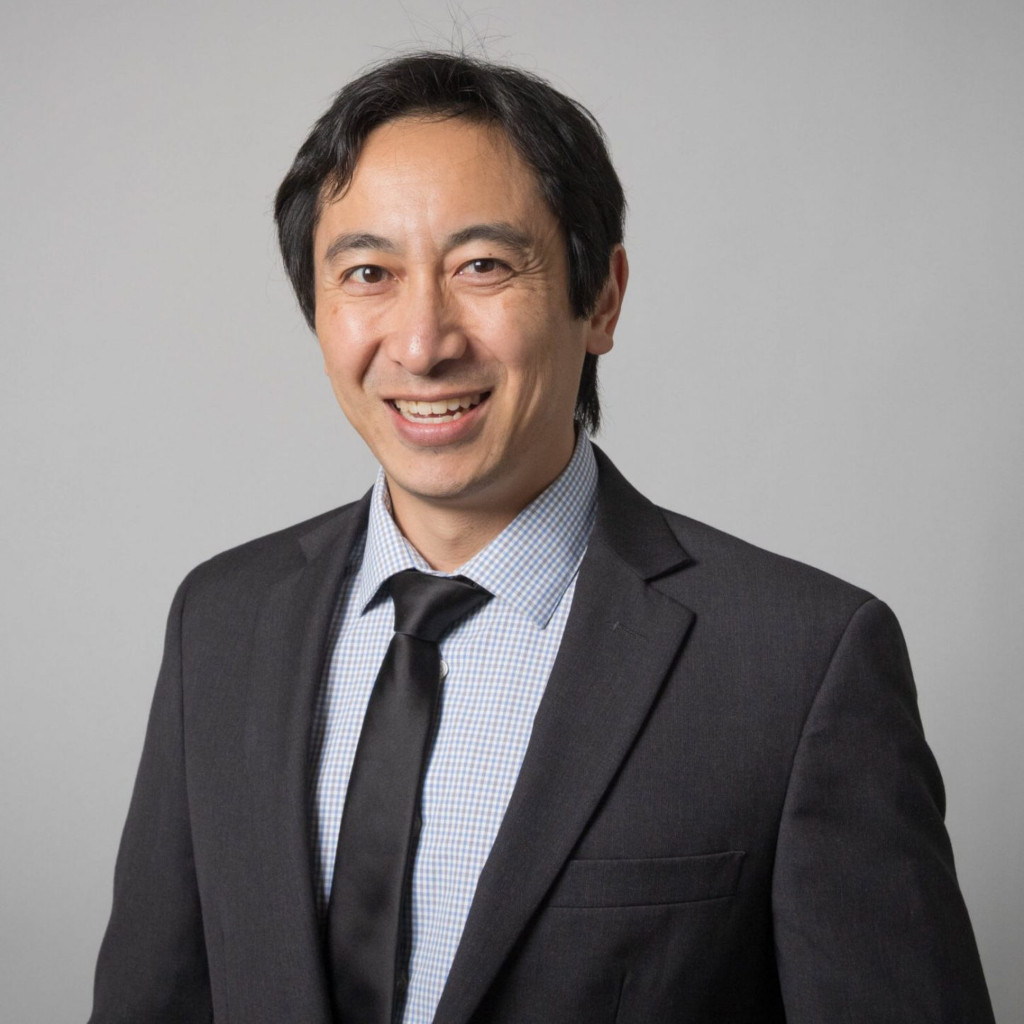
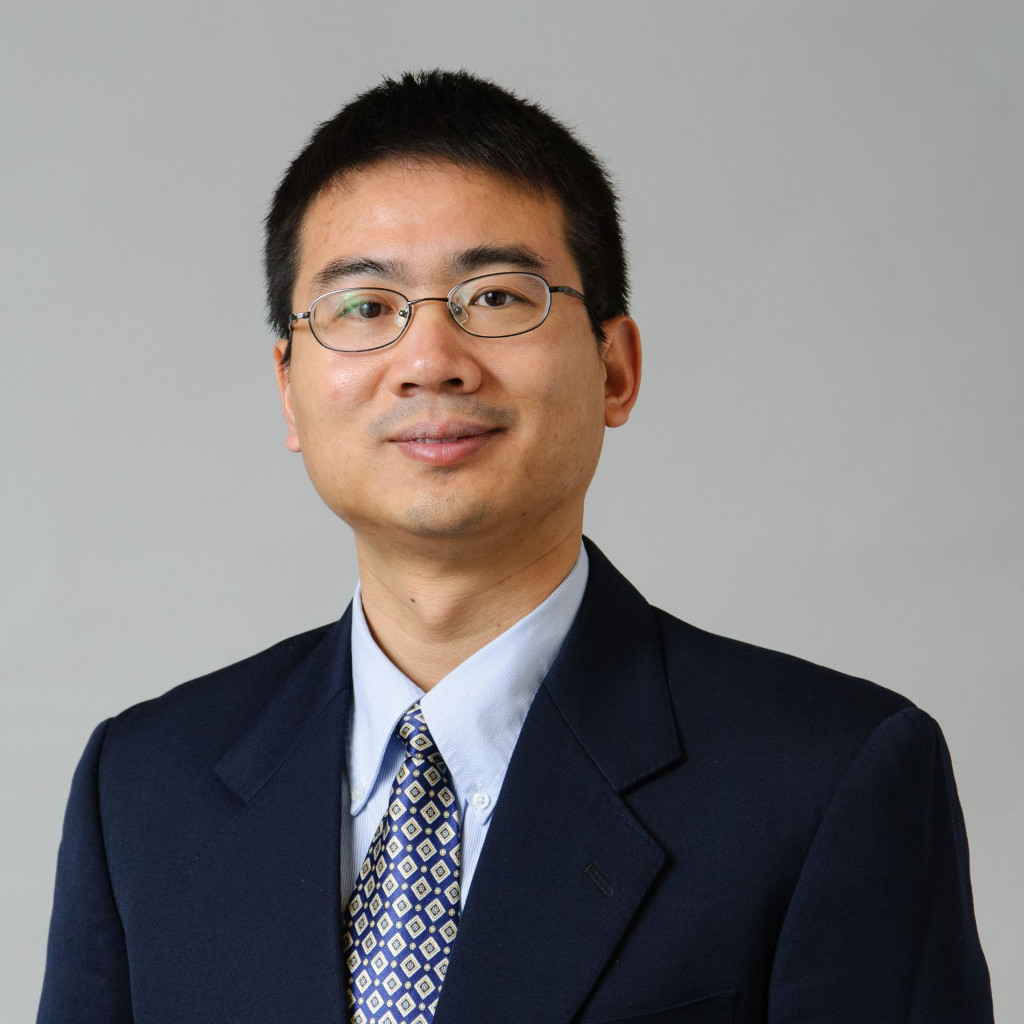
Dr. Mahdi Malmali is an Associate Professor in the Department of Chemical Engineering at Texas Tech University, affiliated with the National Wind Institute. He leads the Malmali Reaction and Separations Laboratory , focusing on advanced separation technologies and energy storage systems. Education Postdoctoral Research Fellow, Chemical Engineering and Materials Science, University of Minnesota (2015-2017) Ph.D. in Chemical Engineering, University of Arkansas (2014) M.S. in Chemical Engineering, Sharif University of Technology (2011) B.S. in Chemical Engineering, Razi University (2007) His research spans membrane-based separation , thermochemical energy storage , and process intensification , with applications in water recycling, renewable energy integration, and sustainable chemical production. Publications highlight innovations in laser-induced graphene membranes , vacuum membrane distillation , and low-pressure ammonia synthesis systems. Dr. Malmali has mentored PhD students including Bosong Lin and I-Min Hsieh, who have received accolades such as the 1st Prize in Student Poster Competition at the North American Membrane Society (2022). His lab's work addresses critical challenges in energy-efficient separation technologies and sustainable resource utilization.
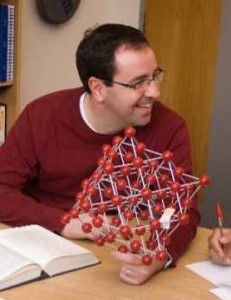
Paulo Manuel Antunes Mendes Gordo is an Assistant Professor at the University of Coimbra’s Faculty of Science and Technology since 2005. He holds a PhD in Experimental Physics (2005, University of Coimbra) and a Bachelor’s degree in Physics (1988, University of Coimbra). His research focuses on defects in materials, utilizing positron annihilation techniques, and spans fields like condensed matter physics, polymer science, and nuclear medicine. Key research interests include characterizing defects in semiconductors, polymers, and ceramics using advanced spectroscopic methods. He has explored topics such as hydrogen interactions in zirconia, drug delivery systems via polyurethane nanotechnology, and radiation detection instrumentation for medical imaging. His work bridges computational modeling and experimental validation, addressing challenges in material stability and structure-property relationships. Publications trends reflect a strong emphasis on materials science, with contributions to journals like Physical Review B , Journal of Pharmaceutical Sciences , and Physica Scripta . Research often intersects interdisciplinary applications, such as medical imaging devices and polymer-based drug carriers. No scientific awards are explicitly mentioned in the provided information. His career includes prior roles as a junior researcher at the University of Aveiro (1990–1992) and early-career positions at the University of Coimbra (1993–2005). No grants or lab affiliations were detailed in the text, though collaborations with institutions like the University of Aveiro and international teams are evident from co-authorship patterns.
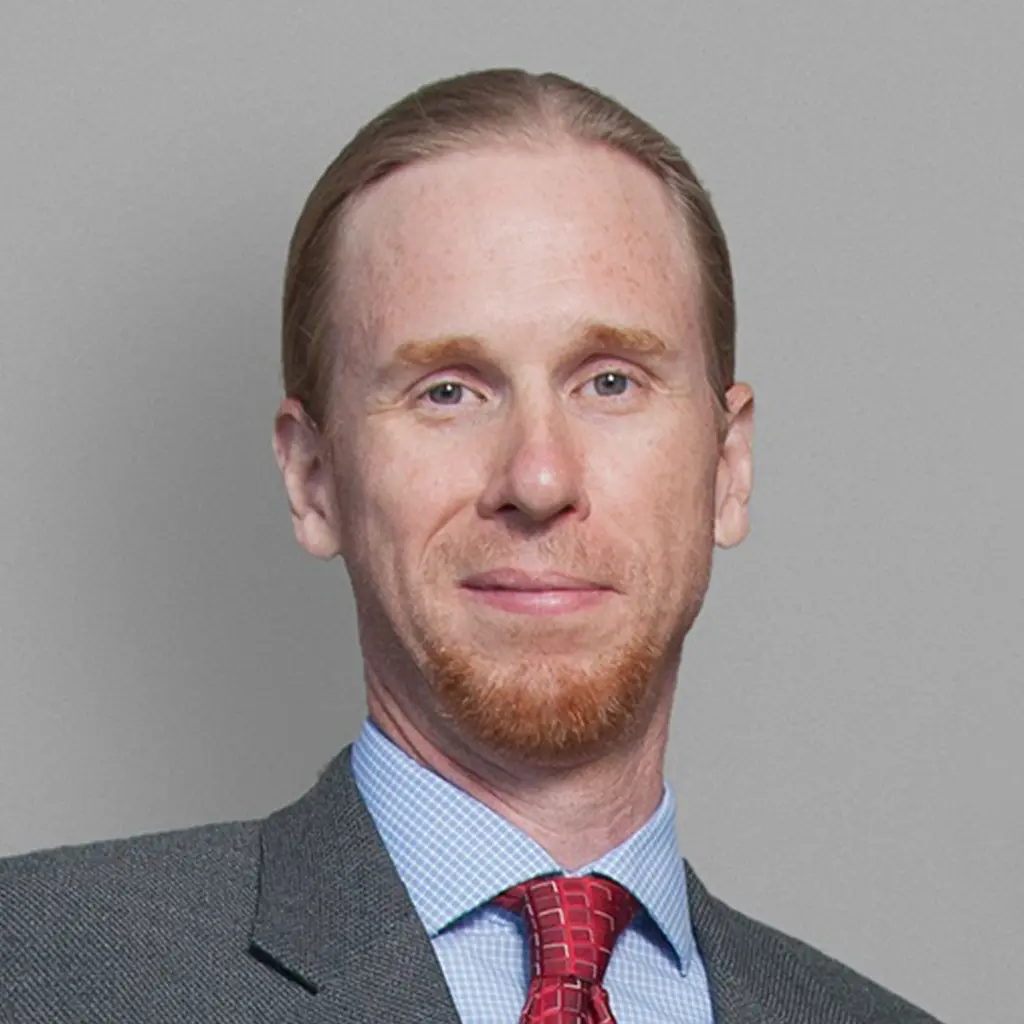
Sarah Cartmell is a Professor of Bioengineering and Head of the Department of Materials at The University of Manchester. She holds senior roles in the School of Natural Sciences, including Senate membership and leadership in advanced materials initiatives like the Royce Institute. Her research focuses on biomaterials for regenerative medicine, including tendon repair, stem cell differentiation, and bioreactor design. Cartmell has secured over £34.7 million in grants, authored 70+ publications, and serves on editorial and review boards for journals like Science and Technology of Advanced Materials . Her work contributes to UN Sustainable Development Goals in health and innovation. Education : B.Eng (Materials Science with Clinical Engineering, University of Liverpool, 1996), Ph.D. (Clinical Engineering, University of Liverpool, 2000), Postdoc at GeorgiaTech, and academic roles at Keele University. Research Interests : Translation of novel tissue repair products, mechanical force effects on stem cells, and advanced biomaterials for bone and cartilage regeneration. Grants & Funding : £12.7M as lead PI and £22M as PI/Co-I across 22 sources (government, industry, charities). Awards : President of UK Tissue and Cell Engineering Society, IOM3 Fellow, and TERMIS EU council member. Leadership : Led the Royce Institute’s biomedical materials initiative, coordinating 200+ stakeholders, and chairs major international conferences in biomaterials and tissue engineering. Projects : Includes AMFaces (3D-printed facial prosthetics), biomaterials for regenerative medicine, and bioelectronics networks. Labs/Teams : Biomaterials Research Group, Manchester Bioelectronics Network, and advanced materials in medicine initiatives. Her research bridges clinical and industrial applications, emphasizing translational solutions for musculoskeletal disorders and regenerative therapies.
Jean-François TAHON is a Researcher at the University of Lille , affiliated with the Materials and Transformations Unit (UMET), CNRS UMR 8207 . His primary affiliation is within the Polymer Systems Engineering department, where he focuses on advanced materials research. His research interests center on thermoelectric and piezoelectric polymers and composites , exploring structure-property relationships through techniques like X-ray diffraction and scattering. He leads instrumental activities including the Thin Film Analyzer , X-ray scattering/diffraction bench , and thermal/ electrical characterization systems. Key contributions include studies on P(VDF-co-TrFE) copolymer crystallography, photochromic supramolecular materials, and polymer-based energy conversion systems. His work emphasizes material characterization, processing-structure-property linkages, and advanced material applications in energy and environmental contexts. TAHON collaborates extensively on interdisciplinary projects, particularly in recycling and functionalization of polymers. He is involved in lab infrastructure management, contributing to experimental platforms for materials analysis.
Merve Acer Kalafat is an Associate Professor in the Department of Mechanical Engineering at Istanbul Technical University. She specializes in robotics, control systems, compliant mechanisms, and additive manufacturing, with a focus on sensor integration and advanced material applications. Her research involves origami-inspired mechanisms, tactile sensors, and flexible electronics. Her work spans interdisciplinary areas such as piezoelectric actuators, parallel manipulators, and neural network-based performance analysis. Collaborations include studies on textile-based strain sensors and inkjet-printed flexible electronics. She has supervised 3 ongoing theses and contributed to over 20 publications since 2011. Key research interests include improving manufacturing processes (e.g., FDM parameters), developing foldable robotics systems, and advancing tactile sensing technologies for soft robotics applications.
Professor James Busfield FREng, MA, PhD, CEng, FIMMM, FHEA is Professor of Materials and Deputy Head of the School of Engineering and Materials Science and Director of Strategy at Queen Mary University of London. He leads the Centre for Intelligent Transport and the Soft Matter Group, which is currently the largest such research group in the UK with a team of 14 postdoctoral researchers and PhD students. Research Interests Prof Busfield's research focuses on examining the physical behaviour by experiment and modelling techniques of polymers and soft matter such as elastomers and rubber materials. His work covers properties including abrasion, friction, fracture, creep, fatigue, viscoelastic behaviour, modulus enhancement, self healing, recycling, ageing and composite filler reinforcement. He is also developing smart soft materials that can sense their environment and soft actuating materials that can change shape in response to physical stimuli. His research has significant applications in the automotive industry (particularly tires), sustainable materials development, and advanced polymer composites for various engineering applications. The interdisciplinary nature of his work bridges materials science, mechanical engineering, and polymer physics. Publication Trends Prof Busfield's recent publications show a clear trend toward sustainable materials development, with increasing focus on recycling rubber and polymer waste, developing self-healing materials, and creating bio-based alternatives. His work increasingly incorporates advanced modeling techniques to understand material behavior at multiple scales, from molecular interactions to macroscopic performance. There's also a growing emphasis on applications in electric vehicles, wind energy, and sustainable fashion technologies. Scientific Awards and Recognition Fellow of the Royal Academy of Engineering (2020) National Teaching Fellow (2009) T B Marsden Professional Medal (2024) George Stafford Whitby Award (2021) Colwyn Medal (2009) Sparks-Thomas Award (2010) Fellow of the Higher Education Academy Fellow of the Institute of Materials, Minerals and Mining Chartered Engineer Research Leadership and Grants Prof Busfield has secured substantial research funding from diverse sources including EPSRC, EU Horizon 2020, Royal Academy of Engineering, and major industrial partners such as Aston Martin F1, Continental Tires, Bridgestone, Schlumberger, and Jaguar Land Rover. His current portfolio includes multiple PhD studentships and collaborative projects focused on sustainable elastomer products, tire technology, and smart materials development. He serves as Associate Editor for "Plastics Rubber Composites: Macromolecular Engineering" and "Rubber Chemistry and Technology" and has organized numerous conferences for the rubber community. Research Group Prof Busfield leads the Soft Matter Group at Queen Mary University of London, which includes research assistants like Dr. Thomas Griggs and numerous PhD students working on projects related to rubber reinforcement, tire technology, self-healing materials, and smart polymer composites. His group has strong industry connections and collaborates with leading automotive and materials companies worldwide.
David Lynn is a Professor in the Department of Chemical & Biological Engineering at the University of Wisconsin-Madison's College of Engineering, with a joint affiliation in Materials Science & Engineering. His laboratory focuses on interdisciplinary research involving soft materials, nanostructured interfaces, and biomaterials for biomedical applications. Dr. Lynn holds a PhD from the California Institute of Technology (1999) and a BA from the University of South Carolina (1994). Research Interests: His group designs polymers, liquid crystals, and responsive surfaces for applications in drug/gene delivery, antifouling coatings, biosensing, and antimicrobial systems. Key themes include the development of slippery liquid-infused porous surfaces (SLIPS), peptide-based therapeutics, and machine learning-enhanced diagnostic platforms. Research Trends: Recent publications (2022-2025) demonstrate a strong focus on liquid crystal-based sensors, antimicrobial peptide design, and scalable fabrication of functional coatings. Machine learning integration for material optimization and amphiphile detection represents an emerging theme, alongside innovations in catheter-mediated gene delivery and biomass-derived pharmaceuticals. Awards and Honors: Kellett Mid-Career Award (2020) Bluemke Professorship (2016) Sloan Research Fellow (2007) Beckman Young Investigator (2003) TR100 Top Innovator (2003) Romnes Faculty Fellowship (2014) Teaching and Advising: He teaches graduate/undergraduate courses including Polymer Science, Synthetic Organic Materials, and oversees thesis research. His lab provides interdisciplinary training for students in chemistry, engineering, and pharmaceutical sciences, emphasizing collaborative problem-solving. Laboratory: The Lynn Lab develops advanced materials for biotechnology and medicine, with facilities for polymer synthesis, nanomaterial characterization, and biological testing. Current projects include liquid crystal emulsions for pathogen detection and peptide therapeutics for antifungal applications.
Vladan Koncar is a Full Professor and Research Supervisor at École Nationale Supérieure des Arts et Industries Textiles (ENSAIT), where he directs the GEMTEX laboratory and international relations. His research spans smart textiles, e-textiles, wearable sensors, and energy-harvesting systems, with applications in healthcare, military, and environmental monitoring. Research Interests: Koncar's work focuses on three primary themes: (1) Smart textile design for medical/safety applications; (2) Energy harvesting via textile NFC antennas and metamaterials; (3) Standardization of e-textile reliability and testing. His innovations include textile-based ECG monitors, airflow sensors, and photodynamic therapy fabrics. Projects & Grants: He coordinates major EU initiatives (e.g., ETEXWeld, MAPICC 3D) and industrial collaborations with Petit Bateau and @Health. Key projects involve developing instrumented textiles for healthcare, dynamic lighting systems, and filtration monitoring. Honors: Ordre des Palmes Académiques, Chevalier (French Prime Minister Award, 2019) IPC Golden Gnome & Rising Star Awards (2021-2022) Doctor Honoris Causa (Gheorghe Asachi University, 2010) Annual PEDR Award for PhD supervision since 1995 Labs & Teams: Leads the Human Centered Design Group at GEMTEX, specializing in textile-electronics integration. The lab focuses on structural health monitoring, smart composites, and washable e-textile systems.
Professor Anthony J. Ryan, OBE, is the Professor of Physical Chemistry at the University of Sheffield and Founding Director of the Grantham Centre for Sustainable Futures. His research focuses on sustainable polymers, renewable energy, and the food-water-energy nexus. He leads sustainability initiatives integrating science, engineering, and social sciences. Ryan has held roles including Pro Vice Chancellor of the Faculty of Science (2008–2016) and Head of Chemistry. Educated at the University of Manchester (BSc, PhD) and UMIST (DSc), he has over 300 publications and co-authored influential books like The Solar Revolution . Education: BSc from University of Manchester PhD from University of Manchester DSc from UMIST Research Interests: Sustainable synthesis of polymers, flow-induced crystallization, organic photovoltaics, urban agriculture, and translational science communication. His work bridges fundamental research and real-world applications, emphasizing environmental and societal impact. Articles: Recent publications span polymer science, sustainable materials, and interdisciplinary sustainability challenges. Key themes include renewable materials, nanocomposites, and energy-efficient systems. Awards: OBE for Services to Science (2006) Beilby Medal & Prize (1999) Gold Medal, Society of Dyers and Colourists (2008) Advising & Grants: Leads major sustainability programs and collaborates with international bodies like the UNFCCC. His work includes public engagement via media and institutions like Chatham House. Labs/Teams: Directs the Grantham Centre, fostering cross-disciplinary sustainability research. Active in initiatives like Project Sunshine and urban horticulture projects.
Jason Lee is an Associate Professor-in-Residence and Director of Undergraduate Studies in the Department of Mechanical Engineering at the University of Connecticut. He joined UConn in 2014 after completing a postdoc at MIT's Institute for Soldier Nanotechnologies. His education includes a B.S. from UC Berkeley (2005), and M.S. and Ph.D. from the University of Texas at Austin (2007 and 2010). His research focuses on computational heat transfer in manufacturing processes and characterization of polymer nanocomposites for aerospace and sports applications. His work emphasizes ablative materials, thermal protection systems, and advanced manufacturing techniques. Lee has explored novel nanocomposite formulations using clays, carbon nanofibers, and nano-alumina additives. He has published extensively on material properties of thermoplastic polyurethane elastomer nanocomposites, including studies on flame retardancy, mechanical performance under high temperatures, and thermal degradation kinetics. His research also addresses applications in solid rocket motor insulation and high-strength materials for aerospace systems. Lee has served as Director of Undergraduate Studies for Mechanical Engineering (2014–2019) and emphasizes diverse teaching methods, including hybrid and online formats. His work bridges fundamental material science with practical engineering challenges in manufacturing and aerospace.
Timo Laaksonen is a Professor of Pharmaceutical Nanotechnology at the Faculty of Pharmacy, University of Helsinki , Finland. His research spans biomaterials, photo-activated systems, and controlled drug release mechanisms, with a focus on nanocellulose applications and photon upconversion technologies. Doctor of Science (Technology), Helsinki University of Technology (2007) Master of Science (Technology), Helsinki University of Technology (2002) Docent, University of Helsinki (2010) Research interests include: Utilizing nanofibrillar cellulose for sustained drug delivery Developing light-responsive hydrogels via triplet energy transfer Advancing photon upconversion for low-power drug release Modeling drug release kinetics from nanomaterials His recent publications highlight trends in DNA origami nanocarriers , liposomal photorelease , and 3D-printable hydrogels , blending nanophotonics and biomaterials engineering . Awards include the Young Researcher's Award 2012 and Gust. Komppa Prize 2008 for his doctoral thesis. He supervises doctoral research and leads projects like Bioblocks (Foundation for Pharmaceutical Sciences) and TARDIS (Academy of Finland).
Professor Luyi Sun is a faculty member at the University of Connecticut in the Department of Chemical and Biomolecular Engineering. He earned his Ph.D. from The University of Alabama in 2004 and has held academic positions at Texas State University and Texas A&M University before joining UConn. Current research focuses on multi-functional nanostructured materials for structural, environmental, and energy applications. Specializes in polymer nanocomposites, wearable electronics, soft robotics, and stimuli-responsive materials. Develops green science solutions using biomass-derived materials and novel polymer processing techniques. Recent publications highlight advancements in 4D printing of polymers, MXene-based flexible electronics, and defect engineering in photocatalysts. His work spans nanoscale design for energy storage, flame-retardant coatings, and self-assembled nanosheets for dielectric performance. Awards include Fellow of the National Academy of Inventors, Morand Lambla Award, and Composites Educator of the Year. Professional memberships span American Chemical Society (ACS), American Institute of Chemical Engineers (AIChE), and Society of Plastics Engineers (SPE). 2021 Fellow of the National Academy of Inventors 2020 Morand Lambla Award (Polymer Processing Society) 2018 Composites Educator of the Year (SPE) 2016 Fellow of the Royal Society of Chemistry and SPE His lab develops scalable methods like rotational coating and doctor-blade-assisted casting for thin nanocomposite films. Research includes bio-inspired mechanochromisms, superhydrophilic silica coatings, and enzyme-linked microneedle patches for diabetic wound healing. Current projects explore 4D-printed nerve guidance conduits, dual photo-mechano-responsive materials, and sustainable phase change materials for thermal energy storage.
Anne Beaucamp McLoughlin serves as an Associate Professor at the School of Engineering, University of Limerick, where she leads pioneering research in sustainable materials engineering. Her work centers on lignin valorization for carbon fiber production and advanced composites, targeting environmentally conscious alternatives to petroleum-based materials across energy storage and structural applications. Her academic foundation includes a Bachelor's degree in Physique Fondamentale from Université Paris-Sud, a Master of Science in Biomedical Devices Materials, and a PhD. These qualifications underpin her expertise in translating fundamental material science into sustainable engineering solutions. Dr. McLoughlin's research fingerprint reveals dominant expertise in lignin (100%), carbon fiber (71%), and composite materials (35%), with significant contributions to nanoparticle engineering and polyurethane chemistry. Her work directly supports UN Sustainable Development Goals through innovations in circular material economies and low-impact industrial processes. Analysis of her 2023-2025 publications shows accelerating output focused on lignin-derived carbon nanofibers for supercapacitors, structural composites, and battery anodes. Key trends include life cycle analysis integration, thermomechanical optimization of biopolymer composites, and hybrid material development for energy applications. No scientific awards were documented in the available information. She actively mentors graduate researchers as indicated by her current acceptance of PhD students. Her collaborative network includes prominent researchers like M.N. Collins and M. Muddasar, with recent work demonstrating strong industry-academia partnerships in sustainable materials development.
Ramakrishnan S. is a Professor at the Indian Institute of Science (IISc) Bangalore, affiliated with the Department of Inorganic and Physical Chemistry. His research group focuses on Polymer Chemistry, operating from the Chemical Sciences Building (C304). His work spans two primary domains: (1) Development of novel synthetic methodologies for hyperbranched polymers (polyurethanes, polyesters, polyethers) and their application in solid polymer electrolytes, and (2) Molecular design of polymeric materials to control properties like luminescence, chain conformation, and nanostructure formation. Key research themes include conjugated polymer tuning, surfactant-driven nanostructuring (micelles/vesicles), and macromolecular folding via π-stacking, charge-transfer interactions, and solvophobic effects. Additional investigations cover molecularly imprinted polymers and functionalized colloidal systems. His recent publications (2008-2009) demonstrate consistent focus on hyperbranched polymer synthesis, functionalization via click chemistry, and conformational studies. Work includes comparative micelle formation analyses, thermosensitive PEGylated polymers, and fundamental explorations of synthetic polymer folding mechanisms using small-molecule agents. Collaborative efforts involve developing advanced characterization techniques like hyper-Rayleigh scattering to probe macromolecular conformations.
Prof. Deniz ULUTAŞ is a Professor in the Department of Physics at the Faculty of Science, Istanbul University, where he has served since 2014. His academic career at Istanbul University spans over three decades, progressing from Research Assistant (1988-1999) to Assistant Professor (2000-2009), Associate Professor (2009-2014), and finally Professor (2014-present). He has held significant administrative positions including Head of Department (2014-2017, 2009-2013) and Vice Dean of the Faculty of Science (2009-2011). Dr. ULUTAŞ received his Doctorate from Istanbul University in 1999 with a dissertation on 'Electronic behavior of semiconductor and semi-insulator solid materials in thin film form,' following his Postgraduate studies (1987-1989) and Undergraduate education (1981-1987) at the same institution. His academic journey began with research on 'Optical Properties of Bismuth Thin Films' for his Master's degree. Prof. ULUTAŞ's research primarily focuses on dielectric properties, electronic structure, and electrical, magnetic, and optical characteristics of materials, particularly thin films and low-dimensional structures. His work spans condensed matter physics, materials science, and semiconductor physics, with significant contributions to understanding chalcogenide semiconductors, polymer composites, and nanostructured materials. His publication record includes 142 papers in Web of Science with an impressive h-index of 399, demonstrating substantial impact in his field. His recent work shows a strong trend toward interdisciplinary applications, including potential biomedical diagnostics using dielectric spectroscopy. His research demonstrates consistent focus on thickness-dependent properties, dielectric relaxation mechanisms, and the relationship between material structure and electrical behavior across various material systems including Tl-based chalcogenides, polymer electrolytes, and nanocomposites. The evolution of his work shows increasing sophistication in both experimental techniques and theoretical interpretations. 142 Publications in Web of Science 30 Publications in Scopus 399 h-index (Web of Science) 385 h-index (Scopus) Prof. ULUTAŞ has supervised numerous graduate students, with 8 doctoral and master's theses completed under his guidance and several more in progress. His laboratory appears focused on thin film deposition, dielectric characterization, and analysis of electronic properties across diverse materials systems. He has also contributed to educational materials with lecture notes on Thermodynamics, Statistical Physics, and Modern Research Topics in Physics.