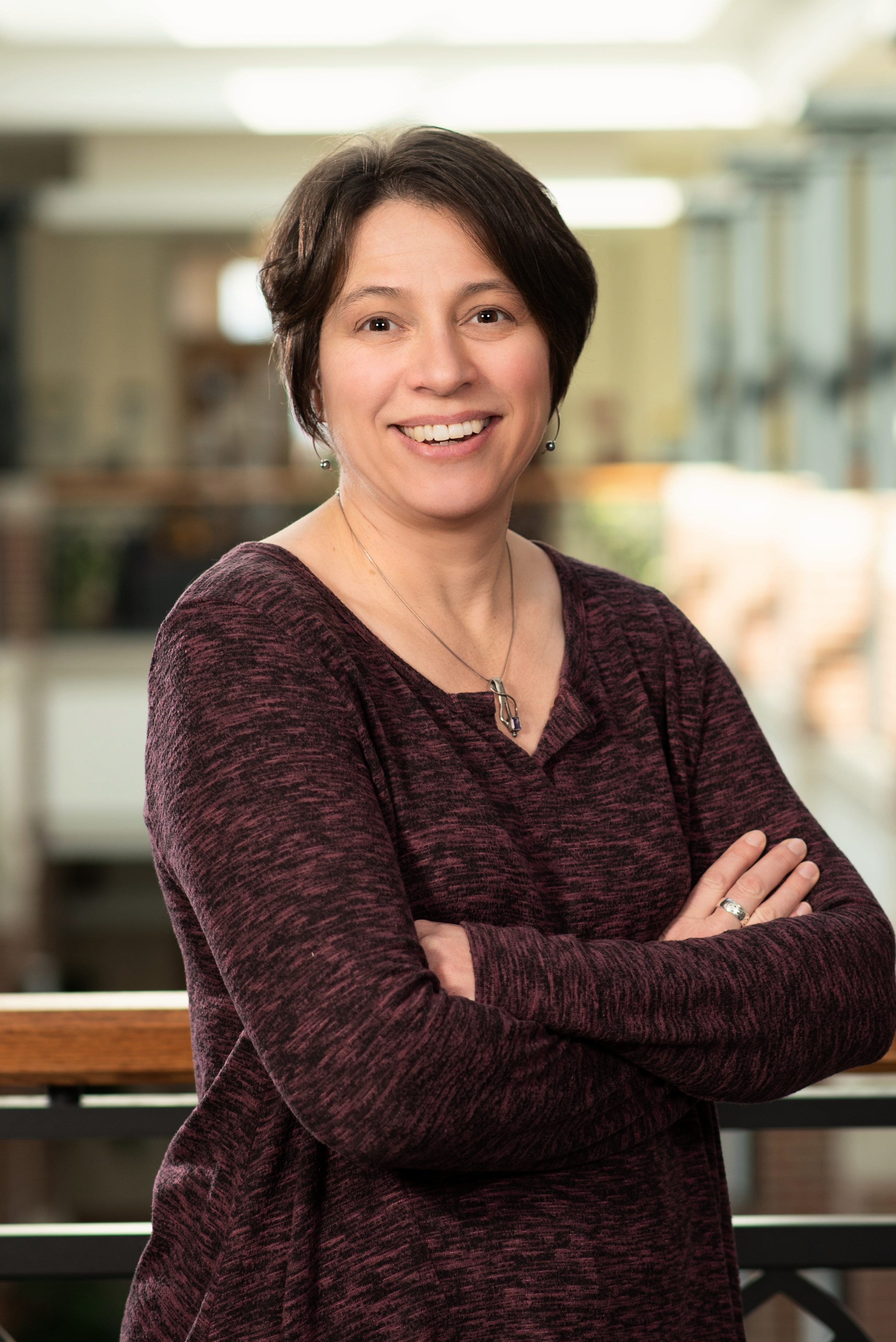
Rebecca Drenovsky is a Professor of Biology and Associate Vice President for Academic Affairs at John Carroll University. She leads research on plant-soil interactions, focusing on adaptations to unique soils (e.g., serpentine, gypsum), invasive species dynamics, nutrient resorption, and STEM education strategies. B.S. in Biology, Aquinas College Ph.D. in Plant Biology, University of California, Davis Post-doctoral research in Soil Microbial Ecology, UC Davis Research Interests: Plant-soil interactions in resource-poor environments Physiological mechanisms of gypsum/serpentine soil adaptation Ecology of aridland communities and restoration strategies Functional traits driving plant invasiveness Environmental constraints on nutrient recycling in plants Scientific Contributions: Coordinated global GYPWORLD consortium NSF-funded SSTEM MIRRORS project on student retention Collaborated with University of Nevada, Las Vegas on drylands algae Teaching: Principles of Biology II & III Plant Physiology (BL 4200/5200) Plant Ecology (BL 4350/5350) Desert Biology (BL 4540/5540) Experimental Design & Analysis (BL 5600)
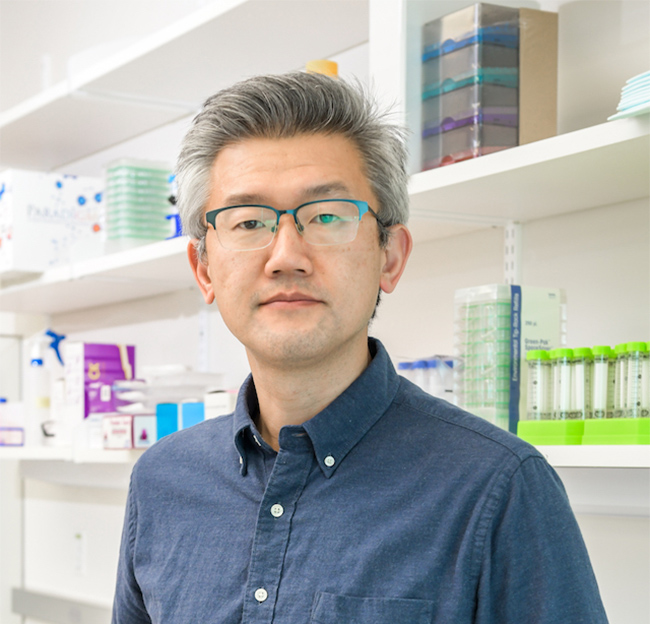
Dr. Yue Hao is a Research Assistant Professor at the Translational Genomics Research Institute (TGen), within the Clinical Genomics and Therapeutics Division. She leads research on the genomic evolution of glioblastoma (GBM) and the identification of therapeutic vulnerabilities, leveraging single-cell and spatial transcriptomics, long-read sequencing, and integrative bioinformatics. Education: Ph.D. in Bioinformatics, North Carolina State University, 2020 Postdoctoral Research, Center for Mechanisms of Evolution, Biodesign Institute, Arizona State University Research Interests: Dr. Hao’s work centers on dissecting the mechanisms underlying GBM initiation, progression, recurrence, and resistance. She investigates tumor heterogeneity, the tumor microenvironment (TME), and sex-based immune differences in GBM. Her studies also explore how telomere dysfunction drives structural variation in glioma cell lines over time, aiming to uncover novel therapeutic targets and advance precision medicine for brain cancer. Publication Trends: Across more than 22 peer-reviewed publications (2017–2025), her research spans three major areas: (1) glioblastoma genomics and therapeutic response, (2) evolutionary genomics of polyploidy and convergent evolution, and (3) computational tool development for single-cell genomics. The most recent papers (2024–2025) emphasize clinical translation, including phase 2 trials and immune-oncology studies in GBM. Laboratory & Collaborations: Dr. Hao is affiliated with the Berens and Barthel Labs at TGen, working closely with interdisciplinary teams to integrate genomic data with clinical outcomes and therapeutic discovery.
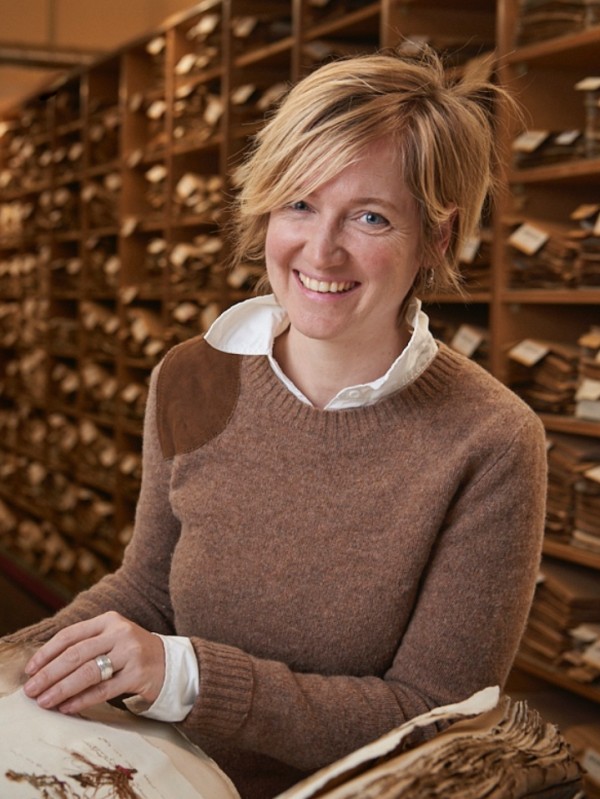
Alessia Guggisberg is a Lecturer at the Department of Environmental Systems Science, ETH Zürich, where she serves as Herbarium Curator of Phanerograms (Z+ZT) at the Institute of Integrative Biology. With a PhD from the University of Zurich and postdoctoral experience at the University of British Columbia, she specializes in plant evolutionary biology and genomics. Her research integrates historical herbarium collections with modern genomic techniques to address fundamental questions in plant evolution and biodiversity. 2003-2008: PhD in Biology, Institute of Systematic Botany, University of Zurich, Switzerland 2001-2002: MSc in Biology, Institute of Biology, University of Neuchâtel, Switzerland 1997-2001: BSc in Biology, University of Neuchâtel, Switzerland Dr. Guggisberg's research focuses on plant evolutionary biology and genomics. Her current projects involve monitoring genetic changes through time and space in members of the genus Murbeckiella (Oreophytoneae - Brassicaceae). She is investigating the phylogeny of the genus using whole-genome sequence data and morphological trait analyses, reconstructing the phylogeography of M. pinnatifida across European mountain ranges, and conducting retrospective genomic monitoring of Swiss populations over the last two centuries. Additionally, she leads several digitization projects at the United Herbaria Z+ZT, including the inventory of the diatom collection of Friederich Meister and the digitization of Gentianaceae holdings. Her work bridges historical botanical collections with modern genomic techniques to address evolutionary questions related to plant adaptation and biodiversity. Dr. Guggisberg's publication record demonstrates a consistent research trajectory spanning plant systematics, evolutionary genomics, and herbarium science. Her early work focused on polyploid complexes and biogeographic patterns in Primula , while later research shifted toward genomic analyses of Arabidopsis and invasive species like Canada thistle. More recently, her publications highlight her growing expertise in herbarium digitization and the application of historical collections to contemporary evolutionary questions. A notable trend is the increasing integration of genomic techniques with traditional botanical methods, reflecting the evolving nature of plant evolutionary research. Dr. Guggisberg has secured multiple SNSF (Swiss National Science Foundation) fellowships, including an SNSF Early Postdoc Mobility Fellowship and an SNSF Advanced Postdoc Mobility Fellowship, demonstrating recognition of her research potential by a major funding agency. She has also received funding from the ETH Library for multiple digitization projects at the United Herbaria Z+ZT. Dr. Guggisberg has been involved in mentoring students and researchers through her various academic positions. Her grant history includes SNSF fellowships that supported her postdoctoral work at the University of British Columbia. More recently, she has secured funding from the ETH Library for multiple digitization projects at the United Herbaria Z+ZT, including the inventory of the diatom collection of Friederich Meister and the digitization of Gentianaceae holdings. She also coordinates sampling for a 3-year pilot study monitoring genetic diversity of plant, fungal, and animal species in Switzerland. Dr. Guggisberg works within the Professur für Ökologische Pflanzengenetik (Chair of Ecological Plant Genetics) at ETH Zürich. She serves as Herbarium Curator of Phanerograms at the United Herbaria Z+ZT. She collaborates with several research groups from the University of Zurich, the University of Basel, the University of Heidelberg, and the Naturalis Biodiversity Center. Her work also involves coordinating with the ETH Library on digitization projects and collaborating with citizen science initiatives like www.floravs.ch.
Carla Silva is a researcher at the Department of Environmental Science and Engineering, MARE, at NOVA School of Science and Technology. She holds a PhD in Marine Science, Technology, and Management from the University of Aveiro, specializing in Ecotoxicology, with earlier degrees in Biology and Applied Biology from the same institution. Education: Bachelor's in Biology (University of Aveiro) Master's in Applied Biology (Toxicology and Ecotoxicology) (University of Aveiro) PhD in Marine Science, Technology, and Management (Ecotoxicology) (University of Aveiro, 2021) Her research focuses on assessing environmental impacts of emerging pollutants like microplastics and toxic plastic additives in aquatic ecosystems. She has participated in projects at CIIMAR, University of Minho, and Polytechnic of Leiria. Her recent work spans diverse fields, including environmental science, biotechnology, psychiatry, and health economics. Carla contributes to the Marine and Environmental Sciences Centre (MARE), advancing studies in pollution, sustainable development, and ecological risk mitigation. Her interdisciplinary approach bridges environmental science with public health and engineering challenges.
Dr. Flaminia Talos is an Assistant Professor in the Departments of Pathology and Urology at Stony Brook University's Renaissance School of Medicine. She maintains her laboratory at the BST Level 8 facility of Stony Brook Medicine in New York. Her educational background includes a PhD in Molecular and Cellular Biology from Stony Brook University (2006) and an MD from the University of Medicine and Pharmacy 'Iuliu Hatieganu' in Cluj-Napoca, Romania (2000). Her professional journey began with surgical training in France and clinical practice in Romania before transitioning to research. Dr. Talos's research program focuses on the molecular mechanisms underlying prostate development, homeostasis, and carcinogenesis. Her work integrates stem cell biology, genomics, and computational approaches to understand epithelial cell dynamics in prostate tissue. She has made significant contributions to understanding the roles of p53 family proteins in genome stability and cancer development, as well as the cellular mechanisms driving prostate cancer progression. Her publication record demonstrates a strong focus on prostate cancer biology, with particular expertise in stem cell dynamics, clonal evolution, and computational systems approaches to understanding disease mechanisms. Recent work has explored immune interactions in prostate cancer microenvironments and DNA replication mechanisms in oncogenesis. Erasmus European Exchange Program Scholarship (2000) Urology Care Foundation Research Scholars Award (2012-2014) National Cancer Institute (NCI) Career Transition Award (K22, NCI #1K22CA188169-01) for 'Clonal analysis of epithelial stem cells in prostate regeneration and cancer' (2014) Dr. Talos has built a robust research program supported by competitive federal funding, particularly through her NCI K22 award. Her work bridges basic science and clinical applications in urological pathology, with a focus on translating molecular discoveries into potential therapeutic approaches for prostate cancer. She is an active member of the International Society for Stem Cell Research (ISSCR) and the American Association for Cancer Research (AACR), contributing to the broader scientific community through these professional organizations.
Matthew T. Rondina, MD, MS, is a Professor in the Departments of Internal Medicine (primary) and Pathology (adjunct) at the University of Utah. He serves as Director of Molecular Medicine at the University and Medical Director of the Thrombosis Service at the Salt Lake City VA Health Center. His research investigates inflammation-driven alterations in platelet and megakaryocyte gene expression, leveraging sequencing technologies and AI/ML for cancer diagnostics and sepsis outcomes. Education M.S., Clinical Investigation, University of Utah Chief Medical Resident, Internal Medicine, University of Utah Residency, Internal Medicine, University of Utah Health Sciences Center Internship, Internal Medicine, University of Utah Health Sciences Center M.D., University of Utah Medical School B.S., Psychology, University of Utah Research Focus Dr. Rondina's laboratory explores: (1) inflammation-induced transcriptional changes in platelets/megakaryocytes; (2) functional impacts of gene expression on stem/peripheral blood compartments; (3) clinical outcomes in thrombotic/infectious diseases; and (4) AI/ML applications for early cancer detection using platelet RNA. His work bridges hematology, immunology, and computational biology. Professional Leadership Board Certified in Internal Medicine Director, Molecular Medicine Program Medical Director, Thrombosis Service (VA Salt Lake City)
Jin Hee Lim is a Professor in the Department of Bioresource Engineering at Sejong University's College of Life Sciences. With a career spanning from 1993 at the National Institute of Horticultural and Herbal Science, RDA, to current academic leadership at Sejong University, their work bridges traditional breeding with modern biotechnology in ornamental horticulture. Ph.D., Kyungpook University (2002) M.S., Daegu Catholic University (1989) B.S., Kyungpook University (1986) Research focuses on chrysanthemum breeding , genetic analysis of ornamental crops , and postharvest quality improvement . Key projects include functional substance analysis in Aster genus plants, genetic diversity studies using SNP markers, and development of preservation solutions for cut flowers. Recent publications (2024-2020) reveal consistent work in antioxidant profiling through HPLC/UV, genotyping-by-sequencing applications, and ethylene regulation in rose vase life. Notable technological integrations include deep neural networks for disease recognition and Raspberry Pi modules for plant monitoring. Current research initiatives involve smart farm applications for ornamental crops, molecular hydrogen treatments in postharvest management, and ICT-based market analysis tools for floriculture optimization.
Hao Zhu, M.D., is an Associate Professor at the Children's Research Institute (CRI) at UT Southwestern Medical Center in Dallas, Texas. He leads a research laboratory focused on understanding the relationship between liver regeneration, wound healing, and cancer formation. Dr. Zhu was one of the first faculty members recruited to join Sean Morrison, Ph.D., at CRI when it was established. His work bridges clinical medicine and basic science, with a particular emphasis on how somatic mosaicism influences chronic liver disease and liver cancer development. Dr. Zhu earned his bachelor's degree in biology from Duke University, followed by an M.D. from Harvard Medical School and MIT. His educational background provided a strong foundation for his dual focus on clinical medicine and scientific research, particularly in the areas of liver biology and cancer. Dr. Zhu's research primarily investigates how injury, regeneration, and wound healing influence organ function and cancer formation, using the liver as a model system. His lab believes that understanding somatic mosaicism is key to deconvoluting the complexity of wound healing. In chronic liver disease, genetically altered clones are selected for or against based on their contribution to tissue healing. His team employs human genomic approaches, in vivo genetic screening, and lineage tracing to understand the functional implications of somatic mosaicism. Dr. Zhu's recent publications reveal several key trends in his research. His work increasingly focuses on identifying the cellular sources of liver regeneration and understanding how somatic mutations in non-cancerous liver tissue can either promote or inhibit disease progression. A significant theme is the zonal heterogeneity of the liver and how different regions (zones 1, 2, and 3) contribute differently to regeneration and cancer development. His lab has made important discoveries about midlobular zone 2 hepatocytes as the main source of new hepatocytes during both homeostasis and after injury. Dr. Zhu has received several notable awards for his research, including the Mark Foundation for Cancer Research Emerging Leader Award in 2021, recognition as a Cancer Prevention and Research Institute of Texas Scholar in Cancer Research, and being named to D Magazine's Dallas 40. These awards acknowledge his innovative approaches to understanding liver cancer and regeneration. Dr. Zhu mentors a diverse group of trainees including M.D./Ph.D. students, Ph.D. students, postdoctoral fellows, and research technicians. His lab has successfully trained numerous scientists who have gone on to faculty positions, industry roles, and clinical careers. Dr. Zhu's research is supported by various grants, including the Mark Foundation award which funds innovative work on immune checkpoint inhibitor resistance in cancer. The Zhu Lab operates within the Children's Research Institute at UT Southwestern, leveraging shared facilities including the Moody Flow Cytometry, Metabolomics, Mouse Genome Engineering, and Sequencing facilities. The lab maintains an interdisciplinary approach, combining expertise in genetics, cell biology, and clinical medicine to tackle complex questions about liver regeneration and cancer.
Khalid Meksem is a Professor in the Department of Plant, Soil, and Agricultural Systems at Southern Illinois University's College of Agricultural Sciences. He joined SIU as an Assistant Professor in 2000, advanced to Associate Professor in 2005, and was promoted to full Professor in 2009. His academic journey includes positions spanning over two decades at SIU where he has established himself as a leading researcher in plant genetics and genomics. Dr. Meksem's educational background demonstrates international training in plant sciences: Ph.D. (1995) from the University of Cologne at the Max-Planck Institute for Plant Genetics and Breeding M.S. (1990) from the University of Paris XI, France, in Plant Molecular and Cellular Biology and Plant Biotechnology B.S. (1989) from the University of Casablanca and the University of Fes, Morocco, in Biology and Genetics His research focuses on the molecular dissection of plant disease resistance mechanisms, particularly against nematodes and fungi, with significant work on soybean and potato genetics. Dr. Meksem's laboratory investigates both structural and functional genomics, exploring genetic diversity and crop improvement through mutation breeding and the generation of alternative alleles. His work bridges fundamental plant science with practical agricultural applications, particularly in developing disease-resistant crop varieties. Analysis of Dr. Meksem's publication history reveals a clear evolution from foundational genomic research to applied biotechnology. Early work focused on mapping disease resistance genes in soybean and potato, while more recent publications demonstrate a strategic shift toward developing transgenic solutions for agricultural challenges, particularly in modifying soybean oil composition and enhancing resistance to cyst nematodes. His research spans plant molecular biology, genomics, bioinformatics, and agricultural biotechnology, with consistent emphasis on practical applications for crop improvement. Dr. Meksem has received significant recognition for his research contributions: College of Agricultural Sciences Research Scholar award (2014) College of Agricultural Sciences Research Scholar award (2008) As an active member of the scientific community, Dr. Meksem serves as an editor and ad hoc reviewer for numerous international scientific journals and for national, federal, and international granting agencies. His laboratory has produced over 60 refereed manuscripts and 3 book chapters, in addition to editing 3 books. Dr. Meksem's research program has been supported through multiple patents, with recent work focusing on soybean genetic engineering for improved oil profiles and nematode resistance. His laboratory maintains active collaborations with other institutions, including the University of Missouri, as evidenced by joint patent applications.
Andrew W. Duncan, PhD is an Associate Professor of Pathology in the Division of Experimental Pathology at the University of Pittsburgh School of Medicine. He is a core faculty member in the McGowan Institute for Regenerative Medicine, a member of the University of Pittsburgh Cancer Institute, and holds a secondary appointment in the Department of Bioengineering. Dr. Duncan's research focuses on liver development, homeostasis, and regeneration, with particular emphasis on hepatic polyploidy and aneuploidy. His lab investigates how polyploid hepatocytes undergo specialized cell divisions to form aneuploid daughter cells, generating genetic diversity within the liver. This research has revealed that aneuploid hepatocytes play specialized roles in liver regeneration, promoting adaptation and resistance to chronic liver injury. His work bridges fundamental cell biology with potential clinical applications in liver disease and cancer. Recent publications demonstrate Dr. Duncan's active research program with significant contributions across multiple aspects of liver biology. His work spans from basic mechanisms of hepatocyte polyploidy to translational applications in liver disease and cancer, appearing in high-impact journals including Hepatology, Gastroenterology, and Nature. Core faculty member, McGowan Institute for Regenerative Medicine Member, University of Pittsburgh Cancer Institute Secondary appointment, Department of Bioengineering Member, Cellular and Molecular Pathology Graduate Training Program Dr. Duncan maintains an active research program with NIH funding supporting multiple projects. His lab provides training opportunities for graduate students and postdoctoral fellows interested in liver biology, regeneration, and disease mechanisms. The lab collaborates extensively across disciplines to advance understanding of liver physiology and pathology. The Duncan Lab is part of the McGowan Institute for Regenerative Medicine, providing access to state-of-the-art facilities and interdisciplinary research opportunities in regenerative medicine and tissue engineering.
Stephen Novak is a Professor in the Department of Biological Sciences at Boise State University's College of Arts and Sciences, where he has served since 1993. Previously, he completed a postdoctoral fellowship at Washington State University's Department of Botany (1990-1992). His academic credentials include: B.S. in Environmental Science, Johnson State College (1978) M.S. in Plant Pathology, University of Massachusetts (1981) Ph.D. in Botany, Washington State University (1990) Novak's research investigates plant population dynamics through the lens of evolutionary biology, emphasizing genetic variation mechanisms such as founder effects during species introductions, gene flow constraints, and polyploid speciation outcomes. His work bridges ecological field studies with genetic analysis to understand adaptation in changing environments, particularly regarding invasive plant species like Bromus tectorum. Scientific Awards: No awards documented in source material He actively teaches core ecology and evolution courses including General Ecology, Organic Evolution, and Conservation Biology, maintaining a strong educational presence. While specific grant details are unlisted, his three-decade research trajectory indicates sustained scholarly activity. No laboratory infrastructure or team composition details are provided.
Jay Cross is a Professor in the Department of Medical Genetics at the University of Calgary, holding a Doctorate of Veterinary Medicine (DVM). His research integrates developmental genetics with molecular mechanisms to investigate reproduction and stem cell biology. Research interests span: Developmental Genetics Molecular Mechanisms of Cell Fate Reproductive Biology Stem Cell Differentiation Endoreduplication and Cell Cycle Control Placental and Cardiac Morphogenesis Cross's lab pioneers three interconnected research domains: First, transcriptional regulation of trophoblast differentiation where Hand1 and Mash2 control giant cell formation while Gcm1 drives syncytiotrophoblast development. Second, mechanistic studies of endoreduplication revealing how Cdc14/Sna/Cdc5 maintain mitotic competence and p57Kip2 resets cell cycle machinery in polyploid cells. Third, morphogenetic analysis demonstrating that Hand1 governs heart tube looping while Gcm1 directs placental branching—establishing shared pathways between organ systems. This work provides fundamental insights into developmental disorders affecting pregnancy and cardiac function. While specific grant details aren't provided, the lab maintains active research programs in developmental genetics with implications for reproductive health and regenerative medicine. Prospective students receive training in advanced molecular techniques while investigating critical questions in cell fate determination and tissue organization. The research group operates within the Department of Medical Genetics, focusing on conserved developmental mechanisms across trophoblast and cardiac systems. Current work integrates transcriptional regulation, cell cycle control, and morphogenetic processes to unravel fundamental principles of mammalian development.
Claudia Solís-Lemus is an Assistant Professor in the Department of Plant Pathology at the University of Wisconsin-Madison, where she develops statistical and machine learning methods to solve complex biological problems. Her work bridges computational statistics with plant pathology and evolutionary biology, focusing on network-based approaches to genomic and microbiome data. Educational background: PhD in Statistics, University of Wisconsin–Madison Her research centers on phylogenetic network inference , microbiome analysis , and high-dimensional statistical modeling . She creates open-source tools like CMiNet and MiNAA to empower biologists with robust network analysis capabilities. Her lab tackles challenges in biodiversity research, agricultural disease prediction, and microbial ecology through innovative computational frameworks that handle massive biological datasets. Analysis of her 2024-2025 publications reveals a cohesive focus on scalable network inference methods across phylogenetics and microbiome studies. She integrates Bayesian statistics, regularization techniques (e.g., spike-and-slab LASSO), and high-performance computing to address data complexity. Her work consistently emphasizes practical software implementation (R packages, Shiny apps, Julia tools) for real-world biological applications including potato disease prediction, hornwort evolution, and freshwater ecosystem dynamics. Scientific recognition: NSF CAREER Award (2022) for "Towards Scalable and Robust Inference of Phylogenetic Networks" Dr. Solís-Lemus leads an interdisciplinary research group at the Wisconsin Institute for Discovery, securing competitive grants to advance phylogenetic network methodology. Her CAREER project combines algorithmic innovation with educational outreach to train next-generation computational biologists. Current efforts focus on improving network inference for polyploid genomes and developing consensus methods for microbiome data integration across diverse environmental conditions. The Solís-Lemus Lab operates within UW-Madison's Wisconsin Institute for Discovery ecosystem, fostering collaborations between statisticians, computer scientists, and biologists. Her team actively develops user-friendly software to lower computational barriers for life scientists studying evolutionary processes and microbial communities.
Nidhi Rawat is an Associate Professor at the Department of Plant Science and Landscape Architecture , College of Agriculture and Natural Resources, University of Maryland. Her research focuses on gene discovery, fungal pathogen resistance, and molecular interactions in wheat. Ph.D. in Plant Biotechnology (IIT Roorkee, 2009) Postdoctoral Research (Kansas State University, 2016) University Gold Medalist (HNBG University, 2004) Her lab investigates plant resistance/susceptibility mechanisms against Fusarium graminearum , develops genetic solutions for wheat diseases, and explores wild relatives for disease resistance. Recent work includes TILLING mutagenesis, KASP marker validation, and amylose enhancement in wheat. Her research spans Plant Genetics , Fungal Pathogen Interactions , and Crop Improvement . Awards include NSF CAREER and Dean’s Grantsmanship Award. Collaborations include Kansas State University, IIT Roorkee, and international teams in Nature Genetics and other journals. 2021 Dean’s Grantsmanship Award 2020 NSF CAREER Award 2020 AGNR Junior Faculty Award 2008 NSERC Fellowship She advises graduate and undergraduate students in plant pathology and functional genomics, with grants from NSF and USDA. Her lab produces high-impact work on wheat disease resistance and nutritional enhancement strategies.
Hanna Schneeweiss is a Professor at the Department of Botany and Biodiversity Research , University of Vienna. Her work focuses on plant evolutionary biology, cytogenetics, and systematics, with particular emphasis on chromosomal evolution, hybridization, and biogeography. Current Teaching: Courses include Plant Chromosome Structure, Genome Evolution, and Systematic Botany Research Themes: Chromosomal speciation, polyploidy, and ecological-genomic interactions Her recent research explores the interplay between chromosomal changes and species diversification across multiple plant lineages. A recurring theme in her publications involves analyzing repetitive DNA elements, karyotype dynamics, and phylogenetic relationships in polyploid complexes. Key trends in her work include: Investigating chromosomal evolution in genera like Melampodium , Dactylorhiza , and Prospero Developing molecular cytogenetic techniques such as formamide-free genomic in situ hybridization Integrating biogeography with genomic data to understand long-distance dispersal patterns