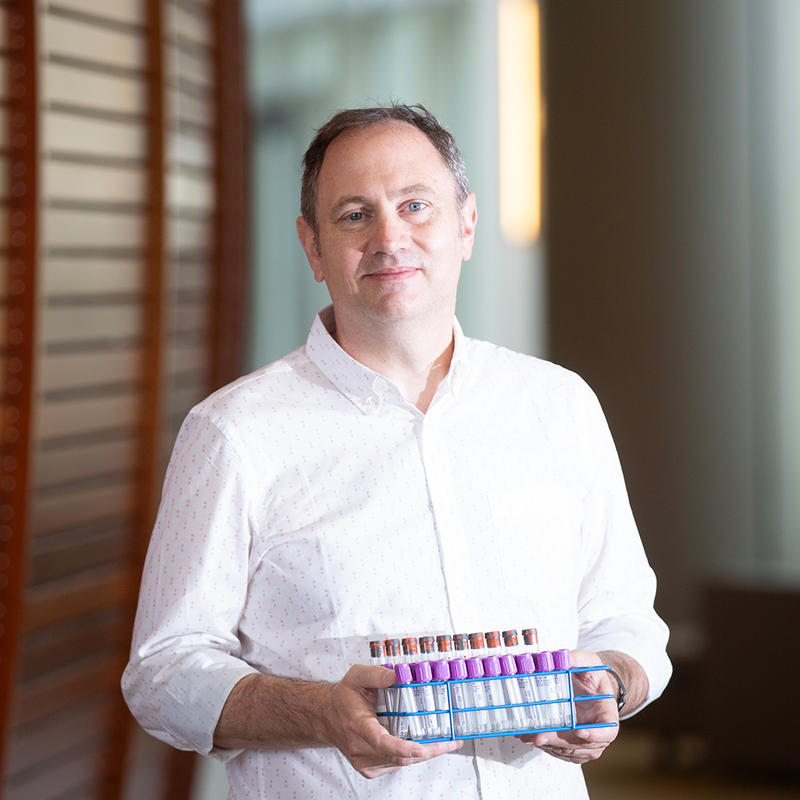
Michal J. Cidon is a Clinical Assistant Professor of Pediatrics at the Keck School of Medicine, University of Southern California. His clinical and research expertise bridges pediatric rheumatology and pulmonology, focusing on interstitial lung disease, autoimmune disorders, and systemic inflammatory conditions. Key research areas: Pediatric Rheumatology, Pulmonary Fibrosis, Medical Education, and Clinical Trials Prominent work includes studies on juvenile dermatomyositis, biologic therapies for autoimmune diseases, and ventilation-perfusion mismatches in respiratory illnesses Recent publications highlight advancements in understanding rare lung diseases and improving fellowship training through competency milestones
Jane T. Kurtzman, MD, serves as an Assistant Professor in the Department of Surgery at the University of Utah, specializing in urology with dual clinical focus on adult reconstructive urology and gender-affirming surgical care. She practices at the University of Utah Hospital Urology Clinic and leads innovative global health initiatives through GU-IMPACTS, a multi-institutional program providing longitudinal urology training in Rwanda and Cambodia. Her educational trajectory includes: B.A. in Anthropology and Religion from Dartmouth College M.D. from SUNY Downstate College of Medicine General Surgery Internship at NewYork-Presbyterian Hospital, Columbia University Irving Medical Center Urology Residency at NewYork-Presbyterian Hospital, Columbia University Irving Medical Center Genitourinary Injury and Reconstruction Fellowship at the University of Utah Dr. Kurtzman's research program centers on complex reconstructive challenges including radiation-induced injuries, neurogenic bladder management, and urethral stricture disease, with particular emphasis on surgical innovation for high-risk patients. Her gender-affirming surgery expertise addresses critical gaps in transgender healthcare, while her global health work through GU-IMPACTS develops sustainable training models for urologic care in resource-limited settings. Recent publications demonstrate methodological rigor across clinical outcomes research, surgical technique refinement, and healthcare equity analysis. Analysis of her 15 most recent publications (2018-2023) reveals three dominant research vectors: (1) Technical innovation in urethroplasty and artificial urinary sphincter placement with focus on graft selection and complication prevention; (2) Healthcare disparities research examining bias in patient satisfaction metrics and access barriers to reconstructive procedures; (3) Global surgery capacity building through curriculum development and outcomes assessment in low-resource settings. Her work consistently bridges clinical practice with systems-level improvements. As Co-Founder and Director of GU-IMPACTS, Dr. Kurtzman leads a pioneering effort to establish sustainable urology subspecialty training in Rwanda and Cambodia, addressing critical workforce shortages through longitudinal mentorship. Her clinical practice receives exceptional patient feedback (4.8/5 average from 18 reviews), with consistent praise for her technical expertise, compassionate communication, and commitment to patient-centered care across complex reconstructive cases.
Christopher M. Watson is a Professor of Pediatrics at the Medical College of Georgia, Augusta University, and serves as Assistant Dean for Student Affairs. He is a pediatric intensivist at the Children’s Hospital of Georgia, contributing to clinical care, education, and administrative leadership. Education: MPH in Crisis/Emergency/Disaster Management, Johns Hopkins University, 2009 MD in Medicine, Georgetown University, 2003 BS in Biology/Biological Sciences, Georgetown University, 1999 Research Interests: Pediatric trauma and critical care Disaster preparedness and response Medical education and simulation Recent Scholarship Trends: His recent publications focus on mass casualty events, critical care protocols, and adenoviral respiratory infection mortality in pediatric patients. He also explores virtual recruitment strategies in medical subspecialties. Scientific Awards & Honors: Educator of the Year, Medical College of Georgia (2024) Leonard Tow Humanism in Medicine Award, MCG Gold Humanism Honor Society (2024) Gold Humanism Honor Society, Medical College of Georgia (2023) Fellowship in the American College of Critical Care Medicine (ACCM), Society of Critical Care Medicine (2020) Presidential Citation, Society of Critical Care Medicine (2019) Service & Leadership: Dr. Watson has served on the CHOG Pediatric Trauma Committee (2017–Present), CHOG PICU Quality Unit Council (2017–Present), and as Pediatric Critical Care Fellowship Program Director (2018–2022). He contributes to national organizations including the SCCM Pediatric Fundamental Critical Care Course and ACGME Pediatric Critical Care Milestones Workgroup.
Mario Davidson is an Associate Professor of Biostatistics and Associate Vice Chair of Outreach and Career Development at Vanderbilt University School of Medicine. He serves as Course Director for Statistical Collaboration in Health Science and Director for Classroom Peer Reviews in the Educator Development Program. His roles emphasize biostatistical education, clinical collaboration, and faculty development. Education: PhD in Statistics/Mathematics, The Ohio State University Davidson's research focuses on biostatistical applications in clinical medicine, particularly in medical education innovations. His recent work explores case-based learning frameworks like DEPICT, competency-based assessments in medical admissions, and flipped classroom models for elder care training. He also investigates bias mitigation in clinical settings and ethical reasoning in data science. Key trends in his publications include: Statistical collaboration pedagogy Competency-based medical education Health equity interventions Clinical outcomes in transplantation and oncology Biomarker prognostic modeling Global health epidemiology
S. Jean Emans is a Professor at Boston Children's Hospital, specializing in adolescent and young adult medicine, gynecology, and medical education. Her research focuses on reproductive endocrinology (e.g., menstrual disorders, polycystic ovary syndrome), contraception, vulvovaginal health, and health equity initiatives. She has pioneered web-based curricula for primary care physicians in adolescent health and contributed to policies addressing disparities in pediatric care. Her work spans basic science (e.g., longevity mechanisms in Caenorhabditis elegans ) to clinical practice, including studies on cystic fibrosis, anorexia nervosa, and adolescent sexual health. Emans has led initiatives to establish health equity offices in academic medical centers and evaluated the impact of mentorship programs on faculty retention. Publications highlight her multidisciplinary approach, addressing topics from pandemic response (e.g., early COVID-19 impacts on adolescent health programs) to interprofessional education in cystic fibrosis care. She has also championed policies to improve access to reproductive health services for adolescents.
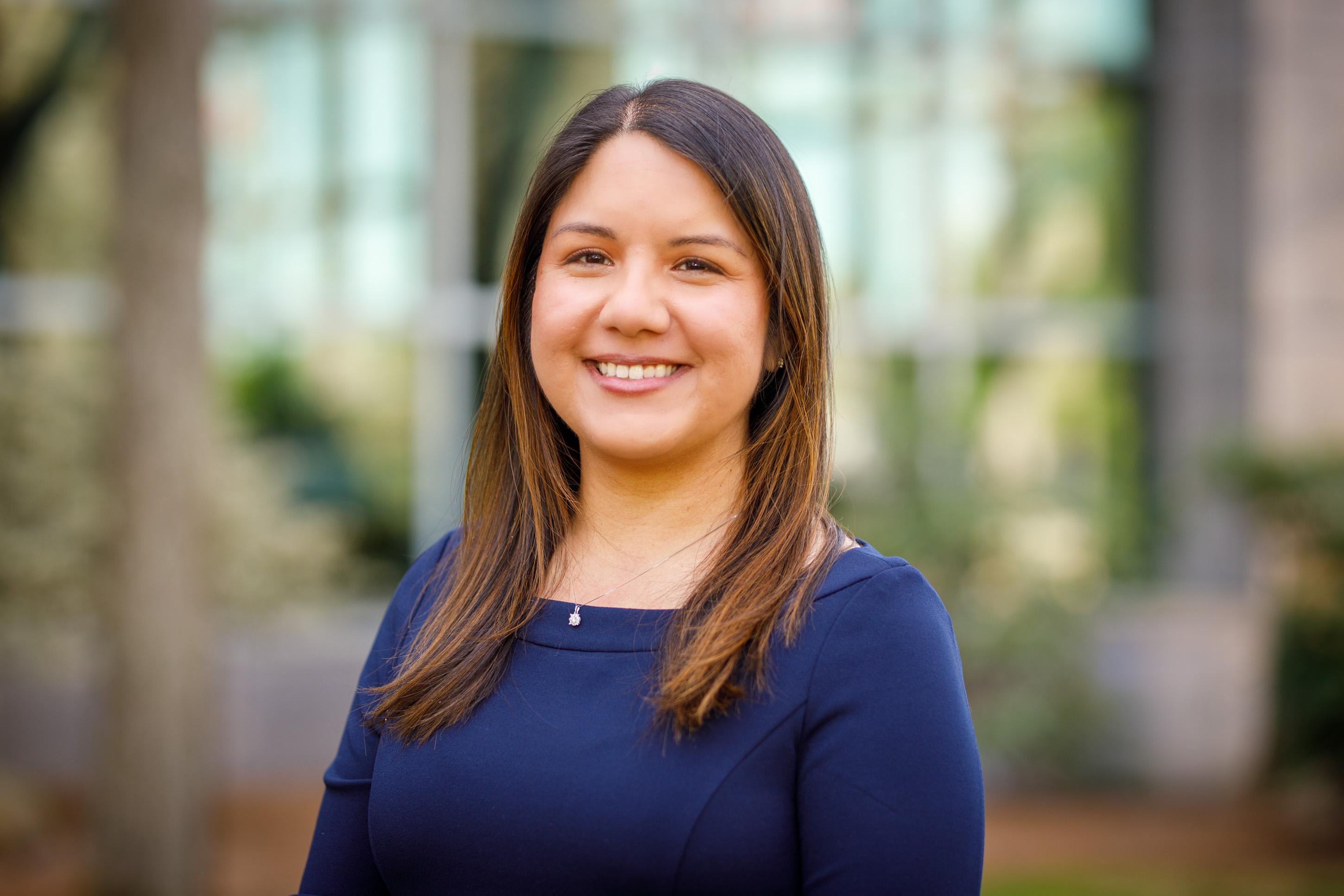
Anarina Murillo, PhD, is an Assistant Professor of Biostatistics on the Teaching Scholar Track at Brown University’s Department of Biostatistics. She holds a PhD in Applied Mathematics and Statistics from Arizona State University. Her career includes a NIH-funded postdoctoral fellowship at the University of Alabama at Birmingham’s Nutrition Obesity Research Center and Visiting Faculty appointments at NYU’s Global Public Health School. She has extensive experience leading clinical research collaborations with Advance-CTR, Hasbro Children’s Hospital, and Women & Infants Hospital. Her research focuses on health disparities, chronic disease epidemiology, and implementation science. Methodologically, she specializes in mathematical modeling of public health interventions, measurement error correction in nutrition studies, and big data analytics. She designs curricula integrating data science principles across undergraduate and graduate education. Key awards include the NIH NHLBI PRIDE RISE Fellowship (2020) and University of Pennsylvania’s CICADA Scholars Program (2022). Her work bridges statistical rigor with practical healthcare challenges, emphasizing equity in clinical trial design and community-based interventions. Her recent publications explore opioid analgesia education for pediatric trainees, infant dietary interventions to prevent obesity, and modeling SARS-CoV-2 transmission dynamics. She collaborates with interdisciplinary teams to address systemic barriers in healthcare access and provider training.
Dr. Sharon E. O'Brien is a Clinical Associate Professor of Pediatrics and Director of Pediatric Cardiology at Boston University's Chobanian & Avedisian School of Medicine. She holds dual board certifications in Pediatrics and Pediatric Cardiology. Her clinical and research focus revolves around echocardiography, fetal echocardiography, and cardiovascular outcomes in pediatric populations. Dr. O'Brien's academic appointments include roles in both the Department of Pediatrics and the Pediatric Subspecialties division. Education: AB Degree from Harvard University MD from Loyola University Stritch School of Medicine (1992) Residency at Tufts-New England Medical Center Fellowship in Pediatric Cardiology at Yale-New Haven Hospital Research Interests: Dr. O'Brien's work emphasizes innovative ultrasound techniques for pediatric cardiac assessment, with a focus on point-of-care applications. Her research also addresses socioeconomic determinants of cardiovascular health in urban pediatric populations and the long-term cardiovascular effects of antiretroviral therapies in HIV-exposed infants. She has contributed to studies on congenital heart defects, perioperative care models, and physician resilience in academic medicine. Publications: Her 15+ peer-reviewed articles span pediatric cardiology innovations, telemedicine applications in perioperative care, and clinical outcomes research. Notable topics include echocardiographic assessment of tricuspid valve function, recurrent cardiac arrests in congenital anomalies, and cardiovascular impacts of HAART exposure. Professional Activities: Available as a mentor in career development, education, and research project guidance Active in clinical guideline development and patent-related research Media contributions on pediatric heart health awareness Affiliations: Boston Medical Center Provider LinkedIn Professional Profile ORCID: 0000-0002-5481-2210
Michael Green is a Professor of Pediatrics at UT Southwestern Medical Center, practicing in the Pediatric Intensive Care Unit (PICU) and Cardiac Intensive Care Unit (CVICU) at Children’s Medical Center. His academic roles include serving as the UTSW Assistant Dean for Graduate Medical Education and Designated Institutional Official (DIO) since 2023, and previously as Director of the Pediatric Critical Care Fellowship Program from 2016-2023. He holds leadership positions on the ethics committee at Children’s Medical Center and contributes to national initiatives in medical education through the Educators in Pediatric Intensive Care (EPIC) research group. Education: Baylor University (2000) UT Health Science Center at San Antonio (2004) Pediatric Residency: Vanderbilt University Medical Center (2007) Pediatric Critical Care Fellowship: Boston Children’s Hospital (2010) Program in Clinical Effectiveness, Harvard School of Public Health (2008) His research focuses on medical education innovation, leadership competency development in pediatric critical care, and improving clinical outcomes through evidence-based practices. Notable contributions include multicenter studies on fellow training programs and quality improvement tools for clinical procedures. Recent publications address fluid management protocols, virtual recruitment strategies for subspecialty programs, and ECMO outcomes in pediatric cardiac patients. His work bridges clinical practice, education, and administrative leadership to advance pediatric critical care standards.
Mona P. Gera is a Clinical Associate Professor of Pediatrics (Clinician Educator) at the University of Southern California. She serves as Medical Director of Integrated Care Delivery at Children's Hospital Los Angeles (CHLA), focusing on improving pediatric healthcare systems. Her work bridges clinical practice with educational initiatives in medical training. Her research interests center on developmental screening in primary care settings, healthcare disparities affecting pediatric populations, and optimizing care delivery for vulnerable children. She has published extensively on topics including electronic health record integration for developmental assessments and pediatric subspecialty workforce challenges. Her recent publications (2020-2025) demonstrate a focus on acute care utilization patterns among preterm infants, stress responses in youth during public health crises, and systemic improvements in Federally Qualified Health Centers. No specific scientific awards are listed in available materials. No formal grant details or student advising records are provided in the source text. Her professional role at CHLA indicates involvement with clinical teams focused on integrated care models.
Lindsay Johnston, MD, is an Associate Professor of Pediatrics (Neonatal-Perinatal Medicine) at Yale School of Medicine. She serves as the Director of Fellowships in Pediatrics and Associate Director of the Neonatal-Perinatal Medicine Fellowship Training Program, playing a pivotal role in graduate medical education. Her clinical work is centered in the Newborn Intensive Care Unit (NICU) at Yale New Haven Children’s Hospital, where she cares for critically ill neonates. Department: Department of Pediatrics Division: Neonatal-Perinatal Medicine Administrative Roles: Director of Fellowships, Associate Director, Fellowship Training Program Professional Affiliations: International Pediatric Simulation Society, Extracorporeal Life Support Organization (ELSO), Organization of Neonatal Training Program Directors Dr. Johnston’s academic focus lies in medical education, with research interests in simulation-based training, procedural competency assessment, curriculum innovation (including flipped classroom models), and leadership in fellowship programs. She is a Certified Healthcare Simulation Educator and completed the LEAD program through the Association of Pediatric Program Directors, reflecting her commitment to educational excellence. Her recent publications highlight trends in educational leadership, equity in neonatology, and innovative teaching methodologies. She has published extensively in journals such as Academic Pediatrics and Journal of Perinatology , often exploring themes of assessment frameworks (CBME, EPAs, milestones), diversity in fellowship recruitment, and the integration of international medical graduates. Scientific Awards and Recognition: APPD LEAD Cohort Participant Dr. Johnston is actively involved in advising and educational leadership. She leads national initiatives in fellowship curriculum development and assessment. Her work has been supported through professional development programs and collaborative research grants focused on improving training systems in neonatology. She is a frequent contributor to discussions on transparency in compensation and clinical expectations, particularly as they affect women in academic medicine. She is a key figure in simulation-based education and serves as Co-Director for simulation initiatives within the Extracorporeal Life Support Organization. Her work fosters interprofessional team training and enhances procedural safety in critical neonatal care.
André Bourgault is a Health Sciences Assistant Clinical Professor in the Department of Pathology and Cell Biology at the Faculty of Medicine, Université de Montréal. His professional email is andre.bourgault@msp.gouv.qc.ca and he can be reached at 514 873-3301, ext. 61415. Dr. Bourgault specializes in Forensic pathology and Anatomo-pathology, with more recent research focusing on critical care nursing, mechanical ventilation, healthcare staffing, menopause, and antiracism initiatives in healthcare. His work spans both clinical pathology and nursing practice, demonstrating a broad interdisciplinary approach to medical research and education. Analysis of his publication history reveals a significant shift in research focus over time. Early in his career (1979-1986), he published primarily in pathology and anatomical sciences, with articles on liver pathology, skin lesions, and neurological disorders. More recently (2016-2025), his work has focused on critical care nursing, mechanical ventilation protocols, healthcare staffing issues, and social aspects of healthcare including antiracism initiatives and professional identity in nursing. This evolution demonstrates his ability to adapt to changing healthcare needs and contribute across multiple medical disciplines. From 2011 to 2015, Dr. Bourgault served as a member of two committees of the Royal College of Physicians of Canada, working toward the recognition of forensic pathology as an officially recognized subspecialty. Between 1998-2000, he participated in developing questions for the anatomopathology examination of the Collège des médecins du Québec. From 1998-2010, he served as scientific coordinator of the pathology section of the LSJML. Dr. Bourgault maintains active involvement in both clinical practice and academic research, with publications spanning over four decades. His recent work in critical care nursing suggests ongoing engagement with contemporary healthcare challenges and a commitment to improving patient outcomes through evidence-based practice.
Kristen T. Leeman is an Associate Professor of Pediatrics at Harvard Medical School and serves as Associate Medical Director of the Neonatal Intensive Care Unit (NICU) at Boston Children’s Hospital. She leads quality improvement initiatives to enhance care for critically ill newborns and directs the Harvard Neonatal-Perinatal Medicine Fellowship Program. Harvard Medical School (MD) University of North Carolina (Residency, Pediatrics) Harvard Neonatal-Perinatal Fellowship Program (Fellowship) Division of Newborn Medicine, Boston Children’s Hospital Her research focuses on neonatal lung diseases, particularly bronchopulmonary dysplasia (BPD), and she investigates stem cell therapies for lung repair. She also works on implementing evidence-based practices through quality improvement science and has published extensively on NICU care, BPD management, and gender equity in neonatology. Recent publications highlight her work on mentorship programs for women in neonatology, respiratory care standardization in NICUs, and translational studies on lung stem cell biology. These studies span neonatal pulmonology, medical education, and clinical quality improvement. She has received multiple scientific grants including: NIH K12 Child Research Center Grant Pulmonary Fibrosis Foundation IM Rosenzweig Young Investigator Award Ikaria Advancing Newborn Grant AMA Foundation SEED Grant Her clinical roles include directing quality initiatives and mentoring trainees in the Harvard Neonatal-Perinatal Medicine Fellowship. She collaborates with multidisciplinary teams in the Division of Newborn Medicine and contributes to global neonatal health initiatives.
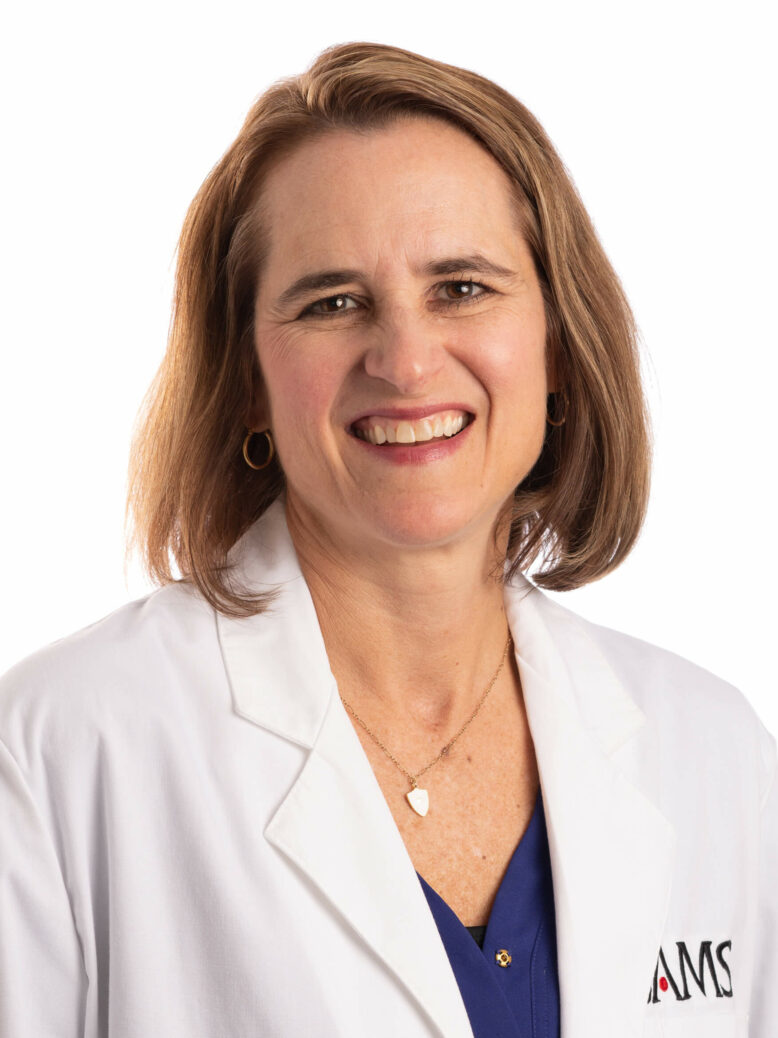
Jill J. Fussell, M.D., is a Professor in the Department of Pediatrics at the University of Arkansas for Medical Sciences (UAMS) College of Medicine, specializing in Developmental-Behavioral Pediatrics. She serves as Vice Chair for Fellowship Education and Director of the Developmental Behavioral Pediatrics Fellowship Program. Her clinical and research expertise focuses on Autism Spectrum Disorders and Pediatric Medical Education. Dr. Fussell has held leadership roles nationally, including on the Society for Developmental and Behavioral Pediatrics board and as Chair of the National Council of Pediatric Subspecialties Executive Committee. She is an Alpha Omega Alpha honor society member and maintains clinical practices at the James L. Dennis Developmental Center and Arkansas Children’s Hospital. Education: Medical School at UAMS (MD), Fellowship in Developmental Behavioral Pediatrics at Medical University of South Carolina. Professional certifications include American Board of Pediatrics in General and Developmental-Behavioral Pediatrics. Research interests emphasize diagnostic approaches for autism and optimizing medical education curricula. Recent work explores fellowship training readiness and interdisciplinary diagnostic practices. Her leadership contributions have shaped national pediatric subspecialty education policies.
Miya Bernson-Leung is an Assistant Professor of Neurology at Harvard Medical School and Associate in the Department of Neurology at Harvard Medical School. She serves as Director of the Child Neurology Residency Training Program and Medical Director of Continuing Education at Boston Children's Hospital. Her roles include teaching medical students, residents, and practicing physicians while advancing neurology education through cross-disciplinary initiatives. She holds an MD from Harvard Medical School (2010) and an EdM from the Harvard Graduate School of Education (2017), supported by the Zuckerman Fellowship. Professional history highlights her focus on pediatric stroke, cerebrovascular disorders, and medical education innovation. Education includes: Bachelor's degree in Neuroscience from Harvard College (2006) MD from Harvard Medical School (2010) Residency in Neurology at Boston Combined Residency Program (2015) EdM in Education from Harvard Graduate School of Education (2017) Fellowships in Stroke/Cerebrovascular Disorders and Medical Education at Boston Children's Hospital (2017) Research interests focus on pediatric stroke, cerebrovascular disorders, and medical education. She explores educational strategies in residency training, online/blended learning models, and inter-institutional collaboration. Notable work includes studies on pediatric stroke recurrence, electronic consult systems, and curriculum design for trainees. Publications reflect her dual expertise in clinical neurology and education, with recent emphasis on continuing professional development in healthcare and pandemic-era educational adaptations. Awards include the Zuckerman Fellowship (2017). She leads residency programs and oversees continuing education initiatives, emphasizing collaboration between primary care and specialty providers. Labs/teams: Active in Boston Children's Hospital’s Neurology Department and Stroke and Cerebrovascular Center. Collaborates across institutions to advance pediatric neurology education and clinical care.
Patrick Sullivan is a Professor of Epidemiology at Emory University's Rollins School of Public Health, where he has worked since 2008. He holds dual appointments in the Department of Epidemiology and the Hubert Department of Global Health. Sullivan is a board-certified veterinary preventive medicine specialist and epidemiologist, and a Fellow of the American College of Epidemiology. His work focuses on HIV/STI prevention, leveraging surveillance data, intervention development, and innovative technologies like AIDSVu.org, a public health data visualization platform. He has extensive experience in global health, including 14 years at the CDC, and is Editor-in-Chief of the Annals of Epidemiology . Education: DVM, University of Tennessee PhD, University of Tennessee Research Interests: Sullivan’s research spans HIV/AIDS prevention, disease surveillance, and the application of information technology to public health challenges. He investigates behavioral drivers of infectious diseases, evaluates PrEP (pre-exposure prophylaxis) implementation strategies, and develops data-driven interventions to reduce health disparities. His work emphasizes equity-focused approaches to combatting epidemics such as HIV, hepatitis, and sexually transmitted infections. Publications & Awards: With over 200 peer-reviewed articles, Sullivan’s work is widely cited in public health policy. His awards include Fellowships from the American College of Epidemiology and Diplomate statuses in Veterinary Preventive Medicine and its Epidemiology subspecialty. Advising & Grants: Chaired 71 MPH and 20 doctoral committees Mentored 4 CDC Epidemic Intelligence Service (EIS) officers Supported 7 postdoctoral fellows Labs/Teams: He leads PRISM Health Group, which develops technology-based interventions (e.g., mobile apps) and conducts large-scale surveillance initiatives like AIDSVu.org, HEPU.org, and COVIVU.org. These platforms provide actionable data on HIV, hepatitis, and pandemic trends.