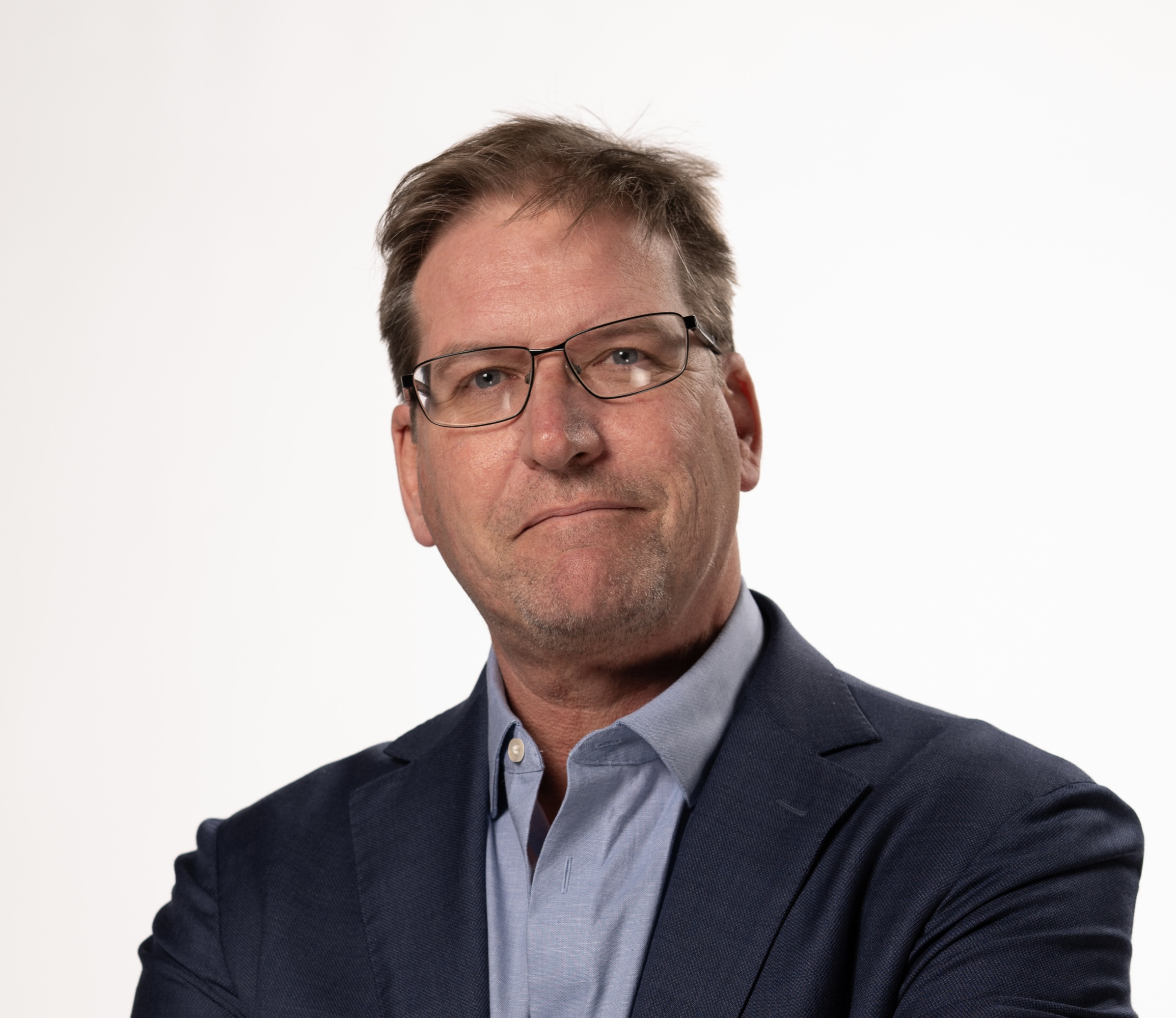
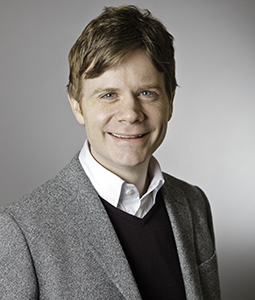
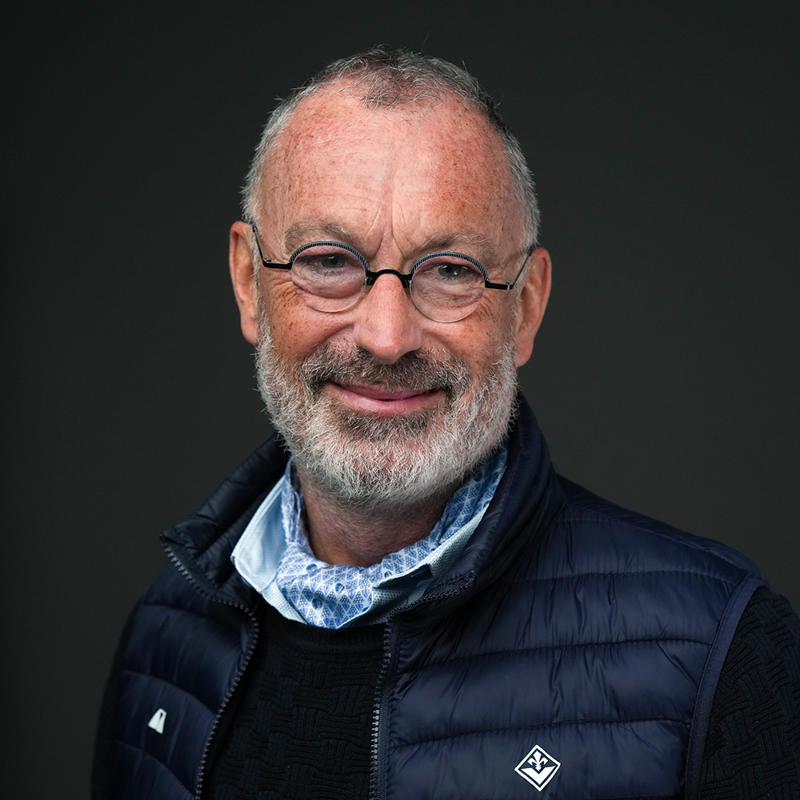
Dr. Gavin Mount is a researcher at UNSW Canberra , specializing in non-traditional security studies , ethnic conflict , and the sociopolitical implications of emerging technologies . His work bridges theoretical analysis with practical applications in conflict transformation and defense studies. Research Focus: Global politics of ethnic conflict, hybrid peace/war frameworks, and socio-political impacts of drone technology. Teaching: Courses like Ethnic Conflict in World Politics and Law, Force and Legitimacy , with a focus on military education and strategic studies. Publications: Recent work includes contributions to Thinking Swarms (2025) and Hybridity on the Ground in Peacebuilding and Development (2018). Grants: Leads the Curricula Integration of Student Wellbeing Resources project under HERDSA. Key Themes across his research include the intersection of technology and conflict, evolving defense paradigms, and pedagogical innovations in security studies.
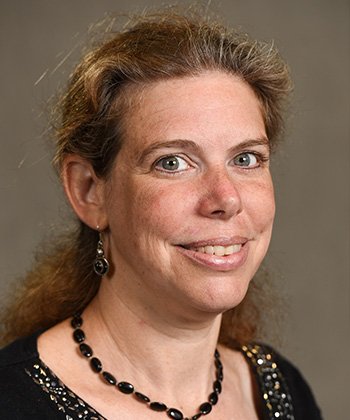
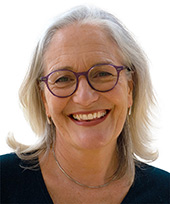
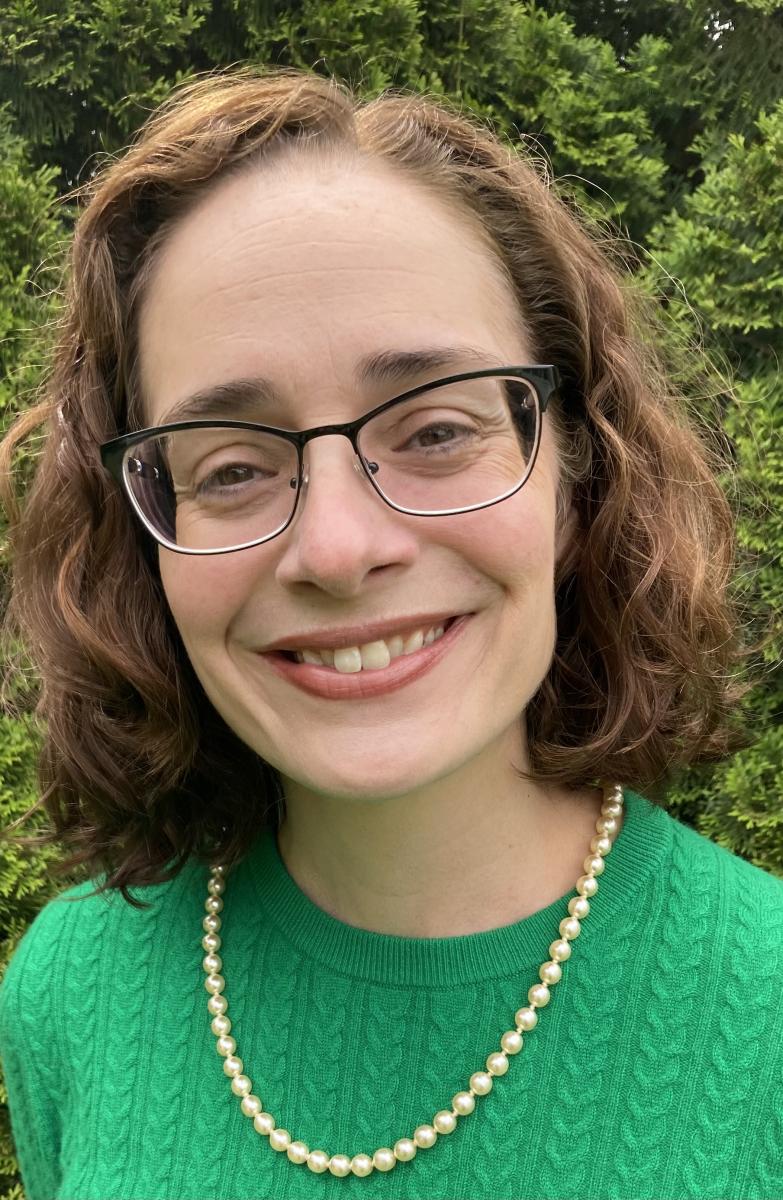
Dr. Ellen Posman is a Professor and Chair of the Department of Religion at Baldwin Wallace University, Ohio. She also chairs the Faith & Life program and holds a Ph.D. from the University of California, Santa Barbara (UCSB), an M.T.S. from Harvard Divinity School, and a B.A. from Stanford University. Her research focuses on comparative religion, particularly Asian religions and Judaism, with specialties in exile/diaspora studies, Buddhism, and religious violence. She has conducted ethnographic research in India, Nepal, Israel, Palestine, Turkey, Taiwan, Thailand, and Sri Lanka, exploring topics like Theravada Buddhist nuns' ordination rights and the intersection of religion with globalization. Posman’s teaching spans introductory religion courses to specialized topics such as Asian religions, religion and violence, and women in religion. She led a study-abroad initiative to India (2007–2008) examining religion’s role in poverty and development. Her work emphasizes civic engagement pedagogy, including contributions to the Spotlight on Teaching section of Religious Studies News. She co-edited a special journal issue on religious communities in exile and has published widely on Buddhism, interfaith dialogue, and religious pedagogy. Posman’s research has been funded by grants, including an NEH summer seminar on classical Buddhist texts. She is featured in the documentary Bhikkhuni: Buddhism, Sri Lanka, Revolution , highlighting her expertise on Theravada nuns. Her academic service includes roles as a reviewer for the American Academy of Religion and collaborative projects on transnational pedagogy and interfaith engagement.
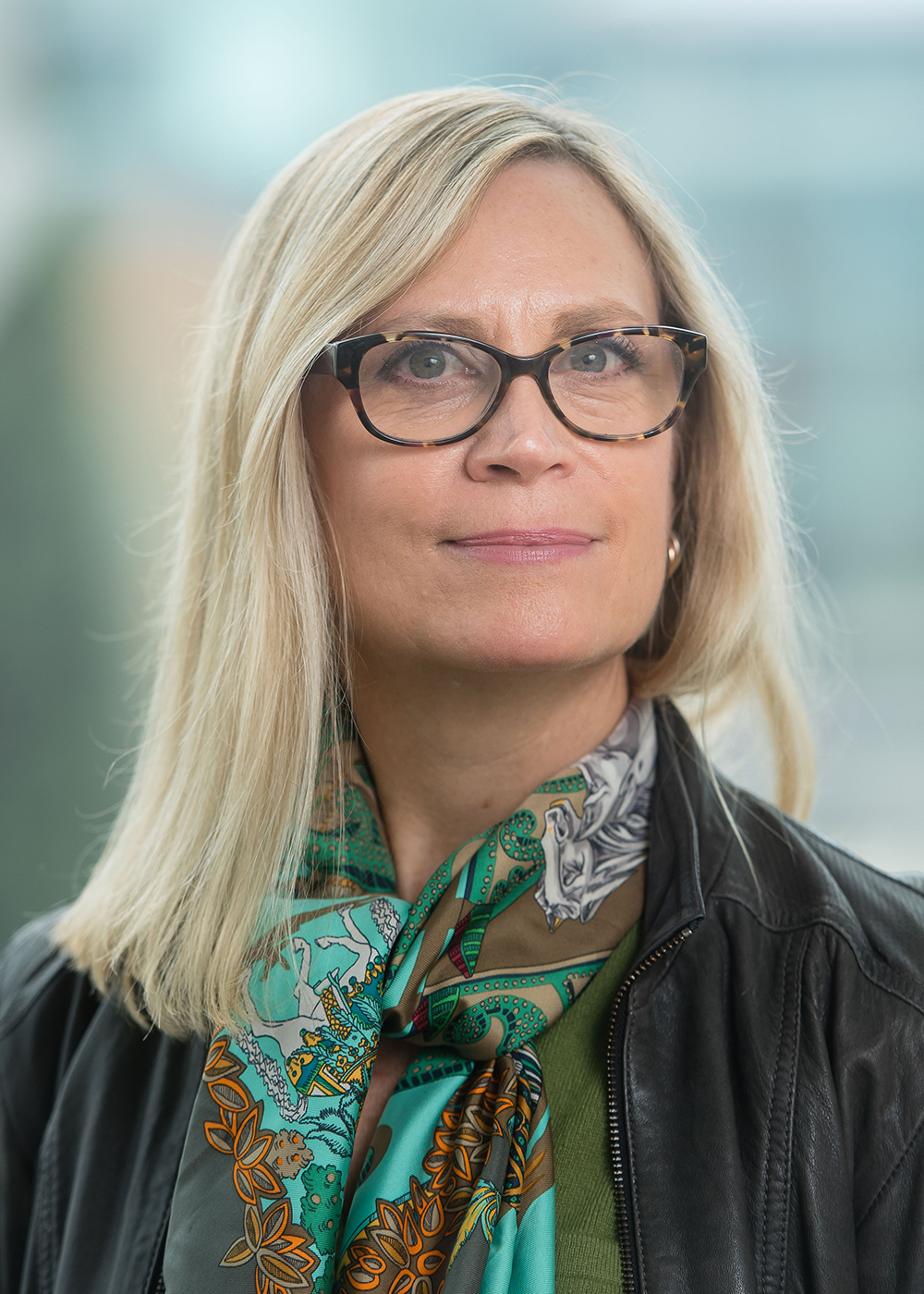
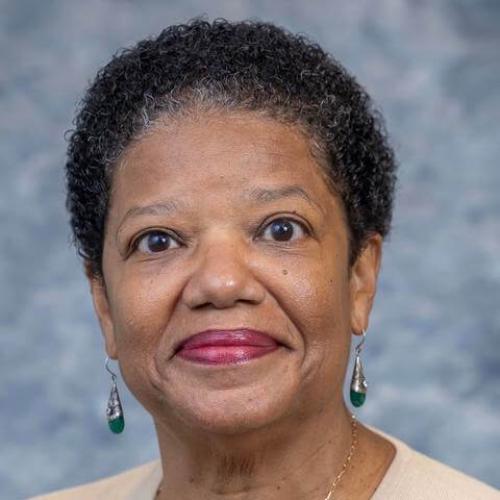
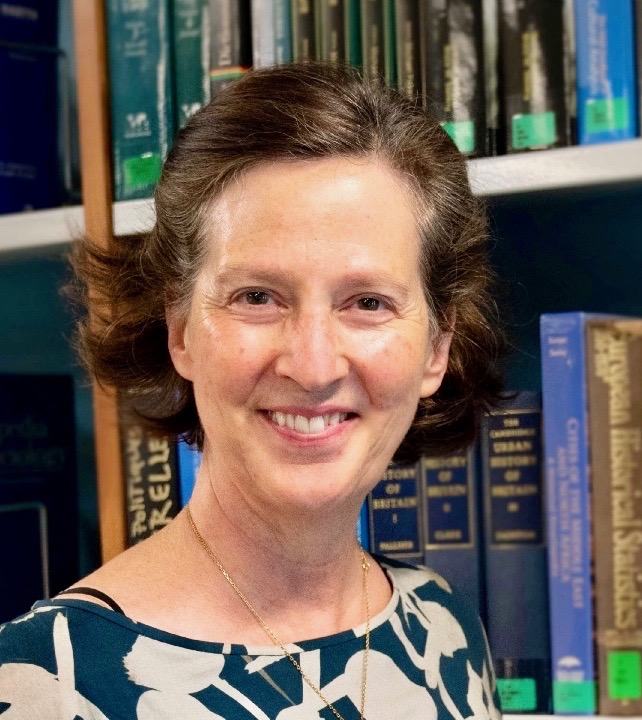
Victoria Lemieux is a Professor at the University of British Columbia (UBC) Faculty of Arts, School of Information, and Cluster Lead for Blockchain@UBC, Canada’s largest research cluster focused on blockchain technology. Her research centers on risks to trustworthy records in blockchain systems and their impact on transparency, financial stability, and human rights. She has pioneered Canada’s first research-oriented graduate blockchain training program and organized multiple interdisciplinary summer institutes. Education: Ph.D. in Archival Studies from University College London (2002), Certified Information Systems Security Professional (CISSP, 2005). Affiliated with UBC’s Peter Wall Institute for Advanced Studies, Sauder School of Business, and Institute for Computers, Information and Cognitive Systems (ICICS). Research interests span blockchain technology , trustworthy records , risk management , information governance , and visual analytics , with recent work addressing healthcare data frameworks, Web3 AI integration, and socio-cultural dynamics of decentralized systems. She has published extensively on blockchain applications in archives, land transactions, and privacy-preserving technologies. Scientific Awards : 2015 Emmett Leahy Award 2015 World Bank Big Data Innovation Award 2016 Emerald Literati Award 2016 Emerald Literati Outstanding Paper Award Supervision: Currently accepts doctoral students in Computational Archival Science and blockchain-related archival research. Affiliated with the Blockchain@UBC cluster and multidisciplinary research teams exploring decentralized systems for social good.
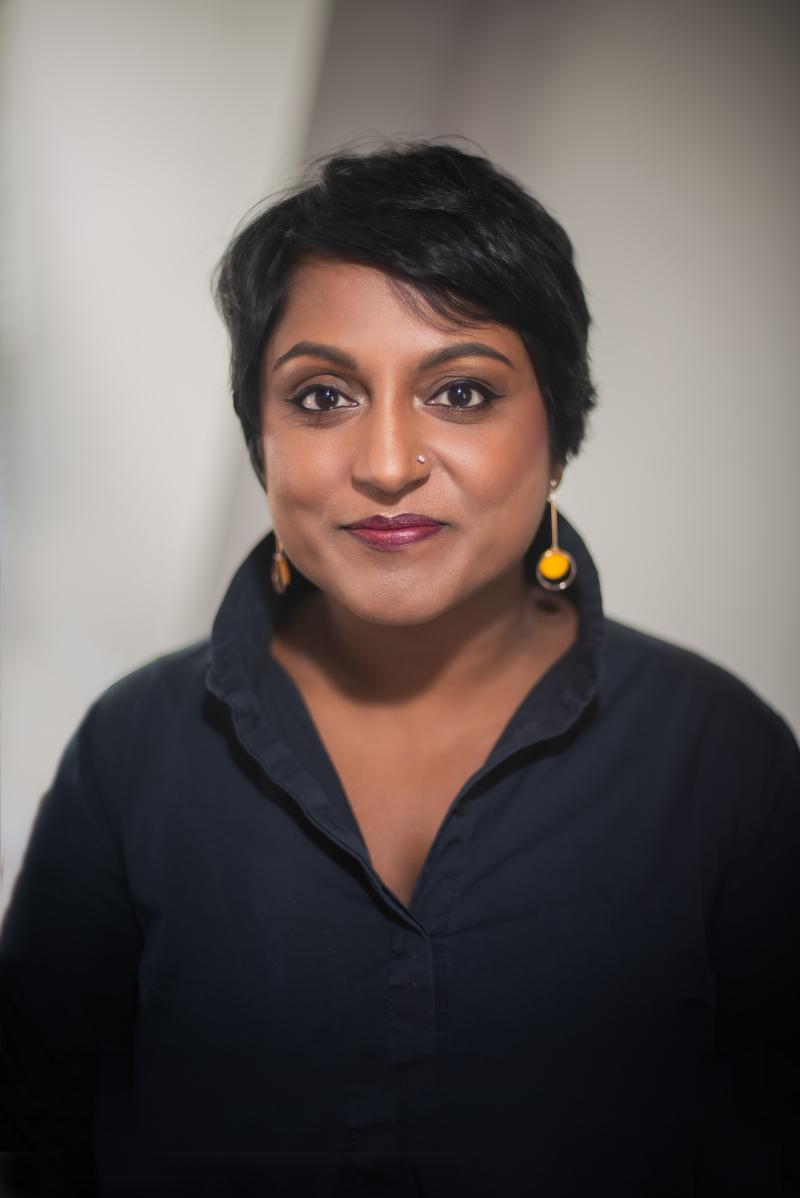
Dr. Meera Sabaratnam is an Associate Professor of International Relations at the University of Oxford and a Tutorial Fellow in Politics at New College. She previously held positions at SOAS University of London, the University of Cambridge, and the London School of Economics (LSE), where she earned her MSc and PhD. Her work focuses on the colonial and postcolonial dimensions of world politics, challenging Eurocentric frameworks in International Relations (IR) theory and practice. Education MA in Philosophy, Politics, and Economics (PPE), Balliol College, University of Oxford MSc and PhD in International Relations, London School of Economics (LSE) Her research examines how imperial histories shape contemporary international order, with a particular focus on structural violence , epistemic justice , and anti-colonial resistance . She is currently writing a book titled Complex Indebtedness , analyzing material and moral debts in the liberal international order. Scientific Awards and Grants : Senior Fellowship of the Higher Education Academy Leverhulme Trust Research Fellowship RF-2021-235 Co-investigator for Czech Science Foundation grant (2025-2027) on postcolonial order Previous funding from the Economic and Social Research Council (ESRC) Dr. Sabaratnam co-founded the Colonial/Postcolonial/Decolonial Working Group at the British International Studies Association (BISA) and serves on editorial boards of International Studies Quarterly , Security Dialogue , and Cambridge Review of International Affairs . Her methodological innovations include contrapuntal analysis and histories from below , particularly in studying the Great War's impact on southeast Africa.
Dr. Hilary Cremin is the Head of the Faculty of Education at the University of Cambridge and holds the rank of Professor. Her work centers on peace education, conflict transformation, and innovative methodologies such as photo-voice, poetry, and autoethnography. She chairs the Cambridge Peace Education Research Group (CPERG), which promotes research and practice in peace education through seminars and online resources. Her research explores the intersection of education and peacebuilding, emphasizing ethical and embodied approaches to conflict resolution in schools and communities. Education : PhD in Education, University of Leicester PGCE, University of Oxford (Wolfson College) BA (Hons) in French and European Literature, University of Warwick Research Interests : Hilary’s work addresses global challenges in education and peacebuilding, including: Developing transrational approaches to peace education Reducing epistemic violence through reflexive methodologies Empowering youth through restorative justice and civic pedagogy Exploring embodiment and arts-based practices in educational research Awards : Fellow of the Royal Society of Arts Leadership and Service : In addition to her academic role, Hilary serves as Chair of the Degree Committee in the Faculty of Education and has extensive experience as a mediator and educational consultant. She has collaborated with schools, communities, and international organizations to advance conflict transformation and peacebuilding initiatives. Labs/Teams : Cambridge Peace Education Research Group (CPERG) — fostering global dialogue and practical resources for peace education researchers and practitioners.
Jason Goulah is a Professor at DePaul University’s College of Education, where he directs the Institute for Daisaku Ikeda Studies in Education and the Value-Creating Education for Global Citizenship Doctoral Program. His work bridges Ikeda/Soka studies, transformative learning, and socioecological approaches to language education. Education: Ph.D. in Education, State University of New York, Buffalo LL.M. in International Law, Kwansei Gakuin University, Japan His research explores intersections of language, culture, identity, and sustainability, with a focus on Soka education, global citizenship, and eco-ethical consciousness. He has published extensively in journals and edited volumes, including works on climate change in TESOL and the role of dialogue in peacebuilding. Scientific Awards: 2018 DeGarmo Award for Exemplary Scholarship 2015 American Educational Studies Association Critics Choice Book Award 2013 DePaul University Excellence in Teaching Award 2009 Stephen A. Freeman Award for Best Language Education Article He has held visiting positions at the University of Guelph-Humber, Soka University of America, and the University of Evansville, and has developed curriculum for Chicago Public Schools and New York City Schools. His recent articles analyze Anthropocene-era education and East-West philosophical convergences.
Cassandra Rachel Veney, Ph.D., is the Executive Director of the Center for Women, Gender, and Global Leadership at Howard University, affiliated with the College of Arts & Sciences. She has previously held leadership and faculty roles at Case Western Reserve University and the United States International University-Africa in Nairobi, Kenya, where she chaired the Department of International Relations. Education: Ph.D. in Political Science, University of Missouri-Columbia, 1995 M.A. in African Studies, Howard University, 1988 B.A. in Political Science, Syracuse University, 1982 Her research and teaching focus on African international relations, forced migration, gender and human rights, U.S.-Africa relations, and global development. She has authored and edited several influential books and contributed to academic journals and policy discussions. Her work emphasizes the role of African agency in international affairs, the impact of U.S. foreign policy in Africa, and the experiences of the African diaspora. Her recent publications cover a wide range of topics including U.S.-Africa diplomacy, post-conflict reconstruction in Africa, refugee crises, and transnational racial discourse. These works reflect a deep engagement with political economy, democratization, and human rights across the African continent and its global diaspora. Scientific Awards and Honors: Outstanding Professor Award, African Student Association, Illinois State University, 2003 Phi Sigma Alpha, Outstanding Teaching in Political Science Award, Illinois State University, 2000 Who’s Who of American Women, 2000-2001 College of Arts and Sciences Teaching Initiative Award, Illinois State University, 1999 Rotary International Group Study Exchange to India, January-February 1995 University of Missouri Dissertation Travel Grant, 1993 Dr. Veney has served on editorial boards such as African Studies Review and Journal of Asian and African Studies , and has been active in faculty governance, curriculum development, and mentorship. She has organized and presented at international conferences on refugee migration, U.S.-Africa relations, and gender in global politics. While her current role is administrative, her academic contributions remain central to the fields of African studies and international relations. She has also contributed to public discourse through multimedia appearances, including Voice of America and SpiceFM, discussing U.S. politics and global perspectives.
Dr. Mary Ann Hunter is Associate Professor in Education at University of Tasmania, specializing in arts-based enquiry and transformative educational practice. Her work explores creative ecologies and reflective supervision frameworks for educators, examining how curiosity and nomad creativity shape learning across formal and informal contexts. Research examines: Arts-based peacebuilding methodologies Reflective supervision for educational leaders Creative ecologies in learning environments Arts-sustainability education connections Community cultural development She leads international networks including IMPACT (initiative for conflict transformation) and coordinates interdisciplinary research projects evaluating arts-based programs like Terrapin Puppet Theatre's dementia care initiative and APRA AMCOS's Songmakers residency program. Honors include the Australian Philip Parsons Prize for Research and Excellence in Leadership Award from the Australian Council for Educational Leadership.
Susan Forde is a Leverhulme Early Career Research Fellow in the Department of Politics and International Relations at the University of York. She holds a PhD in War and Peace from Liverpool Hope University, where she previously lectured and contributed to the Archbishop Desmond Tutu Centre for War and Peace Studies. Her research centers on peace and conflict studies, with a focus on divided cities such as Mostar, Cape Town, and Belfast. Key interests include spatial justice, structural violence, participatory methodologies, and the role of youth in peacebuilding. She employs innovative methods like mapping and movement-based practices to explore how urban spaces shape and are shaped by conflict and reconciliation. Dr. Forde's recent publications span journals like Political Geography , Journal of Intervention and Statebuilding , and Cooperation and Conflict , with recurring themes of spatial agency, memory, and transformative peace. Her work often bridges human geography and political science, emphasizing local experiences in post-conflict environments. Leverhulme Early Career Research Fellowship She has no named students or formal advising roles mentioned. Her current research project, 'Spatial agency, and spaces of peace and conflict in Cape Town, South Africa,' is supported by the Leverhulme Trust. She has no explicitly listed grants beyond this fellowship. Dr. Forde works independently on her fellowship project but draws on interdisciplinary networks in peace studies, geography, and urban research. Her work is deeply collaborative in method, often involving community engagement and participatory design, though no formal lab or research team is mentioned.
Tejendra Pherali is a Professor of Education, Conflict and Peace at University College London's Institute of Education (IOE - Education, Practice & Society). As Co-Research Director of Education Research in Conflict and Protracted Crisis (ERICC) and former Chair of the British Association for International and Comparative Education (BAICE), he bridges academic leadership with practical peacebuilding initiatives. His establishment of the open-access journal Education and Conflict Review underscores his commitment to translating research into policy. Academic Affiliations: UCL IOE, Academy of Social Sciences Fellow, Higher Education Academy Fellow Research Leadership: ERICC program, BAICE chairmanship, Compare Journal editorial board Pherali's research integrates education policy , political sociology , and peacebuilding in conflict zones. His work spans Myanmar , South Sudan , Nepal , and Syria , analyzing how educational systems both suffer from and contribute to conflict dynamics. Recent publications focus on teacher professional development during displacement, curriculum reform in divided societies, and the paradox of education as both victim and perpetrator in conflict settings. He advocates for teacher-centered peacebuilding , emphasizing their often-neglected role in crisis contexts. His Laboratories of Learning framework highlights grassroots educational initiatives in Colombia, Nepal, and Turkey that challenge dominant epistemic traditions. Current empirical work in Myanmar and Syria examines systemic educational fragmentation and pathways for integrating marginalized communities through locally-driven pedagogies. Key scientific recognitions include: Fellow of the Academy of Social Sciences (FAcSS) Fellow of the Higher Education Academy (FHEA) Editorial leadership in Education and Conflict Review His educational background spans four countries with a PhD from Liverpool John Moores University (2012), MEd from University of Sydney (2005), and MA in Sociology from Tribhuvan University, Nepal (2002). The MA Education and International Development: Conflict, Emergencies and Peace program he developed at UCL exemplifies his integrated approach to education policy and practice in unstable environments.
Dima Khazem is a Lecturer (Teaching) and Programme Leader at the UCL Institute of Education (IOE) since 2024. She leads the new BA Youth, Society and Sustainable Futures program and has extensive teaching experience across six IOE programs since 2015, including Critical Realism , Global Learning , and Education for Sustainability . PhD research: Climate change health impacts in Egyptian school curricula Current projects: UCL Grand Challenges Climate Crisis funded research on youth understanding of climate-health connections Education & Qualifications MA in Education, Health Promotion and International Development (University of London, 2008) BSc in Biology (American University of Beirut, 1985) Diploma in Science Education (Institute of Education, 1987) Research Focus Her work bridges education, health, and environmental sustainability through three key areas: Climate Change Education : Analyzing health impacts in curricula using critical realism Youth and Sustainable Futures : Developing interdisciplinary approaches for climate justice Education in Conflict Zones : Examining intersections between education and peacebuilding She maintains active collaborations with institutions in Egypt, Algeria, Lebanon, and the UK while emphasizing interdisciplinary research methods. Scientific Contributions Senior Women in Leadership (2024) Multiple UCL Student Choice Roll of Honour awards (2023-2025) Published in Research in Science Education and International Journal of Development Education and Global Learning Supervision & Collaboration Currently supervising one PGR student, with particular interest in: Greening higher education curricula Climate change education frameworks Youth studies in sustainability contexts Conflict resolution pedagogies Active in collaborative projects including: Qatar research associate with Professor Dillon CPA research DREEM team member UCL ChangeMakers project (2020-2021)
Sarah Ryan is an Associate Professor at the University of North Texas (UNT), specializing in Law Librarianship, Empirical Legal Research, and Social Science methodologies. Her work bridges legal practice, education, and interdisciplinary research, with a focus on statutory reform, veterans' law, and human subjects research ethics. She holds a J.D. from Quinnipiac University, a Ph.D. from Ohio University, and advanced degrees in Library Science and Public Affairs. Education: J.D., Quinnipiac University Ph.D., Ohio University M.L.S., Texas Woman's University M.A., Ohio University B.A., Capital University Her research interests include: Empirical legal methodologies for policy analysis Interdisciplinary approaches to energy and education equity Legal frameworks for end-of-life planning Ethical research practices in human subjects studies Recent publications highlight her work in big-data rhetoric, judicial authority under US legislation, and global energy-education linkages. She has contributed to debates on IRB processes, NGO activism, and pedagogical innovations in legal research training. No scientific awards are explicitly mentioned in the profile. Her advising and grant activities remain unspecified, though her extensive publication record suggests active involvement in collaborative research teams. Professional links include UNT’s FIS Profile.
Alain Lempereur is the EUI Chair in Leadership and Negotiation at the Florence School of Transnational Governance , with a focus on responsible negotiation and mediation frameworks. As a tenured professor at Brandeis University (Alan B. Slifka Chair in Conflict Resolution), he bridges academic theory with field practice across 75+ countries. Harvard Law School affiliate faculty since 1993 Co-founder of Co-Dev capacity-building organization Former director of Brandeis Coexistence Program (2011-2021) Research Pillars : Humanitarian negotiation power dynamics, post-conflict reconciliation in Burundi/DRC, and philosophical foundations of negotiation. His work emphasizes joyful mediation , nonverbal emotional perception , and responsible leadership through 20+ books and 150+ articles. Training Impact : Designed executive programs for EU institutions, UN initiatives, and global corporations (Airbus, Sanofi-Pasteur). Pioneered the LEARN hybrid program for senior humanitarian leaders with the Slifka Chair. Awards & Recognition : Chevalier des Tastevins (2019) UN Mediation Roster member Harvard PON affiliate faculty Who's Who (2009, 2010) Global Engagement : Facilitated Israeli-Palestinian dialogues with the Negotiation Strategies Institute. Developed negotiation methodologies for MSF, ICRC, and UNDP. Holds degrees from Harvard (SJD) and Université Libre de Bruxelles (MPhil, LL.M).
Tricia S. Jones is a Professor in the Department of Communication and Social Influence and Director of the Center for Conflict Management and Media Impact at Temple University's Lew Klein College of Media and Communication. With 35 years of expertise, she is a former President of the International Association of Conflict Management and has led global initiatives including UN peace education conferences. Research Focus: Her work centers on conflict resolution education, alternative dispute resolution, and intercultural conflict, with pioneering programs like the Conflict Resolution Education in Teacher Education (CRETE) project and Youth Dialogue Institute. These initiatives train educators in trauma-informed conflict resolution and develop student-led media-infused dialogue on racial injustice and mental health. Publication Trends: Recent scholarship (2014-2022) emphasizes practical applications in high-risk educational settings, ethical frameworks for conflict resolution education, and restorative approaches to school violence. Her work bridges theoretical communication studies with field-tested interventions for at-risk youth. Grant Leadership: Secured over $6 million in external funding including: Bureau of Justice Assistance/DOJ STOP School Violence award ($1.68M) for Resolutionary Partners addressing violence in Philadelphia schools serving juvenile justice-involved youth ACR JAMS Foundation grants ($60K) developing Youth Conflict Specialists for homeless populations School District of Philadelphia projects ($600K CRETE implementation, $73K Youth Dialogue Institute 2.0) Global Systems Design: Directs national conflict resolution infrastructure including Maryland's statewide conflict coaching system and New York State's youth conflict coaching programs across 17 school districts. Her UN-cochaired 2005 conference engaged 1,000+ representatives from 60+ countries, and she led post-apartheid peacebuilding in Johannesburg (1995-1997).
Dr. Susan Perry is a tenured Professor and Program Director for the MAs in International Affairs at the American University of Paris (AUP). She holds the US-UNESCO Chair in Artificial Intelligence and Human Rights and serves on the French National Council for Human Rights (CNCDH) and the EU’s SHERPA Advisory Panel. Her expertise spans international human rights law, digital technology ethics, and vulnerable populations, particularly women and children. Education: PhD in Chinese Studies (Ecole des Hautes Etudes en Sciences Sociales), MSt in International Human Rights Law (Oxford University), BA in Semiotics (Brown University). Research: Focuses on the intersection of AI, digital technology, and human rights. Key projects include contributions to the EU’s Artificial Intelligence Act and leadership in the Horizon Europe AIOLIA project on AI ethics. She has authored books such as Human Rights and Digital Technology (2017) and Illusion Pixel (2015). Grants & Affiliations: €1.1M PRIPARE project (EU-funded privacy curriculum), €588K project on Chinese criminal defense (European Commission). Affiliated with the Center for Critical Democracy Studies and the George and Irina Schaeffer Center for Genocide Studies. Teaching: Courses include Advanced International Human Rights Law, Human Rights and Digital Technologies, and Women, Conflict Resolution, and International Law.