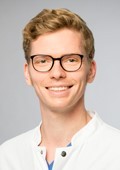
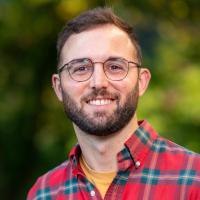
Sarah Weiss, MD is an Adjunct Assistant Professor of Medicine in the Department of Medical Oncology and Hematology at Yale School of Medicine. She specializes in melanoma and immunotherapy research, leading clinical trials for advanced melanoma treatments. Dr. Weiss completed her medical degree at Albert Einstein College of Medicine, residency at Montefiore Medical Center, and fellowships at New York University School of Medicine. Her research focuses on developing novel immunotherapeutic strategies, particularly overcoming resistance to PD-1/PD-L1 inhibitors through combinations like CD40 agonists and CSF1R inhibitors. She is Principal Investigator on trials involving Sotigalimab and pembrolizumab. Active collaborations include work with Dr. Kluger and Sznol on biomarkers and clinical outcomes. Dr. Weiss contributed to SITC guidelines for melanoma immunotherapy and investigates brain metastases response patterns.
Dr. Anagha Vaze is a Clinical Lecturer affiliated with the University of Sydney's Faculty of Medicine and Health (FMH) and the Save Sight Institute. Her expertise lies in ophthalmology, with a focus on retinal disorders, diabetic eye diseases, and clinical research. She has contributed to studies on VEGF inhibitors, corticosteroid delivery platforms for macular edema, and the application of genomics in retinal diagnostics. Research Interests: Retinal degeneration and vascular abnormalities Management strategies for diabetic retinopathy and macular telangiectasia Clinical outcomes of anti-VEGF therapies Infectious diseases in immunocompromised patients (e.g., heart transplant recipients) Her publications (2014–2022) emphasize observational studies, drug delivery innovations, and case reports on rare infections. Key contributions include assessing treatment discontinuation protocols for neovascular AMD and exploring photobiomodulation for diabetic macular edema. While no scientific awards or grants are explicitly listed, her work reflects active engagement in clinical research and patient care. She is part of the Save Sight Institute, a prominent research center within the FMH, focusing on vision science and ophthalmic advancements.
Dr. Donald Addington serves as a Clinical Professor in the Department of Psychiatry at the University of Calgary's Cumming School of Medicine, with full memberships at the Hotchkiss Brain Institute and Mathison Centre for Mental Health Research and Education. His academic career spans over 50 years, focusing on transforming mental health service delivery for schizophrenia and early psychosis through evidence-based tools and standards. His educational credentials include: MBBS in Medicine, University of London (1972) MRCPsych in Psychiatry, Royal College of Psychiatrists (1976) FRCPC in Psychiatry, Royal College of Physicians and Surgeons of Canada (1982) Dr. Addington's research integrates clinical psychiatry with health services evaluation to develop practical measurement systems. He pioneered internationally adopted instruments including depression assessment scales for schizophrenia and fidelity metrics for psychosis services, creating bridges between clinical practice, policy development, and funding mechanisms. His work establishes standardized approaches for evaluating mental health service accessibility, quality, and outcomes across diverse healthcare systems. His publication trajectory reveals consistent innovation in measurement science, evolving from the foundational Calgary Depression Scale (1990) to contemporary fidelity scales for early psychosis intervention (FEPS-FS/CHRP-FS). These works establish global benchmarks for service quality assessment, with applications spanning clinical practice guidelines, performance measurement, and cross-system outcome comparison through initiatives like the ICHOM Psychotic Disorders standard set. Dr. Addington's scientific recognition includes: Excellence in Clinical Teaching, PAIRA (1996) Leadership Award, Canadian Alliance on Mental Illness and Mental Health (2000) Gold Medal, Canadian College of Neuropsychopharmacology (2004) Michael Smith Award for Schizophrenia (2006) C.A. Roberts Award for Clinical Leadership (2011) Angelo Cocchi Award for Fidelity Implementation (2016) President’s Commendation, Canadian Psychiatric Association (2022) Dr. John M. Cleghorn Memorial Award (2024) He has secured major research funding from the National Institutes of Health, Canadian Institutes of Health Research, and Alberta Heritage Foundation for Medical Research. His leadership extends through 11 years as Department Chair of Psychiatry and two terms as Canadian Psychiatric Association Board Chair, mentoring generations of clinicians while developing tools implemented across Canadian provinces, US states, and European nations. Dr. Addington leads cross-institutional teams including the ICHOM Psychotic Disorders working group and large-scale implementation projects in Ontario, 32 US states, Czechia, and Italy. His current initiatives expand the FEPS-FS framework to clinical high-risk populations and bipolar disorder services while advancing patient-reported outcome measures for international service comparison.
Professor Larry D. Lynd is a prominent researcher at the University of British Columbia's Faculty of Pharmaceutical Sciences, with additional appointments as a Scientist at the Centre for Health Evaluation and Outcome Sciences (CHEOS) at Providence Health Care Research Institute, Director of the Collaboration for Outcomes Research and Evaluation (CORE), Scholar at the Peter Wall Institute of Advanced Studies, and Associate of the UBC School of Population and Public Health. Dr. Lynd completed his PhD in the Department of Health Care and Epidemiology at UBC and a post-doctoral fellowship in health economics at McMaster University. As a pharmacist (BSP) and epidemiologist, he has developed a distinguished career at the intersection of health outcomes research, epidemiology, and health economics, with a particular focus on the application of large administrative health datasets to inform practice and policy. His research spans multiple high-impact areas including rare diseases, multiple sclerosis, respiratory disease, and genomic medicine. Dr. Lynd leads major research initiatives such as the CANadian PROactive Cohort study for People Living with MS, the GenCOUNSEL study evaluating whole genome sequencing for clinical genetic services, and the Early Health Technology Assessment platform for the Nanomedicines Innovation Network. His recent publications demonstrate a strong emphasis on health technology assessment, genomic medicine implementation, multiple sclerosis outcomes research, and addressing unmet needs in clinical genetic services. Dr. Lynd's scientific contributions have been recognized through prestigious awards including the Dr. John McNeil Excellence in Health Research Mentorship Award (2022), Fellowship in the Canadian Academy of Health Sciences (2018), and the UBC Faculty of Pharmaceutical Sciences PharmD Teaching Award (2014-2015). As a mentor, Dr. Lynd has supervised doctoral students including Tamara Mihic (PhD in Pharmaceutical Sciences) and Kennedy Borle (PhD in Interdisciplinary Studies). He has secured substantial research funding, with recent grants totaling over $5 million from organizations including the Canadian Institutes for Health Research, Genome Canada, MS Society of Canada, and Genome British Columbia. Dr. Lynd actively contributes to health policy through leadership roles on committees including as chair of the Health Canada Special Advisory Committee on Non-Prescription Drugs, Special Advisory Committee to the Respiratory and Allergy Therapies Division of Health Canada, BC Ministry of Health Services Expensive Drugs for Rare Diseases Committee, and the BC PharmaNet Data Stewardship Committee.
Prachi Sanghavi is an Associate Professor at the University of Chicago in the Department of Public Health Sciences . Her work focuses on health policy , comparative effectiveness research , and quality of care measurement through empirical analysis of large datasets. PhD in Health Policy (Evaluative Science and Statistics) from Harvard University (2015) BS in Electrical and Computer Engineering from Cornell University (2004) Research interests include: Pre-hospital care and ambulance effectiveness Nursing home quality metrics and patient safety Low-value medical services and healthcare utilization Hydraulic fracturing health effects and environmental policy Recent publications demonstrate Health Services Research and Environmental Health as dominant fields, with subfields spanning Medicaid policy analysis , emergency transport outcomes , chemical exposure studies , and health disparities in long-term care . Scientific awards include: National Science Foundation Graduate Research Fellowship (2010) AHRQ Dissertation Award (2013) Harvard Horizons Scholar (2015) Current NIH-funded projects focus on nursing home patient safety (R01HS026957) and ambulance transport outcomes (R01HS025720).
Anne Holland is Professor of Physiotherapy and Head of Respiratory Research at Monash University and Alfred Health in Melbourne, Australia. She is an NHMRC Leadership Fellow (2021–2025) and a Chief Investigator for the NHMRC Centre of Research Excellence in Pulmonary Fibrosis and the NHMRC Centre of Research Excellence in Treatable Traits. Her research focuses on supportive therapies for chronic respiratory diseases, particularly COPD and pulmonary fibrosis, with a strong emphasis on pulmonary rehabilitation, telerehabilitation, and ambulatory oxygen therapy. Her research interests include: Respiratory physiotherapy Pulmonary rehabilitation (home-based and low-cost models) Access to care for chronic lung disease Telerehabilitation and digital health Symptom management in interstitial lung disease Exercise training and physical activity promotion Her recent publications focus on symptom management, digital self-management tools, treatable traits models, and clinical trials in pulmonary fibrosis and COPD. The body of work reflects a strong trend toward patient-centered, accessible, and evidence-based interventions that improve quality of life and clinical outcomes in chronic respiratory conditions. Her major scientific awards include: Society Medal, Thoracic Society of Australia and New Zealand (2021) European Respiratory Society Gold Medal for Allied Health Professionals (2022) NHMRC Investigator Fellow (Leadership 1) (2021) Fellow, Thoracic Society of Australia and New Zealand (2019) American Thoracic Society Pulmonary Rehabilitation Assembly Award (2016) Anne Holland supervises PhD students and is actively involved in advising and grant leadership. She is the Primary Chief Investigator on major trials such as the PERFORM trial and the TAPPET trial, and she leads a multinational ambulatory oxygen trial for fibrotic lung disease. Her work is supported by NHMRC and international collaborations. She is also President of the Thoracic Society of Australia and New Zealand, reflecting her leadership in the field. Anne leads the Holland Respiratory Care Research Group at Monash, which focuses on innovative models of care delivery, validation of remote monitoring tools, and improving patient self-management in chronic lung disease. The team collaborates widely across Australia and internationally, particularly in trials involving pulmonary rehabilitation and treatable traits.
Anja Liekfeld serves as Adjunct Professor of Ophthalmic Optics/Optical Device Technology at Brandenburg University of Technology since 2018 while concurrently holding the position of Chief Physician at Klinikum Ernst von Bergmann's Department of Ophthalmology in Potsdam since 2009. Her dual roles bridge academic research in optical engineering with clinical ophthalmology practice, focusing on technological advancements for eye care delivery. Her educational foundation includes medical studies at Essen and Berlin Universities (1986-1992), state examination (1992), ophthalmology residency at Charité (1994-1997), specialist certification (1997), doctoral degree magna cum laude (1997), and habilitation on capsular bag models for cataract research (2007). Liekfeld's research centers on optical properties of intraocular lenses, clinical applications of medical devices in ophthalmology, refractive surgery techniques (laser and IOLs), cataract surgery technologies, glaucoma diagnostics/therapy, and gerontological ophthalmology. Her work emphasizes translating engineering principles into clinical solutions for complex vision correction challenges. Over 25 years of publications reveal evolving expertise from molecular glaucoma research to advanced IOL development. Recent work focuses on multifocal/toric lenses, dysphotopsia analysis, and visual outcomes measurement, demonstrating consistent innovation at the optics-clinical interface with practical applications for patient care. Her accolades include: DOG/SFO Travel Grant (2000) DGII Best Presentation Award (2008) DOC Gold Medal (2011) Focus Magazine Top Doctor (2013-2021) Stern Magazine Top Doctor (2022) As an educator, she trains surgical assistants, diet technicians, and operating room staff while teaching ophthalmology to visually impaired pedagogy students at Humboldt University. She conducts international wet labs for surgeons and optometrists, serves on editorial boards for Concept and Karger Kompass Ophthalmologie, and reviews for major ophthalmology journals. Active in professional societies including DGII, ESCRS, DOG, BBAG, and BDOC, she chairs Brandenburg's Ophthalmology Examination Board since 2021 and serves on the board of Die Augenchirurginnen e.V. Her research utilizes human capsular bag models for cataract studies and maintains focus on improving optical device performance in clinical settings.
Prof. Dr. med. Franz Lennard Ricklefs is a Senior Physician and Head of the Working Group at the Department of Neurosurgery, University of Hamburg Faculty of Medicine. He is a Medical Specialist in Neurosurgery with cross-disciplinary expertise in neuro-oncology, molecular pathology, and extracellular vesicle research. Affiliations: University Medical Center Hamburg-Eppendorf (UKE), European Liquid Biopsy Society (ELBS), International Consortium on Meningiomas (ICOM) Research Interests: His work focuses on neurosurgical oncology, particularly glioblastoma and meningioma pathobiology. He investigates DNA methylation patterns, extracellular vesicle biomarkers, and liquid biopsy implementation in clinical neuro-oncology. Additional interests include surgical outcomes for epilepsy and aneurysm management. Article Trends: Over the last decade, Dr. Ricklefs has published extensively on: Extracellular vesicle applications as liquid biopsy markers DNA methylation subclasses for glioblastoma and meningioma Multicenter surgical outcome benchmarking Immune evasion mechanisms in neuro-oncology Technological innovations in neurosurgical visualization Molecular characterization of rare CNS tumors Professional Contributions: He co-authored the MISEV2023 guidelines for extracellular vesicle studies and participates in international consensus reviews for meningioma classification. His collaborations span institutions across Europe and North America.
Professor Jeevan R. Sharma serves as Chair of South Asia and International Development and Co-director of the Centre of South Asian Studies at the University of Edinburgh's School of Social and Political Science. An elected General Secretary of the Britain Nepal Academic Council (BNAC), he brings extensive field research experience from Nepal, India, Sri Lanka, and Malawi to his work in development and political anthropology. His current Wellcome Trust-funded transdisciplinary project examines health and well-being of South Asian migrant workers through collaboration with medical scientists and social anthropologists at Aga Khan University and Kathmandu Medical College. Sharma's research interests span labor migration, border-crossing, Maoist conflict, humanitarianism, human rights documentation, and health policy with particular focus on gender dynamics and social transformation. His fieldwork has investigated community health volunteers, maternal and child health, and international research collaboration in South Asia. He has previously worked at Feinstein International Centre at Tufts University (2009-2011) and Save the Children UK (2007-2009), bringing practical development experience to his academic work. His publication trends reveal consistent focus on migration, health policy, and political transformation in South Asia, with increasing attention to transnational health issues and pandemic impacts on vulnerable populations. Recent work examines Covid-19's effects on migrant workers, mental health policy in Nepal, and cross-cultural health measurement tools, demonstrating his commitment to bridging academic research with practical health interventions. Elected General Secretary of the Britain Nepal Academic Council (BNAC) Co-editor of HIMALAYA Journal (2019-2025), transitioning to Editor-at-large from January 2025 Associate Editor of 'South Asia: Journal of South Asian Studies' Co-editor of Routledge Edinburgh South Asia Series Member of ESRC GAP panel C (2024-2025) Member of the commissioning panel for the ESRC Centres Competition 2018 Sharma has secured significant research funding including a Wellcome Trust grant for migrant worker health research, ESRC funding for projects examining low-income migrant workers' access to services in India, and NERC funding for flood resilience research in Nepal's Terai region. His collaborative approach is evident in projects involving multiple institutions across South Asia and the UK, with particular emphasis on transdisciplinary work that bridges social science and medical research. He has served as Principal Investigator on six completed projects and currently leads an active Wellcome Trust-funded initiative. As Co-director of the Centre for South Asian Studies in Edinburgh, Sharma contributes to one of the UK's leading institutions for South Asian research, fostering academic collaboration and knowledge exchange between scholars in the UK and South Asia. His work with the Britain Nepal Academic Council strengthens bilateral academic relations, while his editorial roles with HIMALAYA Journal and South Asia: Journal of South Asian Studies position him at the forefront of scholarly discourse on the region.
Prof. Dr. Yavuz Yakut serves as full-time Professor and Head of the Department of Physiotherapy and Rehabilitation at Hasan Kalyoncu University's Faculty of Health Sciences since 2016. Previously, he held academic positions at Hacettepe University from 1985 to 2016, progressing from Research Assistant to Professor, while concurrently serving on national committees including the Ministry of Health and Ministry of Finance Budget Implementation Commissions (1997-2003) and YÖK Physiotherapy Sub-Commission (2013-2016). His educational foundation includes a Bachelor's (1984), Master's (1987), and PhD (1990) in Physiotherapy and Rehabilitation, all completed at Hacettepe University. Yakut's research demonstrates exceptional breadth across rehabilitation science, with concentrated expertise in biomechanics and scoliosis rehabilitation . His work significantly advances neurological rehabilitation for conditions like multiple sclerosis and cerebral palsy, while pioneering applications in burn rehabilitation and orthotics/prosthetics . Recent publications reveal strategic integration of biopsychosocial models and telerehabilitation , particularly addressing pandemic-related challenges and chronic disease management across diverse populations. Analysis of his 2023-2025 publications shows consistent interdisciplinary innovation: validating cross-cultural assessment tools (e.g., Turkish translations of scoliosis and ADL questionnaires), developing novel exercise protocols (dance therapy, cognitive exercise therapy), and investigating rehabilitation responses in complex cases including HIV, rheumatic diseases, and post-earthquake trauma. His methodology frequently combines biomechanical analysis with patient-centered outcomes, demonstrating particular rigor in controlled trials for spinal deformities and burn recovery. His leadership extends beyond direct research through committee roles shaping national rehabilitation policy and educational standards, including his current departmental leadership and recent systematic review on physiotherapy distance education during pandemic disruptions.
Professor Moritz Rossner serves as Head of the Department of Molecular and Behavioral Neurobiology at the Department of Psychiatry and Psychotherapy, Faculty of Medicine, Ludwig-Maximilians-Universität München (LMU). His research integrates molecular and behavioral approaches to understand the neurobiological underpinnings of psychiatric disorders, particularly schizophrenia and bipolar disorder. Rossner's research interests focus on molecular neurobiology and behavioral analysis using mouse models. His laboratory employs advanced techniques including mouse genetics , behavioral phenotyping , biosensors , next-generation sequencing , and transcriptomics to investigate psychiatric risk genes and pathways. His work bridges cellular and molecular mechanisms with behavioral outcomes, particularly in schizophrenia and bipolar disorder research. Analysis of Rossner's 15 most recent publications (2025) reveals a strong focus on precision psychiatry , neuroimaging biomarkers , and genetic mechanisms underlying psychiatric disorders. His research increasingly incorporates multimodal approaches combining neuroimaging, genomics, and clinical phenotyping to develop biologically informed diagnostic and treatment frameworks. Key themes include blood-brain barrier dysfunction in schizophrenia, inflammatory contributions to symptom severity, and pathway-specific polygenic scores for treatment prediction. Rossner leads the Molecular & Behavioural Neurobiology working group at LMU's Department of Psychiatry and Psychotherapy, which includes specialized units like the Mouse Behavioral Unit. His research program appears well-funded through multiple collaborative projects focused on understanding the molecular basis of psychiatric disorders and developing novel therapeutic approaches.
Joy S. Kaufman is a Professor in the Department of Psychiatry at Yale School of Medicine. She serves as Deputy Chair for Career Development, Director of the Yale Consultation Center, and Director of YaleEVAL. Her work focuses on large-scale evaluations of health service delivery systems in under-resourced communities, emphasizing community-based participatory research and stakeholder training. Education: PhD in Clinical and Community Psychology, DePaul University (1994) Postdoctoral Fellow, Yale University (1993) MA in Psychology, DePaul University BA in Psychology, Assumption College Dr. Kaufman specializes in health equity , trauma exposure in children , and program evaluation . Her research bridges public health , social justice , and behavioral health policy through rigorous methodologies. Recent publications highlight her work on opioid use disorder in obstetric care , perinatal substance use reporting , and system-level mental health evaluations . She employs latent class analysis and CBPR frameworks to address disparities. Scientific Awards: Fellow, American Psychological Association Fellow, Society for Community Research and Action Gold Medal, Substance Abuse and Mental Health Services Administration Exemplary Evaluation, American Evaluation Association As principal investigator, she has secured funding from the National Institute of Justice , PCORI , and Connecticut state agencies . Her leadership extends to training community members in evaluation methods and developing trauma-informed healthcare systems .
Veerle Foulon serves as full professor and dean of the Faculty of Pharmaceutical Sciences at KU Leuven, Belgium. She leads the Unit Clinical Pharmacology and Pharmacotherapy within the Department of Pharmaceutical and Pharmacological Sciences. Her institutional leadership roles include membership in the University Council, Academic Council, and Special Academic Council as dean, alongside positions in the Board for Alumni Relations and Biomedical Sciences Group Management. Leuven Centre for Health Humanities Leuven Interdisciplinary Centre for Meaning and Lived Religion LC&Y - KU Leuven Institute for Child and Youth LIVO – KU Leuven Institute for Educational Research LKI - KU Leuven Cancer Institute Her research centers on pharmaceutical care, interdisciplinary collaboration, patient-centered care, and rational pharmacotherapy. Key focus areas include medication safety during pregnancy through the BELpREG registry, antimicrobial stewardship in Ethiopian healthcare settings, and person-centered medication optimization for elderly patients in nursing homes. She emphasizes real-world data collection and interdisciplinary approaches to address critical gaps in medication safety for vulnerable populations. Analysis of her recent publications reveals dominant themes in pregnancy medication safety (particularly via the BELpREG cohort), nursing home medication pathways, and antimicrobial resistance interventions. Her work consistently involves large-scale international collaborations across Europe and Ethiopia, addressing systemic challenges in pharmaceutical care through mixed-methods designs and registry-based studies. As principal investigator on major funded projects extending to 2028—including antimicrobial resistance initiatives in Ethiopia and pregnancy medication safety studies—she directs substantial research grants. Her leadership in interdisciplinary consortia drives innovation in medication optimization, though specific doctoral advisees are not documented in the provided materials. Current projects demonstrate strong translational focus with direct clinical implementation pathways. Embedded within multiple Leuven research institutes, she fosters cross-disciplinary collaborations through the BELpREG consortium and antimicrobial stewardship networks. Her work actively involves partnerships with Ethiopian tertiary hospitals, European pregnancy registries, and Belgian nursing home networks to develop and implement evidence-based pharmaceutical care models.
Prof. Alexander Geissler holds the position of Full Professor of Health Care Management at the School of Medicine (Med-HSG) within the University of St. Gallen. His research focuses on health systems research, health economics, and health policy, with particular emphasis on digital transformation in healthcare and patient-reported outcomes. He has contributed extensively to studies on healthcare quality improvement, public reporting systems, and the integration of artificial intelligence in medical diagnostics and screening programs. His work spans topics like optimizing hospital digital maturity (e.g., German DigitalRadar project), analyzing surgical outcomes (robotic vs. open prostatectomies), and evaluating patient empowerment through quality information. He has pioneered methodologies for interpreting patient-reported outcomes (e.g., EQ-5D-3L) and designing clinical dashboards to enhance care delivery. Recent research highlights include investigating AI applications in breast cancer screening and cost-effectiveness of remote patient monitoring post-joint replacement surgery. Geissler’s publications demonstrate a strong focus on healthcare policy implications, such as hospital capacity planning, payment systems for specialized care, and cross-country comparisons of healthcare transparency initiatives. His work frequently bridges academic rigor with practical policy recommendations, particularly in Switzerland and Germany. Notably, he has addressed low-value care reduction, price sensitivity in healthcare demand, and the socio-demographic factors influencing healthcare utilization. While no specific awards are listed, his prolific research output reflects sustained leadership in health systems analysis. His academic contributions are disseminated through the Alexandria Research Platform and international peer-reviewed journals.
Trevor Goodyear is an Assistant Professor at the University of British Columbia (UBC) Faculty of Applied Science, School of Nursing. His research explores substance use, mental health, and health equity among marginalized populations, particularly 2S/LGBTQ+ youth and people who inject drugs. Education: MSN, MPH, PhD Research Interests: Harm reduction, LGBTQ+ health, mental health, public health, health equity, social determinants of health His recent work examines harm reduction strategies, structural vulnerabilities, and health narratives in urban drug scenes. Publications analyze cannabis use, overdose prevention, conversion practices, and the intersection of gender identity with substance use. His research employs qualitative methods like photovoice and narrative analysis to center marginalized voices. Key trends in his articles include the role of stigma in healthcare, policy implications of substance use research, and the impact of the COVID-19 pandemic on mental health disparities. He advocates for evidence-informed policies and community-driven interventions to address systemic inequities.