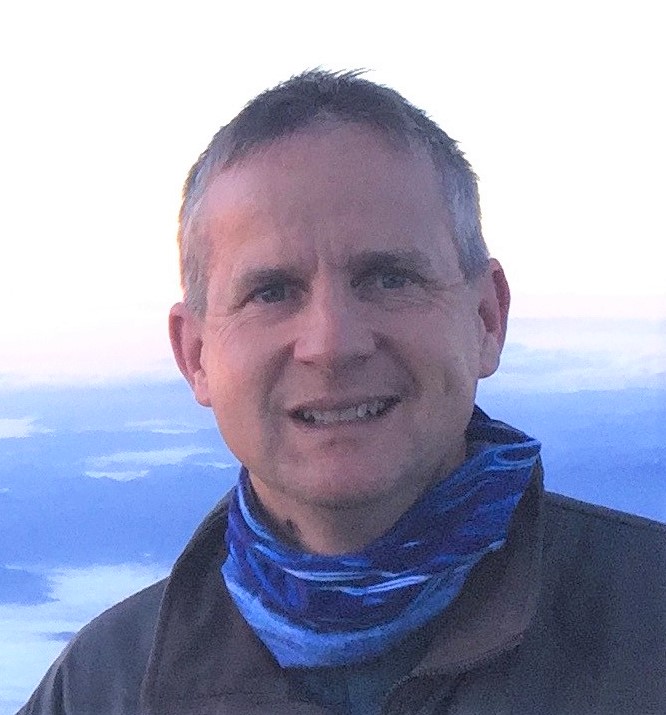
Staffan Bensch is a Professor at Lund University, holding roles in the Molecular Ecology and Evolution Lab, Lund Migration Group, and Immunogenetics and Infection Biology. His research focuses on evolutionary biology, particularly bird migration genetics and host-parasite interactions of avian malaria. He leads projects on migratory divides in willow warblers and chiffchaffs, and maintains the MalAvi database of bird malaria lineages. Education: PhD in 1993 from Lund University, with postdoctoral work at UC San Diego. Techniques: Molecular Ecology methods including genomics and tracking technologies. Research Interests: Genetic basis of migration Host-parasite evolution Avian malaria biodiversity Publications: Over 267 articles, including recent work on migratory genetics and parasite population structures. Awards: Rosén Linnaeus Prize (2019), Katma Award (2016), Elliott Coues Award (2014). Grants: Active projects on climate adaptation in willow warblers and comparative studies of migration genetics. Supervised 11 students including Violeta Caballero-Lopez (PhD). Labs/Teams: Molecular Ecology and Evolution Lab, Lund Migration Group.
Marius Gilbert is a Full Professor at Université libre de Bruxelles (ULB) since 2023, with dual administrative roles as Vice-rector of Research and Valorization (since 2020) and Vice-rector of Culture and Scientific Mediation (current mandate). He obtained his PhD in spatial epidemiology from ULB in 2001 after studying Agricultural Sciences (1995) and conducting visiting research at Oxford's Department of Zoology. Key Research Areas: Spatial epidemiology of animal diseases and invasive species Impact of agricultural and ecosystem changes on pathogen emergence Specialization in avian influenza and emerging infectious diseases Development of livestock distribution models and antimicrobial resistance tracking Scientific Contributions: His 15 most recent publications (2025-2021) focus on viral phylogeography , livestock-environment interactions , antimicrobial use forecasting , and pandemic response modeling . Notable work includes COVID-19 spatio-temporal analysis and global antibiotic resistance trends in food animals. Public Engagement: Played a central role in French-speaking media during the pandemic , authored the book "Juste un Passage au JT" , and maintains a Le Soir column on science-society intersections. Co-founded the Spatial Epidemiology Lab (SpELL) in 2016, now led by Simon Dellicour.
Martina Wade is a Researcher in the Department of Epidemiology of Microbial Diseases at Yale School of Public Health. Her work focuses on infectious diseases, particularly malaria and antibiotic resistance, with a global health perspective emphasizing sub-Saharan Africa. She collaborates on projects in Cameroon, Uganda, and Burkina Faso, addressing drug resistance mechanisms, diagnostic innovations, and public health interventions. Her research spans clinical trials (e.g., ivermectin mass drug administration protocols), microbiota analysis in livestock and human populations, and environmental transmission dynamics of pathogens. She has published extensively on malaria treatment efficacy, microbiome disruptions from antibiotic use, and novel diagnostic technologies like photoacoustic detection. Her work bridges laboratory science with field epidemiology, aiming to improve clinical outcomes and public health strategies. Key collaborations include Sunil Parikh, Justin Goodwin, and Fangyong Li, focusing on antimalarial resistance tracking and pediatric infection dynamics. Her laboratory is located at 60 College Street, Ste Room 711, New Haven, CT. Contact: martina.wade@yale.edu.
Dr. Naveen K. Vaidya is a full Professor at San Diego State University (SDSU) in the Department of Mathematics and Statistics . He received his PhD and M.Sc. in Applied Mathematics from York University, Canada , and M.Sc., B.Sc., and B.Ed. from Tribhuvan University, Nepal . His postdoctoral research was conducted at Los Alamos National Laboratory and Western University, Canada . Research Interests : Dr. Vaidya specializes in applied mathematics and mathematical biology , focusing on modeling infectious diseases such as HIV, SARS-CoV-2, dengue, malaria, and tuberculosis. His work spans within-host and between-host dynamics, integrating differential equations , dynamical systems , optimal control , and biostatistics . Recent projects explore climate impacts on disease spread and machine learning in public health analytics. Scientific Awards : He has received prestigious honors, including the University of Missouri Faculty Scholars (2015/2016) Susan Mann Dissertation Award (2008) NSERC Visiting Fellowships in Canadian Government Laboratories (2008/2009) Travel Support Awards from NSF and MBI (2018) Simons Foundation Collaboration Grant (2020, declined due to NSF grants) Grants and Funding : Dr. Vaidya has secured multiple grants from the National Science Foundation (2016–2021; 2020–2023), Simons Foundation , International Mathematical Union , and SDSU Start-up Funds . He also organized the AMNS-2019 conference in Nepal and led workshops on collaborative research. Labs and Teams : As principal investigator of the SDSU-DiMoLab , he leads a multidisciplinary team studying COVID-19 , HIV , and other infectious diseases. The lab trains graduate and undergraduate students and collaborates internationally, particularly with Tribhuvan University, Nepal .
Rustom Antia is the Samuel C. Dobbs Professor in the Department of Biology at Emory University, affiliated with the Emory College of Arts and Sciences. His research focuses on the quantitative analysis of pathogen dynamics, immune responses, and evolutionary biology using mathematical models and experimental collaborations. He leads the Antia Lab (located in Rollins 1164), working closely with experimental immunologists like Dr. Rafi Ahmed at Emory. Education: Ph.D., University of Massachusetts (1990); MSc, Indian Institute of Technology (1983). His research interests include population biology, computational biology, and the evolutionary interactions between pathogens and hosts. He explores how immune memory shapes viral evolution and transmission, with recent emphasis on SARS-CoV-2, influenza, and dengue viruses. Key research themes include modeling immune responses to vaccines, understanding antibody waning and viral escape, and developing transmissible vaccines for disease control. His work integrates experimental data with theoretical frameworks to predict outbreak dynamics and inform public health strategies. Notable collaborations include studies on CD8+ T cell-mediated immunity in respiratory infections, the role of menstrual cycles in immune surveillance, and immune dysfunction in autoimmune diseases like SLE. His lab’s contributions span from basic immunology to translational applications in vaccine design and cancer therapy.
Jacob Malone is an Honorary Professor and Group Leader in the School of Biological Sciences at the University of East Anglia (UEA), jointly affiliated with the John Innes Centre (JIC), UK. He serves as a Synergy Lecturer in Plant and Microbial Science and leads a research group focused on bacterial signal transduction and plant-microbe interactions. MBiochem, St Catherine's College, Oxford University (1997–2001) DPhil, Department of Plant Sciences, Oxford University (2001–2005) Postdoctoral Researcher, Biozentrum, University of Basel (2005–2011) Dr. Malone's research centers on molecular mechanisms of bacterial signal transduction, particularly the role of cyclic-di-GMP in regulating rhizosphere colonization by Pseudomonas fluorescens . His lab investigates how environmental signals influence bacterial behavior, including biofilm formation, motility, and plant colonization. Using genetics, molecular microbiology, and systems biology, the group studies both beneficial and pathogenic Pseudomonas species to develop sustainable agricultural solutions. Their work has implications for biocontrol, antibiotic tolerance, and microbial ecology. Recent publications highlight trends in plasmid-mediated host manipulation, ribosomal modification, tropolone biosynthesis, and c-di-GMP signaling. These studies reveal novel regulatory mechanisms in bacterial adaptation, with applications in combating plant pathogens and persistent infections. CEPAMS Newton Fund: Sino-UK excellence with impact on the Sustainable Development Goals (BBSRC) Automated detection and treatment of bacterial blight in food crops (Innovate UK) Plasmid manipulation of bacterial gene networks (BBSRC) Identifying natural biocontrol products for PsaV (Zespri Kiwifruit) CRISPR-guided vector technology to disrupt biofilms (Innovate UK) The Malone lab actively mentors postgraduate researchers and postdoctoral scientists, including Supakan Panturat, Catriona Thompson, and Harshanie Dasanayaka. Dr. Malone teaches the BIO-1A03 practical course and welcomes PhD and fellowship applicants. He leads a multidisciplinary team that includes Dr. Ainelen Piazza and Dr. Catriona Thompson, and collaborates widely across institutions and countries. The lab is part of the Molecular Microbiology department and contributes to initiatives such as Microbes in Norwich and PfBIO.
Derek J. Taylor is a Professor in the Department of Biological Sciences at the University at Buffalo (College of Arts and Sciences), specializing in evolutionary biology and molecular evolution. His research focuses on the evolutionary genetics of aquatic invertebrates, particularly cladocerans (e.g., Daphnia species), and integrates molecular, genomic, and phylogenetic approaches to study speciation, hybridization, species introductions, and paleovirology. He leads the Taylor Lab, which explores topics such as viral evolution in insects and microbats, and the evolutionary history of freshwater crustaceans. Education: PhD in Biology from the University of Guelph, followed by postdoctoral research at the University of Michigan. Research Interests: Molecular evolution of species complexes, host-virus coevolution, phylogeography, and the evolutionary maintenance of viral genes in host genomes. His work bridges genetics, ecology, and systematics to address questions in evolutionary biology. Key contributions include studies on filovirus evolution in bats, the phylogenetics of Daphnia species, and the origins of biodiversity in Holarctic freshwater ecosystems. His lab’s findings have been published in journals like Zoological Journal of the Linnean Society , Virus Evolution , and Ecography . Contact: Hochstetter Hall H530, Buffalo, NY | Office Hours: Thursdays 2:00–4:00 PM.
Xavier Martini is an Associate Professor in Entomology at the University of Florida's North Florida Research and Education Center (NFREC). His work focuses on integrated pest management (IPM), insect behavior, and chemical ecology, particularly targeting plant pest vectors like the Asian citrus psyllid and ambrosia beetles. He leads research on citrus greening disease, laurel wilt, and invasive species management. His roles include 70% research and 30% extension, bridging academic and applied pest control strategies. Research emphasizes vector biology, semiochemical-based pest control, and community engagement. He collaborates on publications addressing cucurbit production, onion pest management, and organic vegetable systems. Current projects include repellent development for citrus pests and biological control of invasive vines. His lab group works on ecological interactions between plants, pathogens, vectors, and predators. Key achievements include developing traps for small insect vectors and exploring floral resource enhancements for pollinator populations. He contributes to Florida's citrus and vegetable industries through extension guides and workshops, ensuring practical applications of his research.
Prof. Dr. ir. Hans Heesterbeek is a full Professor of Theoretical Epidemiology at Utrecht University's Faculty of Veterinary Medicine. He holds a dual appointment in the Department of Farm Animal Health within the Population Health Sciences sector. His research focuses on the dynamics of infectious diseases at the intersection of biology, medicine, and mathematics, with emphasis on wildlife epidemiology and complex systems. He chairs Utrecht University's Committee for Research Integrity and has held leadership roles in departments like Animals in Science and Society. Education: MSc Phytopathology (Wageningen University, 1986), MSc Mathematics (University of Amsterdam, 1988), PhD in Mathematical Biology from Leiden University (1992) Affiliations: Editor-in-Chief of Epidemics journal, Senior Editor at Proceedings of the Royal Society B , Chair of ZonMw's Open Competition grant program Research interests include: Mathematical modeling of disease spread Ecological epidemiology of zoonotic pathogens Role of wildlife in disease transmission Historical analysis of epidemic understanding Key contributions: Co-developer of the R₀ reproduction number framework, foundational to global epidemiological modeling. Active in interdisciplinary work linking theoretical ecology to societal systems. Currently writing a book on the history of epidemic science. Grants: Vici laureate (€1.3M, 2005-2010). Organizes biannual Epidemics conferences. Advises on public health policy during outbreaks like the 2020 COVID-19 pandemic.
Jonathan Weissman is a Professor of Biology at the Massachusetts Institute of Technology (MIT) and a Member of the Whitehead Institute. He is also an Investigator of the Howard Hughes Medical Institute and the Landon T. Clay Professor of Biology. His research spans protein folding mechanisms, ribosome profiling, CRISPR-based tools (CRISPRi/a), and genetic interaction mapping. Whitehead Institute Member MIT Professor HHMI Investigator Co-founder, Maze Therapeutics & KSQ Therapeutics Research Interests focus on: Protein folding in cellular contexts Endoplasmic reticulum (ER) function and stress responses Genome-wide CRISPR screening for gene regulation High-density genetic interaction maps in mammals Mitochondrial protein targeting and quality control Epigenomic engineering with synthetic tools Scientific Awards include: Protein Society Irving Sigal Young Investigator Award (2004) Raymond & Beverly Sackler Prize (2008) National Academy of Sciences election (2009) NAS Award for Scientific Discovery (2015) Genetics Society of America Ira Herskowitz Award (2020) Labs & Collaborations : Leads the Weissman Lab at MIT/Whitehead Institute, co-leads the Laboratory for Genomic Research with GlaxoSmithKline, and chairs the Stowers Institute Scientific Advisory Board.
Alejandro Benjamin Balazs is an Assistant Professor of Medicine at the Ragon Institute of MGH, MIT, and Harvard. His laboratory specializes in synthetic immunology, gene transfer technologies, and immune system engineering to combat HIV and emerging viral threats like SARS-CoV-2. Current research focuses include: Understanding sterilizing immunity mechanisms against HIV. Studying pathogen escape from immunological pressure. Optimizing AAV vector delivery for broadly neutralizing antibodies. Investigating innate immune responses in viral neutralization. His lab has published extensively on: Antibody-mediated prophylaxis against HIV and SARS-CoV-2. Viral evolution and immune escape dynamics. AAV-based gene delivery systems. Humoral immunity in vulnerable populations. Immune signatures in humanized mouse models. Scientific accolades include: NIDA Avenir New Innovator (DP2) Grant (2015) Gilead Sciences Research Scholars Award (2016) MGH Transformative Research Scholars Award (2016) Doctoral students mentored in his lab include: Jackie Brady (Harvard BBS Program, 2015-2020) Allen Lin (Harvard Systems Biology, 2015-2020) Meredith Phelps (Harvard Virology, 2018-2022)
Christopher S. Sullivan is a Professor in the Department of Molecular Biosciences within the College of Natural Sciences at the University of Texas at Austin. He directs an active research laboratory focused on viral non-coding RNA biology and host-pathogen interactions, with continuous funding evidenced by publications spanning 2005-2025. His work bridges molecular virology, immunology, and RNA biology through investigations of tumor viruses and host defense mechanisms. Research interests center on the role of non-coding RNAs in viral infection and host defense pathways, with particular emphasis on viral microRNAs , RNA interference mechanisms , and host-pathogen coevolution . His lab studies diverse virus families including Polyomaviridae, Herpesviridae, Retroviridae, and avipoxviruses, with key discoveries regarding viral miRNA functions in tumorigenesis and immune evasion. Research approaches integrate molecular virology, next-generation sequencing, and computational analysis to dissect RNA-based regulatory networks. Publications reveal consistent focus on viral non-coding RNA functions, particularly how viruses exploit host RNA machinery (notably DUSP11 phosphatase) to modulate immune responses. Recent work (2021-2025) expands into viral shedding dynamics, SARS-CoV-2 diagnostics, and circular RNA biology in polyomaviruses, demonstrating evolving yet cohesive research trajectory in RNA-virus interactions. Scientific contributions include: Pioneering identification of viral microRNAs across multiple virus families Discovery of DUSP11's critical role in RNA triphosphate regulation during infection Mechanistic insights into viral evasion of RNAi and innate immunity Development of novel RNA-based detection methods The Sullivan lab maintains active collaborations through the Center for Systems and Synthetic Biology, John Ring LaMontagne Center for Infectious Disease, and Interdisciplinary Life Sciences Graduate Programs. Lab culture emphasizes collective scientific inquiry with stated mission to 'increase understanding of pathogen-host interactions while enjoying the company of fellow lab members.' Current research directions include viral exploitation of RNA modification pathways and identification of novel host defense mechanisms using viruses as 'molecular divining rods.'
Andrew Currie is a Professor and Associate Dean (Research & Innovation) at Murdoch University's School of Medical, Molecular and Forensic Sciences, within the College of Environmental and Life Sciences. He leads the Sepsis Diagnostics Research Group at the Centre for Molecular Medicine and Innovative Therapeutics and co-heads the Neonatal Infection and Immunity Team with Clinical Professor Tobias Strunk at the Wesfarmers Centre of Vaccine & Infectious Diseases at Telethon Kids Institute. His research focuses on immunology and infectious diseases in pediatric populations, particularly sepsis diagnostics and neonatal immunity. Education: PhD (Immunology, University of Western Australia, 2001); BSc (Biotechnology with Honors, Murdoch University, 1997). Research Interests: Sepsis diagnostics, innate immunity mechanisms in neonates, medical biotechnology for diagnostics (e.g., biosensors), and translational research in pediatric infections. Collaborates internationally with institutions in Canada, Denmark, the UK, US, and China. Aims to reduce sepsis burden in vulnerable populations through advanced molecular methods and interdisciplinary partnerships. Key Affiliations: Lead of Sepsis Diagnostics Research Group (Murdoch University), Senior Lecturer in Immunology, Honorary Associate at Kids Research Institute Australia. Past roles include leadership in the Centre for Molecular Medicine and Innovative Therapeutics. Scientific Contributions: Over 100 peer-reviewed articles focusing on sepsis biomarkers, neonatal immunity, tick-borne diseases, and clinical trials for interventions like vitamin C and probiotics in critical illness. Active in developing precision medicine approaches for neonatal sepsis. Grants & Funding: Co-leads major projects on sepsis diagnostics and neonatal infection, supported by national and international grants. Collaborates on multi-institutional initiatives. Labs/Teams: Sepsis Diagnostics Research Group (Murdoch) and Neonatal Infection and Immunity Team (Telethon Kids Institute). Works closely with the Personalised Medicine Centre and Health Futures Institute.
Patrick M. Tarwater is a Professor in the Department of Epidemiology & Biostatistics at Texas A&M University, with research spanning infectious disease epidemiology, traumatic brain injury rehabilitation, sleep science, biostatistical methods, and environmental health impacts on child development. His work integrates clinical, laboratory, and computational approaches to address complex public health challenges. His educational foundation includes: PhD in Biometry from University of Texas Health Science Center at Houston (1999) MS in Mathematics from Texas Tech University (1992) BA in Mathematics from Texas Tech University (1990) Tarwater's research in Infectious Disease Epidemiology features extensive work on HIV/SIV pathogenesis using non-human primate models, SARS-CoV-2 variant dynamics, and microbial risk assessment in environmental settings. His Traumatic Brain Injury and Sleep research includes innovative interventions like the OSABI sleep hygiene protocol and objective sleep monitoring methodologies for rehabilitation patients. The Environmental Health focus centers on the ECHO program's investigation of maternal nutrition and child health outcomes, alongside risk assessments for oil spill contaminants and recreational water safety. Analysis of his 2018-2024 publications reveals three dominant trajectories: (1) viral pathogenesis mechanisms using advanced animal models, (2) neuroimmunological consequences of infections and injuries, and (3) environmental exposure risk modeling. His work consistently employs sophisticated biostatistical techniques and translational approaches bridging laboratory findings to clinical applications. While no specific awards are documented in the source material, Tarwater's prolific publication record in high-impact journals demonstrates significant scholarly contributions. His teaching portfolio includes foundational courses in epidemiology and biostatistics, plus advanced instruction in cohort analysis and epidemiologic inference.
Professor Owen Lewis is a Professor of Ecology and Tutorial Fellow at Brasenose College, University of Oxford. His research focuses on community ecology and conservation biology, particularly in tropical rainforests, emphasizing biodiversity maintenance, species interactions, and climate change impacts. He holds an MA (Oxford) and PhD (Leeds) and has led the Ecology and Conservation Section in the Department of Biology since 2007. His teaching includes ecology, entomology, and conservation biology across undergraduate years, alongside supervising fourth-year research projects. Lewis organizes annual tropical field courses in Sabah, Malaysian Borneo. His research explores insect-driven ecosystems, invasive species, and human-ecosystem interactions. Notable contributions include studies on parasitoid communities under climate change, ant invasion dynamics, and seed predation in tropical forests. He leads the Community Ecology Research Group, collaborating internationally on biodiversity conservation and ecosystem functioning. His work integrates field experiments, molecular analyses, and ecological modeling to address global environmental challenges. Education: MA in Biological Sciences, St. Hugh's College, Oxford PhD in Population Ecology of Butterflies, University of Leeds Research Interests: Tropical biodiversity, insect-plant interactions, climate change effects, and conservation strategies in modified ecosystems. He prioritizes functional and community-level approaches to understand ecosystem resilience. Publications: Over 100 peer-reviewed articles, with recent focus on experimental climate impacts, food web structures, and invasive species effects. His work bridges theoretical and applied ecology, influencing conservation policies. Awards & Grants: Not explicitly listed, but his leadership roles and extensive publications suggest recognition in ecological research. Advising & Grants: Supervises undergraduate and postgraduate students, coordinates field courses, and secures grants for tropical research. Collaborates with institutions like the Smithsonian Tropical Research Institute and the Natural History Museum (London). Labs & Teams: Heads the Community Ecology Research Group, focusing on tropical forest biodiversity, functional ecology, and conservation biology. The group’s website highlights ongoing projects and international collaborations.