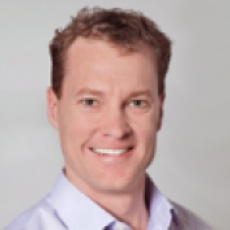
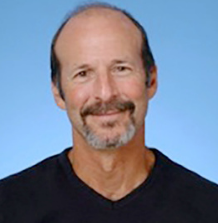
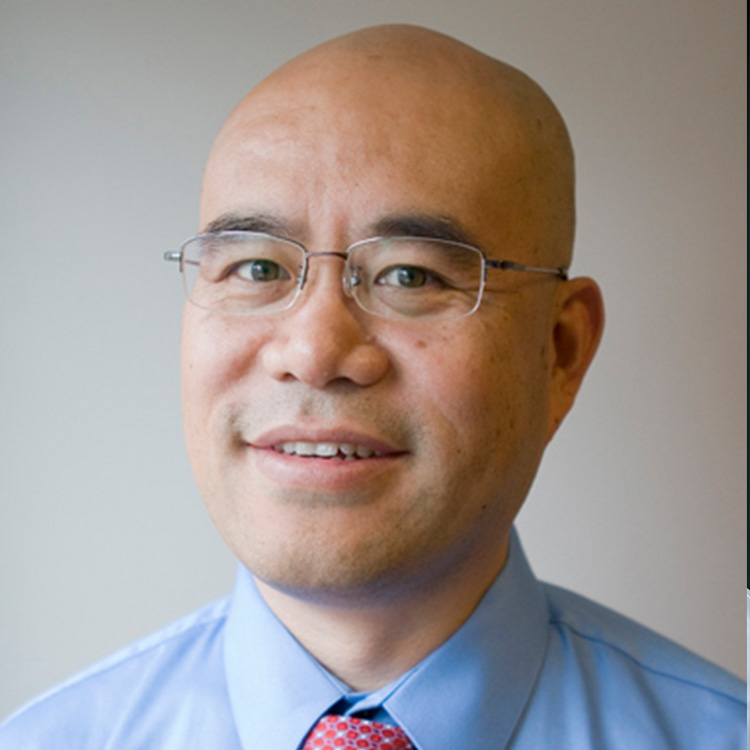
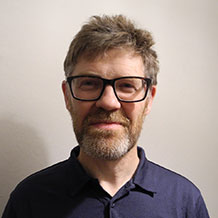
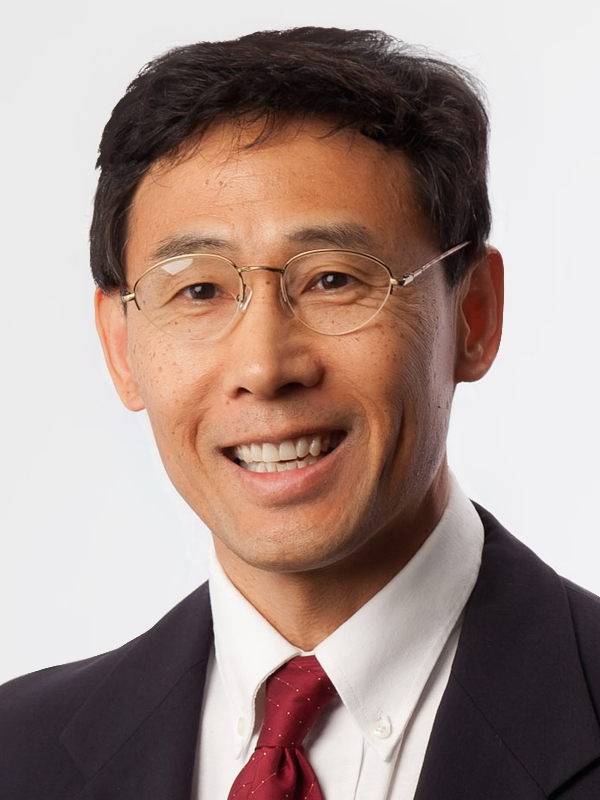
Dr. Daniel Southworth is a Professor in the Department of Biochemistry and Biophysics at the University of California San Francisco (UCSF), affiliated with the Institute for Neurodegenerative Diseases (IND). He earned his BS from UC Santa Cruz and PhD from Johns Hopkins University, followed by postdoctoral training at UCSF. His research focuses on molecular chaperones and protein quality control mechanisms relevant to neurodegenerative diseases like Alzheimer’s and Parkinson’s. Using cryo-electron microscopy (cryo-EM), his lab investigates chaperone machinery structure-function relationships, amyloid aggregation pathways, and therapeutic strategies targeting molecular chaperones. Key research areas include: (1) Structural biology of chaperones like Hsp90, CHIP, and Hsp104; (2) Mechanisms of tau and α-synuclein aggregation; and (3) Development of cryo-EM techniques for studying protein complexes. Recent work has revealed novel filament structures in neurodegenerative diseases and identified polyphosphate’s role in amyloid formation. His lab pioneered studies on VCP/p97 AAA+ ATPases and their adaptors, elucidating their roles in protein quality control. Collaborations include CRISPR-based screening in iPSC-derived neurons and drug design targeting chaperone-driven proteostasis. Notable contributions include cryo-EM structural analysis of SARS-CoV-2 proteins and methodological advancements in cryo-EM imaging using K3 cameras. Current research emphasizes translating structural insights into therapeutic approaches for neurodegenerative disorders.
Dr. Aurelian Catalin GALCA is a Senior Researcher I at the National Institute of Materials Physics (NIMP) in Magurele, Romania, where he works in the Laboratory of Complex Heterostructures and Multifunctional Materials (HeCoMat). He serves as NIMP's responsible for international collaborations with the Agence universitaire de la Francophonie (AUF) since 2016, managing administrative procedures and educational, training, and research activities for foreign PhD students and postdocs. Dr. GALCA's educational background includes: PhD in Physics from the University of Twente, Netherlands (2006) Master's degree in Solid State Physics from the University of Bucharest, Romania (2002) Bachelor's degree in Physics from the University of Bucharest, Romania (2002) Dr. GALCA's research focuses on the non-destructive characterization of nanoscaled materials using advanced techniques including spectroscopic ellipsometry, X-ray diffraction, UV-Vis and infrared spectroscopy, and Raman spectroscopy. His work also encompasses the preparation of dielectric/semiconductor/metallic thin films by physical vapor deposition methods and the development and testing of optoelectronic devices . His expertise spans materials science, nanotechnology, photovoltaics, and magnetooptics, with particular emphasis on thin film characterization and engineering for solar cell applications, memory devices, and other electronic applications. Analysis of Dr. GALCA's recent publications reveals a strong focus on advanced materials for energy applications , particularly photovoltaics and energy storage. His work spans thin film solar cells (CZTS, CBTS), perovskite solar cells, supercapacitors, and magnetocaloric materials. A common thread is the precise engineering of material properties through composition control, phase transitions, and surface morphology optimization. His research increasingly incorporates computational methods to complement experimental findings, demonstrating an interdisciplinary approach to materials science. Dr. GALCA has received notable recognition for his work, including: RADU GRIGOROVICI prize awarded by the Romanian Academy in 2011 for contributions to the optical characterization of oxide systems As a research leader, Dr. GALCA has coordinated three national projects, two of which as Principal Investigator, including the "Science and engineering of kesterites for the next generation of solar cells" project. He has also contributed to economic projects with CyberSwarm Inc. and Honeywell Romania. His expertise is sought after as a scientific reviewer for top journals including Scientific Reports, ACS Applied Materials & Interfaces, and Applied Surface Science, and as an Expert Evaluator for the European Commission (H2020), ANR (France), CNR (Italy), and Romanian funding agencies. Dr. GALCA leads research activities at the Laboratory of Complex Heterostructures and Multifunctional Materials (HeCoMat) at NIMP, where his team focuses on the characterization and development of advanced materials for optoelectronic applications. The laboratory is equipped with state-of-the-art instrumentation for thin film deposition and characterization, supporting research in photovoltaics, memory devices, and other electronic applications. Dr. GALCA's team collaborates extensively with international partners, reflecting his role as NIMP's responsible for AUF collaborations.
Irving Hoffman serves as a Research Professor of Medicine at the University of North Carolina at Chapel Hill School of Medicine. He holds dual leadership positions as Director of International Operations for the IGHID and International Director of UNC Project-Malawi. With over 30 years of continuous service since joining the UNC faculty in 1992, Hoffman has established himself as a leading figure in global infectious disease research with a focus on HIV and sexually transmitted infections. Hoffman's research spans multiple critical areas in global health including HIV treatment as prevention, sexually transmitted infection control, and vaccine development for diseases like malaria and TB. His work has had significant practical impact, notably as a key investigator in HPTN 052 which proved the power of HIV treatment as prevention, and leading the Malawi team that tested the first effective pediatric malaria vaccine (RTSS). His research interests encompass Global Public Health, HIV prevention among vulnerable populations, gonorrhea surveillance, and international academic site development. Analysis of his recent publications reveals a strong focus on molecular epidemiology of sexually transmitted infections, particularly syphilis and gonorrhea, with extensive work conducted in Malawi. His research increasingly integrates genomic approaches to understand pathogen evolution and antibiotic resistance patterns in resource-limited settings. A consistent theme across his work is the translation of research findings into practical public health interventions in sub-Saharan Africa. Hoffman has authored over 235 peer-reviewed publications throughout his career, with recent work appearing in high-impact journals including The Lancet Microbe, Nature Communications, and the New England Journal of Medicine. His HPTN 052 study represented a landmark finding that transformed global HIV prevention strategies. As an academic leader, Hoffman has provided extensive technical assistance to HIV and STI control programs across fifteen countries in Africa, Asia, and the Caribbean. He co-directs the STI clinic in Malawi that conducts syphilis vaccine development studies and gonococcal surveillance with the WHO. His international operations leadership oversees academic centers in Malawi, Zambia, Nicaragua, Vietnam, and China. Hoffman founded UNC Project Malawi 25 years ago and has served continuously as its international director in Lilongwe. His laboratory and research teams have made significant contributions to understanding HIV transmission dynamics, particularly in the male genital tract, and developing effective prevention strategies for vulnerable populations including female sex workers and people who inject drugs.
Qibin Zhang is a Professor of Chemistry and Co-Director of the Center for Translational Biomedical Research at the University of North Carolina at Greensboro (UNCG), where he leads the Zhang Research Group in the Department of Chemistry & Biochemistry within the College of Arts and Sciences. His laboratory develops cutting-edge mass spectrometry technologies for proteomics, lipidomics, and metabolomics with applications in disease biomarker discovery and clinical diagnostics. Dr. Zhang's primary research interests focus on developing more accurate, sensitive, and higher throughput measurement capabilities for biomolecules. His work centers on three main areas: Proteomics : Temporal plasma proteomics for Type 1 diabetes progression, cell-specific and spatial tissue proteomics, immunopeptidome analysis for novel T1D autoantigens, antimicrobial peptides, and glycated proteome in diabetic complications Lipidomics : Tissue-specific global lipidomics, high-resolution ozone-induced dissociation mass spectrometry, advanced analysis of glycosphingolipids, and lipid glycation in diabetes Metabolomics : Tryptophan catabolism, oxylipins and inflammation, fatty acid and energy metabolism, and chemical isotope labeling-based metabolomics Analysis of Dr. Zhang's recent publications (2022-2024) reveals a strong focus on translational biomedical applications, particularly in diabetes research and exercise physiology. His work demonstrates expertise in both method development (improved mass spectrometry techniques, data processing software) and biological applications (disease mechanisms, nutritional interventions). The research consistently bridges analytical chemistry with clinical applications, showing particular strength in spatial proteomics and lipidomics approaches. Dr. Zhang teaches advanced analytical chemistry courses including CHE 632/732 Advanced Analytical Chemistry, CHE 633/733 Bioanalytical Chemistry, and CHE 431/531 Instrumental Analysis. His laboratory is equipped with state-of-the-art instrumentation including Thermo QExactive HF, TSQ Quantiva, LTQ-Orbitrap with ETD, nano-LC and UPLC systems, and a Leco GC-TOF mass spectrometer. The Zhang Research Group currently includes four postdoctoral research fellows working across various aspects of proteomics, lipidomics, and metabolomics research.
Sarah A Stanley, MBBCh, PhD is a faculty member at the Icahn School of Medicine at Mount Sinai, where she leads the Stanley Laboratory. Her research spans multiple disciplines at the intersection of neuroscience, diabetes, and molecular biology, with significant contributions to understanding the neuroendocrine regulation of metabolism. Education: BA, University of Cambridge BChir, University of Cambridge MB, University of Cambridge PhD, Imperial College, London University Dr. Stanley's research focuses on three primary areas: pioneering the use of radio waves and magnetic fields to stimulate individual cells and neurons (radiogenetics and magnetogenetics); developing nanoparticles in bioengineered murine models for preclinical applications; and advancing understanding of the interaction between central and peripheral systems in appetite control and diabetes. Her work represents a unique integration of engineering approaches with fundamental neuroscience and metabolic research. Her publications demonstrate a strong trajectory in neuroendocrine research with applications to diabetes treatment, showing increasing sophistication in techniques from molecular biology to advanced neural modulation approaches. The research shows particular strength in translating basic science discoveries into potential therapeutic applications. Scientific Awards: 2016 Alexander and Alexandrine Sinsheimer Scholar Award 2016 Dr. Harold and Golden Lamport Research Award 2015 Cell Symposia: Engineering the Brain International Travel Award Darwin Prize in Experimental Natural Sciences Arthur Burrows Prize (Dermatology) James Anderson Prize (Medicine and Surgery) Dr. Stanley's laboratory is currently funded by The National Institutes of Health and American Diabetes Association, working in close collaboration with colleagues across Mount Sinai and partnerships with Professor Jeffrey Friedman at Rockefeller University and Professor Jonathan Dordick at Rensselaer Polytechnic Institute. Her research program demonstrates strong institutional support and strategic collaborations that enhance the impact of her work. The Stanley Laboratory operates across multiple facilities at Mount Sinai, including locations in the Annenberg Building and Atran Berg Laboratory Building, reflecting the interdisciplinary nature of her research that bridges neuroscience, engineering, and metabolic medicine.
Dr. Craig Evans is a Senior Lecturer in Environmental Science and Management at the University of Newcastle , affiliated with the College of Engineering, Science and Environment . With over 15 years of academic experience, his career spans teaching, research, and postgraduate supervision in biological and environmental sciences. Education: BSc (Biochemistry, University of New England), PhD (Science, University of Newcastle) Research Expertise: Chromatography & mass spectrometry for contaminant detection, molecular microbiology for pathogen tracking, and metabolic profiling for physiological studies Teaching Portfolio: Water quality science, emerging contaminants, freshwater systems, and advanced analytical techniques His research portfolio includes world-first studies on biostability in water distribution networks, aquatic Streptomyces activity, rainwater micro-ecology, and wind pattern impacts on microbial composition. Recent publications focus on antibiotic resistance in water systems, probiotic applications, and cyanobacterial dynamics. Key Research Areas: Aquatic ecology and pollution Faecal source tracking methodologies Microbial indicators in water quality Human and equine metabolic disturbances Emerging contaminants in water recycling Biostability in drinking water networks Dr. Evans has secured $724,141 in grants across 24 projects, including studies on: Soil health in viticulture Biocontrol of aquatic weeds Climate change water quality impacts Real-time cyanobacterial monitoring He has supervised 6 completed PhD projects and 2 ongoing investigations, with focus areas in: Invasive aquatic plant control Probiotic dairy applications Microbial water quality assessment
Dr. Daniel Jeffares is a Senior Lecturer in the Department of Biology at the University of York. His research focuses on Leishmania genomics, population genetics, and quantitative genetics, with an emphasis on understanding evolutionary processes and molecular biology in parasitic organisms. His work contributes to global health initiatives, including collaborations through the UK-Brazil Joint Centre Partnership in Leishmaniasis (JCPiLeish) and the PREV_PKDL project analyzing visceral leishmaniasis in East Africa. He leads the Jeffares Lab, which utilizes advanced genomic techniques to study parasite evolution and pathogenesis. Research Interests: Leishmania population genomics and drug resistance Genomic analysis of co-infections and pathogen diversity Evolutionary adaptations in trypanosomatids and extremophiles Applications of genomic methods in disease research Awards : Recipient of the Visiting Professorship (2022), recognizing his contributions to collaborative research and capacity-building in genomic methodologies. Grants & Collaborations: Principal Investigator on projects funded by MRC, Wellcome Trust, and NERC Leadership in multidisciplinary initiatives addressing visceral leishmaniasis in Sudan, Ethiopia, Uganda, and Kenya Active partnerships with institutions in Brazil and global health networks Labs/Teams: The Jeffares Lab at the University of York, part of the Biology Department’s research cluster focusing on microbial genomics and evolutionary processes.
Leo Meile is an Adjunct Professor at ETH Zurich's Department of Health Sciences and Technology, specializing in food biotechnology. His research encompasses food microbiology, fermentation technology, probiotic safety, and antimicrobial resistance in food systems. Research areas: Microbial ecology of fermented dairy products Biogenic amine formation in fermented foods Antifungal cultures for food preservation He has published extensively on traditional fermentation processes across Africa and Europe and contributed to safety assessments of dairy microorganisms. His work supports the ETH spin-off PharmaBiome.
Professor Stuart Marsden is a conservation ecologist at Manchester Metropolitan University, specializing in threatened species and the impacts of human activities on wildlife. He leads research on tropical birds, mammals, amphibians, and UK biodiversity, emphasizing conservation strategies and capacity building in developing countries. His work integrates field surveys, citizen science, and advanced technologies like acoustic monitoring. Key projects include studies on urban Stock Doves in Manchester and biodiversity assessments in Java's montane forests to inform protected area expansion. Collaborations with NGOs like Rainforest Trust and Chester Zoo highlight his commitment to applied conservation. Research Interests: Conservation of threatened taxa (birds, mammals, amphibians) Human impacts: land use change, wildlife trade Urban ecology and green infrastructure Tropical forest biodiversity and management Capacity building in conservation research Grants & Collaborations: Newton Fund Workshop on Dry Forests (Peru) Rainforest Trust project for Java's mountain wildlife Rainforest Trust and Chester Zoo funding Partnerships with Burung Indonesia and local communities His research group's blog documents fieldwork in Java, Peru, and Manchester, emphasizing interdisciplinary approaches to global conservation challenges.
David Minh is an Associate Professor of Chemistry and the Robert E. Frey, Jr. Endowed Chair in Chemistry at Illinois Institute of Technology (IIT), affiliated with the Lewis College of Science and Letters. He serves as Associate Director of the Center for Interdisciplinary Scientific Computation (CISC). His research focuses on computational chemical biology, developing methods to predict protein dynamics and molecular interactions for structure-based drug design. Education: Ph.D. in Chemistry, University of California, San Diego M.S. in Chemistry, University of California, San Diego B.A. in Chemistry, University of California, Berkeley Research Interests: Dr. Minh's group specializes in computational methods to study small molecule-biological interactions, including: Structural mechanisms of G protein-coupled receptors (GPCRs) and signaling proteins Advanced binding free energy calculations incorporating entropy Enhanced sampling in molecular simulations Bayesian statistical integration of experimental data Modeling bacterial metabolic enzymes and inhibitor development Articles Trends: Recent work emphasizes antiviral drug discovery (e.g., SARS-CoV-2 protease inhibitors), Bayesian analysis of binding data, and computational tools like AlGDock for free energy predictions. Collaborations with biologists (e.g., Oscar Juárez) drive antibiotic discovery targeting pathogenic bacteria. Advising & Grants: Leads interdisciplinary projects funded by NIH and industry partnerships. Mentors students in computational modeling and experimental validation. Active in open science initiatives like the D3R Grand Challenge in drug design. Labs & Teams: Directs the Minh Computational Chemistry Lab at IIT, focusing on molecular simulations, machine learning, and interdisciplinary collaborations to address biomedical challenges.
Dr. Renyi Zhang is a **Harold J. Haynes Chair in Geosciences and University Distinguished Professor** of Atmospheric Sciences and Chemistry at Texas A&M University (TAMU). He holds a **PhD in Atmospheric Chemistry from MIT** (1994) and completed postdoctoral research at Caltech's Jet Propulsion Laboratory. His research focuses on **air pollution, climate change, stratospheric ozone depletion, and the airborne transmission of pathogens like COVID-19**. He has pioneered studies on aerosol formation mechanisms, including the chemistry behind the 1952 London Fog and severe Asian haze. His work bridges atmospheric science with public health, emphasizing the societal impacts of pollution and climate policies. **Awards & Honors**: Humboldt Research Award (2024), Fellowships from AAAS, AMS, and AGU, and a **named symposium at the 2016 American Chemical Society meeting**. His interdisciplinary leadership includes founding the **Center for Atmospheric Chemistry and the Environment (CACE)** and guiding over 23 doctoral students, many now in academia, government, and industry. **Research Interests**: Aerosol nucleation/growth, aerosol-cloud-climate interactions, ultrafine particle health impacts, and pandemic transmission dynamics. His team develops advanced instrumentation for atmospheric measurements and employs global climate models to assess anthropogenic influences on weather extremes and health. **Grants & Advising**: Mentored 23 PhDs, 11 MSc students, 28 postdocs, and 14 exchange scholars. His students hold roles at NASA, NOAA, Stanford University, and industries like Intel. He serves on editorial boards of journals like *Journal of Geophysical Research* and chairs committees on atmospheric chemistry. **Labs & Collaborations**: Active in TAMU's Atmospheric Sciences and Chemistry departments. Collaborates globally on field studies, including Mexico City and Houston air quality analyses. Integrates science with policy to address climate protection and public health challenges.
Rui Guo is an Assistant Professor at Tufts University School of Medicine, affiliated with the Department of Molecular Biology and Microbiology. Their research focuses on Epstein-Barr Virus (EBV) pathogenesis, particularly its role in cancers like Burkitt lymphoma and mechanisms for developing targeted therapies. Doctor of Philosophy (2018), Kansas State University Master of Science (2013) and Bachelor of Science (2010), Yangzhou University Research interests include EBV-driven metabolic vulnerabilities in B-cells, with a focus on methyl group metabolism, mitochondrial remodeling, and lipid dynamics. Their work aims to improve cancer treatments by targeting viral dependencies. Recent publications highlight discoveries in EBV's manipulation of cardiolipin synthesis , methionine metabolism , and lysosomal iron reduction in Burkitt lymphoma. Techniques include transcriptomics , metabolomics , and CRISPR/Cas9 screening . Scientific recognition includes: National Institutes of Health Grant (2022-2026) for Epstein-Barr Virus epigenetic research
Adam Gregory Dolezal is an Associate Professor in Entomology at the University of Illinois Urbana-Champaign and an affiliate at the Carl R. Woese Institute for Genomic Biology. His research focuses on understanding how environmental stressors—such as nutrition, pesticides, pathogens, and landscape composition—affect honey bees and wild bees in agroecosystems. He employs interdisciplinary approaches including genomics, landscape ecology, and physiology to study pollinator health and decline drivers. Education: PhD (2012, Arizona State University) and B.S. (2006, University of Illinois Urbana-Champaign). Honors include the Insects Young Investigator Award (2022) and recognition as an excellent instructor (2019). Research interests emphasize viral infections, pesticide impacts, and dietary influences on bee health. His work highlights interactions between multiple stressors and their cumulative effects. Recent studies explore solutions like agrivoltaic systems and native vegetation integration to mitigate agricultural pressures. Awards include the Insects Young Investigator Award and teaching excellence. His lab focuses on applied research to improve pollinator resilience, with collaborations in conservation biology and sustainable agriculture.
Yves ANDRES is the Head of the Department of Energy and Environmental Systems (DSEE) at IMT Atlantique's Nantes campus. His work focuses on sustainable environmental engineering solutions, particularly in air quality management, bio-based materials, and renewable energy systems. He leads interdisciplinary research addressing indoor environmental quality, waste valorization, and eco-efficient technologies. Research Interests: Dr. ANDRES specializes in optimizing bio-based insulation materials, indoor air purification systems, anaerobic digestion of organic waste, and eco-friendly wastewater treatment. His team develops innovative methods for converting agricultural byproducts into energy (e.g., bioethanol, biohydrogen) and advanced filtration technologies to mitigate airborne contaminants. Recent projects explore mold resistance in building materials and the environmental impact of material aging processes. Key Contributions: His work bridges fundamental research and industrial applications, with a focus on sustainable transitions. Notable areas include: Development of multifunctional air filters using graphene-enhanced ceramics Optimization of floating treatment wetlands for nitrogen removal Standardization of VOC/SVOC emission testing protocols Dr. ANDRES actively collaborates with industry partners to implement small-scale anaerobic digestion systems and promotes circular economy principles in building material design. His research emphasizes both technical innovation and policy-oriented sustainability assessments.
Professor Justin Brookes is a faculty member at the University of Adelaide , affiliated with the School of Biological Sciences within the Faculty of Sciences, Engineering and Technology . His primary research focuses on water quality, limnology, and ecological restoration, particularly in the context of potable water sources, river-lake ecosystems, and the effects of climate change on aquatic environments. He leads large-scale projects on biofiltration for water reuse and collaborates internationally with institutions like CSIRO, UC Santa Barbara, and the Chinese Academy of Sciences. His research interests include hydrodynamics, cyanobacteria dynamics, and nutrient cycling in lakes and estuaries. Key projects involve the Coorong and Lower Lakes of the River Murray, examining eutrophication, salinization, and ecosystem resilience. Brookes actively supervises Masters and PhD students, emphasizing water science and environmental management. Brookes has published extensively in peer-reviewed journals, with a focus on microbial ecology, carbon cycling, and the ecological impacts of climate change. His work integrates field studies, modeling, and interdisciplinary collaboration to address global water challenges. Despite no explicitly listed awards, his contributions to water science are recognized through his leadership in major research initiatives. He is engaged in grant-funded projects and has contributed to policy discussions on water governance in the Murray-Darling Basin. Brookes' labs and teams focus on innovative solutions for water quality management, including biofiltration systems and real-time monitoring technologies.