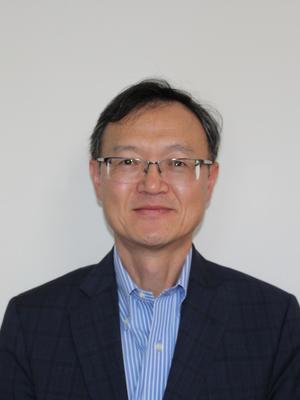
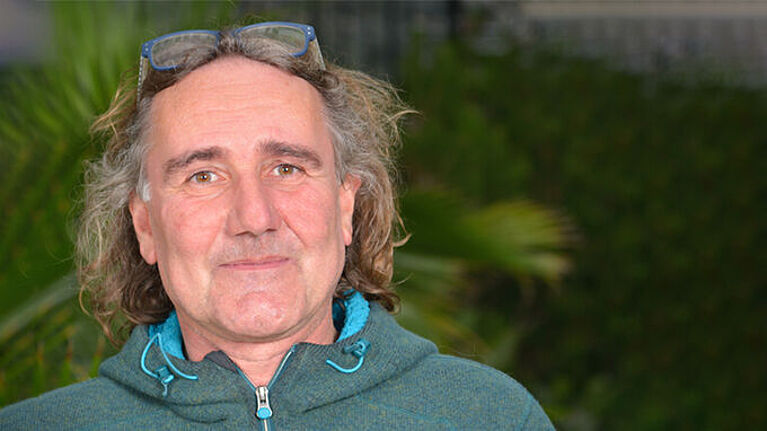
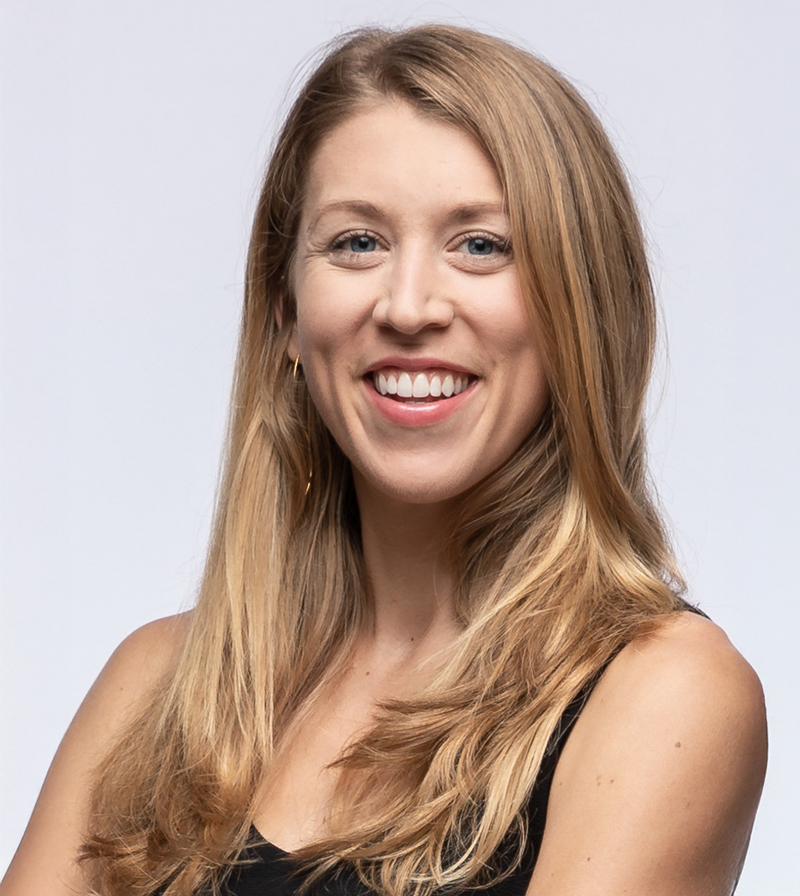
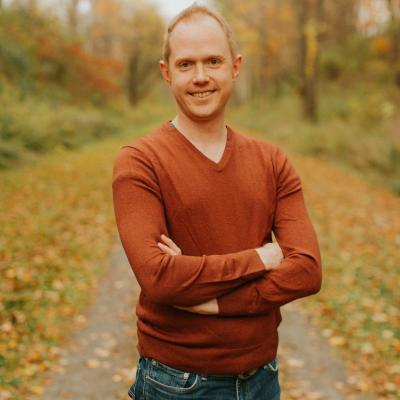
Professor Richard Stuetz serves as Deputy Head of School (Academic) at the School of Civil and Environmental Engineering , University of New South Wales (UNSW). His interdisciplinary research focuses on water, wastewater, and waste management processes in both natural and engineered systems, with particular emphasis on contaminant characterization, environmental emissions analysis, and community engagement strategies.
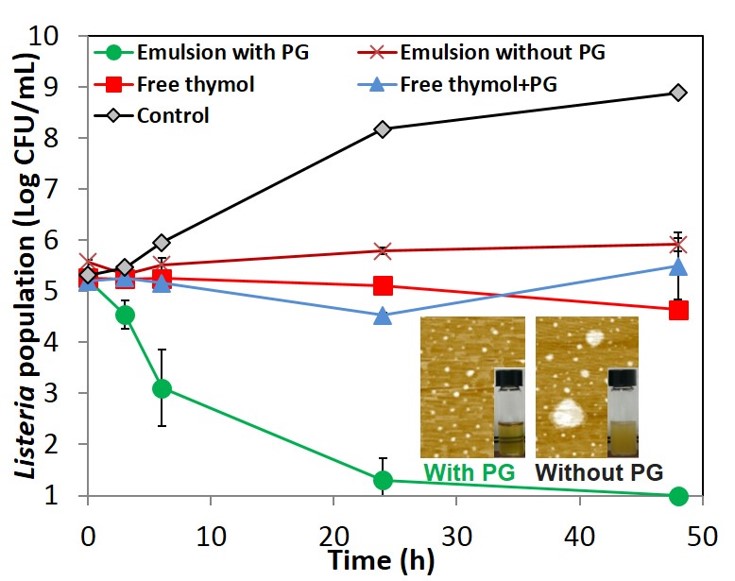
Qixin Zhong is a tenured Professor in the Department of Food Science at the University of Tennessee, Knoxville, with expertise in food ingredient science and colloidal systems. His research program applies materials science principles to design multi-scale structures enhancing food quality, safety, and health benefits. Key focus areas include nanostructured delivery systems for bioactives/antimicrobials, interfacial engineering, and biopolymer functionality. Research interests span: Food colloids and interfacial phenomena Nanotechnology-enabled delivery systems Antimicrobial preservation strategies Biopolymer self-assembly and functionality Probiotic stabilization technologies Recent publications demonstrate strong emphasis on: Shellac and protein-based nanocapsules for bioactive delivery Synergistic antimicrobial systems for fresh produce safety pH-responsive hydrogels and emulsions Methods to enhance acid stability of nutraceuticals Honors include the Samuel Cate Prescott Award and Chancellor’s Research Achievement Award. Dr. Zhong leads an active research group (Zhong Lab) with 5+ members, focusing on translational food science. He teaches graduate courses in Food Colloids and Food Chemistry, emphasizing physicochemical principles.
Professor Damian Pieloth (born 1966) is a faculty member in the Department of Applied Biosciences and Process Engineering at Anhalt University of Applied Sciences. He specializes in Mechanical Process Engineering and serves as Chair of the Examination Board for his department. His research focuses on filtration technology, particle separation processes, and environmental engineering systems . Professor Pieloth employs a multidisciplinary approach combining experimental methods (particularly X-ray microscopy), computational modeling, and machine learning techniques to study depth filters, electrostatic precipitators, and rotary scrubbers. Recent publications (2020-2024) demonstrate his active research program with increasing integration of computational methods. His work has practical applications in air pollution control, industrial gas cleaning processes, and environmental protection technologies. Professor Pieloth maintains an active research agenda with several publications each year, collaborating primarily with researcher Kevin Hoppe. His most recent work explores evolutionary strategies for filter optimization and neural network applications for spray analysis. Contact: Email: damian.pieloth@hs-anhalt.de Office: Building 02 (Grünes Gebäude), 2nd floor, Room 2.17 Address: Bernburger Straße 56, D-06366 Köthen
Aurélie Joubert is a Lecturer at IMT Atlantique, where she has conducted research in the Department of Energy Systems and Environment since 2010 as part of the GEPEA Laboratory (UMR CNRS 6144). Her academic foundation includes a PhD in Process Engineering (2009, Institut National Polytechnique de Lorraine). Dr. Joubert's research program targets critical air quality challenges through advanced gas-particle separation technologies. Her work encompasses filter media development for respiratory protection and industrial systems, spray scrubber optimization, and combined filtration/adsorption processes for simultaneous removal of VOCs, NOx, and microbial particulate matter. She investigates aerosol generation mechanisms, nano-waste incineration emissions, and develops numerical models for process optimization while pioneering micro-sensor applications for pathogen inactivation. She has co-supervised 8 doctoral theses and secured continuous funding through competitive projects including ADEME CORTEA NanoFlueGas, NanoWet CAPNAV, ANR SAFIRS, and AMI ADEME TIPEE. Her research network spans industrial leaders (Séché Environnement/Trédi, Veolia), national institutions (INERIS, INRS, LNE), and international academic partners. Within GEPEA Laboratory, Dr. Joubert contributes to the TEAM and GREEN research groups, advancing sustainable solutions for air pollution control through experimental and computational approaches to environmental process engineering.
Félicie Théron is an active Associate Professor at IMT Atlantique's Department of Energy Systems and Environment, where she has been conducting research since 2011. She is affiliated with the GEPEA research unit, specifically within the Ecotechnologies research area, and is part of Jack Legrand's research laboratory. Her academic journey began with Chemical Engineering studies at INP Lorraine, followed by a doctorate in Process Engineering from INP Toulouse completed in 2009. Professor Théron's research focuses on the complex interactions between airflow dynamics and particulate matter in ventilation systems. Her work bridges environmental engineering and fluid mechanics with practical applications for improving air filtration technologies and indoor air quality. She specializes in studying particle resuspension from duct walls during transient airflow conditions, particularly during fan acceleration phases that represent real-world system startups. Her research methodology combines sophisticated experimental techniques with computational modeling. She employs hot-wire anemometry for precise flow measurements, develops advanced image analysis protocols for tracking particle behavior, and utilizes computational fluid dynamics to simulate complex airflow patterns. Her publications reveal a consistent research trajectory with increasing sophistication in both experimental design and theoretical modeling. Professor Théron has developed innovative approaches for characterizing fibrous media properties, including permeability prediction models that account for bimodal fiber distributions and the Klinkenberg effect. Her recent work extends into smart filtration technologies, with research on electrospun sensory membranes for real-time detection of HVAC filter clogging. This progression demonstrates her ability to translate fundamental research into practical engineering applications that address energy efficiency concerns in building systems. Her publication record shows consistent productivity with 31 documented publications spanning from 2009 to 2025. The research topics evolve from fundamental fluid dynamics and process engineering toward increasingly specialized applications in environmental engineering and air quality control. Her work maintains strong connections to both theoretical modeling and practical implementation, with particular attention to transient phenomena that are often overlooked in traditional HVAC system design. Professor Théron collaborates extensively with researchers across multiple French institutions, particularly within the GEPEA research unit. Her work demonstrates the integration of multiple disciplines including fluid mechanics, materials science, environmental engineering, and sensor technology to address complex problems in air quality management and energy-efficient ventilation systems.
Dominique Courcot is a Professor at Université Littoral Côte d’Opale (ULCO) and Director of the Environmental Chemistry and Interactions on Life Unit (UCEIV). He obtained his PhD from the University of Lille in 1994, joined ULCO as an Assistant Professor in 1995, and became a full Professor in 2006. His leadership roles include heading the Chemistry and Toxicology of Atmospheric Emissions (CTEA) team since 2010 and directing UCEIV since 2014. His research examines: Atmospheric particulate matter (PM10, PM2.5, ultrafine particles) Source apportionment and emission tracer development Toxicological impacts on respiratory health Multidisciplinary approaches combining chemistry and biology Publications focus on: Chemical characterization of PM and organic pollutants Genotoxicity/cytotoxicity studies using pulmonary cells Industrial emission profiling Health risk mechanisms linked to air pollution He has 80+ indexed publications with significant citation impact.
Étienne Robert is a Full Professor in the Department of Mechanical Engineering at Polytechnique Montréal. He holds a B.Eng from Polytechnique Montréal and M.Sc./Ph.D. degrees from École Polytechnique Fédérale de Lausanne (EPFL). His primary affiliation is with Polytechnique Montréal, with past research experience at CERN. Professor Robert's research focuses on experimental approaches to fluid mechanics, particularly combustion dynamics and multiphase systems. Key research themes include: Fundamental studies of diffusion flames and thermo-diffusive instabilities Soot formation mechanisms and carbon nanostructure synthesis Acoustic manipulation of sub-micron particles for separation applications Hypergolic ignition systems for rocket propulsion Aerosol dynamics relevant to pathogen transmission and environmental systems His publication record shows strong emphasis on combustion science (40%), fluid dynamics (30%), aerosol physics (20%), and applied thermal engineering (10%). Recent work increasingly addresses sustainable energy applications including biomass polygeneration and hydrogen systems. Professor Robert leads an active research group with current supervision of 1 postdoctoral fellow and 4 PhD students. He has graduated 10 PhD and 11 Master's students working on projects spanning fundamental combustion, aerospace materials, and environmental fluid mechanics. Research funding includes NSERC Discovery grants and participation in EU-funded collaborations. Laboratory capabilities center on specialized combustion diagnostics, aerosol characterization systems, and acoustic manipulation setups. The group maintains unique experimental facilities including a one-dimensional diffusion flame burner enabling fundamental studies unobtainable in conventional systems.
Dr. Ramen Ghosh is a Researcher in the Mathematical Modelling and Intelligent Systems for Health and Environment (MISHE) group at Atlantic Technological University, Sligo, where he has been working with Dr. Marion McAfee since July 2022. His research explores how complex systems behave when randomness, interaction, learning, and control intersect, with special focus on ergodicity principles. His academic background includes: PhD in Electrical Engineering, University College Dublin, Ireland (2018-2023) Master of Technology in Mathematics and Computing, Indian Institute of Technology Patna, India Master of Science in Mathematics, Chennai Mathematical Institute, India Bachelor of Science in Mathematics (Honours), Ramakrishna Mission Vidyamandira Belur Math, University of Calcutta, India Dr. Ghosh's research centers on ergodicity—the concept that a system's long-run behavior becomes independent of its initial state—and how this principle can fail, emerge, or be shaped through control and learning. His work spans nonlinear systems, iterated function systems, dynamic mode decomposition, and applications in power grids, environmental systems, and materials science. He approaches complex system behavior through the intersection of randomness, interaction, learning, and control mechanisms. His publication record shows consistent growth with 1 article in 2022, 4 in 2023, 1 in 2024, and 1 in 2025. His research demonstrates strong interdisciplinary connections between theoretical mathematics and practical applications across environmental science, materials engineering, and control systems. The fingerprint analysis of his work reveals significant contributions to Nonlinearity, Iterated Function Systems, Dynamic Mode Decomposition, and Stable State mathematics. Dr. Ghosh has teaching experience including MATH09010 - Introduction to Mathematical and Computational Modelling at Atlantic Technological University (2022), and multiple offerings of EEEN30150-Modelling and Simulation and EEEN30020-Circuit Theory at University College Dublin (2019-2021). His research activities include presentations on ergodicity, predictability, fairness, and control for societal-scale challenges.
Fabrizio Bisetti is an Associate Professor at The University of Texas at Austin, holding the George & Dawn L. Coleman Centennial Fellowship in Engineering. His research focuses on turbulent mixing and combustion, particulate formation, aerosols, and atmospheric plasmas for combustion applications. Education: Ph.D., University of California, Berkeley Research Interests: Dr. Bisetti leverages large-scale simulations to investigate complex multi-physics processes in turbulent fluid flows. His work spans computational fluid dynamics, turbulence modeling, combustion chemistry, aerosol dynamics, and plasma-assisted combustion control. Key methodologies include uncertainty quantification and advanced numerical techniques for reactive flows. Applications target power generation systems, propulsion technologies, flow control mechanisms, and thermal-fluid system design optimization. Scientific Awards: George & Dawn L. Coleman Centennial Fellowship in Engineering Dr. Bisetti mentors graduate students in computational fluid dynamics and combustion research while securing competitive grants for his simulation-driven projects. His educational contributions include teaching foundational and advanced courses in fluid mechanics across undergraduate and graduate programs. Labs and Teams: Reactive Flow Modeling Laboratory (RFML) Center for Aeromechanics Research
Stefano Gialanella is an Associate Professor at the Department of Industrial Engineering, University of Trento. He serves as the Rector's delegate for Student Welfare and the Student Community and presides over the Joint Committee for the Right to Study. Expertise: Archaeometry, Metallurgy, Composite Materials, Electron Microscopy Teaching: Archeometria (Humanities Department), Metallurgy, Materials Selection for Engineering Design His research bridges industrial engineering and cultural heritage conservation, focusing on advanced material characterization techniques and sustainable engineering solutions. Recent work examines brake material emissions, shape memory alloys, and nanocrystalline material analysis. Teaching activities emphasize material science fundamentals, manufacturing technologies, and non-destructive testing methods.
John Bang is a Full Professor in the Department of Environmental, Earth and Geospatial Sciences at North Carolina Central University (NCCU). With both an MD and PhD, he brings a unique interdisciplinary perspective to environmental health research. His academic journey includes undergraduate and medical training at the University of Illinois at Urbana-Champaign and a PhD in Environmental Sciences and Engineering from the University of Texas, El Paso. B.S. in Biochemistry from University of Illinois at Urbana-Champaign Medical training (M.D. track) from University of Illinois at Urbana-Champaign Ph.D. in Environmental Sciences and Engineering from University of Texas, El Paso Professor Bang's research spans multiple interconnected domains focused on environmental health, with particular emphasis on understanding how environmental pollutants impact human health. His work integrates nanotechnology, environmental science, and biomedical research to address critical issues in pollution exposure and health disparities. His laboratory investigates the effects of nanoparticles on neurological and cardiopulmonary systems, with special attention to free radical mechanisms in disease processes. A significant portion of his research addresses health disparities in environmental exposure, particularly examining how different communities experience varying levels of pollution exposure. Analysis of Professor Bang's recent publications reveals a strong focus on nanotoxicology and environmental remediation. His work demonstrates consistent exploration of nanoparticle behavior in biological systems, particularly examining silver nanoparticles' effects on various organ systems and developing protective strategies using compounds like sodium selenite. His research increasingly connects environmental exposure to neurodegenerative diseases, with multiple studies examining the relationship between metal nanoparticles and Alzheimer's disease mechanisms. The interdisciplinary nature of his work is evident in publications spanning environmental science, toxicology, neuroscience, and materials science journals. Professor Bang has secured significant research funding, with more than 15 major extramural grants from organizations including the U.S. EPA, National Science Foundation (NSF), National Institutes of Health (NIH)/National Institute of Environmental Health Sciences (NIEHS), and the North Carolina Biotechnology Center. His research has resulted in over 40 peer-reviewed publications and more than 80 seminar and invited presentations. Teaching is central to Professor Bang's academic identity. He teaches courses including ENSC 1000 (Introduction to Sustainable Planet), ENSC 2100 (Introduction to Environmental Sustainability), ENSC 3600 (Air Quality and Control), and ENSC 4400 (Special Topics/Nanotechnology in Environment). His teaching philosophy emphasizes project-based learning, allowing students to apply classroom knowledge to real-world environmental challenges. His laboratory operates with an 'open-door policy' that welcomes any interested student, reflecting his commitment to mentoring the next generation of environmental scientists.
Prof. Dr. Thomas Eichert serves as Professor of Horticulture within the School of Landscape Architecture, Horticulture and Forestry at the University of Applied Sciences Erfurt since October 2017. His subject area focuses on Physiology and Practice of Plant Nutrition, and he actively contributes as a member of the LGF Audit Committee. His academic journey spans over two decades with continuous appointments at German agricultural institutions. His educational foundation includes a Diplom in Geoecology (1996) and Dr. rer. nat. (2001) from the University of Bayreuth, followed by Habilitation in Plant Nutrition/Agricultural Chemistry at the University of Bonn (2010). Prior to his current professorship, he served as Temporary Academic Councillor (2011-2017) and Research Associate (1997-2011) at the University of Bonn's Institute of Crop Science, while maintaining partnership at HGoTECH GmbH since 2010. Eichert's research establishes him as a leading authority in foliar nutrient uptake mechanisms, particularly regarding boron and zinc transport across plant cuticles. His work bridges fundamental plant physiology with practical agricultural applications, examining nanoparticle interactions, nutrient speciation, and environmental impacts on crop nutrition. The recurring themes across his publications demonstrate exceptional expertise in leaf surface properties and their role in nutrient absorption efficiency. His teaching portfolio spans critical horticultural disciplines including Botany I/II, Ecological Basics, Plant Nutrition and Protection (BGA2040/BGA3030), Scientific Work methodology, and advanced Master's courses in Climate Change Adaptation and Statistical Methods in Crop Production. This comprehensive curriculum reflects his integrated approach to plant science education. While no formal student advisement is documented in the provided materials, Eichert's industry partnership at HGoTECH GmbH indicates applied research translation. His laboratory work focuses on advanced nutrient delivery systems and plant surface analysis, though specific team structures aren't detailed in the source text.
Wanda Wilczyńska-Michalik serves as Professor at the Institute of Geography, Pedagogical University of Krakow since 1994. Her research bridges environmental geochemistry and urban air quality, focusing on pollution impacts in Krakow through mineralogical analysis of atmospheric particles. Her research interests center on atmospheric pollution characterization , with three interconnected pillars: (1) Microplastic quantification in urban aerosols using innovative semi-quantitative frameworks, (2) Mineralogical fingerprinting of technoparticles (magnetic particles, TiO 2 nanoparticles, combustion by-products), and (3) Long-term documentation of pollution-induced deterioration in historical stone monuments. This work uniquely connects source identification , environmental transport , and health/cultural impacts in Central European urban contexts. Analysis of her 15 most recent publications reveals evolving methodological sophistication: early work (2014-2018) established combustion emission profiles, while 2019-2022 research pioneered microplastic threat assessment and integrated aerosol microbiology. Current studies emphasize applied environmental forensics with direct policy relevance for urban air quality management. As a long-tenured professor, she maintains active supervision of graduate researchers through the Institute of Geography. Her publication record demonstrates consistent grant funding, particularly for Krakow-focused atmospheric monitoring projects. Collaborative patterns show strong institutional partnerships across Polish research universities. Her laboratory work operates within the university's shared geoscience facilities, contributing to Krakow's status as a European reference site for urban pollution studies. Current projects address urgent needs in microplastic regulation and cultural heritage preservation amid increasing anthropogenic pressures.
Dr. Molly Moynihan serves as Assistant Professor in the Department of Geosciences at Florida Atlantic University, where she leads the Coral Reef Geochemistry & Microbiology Lab (Reef GeM Lab). Her research bridges marine geology, biogeochemistry, and microbial ecology to investigate fundamental processes sustaining coral reef ecosystems. Her academic training includes: Ph.D. in Marine Biogeochemistry from Nanyang Technological University, Singapore (2021) M.S. in Oceanography & Marine Environments from Sorbonne University, France (2014) B.S. in Earth Science from Cornell University (2011) Dr. Moynihan's work centers on the intricate relationships between coral skeletons, endolithic microbes, and biogeochemical cycles. She employs isotope labeling , microsensor technology , and microbiome analysis to unravel how microbial communities within reef frameworks influence skeletal formation, mechanical properties, and nutrient cycling. A significant focus examines green sulfur bacteria in coral microenvironments and their role in sulfur cycling under changing environmental conditions. Her research has particular relevance for understanding coral resilience mechanisms in equatorial reef systems. Analysis of her 11 publications (2012-2025) reveals a strategic evolution from coastal pollution studies toward specialized coral-microbe interactions. Recent work demonstrates sophisticated integration of biomechanical testing with microbial ecology, particularly in high-impact studies on Porites skeletal anisotropy (2022) and coral-associated nitrogen fixation (2022). Her research consistently targets equatorial reef systems, with fieldwork concentrated in the Singapore Strait and Southeast Asian waters. Dr. Moynihan actively mentors graduate students through PhD recruitment in the Reef GeM Lab, emphasizing hands-on training in both field and advanced laboratory techniques. Her lab maintains operational funding through university support and collaborative grants with coral restoration initiatives, enabling participation in regional conservation efforts. Current projects focus on enhancing outplanted coral resilience through microbial community management. The Reef GeM Lab operates as a dynamic research hub where field observations from active reef sites directly inform controlled laboratory experiments . The lab's collaborative framework connects FAU with international research institutions and local restoration practitioners, creating a pipeline from fundamental discovery to applied conservation solutions for threatened coral ecosystems.
Aric Bryant serves as Associate Professor and Department Chair of Mechanical and Electrical Engineering Technology at Alfred State College, State University of New York. He teaches core courses including Mechanical Design Principles, Statics, Solid Modeling, and Process Engineering and Manufacturing within the Engineering Technology program. His academic credentials include: Associate of Applied Science in Mechanical Design Engineering Technology, Alfred State College Bachelor of Science in Mechanical Engineering Technology, Alfred State College Master of Science in Mechanical Engineering, Binghamton University Dr. Bryant's research program centers on contamination control systems in precision manufacturing environments, with specialized expertise in electrostatic discharge (ESD) mitigation protocols, real-time particulate monitoring, chemical contamination detection methodologies, and substrate cleanliness validation. His work bridges theoretical cleanroom management principles with industrial quality engineering applications. Concurrently, he investigates systemic barriers and intervention strategies to enhance representation and success of underrepresented groups in STEM education pathways. He maintains active professional engagement as a board member of the Upstate New York Chapter of the Institute of Environmental Sciences and Technology (IEST) and through memberships in the American Society for Engineering Education (ASEE) and American Society for Quality (ASQ), where he contributes to industry standards development and pedagogical innovation initiatives.