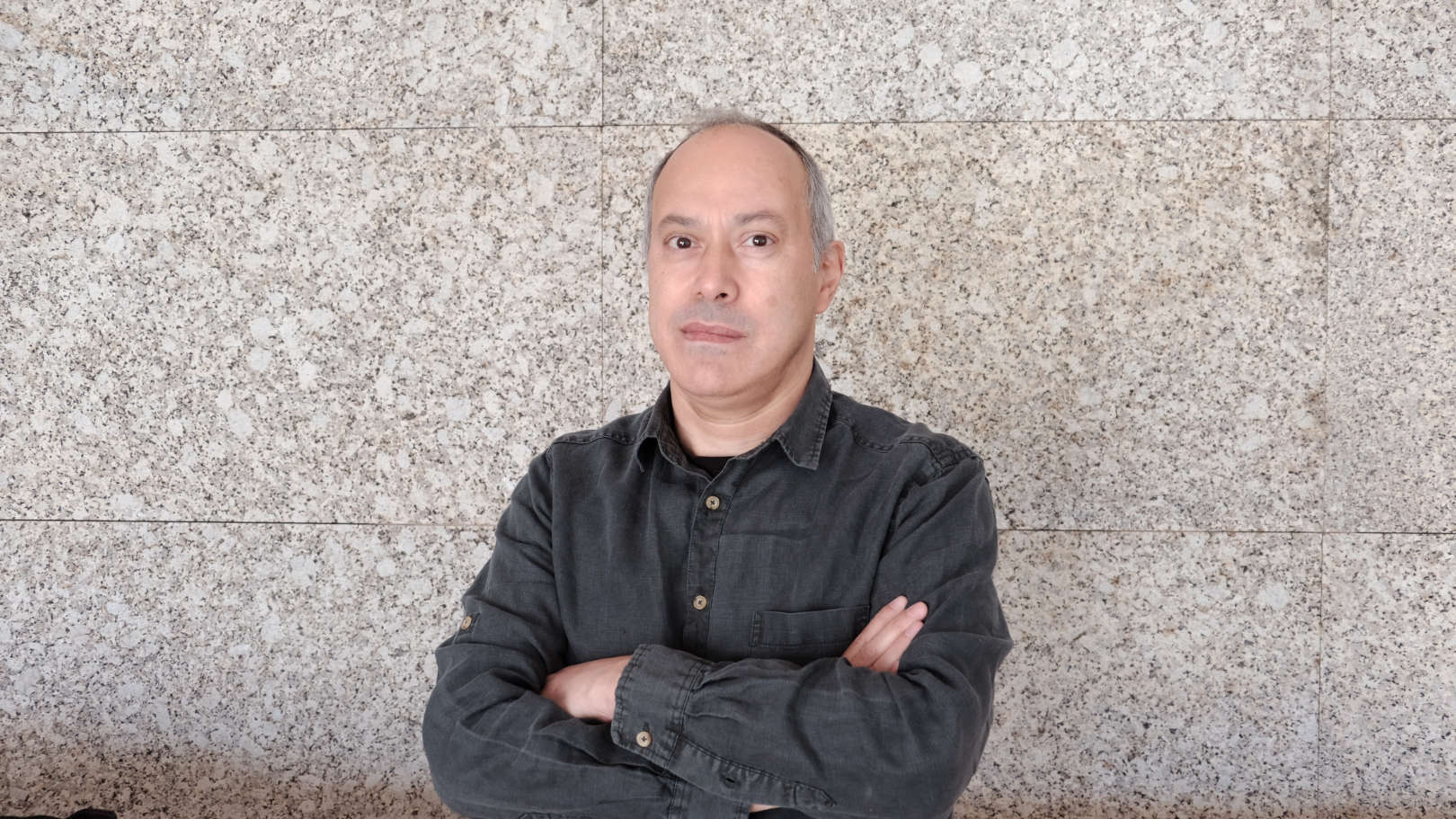
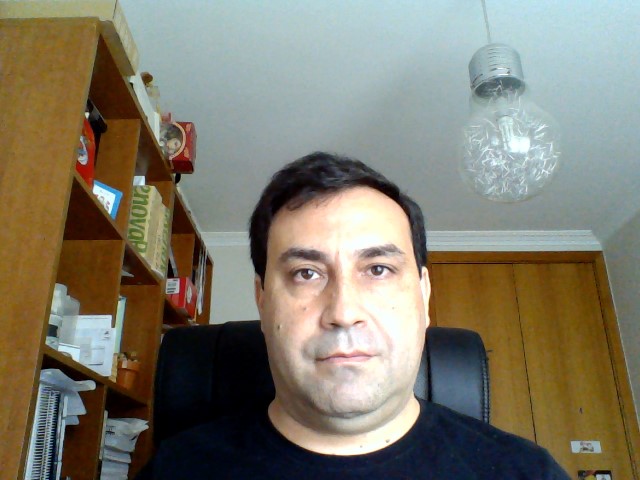
Alberto José Gonçalves Carvalho Proença serves as Full Professor in the Department of Informatics at the School of Engineering, University of Minho, and holds the position of Senior Researcher with Dr. habil at Centro ALGORITMI. His academic career spans over 45 years, beginning at the University of Porto in 1976 before transitioning to the University of Minho in 1977 where he has remained ever since. His educational foundation includes: Licentiate in Electrical Engineering from Coimbra, Portugal (1976) MSc in Digital Electronics from UMIST, Manchester, UK (1979) PhD from Manchester, UK (1982) Dr. habil (Habilitation) from the University of Minho (1998) Professor Proença's research spans from digital electronics to cutting-edge high-performance computing, with core expertise in computer architecture, parallel computing, and heterogeneous computing systems. His work bridges theoretical computer science with practical applications across diverse domains including particle physics (LHC data analysis), forensic science (DNA library systems), materials science (crystallographic imaging), and cultural heritage preservation. Current research focuses on optimizing computational efficiency across heterogeneous resources for scientific applications, addressing challenges in big data processing, parallel random number generation, and scheduling algorithms for distributed environments. Throughout his career, Professor Proença has successfully supervised numerous MSc dissertations and PhD theses while contributing significantly to institutional computing infrastructure. He chaired the University Computer Centre for 17 years (1985-2002), establishing Portugal's first national parallel computing service. For 11 years (2006-2017), he led the Advanced Computing theme in the University of Texas at Austin-Portugal cooperation program. Since 2005, he has directed the university's SeARCH heterogeneous computing cluster, supporting research across multiple scientific disciplines. His research group has developed several influential frameworks including JaSkel (Java Skeleton-Based Framework for Cluster and Grid Computing), HEP-Frame (for LHC data analysis), Im2Cr (crystallographic imaging tool), and CROSS-Fire (risk management decision support system). These platforms demonstrate his commitment to translating theoretical advances into practical tools that address real-world scientific and societal challenges.