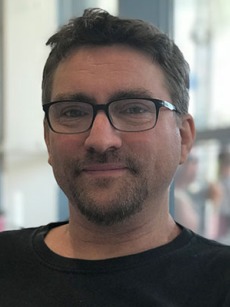
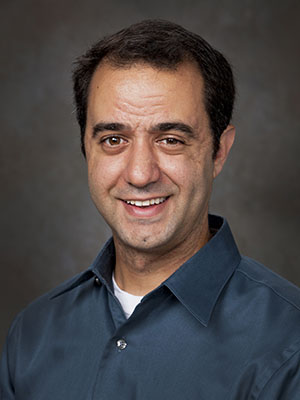
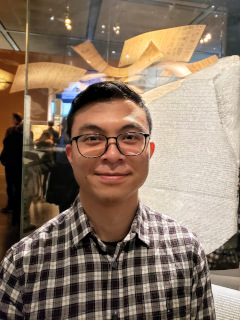
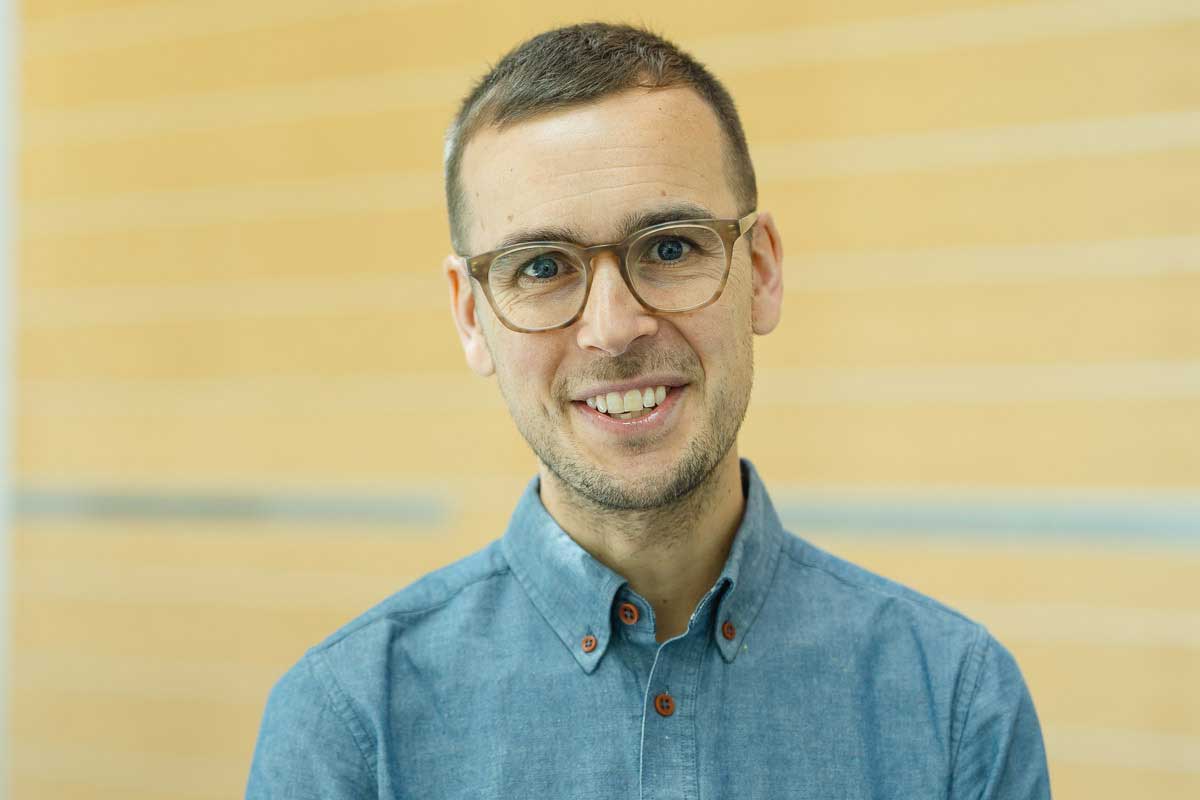
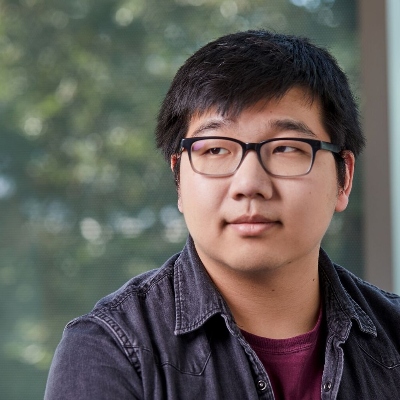
James Newman, PhD, is a Research Professor in Media and University Teaching Fellow at Bath Spa University. He specializes in videogame studies, game sound/music, and media histories. As Senior Curator at the National Videogame Museum and co-founder of the Videogame Heritage Society, he focuses on preservation and digital heritage. His work spans academic research, public engagement, and creative practice. Education: Holds a PhD in Media Studies. Research: Explores game spectatorship, early game sound, and ludomusicology. Grants: Supported by ESRC, Wellcome Trust, AHRC, and others. Awards: Includes fellowships from Stanford University and ICHEG. Contributions: Co-authored White Papers, directed the All Your Bass festival, and collaborates with institutions like the British Library on the Game Sound Archive. Public Engagement: Regular media contributor (BBC, The Guardian) and international adviser on game studies. Creative Work: Composes electronic music using obsolete synthesis systems and game hardware.
Gierad Laput is a Senior Engineering Manager at Apple, leading the Perception and Interaction Engineering organization under Machine Intelligence Neural Design (MIND) at Apple AI/ML (AIML). He is also an Adjunct Professor at Carnegie Mellon University's School of Computer Science and Human-Computer Interaction Institute. His research sits at the intersection of sensing systems, interactive technologies, and machine learning, with applications in ambient intelligence, wearables, and AI-driven interactive experiences. Ph.D. in Computer Science from Carnegie Mellon University Founding member of CMU's Future Interfaces Group Former Google Ph.D. Fellow, Disney Imagineer, and recipient of 10 Best Paper Awards/Nominations His research agenda at Apple leverages cutting-edge hardware to develop multimodal ML systems for vision, audio, and motion sensors, enabling features like head gesture detection for AirPods, Apple Intelligence integrations, and health monitoring tools. Recent collaborative projects include Vision Pro hand interaction systems and WatchOS updates for cycling/fall detection. Key research areas include human-computer interaction , machine learning for sensor fusion , and smart environment sensing . Over 35 publications cover transformative technologies like ViBand (bio-acoustic sensing), EM-Sense (touch recognition), SkinTrack (arm as touchpad), and ElectroDermis (stretchable electronics). Scientific honors include: Fast Company Innovation by Design Award (2017) Google PhD Fellowship (2018) Swartz Entrepreneurial Fellowship (2018) Best Paper Awards at ACM UIST (2016) and ACM CHI (2015) As an educator, he has taught courses at CMU and the University of Michigan on on-device machine learning , signal processing , and human-centered design . His lab has mentored numerous researchers now pursuing PhDs at MIT, UW, CMU, and Northwestern.
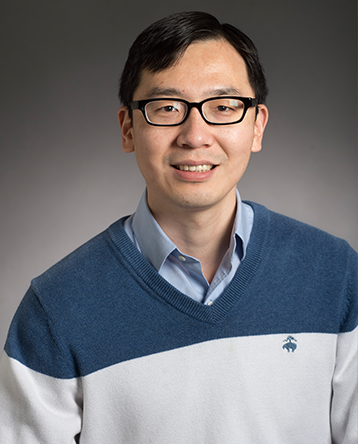
Sheng Shen is a Professor in the Mechanical Engineering Department at Carnegie Mellon University (CMU) , with courtesy appointments in the Departments of Electrical and Computer Engineering and Materials Science and Engineering . He earned his Ph.D. in Mechanical Engineering (Minor in Electrical Engineering) from Massachusetts Institute of Technology (MIT) , and his B.S. and M.S. from Huazhong University of Science and Technology in China. Prior to joining CMU in 2011, he conducted postdoctoral research at UC-Berkeley . Education: Ph.D., Mechanical Engineering, MIT (2010) B.S. & M.S., Power Engineering & Engineering Thermophysics, Huazhong University of Science and Technology (2000 & 2003) Research interests include nanophotonics , nanoscale energy transport and conversion , nanofabrication , and advanced manufacturing , with applications in thermal management , light sources and devices , thermal emission control , solar energy conversion , infrared sensing , and multifunctional materials . His work leverages interdisciplinary expertise in thermal and optical measurements , material synthesis , device fabrication , and theoretical modeling . Recent publications highlight advancements in infrared radiation control , thermal interface materials , metasurface engineering , and graphene-based nanosystems . His scientific awards include: NSF CAREER Award DARPA Director's Fellowship DARPA Young Faculty Award Elsevier/JQSRT Raymond Viskanta Award CMU Dean's Early Career Fellowship Philomathia Foundation Research Fellowship Hewlett-Packard Best Paper Award Best Paper Award, Julius Springer Forum Advising spans Ph.D. and postdoctoral researchers in nanoscale energy systems, with alumni contributing to solar energy conversion , infrared sensing , and flexible electronics . His lab receives funding from ARL, DARPA, DOE, DTRA, NASA, NSF, and ONR , and recently secured a DURIP award for instrumentation.
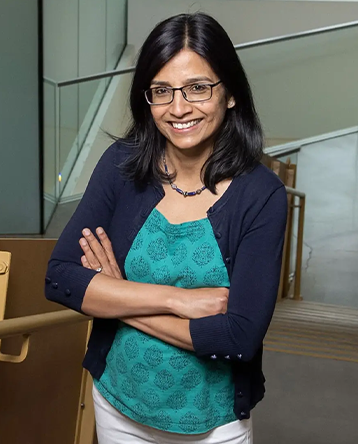
Aarti Singh is a Professor in the Machine Learning Department at Carnegie Mellon University and Director of the NSF AI Institute for Societal Decision Making. She leads research at the intersection of machine learning, statistics, and decision making, with applications to scientific and societal domains. Her work focuses on designing principled interactive algorithms for learning and decision making under uncertainty. Education: Ph.D. in Electrical Engineering, University of Wisconsin-Madison (2008) M.S. in Electrical Engineering, University of Wisconsin-Madison (2003) B.E. in Electronics and Communication Engineering, University of Delhi (2001) Research Interests: Professor Singh's research centers on developing interactive machine learning algorithms that go beyond finding input-output associations to make higher-level decisions about the most informative data and actions. Her work spans autonomous decision making, including active sampling, stochastic optimization, bandits, and reinforcement learning that are statistically optimal, computationally tractable, and robust. She also investigates human factors in decision making, designing algorithms that model and leverage human feedback while accounting for bias, memory effects, and calibration. Her research has applications in material science, cosmology, and peer review systems. Research Trends: Professor Singh's recent publications demonstrate a strong focus on reinforcement learning, particularly in developing more efficient and robust algorithms for decision making under uncertainty. Her work bridges theoretical foundations with practical applications, spanning from fundamental algorithm development to real-world implementation in scientific domains. There's a clear trajectory toward integrating human factors into decision-making algorithms, with significant contributions to peer review systems and preference learning. Scientific Awards: NSF Career Award United States Air Force Young Investigator Award A. Nico Habermann Faculty Chair Award Harold A. Peterson Best Dissertation Award Multiple paper awards Advising and Grants: Professor Singh has advised numerous PhD and master's students, many of whom have gone on to faculty positions or research roles at leading institutions. Her research is supported by prestigious grants from ONR, Simons Foundation, AFRL, ARL, and NSF. She serves as General Chair (2025) and Program Chair (2020) for the International Conference on Machine Learning (ICML) and has held leadership roles in multiple professional organizations. Research Team: Professor Singh leads a vibrant research group within the Machine Learning Department at CMU, with current PhD students working on topics including reinforcement learning, human-AI collaboration, and decision making under uncertainty. She also directs the NSF AI Institute for Societal Decision Making, which brings together researchers from multiple disciplines to develop AI systems that support human decision making in societal contexts.
California Institute of Technology (Caltech)United States
Xingxing Zuo is an Assistant Professor (tenure-track) in the Robotics Department at MBZUAI. He holds a PhD from Zhejiang University (2021) and a Bachelor’s from UESTC (2016). Previously, he was a Postdoctoral Scholar at Caltech (2024–2025), a Postdoc at ETH Zurich (2019–2021), and held visiting roles at TU Munich, University of Delaware, and University of Technology Sydney. His research focuses on robotics, 3D computer vision, and embodied AI, with emphasis on robot-human collaboration, state estimation, and sensor fusion. Educations: PhD in Robotics, Zhejiang University (2021, with honors) Bachelor’s in Computer Science, University of Electronic Science and Technology of China (2016, with honors) Research Highlights: Develops novel methods for LiDAR-camera-inertial fusion, neural radiance fields, and radar-cameras systems Pioneered techniques like Flying Co-Stereo (long-range aerial mapping) and FMGS (vision-language embedded 3D splatting) Focuses on real-time SLAM, robust depth estimation, and photorealistic scene reconstruction Awards & Recognition: Best Paper Finalist at ICRA 2021 (CodeVIO) Oral Presentation at ICCV 2021 (MBA-VO) Recipient of Google Visiting Faculty Researcher (2023) Grants & Labs: Organized Thermal Infrared in Robotics workshop at ICRA 2025 Leads research on embodied AI and multi-sensor SLAM systems Develops open-source tools like LIC-Fusion and Coco-LIC frameworks
Tanzeem Choudhury is a Professor at the Jacobs Technion-Cornell Institute at Cornell Tech, specializing in Information Sciences. She co-founded HealthRhythms Inc. and directs the People-Aware Computing lab, focusing on machine learning for human activity and social network analysis. Her work pioneered the 'Reality Mining' field, leveraging mobile sensors to model social interactions. Choudhury holds a Ph.D. from MIT's Media Lab and B.S. in Electrical Engineering from the University of Rochester. Her research spans wearable tech, mental health interventions, and ubiquitous computing. Notable projects include affective touch wearables for anxiety reduction, stress detection systems (e.g., StressSense), and the BeWell app for well-being monitoring. Choudhury has been recognized as an ACM Fellow and SIGCHI Academy member, with impactful contributions to healthcare technology and sensor-based behavioral analysis. Current lab initiatives include developing closed-loop interventions for mental health, equity-driven sensing systems, and exploring AI integration in psychotherapy. She advises PhD students on topics like digital biomarkers, burnout detection in healthcare workers, and smartphone-based mental health assessment. Education: Ph.D. in Media Arts & Sciences (MIT), M.S. (MIT Media Lab), B.S. in Electrical Engineering (University of Rochester) Lab Team: Includes PhD candidates (Dan Adler, Yiran Zhao) and researchers focusing on health AI, wearable devices, and clinical applications. Major Awards: ACM Fellowship (2020), SIGCHI Academy (2018), Best Paper Awards at Ubicomp and MobileHCI conferences. Key Projects: OptoBeat (skin-tone calibrated blood oxygen sensor), EmotionCheck (anxiety intervention), and Affective Touch devices.
Bobak Mortazavi is an Associate Professor in the Department of Computer Science & Engineering at Texas A&M University. His research focuses on medical analytics, machine learning, wearable sensors, and cyber-physical systems. He leads interdisciplinary projects in healthcare technology, including AI-driven diagnostics and predictive modeling for cardiovascular diseases. He has received notable awards such as the Best Demonstration Award at IEEE EMBS 2012 and the Best Paper Award at the Fourth International Conference on Data Analytics 2015. His work bridges machine learning with clinical applications, emphasizing practical solutions for healthcare challenges. Recent research includes developing AI tools for aortic stenosis detection, electrolyte estimation via ECG, and real-time patient monitoring systems. He collaborates with industry and academic partners to advance telemedicine and wearable health technologies. Key contributions include the SMART-LV project for smartphone-based cardiac diagnostics and the ArterialNet framework for blood pressure reconstruction using wearable sensors. His work is published in top journals like IEEE Journal of Biomedical and Health Informatics and Elsevier's Pervasive and Mobile Computing.
Swiss Federal Institute of Technology in LausanneSwitzerland
Francesca Stradolini is a Lecturer at École Polytechnique Fédérale de Lausanne (EPFL), affiliated with the Electrical Engineering Doctoral School (EDEE). She holds a PhD in Electrical Engineering from EPFL (2018), with prior education in Bio Engineering and Neuroscience from the University of Genoa (2012, 2015). Her current work focuses on R&D engineering for medical devices, emphasizing system lifecycle management, human factors engineering, and compliance with CE/FDA regulations. As an invited guest, she contributes to usability engineering education and interdisciplinary research at EPFL. PhD: IoT Bio-Electronic Multi-Panel Device for On-line Monitoring of Anaesthesia Delivery (EPFL, 2018) MSc: Bio Engineering (University of Genoa, 2015) BSc: Bio Engineering (University of Genoa, 2012) Her research spans bioelectronics, IoT-enabled medical monitoring, and electrochemical sensor development for clinical applications. Key areas include anesthesia delivery systems, wearable diagnostics, implantable devices, and human factors engineering. Her work integrates fluidic systems, noble metal nanostructures, and open-source hardware (e.g., Raspberry Pi) to address challenges in traceability, fouling mitigation, and pharmacokinetic modeling. Scientific recognition includes the Ville de Lausanne Award (2019) , EPFL Outstanding PhD Thesis Distinction (2018) , and a Best Paper Award at MOBIHEALTH (2016) . She has published extensively in journals like IEEE TBIOCAS, Sensors and Actuators B, and IEEE Sensors Journal, with collaborative studies on propofol monitoring, carbon nanoallotrope drug detection, and implantable sensor validation. Her technical expertise includes managing medical device development lifecycles, designing IoT architectures for intensive care, and optimizing electrochemical sensors for stability in undiluted biological fluids. She has contributed to conferences such as IEEE BioCAS, ISCAS, and MOBIHEALTH, focusing on translational studies in personalized medicine and 3D-printed medical systems.
Steven Jackson is a Professor of Information Science and Science and Technology Studies at Cornell University's Bowers College of Computing and Information Science, with additional graduate field appointments in Communication and Public Affairs. Since July 2023, he has served as Vice-Provost for Academic Innovation at Cornell, and previously held leadership positions as Chair of Information Science and Dean of William Keeton House. His work bridges academic research with significant institutional leadership in higher education innovation. Dr. Jackson's research focuses on critical intersections of technology, society, and the environment, with three primary strands: technology ethics, law and policy; maintenance, repair and sustainability; and technology, inequality and global development. His work draws from American pragmatism, political economy, and science and technology studies, integrating methods from sociology, anthropology, philosophy, and media studies. He is particularly interested in how computing practices meet social and material worlds, with implications for infrastructure, collaboration, sustainability, and cultural practice. His recent publications reveal a strong emphasis on repair as both theoretical concept and practical methodology, exploring 'ordinary hope' as a framework for technological engagement and examining unmaking as a necessary counterpart to design. The research spans diverse geographical contexts from the global North to South, addressing caste dynamics in computing, digital authoritarianism, and infrastructure challenges in developing contexts. Dr. Jackson has received significant recognition including an NSF CAREER award and more than twenty paper awards at leading computing and information science venues. His research has been supported by major organizations including the U.S. National Science Foundation, Social Science Research Council, Ford Foundation, Sloan Foundation, World Bank, Intel Research, Atkinson Center for Sustainability, and the Canadian Social Science and Humanities Research Council. As an advisor, Dr. Jackson has mentored numerous graduate students who have gone on to prominent positions at institutions worldwide. He currently advises Jen Liu, Amy Cheatle, Daniel Mwesigwa, Johan Michalove, and Ritik Batra, while his former students include Palashi Vaghela (Assistant Professor at Simon Fraser University), Samir Passi (Responsible AI Researcher at Microsoft), Maggie Jack (Assistant Professor at NYU), and Ranjit Singh (Senior Researcher at Data and Society). Dr. Jackson convenes the Computing On Earth Lab, an experimental collaboration bringing together social scientists, humanists, artists, and engineers to rethink the material and planetary foundations of computing. The lab reflects his commitment to interdisciplinary approaches that address computing's environmental impacts and sustainability challenges.
Jackie Chit Kit Cheung is an Associate Professor in the School of Computer Science at McGill University, where he co-directs the Reasoning and Learning Lab. He holds the Canada CIFAR AI Chair and serves as an Associate Scientific Co-Director at the Mila Quebec AI Institute. He is also a consulting researcher at Microsoft Research Montreal. Academic Background: Ph.D. in Computer Science, University of Toronto (2010–2014) M.Sc. in Computer Science, University of Toronto (2008–2010) B.Sc. (Honours) in Computer Science, minors in Linguistics and German, University of British Columbia (2004–2008) Research Interests: Jackie Cheung's research lies at the intersection of natural language processing, machine learning, and cognitive science. He focuses on natural language generation , automatic summarization , commonsense and pragmatic reasoning , and the evaluation of NLP systems . His work aims to build language models that reflect real-world structure and reasoning, with applications in health, education, and language revitalization. He is particularly interested in how implicit meaning is processed in context, a core concern in linguistic pragmatics. Publication Trends: His recent publications (2024–2025) show a strong emphasis on evaluation methodologies (e.g., COSMIC, ECBD), hallucination and factuality in language models, coreference and reasoning , and long-context modeling . He frequently collaborates across institutions and integrates insights from linguistics and psychology into NLP system design and analysis. Scientific Awards: Best Paper Award, ACL 2018 Outstanding Paper Award, NAACL 2018 Student Research Workshop SAC Award, ACL 2024 (for COSMIC) Best Poster Award, CMDO AI-Health Symposium 2024 Advising and Grants: He advises a large and diverse group of graduate students, including PhD and Master’s candidates, often in co-supervision with other faculty. His group has received support from major AI and health research initiatives, including CIFAR and Mila. He has trained alumni who have gone on to faculty and industry research positions. He has served in leadership roles in top NLP conferences, including as Senior Area Chair, Workshop Chair, and Program Chair of Canadian AI 2018. Labs and Teams: He co-directs the Reasoning and Learning Lab at McGill and is deeply involved with Mila – Quebec AI Institute . He founded the NLP Reading Group at McGill, which brings together researchers from computer science, linguistics, and information studies to discuss theoretical and applied NLP topics.
Byron Wallace is the Sy and Laurie Sternberg Interdisciplinary Associate Professor at Northeastern University's Khoury College of Computer Sciences, where he also serves as Associate Dean for Research and Director of the BS in Data Science Program. His research focuses on Natural Language Processing and Machine Learning applications in healthcare. Education Details of formal education are not explicitly provided in the available text, though he holds a PhD from Tufts University (mentioned in thesis award context). Research Interests His work centers on developing NLP and ML models for health applications, with particular emphasis on: Biomedical evidence synthesis automation Electronic Health Record processing Model interpretability and trustworthiness Human-in-the-loop systems Learning with limited supervision Research Trends Recent publications demonstrate strong focus on large language model applications in healthcare, including factuality evaluation for medical summarization, evidence extraction from clinical trials, and interpretable risk prediction models. Notable contributions include work on GPT-3 applications in medical evidence synthesis and neural methods for EHR analysis. Scientific Awards ACL Outstanding Paper Award (2022) ICLR Spotlight (top 5% acceptance) (2024) Best Student-led Paper Award at AMIA 2021 NSF CAREER Award (2018-2023) Advising and Grants Currently advises 4 PhD students and has mentored numerous others. Major funding includes: NSF CAREER Award ($500K+) NIH R01 grant for EHR summarization NSF Medium grant for healthcare summarization Support from Army Research Office, Amazon, and Seton Hospital Labs and Teams Leads the Evidence Inference project team working on automated biomedical evidence synthesis. Collaborates with Brigham and Women's Hospital, Mass General Hospital, and Reboot Rx for clinical translation of research.
Jiatao Gu is an Assistant Professor in the Department of Computer and Information Science (CIS) at the University of Pennsylvania, with a part-time role as Staff Research Scientist at Apple (MLR). He holds a Ph.D. in Electrical and Electronic Engineering from the University of Hong Kong (2018) and a B.Eng. in Electronic Engineering from Tsinghua University (2014). His research focuses on generative machine learning and AI agent interaction with the physical world, emphasizing multi-modal systems spanning language, images, videos, and 3D. Key themes include efficient modeling , flexible architecture design , and scalable decision-making frameworks . 2025: ICLR paper on DART framework 2024: TMLR work on GFlowNet alignment 2023: NeurIPS research on diffusion stability 2022: ACL papers on speech translation Recent publications explore diffusion models for text-to-image synthesis, 3D reconstruction, and efficient sampling techniques. His work addresses fundamental challenges in attention mechanisms, entropy collapse, and multi-stage distillation while advancing non-autoregressive translation and vision-language reasoning . Prospective students can apply through his recruitment process at UPenn. Prior affiliations include Meta AI (FAIR Labs) and academic collaborations with institutions like New York University's CILVR Lab.
Swiss Federal Institute of Technology in LausanneSwitzerland
Sandro Carrara is a Full Professor at École Polytechnique Fédérale de Lausanne (EPFL), where he leads the Bio/CMOS Interfaces (BCI) laboratory. He is affiliated with the School of Engineering (STI), the Institute of Electrical Engineering (SCI-STI-SC), and the Integrated Systems Laboratory (LSI). His academic leadership spans teaching, doctoral supervision, and editorial roles in major journals including IEEE Sensors Journal and BioNanoScience. Education: Diploma in Electronics, National Technical Institute of Albenga, Italy Master in Physics, University of Genoa, Italy PhD in Biochemistry and Biophysics, University of Padua, Italy His research focuses on the integration of biological systems with CMOS technology, particularly in the development of nanoscale biosensors for health monitoring. Key areas include memristive biosensors, wearable and implantable sensors, electrochemical detection, and therapeutic drug monitoring. His work bridges electronics, nanotechnology, and biomedicine to enable point-of-care diagnostics and personalized medicine. His recent publications (2023–2025) show a strong trend toward sustainable printed electronics, machine learning for biosensing, in-memory computing for cancer diagnostics, and remote health monitoring. These works appear in high-impact journals such as IEEE Sensors Journal , Nanoscale , and Biosensors and Bioelectronics: X . Scientific Awards: IEEE Fellow (2015) IEEE Sensors Council Technical Achievement Award (2016) Distinguished Lecturer, IEEE Sensors Council (2017) Best Paper Award, IEEE MeMeA Symposium (2020) Multiple Gold and Bronze Leaf Prizes at PRIME and IEEE conferences Best Poster Awards at EMBEC and Nano-Tera meetings He actively advises PhD students and leads research projects involving CMOS-based biosensors, wireless implants, and smart sensor systems. His lab collaborates widely across disciplines and institutions, focusing on real-world applications in oncology, neurology, and environmental health. He has also contributed to the development of battery-free wearable devices, optical power transfer systems, and IoT-enabled telemedicine platforms. Laboratories and Teams: Bio/CMOS Interfaces (BCI) Laboratory, EPFL Integrated Systems Laboratory (LSI), EPFL Collaborations with IEEE Sensors Council and Circuits and Systems Society Editorial leadership in IEEE Sensors Journal and BioNanoScience
Dr. Yamin Zhang (张亚敏) holds a Presidential Young Professorship as an Assistant Professor in the Department of Chemical & Biomolecular Engineering at the National University of Singapore (NUS), College of Engineering. She leads the Zhang Group which focuses on interdisciplinary research at the intersection of electrochemistry, materials science, and biomedical engineering. 07/2023 – 01/2024: Research Associate, Northwestern University 02/2021 – 06/2023: Postdoctoral Fellow, Northwestern University 08/2016 – 12/2020: Ph.D., Chemical Engineering, Georgia Institute of Technology 09/2012 – 07/2016: B.S., Chemical Engineering, Tianjin University; B.S., Finance (Double Major), Nankai University Dr. Zhang's research centers on developing advanced electrochemical strategies for next-generation medical devices (implantable, bioresorbable, and wearable) and sustainable energy solutions. Her work bridges bioelectronics , battery technology , and medical therapeutics , with particular emphasis on creating devices that can safely dissolve in the body after serving their purpose. Key areas include bioresorbable optoelectronic systems for electrotherapy, self-powered drug delivery platforms, and eco-safe battery technologies that can harmlessly resorb in biological environments. Analysis of Dr. Zhang's publication record reveals a clear trajectory from fundamental battery chemistry (2021-2022) toward increasingly sophisticated medical applications (2023-2025). Her recent work demonstrates mastery in integrating multiple functionalities into single bioresorbable platforms, as evidenced by her Nature (2025) paper on millimeter-scale optoelectronic systems for electrotherapy and Cell Biomaterials (2025) paper on wireless bioelectronic devices. The research shows strong interdisciplinary collaboration with leading institutions including Northwestern University and Georgia Tech. AHA Early Faculty Independence Award (2023) MIT ChemE Rising Stars (2022) Sigma Xi Best PhD Thesis Award (2021) Chinese Government Award for Outstanding Students Abroad (2021) A*STAR MTC Young Individual Research Grants (YIRG) (2025) Early Career Board Member for ACS Applied Materials & Interfaces (2025) Dr. Zhang has secured significant research funding including the AHA's Second Century Early Faculty Independence Award as Principal Investigator (2023) and the A*STAR MTC Young Individual Research Grant (2025). Her group serves on advisory boards for Cell Biomaterials and ACS Applied Materials & Interfaces. The Zhang Group at NUS maintains active collaborations with Northwestern University researchers including the Rogers group, with whom she has co-authored multiple high-impact publications in Nature, Science, and PNAS. Current research focuses on advancing battery technology and developing sophisticated electrochemical strategies for medical devices with an overarching focus on healthcare innovation and environmental sustainability.
Henrik Sandberg is a Professor at the Division of Decision and Control Systems , KTH Royal Institute of Technology , Stockholm, Sweden. He holds the title of Deputy Head of Division and is affiliated with the School of Electrical Engineering and Computer Science . Education: MSc in Engineering Physics (1999) PhD in Automatic Control (2004) from Lund University Postdoctoral position at Caltech (pre-2007) Research Interests: Focus on cyber-physical systems security , power systems , model reduction , and fundamental limitations of control systems . Key sub-areas include attack detection , networked control , privacy-preserving estimation , and resilient control architectures . Publications: Over 150 papers across IEEE Transactions and Automatica , covering topics like stealthy attacks , distributed control , LQG optimization , and thermodynamic costs in filtering . Recent work includes LWE-based encrypted control and Bayesian deception mechanisms . Scientific Awards: Best Student Paper Award Finalist at IEEE CASE 2014; Best Student-Paper Award at IEEE CDC 2004. Grants & Projects: Leads the DYNACON project (WASP Cybersec cluster) and collaborates on CERCES (critical infrastructure resilience). Serves as examiner for multiple advanced courses in cybersecurity and control systems. Contact: Email: hsan@kth.se Phone: +46 (0)8 790 7294 Room: A:607, Malvinas Väg 10, Stockholm