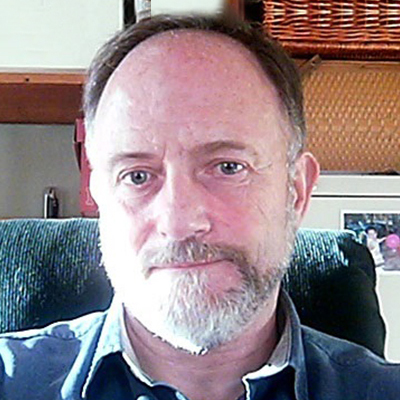
Andreas von Leupoldt is a Professor at the Health Psychology unit within the Faculty of Psychology and Educational Sciences at KU Leuven. His research focuses on the interplay between respiratory sensations , neural processing , and psychological factors like anxiety and depression. Current projects include studies on menthol inhalation for dyspnea relief (2024–2030), interoception across organ domains , and fear conditioning in respiratory diseases . He serves on multiple committees including the Social and Societal Ethics Committee (SMEC) and supervises doctoral candidates. His work bridges clinical psychology and respiratory physiology , with recent publications analyzing neural oscillations in sensory gating , effects of taVNS , and psychosocial factors in COPD . Grants from BOF and collaborative networks support his research.
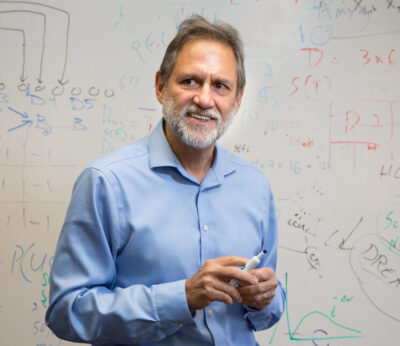
Dr. Carl Roberts is a Senior Lecturer in the Department of Psychology at the University of Liverpool. He serves as the research lead for the 'Substance use, misuse, and dependence' research group and co-lead of the 'Unilever - Brain and Behaviour Collaboration'. His academic work spans neuropsychopharmacology, sensory/affective neuroscience, and microbiome-brain interactions, with a focus on motivated behaviors and public health. Module Coordinator: PSYC347 - Psychoactive Substances Professional Affiliation: Member of Psychology Management Group (Communications and Outreach Lead) Collaboration: Unilever R&D partnership in sensory neuroscience His research integrates multimodal neuroimaging (fNIRS, EEG, fMRI, sMRI) to investigate: Neurobiological consequences of chronic drug use (MDMA, cannabis, cocaine) Therapeutic potential of psychoactive substances Pharmaceutical effects on appetite and eating behavior Mechanisms linking microbiomes to stress and wellbeing Recent work demonstrates Carl's interdisciplinary focus across four areas: Alcohol consumption dynamics under social influence Microbiome sampling methodologies Psychological impact of hair/scalp conditions Neurophysiological modulation of sensory experiences He contributes to education through teaching modules including Biological Psychology, Research Methods, and Psychoactive Substances. Professional activities include: Collaboration leadership with Unilever UK Management Group role in Psychology department Research coordination on substance use
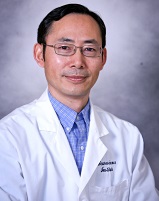
Zhigang Xiong, M.D., Ph.D. is a Professor of Neurobiology at Morehouse School of Medicine, where he conducts research in the Multidisciplinary Research Center. His work focuses on understanding the molecular mechanisms of neuronal injury during stroke and developing neuroprotective strategies. Education: Doctor of Medicine from Anhui Medical University Doctor of Philosophy in Pharmacology from University of Ottawa School of Medicine Postdoctoral Fellow at University of Toronto, School of Medicine Dr. Xiong's research primarily investigates ion channels, particularly acid-sensing ion channels (ASICs) and TRPM7 channels, and their roles in stroke pathophysiology, neurodegeneration, and neuroprotection. His work has been instrumental in establishing the importance of proton-gated channels in ischemic brain injury. His recent publications continue to explore cholesterol metabolism in stroke and novel therapeutic approaches targeting ion channels. His publication record spans over 25 years with significant contributions in 2024-2025, demonstrating ongoing research activity. The work shows consistent focus on neuronal injury mechanisms with evolving approaches from basic channel physiology to translational applications and therapeutic interventions. Scientific Awards: Established Investigator Award, American Heart Association (2007) Scientist Development Award, American Heart Association (2001) Centennial Fellowship Award, Medical Research Council of Canada (1998) Postdoctoral Fellowship Award, Medical Research Council of Canada (1996) Dr. Xiong has established himself as a significant contributor to the field of stroke research and ion channel physiology, with his work on ASIC channels being particularly influential in understanding pH-mediated neuronal injury during cerebral ischemia. His research bridges basic neuroscience with potential clinical applications for stroke treatment.
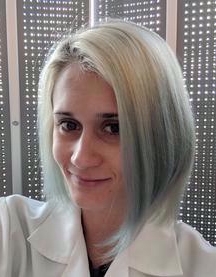
Sara Hestehave Kristensen is an Assistant Professor in the Department of Veterinary and Animal Sciences at the University of Copenhagen's Faculty of Health and Medical Sciences, specializing in Preclinical Disease Biology. With dual qualifications as a PhD and Doctor of Veterinary Medicine (DVM), she leads research at the intersection of veterinary science, neuropharmacology, and pain mechanisms. Her research focuses on understanding chronic pain pathways, with particular expertise in ion channel modulation (CaV2.2 and NaV1.7), epigenetic remodeling related to stress responses, and FKBP51 protein pathways. Dr. Hestehave Kristensen develops innovative methodologies for pain assessment in animal models, including novel behavioral tests and refined arthritis models. Analysis of her recent publications reveals a strong focus on translational pain research, with emphasis on developing targeted therapies for neuropathic, orofacial, and osteoarthritic pain conditions. Her work integrates molecular biology, pharmacology, and behavioral science to address both the physiological and emotional aspects of chronic pain. Dr. Hestehave Kristensen maintains an active international research network, with recent collaborations spanning institutions in the United States, United Kingdom, and Ireland. Her research has attracted attention across multiple platforms, with mentions in news outlets, academic social media, and professional networks.
Jesper M. Mathiesen is an Associate Professor in the Department of Drug Design and Pharmacology within the Faculty of Health and Medical Sciences at the University of Copenhagen. His research focuses on molecular and cellular pharmacology, particularly studying G-protein coupled receptors (GPCRs) and their modulation mechanisms. Dr. Mathiesen's research interests include: Molecular mechanisms of G-protein coupled receptor signaling Allosteric modulation of calcium-sensing receptors Pharmacology of opioid receptors and development of novel therapeutics Structure-function relationships of receptors Drug design targeting receptor systems Nanobody applications in receptor pharmacology His recent publications demonstrate significant contributions to understanding receptor pharmacology, with work appearing in high-impact journals including Nature. His research shows particular expertise in calcium-sensing receptors and opioid receptor systems, with implications for treating disorders related to calcium homeostasis and developing improved pain management therapies with reduced addiction potential. Dr. Mathiesen has received considerable attention for his work, with several publications picked up by numerous news outlets (one paper by 83 news outlets) and referenced in academic platforms including Wikipedia. His collaborative network includes prominent researchers such as Nobel laureate Brian Kobilka.
Ann K Kennedy is an Adjunct Assistant Professor in the Department of Neuroscience at Northwestern University's Feinberg School of Medicine, leading theoretical neuroscience research on animal behavior and neural mechanisms using computational approaches. Her educational background includes: BS in Biomedical Engineering, Johns Hopkins University (2008) BA, Johns Hopkins University (2008) PhD in Neuroscience, Columbia University (2014) Kennedy's research integrates dynamical systems, statistical modeling, and machine learning to decode distributed neural control of behavior. Her lab investigates hypothalamic regulation of aggression, basal ganglia-behavior correlations, hippocampal social bonding mechanisms, and cnidarian neural evolution, focusing on how motivational states reshape neural activity. Recent publications reveal trends in computational neuroscience emphasizing neural heterogeneity, dynamical systems modeling, and machine learning applications to behavioral data, bridging theoretical frameworks with experimental neuroscience across diverse organisms and brain regions. Her major scientific awards include: Sloan Research Fellowship (2023) Eppendorf and Science Prize for Neurobiology (2022) Pew Scholar in the Biomedical Sciences (2024) Kennedy's research is supported by significant grants including the Sloan Fellowship ($75,000) and Pew Scholar award (four-year funding), enabling high-risk computational modeling of hypothalamic circuits. She mentors graduate students and postdocs in developing stochastic models to predict how experience reshapes neural activity underlying survival behaviors. Her laboratory employs interdisciplinary approaches combining theoretical modeling with experimental data from mice, cnidarians, and other models to investigate how stress, social isolation, and hunger modulate neural circuits controlling aggression and pain.
Michael Fanselow is a Professor in the Department of Psychology at the University of California, Los Angeles (UCLA) . He serves as Director of the Behavioral Testing Core and holds the Staglin Family Chair while directing the Staglin Music Festival Center for Brain & Behavioral Health . He has previously held academic positions at Rennselaer Polytechnic Institute and Dartmouth College. His research focuses on fear learning , memory systems , and neural circuitry , particularly examining the roles of the amygdala and hippocampus in contextual fear conditioning , stress-enhanced fear learning , and neuroplasticity . His work also investigates traumatic brain injury effects on behavioral sensitization , sex differences in emotional processing , and pharmacological interventions for post-traumatic stress disorder . Dr. Fanselow has published extensively in top-tier journals such as Science , Nature , and Neuron , with recent work analyzing stress-resilience mechanisms , social support in fear inhibition , and adaptive properties of stress . His research spans computational models of memory (e.g., BaconREM ), neural substrates of fear generalization , and neurodegenerative processes post-injury. Scientific Recognition: Recipient of the Edwin B Newman Award for dissertation research Received Early Career Distinguished Scientific Contribution Award from APA Honored with D. O. Hebb Award and Troland Award from NAS Former President of APA Division of Behavioral Neuroscience and Pavlovian Society He has mentored numerous students and collaborators in fear conditioning studies, including work on GABA receptor subunits , cholinergic modulation , and neural circuit mapping . His laboratory at Franz Hall (Los Angeles, CA) integrates electrophysiology , genetic models , and behavioral pharmacology to investigate fear memory dynamics and stress-alcohol interactions .
Juan Carlos G. Marvizón is an Adjunct Professor in the Department of Medicine at the University of California, Los Angeles (UCLA), affiliated with the Vatche and Tamar Manoukian Division of Digestive Diseases and the CURE: Digestive Diseases Research Center. His research focuses on the molecular mechanisms of pain modulation, particularly involving opioid receptors, NMDA receptors, and neurotransmitter dynamics in the spinal cord and dorsal root ganglia. Key research areas include: Neuropharmacological regulation of pain through opioid and adrenergic receptors Neurokinin 1 receptor internalization and substance P release mechanisms Role of BDNF and Src family kinases in neuropathic pain Interactions between endogenous modulators and pain signaling pathways His publications from 2002–2018 reveal a consistent focus on receptor dynamics, neurotransmitter interactions, and stress-sensitive chronic pain models. He collaborates extensively with researchers like Wenling Chen, Helena S. Ennes, and Emeran A. Mayer on pain neurobiology. Current affiliations include the VA Greater Los Angeles Healthcare System, where he contributes to pain research within the digestive diseases framework.
Andrew Frederic Kuntz, MD is an Associate Professor of Orthopaedic Surgery at the Perelman School of Medicine , University of Pennsylvania. He serves as an Attending Physician at multiple institutions including the Hospital of the University of Pennsylvania, Pennsylvania Hospital, and Penn Presbyterian Medical Center. Additional roles include Chief of Shoulder Surgery at the Corporal Michael J. Crescenz Veterans Affairs Medical Center and Director of the Shoulder Study Group. Education: BS in Chemistry from the College of William and Mary (2001), MD from the University of Virginia School of Medicine (2005) Kuntz's research focuses on clinical and basic science aspects of shoulder and elbow surgery, particularly tendon and ligament injury, repair, and healing. His work combines clinical outcomes analysis with translational studies using animal models to address fundamental questions in musculoskeletal biology and surgical innovation. Recent publications emphasize advancements in: Graft fixation techniques in ACL reconstruction Hedgehog signaling for tendon-bone integration Regional tendon biology differences Data collection biases in patient-reported outcomes Opioid prescription trends in surgical care Scientific Awards Kappa Delta Young Investigator Award (2024) Kuntz actively collaborates with interdisciplinary teams across institutions, including the McKay Orthopaedic Research Laboratory and the Translational Musculoskeletal Research Center at the Philadelphia Veterans Affairs Medical Center. His work bridges clinical practice with laboratory-based translational research to improve surgical outcomes and tissue regeneration strategies.
Chelsie L. Brewer is a faculty member at the University of Cincinnati , holding an Assistant Professor position. She earned her PhD in Neuroscience from the University of Cincinnati (2019), completed a Postdoctoral Fellowship in Anesthesiology at Stanford University (2025), and holds a BSc in Psychology from Northern Kentucky University (2015) with minors in Biology and Chemistry. Research Focus: Dr. Brewer's work explores the intersection of neurobiology , pain research , and neurodegenerative diseases , with a particular emphasis on how neonatal injury affects spinal cord circuits and chronic pain development . Her studies also investigate neuronal senescence in the dorsal root ganglia related to aging and injury, as well as dynorphin circuits in somatosensation. Grants: Dr. Brewer is the Principal Investigator on a NIAMS R00 grant (#R00AR083486) (2025-2028) titled "Novel models to study dorsal root ganglion neurons in knee osteoarthritis pain" , a federal-level project funded by the National Institute of Arthritis, Musculoskeletal and Skin Disease. Labs & Teams: She leads the Brewer Lab , focusing on neuroplasticity , neonatal injury effects , and novel pain models . Collaborators include Dr. Julie Kauer, Dr. Mark Baccei, and Dr. Luis de Lecea.
Hilary Marusak is a tenured Associate Professor of Psychiatry and Behavioral Neurosciences at Wayne State University School of Medicine. She serves as the Director of the Division of Cannabinoids in Neurodevelopment (CANDID) and the Trauma History Investigation of Neurodevelopment in Kids (THINK) Lab. Her research focuses on childhood trauma, stress, and their impact on brain development in children and adolescents, with particular emphasis on pediatric anxiety disorders, depression, and PTSD. Dr. Marusak's educational background includes a dissertation titled "Childhood Trauma and Emotion Processing Neurocircuitry" under the supervision of Dr. Moriah Thomason. Her research employs various neuroscientific techniques including fMRI, psychophysiology (EEG/ERP, EDA, EMG), behavior, and intervention studies. Her research interests span several interconnected domains: The impact of stress and trauma during childhood on brain development Pediatric anxiety disorders, depression, and PTSD The endocannabinoid system and its relationship to mental health Effects of cannabis and cannabinoids on the developing brain Behavioral and pharmacological interventions targeting the endocannabinoid system Air pollution and its effects on adolescent brain development Dr. Marusak's recent publications reveal a strong focus on the intersection of trauma exposure, endocannabinoid signaling, and neural circuitry in youth. Her work increasingly examines how environmental factors like air pollution and cannabis exposure affect developing brains, with particular attention to fear processing, anxiety, and stress response systems. She has made significant contributions to understanding how the endocannabinoid system modulates emotional processing in children and adolescents. Among her notable achievements: Named a 2024 Rising Star in Mental Health Research Winner of the Rosalind Franklin Society Special Award in Science for endocannabinoid research Principal investigator or co-PI of studies funded by NIH, One Mind, and Michigan Cannabis Regulatory Agency Dr. Marusak is actively involved in science communication as the co-founder of Science Policy Network-Detroit and host of the BrainSTEM podcast. She teaches courses including Fundamentals of Neuroimaging and Science Advocacy and Public Engagement, demonstrating her commitment to training the next generation of scientists while engaging with the public about neuroscience.
Arthur Charles Riegel is an Associate Professor at the University of Arizona, affiliated with the Departments of Neuroscience, Optical Sciences, and Pharmacology. His research focuses on synaptic dysfunction in neurological and psychiatric disorders related to addiction, pain, and stress, with emphasis on GPCR regulation of brain circuitry and neuronal function through neuropeptides and intracellular signaling mechanisms. Research activities span multiple scales of inquiry: Investigation of GPCR interactions (CRF, CB1, 5-HT receptors) and ion channels (CaV2.2, Kv7) in addiction and pain pathways Characterization of dopamine and GABA signaling in the ventral tegmental area (VTA) and prefrontal cortex Analysis of abused substances' effects on neurotransmitter systems (opioids, cocaine, cannabinoids, toluene) The publication record reveals consistent focus on neurotransmitter signaling , addiction mechanisms , pain neurobiology , and receptor modulation over two decades, with recent work emphasizing therapeutic targeting of serotonin receptors and potassium channels for neuropathic pain.
Daniel Minor, PhD, is a Professor at the University of California San Francisco (UCSF), affiliated with the School of Medicine and the Cardiovascular Research Institute. His research focuses on the structural and functional mechanisms of ion channels and membrane proteins, particularly voltage-gated calcium and potassium channels, with implications for pharmacology and disease. His research interests span Structural Biology , Ion Channels , Membrane Protein Biochemistry , Neuropharmacology , and Molecular Biophysics . Using techniques such as cryo-EM and X-ray crystallography, his lab investigates how ion channels are assembled, regulated, and modulated by drugs and toxins. His work has major implications for understanding channelopathies, developing chemogenetic tools, and designing novel therapeutics. The recent publications reveal a strong trend in elucidating high-resolution structures of ion channels, their interactions with chaperones, toxins, and drugs (e.g., gabapentin), and the development of covalent activators for K2P channels. His research bridges fundamental biophysics with translational applications in pain, neurology, and cardiovascular disease. Scientific Awards: Not specified in the provided text. Daniel Minor leads an active research lab, mentoring students and collaborators. His lab has received support for structural studies of ion channels, including K2P and CaV channels. He has contributed to major methodological advances in membrane protein expression, purification, and structural analysis. His team collaborates widely across disciplines, including chemistry, physiology, and computational biology. The Minor Lab is a hub for innovation in membrane protein research, focusing on structural mechanisms of electrical signaling , toxin resistance , and pharmacological modulation . The lab combines biochemical, biophysical, and structural approaches to dissect the molecular foundations of ion channel function.
Nicholas Dowell is Associate Professor in Imaging Physics (Clinical Neuroscience) at Brighton and Sussex Medical School (BSMS), based at the Clinical Imaging Sciences Centre (CISC). He is a member of the MRI Physics group and holds an active research and teaching profile in quantitative MRI and clinical neuroscience. His educational background includes a PhD in Solid-State Nuclear Magnetic Resonance spectroscopy from the University of Exeter (2004), following undergraduate studies in Chemistry at the same institution. Dr Dowell's research focuses on developing and applying advanced MRI techniques to study aging, dementia, inflammation, and neurological conditions like Multiple Sclerosis and Alzheimer’s disease. His work emphasizes non-invasive biomarkers derived from diffusion MRI, quantitative magnetization transfer, and MR pulse sequence design. Key research themes include blood-brain barrier integrity, neuroimmunometabolism, and functional hyperactivity in APOE ε4 carriers. The recent publications (2021–2025) reflect a strong trend in neuroimaging applications to neurodegenerative and psychiatric conditions, with increasing focus on the intersection of immunity, metabolism, and brain function. His work spans technical MRI development and clinical translation, particularly in aging, HIV-related depression, joint hypermobility syndromes, and early Alzheimer’s pathology. Scientific recognition includes being a Fellow of the Higher Education Academy. He has received competitive research funding from Alzheimer’s Research UK and the BBSRC. Dr Dowell is actively involved in teaching, delivering modules on Academic Skills, Quantitative MRI, Matlab programming, functional MRI, and clinical imaging physics. He supervises research but no specific students are listed. His research is conducted within the Clinical Imaging Sciences Centre, a multidisciplinary team focused on advancing MRI for clinical applications.
Dr. Ann Gregus is an Assistant Professor at the School of Neuroscience within Virginia Tech's College of Science. With over 15 years of experience in academia and pharmaceutical research, she specializes in elucidating molecular mechanisms of chronic pain and developing nonopioid therapeutics through collaborative projects with the Buczynski laboratory. PhD in Pharmacology, Weill Cornell Graduate School of Biomedical Sciences BS in Biology, Villanova University Her research integrates advanced mass spectrometry, cell-based assays, and behavioral pharmacology to investigate: Translational drug discovery for pain Endocannabinoid signaling pathways Sex differences in pain mechanisms Neuroimmune interactions in chronic pain Molecular basis of drug tolerance Multi-omic pain biomarker identification Recent publications demonstrate her focus on: 2025: Ethanol-pain interactions 2024: Nicotine vapor's behavioral effects 2023: Secernin-3 in thermal pain 2023: NAPE-PLD in affective pain 2022: Addiction parallels in food/drug reward Dr. Gregus leads collaborative efforts with: Buczynski Research Group Frailin Biomedical Research Institute Virginia Tech Life Sciences campus