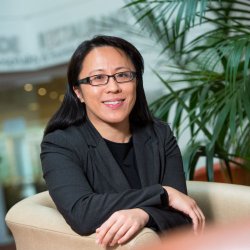
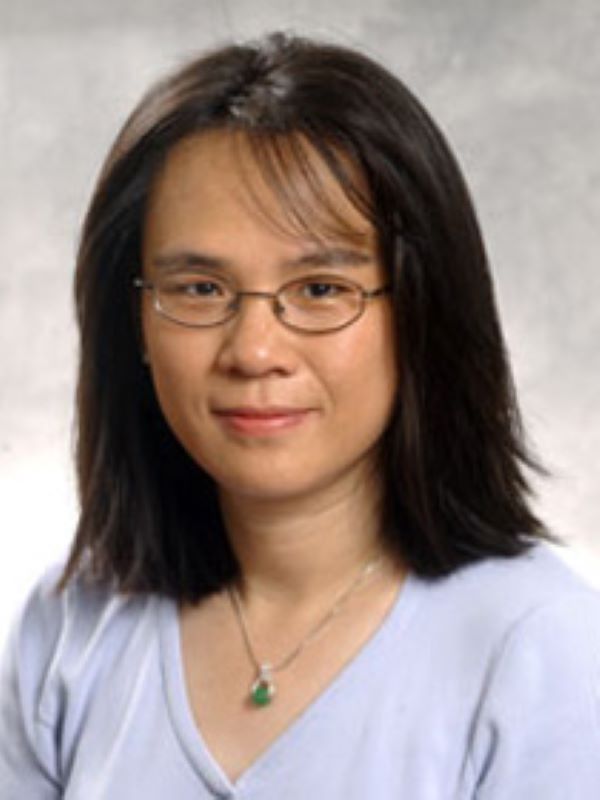
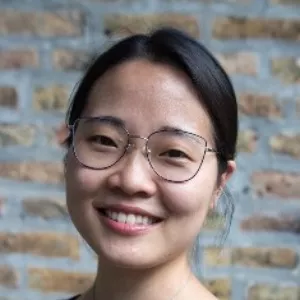
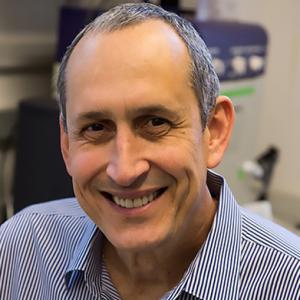
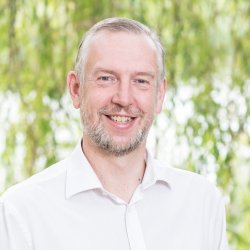
Professor Judy Lee is a Professor in Chemical and Process Engineering at the University of Surrey, affiliated with the School of Chemistry and Chemical Engineering within the Faculty of Engineering and Physical Sciences. She holds a B.Eng. (Chemical Engineering, Hons), B.Sc. (Physics), PG.Dip.Ed. (Secondary), and a Ph.D. Her research focuses on advanced oxidation processes, sonochemistry, membrane technology, and environmental remediation. She collaborates with industry on projects like wastewater treatment and microplastic mitigation. Current research includes osmotically driven membrane processes for dairy waste and ultrasound-enhanced contaminant removal. She supervises PhD students Dom Falconer and Ben Parrish. She is a member of the European Society of Sonochemistry, British Association for Crystal Growth, and European Membrane Society. Education: B.Eng. (Chemical Engineering, Hons), B.Sc. (Physics), PG.Dip.Ed. (Secondary), Ph.D. Research Interests: Sonochemical degradation of pollutants, membrane fouling mitigation, pharmaceutical removal from water, and crystal growth under sonication. Her work integrates sonochemistry with environmental engineering to address industrial and environmental challenges, such as PFAS remediation and microplastic filtration. Grants and Collaboration: Projects include industry-funded research on dairy waste concentration and wastewater treatment. She leads collaborations on membrane technology and ultrasound applications. Labs/Teams: Active in Surrey’s Chemical Engineering labs, focusing on advanced oxidation and membrane systems.
Kung-Hui Chu is a Professor in the Department of Civil Engineering at Texas A&M University, affiliated with the College of Arts and Sciences and the Water Program. Her research focuses on biotechnological solutions for environmental challenges, including the biodegradation of contaminants like PFAS, chlorinated solvents, and estrogens using microbial systems. She has pioneered studies on polyurethane biodegradation, acidophilic methanotrophs, and engineered biocatalysts for biofuel production. Her work integrates microbial ecology, genomics, and environmental engineering to address water, soil, and energy sustainability. Notable contributions include the development of magnetic activated carbon (MAC) and hydrothermal alkaline treatment (HALT) for PFAS remediation, and the use of stable isotope probing (SIP) to trace contaminant biodegradation pathways. Her articles highlight advancements in bioremediation technologies, microbial community dynamics, and sustainable waste-to-resource systems. Chu collaborates on projects such as the Texas CREWS initiative and the Aggie BLUE Print Laboratories, emphasizing interdisciplinary environmental solutions.
Christopher P. Higgins serves as Professor and AMAX Distinguished Chair in the Department of Civil and Environmental Engineering at the Colorado School of Mines, a position he attained in 2025 following his 2022 designation as University Distinguished Professor. Joining Mines in 2009, he leads critical research on environmental contaminants with emphasis on poly- and perfluoroalkyl substances (PFASs) in natural and engineered systems. His educational foundation includes: PhD in Civil and Environmental Engineering from Stanford University (2007) MS in Civil and Environmental Engineering from Stanford University (2002) AB in Chemistry from Harvard University (1998) Dr. Higgins' research program investigates chemical fate and transport mechanisms, particularly PFAS movement through soils and water, human exposure pathways, and remediation technologies. His work integrates field studies, laboratory experiments, and mathematical modeling to address: PFAS leaching dynamics in vadose zones Advanced treatment methods for contaminated media Exposure assessment via water, food, and indoor environments Environmental risk characterization at contaminated sites His recent publications demonstrate increasing focus on analytical method development, source identification, and destruction technologies for ultrashort-chain PFAS compounds. Notable recognitions include: ASCE Huber Prize for Civil Engineering Research (2019) SERDP Environmental Restoration Project of the Year (2020) Honorary Professorship at The University of Queensland, Australia His research program has secured substantial funding from NSF, NIH, EPA, USDA, and DoD, supporting interdisciplinary collaborations and graduate student mentorship. Current initiatives emphasize translating laboratory findings to field applications through partnerships with regulatory agencies and industry stakeholders. Dr. Higgins directs the Center for Environmental Risk Assessment and co-leads the PFAS@Mines Initiative, which coordinates campus-wide research on PFAS contamination through integrated experimental, computational, and policy-focused approaches.
Peter R. Jaffé is the William L. Knapp '47 Professor of Civil Engineering and Professor of Civil and Environmental Engineering at Princeton University. He holds concurrent appointments as Associated Faculty at the High Meadows Environmental Institute, the Andlinger Center for Energy and the Environment (ACEE), and the Princeton Institute for the Science and Technology of Materials (PRISM). His educational background includes: B.S. in Chemical Engineering from Universidad Simón Bolívar, Caracas, Venezuela (1977) M.S. in Environmental and Water Resources Engineering from Vanderbilt University (1980) Ph.D. in Environmental and Water Resources Engineering from Vanderbilt University (1981) Professor Jaffé's research centers on biogeochemical processes governing pollutant transport and transformation in the environment, with a focus on remediation of contaminated systems. Key areas include the Feammox process (ammonium oxidation under iron-reducing conditions) for ammonium removal and co-metabolical degradation of PFAS, nanoparticle-enhanced bioremediation , and dynamics of trace metals and radioisotopes in sediments and groundwater. His work integrates laboratory and field experiments with mathematical modeling to develop novel biological waste treatment processes, particularly for urban nitrogen cycling and PFAS defluorination. His distinguished contributions have been recognized with several awards: Excellent International Cooperation Project Award for "Application of Feammox Process in Wastewater Treatment" from the Guangzhou Association of Industrial Environmental Protection (2017) Election as Fellow of the American Geophysical Union (2012) Board Certified Environmental Engineering Member (BCEEM) of the American Academy of Environmental Engineers (AAEE) by Eminence (2008) Professor Jaffé actively mentors graduate students, with several of his advisees receiving prestigious awards. Notable examples include Matthew Sima and Mauricio Pereira, who received the School of Engineering and Applied Science Award for Excellence; Jinhee Park, winner of the Geosyntec 2023 GWAG Student Competition first prize; and Chiara Smorada, recipient of an NSF Graduate Research Fellowship. His research is supported by projects that blaze new trails in water, climate, and energy research, as evidenced by Dean for Research Innovation funding. While specific lab names are not detailed, Jaffé leads research groups focused on biogeochemical processes, particularly investigating the Feammox process and its applications in wastewater treatment. His team collaborates across multiple Princeton institutes, including the High Meadows Environmental Institute and ACEE, to address challenges in sustainable water treatment and environmental remediation.
Professor Denis O'Carroll is Deputy Head of the School of Civil and Environmental Engineering at the University of New South Wales (UNSW) and Managing Director of the Water Research Laboratory (WRL). His research focuses on environmental engineering challenges, particularly in water resource management and contaminant remediation. His primary research interests include: Development of nanoscale materials for environmental restoration PFAS contamination assessment and treatment technologies Groundwater remediation and contaminant transport modeling Green infrastructure performance evaluation Fate and transport of emerging contaminants in aquatic systems Electrochemical degradation of persistent pollutants Bioremediation and microbial transformation processes Professor O'Carroll's recent publications demonstrate a strong focus on PFAS research, with multiple studies examining global contamination patterns, degradation mechanisms, and innovative treatment technologies. His work also shows consistent attention to nanomaterial applications for environmental remediation, particularly sulfidated zerovalent iron systems for chlorinated solvent treatment. The research spans laboratory studies to field-scale validations. As Managing Director of the Water Research Laboratory, Professor O'Carroll leads significant research initiatives addressing water quality challenges. His laboratory conducts both fundamental research and applied studies with direct relevance to environmental policy and remediation practice.
Harry Bruning is an Assistant Professor in Environmental Technology at Wageningen University & Research, specializing in advanced water treatment technologies. His research focuses on electrodialysis, desalination, ion exchange membranes, and fouling mitigation in environmental systems. He leads projects on chemical-free desalination, PFAS degradation using modified cathodes, and sodium-selective electrodialysis. Bruning collaborates extensively on biogas technologies and hydraulic optimization in anaerobic digesters. Key research interests include membrane-based separation processes, water reuse strategies, and sustainable wastewater management. He has pioneered studies on EDTA complexation for selective ion removal and developed novel electrochemical methods for organic pollutant degradation. Publications highlight innovations in electrodialysis metathesis, fouling prevention via BODAC filtration, and modeling ammonia concentrations in anaerobic digestion. His work bridges theoretical process engineering with practical applications in industrial water systems. Supervising 17 PhD projects, Bruning advises on topics like microbial fuel cells for ammonium recovery and cooling tower water treatment. He contributes to datasets analyzing constructed wetlands and nanofiltration systems for water reuse.
Anna Yang is an Assistant Professor in Chemistry & Biochemistry at Swarthmore College. She earned her B.S. from UC Berkeley and Ph.D. from University of Illinois at Urbana-Champaign, completing postdoctoral training at Northwestern University. Her research designs functional molecular architectures through: Dynamic alkyne metathesis chemistry Hierarchical self-assembly of nanotubes Stimuli-responsive organic cages Conjugated building block design Recent publications demonstrate applications in environmental remediation, particularly developing cyclodextrin polymers and covalent organic frameworks for PFAS adsorption and contaminant removal, alongside fundamental studies of porous materials.
Pedro Alvarez is the George R. Brown Professor of Civil and Environmental Engineering at Rice University, directing both the NSF-funded NEWT Center and the Rice WaTER Institute. His research focuses on environmental sustainability through bioremediation, nanotechnology applications in water treatment, and antibiotic resistance control. Notable roles include leadership in AEESP and editorial positions at Environmental Science & Technology . Education: B.Eng. in Civil Engineering from McGill University, MS and PhD in Environmental Engineering from University of Michigan. Recognized with prestigious awards including the 2012 Clarke Prize and election to the National Academy of Engineering and Chinese Academy of Engineering. Research emphasizes nanomaterial synthesis for water treatment, microbial-plant interactions, and toxic chemical fate. Key contributions include phage-based biocontrol strategies and sustainable water reuse technologies. His work bridges engineering, microbiology, and chemistry to address global environmental challenges. Awards highlight both research and teaching excellence, including the AAEES Grand Prize and Collegiate Excellence in Teaching Award. Active in policy through EPA advisory roles and Houston Endowment board service. Grants and collaborations fund initiatives like bacteriophage engineering for biofilm control and nanoscale environmental remediation. Labs and centers under his direction focus on scalable solutions for clean water access and environmental nanotechnology innovation.
Associate Professor Junming Ho is a computational chemist at the School of Chemistry, University of New South Wales (UNSW), specializing in physical organic chemistry and reaction catalysis. He develops advanced computational methods for solute-solvent interactions and hybrid quantum mechanics/molecular mechanics (QM/MM) simulations. Education: PhD and BSc Hons I (University Medal) from Australian National University (ANU); BSc from University of Western Australia (UWA) Previous roles: A*STAR International Research Fellow at Yale University (USA); Research Scientist at Agency for Science, Technology and Research (Singapore) His research focuses on computational chemistry simulations to understand molecular behavior in various environments. Key areas include: Solvent modeling for reaction mechanisms Hybrid QM/MM methods for complex systems Molecular dynamics simulations in catalysis High-level ab initio calculations for precision Recent publications emphasize PFAS remediation , nanoconfined electrochemistry , and accurate QM/MM modeling for biological and environmental systems. His work bridges quantum chemical predictions with real-world applications in drug design and sustainable technologies. Scientific recognition includes: UNSW Award for Outstanding Contributions to Student Learning (2023) RACI Physical Chemistry Lectureship (2022) ARC Discovery Early Career Researcher Award (DE160100807, 2016-2020) RACI Cornforth Medal (2012) He supervises five PhD students in computational chemistry and contributes to chemical education through innovative teaching materials in courses like Quantum Nature of Molecules (CHEM3011) and Medicinal Organic Chemistry (CHEM3051).
Professor Michael Manefield is a distinguished academic at the University of New South Wales, holding a position in the School of Civil and Environmental Engineering. With a PhD from UNSW completed in 2000, he has established himself as a leading researcher in environmental microbiology and bioremediation. His international research experience includes positions in Cambridge (UK), Copenhagen (Denmark), Kamaishi (Japan), and Oxford (UK), before returning to UNSW where he has held various prestigious roles including Senior Research Associate in the Centre for Marine BioInnovation and recipient of an ARC Future Fellowship. Professor Manefield's research spans environmental microbiology with a focus on applications in bioremediation and sustainable engineering. His work encompasses bacterial quorum sensing, biofilm formation, organohalide respiration, and microbial processes for contaminated site remediation. He has made significant contributions to the field including the discovery of the first bacterial quorum sensing inhibitors, development of RNA-based stable isotope probing, creation of experimental models for activated sludge floc formation, and identification of novel bacteria capable of degrading chloroform and isoprene. His research bridges fundamental microbial ecology with practical environmental applications. His extensive publication record shows a clear trend toward addressing contemporary environmental challenges, particularly PFAS contamination, heavy metal remediation, and sustainable waste treatment. His recent work demonstrates increasing interdisciplinary collaboration, combining microbiology with chemical engineering, materials science, and analytical chemistry to develop innovative solutions for environmental problems. The research spans from fundamental microbial processes to applied field studies, showing a commitment to translating laboratory findings into practical remediation strategies. August Wilhelm Scheer Visiting Professorship from the Technical University of Munich, Germany (2015) ARC FT2 Future Fellowship (2011-2014) Professor Manefield has graduated over 15 PhD students and acquired more than $20 million in research funding from government and industry sources. He is actively involved in mentoring the next generation of environmental scientists and engineers, with a focus on translating research into practical applications. He founded the Joint Academic Microbiology Seminars (JAMS Inc), which has grown from a Sydney-based initiative to include nodes across Australia and Southeast Asia, demonstrating his commitment to building research communities. Professor Manefield leads a dynamic research team focused on environmental microbiology and bioremediation. His laboratory investigates microbial processes for contaminated site remediation, with particular expertise in organohalide respiration and biofilm dynamics. He is also the founder of Micronovo/Novorem, a bioremediation company that translates academic research into commercial applications. His team maintains active collaborations with government agencies, industry partners, and international research institutions, working on projects ranging from fundamental microbial ecology to field-scale remediation demonstrations.
Radha Bulusu is a Postdoctoral Researcher in the Department of Chemical & Biomedical Engineering at Florida State University. Her research focuses on nonthermal plasma-based water treatment technologies, particularly for degrading persistent pollutants like per- and polyfluoroalkyl substances (PFAS). She can be contacted at rbulusuraja@fsu.edu . Research Interests: Nonthermal plasma gas-liquid reactors Reactive species (RNS, ROS) generation and dynamics PFAS degradation mechanisms in aqueous environments Electron density and plasma parameter optimization Chemical reduction/oxidation via plasma interactions Environmental remediation using nanosecond pulse discharge Publication Trends: Over the past five years, her work has focused on enhancing plasma reactor efficiency for pollutant degradation, with studies on electrode polarity effects, pulse frequency optimization, and chemical pathways in PFOA/PFOS breakdown. Key themes include defluorination mechanisms, hydrogen peroxide generation, and real-time plasma diagnostics via optical emission spectroscopy.
Timothy J. Strathmann is a Professor and Associate Department Head in Civil and Environmental Engineering at Colorado School of Mines , where he leads the Strathmann Research Group. His work focuses on applying chemical research tools to develop sustainable environmental and energy technologies , particularly for PFAS remediation , waste valorization , and renewable resource recovery . Education : PhD in Environmental Engineering (Johns Hopkins, 2001), MS (Purdue, 1996), BS (Purdue, 1995) Affiliations : Associate Editor for Environmental Science & Technology , Board of Directors at AEESP, Collaborative Researcher at NREL His research integrates catalytic , hydrothermal , and photochemical processes to solve challenges like groundwater contamination by PFAS, biofuel production from wastewater , and cost-effective environmental treatments . Recent projects emphasize mechanistic studies and life cycle assessments of PFAS destruction technologies. Key trends in his publications include PFAS defluorination , membrane rejection systems , and catalytic hydrothermal conversion of organic waste. His work has been featured in CBS News for innovative "Forever Chemical" destruction methods. Scientific Awards : NSF CAREER Award, AEESP Distinguished Service Awards, Honorary Professorship at Tongji University He mentors PhD and MS students like Camille Amador (2023 graduate), Anderson Ellis (postdoctoral researcher), and Aron Griffin (PhD candidate). The group also collaborates with Aquagga for commercializing HALT technology and maintains partnerships with institutions like NREL and EPFL .
Dr. Matthew Lee serves as a Senior Research Associate at the University of New South Wales (UNSW) within the School of Civil and Environmental Engineering's Water Research Centre (WRC). His research focuses on environmental microbiology and bioremediation of persistent pollutants, particularly PFAS and chlorinated compounds. Based at the Vallentine Annexe (H22), Level 1, Room VA127 on Kensington Campus, he collaborates extensively with Professor Manefield and other researchers in advancing water treatment technologies. Dr. Lee's research interests center on microbial degradation pathways for environmental contaminants , with emphasis on PFAS destruction, chlorinated volatile organic compound remediation, and anaerobic microbial processes. His work integrates biochemical, genomic, and electrochemical approaches to develop innovative solutions for water purification. Recent publications demonstrate expertise in metal-catalyzed defluorination, microbial community analysis for pollutant degradation, and development of novel remediation systems using zero-valent metals. Analysis of his 15 most recent publications reveals a strong trend toward PFAS remediation technologies (60% of recent work), with significant contributions to electrochemical degradation methods and branched isomer treatment. His research bridges fundamental microbial ecology with practical engineering applications, particularly in developing catalytic systems for chlorinated compound destruction. Key subfields include reductive defluorination mechanisms, microbial community dynamics in contaminated sediments, and enzyme characterization for pollutant transformation. Dr. Lee actively collaborates with environmental engineering teams on remediation projects, though no specific grants are mentioned in available materials. His work with the Water Research Centre focuses on translating laboratory findings to field applications for contaminated site management. He is based at the Water Research Centre (WRC), a specialized facility within UNSW's School of Civil and Environmental Engineering dedicated to developing advanced water treatment technologies and remediation strategies for contaminated environments. The WRC provides laboratory and analytical infrastructure supporting his research on microbial and chemical degradation processes.
Zongsu Wei is a tenured Associate Professor at the Department of Biological and Chemical Engineering, Aarhus University, Denmark. He leads the Water Engineering Innovation Lab and has secured 31 million DKK ($4.5M USD) in grants from Danish and EU agencies. His work focuses on water sustainability , PFAS degradation , and radical chemistry , with over 100 peer-reviewed publications (h-index 53). Education: PhD in Environmental Engineering (Ohio State University, 2015), followed by postdoctoral research at Technion, UCLA, and Auburn University. Joined Aarhus University as a tenure-track Assistant Professor in 2019. Research Interests : Advanced oxidation technologies for water treatment, antimicrobial resistance gene transfer in urban water cycles, and sustainable wastewater management. He explores sonochemistry, MXene materials, and enzymatic degradation pathways. Awards 2025: ES&T Early Career Award 2021: Sapere Aude Research Leader Award 2021–present: Stanford’s Top 2% Scientists in Environmental Science Grants & Roles Editor for Water Research and Chemical Engineering Journal Principal Investigator in EU/Danish-funded water sustainability projects Labs & Teams : Directs the Water Engineering Innovation Lab, focusing on PFAS remediation and sustainable water technologies.
Dr. Patrick Sears is a Senior Lecturer at the University of Surrey within the School of Chemistry and Chemical Engineering . His work spans analytical chemistry, forensic analysis, and environmental pollutant detection, focusing on improving precision in trace contamination studies (explosives, drugs, PFAS) and novel ionization methods for mass spectrometry. B.Sc. and M.Sc. from University of Durham, Ph.D. from University of Hull Former roles at Dstl (Forensic Explosives Laboratory), Syrris, and Rhodia Research interests include: Trace contamination dynamics (explosives/drugs in healthcare) PFAS and pesticide degradation methods Ambient ionization techniques (ASAP, DART, paper spray) Direct surface analysis systems Secondary ionization processes Forensic material speciation Recent collaborative work emphasizes PFAS electrochemical degradation using BDD electrodes, portable MS applications, and DUID screening methods. Scientific recognition includes Royal Society of Chemistry fellowship and BMSS committee membership. Teaching involves CHE1039 , CHE2033 , and CHE3055 , leveraging flipped learning and SurreyLearn platform. Key publications since 2019 highlight ambient ionization advancements, electrochemical pollutant removal, and forensic detection protocols.