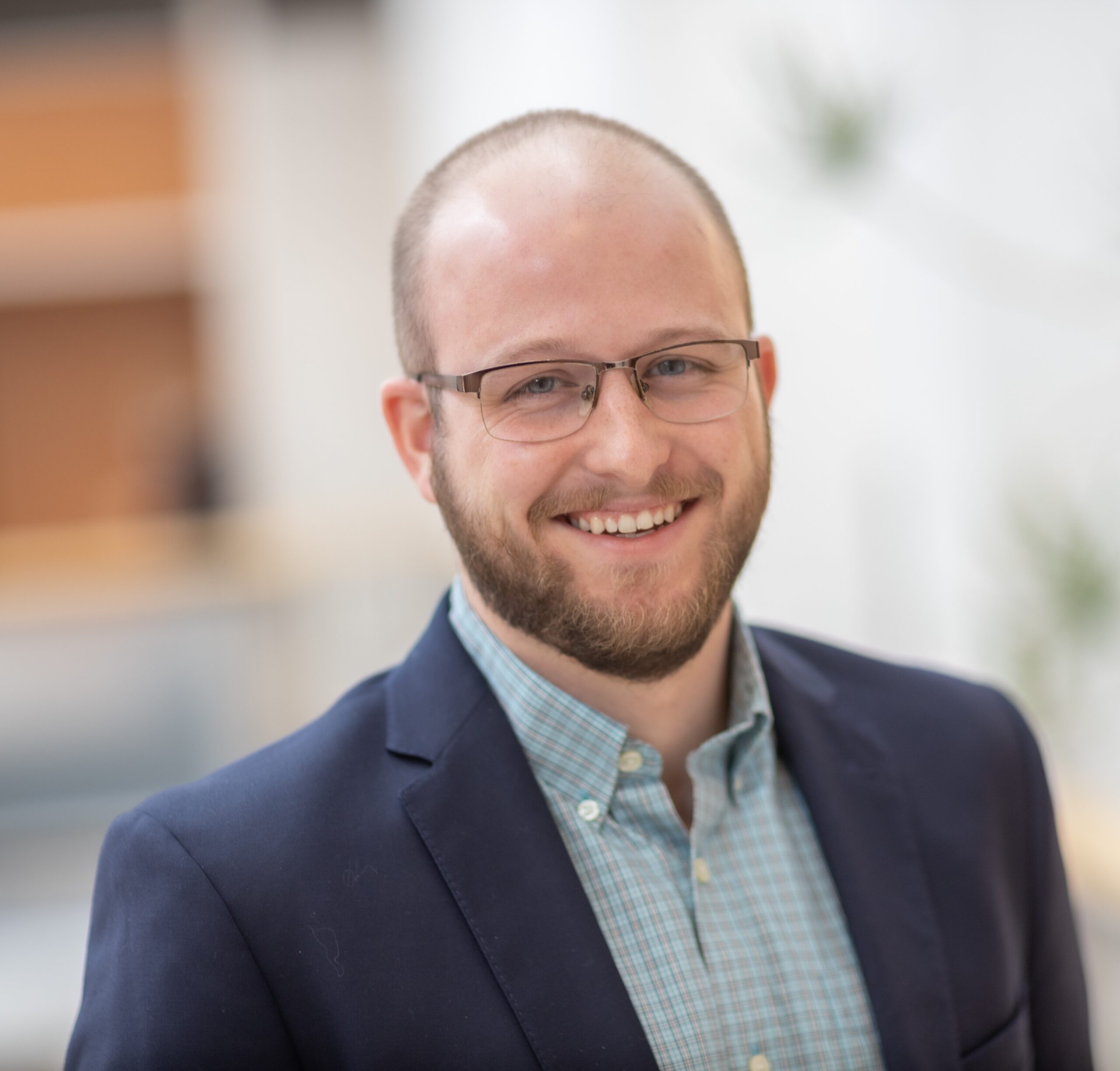
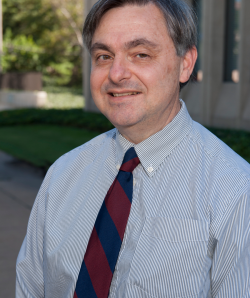
Dr. Teresa Puthussery is an Associate Professor in the School of Optometry & Vision Science at the University of California, Berkeley. Her research focuses on retinal neurobiology and neurophysiology, investigating how visual signals are encoded in healthy retinas and disrupted during degeneration. She uses advanced techniques like patch-clamp electrophysiology, immunohistochemistry, and microscopy to study retinal circuits, neurotransmitter receptors, and ion channels. Dr. Puthussery teaches courses on vision science anatomy, physiology, and problem-based learning, including VISION SCIENCE 206B/C and 260C. Her research explores questions such as how retinal neurons extract motion/spatial details, how photoreceptor mutations cause degeneration, and how inner retinal circuits adapt post-photoreceptor loss. Recent work includes studies on ON-type direction-selective ganglion cells, optogenetic therapy for vision restoration, and calcium dynamics in foveal ganglion cells post-degeneration. She collaborates on projects involving primate and rodent models, contributing to understanding retinal disease mechanisms and therapeutic targets. Dr. Puthussery’s lab (retinalab.berkeley.edu) emphasizes translational research, bridging basic science and clinical applications. Her work has been published in journals like Nature and Cell Reports , with a focus on retinal degeneration, synaptic plasticity, and optogenetic interventions. She actively participates in training future vision scientists through Berkeley’s Optometry program and oversees GSI affairs as a faculty advisor.
Shengyu Mu is an Associate Professor in the Department of Pharmacology and Toxicology at the University of Arkansas for Medical Sciences (UAMS) College of Medicine. His research focuses on the pathogenesis of hypertension and its progression to heart failure, with a particular emphasis on immune mechanisms in renal salt retention. Mu holds an M.D. from TianJin Medical University (2004) and a Ph.D. from the University of Tokyo (2011). His research portfolio includes NIH-funded projects investigating T cell homing to the kidney and immune memory in hypertension. Current grants span NIH-NHLBI (2R01 HL146713), American Heart Association (AHA23TPA1076467), and USDA-NIFA collaborations. Completed projects include studies on renal lymph-angiogenesis and macrophage metabolism in diabetes/tuberculosis comorbidity. Research areas integrate physiology, molecular genetics, and epigenetics to bridge basic science and clinical applications. The Mu Lab includes Assistant Professor Yunmeng Liu, Ph.D. candidates Christoph Mora and Kathrine Deck, and research team members recognized for awards like the AHA Predoctoral Fellowship and APS Research Recognition Awards. Key themes include CD8+ T cell activation, IFNγ signaling, and macrophage transition in hypertension pathogenesis.
Jeremy Brownlie is an Associate Professor of Genetics and Evolution at Griffith University's School of Environment and Science, specializing in symbiotic bacteria like Wolbachia and their impact on insect biology. He leads research initiatives addressing insect-borne disease control, agricultural pest management, and human evolution through genomic studies of ancient Australasian populations. His roles include Director of the Griffith Sciences Partnerships Office and Deputy Head of his school, emphasizing external collaborations and policy advocacy. Brownlie holds a PhD from ANU and has secured significant grants, including ARC Discovery Projects, focusing on Wolbachia's antiviral mechanisms and biosecurity applications. His work bridges molecular biology, applied entomology, and human evolutionary studies, with active involvement in science policy through the National Science and Technology Council. Educations: PhD in Genetics, Australian National University (2003) BSc (Hons) in Biological Sciences, Australian National University (1996) Research Interests: Symbiont biology, pest control strategies, Wolbachia-mediated antiviral protection, and genomic analysis of human migration in Southeast Asia/Australia. Key Collaborations: Australian Research Centre for Human Evolution, Environmental Futures Research Institute, and international agricultural agencies. Grants: Over $1.5M in funding from ARC, Griffith University, and industry partners for projects on Wolbachia, biofilm diagnostics, and pest control technologies. Professional Roles: President of Science & Technology Australia (2019–2021), Board Member of the National Science Council, and leader in STEM policy advocacy. Advisory Work: Supervised over 20 PhD/MSc students on topics ranging from Wolbachia genetics to antimicrobial resistance and bioinformatics. His laboratories focus on innovative solutions for global challenges in food security, disease control, and sustainable biotechnology, with interdisciplinary approaches combining genomics, entomology, and clinical microbiology.
Prof. Dr. Christa Müller leads research at the Pharmazeutisches Institut, University of Bonn, focusing on medicinal chemistry and receptor pharmacology. Her work spans neuropharmacology, molecular imaging, and targeted drug development. Key research areas include purinergic signaling (P2X/P2Y receptors), CD73 inhibition for cancer immunotherapy, and antiviral agents against SARS-CoV-2. Recent publications highlight radiotracer design, GPCR antagonists, and structure-based drug discovery. Collaborative projects integrate structural biology, preclinical models, and clinical translation. Contributions to neurotechEU and TRA Life and Health align with interdisciplinary approaches to neurological and inflammatory disorders.
Dr. Penelope Felipe Pelczar is a research scientist at the I. Medical Clinic and Polyclinic of the University Medical Center Hamburg-Eppendorf, where she conducts cutting-edge research at the intersection of immunology, gastroenterology, and microbiome science. Her work primarily focuses on understanding the complex interactions between the immune system, gut microbiota, and intestinal inflammation, with particular emphasis on inflammatory bowel diseases, colorectal cancer, and the gut-liver axis. As a key member of the Immunology, immunity, infection (C3i) research group and the Neuro-Immune-Network Hamburg, she collaborates extensively with leading researchers including Samuel Huber and Nicola Gagliani. Her research interests span multiple domains of mucosal immunology and host-microbe interactions. Dr. Pelczar investigates how T cell subsets, particularly those producing IL-22, regulate intestinal homeostasis and inflammation. She explores the role of cytokines, microbiota-derived metabolites, and epithelial-mesenchymal interactions in diseases like colitis and primary sclerosing cholangitis. Her work on the gut-liver axis has revealed novel mechanisms connecting intestinal inflammation with liver diseases, while her research on microbiome-host interactions has uncovered how bacterial metabolites influence cancer development and treatment response. Analysis of Dr. Pelczar's publication record from 2016-2025 reveals a consistent trajectory of high-impact research in immunology and gastroenterology. Her work has evolved from foundational studies on IL-22 signaling in inflammatory bowel disease to more complex investigations of the gut-liver axis, microbiome-cancer interactions, and advanced cellular screening techniques. She frequently publishes in top-tier journals including Nature, Science Immunology, and Gastroenterology, demonstrating the significance of her contributions to understanding immune regulation in the gut and its implications for disease pathogenesis and treatment. While specific awards are not documented in the available information, Dr. Pelczar's extensive publication record in high-impact journals and her leadership roles in collaborative research projects indicate significant recognition within her field. Her work has contributed substantially to our understanding of immune regulation in the gut and its implications for inflammatory diseases and cancer. Based on her publication record showing consistent collaborations and first/last author positions on significant papers, Dr. Pelczar likely plays an active role in mentoring junior researchers and securing competitive research funding. Her work appears supported by the institutional infrastructure of the University Medical Center Hamburg-Eppendorf, including access to core facilities for proteomics, animal models, and clinical samples. She is likely involved in multiple collaborative research projects investigating immune mechanisms in gastrointestinal diseases. Dr. Pelczar works within the research ecosystem of the I. Medical Clinic and Polyclinic, which is part of the broader Hamburg research infrastructure including the Hamburg Center of Neuroscience and the Oncological research (UCCH) program. Her work benefits from access to the university's core facilities for proteomics, animal research, and advanced microscopy, enabling her team to conduct sophisticated analyses of immune cell function and host-microbe interactions in health and disease.
Gregory Smith is an Assistant Professor at the UNC School of Medicine, Chapel Hill, focusing on genetic and genomic mechanisms of susceptibility to airborne toxicants and lung diseases like asthma and COPD. His research integrates systems genetics approaches with in vivo inhalation exposure models for pollutants such as ozone. Manages Kelada Lab inhalation exposure facility for ozone and e-cigarette aerosols Active in developing novel respiratory phenotyping capabilities Research Interests include environmental genomics, pulmonary toxicology, and systems biology. His work examines how genetic variation influences responses to air pollutants, with applications in personalized environmental health strategies. Recent Publications highlight ozone's impact on lung biology, extracellular vesicle dynamics, and genetic determinants of airway disease. Key collaborative projects involve the Collaborative Cross mouse genetic reference population for studying gene-environment interactions. Contact: gregory.j.smith@unc.edu | Office: 973-459-8881 | Location: 5070E Genetics Medicine Building, Chapel Hill, NC 27599-7264
Dr. Özlem Yilmaz (DDS, PhD) is a Professor at the Medical University of South Carolina (MUSC) in the College of Dental Medicine and Department of Oral Health Sciences . With over two decades of academic experience across MUSC and University of Florida, she holds joint appointments in Pharmacology and Immunology . Her research focuses on Porphyromonas gingivalis and its role in microbe-host interactions , linking periodontal disease to Alzheimer’s disease and orodigestive cancers . PhD in Oral Biology, University of Washington (2002) D.D.S., Istanbul University (2002) Her lab investigates molecular mechanisms enabling P. gingivalis to evade host defenses through autophagy subversion , ATP scavenging , and inflammasome modulation . Recent work connects this pathogen to mitophagy resistance in oral tumors and neurodegenerative disease . Dr. Yilmaz has received prestigious accolades including Fellow of Pierre Fauchard Academy (2023), Overseas Fellow, Royal Society of Medicine (2017), and University of Florida Research Foundation Professor (2014). She serves on multiple editorial boards including PLOS ONE and Frontiers in Cellular and Infection Microbiology . Her team has secured significant NIH F30/F31 grants for trainees like Jaden Lee and Bridgette Wellslager, with lab alumni now leading research at institutions like NIH, UCLA, and Kyungpook National University. The lab also explores Filifactor alocis and Fusobacterium nucleatum interactions through primary cell culture and transgenic models .
George R. Dubyak, PhD, is a Professor in the Departments of Physiology and Biophysics, Pathology, and Pharmacology at Case Western Reserve University's School of Medicine. He is also a Member of the Immune Oncology Program at the Case Comprehensive Cancer Center. His research focuses on cell signaling mechanisms involving inflammasomes, ion channels, and extracellular nucleotides in inflammation and innate immunity. Dr. Dubyak holds a PhD in Physiology from the University of Pennsylvania. His work explores ATP signaling via P2 receptors, inflammasome activation pathways, and mechanisms of IL-1β secretion. Recent studies investigate regulated cell death pathways (pyroptosis, apoptosis, necroptosis) and ATP efflux from tumor cells. The Dubyak Lab utilizes murine models and advanced cellular techniques to dissect these processes. Key research areas include: inflammasome assembly regulated by ionic signals, non-classical cytokine secretion via exosomes/microvesicles, and DAMP signaling in inflammation and cancer. Dr. Dubyak has published extensively in journals like Journal of Biological Chemistry and Journal of Immunology . His lab is located in the Robbins Building (E-550 G, H, I, J) with state-of-the-art facilities for cellular and molecular biology. Current projects examine cross-talk between P2 nucleotide signaling and inflammasomes, as well as mechanisms governing extracellular ATP accumulation in disease contexts.
Vladimir Shalgunov serves as a Guest Researcher in the Department of Drug Design and Pharmacology at the Faculty of Health and Medical Sciences, University of Copenhagen, contributing to cutting-edge radiopharmaceutical research. His research focuses on: Development of pretargeted radiotherapy agents using tetrazine chemistry Design of novel PET radioligands for neurological and oncological targets Optimization of alpha-emitting radionuclides like Astatine-211 BBB-penetrating tracers for brain imaging applications Analysis of his 2024-2025 publications reveals a strong emphasis on molecular imaging innovation, particularly in pretargeted strategies for cancer therapy and neuroreceptor-specific PET tracers. His work bridges medicinal chemistry with clinical translation, featuring collaborations across nuclear medicine, oncology, and neuroscience domains. He maintains active research collaborations within the University of Copenhagen's nuclear medicine ecosystem, particularly with the Herth research group, focusing on radiopharmaceutical development and preclinical validation.
Lara Magni serves as a Guest Researcher in the Department of Biology at the Faculty of Science, University of Copenhagen, affiliated with the Genome Research and Molecular Bio Medicine division. Her contact details include email lara.magni@bio.ku.dk and phone +4535326756 at Universitetsparken 13, 2100 Copenhagen Ø. She completed her Ph.D. at the University of Copenhagen in 2022 with a thesis on ATP and P2X7 receptor mechanisms in pancreatic cancer. Her research centers on pancreatic cancer pathogenesis, specifically investigating purinergic signaling pathways through the P2X7 receptor. Key interests include genetic polymorphisms affecting receptor function, ATP-mediated cellular signaling, IL-6/STAT3 inflammatory cascades, and therapeutic repurposing of proton pump inhibitors and tocilizumab. This work bridges molecular oncology, cancer genetics, and translational pharmacology to identify novel treatment targets. Analysis of her six publications (2020-2024) reveals a cohesive research trajectory focused on P2X7 receptor dynamics in pancreatic cancer microenvironments. Her studies demonstrate how receptor variants influence cancer risk, how ATP signaling drives stellate cell activation, and how existing drugs may inhibit tumor progression through H+, K+-ATPase targeting. The work consistently integrates molecular, cellular, and clinical perspectives to advance therapeutic strategies. No scientific awards were documented in available sources. While specific grant funding and student advising details are unreported, her collaborative publications indicate active participation in I. Novak's research group. Co-author networks include Christensen N.M., Yu H., Tozzi M., and Novak I., suggesting interdisciplinary teamwork within the Department of Biology's cancer research cluster. Dr. Magni operates within the Genome Research and Molecular Bio Medicine division, which focuses on molecular disease mechanisms and therapeutic development. Her current work examines P2X7 receptor polymorphisms and their clinical implications, with potential future directions in personalized pancreatic cancer treatments based on genetic profiling.
Ivana Novak is a Professor in the Department of Biology at the University of Copenhagen's Faculty of Science, specializing in Cell Biology and Physiology. Her research group operates within the Cell Biology and Physiology section, focusing on epithelial cell mechanisms in disease contexts, particularly pancreatic pathologies. Contact details include email inovak@bio.ku.dk, phone +45 35 33 02 75, and ORCID 0000-0002-8917-8010. Her primary research explores $$\text{ATP}$$-mediated purinergic signaling, P2X7 receptor functions, and ion channel regulation in pancreatic systems. Key interests include pancreatic cancer progression, beta cell metabolism in diabetes, and epithelial secretion mechanisms. She employs advanced imaging to study real-time $$\text{ATP}$$ dynamics and cellular responses, with significant emphasis on how metabolic alterations drive disease pathways in pancreatic duct and beta cells. Analysis of her 143 research outputs reveals a concentrated focus on pancreatic disorders since 2022, with 8 recent publications demonstrating expertise in $$\text{ATP}$$ signaling networks and ion channel modulation. Her work bridges molecular mechanisms (e.g., $$\text{K}^+$$ channels, $$\text{H}^+$$-$$\text{K}^+$$-$$\text{ATP}$$ase) with clinical implications for cancer and diabetes, showing consistent innovation in targeting purinergic pathways for therapeutic development. Dr. Novak leads an active laboratory dedicated to epithelial biology, as evidenced by her research group's homepage focusing on epithelia. Her collaborative network spans multiple countries, with recent work featured in high-impact journals including Pain , Cell Stem Cell , and International Journal of Cancer . The laboratory maintains strong translational research trajectories investigating pancreatic cancer microenvironments and metabolic disease mechanisms.
Prof. Dr. Christa E. Müller is a Professor at the University of Bonn's Pharmazeutisches Institut and a member of the Transdisciplinary Research Area (TRA) 3: Life and Health Steering Committee. Her research focuses on medicinal chemistry of membrane proteins, particularly G-protein-coupled receptors (GPCRs), purinergic signaling, and ectonucleotidases. She leads two platforms: a chemical analytics platform for quantitative analysis and a compound library with synthetic molecules and natural products. Her work integrates chemical synthesis of bioactive compounds, analytical studies, pharmacology, and molecular biology. Collaborations with biology and medicine departments enable in vivo studies. Key projects include drug design targeting GPCRs like P2Y12 and P2X receptors, as well as CD73 inhibition for cancer and inflammatory therapies. Selected publications highlight structural studies of receptors, inhibitor development, and PET tracer applications.
Carlos Subauste, MD, is a Professor in the Departments of Medicine and Pathology at Case Western Reserve University's School of Medicine. His research focuses on cell signaling pathways in host-pathogen interactions (using Toxoplasma gondii as a model) and inflammatory disorders like diabetic retinopathy and inflammatory bowel disease. He leads the Subauste Laboratory, which develops therapies targeting host-derived signaling pathways to combat infections and inflammatory diseases. Research Interests: Host-pathogen interactions, CD40 signaling in inflammation, autophagy regulation, and translational studies in animal models. Subauste's lab investigates CD40's role in diabetic retinopathy pathogenesis, including its effects on Müller cells, endothelial cells, and inflammatory mediators (e.g., VEGF, nitric oxide). Recent work includes CD40-blocking peptides to inhibit disease progression. Publications highlight mechanistic insights into CD40-driven inflammation and therapeutic strategies. Grants supported by NIH (e.g., P30 EY011373, R01 EY019250) fund his research. His work spans cell signaling, immunology, and translational medicine, with a focus on bridging basic science and clinical applications.
Brandon J Burbach is a Researcher in the Department of Laboratory Medicine and Pathology at the University of Minnesota. His work bridges immunology, molecular biology, and biomedical engineering to advance cancer therapies and immune modulation strategies. Current projects include optimizing cryo-ablation for immune activation in murine models and investigating Notch signaling in graft-versus-host disease. Research Focus: CD8+ T cell biology, adoptive cell therapy, tumor immunology, and focal ablation techniques. Collaborations: Partnerships with institutions like Johnson & Johnson Enterprise Innovation and American Heart Greater Midwest Aff. Research Themes: Dr. Burbach's studies explore mechanisms of T cell activation, immune checkpoint modulation, and tissue-resident memory cell formation. His work connects immunological signaling pathways (e.g., Notch, P2RX7) with therapeutic outcomes in prostate and breast cancer models. Scientific Trends: Publications highlight interdisciplinary approaches combining Irreversible electroporation (IRE) with checkpoint inhibitors Adapter protein roles in NF-κB and integrin signaling Tumor antigen-specific immune responses Key Techniques: Advanced imaging flow cytometry, murine and nonhuman primate models, and biomaterial scaffold design.
Dr. Volkan GELEN is a Lecturer in the Department of Basic Sciences of Veterinary Medicine at the Faculty of Veterinary Medicine, Kafkas University, Turkey. He has been serving in this position since 2015 after previously working as a Research Assistant at Atatürk University Faculty of Veterinary Medicine from 2011 to 2015. Dr. GELEN earned his Doctorate in Veterinary Physiology from Atatürk University Institute of Health Sciences in 2015, following his Bachelor's Degree in Veterinary Medicine from Kafkas University Faculty of Veterinary Medicine in 2011. He has demonstrated proficiency in English with a score of 65 on the ÜDS exam in both 2010 and 2011. Dr. GELEN's research primarily focuses on veterinary physiology with particular emphasis on oxidative stress, inflammation, and apoptosis mechanisms. His work extensively explores the protective effects of various compounds including nanoparticles, natural antioxidants, and phytochemicals against toxin-induced organ damage. He has made significant contributions to understanding the molecular mechanisms of endoplasmic reticulum stress and its role in various disease processes. His laboratory employs advanced molecular techniques to investigate cellular responses to toxicants and potential protective agents. His recent publications demonstrate a strong focus on nanotechnology applications in veterinary medicine, particularly silver and gold nanoparticles loaded with bioactive compounds for treating various conditions including neurodegenerative diseases, kidney toxicity, and cancer. His research often employs rodent models to investigate the protective effects of natural compounds against chemically induced organ damage, with a particular emphasis on elucidating molecular pathways involved in cellular protection. 650 total citations h-index of 14 167 scientific publications 21 research projects as principal investigator or researcher 34 book chapters in international publications Dr. GELEN has supervised graduate students, including Bilgihan Gökbulak's Master's thesis on "Ratlarda Cadmium ile oluşturulan böbrek dokusu hasarı üzerine gümüş nanopartikül yüklenmiş 18β glisiretinik asidin etkisi" (The effect of silver nanoparticle-loaded 18β glycyrrhetinic acid on cadmium-induced kidney tissue damage in rats) at Kafkas University in 2024. He has taught numerous courses at both undergraduate and graduate levels, covering subjects from basic physiology to advanced molecular mechanisms. His ongoing research projects extend through 2027 and focus on nanoparticle applications for treating cancer, Parkinson's disease, and organ toxicity. His research team collaborates extensively with scientists across various disciplines to develop novel therapeutic approaches for veterinary and potentially human medical applications, with a strong emphasis on molecular mechanisms of organ protection and nanotechnology applications in medicine.