John Ford is an Associate Professor in the Department of Nuclear Engineering at Texas A&M University. His research focuses on radiobiology, radiation carcinogenesis, and medical applications of radiation. He holds academic appointments within the College of Engineering and contributes to the Health Physics, Radiation Biology & Medical Physics research group. Education includes a B.S. and M.S. in Nuclear Engineering from Mississippi State University (1982, 1986), a Ph.D. in Biomedical Sciences from the University of Tennessee (1992), and postdoctoral training at Oak Ridge National Laboratory (1992–1993). His work emphasizes understanding radiation effects on biological systems, with notable contributions to radiation dosimetry, bystander signaling mechanisms, and dietary modulation of radiation damage. Recent studies explore space radiation monitoring technologies and therapeutic applications of radiation. Awards include the BP Award for Teaching Excellence (2007) and ARRO Educator of the Year (2013–2014). Research spans interdisciplinary areas such as radiation-induced cancer mechanisms, nutritional interventions to mitigate radiation effects, and advanced radiation detection instrumentation. He has advised numerous projects in radiation safety curriculum development and collaborated on NASA-funded studies modeling radiation impacts on astronauts.
Lin He is the Thomas and Stacey Siebel Distinguished Chair in Stem Cell Research and Professor of Cell Biology and Physiology at the University of California, Berkeley. His laboratory focuses on understanding the biological functions of non-coding RNAs in development and disease, with particular emphasis on microRNAs (miRNAs) in cancer, stem cell biology, and developmental processes. He developed the CRISPR-EZ method for highly efficient mouse genome editing, significantly advancing genetic research. Research interests include miRNAs' roles in tumor progression, metastasis, and pluripotency regulation in stem cells. His work bridges mouse genetics, genomics, and molecular biology to uncover mechanisms governing non-coding RNA functions. Current projects address miRNAs in oncogenesis, stem cell fate determination, and the interplay between non-coding RNAs and retrotransposons in development. Key contributions include identifying miRNA networks in cancer pathways, demonstrating miRNA requirements for ciliogenesis and lung development, and advancing CRISPR-based genome editing techniques. His interdisciplinary approach integrates genetic, genomic, and cellular tools to explore fundamental questions in biology and medicine. Lab website: helabucb.org CRISPR-EZ technology enables 100% genome editing efficiency in mouse zygotes Pioneering studies on miRNA regulation of PTEN, p53, and oncogene pathways
Memorial Sloan Kettering Cancer CenterUnited States
Monica N. Fornier is a physician scientist at Memorial Sloan Kettering Cancer Center (MSK) specializing in breast medical oncology . With a clinical focus on improving outcomes for breast cancer patients, she has particular expertise in bone health related to cancer therapies. Fluent in English, Italian, and French, Dr. Fornier treats international patients and contributes to multidisciplinary care teams. Education: MD from University of Milan (Italy), residency and fellowship at University Hospital of Milan and MSK Certifications: Board-certified in Internal Medicine and Medical Oncology (Europe) Her research spans neoadjuvant endocrine therapy , bone loss prevention in cancer patients, and HER2-positive breast cancer treatment beyond trastuzumab. Recent publications address ER+/HER2- breast cancer immune responses, alopecia management in survivors, and regulatory T cell mechanisms . Dr. Fornier has received multiple Castle Connolly Top Doctor awards (2023-2025) and participates in MSK clinical trials for novel cancer treatments.
Katie L. Kaput is a Clinical Associate Professor in the Department of Internal Medicine at the University of Utah School of Medicine. She provides high-quality, personalized endocrine care with a focus on preventative health and chronic illness management at the Sugar House Health Center in Salt Lake City, Utah. Education: Bachelor's in Biology from the University of Georgia, Medical Degree from Michigan State College of Osteopathic Medicine, Residency at National Jewish Health/Saint Joseph Hospital, and Endocrinology Fellowship at the University of Utah. Research & Clinical Interests: Span endocrinology and internal medicine, with expertise in Adrenal and Parathyroid Disorders Osteoporosis & Metabolic Bone Disease Thyroid and Pituitary Disorders Transgender Health Cystic Fibrosis Endocrinology Clinical Excellence: Patient testimonials highlight her exceptional bedside manner, expertise, and patient-centered approach. She works alongside Heather and Kaj, noted for their professionalism and care.
Lloyd D. Petty, DO, MPH, is a Clinical Assistant Professor in the Department of Internal Medicine at the University of Utah School of Medicine. He specializes in Endocrinology, Diabetes & Metabolism, providing clinical care while contributing to academic research. Education: D.O. and M.P.H. from Nova Southeastern University College of Osteopathic Medicine; B.S. in Physiology from University of Arizona Training: Chief Residency at University of New Mexico School of Medicine; Fellowship in Endocrinology at University of Utah School of Medicine His research focuses on endocrine disorders, particularly diabetes, osteoporosis, and thyroid diseases. Recent publications explore hormonal-gastrointestinal interactions, bone health in oncology patients, and minimally invasive endocrine procedures. Key publications span bone metabolism in chronic lymphocytic leukemia (2024), adrenal gland ablation techniques (2022), and endocrine-gastrointestinal case studies (2017-2023). The work demonstrates expertise in clinical endocrinology applications.
Hee Kwon Song, Ph.D. is an Associate Professor of Radiology at the University of Pennsylvania , affiliated with the Institute for Translational Medicine and Therapeutics and the Penn Center for Musculoskeletal Disorders . His expertise lies in MRI physics and MRI engineering , focusing on novel dynamic imaging strategies. Education: BS in Electrical Engineering, Northwestern University (1991) MS in Bioengineering, University of Pennsylvania (1994) PhD in Bioengineering, University of Pennsylvania (1999) Master of Law, University of Pennsylvania Carey Law School (2021) Dr. Song’s research specializes in dynamic contrast-enhanced MRI (DCE-MRI) using radial data acquisition and KWIC reconstruction for ultra-fast imaging. His work enables retrospective respiratory motion compensation and flexible resolution adjustments in tumor treatment monitoring ( lung, liver, breast, kidney, ovarian ). Applications extend to non-contrast MRA and tissue T1 mapping . Selected Publications demonstrate his focus on accelerated MRI , bone-selective imaging , and deep learning reconstruction , with collaborations spanning Medicine, Obstetrics and Gynecology, Neurology , and Radiation Oncology . Contact: heekwon.song@pennmedicine.upenn.edu
University of California, San FranciscoUnited States
Dr. Stanley J. Rogers is a Professor in the Department of Surgery at the University of California, San Francisco (UCSF), School of Medicine. He holds the Ruth M. Dunn Endowed Chair in Minimally Invasive Surgery and the His Majesty King Bhumibol Adulyadej, Rama IX Distinguished Professorship of Global Surgery. He serves as Interim Division Chief of General Surgery and directs the Bariatric Surgery Center, Liver Tumor Ablation Program, and Minimally Invasive Surgery Program. He is also a staff and trauma surgeon at Zuckerberg San Francisco General Hospital and Trauma Center, where he leads videoendoscopic surgery. University: University of California, San Francisco School: School of Medicine Department: Department of Surgery Role: Professor, Interim Division Chief, Director Email: stan.rogers@ucsf.edu Dr. Rogers' research and clinical expertise focus on minimally invasive and bariatric surgical techniques, particularly laparoscopic surgery, sleeve gastrectomy, gastric bypass, and liver tumor ablation. His work explores the metabolic and skeletal consequences of bariatric procedures, with a strong emphasis on calcium metabolism, bone health, and gut microbiome changes. He has contributed extensively to understanding complications and outcomes in gastrointestinal and metabolic surgery. His recent publications show a consistent trend in studying the long-term metabolic and skeletal impacts of bariatric surgery, particularly comparing sleeve gastrectomy and gastric bypass. Key themes include bone mineral density changes, calcium absorption, hormonal regulation (e.g., PYY), and the role of the gut microbiome. Many studies involve collaborations with endocrinologists and metabolic researchers, reflecting a multidisciplinary approach to surgical outcomes. Scientific Awards and Honors: Honorary Fellow, Royal College of Surgeons (2016) His Majesty King Bhumibol Adulyadej Rama IX Distinguished Professor of Global Surgery, UCSF (2012) Ruth M. Dunn Endowed Chair in Minimally Invasive Surgery, UCSF (2011) Fellow, American College of Surgeons (1995) Dr. Rogers has supervised numerous residents and fellows and is actively involved in clinical training. He has served as Principal Investigator and Co-Investigator on multiple NIH-funded grants, including studies on calcium absorption, sleeve gastrectomy effects, and anti-reflux surgery. His work has significant implications for improving postoperative care and long-term outcomes in bariatric patients. He is affiliated with several key programs at UCSF, including the Bariatric Surgery Center, the Liver Tumor Ablation Program, the Minimally Invasive Surgery Program, the Comprehensive Cancer Center, and the Institute for Global Health Sciences. His leadership extends to clinical trials on endoscopic techniques and bariatric revision surgery.
Sergio Infante, MD, is an Associate Professor in the Department of Medicine at the School of Medicine and an Assistant Professor in the Department of Pharmacy Practice at the School of Pharmacy, both at Loma Linda University. His dual appointment reflects his interdisciplinary expertise in clinical nephrology and pharmacy practice, particularly in managing patients with kidney disease and optimizing medication regimens in renal impairment. Associate Professor, Department of Medicine, School of Medicine, Loma Linda University Assistant Professor, Department of Pharmacy Practice, School of Pharmacy, Loma Linda University Dr. Infante's research focuses on nephrology, transplantation, and pharmaceutical care in chronic and critical illness. His work addresses key clinical challenges such as drug dosing in continuous renal replacement therapy, bone health in dialysis patients, outcomes in kidney transplant recipients, and mental health in end-stage renal disease. He also investigates interdisciplinary models of care to improve patient adherence and outcomes in dialysis. His recent publications (2017–2024) demonstrate consistent scholarly output across nephrology, pharmacy, and internal medicine journals. These studies include case reports, clinical research, and interdisciplinary reviews, with a strong emphasis on practical applications in patient management. Themes in his research include mineral and bone disorders in CKD, ultrafiltration strategies, post-transplant complications, and the intersection of mental health with chronic kidney disease. Dr. Infante has been actively involved in multiple research projects, including investigator roles in industry-sponsored and internally funded studies. Notably, he served as Principal Investigator (PD/PI) on a grant from LLU-GRASP (2021–2025) examining lithium use in depression and suicidal ideation among ESRD patients, indicating leadership in psychonephrology research. Evaluation of polymyxin B hemoperfusion in septic shock (EUPHRATES) – Investigator (Spectral Diagnostics Inc., 2014–2015) Assessment of kidney disease in COVID-19 patients – Investigator (LLU Dept. of Medicine, 2021) Literacy and numeracy in dialysis medication labeling – Investigator (LLU Dept. of Pharmacy, 2019) Clinical outcomes of induction therapies in transplant patients – Investigator (LLU Transplantation Institute, 2007–2015) Role of lithium in depression in ESRD – PD/PI (LLU-GRASP, 2021–2025) While no formal lab or team is explicitly mentioned, his collaborative publications and project leadership suggest active participation in multidisciplinary research teams involving nephrology, pharmacy, psychiatry, and transplantation. His future work appears to focus on mental health in renal populations, patient education, and precision dosing in critical care nephrology.
Dr. Carrie A. Karvonen-Gutierrez is an Associate Professor of Epidemiology and Associate Chair for Faculty Affairs at the University of Michigan School of Public Health . She serves as Director of the Center for Midlife Science , leading NIH-funded studies like SWAN-Aging and Michigan Bone Health and Metabolism Study , which track women's health over 25+ years. Her research integrates reproductive aging , chronological aging , and environmental toxicants to explore metabolic dysfunction , physical function , and disability . PhD in Epidemiologic Science (University of Michigan, 2012) MPH in Epidemiology (University of Michigan, 2005) BA in Biology (University of Northern Iowa, 2002) Her research focuses on inflammatory and metabolic biomarkers in osteoarthritis , frailty , and cardiometabolic health , with expertise in longitudinal data analysis . She leads the PROTECT-Moms cohort, examining environmental toxicants and postpartum metabolic health . Recent publications highlight her work on device-measured physical activity , adipokines , PFAS exposure , and sleep-cognition interactions . She collaborates on multi-ethnic disparities and neighborhood environmental impacts on cardiometabolic risk and cognitive decline .
Brian M. Barnes is a Professor of Zoophysiology at the University of Alaska Fairbanks (UAF), affiliated with the Institute of Arctic Biology and the Department of Biology and Wildlife. He has held roles including INBRE Director, Toolik Field Station Co-PI, and Interim Director of the Institute of Arctic Biology. His research focuses on physiological ecology, endocrinology of hibernation, and biological rhythms in Arctic animals. Education: BS in Biology (UC Riverside, 1977); PhD in Zoology (University of Washington, 1983). Postdoctoral training at UC Berkeley and international collaborations in Norway and the Netherlands. Awards include NSF grants and leadership in Arctic research networks. Research Interests: Hibernation physiology and mechanisms Circadian rhythms in polar vertebrates Overwintering strategies of Arctic mammals and insects Climate change impacts on animal phenology Notable Contributions: Discovered freeze-avoidance mechanisms in Arctic ground squirrels Pioneered studies on hibernation energy conservation and metabolic suppression Co-developed tools for field studies at the Toolik Field Station Lab/Teams: Leads research groups studying Arctic hibernators, including collaborations on black bear hibernation genomics and insect antifreeze proteins. Advises students in physiology, ecology, and comparative biology.
Dr. Kelley Gabriel is a Professor and Associate Dean in the School of Public Health at the University of Alabama at Birmingham (UAB), with a primary appointment in the Department of Epidemiology. She holds additional roles as a Senior Scientist in multiple UAB research centers, including the Nutrition Obesity Research Center (NORC) and the Integrative Center for Aging Research. Her research focuses on optimizing physical activity and sedentary behavior measurement in large epidemiological studies, with a particular emphasis on cardiorespiratory fitness, chronic disease prevention, and life-course health trajectories. Dr. Gabriel earned her PhD in Public Health (Epidemiology) from the University of Pittsburgh, an MS in Exercise Physiology from Northeastern University, and a BS in Athletic Training and Sports Medicine from Ithaca College. Her research interests include developing methodological strategies for precise physical activity measurement, examining the timing of physical fitness and disease risk, and leveraging cohort studies like CARDIA and SWAN. She has secured grants from NIH, NHLBI, and other agencies to support studies on the 24-hour movement paradigm, cognitive health, and cardiovascular outcomes. Key collaborations involve large-scale epidemiological cohorts such as the Coronary Artery Risk Development in Young Adults (CARDIA) and the Multi-Ethnic Study of Atherosclerosis (MESA). Her over 200 peer-reviewed publications and four book chapters reflect expertise in physical activity epidemiology and translational research. Grants include NIH-funded projects on cognitive resilience to Alzheimer’s disease, cardiovascular health trajectories, and the role of activity patterns in aging populations. Her work emphasizes translational strategies to improve public health through evidence-based lifestyle interventions. Dr. Gabriel leads multidisciplinary teams at UAB, contributing to initiatives like the Osteoporosis in Men (MrOS) Study and the Cooper Center Longitudinal Study. Her research integrates wearable technologies, biomarker analysis, and advanced statistical methods to address global health challenges related to physical activity and chronic disease.
Amjad Javed is a Professor and Associate Dean at the University of Alabama at Birmingham , with primary appointments in the School of Dentistry - Oral & Maxillofacial Surgery and joint affiliations in Cell, Developmental and Integrative Biology , Otolaryngology , and Biomedical Engineering . His research spans bone biology, cartilage development, and myeloma bone disease. PhD in Physiology (University of the Punjab, 2003) MS in Zoology/Animal Biology (University of the Punjab, 1992) Research Interests focus on transcriptional regulation via RUNX2 and Sp7 in skeletogenesis, vascular calcification mechanisms, epigenetic control of bone formation, and tumor-bone microenvironment interactions in multiple myeloma. Key subfields include endochondral ossification, osteoclast differentiation, and nanomatrix-based tissue engineering. Scientific Contributions include discoveries about RUNX2's role in postnatal bone resorption, λ5 protein's impact on skeletal aging, and heparanase's promotion of myeloma metastasis. His work demonstrates RUNX2's dual function in chondrocyte apoptosis and cartilage degradation. Teaching & Mentorship involves graduate committee service for over 15 students and instruction in courses like Connective Tissue and Bone , Oral & Skeletal Biology , and Journal Clubs . Collaborations span Comprehensive Arthritis, Musculoskeletal, Bone and Autoimmunity Center , Integrative Center for Aging Research , and Biomatrix Eng Regen Med Center .
Shyni Varghese is the Laszlo Ormandy Distinguished Professor of Orthopaedic Surgery at Duke University, with joint appointments in Mechanical Engineering & Materials Science and Biomedical Engineering. She directs the Varghese Lab, an interdisciplinary team focused on smart biomaterials, organ-on-chip models, rejuvenation therapies, and translational medical technologies. Her research bridges tissue engineering, regenerative medicine, and disease modeling to address bone healing, osteoarthritis, and age-related tissue degeneration. Education: Ph.D. in Chemistry/Materials Science, National Chemical Laboratory (India), 2002 Research spans four pillars: Smart Biomaterials : Engineered ECM mimetics, self-healing hydrogels, and stimuli-responsive systems for tissue regeneration. Miniature Organs : Organoid and organ-on-chip platforms (e.g., tumor-on-chip, lung alveolus models) to study disease mechanisms. Rejuvenation : Targeting cellular senescence, adenosine signaling, and inflammation to enhance aged tissue repair. Bench to Bedside : Translating technologies like 'bone bandages' and nanocarriers for fracture healing and osteoporosis. Recent publications emphasize orthopaedic repair (fracture healing, osteoarthritis), immunomodulation (macrophage reprogramming, immunotherapy), and advanced biomaterials (self-healing lubricants, cartilage-penetrating carriers). Studies frequently employ mouse models and microengineered platforms to dissect pain mechanisms, senescence, and tissue regeneration pathways. Dr. Varghese advises 10+ doctoral students and postdoctoral researchers. Her lab has pioneered innovations like 'DraBot' (environment-responsive soft robot) and 'cell pouch' xenotransplantation devices. Collaborative projects include NIH-funded work on bone radioprotection and NSF-supported biomaterial design. The Varghese Lab occupies the Duke Medical Science Research Building, fostering collaborations with clinicians and engineers. Current projects explore: Senolysis for neuroinflammation mitigation Adenosine-based therapies for bone loss 3D tumor models for immunotherapy screening
Judith Litvin Daniels is an Associate Professor at Temple University's Lewis Katz School of Medicine, specializing in Biomedical Education and Data Science. She chairs the Curriculum Committee, serves as Vice Chair of Education, and acts as Ombudsperson and Educator across Medical, Dental, Podiatry, and Graduate levels. PhD in Nutrition-Biochemistry, University of North Carolina Post-doctoral Fellowships at Cornell University Medical School and University of Virginia Her research spans cellular and molecular developmental biology, focusing on avian heart development, cardiac progenitor cells, and the role of Periostin-Like-Factor (PLF) in bone-heart connections. Recent work explores PLF's role in bone formation and disease. Key article trends include cardiac development , bone biology , extracellular matrix proteins , and inflammatory responses . Collaborative studies address clinical applications in traumatic brain injury and cancer biology. She has mentored students at all academic levels, with many winning regional/national awards, and organized faculty mentorship workshops. Publications highlight collaborations in Cell Molecular Life Sciences , J Cell Biochemistry , and Development . Labs and teams at Temple University focus on integrating molecular biology with translational research, particularly in the Fels Cancer Institute for Personalized Medicine.
University of Texas Southwestern Medical CenterUnited States
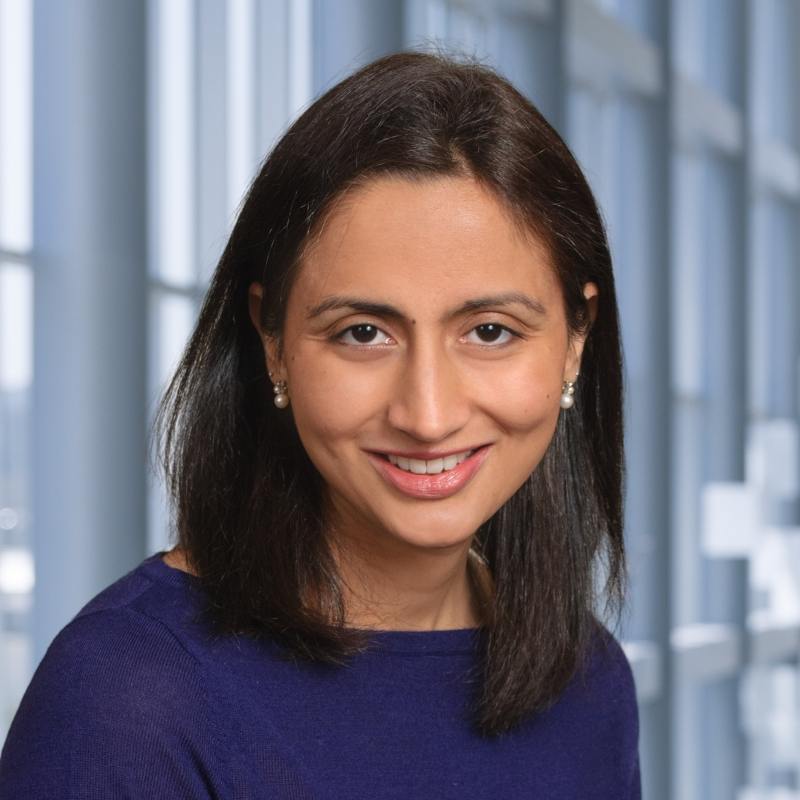
Sadia Ali, M.D., is an Associate Professor in the Department of Internal Medicine at UT Southwestern Medical Center, serving as Chief of the Inpatient Endocrinology and Metabolism Service at Parkland Hospital. She is also part of the hospital’s glycemic management team. Dr. Ali holds certifications from the American Board of Internal Medicine in endocrinology, diabetes, and metabolism. Her education includes a medical degree from Aga Khan University Medical College (Pakistan), internal medicine residency at the University of Cincinnati Medical Center, and a Master’s in Healthcare Management from UT Dallas. Specializing in endocrinology, her clinical focus includes diabetes, thyroid/adrenal/pituitary disorders, and metabolic bone diseases like osteoporosis. She is affiliated with the Endocrine Society and American Association of Clinical Endocrinology. Notable awards include recognition as a Texas Monthly Super Doctor Rising Star (2019) and repeated inclusion in D Magazine’s Best Doctors list.