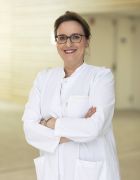
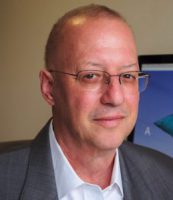
Prof. Dr. Dennis Säring is a faculty member at the University of Applied Sciences Wedel , specifically affiliated with the School of Engineering. His academic and research activities focus on Deep Learning , Medical Image Analysis , and applications of Artificial Intelligence in healthcare and biomedical imaging. He has led seminars on Deep Learning topics and supervised student projects in Autonomous Driving at Audi's AADC 2018 competition. Research Highlights : Cardiovascular imaging, forensic age estimation via MRI, neural network-based bone segmentation, and cerebrovascular aneurysm analysis. Technical Expertise : Cardiac MRI, 3D/4D image processing, parametric mapping, and spatiotemporal data fusion. His recent publications (2018-2023) emphasize 3D MR segmentation for age assessment, CMR strain analysis in athletes, and T1/T2 mapping for myocarditis. Key collaborations include institutions like the University Medical Center Hamburg-Eppendorf and Wedler Hochschulbund, with funding for autonomous vehicle research. While no explicit scientific awards are listed, his work spans clinical cardiology, forensic radiology, and AI-driven medical diagnostics.
University Medical Center Hamburg-EppendorfGermany
Prof. Dr. med. Franz Lennard Ricklefs is a Senior Physician and Head of the Working Group at the Department of Neurosurgery, University of Hamburg Faculty of Medicine. He is a Medical Specialist in Neurosurgery with cross-disciplinary expertise in neuro-oncology, molecular pathology, and extracellular vesicle research. Affiliations: University Medical Center Hamburg-Eppendorf (UKE), European Liquid Biopsy Society (ELBS), International Consortium on Meningiomas (ICOM) Research Interests: His work focuses on neurosurgical oncology, particularly glioblastoma and meningioma pathobiology. He investigates DNA methylation patterns, extracellular vesicle biomarkers, and liquid biopsy implementation in clinical neuro-oncology. Additional interests include surgical outcomes for epilepsy and aneurysm management. Article Trends: Over the last decade, Dr. Ricklefs has published extensively on: Extracellular vesicle applications as liquid biopsy markers DNA methylation subclasses for glioblastoma and meningioma Multicenter surgical outcome benchmarking Immune evasion mechanisms in neuro-oncology Technological innovations in neurosurgical visualization Molecular characterization of rare CNS tumors Professional Contributions: He co-authored the MISEV2023 guidelines for extracellular vesicle studies and participates in international consensus reviews for meningioma classification. His collaborations span institutions across Europe and North America.
Prof. Dr.-Ing. Maria Francesca Spadea serves as Director of the Institute of Biomedical Engineering (IBT) at Karlsruhe Institute of Technology (KIT), part of the Helmholtz Association. Her leadership role includes overseeing research initiatives, teaching activities, and administrative responsibilities within the institute. Located in space 512, she maintains regular consultation hours on Wednesdays from 10:30-11:30 am by appointment. Professor Spadea's research spans several cutting-edge areas in biomedical engineering, with particular focus on medical image processing, artificial intelligence applications in healthcare, and radiomics. Her work bridges computational techniques with clinical applications, emphasizing practical solutions for medical imaging challenges. She has pioneered approaches in federated learning for medical image translation, particularly in CT/MRI synthesis for radiation therapy applications. Her research also extends to cancer cell analysis, vascular biomechanics, and medical robotics, demonstrating a broad yet cohesive research portfolio that addresses critical challenges in modern healthcare. Analysis of Professor Spadea's recent publications reveals a strong emphasis on AI-driven medical imaging solutions, particularly in the translation between different imaging modalities (like MRI-to-CT) using federated learning approaches that preserve patient privacy. Her work demonstrates growing specialization in radiation therapy applications, with multiple publications addressing synthetic CT generation for treatment planning. There's also a clear trajectory toward multi-institutional collaboration, as evidenced by her involvement in projects spanning multiple research centers across Europe. Professor Spadea actively mentors numerous students, including M. Krohmer Zabaleta, N. Skupien, and M. Destito, who have completed bachelor's and master's theses under her supervision. Her research group appears well-integrated within the broader Institute of Biomedical Engineering, collaborating extensively with colleagues like P. Zaffino and C.B. Raggio on multiple projects. The group maintains strong connections with clinical partners, as evidenced by publications addressing real-world medical challenges in radiation therapy, cardiology, and neurosurgery. The research activities of Professor Spadea's team are centered within the Institute of Biomedical Engineering at KIT, with particular focus on medical imaging processing and AI applications. Her laboratory appears to specialize in developing computational tools for medical image analysis, with recent work emphasizing privacy-preserving federated learning frameworks that enable multi-institutional collaboration without sharing sensitive patient data. The team maintains active collaborations with clinical departments, particularly in radiation oncology, as evidenced by numerous publications addressing CT synthesis for radiation therapy planning.
Max Planck Institute for Intelligent SystemsGermany
Professor Ghazaleh Tabatabai serves as Head of Department for Clinical and Experimental Neuro-Oncology at the Hertie Institute for Clinical Brain Research, University of Tübingen. She leads a multidisciplinary research group focused on translational neuro-oncology with active collaborations through the German Glioma Network, German Cancer Consortium (DKTK), European Organisation for Research and Treatment of Cancer (EORTC), European Association of Neuro-Oncology (EANO), and International Consortium on Meningioma (ICOM). Her research program centers on molecular mechanisms of tumorigenesis, therapy resistance, and treatment-induced vulnerabilities in nervous system tumors. The laboratory employs CRISPR screening technologies, molecular profiling, and preclinical models to identify therapeutic targets, with particular expertise in glioma and meningioma biology. Current projects span from discovery through validation to clinical application, including phase I/II trials of novel therapies such as CureVac's mRNA vaccine candidate CVGBM. Recent publications demonstrate leadership in molecular classification of meningiomas, CRISPR-based target discovery, immunotherapy development, and clinical trial design. Her work on the TRACE app for patient-reported outcomes and the PRIDE trial for dose-escalated radiation therapy represents significant clinical translation efforts. The 2024-2025 publication record shows strong productivity with high-impact papers in Neuro-Oncology, Nature Medicine, and Genome Biology. Elected spokesperson of the DFG Board for Neuroscience (2024) Active participation in EANO guideline development Leadership in multiple international consortia including ICOM Principal investigator for clinical trials including N2M2/NOA-20 umbrella trial Professor Tabatabai mentors a large research team including PhD students, medical doctoral candidates, and postdoctoral researchers. Her laboratory maintains active clinical collaborations across neurosurgery, radiation oncology, and medical oncology departments. She is featured in the 'Key To My Research' podcast discussing tumor intelligence and regularly presents at major neuro-oncology conferences including ASCO, EANO, and SNO.
Cornelius Faber is a University Professor in the Department of Radiology at the University of Münster, Germany, where he leads the Experimental Nuclear Magnetic Resonance research group. His work focuses on developing and implementing novel MRI techniques that extend the boundaries of magnetic resonance imaging in terms of spatial and temporal resolution, sensitivity, and specificity for physiological, structural, and molecular changes. He actively participates in the "Cells in Motion" interdisciplinary research initiative at the university. Professor Faber's research spans multiple critical areas in medical imaging and biomedical science. His primary expertise lies in MRI cell tracking , enabling visualization of cellular dynamics in vivo. He has made significant contributions to infection imaging , developing methods to detect and characterize microbial infections using MRI. His work on MR methodology development has advanced quantitative imaging techniques, while his research on multimodal integration in MR and MRI contrast mechanisms has provided deeper insights into molecular and cellular processes. His research bridges physics, engineering, and biomedical applications, with particular relevance to inflammation, cancer, neurological disorders, and cardiovascular disease. Analysis of Professor Faber's extensive publication record reveals a clear evolution from fundamental MRI technique development toward increasingly sophisticated applications in disease models. His recent work demonstrates a strong trend toward multimodal imaging approaches that combine MRI with complementary techniques such as mass spectrometry, optical imaging, and PET. This integration creates comprehensive diagnostic platforms that provide both anatomical and molecular information. A notable pattern is the focus on cellular dynamics, particularly immune cell behavior in inflammatory conditions and tumor microenvironments, with applications spanning neuroscience, oncology, and cardiology. Professor Faber leads a multidisciplinary research team of approximately 15 members, including scientists, doctoral students, technicians, and medical students. His laboratory is deeply integrated with the University of Münster's research infrastructure, particularly the Multiscale Imaging Centre. The group's work contributes significantly to advancing preclinical MRI methodologies while maintaining strong clinical relevance, with numerous publications in high-impact journals across medical imaging, neuroscience, and biomedical engineering disciplines.
Schloss Dagstuhl - Leibniz Center for InformaticsGermany
Viviane Tabar, MD, is a neurosurgeon-scientist and Chair of the Department of Neurosurgery at Memorial Sloan Kettering Cancer Center (MSKCC). Her clinical expertise focuses on brain tumor surgery, including complex gliomas, meningiomas, and skull base tumors. Her research lab explores stem cells for brain repair and tumor modeling. Key projects include using human pluripotent stem cells to model pediatric gliomas and developing therapies for radiation-induced brain injury. She leads collaborations with the Center for Stem Cell Biology and Brain Tumor Center at SKI. Her lab’s work aims to advance cell-based therapies for Parkinson’s disease and identify novel treatments for brain tumors like diffuse intrinsic pontine glioma (DIPG). Education: MD from the American University of Beirut. Affiliations: Memorial Hospital Research Laboratories, Cancer Biology & Genetics Program, Center for Cell Engineering, Center for Stem Cell Biology, Gerstner Sloan Kettering Graduate School. She also holds leadership roles in translational research initiatives, including NYSTEM consortium grants. Labs/Teams: The Viviane Tabar Lab collaborates with the Allis Lab, Studer Lab, and Soulet Lab. Current projects include drug screening for epigenetic therapies targeting histone mutations in tumors and optimizing stem cell-derived dopamine neurons for clinical trials.
University Medical Center Hamburg-EppendorfGermany
Pedram Emami is a Senior Physician and Medical Specialist in Neurosurgery at the University of Hamburg within the Faculty of Medicine and the Department of Neurosurgery . His work focuses on neurosurgical treatments and research related to brain disorders. Education: Dr. med. (Medical Doctorate) MBA (Master of Business Administration) Areas of Expertise: Neurosurgery Tumor Neurosurgery Head and Neurocenter Clinical Care Contact him at P.Emami@uke.de or +49 (0) 40 7410 - 57054. Located in the Main Building O10, 2nd Floor.
University Medical Center Hamburg-EppendorfGermany
Vladimir Surov is an Instructor at Nazarbayev University School of Medicine in the Department of Biomedical Sciences . He has held clinical roles at the National Centre for Maternal and Child Health and the National Centre for Neurosurgery, and completed a pre-registration pharmacy program in the UK. Education: Bachelor and Master's Degree in Pharmacy (with Honours), University of Nottingham Research interests: He focuses on Drug Discovery and Development , with applications in Oncology and Antimicrobials , as well as Anti-epileptic pharmacotherapy . His work intersects clinical pharmacy, pharmaceutical chemistry, and sociomedical factors influencing drug use. Publications highlight trends in antibiotic consumption linked to social determinants, and the exploration of metformin derivatives for cancer treatment. These contributions span pharmacology, public health, and drug repurposing. Scientific awards: Recipient of the International Bolashak Scholarship (2008) for studying Pharmacology, Pharmacy, and Pharmaceutical Chemistry in the UK Additional activities include collaboration with researchers from Kazakhstan and Kyrgyzstan, and contributions to peer-reviewed journals like Antibiotics and Frontiers in Pharmacology .
University Medical Center Hamburg-EppendorfGermany
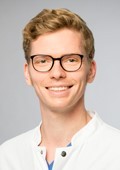
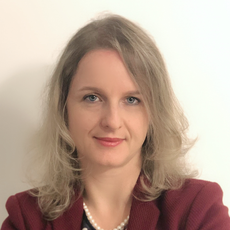
Prof. Dr. med. Florian Langer is a Clinical Professor and Senior Physician at the University Medical Center Hamburg-Eppendorf (UKE), affiliated with the Faculty of Medicine and the II. Medical Clinic and Polyclinic. He specializes in Oncology and Hemostaseology (coagulation disorders), with a focus on cancer-associated thrombosis and hemophilia management. His roles include overseeing the Center for Oncology and the Coagulation Outpatient Clinic. Langer holds memberships in leading societies such as the German Society for Thrombosis and Hemostasis Research (GTH) and the International Society on Thrombosis and Haemostasis (ISTH). His research interests span thrombosis mechanisms in cancer, anticoagulant therapies, and the interplay between coagulation and malignancies. He has contributed to clinical guidelines on direct oral anticoagulants and cancer-associated venous thromboembolism. Langer has also led studies like the INSIGHTS-SVT trial, investigating outcomes of superficial vein thrombosis in daily practice. Notable awards include the Nachwuchsförderpreis (2007) and Best-Abstract-Preis (2009) from the GTH. He collaborates on multidisciplinary projects, including the European Liquid Biopsy Society (ELBS), and has authored over 150 peer-reviewed articles. His clinical practice focuses on managing complex cases involving coagulopathy and oncologic hemostasis.
University Medical Center Hamburg-EppendorfGermany
Michael Hahn is a researcher at the Institute of Osteology and Biomechanics within the University Medical Center Hamburg-Eppendorf. His work focuses on orthopedic surgery, biomechanics, and medical engineering, particularly in skeletal regeneration and implant stability. Research Interests : Orthopedic biomechanics, bone regeneration, trauma surgery, implantology, and medical technology. Publication Trends highlight interdisciplinary research at the intersection of orthopedics, dentistry, and radiation physics. His work includes studies on allograft integration, pedicle screw stability, transverse tarsal arch mechanics, and radiation effects on bone integrity. Collaborative projects often involve multiscale characterization of biomaterials and clinical translation of implant designs. Infrastructure Affiliation : Linked to UKE's Core Facilities , including research animal husbandry and specialized laboratories. Part of the Neuro-Immune Network Hamburg alliance.
Prof. Dr. Stephanie E. Combs is a leading academic in Radiation Oncology at Technische Universität München (TUM), holding the position of Professor and Chair of the Department of Radiation Oncology. She also serves as the Dean of the TUM Faculty of Medicine since 2022. Her expertise spans highly conformal radiation therapy techniques (e.g., IMRT/IGRT/ART, proton, and carbon ion therapy), with a focus on brain and skull base tumors, pediatric oncology, gastrointestinal oncology, and biomarker-driven therapies. Prof. Combs studied medicine in Heidelberg and the United States, completed postdoctoral training in Heidelberg, and became Vice Chair of Radiation Oncology there before joining TUM in 2014. She has held leadership roles, including heading the TUM Senate from 2019 to 2022. Her research emphasizes precision medicine, radiation biology, and translational radiotherapy innovations. Her awards include the Basic/Translational Senior Science Award (2019), Robert Janker Award (2012), and multiple honors from German and international radiation oncology societies. Her work bridges clinical practice and research, with contributions to guidelines on target delineation for glioblastoma and skull base tumors. Prof. Combs’ publications focus on advancing radiation techniques, radiomics, and personalized therapy, with over 300 peer-reviewed articles. She leads initiatives in education, including a Master of Science program in Radiation Biology, and collaborates internationally in translational research.
Elgin Hoffmann is a Physician Scientist specializing in Radiation Oncology at a clinical institute focused on uro-oncology, neuro-oncology, pediatric radio-oncology, and sarcomas . His work bridges clinical practice with translational research, particularly in CNS tumors and biomarker-guided therapies. His research interests include: Development of biomarker-guided therapies for nervous system tumors Optimizing radiation therapy protocols for CNS lymphomas and meningiomas Investigating prognostic factors like SSTR2A expression in meningiomas Exploring neurobiological mechanisms in autistic trait-associated social cognition Recent publications demonstrate a focus on precision oncology and radiation treatment optimization , with co-authorship on 2025 studies about adjuvant therapy in penile cancer and 2024 work on low-dose radiotherapy for skin lesions. While no formal awards are listed, his collaborative research spans multiple institutions including University Hospital Tuebingen and German Society of Radiation Oncology networks. Key affiliations include the University Clinic for Radiation Oncology , with clinical expertise in neuro-oncology and pediatric radio-oncology . His technical focus areas encompass molecular subtyping , survival analysis , and advanced imaging applications in glioblastoma prognosis.
Prof. Ron Kikinis is a Professor of Medical Image Computing at the University of Bremen (Department of Computer Science, Faculty of Mathematics and Computer Science) and holds leadership roles at Fraunhofer MEVIS and Harvard Medical School’s Surgical Planning Laboratory. He also serves as a Professor of Radiology at Harvard Medical School. His academic journey includes a Medicine degree from the University of Zurich (1982) and radiology residency at Zurich University Hospital, complemented by computer vision research at ETH Zurich. His research focuses on medical imaging algorithms, interdisciplinary computational methods in healthcare, and software development for biomedical applications. Notable contributions include pioneering work in virtual endoscopy, surgical planning systems, and open-source platforms like 3D Slicer. He leads multidisciplinary teams addressing complex imaging challenges, with over 316 peer-reviewed publications. Key areas of interest include segmentation, registration, visualization, and high-performance computing in medical imaging. His work bridges clinical needs with technological innovation, emphasizing reproducible AI pipelines and data commons for translational research. He collaborates globally on initiatives such as the NCI Imaging Data Commons and advancing low-cost medical imaging solutions. Prof. Kikinis’ contributions span academic leadership, clinical translation, and software ecosystem development, making him a pivotal figure in medical image computing and translational imaging research.
Jan Vesper is a Professor in the Department of Neurosurgery at Heinrich-Heine-University. His work focuses on functional neurosurgery, particularly deep brain stimulation (DBS) for movement disorders like Parkinson's disease and progressive myoclonic epilepsy. Academic Rank: Professor Department: Neurosurgery University: Heinrich-Heine-University His research spans stereotactic surgery, neurostimulation techniques, and the treatment of neurodegenerative conditions. He has contributed to clinical guidelines for DBS and studied outcomes in dystonia associated with brain iron accumulation. Notable trends in his publications include the application of DBS in rare neurological disorders, interdisciplinary approaches to stereotactic radiosurgery, and long-term efficacy studies of neurostimulation therapies. He collaborates with the Neuroscience Network Düsseldorf and has led multicenter clinical trials evaluating neurosurgical interventions.
Maria Wostrack serves as a Professor and Senior Consultant at the Technical University of Munich (TUM), affiliated with the Munich Center for NeuroSciences - Brain and Mind (MCN). Her primary academic appointment is the Professorship of Translational Neurotechnology, with extensive clinical responsibilities across multiple neurosurgical domains. Her research integrates advanced technological applications into neurosurgical practice, with core expertise in Neuro-oncology, Vascular Neurosurgery, and Spinal Surgery. She pioneers the implementation of Artificial Intelligence, Robotics, and real-time functional monitoring systems to enhance surgical precision and patient outcomes. Her work emphasizes translational innovation, bridging laboratory discoveries with clinical applications through specialized working groups. Prof. Wostrack leads or actively participates in six key collaborative units: the Neuro-Oncology Group, Vascular Neurosurgery Working Group, Skull Base Working Group, Artificial Intelligence and Robotics in Neurosurgery initiative, Spine Working Group, and Functional Neuronavigation and Monitoring team. These groups drive interdisciplinary research focused on developing next-generation neurosurgical techniques while maintaining direct clinical engagement through outpatient clinics and international patient services.




/bilder/personen/langer_florian_20180816_01_1_kontaktbild.jpg)