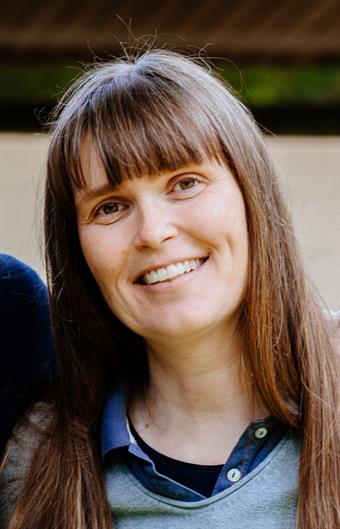
Antje Hunger is a Professor at the Hochschule Düsseldorf University of Applied Sciences , affiliated with the Faculty of Social Sciences and Cultural Studies . Her research focuses on Clinical Psychology and Cognitive Behavioral Therapy , particularly in Impulse Control Disorders , Obsessive-Compulsive Spectrum Disorders , and Body-Focused Repetitive Behaviors . Specializes in Trichotillomania , Excoriation Disorder , and Body Dysmorphic Disorder Develops evidence-based Cognitive Behavioral Therapy protocols Advances in Digital Interventions for mental health Her work includes both experimental studies and clinical assessment development, with notable contributions to understanding compulsive buying and dissociative mechanisms in disorders. Contact: antje.hunger@hs-duesseldorf.de | Office: Room 03.1.007, Building 3, Münsterstraße 156, 40476 Düsseldorf
James S. Sutcliffe is an Associate Professor in the Departments of Molecular Physiology and Biophysics and Psychiatry at Vanderbilt University School of Medicine. He is affiliated with Vanderbilt University Medical Center and holds an office at 729A WEA, 2525 West End Ave, Suite 700, Nashville, Tennessee 37203. Research Interests: Investigates the genetic basis of autism spectrum disorders and neuropsychiatric conditions Focuses on molecular and statistical genetics approaches Explores epigenetic mechanisms in complex disorders Examines phenotypic dissection of conditions like anxiety, major depression, and obsessive-compulsive disorder Dr. Sutcliffe’s work bridges genetics and clinical neuropsychiatry, emphasizing interdisciplinary approaches to understanding genetic architecture in psychiatric disorders. No awards or grants are explicitly listed in the provided text. No current students or lab teams are mentioned.
Professor Marleen De Bolle is a prominent faculty member at Ghent University (Universiteit Gent) specializing in personality psychology with a particular focus on child and adolescent development. Her extensive research portfolio demonstrates deep engagement with the Five-Factor Model of personality and its applications across developmental stages and clinical contexts. Dr. De Bolle's research interests center on the intersection of personality development and psychopathology in children and adolescents. She has made significant contributions to understanding how personality traits relate to various psychological outcomes, including depression, anxiety, and behavioral problems. Her work often employs cross-cultural methodologies to examine the universality of personality structures and their developmental trajectories from childhood through adolescence. She has been particularly active in investigating the application of dimensional personality models to youth psychopathology, including their relevance to DSM-5 classification systems. Analysis of her publication record reveals consistent focus on personality structure across development, with particular attention to the Five-Factor Model's applicability to children and adolescents. Her work demonstrates sophisticated methodological approaches including latent class analysis, hierarchical modeling, and cross-cultural comparisons. The majority of her research examines the relationship between normal-range personality traits and maladaptive outcomes, with increasing attention to dimensional models of personality pathology as reflected in DSM-5. Professor De Bolle has maintained an exceptionally productive research career through extensive collaboration, primarily with colleagues at Ghent University including Filip De Fruyt and Barbara De Clercq. Her work spans numerous high-impact journals in personality, developmental, and clinical psychology, demonstrating both theoretical sophistication and clinical relevance. She has contributed significantly to understanding how personality traits relate to various psychological outcomes across development, with implications for both theoretical models and clinical practice.
Caterina Novara is an Associate Professor at the University of Padua, specializing in Clinical Psychology with a focus on Anxiety Disorders, Obsessive-Compulsive Spectrum Disorders, and Cognitive Behavioral Therapy (CBT). Her research integrates innovative methodologies such as virtual reality (VR) technologies for therapeutic applications, including relaxation training and exposure therapy for conditions like hoarding disorder and cognitive impairment. She has extensively studied Orthorexia Nervosa, exploring its relationship with perfectionism, obsessive-compulsive symptoms, and disordered eating behaviors across clinical and non-clinical populations. Her work also addresses pandemic-related mental health impacts, perfectionism in global health contexts, and the psychometric validation of clinical assessment tools. Her studies often employ mixed-methods approaches, combining quantitative analyses (e.g., Bayesian methods, machine learning) with qualitative insights. Notable contributions include developing personalized VR scenarios for mental health interventions and investigating the role of intolerance of uncertainty in breast cancer patients' psychological outcomes. She has led randomized controlled trials evaluating self-care programs for clinical psychologists to reduce burnout and enhance work engagement. Dr. Novara collaborates internationally, contributing to cross-cultural research on eating disorders and obsessive-compulsive symptomatology. Her research emphasizes practical applications, such as improving diagnostic clarity for maladaptive daydreaming and refining treatment protocols using technology-enhanced therapies.
Marta Ghisi is a Full Professor at the University of Padua, Italy, specializing in clinical psychology with a focus on obsessive-compulsive spectrum disorders, body image, and mental health interventions. Her research emphasizes validating self-report instruments for anxiety, depression, eating disorders, and personality disorders. She has conducted extensive work on body image issues in diverse populations, including adolescents, cancer survivors, and athletes, as well as the impact of social media and photo-based behaviors on mental health. Her research interests include the Tripartite Influence Model, intolerance of uncertainty, and the development of interventions such as the More Than Body Appearance (MBA) program to promote positive body image. She has explored the efficacy of yoga and Tai Chi in improving workplace psychological well-being, particularly among female university employees. Her work also addresses post-COVID-19 neuropsychological outcomes and the role of parental modeling in disordered eating behaviors. Dr. Ghisi's articles consistently investigate transdiagnostic risk factors, cross-cultural measurement invariance of mental health scales, and the psychosocial implications of chronic health conditions. Her studies highlight innovative approaches to mental health assessment and intervention, with a strong emphasis on practical applications in clinical and community settings.
Thalia C. Eley is Professor of Developmental Behavioural Genetics at the Institute of Psychiatry, Psychology & Neuroscience , King’s College London, and directs the Emotional Development, Intervention & Treatment (EDIT) Lab . She also serves as Deputy Director of the Twins Early Development Study (TEDS) and co-leads the Genetics Links to Anxiety & Depression (GLAD) Study . Her work integrates molecular genetics, twin designs and clinical psychology to understand and treat anxiety and depression. Education PhD, Aetiology of emotional symptoms in childhood and adolescence: depression and anxiety in twins, University College London (1996) BA, University of Cambridge (1992) Research Interests Eley’s research centres on gene–environment interplay underlying emotional disorders. Using molecular genetics she identifies genetic markers predictive of anxiety and depression development and treatment response . Via the twin design she disentangles genetic from environmental influences on familial transmission of psychopathology. Current themes include: Large-scale recruitment for genetic discovery (GLAD Study, >40,000 participants) Intergenerational extension of TEDS (CoTEDS) to trace mental-health transmission Translational genomics to personalise psychological therapies Scientific Awards & Fellowships James Shields Lifetime Achievement Award, International Society for Twin Studies Spearman Medal, British Psychological Society Lilly–Molecular Psychiatry Award MRC Career Development Award (2002) MRC Research Training Fellowship (1999) Grants & Funding Eley is Principal Investigator on multiple active grants (>£10 M total): TOPS (Wellcome Trust, 2025-2030): Therapeutic mechanisms & stratified interventions for anxiety Identifying modifiable causes and consequences of youth mental health (Wellcome Trust, 2024-2028) iCASE studentship (Ieso Digital Health, 2024-2028): Personalising CBT using genetics TEDS26 (MRC, 2021-2026): Intergenerational transmission of common mental-health conditions Labs & Teams She founded and directs the EDIT Lab at King’s College London, a multidisciplinary team of post-docs, PhD students and research assistants applying genetic and psychological science to improve mental-health outcomes. The lab collaborates closely with the NIHR Maudsley Biomedical Research Centre and the Psychiatric Genomics Consortium Anxiety Group .
Dr. Deepa Purushothaman is a Research Fellow in the Department of Psychiatry at Yale School of Medicine, serving as the Early Detection and Assessment Coordinator (EDAC) for DMHAS Region 5 within the Specialized Treatment for Early Psychosis (STEP) program. She holds an MD in Psychiatry and a Postdoctoral Fellowship in Schizophrenia from NIMHANS, Bangalore. Her clinical focus is on general adult psychiatry, with expertise in schizophrenia spectrum disorders. Her research explores social cognitive deficits in schizophrenia, early psychosis detection, and the neurobiology of mental illness, alongside interests in the history of psychiatry and integrative therapies like yoga and Ayurveda. Education: Postdoctoral Fellowship in Schizophrenia, National Institute of Mental Health and Neurosciences (NIMHANS), 2020 MD in Psychiatry, National Institute of Mental Health and Neurosciences (NIMHANS), 2019 Research Interests: Her work spans social cognition deficits in schizophrenia, early psychosis intervention strategies, and the application of yoga and Ayurveda in mental healthcare. She has published extensively on topics such as tele-yoga efficacy, integrative treatment guidelines for schizophrenia, and the neurobiological underpinnings of delusions. Recent Contributions: Her 2025 study on fNIRS-based social disconnect analysis in psychosis and 2024 meta-analysis on yoga therapy for schizophrenia cognition highlight her focus on innovative diagnostic tools and complementary interventions. She co-developed culturally adapted counseling modules using ancient Indian texts and contributed to global treatment guidelines (INTEGRATE). Awards: Young Investigator Award from Schizophrenia Research Foundation (2018) Advisory & Collaborations: She leads the STEP program's early detection efforts and collaborates with interdisciplinary teams on projects like the 'Integrative Approach for Managing Tardive Dyskinesia.' Her lab engages in translational research bridging neuroimaging, epigenetics, and clinical outcomes. Labs/Teams: Active in the STEP program and associated with the Whisk Cup Streamline initiative, focusing on early psychosis intervention and integrative care models.
Tina Taylor Dyches is a Professor at Brigham Young University, specializing in Special Education and Children's Literature. Her research focuses on the portrayal of developmental disabilities in juvenile literature, parenting strategies for children with disabilities, and classroom accommodations for neurodiverse students. Key fields: Disability Representation in Literature, Autism Spectrum Disorders, Obsessive-Compulsive Disorder, Bibliotherapy, Inclusive Education Notable contributions: Co-developed evaluation guidelines for children's books featuring disabilities, published in peer-reviewed journals like Education and Training in Developmental Disabilities . Analyzed trends in Newbery Award books and autism-related family stress. Recent studies: Investigated respite care impacts on single mothers of ASD children (2015) and meta-analyzed positive parenting effects (2012). Collaborated on technology integration in special education courses (2004).
Dr. Megan Renna is an Assistant Professor in the Department of Psychology at The Ohio State University and a core faculty member of the Clinical Psychology graduate program. She holds affiliations with the Comprehensive Cancer Center and the Institute for Behavioral Medicine Research at Ohio State's Wexner Medical Center. Her research focuses on psychophysiological mechanisms linking emotion regulation, negative affectivity, and biological dysfunction in healthy adults and cancer survivors. Education: PhD in Clinical Psychology from Teachers College, Columbia University (2019) Clinical Internship: Duke University Medical Center Postdoctoral Fellowship: T32 Psychoneuroimmunology at Ohio State's Comprehensive Cancer Center Research interests include: - Neuroinflammatory pathways in chronic illness - Mindfulness-based interventions for symptom management - Translational research bridging psychological and biomedical approaches - Longitudinal studies of cardiometabolic risk in vulnerable populations Her work has been recognized with the 2024 Society for Behavioral Medicine 'Up & Coming Researcher' Award and the 2024 Outstanding Junior Faculty Award from the University of Southern Mississippi. Dr. Renna directs the Psychophysiology, Emotionality, and Treatment (PET) Lab, which employs multi-method approaches including: Ecological momentary assessment Biomarker analysis (inflammation, cortisol, ECG) Experimental psychophysiological paradigms Primary study populations include breast cancer survivors and individuals with mood/anxiety disorders.
E. Carla Parker-Athill serves as the George and Carol Milne Assistant Professor of Biology at Connecticut College, where she has been a core faculty member since 2019, conducting interdisciplinary research at the nexus of neuroscience and immunology within the Biology Department. Her educational foundation includes: Bachelor of Science from Florida State University Doctor of Philosophy from the Morsani College of Medicine, University of South Florida Dr. Parker-Athill's research program investigates how early-life environmental stressors and immune challenges shape neurological and behavioral outcomes across the lifespan. She examines cortisol-mediated molecular pathways regulating neural stem cell differentiation, synaptic plasticity, and learning mechanisms, with particular focus on developmental windows where adversity may predispose individuals to conditions like Autism Spectrum Disorder (ASD) and obsessive-compulsive disorder (OCD). Her work bridges prenatal infection models of ASD from her doctoral training with postdoctoral investigations into immune activation in OCD pathophysiology, revealing conserved neuroimmune mechanisms across neuropsychiatric conditions. As an educator, Professor Parker-Athill directs an active undergraduate research laboratory where students gain hands-on experience in molecular neuroscience techniques while exploring environmental impacts on brain development. She teaches across the biology curriculum—from introductory courses for non-majors to advanced seminars in behavioral neurobiology—integrating her research expertise into classroom instruction while mentoring the next generation of scientists through immersive laboratory projects.
Dan J. Stein is a leading psychiatrist and researcher at the University of Cape Town, where he serves as Head of the Department of Psychiatry and Mental Health in the Faculty of Health Sciences. He is affiliated with several research units including the MRC Unit on Risk and Resilience in Mental Disorders and has collaborated with institutions such as Stellenbosch University, Tel Aviv University, and the South African Medical Research Council. His research spans a broad spectrum of mental health disciplines, with a focus on neuropsychiatry , psychopharmacology , global mental health , and the epidemiology of psychiatric disorders . He has pioneered work in cross-cultural adaptation of mental health tools, neurobiological underpinnings of disorders like OCD and PTSD, and interventions for substance use and cognitive deficits. His work emphasizes both biological mechanisms and sociocultural contexts, particularly in African populations. The trends in his recent publications reveal a sustained commitment to global mental health research , biological psychiatry , and translational neuroscience . His studies integrate epidemiological data from multinational surveys, neuroimaging, epigenetics, and clinical trials, often focusing on underrepresented populations. Key themes include mental health stigma, treatment adherence, neurodevelopment, and the intersection of trauma and cognition. Dr. Stein has received major research support from prestigious organizations including: National Institutes of Health (NIH) Wellcome Trust Medical Research Council (MRC) National Research Foundation (NRF) Bill and Melinda Gates Foundation European Commission Japan Society for the Promotion of Science National Institute of Mental Health (NIMH) He has advised numerous researchers and students, though specific names are not listed in the source text. His leadership extends to major collaborative networks and global mental health initiatives. He is actively involved in research labs and teams focused on risk and resilience in mental disorders, particularly through the MRC Unit in South Africa. His work continues to shape policy and practice in mental health across diverse cultural and resource settings.
Ismail Cüneyt Güzey is a Professor at the Norwegian University of Science and Technology (NTNU). His research focuses on mental health interventions, sleep disorders, and the genetic basis of psychiatric conditions. He has published extensively on topics such as schizophrenia treatment, insomnia epidemiology, and the role of exercise in mental health rehabilitation. Key research areas include: Psychiatric medication pharmacogenetics Exercise interventions for schizophrenia patients Insomnia and depression comorbidity Metacognitive therapies for obsessive-compulsive and body dysmorphic disorders His work often utilizes large cohort studies like the HUNT study to examine population-level mental health patterns. Collaborations with institutions in Norway, Turkey, and internationally highlight his global research impact. Recent studies emphasize long-term patient outcomes and innovative treatment approaches.
James Collison is a Researcher in the Department of Psychology at Charles Sturt University, specializing in clinical and health psychology. He obtained a Master of Psychology (Clinical) from Western Sydney University in 2010. His research examines mental health disorders, psychometric validation, and social determinants of health, with emphasis on: Body Image & Eating Disorders : Body dysmorphic disorder, grazing behavior, and clinical assessment in high-risk groups (e.g., models). Developmental & Disability Psychology : Emotion regulation in autism spectrum disorder, intellectual disability workforce dynamics, and adolescent mental health. Clinical Methodology : Psychometric tool development, thematic analysis, and telehealth efficacy. His publications (2017–2025) show a strong focus on transdiagnostic mental health mechanisms, telehealth adaptations post-pandemic, and evidence-based clinical training. Awarded Discretionary Research Funding (2025) for a scoping review in psychological practice.
Stefano Ferracuti is a Full Professor of Forensic Psychopathology at the Department of Human Neuroscience , Faculty of Medicine and Dentistry, Sapienza University of Rome. He serves as Director of the II Degree Master in Forensic Psychiatry, Clinical Criminology, and Judicial Psychology. Research interests include: Forensic psychopathology and legal psychology Autism Spectrum Disorder and schizophrenia neurobiology Childhood trauma impacts on mental health Frailty-neuropsychiatric interconnections Neuroimaging in obsessive-compulsive disorder (OCD) Geriatric psychiatry and late-life depression His recent publications focus on neuroimaging, treatment-resistant mental disorders, and trauma-related psychopathology. He is currently Specialty Chief Editor for Forensic and Legal Psychology at Frontiers in Psychology .
Denis Sukhodolsky is a Professor at the Yale Child Study Center, specializing in behavioral interventions for neurodevelopmental disorders. His work focuses on autism spectrum disorder (ASD), Tourette Syndrome, and emotion dysregulation, supported by grants from NIMH, NICHD, DoD CDMRP, and the Simons Foundation. PhD in Clinical Psychology (Hofstra University, 1997) Postdoctoral Fellowship (Yale University, 2003) Research interests include autism spectrum disorder , behavioral therapy , and neural biomarkers . Current studies examine anxiety treatment in ASD (R01 HD083881) and sex differences in ASD (R01 MH100028). Articles reveal expertise in emotion regulation , fMRI neuroimaging , and machine learning applications for mental health diagnostics. Research Mentor Award (2020) Simons Foundation Grant (2018) NIMH K01 Career Award (2008) Obsessive Compulsive Foundation Award (2004) Tourette Syndrome Association Fellowship (2001) As a licensed clinical psychologist, he directs the Sukhodolsky Lab , conducting translational research on behavioral interventions. Key collaborations include Karim Ibrahim (Assistant Professor) and the ACE network for ASD studies. Contact: denis.sukhodolsky@yale.edu .