Divya TiwariView profile
Lecturer
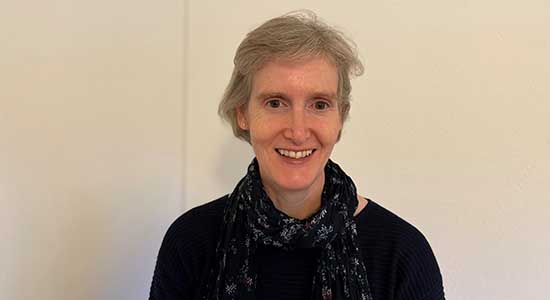
Dr. Divya Tiwari serves as a Barts Charity Lecturer at the Centre for Immunobiology, Blizard Institute, Queen Mary University of London, where she leads research on tuberculosis pathogenesis and host-pathogen interactions in Mycobacterium tuberculosis. Her work focuses on identifying novel drug targets to enhance host immune responses against drug-resistant TB strains, addressing a critical global health challenge. Her academic journey includes a Bachelor of Science and Master of Science in Microbiology from Pt Ravishankar Shukla University, India, a PhD from the National Institute of Immunology, New Delhi, and postdoctoral training at Weill Cornell Medicine, New York. Prior to her current role, she contributed to research administration as a Grants Adviser for The Wellcome Trust DBT India Alliance. Dr. Tiwari's research program centers on tuberculosis mechanisms, particularly how Mtb manipulates host immunity and identifying metabolic pathways like biotinylation and respiratory chain plasticity for therapeutic intervention. Her work bridges fundamental molecular biology and translational drug development to combat persistent and drug-resistant infections. Analysis of her 12 publications (2007-2023) reveals a consistent trajectory in TB drug discovery, with recent emphasis on host-directed therapies (2023) and inflammation-mediated tissue damage, while earlier work established foundational insights into bacterial metabolism targets. This evolution demonstrates progression from molecular mechanisms to clinical applications. She established her independent research group through the Barts Charity Lectureship, leveraging prior grant advisory experience to secure research funding. Her work bridges the Centre for Immunobiology's focus on infectious disease immunity with global TB control efforts. Dr. Tiwari's laboratory operates within the Blizard Institute's Centre for Immunobiology, contributing to collaborative research on immune responses to intracellular pathogens and participating in Queen Mary's strategic initiatives in global health and antimicrobial resistance.