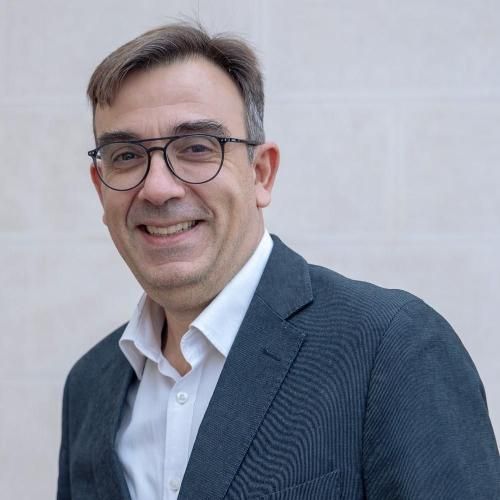
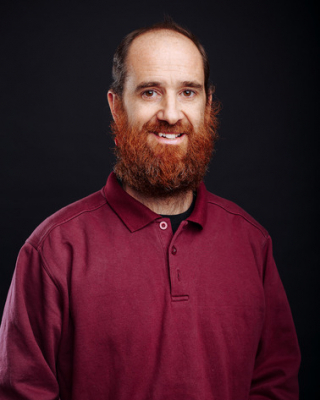
Reinhold WeberView profile
Professor
Dr. Reinhold Weber is an Honorary Professor of Modern and Contemporary History and Regional History at the University of Tübingen's Faculty of Humanities, Department of History. He also serves as a lecturer at the Seminar for Contemporary History and is head of the "Haus auf der Alb" department at the State Center for Political Education Baden-Württemberg in Bad Urach since 2018. His academic background includes a Dr. phil. from the University of Tübingen in 2003 and a Magister Artium in 1998, with focus on Modern History, particularly Contemporary History, Medieval History, and Modern English Literature. Dr. Weber's research focuses on German history of the 20th century, regional history of Baden-Württemberg and its predecessor states, party and election history, political culture, migration history, and terrorism studies. His work demonstrates strong regional focus on Southwest Germany while addressing broader national historical themes, with particular emphasis on understanding Baden-Württemberg as an immigration region and examining political culture, resistance movements, and regional transformation throughout the 20th century. His extensive publication record includes numerous monographs and edited volumes addressing immigration history, political movements of the 1970s, regional history, and church-state relations. Recent works show a consistent pattern of connecting historical analysis with contemporary political education through his role at the State Center for Political Education. Member of the Council for Migration (RfM) since 2012 Member of the Advisory Board of the Württemberg Historical and Antiquarian Association since 2012 Ordinary member of the Commission for Historical Regional Studies in Baden-Württemberg since 2008 Chefredakteur (Chief Editor) and Referatsleiter (Department Head) at the State Center for Political Education since 2003 Dr. Weber maintains active teaching engagement with seminars on left- and right-wing terrorism in the Federal Republic, changing culture of remembrance at NS memorial sites, and environmental protection history in Germany. His work bridges academic research and public political education, making historical knowledge accessible for contemporary civic engagement while maintaining scholarly rigor.