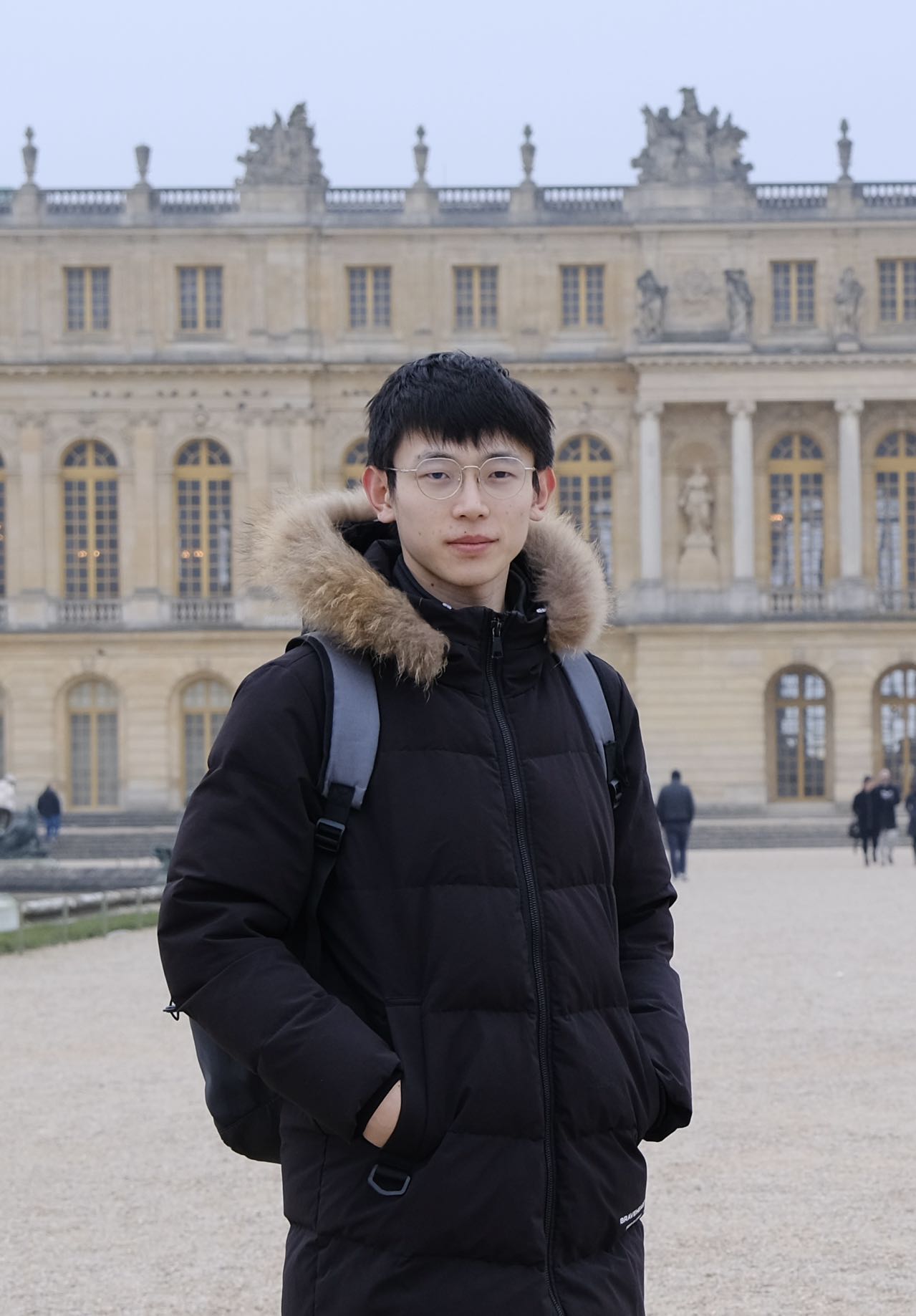
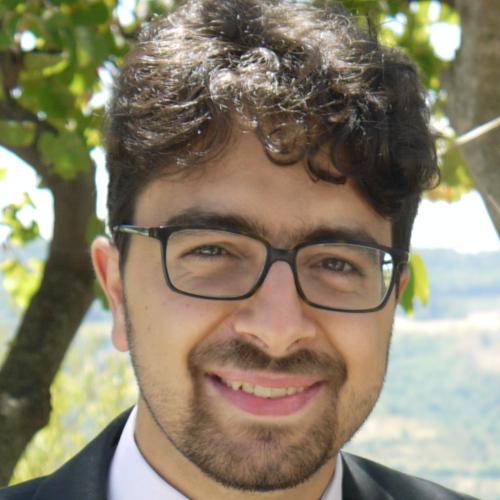
Zifan Wang is a doctoral student and researcher at the Division of Decision and Control Systems (DCS), School of Electrical Engineering and Computer Science, KTH Royal Institute of Technology. He is jointly advised by Prof. Karl H. Johansson and Prof. Michael M. Zavlanos at Duke University. He holds a Master's and Bachelor's degree from the Honors School of Harbin Institute of Technology. His research focuses on decision-making under uncertainty, leveraging tools from Machine Learning , Optimal Transport , Game Theory , and Control Theory , with a special interest in generative models and risk-averse optimization . Recent publications highlight his work on risk-averse learning in online convex games, constrained optimization with decision-dependent distributions, and distributional reinforcement learning for LQR systems. His methodological contributions include zeroth-order gradient estimation, one-point sampling strategies, and residual feedback for variance reduction. Honors include a 2024 Travel scholarship from Björns Foundation and a 2023 Travel grant from Karl Engvers Foundation . He actively participates in peer review for top conferences (NeurIPS, ICLR, L4DC, CDC, ACC) and journals (IEEE Transactions on Automatic Control, Automatica).
Nicholas Geron serves as Assistant Professor of Geography and Sustainability at Salem State University, where he applies remote sensing, GIS, and drone technologies to advance urban forestry, climate resilience, and environmental justice. His community-centered research examines equitable urban tree distribution through collaborations with municipal agencies, non-profits, and residents across Massachusetts mid-sized cities. His academic journey includes: Bachelor's in Environmental Policy and Analysis & French Literature from Boston University Master's in Science Education from Lehman College (CUNY) PhD in Geography from Clark University Prior to Salem State, he taught high school Earth Science/French for five years and served as Visiting Instructor at The College of the Holy Cross. Professor Geron's research integrates geospatial analysis with social equity frameworks, focusing on: Urban heat island mitigation through strategic tree planting Governance structures affecting tree program success Spatiotemporal analysis of canopy cover changes Drone-based assessment of urban ecosystems He actively involves undergraduates in field data collection and co-authorship, emphasizing participatory approaches to climate solutions. His 2019-2023 publications reveal consistent methodological evolution from historical canopy analysis to real-time heat wave response modeling, with increasing focus on intersectional justice dimensions in urban greening initiatives. Key collaborations with Rogan, Healy, and Martin demonstrate sustained interdisciplinary partnerships across Clark University and Massachusetts municipalities. Teaching responsibilities include: GPH 115: Global Climate Change GPH 340: Geographic Information Systems GPH 343: Drone Applications GPH 344: Remote Sensing His recent conference presentations address extreme heat vulnerability during July 2022 heat waves and reframing urban forest governance through Sierra Club engagements.
Tolga Birdal is an Assistant Professor (Lecturer) and UKRI Future Leaders Fellow in the Department of Computing at Imperial College London. As the Principal Investigator (PI) of the CIRCLE group , his research focuses on topological deep learning, geometric machine learning, and 3D computer vision, with theoretical interests in non-Euclidean inference and deep learning principles. Education: PhD and MSc in Computer Vision from Technical University of Munich (2018), BSc in Computer Science from Sabancı University (2008). Projects: PI for UKRI-EPSRC's UNTOLD (Topological Deep Learning), Royal Society's drug discovery initiative, and EPSRC's GNOMON (Generative Models in non-Euclidean Spaces). Leadership: Area Chair for CVPR, ICCV, and 3DV 2025 Publication Chair. His work bridges differential geometry, algebraic topology, and deep neural networks, with applications in quantum computer vision, 3D/4D generative priors, and medical imaging. Key contributions include novel frameworks for rotation forecasting, graph generation, and topological generalization bounds. Scientific Awards: UKRI Future Leaders Fellowship EMVA Young Professional Award
Chong Hyun Shin is an Assistant Professor in Research at Georgia State University's Institute for Biomedical Sciences, specializing in molecular mechanisms of metabolic diseases. Her research integrates molecular biology, genetics, and physiology to develop therapeutic strategies for obesity-linked conditions. Education B.S. in Biochemistry from Yonsei University M.S. in Biochemistry from Yonsei University Ph.D. in Genetics and Development from University of Texas Southwestern Medical Center Postdoctoral fellowship at University of California, San Francisco Research Focus Dr. Shin investigates obesity-induced chronic inflammation as a root cause of metabolic syndrome. Her lab focuses on discovering molecular targets to enhance energy expenditure and fat oxidation, developing alternatives to appetite-suppressing drugs. Research employs zebrafish models, chemical biology approaches, and molecular genetics to study liver/pancreas regeneration, inflammation pathways, and metabolic regulation. Publication Analysis Her 15 most recent publications (2007-2021) demonstrate consistent focus on metabolic regulation, organ development, and regeneration. Key themes include: signaling pathways (Bmp, Fgf, Wnt, TBK1), epigenetic controls, zebrafish disease modeling, and therapeutic targeting of inflammation. Recent work expanded into COVID-19 complications in metabolic syndrome patients. Awards and Recognition Ruth L. Kirschstein National Research Service Award (NIH) K01 Mentored Research Scientist Development Award (NIH) R56 High Priority, Short-Term Project Award (NIH) Exploratory/Developmental Research Grant Award (NIH) Mentoring and Collaboration Has trained 11+ postdoctoral fellows and graduate students as principal investigator. Maintains collaborations with multiple institutions including UCSF and UT Southwestern. Professional memberships include American Diabetes Association, American Chemical Society, and Korean-American Scientists and Engineers Association.
Dr. James Armstrong is an Associate Professor in Biomaterials and Tissue Engineering at the University of Bristol , affiliated with the Bristol Medical School (THS) . His research focuses on innovative biotechnologies for controlling the assembly of complex living systems, including organoids and tissue grafts, with applications in regenerative medicine and biomedical engineering. Research Interests: Tissue engineering, biomaterials, ultrasound-driven cell patterning, organoid development, bioimaging, and bioprinting. Students: Supervising PhD candidates in projects related to brain organoids, wound healing biomaterials, blood-brain barrier models, and machine learning for biomedical automation. Awards: 2019 President’s Medal for Excellence in Education; recipient of three consecutive fellowships (Arthritis Research UK, MRC/UKRI, UKRI Future Leaders). His group collaborates with institutions like Imperial College London, Tsinghua University, and Harvard’s Ingber Lab. He co-founded the spin-out company Impulsonics in 2023. Publications span Advanced Materials , Nature Communications , and Science Advances , with a focus on 3D/4D printing, smart hydrogels, and magnetic stem cell labeling.
Ioana Ciotir is an Associate Professor (Maître de Conférence) in the Department of Mathematical Engineering at INSA Rouen, France, where she has been employed since 2014. She previously served as an Assistant Professor at the Institute of Mathematics at the University of Neuchâtel, Switzerland (2012-2014) and as an Assistant at the Department of Mathematics at "Alexandru Ioan Cuza" University of Iasi, Romania (2008-2012). Her research focuses on stochastic partial differential equations, homogenization theory, and optimal control problems, with applications to porous media flow, traffic modeling, and financial mathematics. Dr. Ciotir earned her Ph.D. in Mathematics from "Alexandru Ioan Cuza" University of Iasi, Romania in 2010, with a thesis titled "Stochastic Porous Media Equations." She later obtained her Habilitation à Diriger des Recherches (HDR) from the University of Rouen, France in 2022. Her academic journey includes additional training in educational methodologies and summer schools in mathematical finance. Her primary research interests span stochastic analysis and partial differential equations, with a focus on stochastic porous media equations, homogenization of stochastic processes, optimal control theory, and probabilistic representations. She investigates the behavior of stochastic processes with singular diffusivity, including fast and super-fast diffusion equations with various types of noise (Stratonovich, Itô, gradient-type). Her work extends to applications in physics (plasma diffusion), engineering (porous media flow), and social sciences (traffic flow modeling, pandemic economic impacts). Dr. Ciotir's publication record demonstrates consistent contributions to high-impact mathematical journals, with recent work focusing on regularity theory for stochastic diffusion equations, state-constrained control systems for porous media, and non-local models for traffic flow. Her research often involves international collaborations with institutions in Switzerland, Germany, Japan, and China, reflecting the interdisciplinary nature of her work. Among her scientific recognitions are the Thesis Prize for Applied Mathematics from ROMAI (2011) and the Doctoral and Research Supervision Bonus (PEDR) for the periods 2018-2021 and 2022-2025. She has successfully supervised multiple doctoral students through completion of their theses and currently mentors several Ph.D. candidates working on topics related to stochastic PDEs and control theory. Dr. Ciotir has secured significant research funding through projects such as Scale Op (2024-2028, with Siemens Gamesa Renewable Energy), DEFHY3GEO (2022-2025), M2SiNum (2018-2021), M2Num (2015-2019), and the ANR Project QUantum Turbulence Exploration by High-Performance Computing (ANR-18-CE46-0013). She serves as the Sustainable Development Representative for the LMI laboratory and the GM Department since May 2020, and has been elected to the LMI laboratory council (2017-2021 and 2021-2025). She is actively involved in the Mathematics Laboratory (LMI) at INSA Rouen, where she serves as the SMAI correspondent and Mathrice correspondent via FR CNRS 3335. Her international collaborations include partnerships with Siemens-Gamesa, ENSTA Paris, universities in Romania, Switzerland, Germany, and Japan, demonstrating her position within a broad academic network focused on applied mathematics and stochastic analysis.
Scot Adams is a Professor in the School of Mathematics at the University of Minnesota, with research spanning pure mathematics and machine learning applications. His primary academic affiliation is with the Mathematics Department at the University of Minnesota, where he maintains an active research program while managing phased retirement paperwork. His research interests include dynamical systems, foliations, ergodic theory, hyperbolic groups, trees, Riemannian geometry, and more recently neural networks and thermodynamics. In his diary entries through August 2025, he documents ongoing work developing neural network slides, focusing on visual chain rule explanations, diagram of functions, and coordinate vector spaces. His recent publications reflect a transition toward machine learning applications while maintaining his foundational mathematics work. The 15 most recent articles show increasing focus on neural network theory (2025), with earlier works covering financial mathematics, climate policy presentations, and pure mathematics topics like Banach-Tarski paradox and central limit theorem. As an advisor, he works with graduate student Aarya Garimella on neural network research, meeting regularly to refine slides and explore mathematical foundations of neural networks. His teaching activities include courses in linear algebra and financial mathematics. His diary reveals active engagement with climate policy through Citizens' Climate Lobby (CCL), including Capitol Hill lobbying efforts and local climate forum organization. He maintains detailed records of academic and civic activities while managing household responsibilities.
Professor Eric J Palmiere at the University of Sheffield's School of Chemical, Materials and Biological Engineering is a world-leading expert in ferrous physical metallurgy and thermomechanical processing with over 35 years of experience. His research focuses on microstructural evolution during metalworking and has collaborated with industries in automotive, aerospace, energy, and construction sectors. POSCO Chair in Iron and Steel Technology Research Theme Lead - Materials Discovery and Characterisation Research Interests: Specializes in microstructural evolution of ferrous and non-ferrous alloys, particularly examining strain-induced precipitation, recrystallization kinetics, and phase transformations under industrial processing conditions. Key projects include: Development of high-modulus steels for automotive Friction effects in multipass hot deformation Fusion energy steel development Advanced pipeline steel processing (API X70-X100) Scientific Contributions: Over 170 high-impact publications with focus on austenite decomposition, strain reversal effects, and niobium-based precipitation. Key methodologies involve EBSD analysis, thermomechanical simulation, and multiscale modeling. Awards: Recipient of the 2024 Tom Colclough Medal and IOM3's Charles Hatchett Award (1995).
Brock O'Neil, MD is an Associate Professor in the Division of Urology at the University of Utah School of Medicine and Huntsman Cancer Institute. He specializes in robotic, laparoscopic, and open surgical treatment of genitourinary malignancies including prostate, bladder, kidney, and testicular cancers. University of Rochester School of Medicine & Dentistry (MD, Research Distinction) University of Utah (Urology Residency) Vanderbilt University (Urologic Oncology Fellowship) His research spans multiple domains: Prostate Cancer: Biomarker development, treatment-related regret, functional outcomes, and rural health disparities Health Services: Low-value screening reduction, germline testing implementation, and oncology care delivery models Robotic Surgery: Outcomes in prostatectomy and cystectomy procedures Family Impact: Cardiovascular and psychological effects on relatives of cancer patients Selected trends from publications (2014-2025) show sustained focus on: PSA screening optimization and decision support systems Comparative effectiveness of radiation vs surgery for prostate cancer Machine learning applications in cancer outcomes Clinical germline testing implementation Financial toxicity in cancer treatment Current affiliations: University of Utah Department of Surgery Huntsman Cancer Institute Vanderbilt University Medical Center (alumnus)
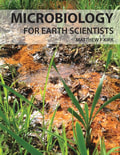
Dr. Matthew F. Kirk is an Associate Professor in the Department of Geology at Kansas State University's College of Arts and Sciences, where he joined in December 2012. His research integrates hydrogeology, geomicrobiology, and environmental geochemistry to address critical water resource challenges, particularly focused on groundwater systems in Kansas and the Great Plains region. As a K-State University Outstanding Scholar and Fellow of the Geological Society of America, Dr. Kirk has established himself as a leading researcher in groundwater quality and microbial processes. Dr. Kirk earned his Ph.D. from the University of New Mexico before joining Kansas State University. His educational background has prepared him for interdisciplinary research that bridges geological, chemical, and biological processes in natural environments. His academic journey has positioned him to tackle complex environmental challenges through integrated scientific approaches. Dr. Kirk's research primarily focuses on hydrogeology and geomicrobiology with emphasis on groundwater systems. His work examines water quality in the Great Bend Prairie aquifer, groundwater-surface water interactions across Kansas, the fate of carbon dioxide in soils at Konza Prairie, and geochemical controls on anaerobic microorganisms. He has recently published the open-access textbook "Microbiology for Earth Scientists" to help students understand the critical role of microorganisms in Earth systems. His research group actively investigates how land use changes affect water quality and availability, with particular attention to nitrate contamination from agricultural practices. Analysis of Dr. Kirk's recent publications reveals a strong focus on the intersection of hydrology, biogeochemistry, and ecosystem change. His work increasingly addresses how vegetation changes (particularly woody encroachment in grasslands) affect water movement and quality, while maintaining his core interest in microbial processes in groundwater systems. There's a clear trend toward more integrated, systems-based approaches that consider multiple environmental factors simultaneously, reflecting the complex nature of water resource challenges in changing landscapes. Dr. Kirk has received notable recognition for his scholarly contributions: K-State University Outstanding Scholar Fellow of the Geological Society of America Dr. Kirk actively mentors students through multiple avenues. He leads the Kansas Groundwater Geopaths program, an NSF-funded initiative (award #2230413) that provides undergraduate research experiences focused on groundwater quality monitoring in Kansas rural domestic water wells. This program serves K-State students as well as those from Barton and Dodge City Community Colleges, offering $3,000 scholarships and career-oriented training. He also supervises graduate students pursuing MS degrees in Geology and has developed an open-access textbook to support education in his field. His teaching portfolio includes Earth in Action, Introduction to Geochemistry, Geomicrobiology, Geochemical Modeling, and Water Resources Geochemistry. Dr. Kirk's research group operates as an interdisciplinary team focused on hydrogeology and geomicrobiology. Through the Kansas Groundwater Geopaths program, his team collaborates with the Kansas Department of Health and Environment, Kansas Water Institute, local Groundwater Management Districts, Kansas Geological Survey, and Kansas Water Office to address critical water quality issues affecting approximately 130,000 people who rely on the Great Bend Prairie aquifer for drinking water. His work has demonstrated that groundwater quality has decreased significantly over the past 40 years primarily due to nitrate accumulation from fertilizer use, highlighting urgent environmental concerns for Kansas communities.
Prof. Didier Trichet is a full Professor in Electrical Engineering at Polytech'Nantes (School of Engineering) of Nantes University, France. He became chair of the IREENA lab (Nantes-Atlantique Electrical Energy Research Institute) in 2022 after serving as former head of Nantes University's Master 2 Electrical Energy international program. PhD in Electrical Engineering (Nantes University, 1999) Accreditation to supervise researchers (2012) His research focuses on advanced numerical modeling of multi-physic and multi-scale electromagnetic phenomena applied to low frequency devices, electrothermal processes, Non-Destructive Testing (NDT), diagnosis of complex electrical structures, fuel cell power trains, and power electronics. He has authored/co-authored over 130 papers and 32 technical reports, with expertise in FP7, H2020, and PHC projects. Recent publications analyze: Carbon fiber composite conductivity via inversion methods Domain decomposition for electromagnetic simulations Topology optimization of actuators Inter-ply percolation in laminated composites Magnetic permeability evaluation using eddy currents Induction welding of composites Scientific Awards: 2 research awards from French Ministry of Education IEEE Transactions on Magnetics Associate Editor French Excellence Research Grant recipient since 2007
Simone Di Marino is an Associate Professor in the Department of Mathematics at the University of Genoa. His research focuses on Optimal Transport, Mathematical Analysis, and their applications to Partial Differential Equations and Functional Analysis. He is a member of the research commission and teaches courses such as Mathematical Analysis, Calculus, and specialized topics in Mathematics and Engineering programs. His research interests include Optimal Transport Theory, Nonlinear Analysis, and the development of variational methods for problems in mathematical physics and differential geometry. He explores topics such as gradient flows, entropy regularization, and geometric inequalities on manifolds. Recent work highlights contributions to the theory of Grand-Canonical Optimal Transport, nonlinear mobilities in transport models, and the convexity properties of ground state energies in quantum systems. His articles often bridge pure analysis with applications in physics and numerical methods. Di Marino is available for student consultations on Wednesdays from 2pm to 4pm. Though no specific grants or awards are listed, his extensive publication record reflects active engagement in collaborative research.
Eric Barthélemy is a University Professor at Grenoble Institute of Technology (ENSE3) and has been a member of the Laboratory of Geophysical and Industrial Flows (LEGI) since 1989. His research focuses on wave dynamics , coastal physics , and hydro-sedimentary mechanisms driving coastal evolution. Research Interests Gravity wave and soliton gas dynamics Coastal morphological changes (event and long-term scales) Vorticity dynamics in surge zones Sediment transport mechanisms (sheet/plug flow) Substrate stability under non-permanent flows Publications & Research Trends : His work spans experimental (wave channels, wind tunnels), analytical, and numerical studies of shallow water wave turbulence, rip current vorticity, sediment transport in coastal zones, and soliton gas statistics. Collaborations include N. Mordant, H. Michallet, and R. Cienfuegos. Teaching : Lectures on wave mechanics , sediment transport , and free surface flows at the master's level. Labs & Teams : Works with the MEIGE team and utilizes LEGI facilities like the wave channel and variable slope channel. Technical collaborators include J.-M. Barnoud and C. Rousseau (ENSE3).
Josip Lončar is an Assistant Professor at the Department of Radio Communications, Faculty of Electrical Engineering and Computing, University of Zagreb. His research focuses on high-frequency electronics, stability analysis of networks with non-Foster elements, and active/passive metasurfaces. He holds a PhD from the University of Zagreb (2017) and has collaborated with institutions such as the Radiation Laboratory at the University of Michigan and Fuzhou University. He teaches courses including 'Innovative Electromagnetic Systems' and 'Microwave Electronics'. Lončar has received awards including the Rektorova nagrada for biomedical engineering work and an Osijek City Scholarship (2009–2013). His research projects include 'Optical Communication Systems with Extended Resonant Gaps' (HRZZ-funded), 'Non-Foster Source-Load Networks' (EOARD-funded), and 'Metamaterial Structures for Electromagnetic Energy Guidance' (UKF-funded). He has contributed to advancements in CubeSat antenna design, attitude control systems, and active metasurface applications. Lončar’s work bridges theoretical electromagnetic analysis with practical implementations in aerospace and biomedical engineering.
Michael Cromer is an Associate Professor in the School of Mathematics and Statistics at Rochester Institute of Technology (RIT), within the College of Science. He holds a B.S. in Mathematics from York College of Pennsylvania (2005), and a Ph.D. and M.S. in Applied Mathematics from the University of Delaware (2011). His postdoctoral research included roles at the University of California, Santa Barbara (2011–2013) and the National Institute of Standards and Technology (2013–2014). His research focuses on the modeling, analysis, and simulation of complex fluids, including wormlike micellar solutions, polymer solutions, and colloidal dispersions, with applications in oil recovery, soft body armor, and materials processing. His work has been supported by NASA and the American Chemical Society. He teaches courses such as Calculus I, Differential Equations, and Undergraduate Research in Mathematical Sciences. Key research interests include fluid dynamics, rheology, mathematical modeling, partial differential equations, and numerical methods. Notable achievements include the University Dissertation Fellowship and a National Research Council Research Associateship. His studies explore phenomena like shear thinning, elastic instabilities, and concentration fluctuations in complex flows. His advising and grants highlight collaborations in interdisciplinary research, particularly in polymer and colloidal systems. He is actively involved in mentoring undergraduate and graduate students through capstone projects and research initiatives.