Prof. Lars Mägdefessel is a Professor of Vascular Biology at the Technical University of Munich (TUM), leading the Molecular Vascular Biology group within the TUM School of Medicine and Health. His research focuses on non-coding RNAs in vascular diseases, particularly atherosclerosis and aortic aneurysms, using translational approaches for molecular treatment discovery. He holds an MD from Johannes Gutenberg University (Mainz, Germany), completed cardiology clinical training, and postdoctoral research at Stanford University before joining TUM in 2016. Education: MD from Johannes Gutenberg University, Mainz Postdoctoral training at Stanford University, USA Assistant Professor at Karolinska Institute, Sweden Research Interests: Non-coding RNA regulation in vascular pathology Mechanisms of atherosclerotic plaque vulnerability Translational therapies for vascular diseases Advanced aortic aneurysm progression Awards include the ERC Consolidator Grant (2023), Russell Ross Award (2023), and Heisenberg Professorship (2016). His lab is supported by the German Center for Cardiovascular Research (DZHK).
Christopher S. Sullivan is a Professor in the Department of Molecular Biosciences within the College of Natural Sciences at the University of Texas at Austin. He directs an active research laboratory focused on viral non-coding RNA biology and host-pathogen interactions, with continuous funding evidenced by publications spanning 2005-2025. His work bridges molecular virology, immunology, and RNA biology through investigations of tumor viruses and host defense mechanisms. Research interests center on the role of non-coding RNAs in viral infection and host defense pathways, with particular emphasis on viral microRNAs , RNA interference mechanisms , and host-pathogen coevolution . His lab studies diverse virus families including Polyomaviridae, Herpesviridae, Retroviridae, and avipoxviruses, with key discoveries regarding viral miRNA functions in tumorigenesis and immune evasion. Research approaches integrate molecular virology, next-generation sequencing, and computational analysis to dissect RNA-based regulatory networks. Publications reveal consistent focus on viral non-coding RNA functions, particularly how viruses exploit host RNA machinery (notably DUSP11 phosphatase) to modulate immune responses. Recent work (2021-2025) expands into viral shedding dynamics, SARS-CoV-2 diagnostics, and circular RNA biology in polyomaviruses, demonstrating evolving yet cohesive research trajectory in RNA-virus interactions. Scientific contributions include: Pioneering identification of viral microRNAs across multiple virus families Discovery of DUSP11's critical role in RNA triphosphate regulation during infection Mechanistic insights into viral evasion of RNAi and innate immunity Development of novel RNA-based detection methods The Sullivan lab maintains active collaborations through the Center for Systems and Synthetic Biology, John Ring LaMontagne Center for Infectious Disease, and Interdisciplinary Life Sciences Graduate Programs. Lab culture emphasizes collective scientific inquiry with stated mission to 'increase understanding of pathogen-host interactions while enjoying the company of fellow lab members.' Current research directions include viral exploitation of RNA modification pathways and identification of novel host defense mechanisms using viruses as 'molecular divining rods.'
G. Petur Nielsen, MD is a Professor of Pathology at Harvard Medical School and serves as Subspecialty Head, Bone and Soft Tissue Pathology at Massachusetts General Hospital . With a clinical focus on bone and soft tissue tumors, his expertise spans diagnostic pathology, molecular genetics of neoplasms, and ancillary testing applications. Research interests center on Pathology and biology of bone/soft tissue tumors Molecular genetics of bone and soft tissue neoplasms Chordoma and sarcoma research Epithelioid vascular tumor differentiation Mesenchymal tumors of the female genital tract His work includes landmark studies on tumor misdiagnosis rates, immunohistochemical profiling, and genomic analysis of chordomas. Scientific contributions appear in leading journals like Nature and American Journal of Surgical Pathology , with major emphasis on Molecular tumor classification Mutational signature analysis Translational oncology Diagnostic accuracy improvement Genomic instability mechanisms
Professor Ghazaleh Tabatabai serves as Head of Department for Clinical and Experimental Neuro-Oncology at the Hertie Institute for Clinical Brain Research, University of Tübingen. She leads a multidisciplinary research group focused on translational neuro-oncology with active collaborations through the German Glioma Network, German Cancer Consortium (DKTK), European Organisation for Research and Treatment of Cancer (EORTC), European Association of Neuro-Oncology (EANO), and International Consortium on Meningioma (ICOM). Her research program centers on molecular mechanisms of tumorigenesis, therapy resistance, and treatment-induced vulnerabilities in nervous system tumors. The laboratory employs CRISPR screening technologies, molecular profiling, and preclinical models to identify therapeutic targets, with particular expertise in glioma and meningioma biology. Current projects span from discovery through validation to clinical application, including phase I/II trials of novel therapies such as CureVac's mRNA vaccine candidate CVGBM. Recent publications demonstrate leadership in molecular classification of meningiomas, CRISPR-based target discovery, immunotherapy development, and clinical trial design. Her work on the TRACE app for patient-reported outcomes and the PRIDE trial for dose-escalated radiation therapy represents significant clinical translation efforts. The 2024-2025 publication record shows strong productivity with high-impact papers in Neuro-Oncology, Nature Medicine, and Genome Biology. Elected spokesperson of the DFG Board for Neuroscience (2024) Active participation in EANO guideline development Leadership in multiple international consortia including ICOM Principal investigator for clinical trials including N2M2/NOA-20 umbrella trial Professor Tabatabai mentors a large research team including PhD students, medical doctoral candidates, and postdoctoral researchers. Her laboratory maintains active clinical collaborations across neurosurgery, radiation oncology, and medical oncology departments. She is featured in the 'Key To My Research' podcast discussing tumor intelligence and regularly presents at major neuro-oncology conferences including ASCO, EANO, and SNO.
Dr. David T Wong is a Professor in the Dentistry Department and Head and Neck Surgery at the University of California Los Angeles. With dual appointments across departments, he leads groundbreaking research at the intersection of molecular biology, diagnostics, and oral medicine. His work has established UCLA as a global leader in salivary diagnostics research. Dr. Wong earned his BSc in Biochemistry from Simon Fraser University in 1977, followed by a DMD in Dental Medicine from the University of British Columbia in 1981. He completed advanced training at Harvard with a DMSc in Molecular Biology (1985) and a Certificate in Oral Pathology from Harvard School of Dental Medicine (1985). His research focuses on salivary diagnostics for disease detection, particularly in oral/head and neck cancer. Dr. Wong pioneered the field of "Salivaomics" - the comprehensive study of saliva as a diagnostic fluid containing proteomic, genomic, transcriptomic, metabolomic, and microbiome information. His laboratory spearheads high-throughput technologies to identify genomic and proteomic determinants of oral cancer progression, with emphasis on developing non-invasive diagnostic tools. Key areas include liquid biopsy technologies (particularly saliva-based), extracellular RNA communication, and the development of point-of-care diagnostic devices like the Oral Fluid NanoSensor Test (OFNASET). Analysis of his recent publications reveals a strong trend toward clinical translation of salivary biomarkers, with increasing focus on Sjögren's Syndrome diagnostics, liquid biopsy applications for cancer detection, and the development of novel technologies like EFIRM (Electric Field-Induced Release and Measurement) for ultra-sensitive detection of biomarkers in saliva. His work bridges basic science with clinical applications, particularly in early cancer detection and monitoring. Dr. Wong has received extensive NIH funding as Principal Investigator for numerous projects, including multiple R01, U01, and T32 grants focused on salivary diagnostics, oral cancer biomarkers, and dentist-scientist training programs. His research funding spans over two decades, demonstrating sustained impact and relevance in the field. He leads the Wong Lab, which functions as an interdisciplinary research hub bringing together experts in molecular biology, engineering, dentistry, and oncology. The lab has been instrumental in establishing saliva as a viable biofluid for liquid biopsy applications, particularly for detecting actionable mutations in human cancers. Current research directions include refining EFIRM technology for clinical implementation and expanding the applications of salivary diagnostics to systemic diseases beyond oral conditions.
Prof. Dr. Jörg Hackermüller is a computational biologist with expertise in Omics data integration Toxicology Environmental risk assessment Non-coding RNA biology . He serves as Head of the Department of Computational Biology and Chemistry at the Helmholtz Centre for Environmental Research (UFZ) since 2024 and holds a Professorship at the Faculty of Mathematics and Computer Science at Leipzig University since 2021. His research focuses on Developing AI methods for chemical toxicity prediction Multi-omics integration for mechanistic toxicology Data standardization in environmental monitoring Non-coding RNAs as biomarkers in disease and toxicity and has produced 15+ recent publications spanning tools like multiGSEA and deepFPlearn+ . He collaborates with teams across UFZ Leipzig University Novartis Fraunhofer Institute and leads projects like InCeTo and SafePol , integrating exposome research with systems biology.
Juan-Manuel González-Rosa is an Assistant Professor in the Department of Biology at Boston College, where he leads a research program focused on heart development and regeneration. He utilizes zebrafish as a model organism to investigate the molecular and cellular mechanisms that govern cardiac repair, with particular interest in fibrosis, inflammation, and polyploidy. Ph.D. in Molecular Biology, Spanish National Center for Cardiovascular Research and Universidad Autónoma de Madrid Postdoctoral training at Massachusetts General Hospital and Harvard Medical School Faculty member at Boston College since June 2019 His research centers on understanding why the human heart has limited regenerative capacity compared to zebrafish, which can fully regenerate their hearts after injury. His lab investigates how polyploidization in cardiomyocytes limits regeneration and aims to identify therapeutic targets for promoting heart repair after myocardial infarction. Using genetic tools and injury models in zebrafish, his team studies cardiac and liver regeneration, extracellular matrix dynamics, and molecular pathways of tissue repair. The recent publications reflect a strong trend in regenerative biology, particularly in modeling organ injury and repair in zebrafish. Key themes include the development of cryoinjury models for heart and liver, analysis of collagen dynamics in fibrotic remodeling, and the use of genetic tools like CRISPR for targeted cardiomyocyte manipulation. These studies span developmental biology, molecular cardiology, and translational regenerative medicine. Scientific awards and recognitions include: EMBO Long-Term Postdoctoral Fellowship Funds for Medical Discovery Award from ECOR-MGH American Heart Association Career Development Award Dr. González-Rosa has secured competitive funding to support his research program, enabling his lab to pursue fundamental questions in cardiac regeneration. While current information does not list specific advisees, his role as a principal investigator suggests active mentorship of graduate and undergraduate researchers. His work contributes to broader efforts in regenerative medicine and has implications for treating heart disease in humans. His lab is involved in developing and applying innovative zebrafish models for organ regeneration and transplantation research, positioning his team at the intersection of developmental biology, cardiovascular science, and biomedical innovation.
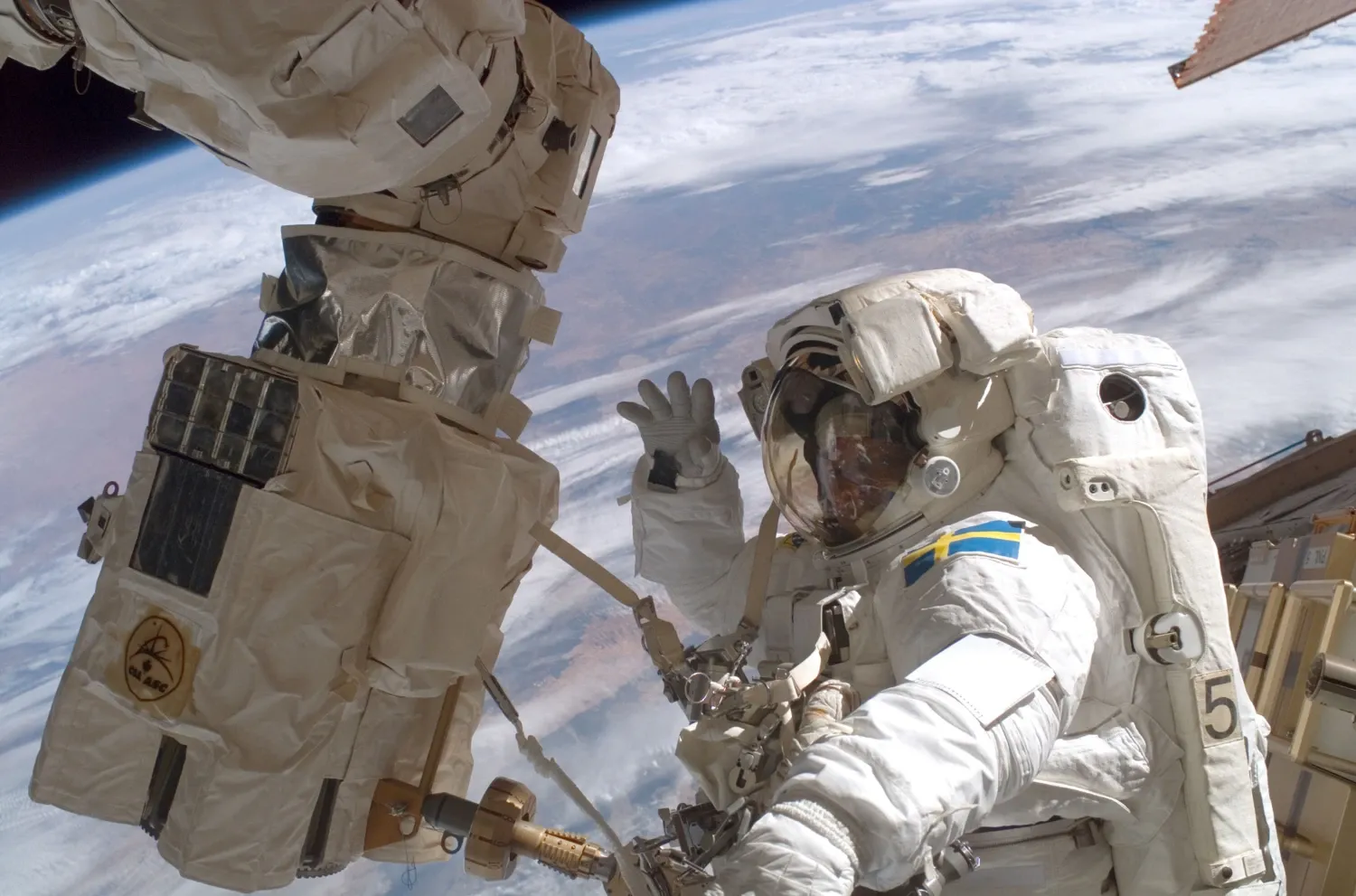
Rodrigo Fernandez Gonzalo is a Docent (Associate Professor) in Physiology and Principal Researcher at the Division of Clinical Physiology, Department of Laboratory Medicine, Karolinska Institutet. He leads the Space and Environmental Physiology research group focusing on skeletal muscle adaptation under various conditions including microgravity, aging, disease, and exercise. His research interests span skeletal muscle physiology, space physiology, and environmental physiology, with particular expertise in how skeletal muscle interacts with other physiological systems. His work employs diverse methodologies including human clinical studies, animal models, and cellular models to investigate functional, metabolic, morphological, molecular, and neural adaptations. Analysis of his recent publications reveals a strong focus on space physiology applications, particularly how microgravity affects skeletal muscle and immune systems, along with translational applications for clinical populations like those with cerebral palsy. His research integrates molecular analysis, imaging techniques, and physical performance outcomes to develop countermeasures for spaceflight effects. 4.5 MSEK funding from the Swedish National Space Agency (2020) Member of European Space Agency's Life Science Working Group (2022-2026) Member of Space Researchers Sweden (2021-) Dr. Fernandez Gonzalo serves as course responsible for Anatomy and Physiology in the nursing program (since 2018) and Advanced Human Physiology Research in the Master's programme in Translational Physiology and Pharmacology (since 2023). He also teaches Human Spaceflight at KTH and participates in the Erasmus Mundus Joint Master in Physiology and Medicine of Humans in Space and Extreme Environments. His laboratory utilizes facilities at Karolinska University Hospital and ANA Futura for human, animal, and cellular studies investigating space exposome effects.
Andrew Godwin is a Professor at the University of Kansas Medical Center , where he serves as the Chancellor’s Distinguished Chair in Biomedical Sciences and Director of Molecular Oncology in the Department of Pathology and Laboratory Medicine. He is also the Deputy Director of the NCI-designated University of Kansas Cancer Center and the Founding Director of the Kansas Institute for Precision Medicine and Biospecimen Shared Resource . Dr. Godwin is a leader in translational research and precision medicine , with a focus on molecular oncology , biomarker discovery , and genomic diagnostics . His work bridges basic and clinical science to improve cancer patient care, particularly in ovarian cancer , Ewing sarcoma , and breast cancer . He has contributed over 230 ovarian cancer-related publications and pioneered studies linking the PI3K/AKT pathway to cancer treatment targets. His research program encompasses liquid biopsies using extracellular vesicles , molecular therapeutics , companion diagnostics , and clinical trial validation . He leads the Biomarker Discovery Laboratory and has secured over $250M in extramural funding , including a $11.4M NIH grant for precision medicine initiatives. His team has developed CELLSEARCH® , the first FDA-cleared test for circulating tumor cells. Notable awards include the Dolph C. Simons, Sr. Higuchi Award (2020), Outstanding Mentorship in Pathology Award (2024), and multiple mentoring accolades from KU. He has mentored over 150 trainees across career stages and leads a multidisciplinary lab with expertise in genomics , proteomics , and bioengineering . Academic Roles: Chancellor’s Distinguished Chair in Biomedical Sciences Director, Molecular Oncology, Pathology and Laboratory Medicine Deputy Director, KU Cancer Center Founding Director, Kansas Institute for Precision Medicine Adjunct Professor, Bioengineering Program, University of Kansas Scientific Awards: KUMC Achievement Award for mentoring postdocs (2014) Chancellor’s Club Award for Research (2018) Dolph C. Simons, Sr. Higuchi Award (2020) KU Excellence in Mentoring Award (2021) Outstanding Mentorship in Pathology (2024) Key Research Themes: Extracellular vesicles as liquid biopsy tools Molecular mechanisms of sarcoma and breast cancer Genomic diagnostics and precision oncology Clinical trial biomarker validation Biospecimen repository leadership
Zhishan Wang, MD, PhD is a Research Professor in the Department of Pathology at Stony Brook University's Renaissance School of Medicine . His work focuses on environmental carcinogenesis , particularly mechanisms of cancer biology and cancer therapy , with a specialization in metal-induced carcinogenicity. Research Interests: Environmental Carcinogenesis Epigenetic and Epitranscriptomic Mechanisms Tumor Microenvironment Remodeling Metal Toxicity Pathobiology Non-Coding RNA Regulatory Networks Scientific Contributions: Analysis of 15 recent publications reveals expertise in: Metal-Induced Oncogenic Pathways (e.g., NF-κB activation, Hedgehog signaling) RNA Modification Dynamics (m6A, lncRNA-splicing interactions) Stem Cell Plasticity in Carcinogenesis Multi-Carcinogen Synergy Mechanisms Epigenetic-Genotoxic Interplay Transcriptomic Reprogramming by Toxicants
Professor Annette Byrne is a leading academic at RCSI University of Medicine and Health Sciences , where she serves as Professor of Physiology and Head of the Precision Cancer Medicine (PCM) Group. She has held this position since 2019 after progressing through roles as Lecturer (2008), Senior Lecturer (2013), and Associate Professor (2017). Her research focuses on precision medicine approaches for colorectal and brain cancers , integrating multi-modality molecular imaging , Next Generation Sequencing , and patient-derived xenograft models . PhD in Cell Biology (University of York, 1999) John Kerner Fellowship in Gynaecologic Oncology (UCSF, 1999-2001) Scientist at Pharmacyclics Inc. (2001-2003) Senior Scientist at Angion Biomedica Corp. (2003-2005) Principal Investigator at UCD Conway Institute (2005-2008) Her research interest lies in precision cancer medicine , particularly elucidating predictive biomarkers (genomic, transcriptomic, proteomic) and identifying novel therapeutic targets . Key methodologies include radiomics , fluorescence-guided surgery , and systems modeling of apoptosis pathways. She has pioneered Ireland's first Tumour Xenograft Facility and Translational In Vivo Imaging Centre . Recent publications highlight her work on cross-species radiomics , cell-free DNA analysis , and glioblastoma microenvironment subtyping . Her Marie Curie networks (Gliotrain, Glioresolve) and COLOSSUS project have trained 25+ PhD researchers in brain cancer therapeutics. Over €45M in national/international grants Member of Royal Irish Academy (2025) Highly cited in Cancer Discovery , Annals of Oncology , and Nature journals She supervises multiple PhD candidates and leads the RCSI Precision Cancer Medicine Group , which utilizes computational approaches and molecular imaging to improve cancer treatment outcomes. Her GLIORESOLVE and EDIReX projects focus on tumor microenvironment manipulation and distributed PDX infrastructure.
Gabriella Casalino is an Assistant Professor at the University of Bari Aldo Moro, Department of Computer Science, and a key researcher at CILAB - Computational Intelligence Lab. Her work focuses on Computational Intelligence methods for interpretable data analysis, particularly in eHealth, Data Stream Mining, and eXplainable Artificial Intelligence (XAI) within medical and educational domains. She has contributed to innovative approaches in smartphone-based health monitoring, fuzzy logic applications, and remote vital sign detection via photoplethysmography. Education : Ph.D. in Computer Science, with advanced training at institutions like Universitat de Girona and Université de Mons. Research Trends : Recent publications highlight applications of evolving granular computing, neuro-fuzzy systems, and explainable AI in hypertension prediction, bipolar disorder monitoring, and educational data analysis. Key subfields include remote health monitoring, medical data streams, and hybrid AI models. Grants : Research funded by AIRC (Italian Cancer Research Foundation), focusing on computational methods for healthcare challenges. Labs & Collaborations : Active in CILAB, collaborating on projects involving mHealth solutions, cardiovascular risk assessment, and intelligent educational systems.
Chris Spencer is a Wellcome Trust Career Development Fellow at the Nuffield Department of Medicine, University of Oxford. His research focuses on statistical genetics, with emphasis on African population genetics, malaria susceptibility (via the MalariaGEN consortium), and stratified medicine applications in hepatitis C (STOP-HCV consortium). He develops methodologies to analyze genetic determinants of host-parasite interactions and their role in disease prevention and treatment. His work explores infectious disease impacts on human immune physiology through natural selection, aiming to translate genetic insights into clinical strategies. Recent studies include structural variation in malaria resistance genes and polymorphisms linked to pneumococcal bacteremia in Kenyan children. His computational tools, such as FINEMAP, advance variable selection in genome-wide association studies. Publications span malaria genetics, viral resistance, and population admixture, reflecting a multidisciplinary approach to genomic medicine. Collaborations with global consortia highlight his commitment to addressing global health challenges through genetics.
Dr. Athma A Pai is an Associate Professor at UMass Chan Medical School, holding primary appointments in the RNA Therapeutics Institute and the T.H. Chan School of Medicine. She maintains extensive secondary appointments across multiple departments including Genomics and Computational Biology, Systems Biology, and several graduate programs at the Morningside Graduate School of Biomedical Sciences, reflecting the highly interdisciplinary nature of her work. Education: BS in Biochemistry/Anthropology from University of Pennsylvania PhD in Human Genetics from University of Chicago Postdoctoral training in RNA Genomics from MIT Dr. Pai's research program centers on RNA biology with particular emphasis on RNA processing, splicing mechanisms, and the regulation of gene expression. Her work investigates how environmental factors influence RNA processing through biochemical, molecular, and genetic mechanisms. She employs cutting-edge genomic and transcriptomic approaches to study alternative polyadenylation, mRNA transcript initiation and termination, and the spatial organization of RNA processing events within cells. Her research has significant implications for understanding fundamental gene regulation mechanisms and their roles in disease processes. Analysis of Dr. Pai's recent publications reveals a strong focus on developing high-resolution profiling methods for understanding transcriptional and translational regulation. Her work increasingly integrates computational approaches with experimental biology to investigate how RNA processing events are coordinated across the transcriptome. A notable trend is her exploration of how RNA processing contributes to inflammatory responses and cellular defense mechanisms, with implications for therapeutic development. Dr. Pai actively mentors students through multiple graduate programs at UMass Chan Medical School, including Biochemistry and Molecular Biotechnology, Biophysical Chemical and Computational Biology, Interdisciplinary Graduate Program, MD/PhD Program, RNA Therapeutics and Biology Program, and Systems Computational and Quantitative Biology. She maintains an active laboratory (Pai Lab) that welcomes postdoctoral researchers interested in RNA biology. Her laboratory website provides additional information about ongoing research projects and opportunities for collaboration and training, and she maintains a professional presence through her Twitter account (@athmapai).
Jason Matthews is a Professor in the Department of Nutritional Sciences at the Faculty of Medicine, University of Oslo. He also holds a status-only professorship at the Department of Pharmacology and Toxicology, Faculty of Medicine, University of Toronto, Canada. His research focuses on the aryl hydrocarbon receptor (AHR) and its target gene PARP7/TIPARP in the context of cancer, inflammation, and metabolic diseases. Current positions: University of Oslo (since 2015), University of Toronto (status-only since 2016) Education: PhD (2001, Michigan State University), BSc (1997, University of Western Ontario) Matthews' research investigates how AHR and PARP7 enable cancer cells to evade immune detection and promote tumor growth. His work explores therapeutic strategies combining AHR/PARP7 inhibition with immunotherapy to combat cancer progression. Additional studies examine the AHR-PARP7 axis in chronic inflammatory conditions like obesity and atherosclerosis. Recent publications highlight his team's work on AHR inhibition in pancreatic cancer, PARP7's role in interferon signaling, environmental pollutant impacts on immune gene expression, and novel chemical compounds targeting the AHR pathway. These studies employ cell biology, gene editing, genomics, and preclinical cancer models. Collaborations span institutions including University of Toronto, Karolinska Institute, and University of Leeds, focusing on cancer immunology, nutritional sciences, and drug development.