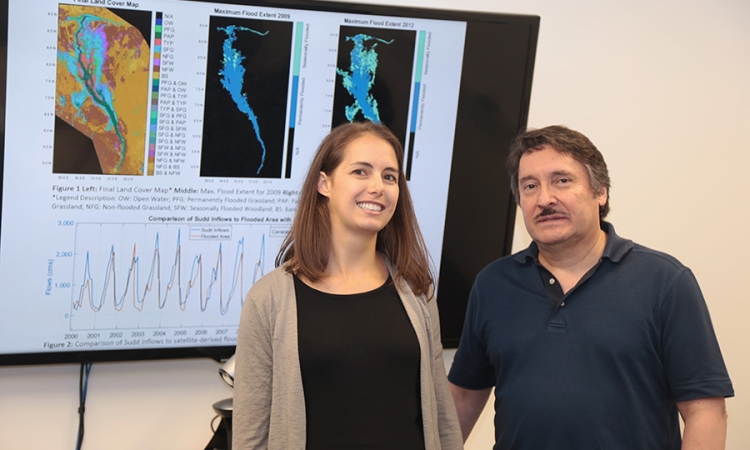
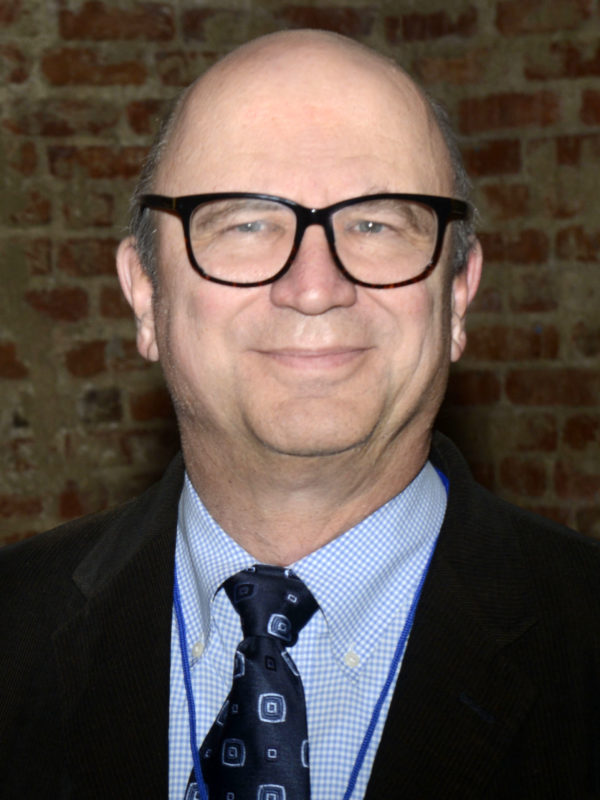
Vijaya Raghavan is a Professor in the Bioresource Engineering Department at McGill University's Macdonald Campus . His research focuses on food safety , food security , bioproducts , and waste management , with specialties in postharvest technologies and food allergenicity reduction . He has been recognized with the Distinguished James McGill Professor award. Fields of Interest: Food science, agricultural engineering, bioproducts, sustainability Awards: Distinguished James McGill Professor Vijaya's recent publications investigate topics like ultrasound-assisted cold plasma for allergenicity reduction, AI-driven IoT sensors for real-time crop monitoring, and sustainable forest soil remediation . His scientific output emphasizes interdisciplinary applications of engineering to food systems and health. He contributes to advancements in 3D food printing for dysphagia patients, bioactive compound extraction from agricultural waste, and cultured meat scalability . Vijaya's work bridges agricultural engineering with human health through innovations in food processing and environmental monitoring.
David Lowing is a Lecturer in the Department of Law - Economics - Management at Rennes Higher Normal School (ENS Rennes), affiliated with the Centre for Research in Economics and Management (CREM) and a research fellow of the RENEL chair. He holds a Ph.D. in Economic Theory (2022) from University Jean Monnet – Saint-Étienne, preceded by mathematics training at University of Orsay – Paris-Saclay and mathematical economics studies at University of Paris 1 – Panthéon Sorbonne. His research focuses on: Game theory applications in computer science and biology Distributive justice and resource redistribution mechanisms Climate economics and environmental policy design Axiomatic approaches to public economics and microeconomics Fair allocation systems for natural resources and collective goods Recent publications demonstrate strong emphasis on cooperative game theory applications in environmental economics, particularly in climate mitigation, pollution remediation, and equitable cost-sharing mechanisms. Theoretical frameworks frequently incorporate axiomatic design principles across energy distribution, hierarchical allocation systems, and multi-choice game structures.
Prof. Tongzhe Li is a Professor and Arrell Family Chair in Behavioural and Experimental Economics at the University of Guelph's Department of Food Agricultural and Resource Economics, leading the FARE Laboratory. She holds a Ph.D. from Washington State University and prior roles include Assistant Professor at University of Windsor and Associate Professor at University of Guelph. Her research integrates economic theory with behavioral experiments to address agri-food-environment challenges, focusing on innovation adoption, consumer behavior, social comparison, and discrimination. Key contributions include studies on recycled water products, public goods provision, and environmental policy design. Current projects explore green ammonia adoption and the impact of framing in economic decisions. Her work has been published in journals like Economic Inquiry , Nature Reviews Clean Technology , and Environmental and Resource Economics . Education: Ph.D. Economics (Washington State University, 2011–2015); M.Sc. Agricultural Economics (A.E. Electrical Engineering). Previous positions include postdoctoral research at the University of Delaware and assistant professorships at the University of Windsor and University of Guelph. Research Interests: Behavioral economics, experimental methods applied to agricultural and environmental policy, consumer behavior in agri-food systems, public goods provision mechanisms, and the role of social comparisons in decision-making. Her lab, FARE, specializes in field and laboratory experiments to inform policy and practice. Labs/Initiatives: Founding Director of the FARE Laboratory for Experimental and Applied Economics. Active in collaborative projects on sustainable agriculture, water resource management, and climate-smart technologies.
Hanadi S. Rifai is a Moores Professor and Director of the Hurricane Resilience Research Institute (HuRRI) at the University of Houston’s Cullen College of Engineering. She leads the Environmental Engineering Graduate Program and has held roles including Senior Associate Dean for Research and Facilities. Her expertise spans groundwater modeling, risk assessment, and environmental engineering technologies. Education: Ph.D. Environmental Engineering, Rice University (1989) M.S. Environmental Engineering, Rice University (1985) B.E. Civil Engineering, American University of Beirut (1982) Research Interests: Dr. Rifai focuses on contaminant transport modeling, biodegradation processes, GIS applications in environmental systems, and sustainable water management. She developed the BIOPLUME series of models for natural attenuation analysis and manages a specialized GIS laboratory. Awards: She is a Fellow of the American Society of Civil Engineers (ASCE). Advising & Grants: While specific grants are not detailed, her leadership roles and research initiatives indicate extensive grant involvement. She advises students through the Environmental Engineering Graduate Program. Labs/Teams: Directs the GIS laboratory and collaborates with the SSPEED Center and HuRRI, focusing on hurricane resilience and environmental infrastructure.
Dr. Lei Zhang holds the position of Associate Professor at the College of Resources and Environment, Southwest University in Chongqing, China, and serves as Deputy Director of the National Base of International S&T Collaboration on Water Environmental Monitoring and Simulation in TGR Region (WEMST). He is also a Project Coordinator at the Great Lakes Institute for Environmental Research (GLIER) at the University of Windsor, Canada. His expertise focuses on algal bloom mechanisms in freshwater systems, non-point source pollution, and environmental modeling. Dr. Zhang's academic journey includes a Ph.D. in Soil Biology and Ecology from Southwest University (2002), an M.Sc. in Soil Microbiology from Northwest Agriculture and Forest University (1995), and a B.Sc. in Soil Chemistry (1990). He has held roles such as Chief Scientist for the Ontario-China Research & Innovation Funding Project (2012–2016) and was a Visiting Scholar at the University of Windsor (2007–2012), supported by the China Scholarship Council. His research emphasizes collaborative international projects, particularly addressing water quality and environmental sustainability in large freshwater ecosystems. Dr. Zhang’s work bridges theoretical environmental science with applied modeling to tackle real-world pollution challenges.
Susanna Tong is a Professor and Director of the 2+2 Program in Geography at the University of Cincinnati's College of Arts and Sciences. Her research focuses on environmental geography, urban ecology, hydrologic modeling, and climate change impacts on water resources. She holds a PhD from Sheffield University and has over 40 years of academic experience, including roles at the Chinese University of Hong Kong and UCLA. Dr. Tong's research spans watershed management, heavy metal contamination, and ecological risk assessment. She has led over 20 funded projects from agencies like the EPA and US Army Corps of Engineers, totaling $2.6M+ in grants. Notable awards include the UNESCO Postgraduate Studentship and recognition from the U.S. State Department for international collaboration. Her service includes leadership roles in the Biogeography Specialty Group (AAG), NSF peer review, and directing Asian Studies and Environmental Studies programs at UC. Courses taught include Environmental Geography, Urban Habitat Analysis, and advanced seminars.
Aris P. Georgakakos is the Turnipseed Family Professor and Director of the Georgia Water Resources Institute at the Georgia Institute of Technology's School of Civil and Environmental Engineering. His research develops decision support systems for integrated water resources management under climate variability. His research encompasses: Integrated water resources assessment and management frameworks Climate change impact assessments and adaptation planning Hydroclimatic forecasting and reservoir operations Remote sensing applications in hydrology Transboundary water management in international basins Georgakakos has created operational decision support systems implemented in river basins worldwide, including the Nile Basin, southeastern US, California, Brazil, and Jordan. His recent work focuses on convergent science-policy frameworks, lake water quality management using remote sensing, and improved modeling of vital wetland systems. He has contributed to major climate assessments as Convening Lead Author for the water resources chapter of the US National Climate Assessment.
Guillermo Giannico is a Professor in the Department of Fisheries, Wildlife, and Conservation Sciences at Oregon State University , with affiliations to Oregon Sea Grant and OSU Extension . His work bridges research, teaching, and outreach in freshwater ecology and watershed management. Education: Ph.D., Natural Resources Management and Environmental Sciences, University of British Columbia M.S., Biology, University of Victoria Licenciatura en Ciencias Naturales, Universidad Nacional de La Plata, Argentina His research interests focus on salmonid behavior , habitat selection , fish passage , aquatic habitat restoration , and the impacts of land use and climate change on freshwater systems. He integrates field ecology with modeling to inform conservation and management. His recent publications reveal a strong emphasis on climate vulnerability of native fish , barriers to fish movement , restoration ecology (including novel Stage 0 approaches), and interactions between agriculture and aquatic biodiversity . His work often involves interdisciplinary collaboration and the use of advanced tracking technologies like PIT tags. Scientific Awards and Honors: Family Friendly Faculty Award, OSU (2024) Outreach and Engagement Vice Provost Award of Excellence (2019, 2017) Excellence in Extension Education Award (2015) Fifteen-Year Service Award, Oregon Sea Grant (2015) James and Midred Oldfield/E.R. Jackman Team Award (2004) Dr. Giannico actively advises graduate students and has secured multiple grants, particularly through Oregon Sea Grant and USDA programs, to support projects on tidal gate impacts , coho salmon life history , and trade-offs between agriculture and conservation . He teaches courses such as Integrated Watershed Management and contributes to extension programs like the Oregon Master Naturalist Program . He leads and participates in research teams focused on fish ecology in systems like the Willamette River , Smith River , and John Day River .
Dr. Koncsos László is a Professor at Budapest University of Technology and Economics (BME), specifically within the Department of Sanitary and Environmental Engineering in the Faculty of Civil Engineering. He serves as a member of the Habilitation and Doctoral Council of the Faculty of Civil Engineering. Education: Habilitation (2009) PhD (1997) University Doctor (1989) Diploma Engineer in Civil Engineering (1981) Research Interests: Dr. Koncsos László's research focuses on water quality, hydrological, and hydrodynamic modeling. He develops decision-support systems for environmental management, with particular emphasis on flood control and optimization methods. His research also includes modeling non-point source pollution and studying the transmission of air pollutants. Scientific Awards: 2006 - Silver Medal for Contribution to Defense against Water Damage (ministerial award) 2006 - Award for Flood Defense (Rector's award) 2002 - Kvassay Award 1988 - Excellent Inventor 1985 - Excellent Young Specialist
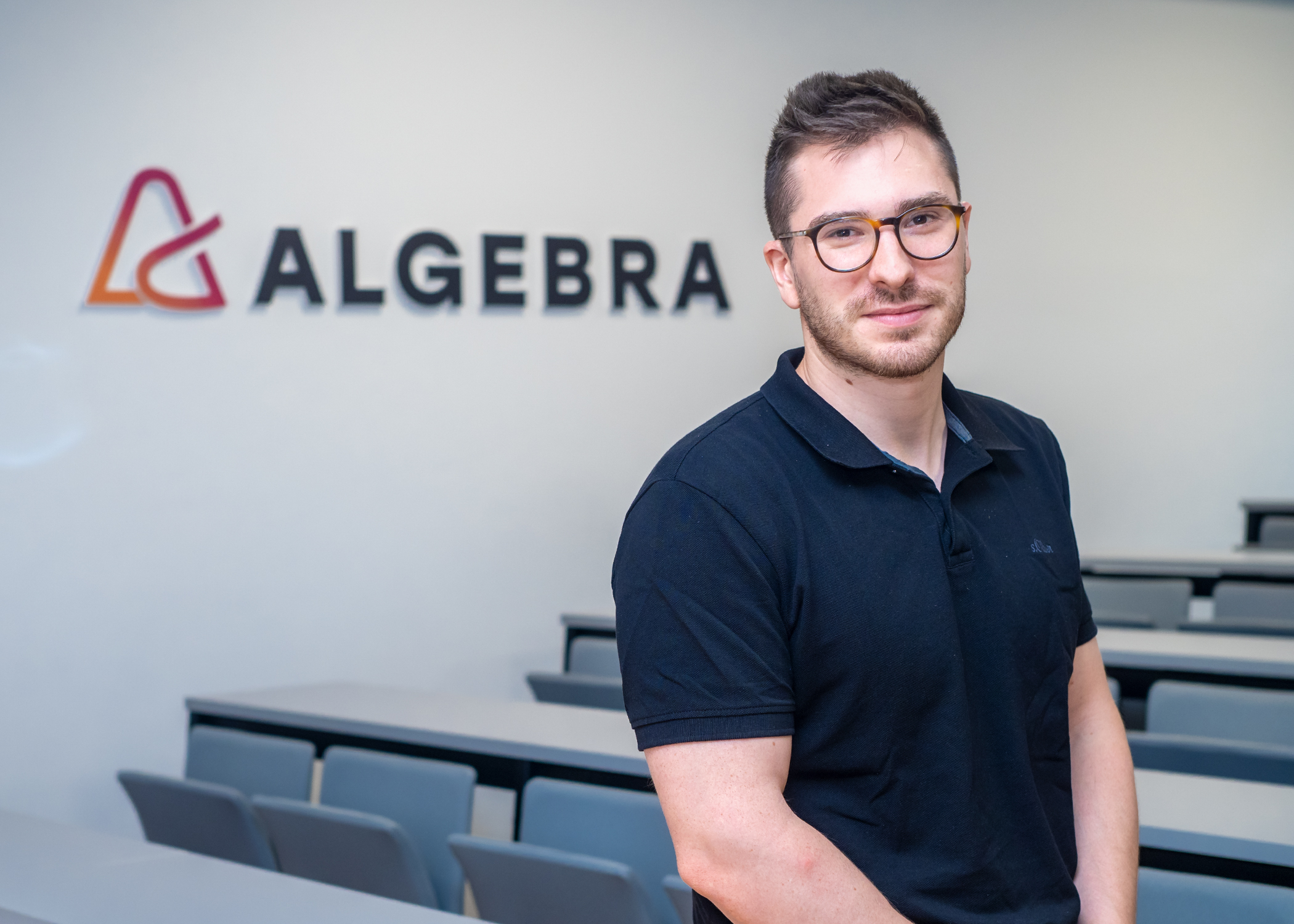
Mateo Sokač, PhD, serves as Assistant Professor at Algebra University, bringing expertise from his Health Science doctorate at Aarhus University Hospital and multidisciplinary background spanning bioinformatics, genomics, and information technology. His academic foundation includes a Master's in Bioinformatics and Bachelor's in Information Technology from RIT Croatia, complemented by internationally recognized certifications in AI, machine learning, and genomic engineering. His educational qualifications: PhD in Health Science, Aarhus University Hospital, Aarhus, Denmark Master's in Bioinformatics, Aarhus University Hospital, Aarhus, Denmark Bachelor's in Information Technology, RIT Croatia, Zagreb Dr. Sokač's research pioneers the integration of cancer evolution analysis with personalized medicine development, employing cutting-edge computational approaches to transform public health standards. His work uniquely bridges genomic engineering, artificial intelligence, and clinical oncology to address complex challenges in tumor heterogeneity and therapeutic resistance. This multidisciplinary focus has generated significant publications in high-impact journals, particularly in cancer vaccine development and genomic biomarker discovery. Analysis of his 2023-2025 publications reveals dominant themes in computational oncology (73% of works), with strong emphasis on AI-driven cancer vaccine development, multi-omics integration for personalized therapy, and environmental health applications. His research consistently employs advanced techniques like graph neural networks, non-negative matrix factorization, and foundation models across diverse domains from marine microbiology to lung adenocarcinoma grading. Professional development highlights: Dozen+ international certifications in AI, machine learning, and genomic engineering Specialized training in DNA sequencing and genomic engineering Certifications acquired from domestic and foreign institutions While specific advising details remain undisclosed, his publication record indicates extensive collaboration on large-scale cancer genomics projects including TRACERx and international consortia. His work on ctDNA analysis and immune cell profiling suggests involvement in major grants related to cancer evolution and immunotherapy response prediction. Current research trajectories point toward developing integrated platforms for real-time cancer monitoring and personalized treatment adaptation. Dr. Sokač leads innovative projects at the intersection of computational biology and clinical oncology, notably developing frameworks like ANORAK for histopathological analysis and BRAINS for neuroimaging applications. His environmental monitoring initiatives using solar gliders and drone technology demonstrate commitment to cross-domain applications of data science, contributing to Algebra University's research ecosystem through interdisciplinary collaboration.
Dr. Felicia Linke is a Post-Doc Research Fellow at the Chair of Urban Water Management , Technical University of Munich (TUM), since 2024. Her work focuses on biocide contamination in urban water systems, including groundwater pollution and sustainable rainwater management. PhD in Hydrology (2023, University of Freiburg) M.Sc. in Hydrology (2018, University of Freiburg) B.Sc. in Geography (2016, University of Heidelberg) Her research addresses biocide transport from facades to groundwater , urban stormwater infiltration systems , and water reuse strategies . She has published extensively on biocide fate in urban environments, including studies on stormwater retention ponds, infiltration facilities, and swale sediments. Key article trends include: Modeling biocide transfer to urban groundwater Analysis of point and non-point pollution sources Investigation of biocide accumulation in urban green infrastructure Interdisciplinary approaches bridging hydrology and environmental chemistry Field studies across Germany, California, and Europe
Hamdi Adel is a Senior Lecturer (Maître de conférences HDR) at INSA Rouen Normandie, France, since September 2008. He is a permanent member of the Laboratory of Mathematics (LMI) and has collaborated with institutions in Germany (Humboldt University Berlin) and Tunisia. His research focuses on inverse problems in partial differential equations (PDEs), optimization with PDE constraints, and controllability of transport equations, particularly applied to groundwater and surface water pollution monitoring. His work includes developing non-iterative methods for source identification, dispersion-current adjoint functions for pollution tracking, and optimization techniques like the SAND (Simultaneous Analysis and Design) approach. He has supervised PhD students Boris Gnamah and Imed Mahfoudhi and contributed to projects such as M2NUM (Normandy Region & FEDER) and ECOS NORD M15M01. Hamdi's publications span journals like Inverse Problems , Journal of Engineering Mathematics , and Computational Optimization and Applications , addressing topics from 1D/2D/3D transport equations to aerodynamic optimization. He has also held administrative roles in academic committees (CoS INSA Rouen, CNU 26) and organized international workshops on automatic differentiation and optimization.
Michael K. Stenstrom is a Distinguished Professor in the UCLA Civil and Environmental Engineering Department. His expertise spans environmental engineering, focusing on water and wastewater treatment systems, stormwater management, and mathematical modeling. He has held administrative roles including Chair of the Civil and Environmental Engineering Department (8 years), Assistant Dean for Computing Resources, and Associate Dean for Research and Facilities. He developed the SEASnet Computing Facility and chaired the task force creating UCLA's campus network in the 1980s. Education: B.S., M.S., and Ph.D. in Environmental Engineering from Clemson University. His research emphasizes biological treatment methods, computing technologies in environmental engineering, and energy conservation in treatment plants. He has pioneered models to estimate pollutant emissions from stormwater runoff, particularly in the Santa Monica Bay watershed. Research highlights include oxygen transfer efficiency in activated sludge plants, fine-pore diffuser fouling studies, and greenhouse gas emission reduction strategies. His work bridges theoretical models with field applications, such as energy conservation programs in treatment plants across the U.S. and Canada. Awarded prestigious honors including the AEESP Fellow (2020), ASCE Fellow (1997), and Gordon Maskew Fair Distinguished Educator Medal (2019). His contributions span academic, administrative, and industrial collaborations, addressing critical environmental challenges like urban runoff management and sustainable infrastructure.
Dr Danlu Guo is a Senior Lecturer at the School of Engineering, Australian National University (ANU), since December 2022. She holds a PhD in Hydrology from the University of Adelaide (2017) and has held roles including Research Associate at UNSW Sydney and the University of Melbourne, where she remains an Honorary Fellow. Her research focuses on hydrology and environmental engineering, emphasizing data-driven approaches for catchment water resources, including rainfall-runoff modelling, water quality trends, and climate change impacts. She has received prestigious awards such as the 2022 GN Alexander Medal and the 2019 MSSANZ Early Career Award. Dr Guo leads over $1M in Category 2 funding and contributes to ARC Linkage Projects. Her work bridges academic and applied sectors through roles as Guest Editor for the Journal of Hydrology , Chief Editor of the Australasia Journal of Water Resources , and Chair of MSSANZ's Water Quality Modelling SIG. Education Background: PhD in Hydrology (University of Adelaide, 2017); prior roles include Research Associate at UNSW Sydney (2016–2017) and University of Melbourne (2017–2022). Research Interests include river water quality dynamics, Bayesian modelling, large-sample hydrology, and irrigation efficiency. Her studies have revealed deteriorating water quality in the Great Barrier Reef region and recovery in the Murray-Darling Basin, as well as climate-driven shifts in streamflow and salinity. She develops frameworks for benchmarking irrigation performance using satellite and on-farm data. Grants and Projects: Lead CI for >$1M Category 2 funding; involved in ARC Linkage Projects. Current projects include improving water quality modelling via solute transport studies and enhancing irrigation benchmarking methodologies. Labs/Teams: Active in the Institute for Water Futures (ANU) and collaborates with the University of Melbourne's Infrastructure Engineering. Her research network spans hydrology, environmental engineering, and climate science communities.
André St-Hilaire is a Full Professor at the Water, Earth and Environment Center of the Institut National de la Recherche Scientifique (INRS) in Quebec, Canada. His research focuses on hydrological and thermal processes in river systems, with particular emphasis on climate change impacts, environmental flows, and aquatic habitat modeling. He leads a productive research group with numerous doctoral and master's students working on cutting-edge water resources issues. Professor St-Hilaire's research interests span three main axes: 1) Hydrological and thermal modeling in rivers, 2) Environmental flows and modeling of aquatic habitats, and 3) Hydrology and water quality of peat bogs. His work integrates deterministic modeling approaches with statistical analyses to address complex challenges in water resources management under changing climatic conditions. Recent research has particularly focused on river temperature dynamics, thermal habitat requirements for fish species, and the development of advanced modeling tools for water management. His publication record demonstrates consistent productivity with numerous articles in high-impact journals across hydrology, environmental science, and aquatic ecology. The research trends show increasing integration of climate change scenarios, multi-disciplinary approaches combining hydrology with ecology, and development of innovative modeling techniques that blend deterministic and statistical methods. His work frequently addresses practical water management challenges while advancing fundamental scientific understanding. Among his professional recognitions, he is a Fellow of the Canadian Rivers Institute (since 2008) and a regular member of the Interuniversity Research Centre on Atlantic Salmon (CIRSA) since 2007. He has served as Associate Editor for the Water Quality Research Journal of Canada (2007-2012) and is on the editorial board of the Canadian Water Resources Journal. Professor St-Hilaire has successfully supervised numerous graduate students and postdoctoral fellows, with over 40 students completing their degrees under his supervision since 2007. His research has been supported by major funding agencies including the Natural Sciences and Engineering Research Council of Canada (CRSNG), Rio Tinto, Environment Canada, and the Quebec Ministries of Environment and Forests, Wildlife and Parks. Current research projects address critical issues including regional water temperature analysis, reservoir thermal regime modeling, environmental flow determination, and climate change impacts on northern river systems.