Yi Jing is a Senior Research Investigator at Thomas Jefferson University's Computational Medicine Center. His research investigates non-coding RNAs in normal and disease states, combining computational prediction with experimental validation. Jing studies differential transcription patterns in tumors and functional mechanisms of RNAs through integrative bioinformatics approaches. As a research associate, he contributes to projects examining RNA roles in pathological conditions. His work bridges computational predictions of non-coding RNA functions with molecular validation studies.
Megumi Shigematsu is a Research Instructor in Dr. Kirino's laboratory and the Computational Medicine Center, holding a PhD from the University of Tokyo where she studied tRNA biology in yeast. Her research integrates biochemistry, kinetics, and cell biology to investigate non-coding RNA functions, particularly tRNA, with a focus on protein-RNA and RNA-RNA interactions regulating cellular activities.
Aristeidis Telonis is currently a Researcher at the Computational Medicine Center. His research focuses on small non-coding RNAs such as miRNA isoforms (isomiRs) and tRNA fragments (tRFs), exploring their integration with long transcripts in biological contexts. He uses interdisciplinary approaches, including bioinformatics and statistical tools, to address sex and race disparities in disease and employs high-throughput analytical platforms and databases to study complex cellular/molecular phenotypes within systems biology. Aris holds the following academic qualifications: PhD in Biochemistry and Molecular Pharmacology from Jefferson (focus: molecular mechanisms of race disparities in triple-negative breast cancer) Master’s Degree in Biological Technology from the University of Patras Bachelor’s degree in Biology from the University of Patras, Greece In his Master’s research, he applied metabolomic analysis for clinical prognosis studies. His current role emphasizes research without explicit mention of part-time status or advising responsibilities. He is affiliated with the Computational Medicine Center, which serves as the primary hub for his research activities. No lab-specific teams or future projects are detailed in the provided text.
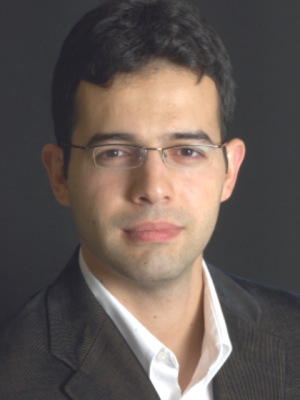
Paul Higgs is a Professor in the Department of Physics and Astronomy at McMaster University, Canada. His research focuses on the origin of life, RNA structure, molecular evolution, protocells, viruses, and computational biophysics. He holds a PhD in Polymer Physics from the University of Cambridge (1986–1989) and has held academic positions at the University of Sheffield (1992–1995), University of Manchester (1995–2002), and McMaster University since 2002. His work integrates theoretical modeling, computational simulations, and experimental insights to explore prebiotic chemistry, viral evolution, and the emergence of life. Education: PhD in Polymer Physics, University of Cambridge, UK (1986–1989) Postdoctoral Research: Strasbourg and Saclay (1989–1992) Royal Society Research Fellow, University of Sheffield (1992–1995) Research Interests: Protocell dynamics and self-organization RNA replication mechanisms and the RNA world hypothesis Evolutionary pathways of viruses and genetic codes Non-enzymatic chemical processes in prebiotic systems Computational modeling of autocatalytic networks and metabolic systems Research Trends in Articles: Recent work emphasizes computational simulations of RNA replication, non-enzymatic templating in protocells, and the evolutionary origins of viral replication strategies. Key themes include autocatalytic networks, chiral symmetry breaking, and the interplay between replication and metabolism in early life systems. Advising & Grants: No specific grants or advisee names listed. His research is supported through academic appointments and institutional resources. Labs/Teams: Engages in theoretical and computational biology projects within the Physics and Astronomy Department at McMaster University.
Professor Ian Adcock is the Professor of Respiratory Cell & Molecular Biology and Head of the Molecular Cell Biology Group at the National Heart & Lung Institute, Imperial College London. He holds an honorary research position at the Royal Brompton Hospital, enabling clinical translation of his work. His academic journey includes a Biochemistry & Physiology degree from the University of London and a PhD in Pharmacology from St Thomas's Hospital, followed by postdoctoral training at MRC Brain Metabolism Unit and St George's Hospital. Research focuses on asthma, COPD, and steroid insensitivity mechanisms. Key areas include corticosteroid resistance, airway inflammation, and translational therapies. He leads the ERS Airway Pharmacology and Treatment Section and chairs the MRC/Asthma UK Centre in Allergic Mechanisms of Asthma. His work integrates multi-omics data, AI frameworks, and international collaborations through consortia like UBIOPRED and COPD-iNET. Affiliations: Centre for Advanced Therapeutics, Microbiome Network, Vascular Science Network Grants: MRC, Wellcome Trust, BHF, EU, Industry Collaborations Collaborators: Professors Peter J Barnes, Maria G Belvisi, Gianni D Angelini (Imperial College); Global network including Verona, Exeter, Paris, and Sydney Research interests span biomarker discovery, airway epithelial biology, and metabolic pathways in chronic lung diseases. He edits major journals like Respiratory Research and advises funding bodies (MRC, NIH, NHMRC). His lab explores lung rejuvenation strategies using stem cells and organoids. Current projects include AI-driven air pollution health prediction, mechanobiology in mucus hypersecretion, and epigenetic inhibitors in COPD.
Bernard Ng is a Researcher at the University of British Columbia’s Department of Statistics within the Faculty of Science. His work bridges advanced statistical methodologies with biomedical research, focusing on genetic and molecular mechanisms underlying neurological and immunological conditions. He is affiliated with the Centre for Molecular Medicine and Therapeutics, emphasizing translational research. Ng’s research interests span neurodegenerative diseases, particularly Alzheimer’s, leveraging spatial transcriptomics and omics integration to elucidate disease pathways. He applies machine learning to analyze immune profiles in graft-versus-host disease and develops predictive models for gene expression and clinical outcomes. His computational expertise includes network analysis, clustering algorithms, and multimodal data integration. Key contributions include identifying genetic variants linked to Alzheimer’s pathology, uncovering molecular correlates of brain connectivity, and establishing diagnostic classifiers for chronic GVHD. His work frequently involves large-scale genomic studies and interdisciplinary collaborations, integrating statistics, bioinformatics, and clinical data. Ng’s lab focuses on translational applications of statistical models in healthcare, with a particular emphasis on pediatric immunology and neurodegenerative biomarkers. His methodologies address challenges in personalized medicine, such as predicting disease trajectories and optimizing treatment strategies through data-driven approaches.
Professor Sassan Asgari leads research on insect-virus interactions at the University of Queensland's School of the Environment. His lab investigates evolutionary adaptations in mosquito-pathogen systems, particularly dengue virus transmission mechanisms, utilizing molecular approaches including next-generation sequencing and bioinformatics. Research focuses on three primary areas: identifying pro-/anti-viral factors in mosquitoes, examining non-coding RNAs in host-pathogen interactions, and exploring microbiome impacts on viral replication. Research interests center on arthropod vectors, viral evolution, and host immune responses. Current projects examine Wolbachia-mediated virus blocking, epigenetic regulation of mosquito immunity, and RNAi pathways in insect antiviral defenses. The lab employs cutting-edge genomic tools to dissect vector competence mechanisms and develop novel disease control strategies. Publications consistently focus on molecular virology in mosquito vectors, with recent work emphasizing Wolbachia symbiont interactions, RNA modifications in antiviral responses, and viral inhibition mechanisms. Article keywords reveal strong emphasis on epigenetics, vector competence, and host-microbe coevolution across virology and molecular entomology domains. While no major scientific awards are documented, extensive research contributions include 169 peer-reviewed articles and 13 book chapters. The lab maintains collaborations with global health organizations and supervises graduate researchers in vector biology projects. Future work aims to translate basic research into field-applicable vector control methods.
Prof. Mehmet Fatih Yanik is a Full Professor at the Department of Information Technology and Electrical Engineering at ETH Zürich and Deputy Head of the Institute of Neuroinformatics. He leads the Yanik Lab, focusing on neurotechnology, neuroengineering, and high-throughput screening systems for drug discovery. His career includes tenured positions at MIT (2006-2014) and postdoctoral work at Stanford University. He holds a BS and MS from MIT (Electrical Engineering/Physics and Computer Science) and a PhD in Applied Physics from Stanford. Educations: BS in Electrical Engineering and Physics, MIT (1999) MS in Engineering and Computer Science, MIT (2000) PhD in Applied Physics, Stanford University (2006) Research Interests: Prof. Yanik’s work spans neurotechnology platforms for large-scale neural recording and stimulation, high-throughput in vivo screening systems for drug discovery, and advanced neuroimaging techniques. He pioneered ultra-flexible neural electrodes and non-invasive focused ultrasound neuromodulation. His lab integrates machine learning with neurotechnology to study brain circuit dynamics and anesthetic states. Awards: NIH Director’s Pioneer Award (youngest recipient) ERC Consolidator Award Bridge Discovery Award Technology Review’s 'Top 35 Innovators Under 35' Advising & Grants: His research is supported by NIH, ERC, NSF, and industry partnerships. He directs the NSC Master’s program and teaches courses like "Bioelectronics and Biosensors" . The Yanik Lab collaborates widely, advancing translational neurotechnology for clinical applications. Labs & Teams: The Yanik Lab at ETH Zürich develops cutting-edge tools for neuroscience, including neural interface technologies and AI-driven analysis pipelines for behavioral and neural data.
Dr. Sarah Lovelock is a Senior Lecturer in Chemical Biology and Biological Chemistry at The University of Manchester, part of the Manchester Institute of Biotechnology (MIB). Her research focuses on developing biocatalytic approaches for synthesizing therapeutic oligonucleotides, leveraging directed evolution and enzyme engineering. She holds a PhD from the University of Manchester (2014), followed by roles at GlaxoSmithKline and as a BBSRC/MRC Innovation Fellow. Key accolades include the Presidential Fellowship and UKRI Future Leader Fellowship. Her work addresses scalable, sustainable manufacturing of oligonucleotides for treating prevalent diseases, supported by advanced MIB infrastructure like automated liquid handling robots and high-throughput facilities. Education: PhD in Chemical Biology (2014, University of Manchester), supervised by Prof. Nicholas Turner. Postdoctoral roles included Senior Scientist at GSK and a visiting scholar at the University of Washington under Prof. David Baker, specializing in Rosetta-based enzyme design. Research interests emphasize engineering DNA-modifying enzymes for oligonucleotide synthesis, with applications in mRNA therapeutics and antiviral drug development. Her lab collaborates with industry partners, translating basic research into industrial solutions. Awards: BBSRC/MRC Innovation Fellowship (2017–2020), Presidential Fellowship (2020), UKRI Future Leader Fellowship (2020). Grants and Projects: Co-investigator on the £1.1M '21ALERT' project (mass spectrometry innovation) and the 'EBSynerGy' initiative (synthetic biology in yeast). Her research contributes to UN SDGs 3 (Good Health) and 9 (Industry Innovation). Labs/Teams: Hosted at the MIB, collaborating with Prof. Anthony Green and Prof. David Baker. Her team employs cutting-edge enzyme evolution and computational tools to design novel biocatalysts.
Dr. Mirella Cosma Spalluto is a Senior Research Fellow at the University of Southampton, specializing in respiratory medicine and virology. She is part of the Institute for Life Sciences and the Centre for Human Development, Stem Cells and Regeneration. Her research focuses on COPD pathophysiology, extracellular vesicles, SARS-CoV-2 mechanisms, and synthetic biology applications like artificial lung development. She currently supervises three PhD students and accepts new applications. Her work integrates multiomics approaches to study surfactant dysregulation in COPD and investigates viral inhibition strategies using UVC laser technology. Key projects include analyzing EV miRNA profiles for COPD endotyping and developing molecular diagnostics for SARS-CoV-2. She collaborates extensively with interdisciplinary teams across virology, bioengineering, and clinical medicine. Notable contributions include identifying microRNA-155 alterations in COPD epithelium and demonstrating pixatimod's antiviral efficacy against SARS-CoV-2. Her research also explores exercise-induced redox changes in asthma and engineered tissue models for respiratory diseases.
Dr Lisa Smith is a Senior Lecturer at the School of Biosciences, University of Sheffield (2024–present), following roles as Lecturer (2013–2023) and Postdoctoral Fellow at the Max Planck Institute (2007–2013). She holds a PhD from The Sainsbury Laboratory and a BSc from The University of Queensland. Her research focuses on plant reproduction, receptor kinases, and epigenetic regulation. Key projects include studying malectin domain proteins in fertilization and cell division, funded by BBSRC and Leverhulme Trust grants. She collaborates with groups at the University of Sheffield and internationally. Teaching includes modules on plant form/function and future plant biotechnology. The Smith Lab emphasizes inclusivity and investigates plant adaptation through epigenetics and transposable elements. Research Interests: Plant reproduction signaling, receptor kinase function (e.g., HERK1/ANJ proteins), epigenetic mechanisms in stress adaptation, and transposable element dynamics. Recent work highlights roles in pollen tube reception, cell division motor proteins, and transgenerational epigenetic memory. Grants & Collaboration: BBSRC-responsive grant for receptor kinase studies, Leverhulme Trust grant for kinesin research. Collaborates with Andrew Fleming, Sam Amsbury, and external partners on epigenetics and plant development. Lab Activities: Hosts postdocs (Alice Baillie, Louis Tirot) and technicians (Peijun Zhang). Offers PhD opportunities via Yorkshire Biosciences DTP, focusing on plant reproduction, epigenetics, and cell division.
Dr. Vanessa Burns is a Lecturer at the University of Sheffield's School of Sociological Studies, Politics and International Relations, specializing in environmental governance and knowledge production. She holds a DPhil in Geography from the University of Oxford, an MA from the University of New South Wales, and a BA from the University of Technology Sydney. Her research examines how ontologies of nature shape environmental knowledge and governance frameworks, with particular focus on decolonizing environmental law and indigenous land management in postcolonial regions. Her research explores: Politics of environmental change and adaptation justice Decolonial approaches to environmental governance Pacific geographies and ocean governance Indigenous knowledge systems and climate resilience Recent publications focus on sustainable agriculture, plant genomics, and starch biosynthesis in wheat, reflecting interdisciplinary approaches to food security and climate adaptation. Her work employs molecular techniques alongside policy analysis to address environmental challenges. Awards & Fellowships: Leverhulme Early Career Fellowship (2021-2024) Australian Research Council Funding University Medal Fellow of the Royal Geographical Society She leads the project 'Adaptation and Indigenous Labour' examining climate change adaptation in Pacific sugarcane industries, collaborating with policy stakeholders to develop decolonial frameworks for environmental governance.
Prof. Dr. Kerstin Ludwig is a Professor at the Institut für Humangenetik, University of Bonn, affiliated with the Life and Health Transdisciplinary Research Area. Her research focuses on identifying genetic risk factors for complex traits and congenital defects, particularly orofacial clefting and host genetics in diseases like COVID-19. Using genomic technologies such as exome/genome sequencing and multi-omics integration, she explores functional impacts of genetic variants and their cell-type-specific effects. Key research interests include: Complex genetics of multifactorial diseases Craniofacial malformations and their genetic basis Host genetic factors in viral infections (e.g., SARS-CoV-2) Multi-omics approaches for disease mechanism elucidation Her lab has pioneered diagnostic tools like LAMP-Seq for scalable pandemic testing and contributed to understanding genetic architecture of cleft lip/palate. Collaborations span clinical, computational, and basic science domains to bridge genotype-phenotype gaps.
Yongsheng Shi is a Professor & Chancellor's Fellow in the Department of Microbiology & Molecular Genetics at the University of California, Irvine (UCI). His research focuses on the molecular mechanisms of RNA processing, particularly mRNA 3' end formation, polyadenylation, and their roles in gene expression regulation. He investigates how these processes influence cellular differentiation, viral pathogenesis, and cancer biology. Key research interests include transcriptome surveillance, RNA-protein interactions, and the interplay between RNA processing and epigenetic regulation. His work employs cutting-edge techniques like PAS-seq and massively parallel reporter assays, combined with machine learning approaches, to decode complex RNA regulatory networks. Shi's publications highlight contributions to understanding herpes simplex virus effects on host mRNA processing, the role of polyadenylation in stem cell self-renewal, and the functional implications of RNA structure in gene regulation. His findings bridge basic molecular mechanisms with translational applications in cancer therapy and viral infections. He holds the prestigious Chancellor's Fellow title at UCI, reflecting recognition of his scholarly contributions. His research has implications for understanding fundamental biological processes and developing therapeutic strategies targeting RNA machinery.
Dr. Bryan Sun is Associate Professor in Dermatology at UC Irvine with joint appointment in Biological Chemistry. As Director of Faculty Development in Research, he leads investigations into epidermal biology and skin disease mechanisms using genomic and computational approaches. Research focuses on regulatory roles of non-coding RNAs in skin development, CRISPR-based functional genomics of epidermal differentiation, and inflammatory signaling in dermatologic conditions. Recent work employs spatial transcriptomics and machine learning for skin disease biomarker discovery. Publications demonstrate consistent methodology development in RNA biology applications for dermatology, with emphasis on keratinocyte regulation, alternative splicing mechanisms, and translational implications for inflammatory disorders. Technical Innovations: CRISPR screening platforms for epidermal biology Spatial multi-omics integration techniques Computational models of RNA regulatory networks