California Institute of Technology (Caltech)United States
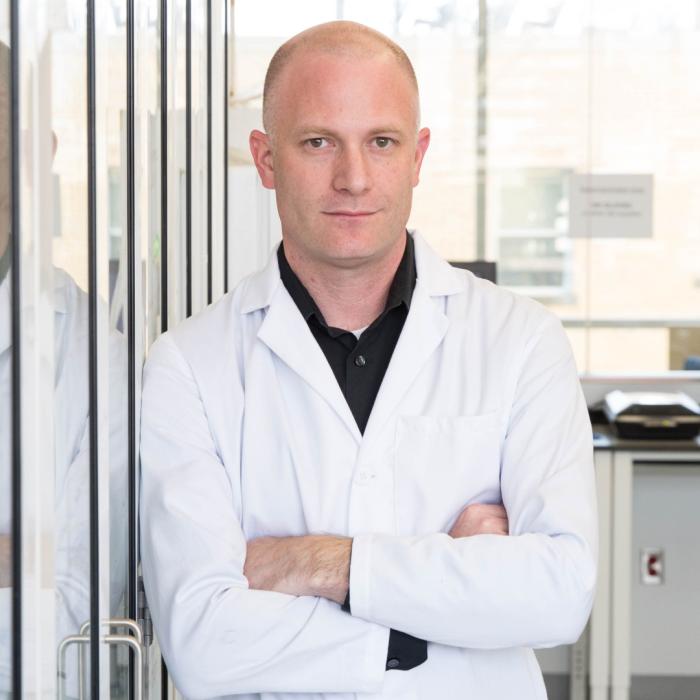
Long Cai is a Professor at the California Institute of Technology, affiliated with the Biology and Biological Engineering department. He pioneered the field of spatial genomics and co-developed transformative technologies such as seqFISH and MEMOIR. Research Interests: His work focuses on decoding biological systems through spatial genomics, integrating molecular imaging with computational analysis to uncover cellular organization in tissues. Key areas include developmental biology, neuroscience, kidney regeneration, and cancer biology. Publications: Recent studies highlight applications of spatial transcriptomics in kidney disease, brain nuclear architecture, and multi-omics tissue mapping. His research emphasizes creating high-resolution atlases of cellular dynamics. Scientific Awards: NIH Director’s Pioneer Award (2022) Labs & Collaborations: He leads the Cai Lab, which develops cutting-edge imaging tools in collaboration with the Elowitz Lab and other interdisciplinary teams.
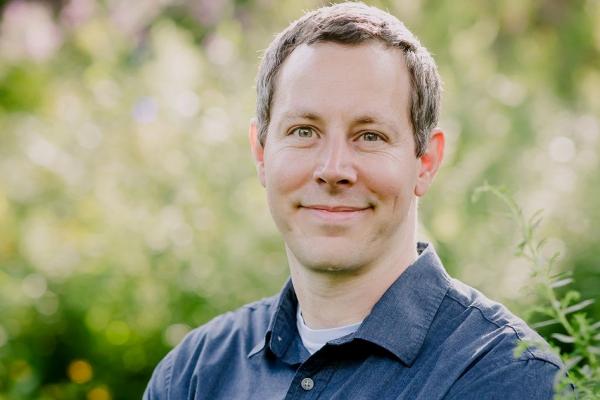
Brock C Christensen is a Professor at the Geisel School of Medicine , Dartmouth, affiliated with the Departments of Epidemiology , Community and Family Medicine , and Molecular and Systems Biology . His research integrates molecular biology, genomics, and bioinformatics with epidemiology to investigate epigenetic mechanisms in human health and disease. Harvard University, PhD (2008) University of Wisconsin - Madison, BS (2002) Dr. Christensen's work focuses on epigenetic susceptibility traits , environmental interactions, and translational applications in cancer diagnostics and treatment. His recent publications explore DNA methylation patterns in triple-negative breast cancer , head and neck cancer , and pediatric CNS tumors . He serves as course director for PEMM103: Introductory Applied Biostatistics with R and leads the Christensen Lab , which specializes in epigenomic profiling and computational biology.
Alicia Che is an Assistant Professor of Psychiatry at Yale University School of Medicine and serves as Director of Graduate Admissions for the Interdepartmental Neuroscience Program. She joined the Yale Department of Psychiatry in 2021 after completing her postdoctoral fellowship with Dr. Natalia De Marco García at Weill Cornell Medical College and Dr. Gord Fishell at NYU. Her research is conducted through the Che Lab at Yale, where she investigates how early life experiences impact brain circuit assembly and mature function in models of psychiatric illness. Yale School of Medicine, Department of Psychiatry Interdepartmental Neuroscience Program Center for Brain & Mind Health Division of Molecular Psychiatry Wu Tsai Institute Yale Center for the Science of Cannabis and Cannabinoids Dr. Che earned her Ph.D. in Physiology and Neurobiology from the University of Connecticut in 2014, where she worked in the laboratory of Dr. Joseph LoTurco. She received her B.S. with triple majors in Biology, Physics, and Physical Chemistry from Pacific Lutheran University in Washington state in 2009. Her research focuses on understanding developmental trajectories following early life experiences to develop diagnostics and early interventions for psychiatric illnesses. Dr. Che's research examines how sensory inputs, social bonding, stress, and substance exposure impact brain development. She employs a multi-dimensional approach to assess transcriptional, circuit, neuronal activity, and behavioral changes across the entire developmental timeline. Her lab currently focuses on four specific areas: the role of oxytocin in social behavior development, circuit dysfunction in PTSD, early-life cannabinoid exposure effects, and the impact of early life stress on development and adulthood. She utilizes advanced techniques including mouse genetics, slice electrophysiology, and longitudinal in vivo 2-photon imaging on behaving animals. Her most recent publications demonstrate significant contributions to understanding neural circuit development, PTSD mechanisms, and the effects of early life experiences on brain function. Her work spans from molecular neuroscience to behavioral outcomes, with publications in top journals including Nature, Neuron, and Nature Communications. Her research has revealed important insights into how translaminar neuronal activity strengthens cortical columns, how oxytocin facilitates social touch development, and how PTSD affects brain transcriptomics. NARSAD Young Investigator Award (2020) K99/R00 Pathway to Independence Award from NINDS (2019) Dr. Che's work has significant implications for understanding and treating neurodevelopmental disorders, PTSD, and the consequences of early life experiences on mental health. She collaborates extensively with researchers across Yale and beyond, with frequent co-authorship with colleagues including Lin Lin, Alex Kwan, and Christopher Pittenger. Her research program bridges basic neuroscience with clinical applications, aiming to translate findings into potential interventions for psychiatric conditions.
Caryl E. Sortwell is a Professor of Translational Neuroscience and Edwin A. Brophy Endowed Chair in Central Nervous System Disorders at Michigan State University's College of Human Medicine. She leads the Sortwell Lab within the Neuroscience Program and Grand Rapids Research Center, focusing on Parkinson's disease (PD) therapeutics. Education : B.S. in Psychology/Pre-medicine (University of Illinois, 1987), Ph.D. in Anatomy and Cell Biology/Neurobiology (University of Illinois at Chicago, 1994) Positions : Assistant/Associate Professor at Rush University Medical Center (1997-2005), Associate Professor at University of Cincinnati (2005-2009), Professor at MSU College of Human Medicine (2009-present) Her research investigates alpha-synuclein pathology in PD using preformed fibril models to study neurodegeneration, neuroinflammation, and therapeutic interventions. She explores neurotrophic factors like BDNF, gene therapies targeting CaV1.3 channels, and deep brain stimulation mechanisms. Her work emphasizes precision medicine approaches to optimize treatment outcomes. Scientific contributions include methodological advancements in neurochemical sensing with diamond electrodes and viral vector delivery systems. Key collaborations include research with Dr. Joe Patterson on alpha-synuclein genetic consequences. Technical Expertise : Immunohistochemistry, stereotactic surgery, in vivo neurotoxicant models, protein analysis (Western blot/ELISA), droplet digital PCR, and neuroinflammatory profiling
University of California, Los AngelesUnited States
Dr. Brent Fogel is a Professor in the Departments of Neurology and Human Genetics at the David Geffen School of Medicine, UCLA. He directs the Neurogenetics Clinic and the UCLA Clinical Neurogenomics Research Center , focusing on diagnosing and managing genetic neurological disorders such as cerebellar ataxia , ataxia with oculomotor apraxia , spastic paraplegia , and leukodystrophies . His research integrates genomics , bioinformatics , and neuroimaging to improve precision medicine in prenatal counseling and rare disease diagnosis. Education: MD, PhD from Medical College of Wisconsin (2003) PhD in Genetics (2001) Internship in Internal Medicine (Northwestern University, 2004) Residency in Neurology (UCLA, 2007) Fellowship in Neurogenetics (UCLA, 2009) Board Certified in Neurology (2009) Research Focus: Dr. Fogel’s work spans neurogenetics , spinocerebellar ataxia , leukodystrophy , and genomic technologies . He has pioneered gene discovery in hereditary ataxias, developed transcriptional biomarkers , and contributed to diagnostic guidelines for rare disorders. His studies on lysosomal genes in Parkinson’s disease and exome sequencing disparities address critical gaps in neurogenetic research. Key Collaborations: He leads multicenter studies with the Ataxia Global Initiative , Undiagnosed Diseases Network , and Genomics England Research Consortium . His lab ( FogelLab ) develops tools like multiWGCNA for gene network analysis.
University of Illinois Urbana-ChampaignUnited States
Charu Gupta Kumar is a Research Professor in the Department of Bioengineering at the University of Illinois Urbana-Champaign, affiliated with the Neuroscience program. Her research focuses on systems and computational biology, integrating computational genomics, bioinformatics, and systems biology approaches to study microbiome/pathogen dynamics, neurological diseases, and evolutionary processes. She leads the Systems and Computational Biology Group, emphasizing interdisciplinary methodologies to address complex biological questions. Her academic roles include a zero-time appointment in the Department of Neuroscience (2013–present) and service as an admission reviewer for the Carle Illinois College of Medicine (2020–2022). She advises a diverse cohort of undergraduate and graduate students engaged in bioengineering and computational biology projects. Her work bridges environmental microbiology with human health, exploring astrocyte roles in neurological disorders like glioblastoma and autism, and investigating evolutionary mechanisms of metabolic networks across species. Publications highlight contributions to bovine genomics, microbial community analysis in subsurface environments, and computational tools for genomic data management. Her research trends emphasize translational applications of computational biology to environmental and clinical challenges, with recent focus on microbiome-disease interactions and astrocyte signaling pathways. Advising spans mentoring over 18 students across bioengineering and computer science disciplines, with notable alumni advancing to institutions like MIT and Johns Hopkins. She collaborates with跨学科 teams in bioengineering and neuroscience, contributing to the broader Grainger College of Engineering research ecosystem.
Zechuan Lin is a Lecturer at the Department of Neurology , Yale School of Medicine, and a member of the Adams Center for Parkinson's Disease Research . He previously held a postdoctoral research fellowship at Harvard Medical School/Brigham and Women's Hospital in 2023 and earned his PhD from Peking University, College of Life Sciences in 2019. His research bridges computational biology , genomics , and plant genetics , focusing on genetic improvement in crops like rice and maize. Key methodologies include heterosis analysis , transcriptomic profiling , and QTL mapping to dissect agronomic traits and environmental adaptation. Lin's publications highlight advancements in hybrid rice breeding , genome-wide selection , and computational tools for allelic imbalance and daylength-sensing models. His work integrates bioinformatics and genetic networks to address both fundamental and applied biological questions. He is affiliated with Scherzer's Lab , which employs interdisciplinary approaches to neurogenomics and personalized medicine for neurological disorders like Parkinson's disease. His contributions to big data analysis and cross-species genetic studies reflect a unique intersection of plant and neurogenomics.
Gerald Quon is an Associate Professor in the Department of Molecular and Cellular Biology at the University of California, Davis. He is affiliated with the Genome Center and participates in multiple graduate programs, including Integrative Genetics and Genomics, Neuroscience, Computer Science, Biostatistics, and Biomedical Engineering. Education: PhD in Computer Science from the University of Toronto (2012) MSc in Biochemistry from the University of Toronto (2006) Research Interests: Dr. Quon applies computational approaches to genetics and genomics problems, focusing on the genetics of human disease , models of cell population dynamics , and neurogenomics . His lab builds neural network models to understand how genetic variation affects disease risk through molecular and cellular phenotypes, with applications to obesity, Alzheimer’s disease, psychiatric disorders, and Rett syndrome. Recent Research Trends: Recent publications highlight work in neuroplasticity , single-cell multimodal analysis , brain evolution , morphological variation modeling , and microbiome-based classification . His team combines sequencing and imaging technologies to model cellular interactions and gene expression dynamics. Scientific Awards: NIH New Innovator Award (2021) Grants & Collaborations: He received NSF funding (2019) for computational tools in single-cell analysis and collaborates across disciplines, including neuroscience, biomedical engineering, and computational biology. His lab develops software like scProjection , siVAE , and scAlign .
Chet C. Sherwood is a Professor of Anthropology at George Washington University (GW) and a core faculty member of the Center for the Advanced Study of Human Paleobiology (CASHP). He also directs the National Chimpanzee Brain Resource and is affiliated with the GW Mind-Brain Institute. His research focuses on evolutionary neuroscience, particularly brain evolution in primates and other mammals, emphasizing how brain structure relates to behavior, development, and genetics. Education: Ph.D. (2003), M.A. (1998, 1996), and B.A. (1995) from Columbia University, with an additional M.A. from New York University (1996). Teaches courses such as ANTH 1001: Biological Anthropology and ANTH 3413: Evolution of the Human Brain. Research interests include comparative neuroanatomy of the cerebral cortex, human brain evolution relative to other primates, and the molecular and cellular mechanisms underlying cognitive evolution. He explores how brain differences across species correlate with ecological and behavioral traits, leveraging neuroimaging, transcriptomics, and fossil reconstruction techniques. Recent work investigates aging-related brain changes in primates and elephants. Notable achievements include membership in the National Academy of Sciences (2021) and the AAAS Fellowship (2022). His lab’s studies on chimpanzee brain plasticity and the genetic basis of primate cognition have advanced understanding of human uniqueness and shared evolutionary traits. Chet’s interdisciplinary collaborations span paleontology, genomics, and neuroscience, with a focus on bridging evolutionary and medical insights. His leadership in the National Chimpanzee Brain Resource underscores his commitment to advancing comparative neurobiology through resource development and ethical research practices.
Kushal Dey serves as an Assistant Professor in the Computational and Systems Biology Program at Memorial Sloan Kettering Cancer Center (MSKCC), part of the Graduate School of Medical Sciences in partnership with Weill Cornell Medicine. His research integrates statistical and machine learning approaches with genomic data to understand the regulatory architecture of complex diseases. Dr. Dey's research focuses on developing computational methods that integrate human disease genetics with functional genomics data. His work spans immune-related diseases including Alzheimer's and inflammatory bowel disease, as well as heritable cancers like breast and prostate cancer. His lab develops models to prioritize variants, genes, and cell states for disease using genetic, genomic, and perturbation data, with emphasis on causal directed graphs and benchmarking pipelines informed by disease genetics. His recent publications highlight expertise in GWAS, colocalization, spatial transcriptomics, Perturb-seq, and RNA+ATAC multiome analysis. His work frequently appears in top journals like Nature Genetics, with a focus on single-cell multi-omics approaches to understand disease mechanisms at cellular resolution. Scientific Awards: Josie Robertson Investigator (2023–2028) K99/R00 Pathway to Independence Award (NIH/NHGRI) (2022–2026) NIH/NHGRI Early Stage Investigator R01 (2025-2030) NCI P30 CCSG supplement – 'LLMs in cancer research' (2023-2024) Catalog Working Group Co-chair + Disease Focus Group Lead: IGVF consortium (2023-) Dr. Dey mentors several graduate students through the Weill Cornell Graduate School (WGS), including Thahmina Ali, Pretty Garcia, Karthik Guruvayurappan, Louis Liu, Sarthak Tiwari, Berk Turhan, and Harry Zhang. His lab has received multiple grants including the AWS IMAGINE Grant Children's Health Innovation Award 2024-2025 (as Project Co-lead) and PSRP Developmental Funds Awards (2025: Co-lead). The lab actively collaborates with consortia including ENCODE, ADSP, MorPhiC, and IGVF, maintaining strong ties with Columbia University, Stanford University, and Harvard T.H.Chan School of Public Health. The Kushal Dey Lab is part of the vibrant Tri-Institutional Research campus adjacent to Rockefeller University and Weill Cornell Medical College, offering a collaborative environment focused on computational genomics and disease mechanisms.
Nora H Prior, PhD, is a Senior Research Associate in the Psychology Department at Cornell University, focusing on sensory systems, social behavior, and neurogenomics. Her research team explores avian behavioral neuroscience, with expertise in neuroendocrinology, bioacoustics, and comparative psychology. 2020-2021: Sessional Instructor & course designer, University of British Columbia 2018-2021: Postdoctoral Associate, Avian Behavioral Neuroscience Lab (University of Maryland) 2016-2018: Postdoctoral Fellow, Center for Comparative and Evolutionary Biology of Hearing (University of Maryland) 2015: Postdoctoral Fellow, Neuroethology & Bioacoustics Lab (University of Lyon) 2009-2014: PhD Candidate (University of British Columbia) Her research combines neuroendocrinology, bioacoustics, and behavioral ecology to study avian communication, pair bonding, and neurogenomic responses to environmental stressors. Key topics include: Acoustic fine structure in zebra finch communication Neuroendocrine regulation of monogamy and aggression Effects of water restriction on vocal behavior Differential gene expression in extreme physiological states Temporal processing of vocal sequences Perceptual limitations in avian cognition While her publications span from 2010-2025, recent work emphasizes methodological rigor in neuroscience research, environmental impacts on brain development, and neurogenomic resilience in wild birds. Her 2025 paper on Science Democratization addresses systemic challenges in behavioral neuroscience.
Andreas Kautt is Assistant Professor of Biology at Washington University in St. Louis, investigating evolutionary mechanisms driving biological diversity through integrative approaches combining genomics, behavioral experiments, and fieldwork. Research focuses on two primary systems: North American deer mice and Missouri crayfish. Research themes include: Genomic basis of behavioral divergence and sensory evolution Molecular mechanisms of speciation in cichlid fish radiations Genetic assimilation in morphological evolution Development of novel genomic tools for speciation research Recent work explores olfaction genetics in deer mice, parallel evolution in pigmentation, and hybrid speciation mechanisms. Publications demonstrate expertise in evolutionary genomics, behavioral ecology, and molecular evolution across diverse vertebrate systems.
Memorial Sloan Kettering Cancer CenterUnited States
Kushal Dey, PhD, is an Assistant Professor in the Computational and Systems Biology Program at Memorial Sloan Kettering Cancer Center (MSKCC). His research develops machine learning models that integrate genetic, genomic, and epigenomic data (e.g., RNA-seq, ChIP-seq, Perturb-seq, spatial transcriptomics) to decode the causal functional architecture of heritable complex diseases, including immune-related disorders like Alzheimer’s and inflammatory bowel disease, as well as heritable cancers such as breast and prostate cancer.
Dr. Jing Zhang is an Assistant Professor in the Department of Computer Science at the University of California, Irvine (UCI), affiliated with the Donald Bren School of Information and Computer Sciences. She holds a Ph.D. in Electrical Engineering and Molecular/Computational Biology from the University of Southern California (2012) and completed postdoctoral training in Computational Biology at Yale University. Her research focuses on developing computational methods to unravel gene regulation mechanisms and link genetic variations to diseases, particularly in noncoding regions of the genome. She has contributed extensively to the ENCODE project, co-authoring pivotal studies in Nature and producing over 5,900 experimental datasets. Dr. Zhang’s work bridges engineering, mathematics, and biology, with applications in precision medicine for cancers and psychiatric disorders. She emphasizes the importance of noncoding DNA in disease causation and has pioneered tools like EN-TEx and scENCORE to analyze epigenomes and regulatory elements. Her lab actively seeks to recruit Ph.D. students, postdocs, and interns to advance genomic technologies. Key research areas include single-cell and spatial transcriptomics, gene regulatory networks, and computational methods for multi-omics data integration. Despite pandemic-related challenges, she maintains strong collaborations and teaches courses in bioinformatics. Her future goals include expanding lab interactions and applying computational models to predict disease susceptibility and treatment responses.
Wenjie Luo is a researcher at the Brain and Mind Research Institute, Weill Cornell Medical College, focusing on neurodegenerative diseases and neuroimmunology. His role involves investigating molecular pathways linking tauopathy, microglial function, and genetic risk factors for Alzheimer's disease. Education: B.S. and M.S. from Peking University (China), Ph.D. from Albert Einstein College of Medicine (2001) His research explores the interplay between neuroinflammatory mechanisms, tau pathology, and genetic variants in Alzheimer's disease progression. Key areas include the cGAS-STING pathway, TREM2 agonism, and microglial interactions with oligodendrocytes. Recent publications highlight his work on tau propagation models, microglial signaling pathways (NF-κB, AKT), and sex-based differences in neurodegeneration. He collaborates on grants from the National Institute on Aging and BrightFocus Foundation, focusing on tau metabolism, TREM2 ligands, and APOE mutations in neurodegenerative diseases.