Professor Stephen Cave is the Academic Director of the Leverhulme Centre for the Future of Intelligence (CFI) and Co-Director of the Institute for Technology and Humanity at the University of Cambridge. With a PhD in Philosophy from Cambridge, he previously served as a policy advisor and diplomat in the British Foreign Office for nearly a decade before returning to academia. Education: PhD in Philosophy, University of Cambridge Current Roles: Academic Director (CFI), Co-Director (Institute for Technology and Humanity) Media Engagement: Regular contributor to Financial Times , Guardian , New York Times , and media appearances on BBC and NPR His research bridges philosophy and ethics of technology , with two primary strands: (1) the ethics of AI and robotics , focusing on responsible AI development and societal impact through works like AI Narratives and Feminist AI ; and (2) the ethics of life-extension and immortality , explored in Immortality and Should You Choose to Live Forever? . Recent publications analyze algorithmic fairness, gender representation in AI narratives, and digital death. The articles listed reflect his engagement with responsible AI frameworks , cultural portrayals of AI , and existential implications of life extension . His work often synthesizes historical, ethical, and cultural perspectives to address contemporary challenges in AI governance and mortality philosophy.
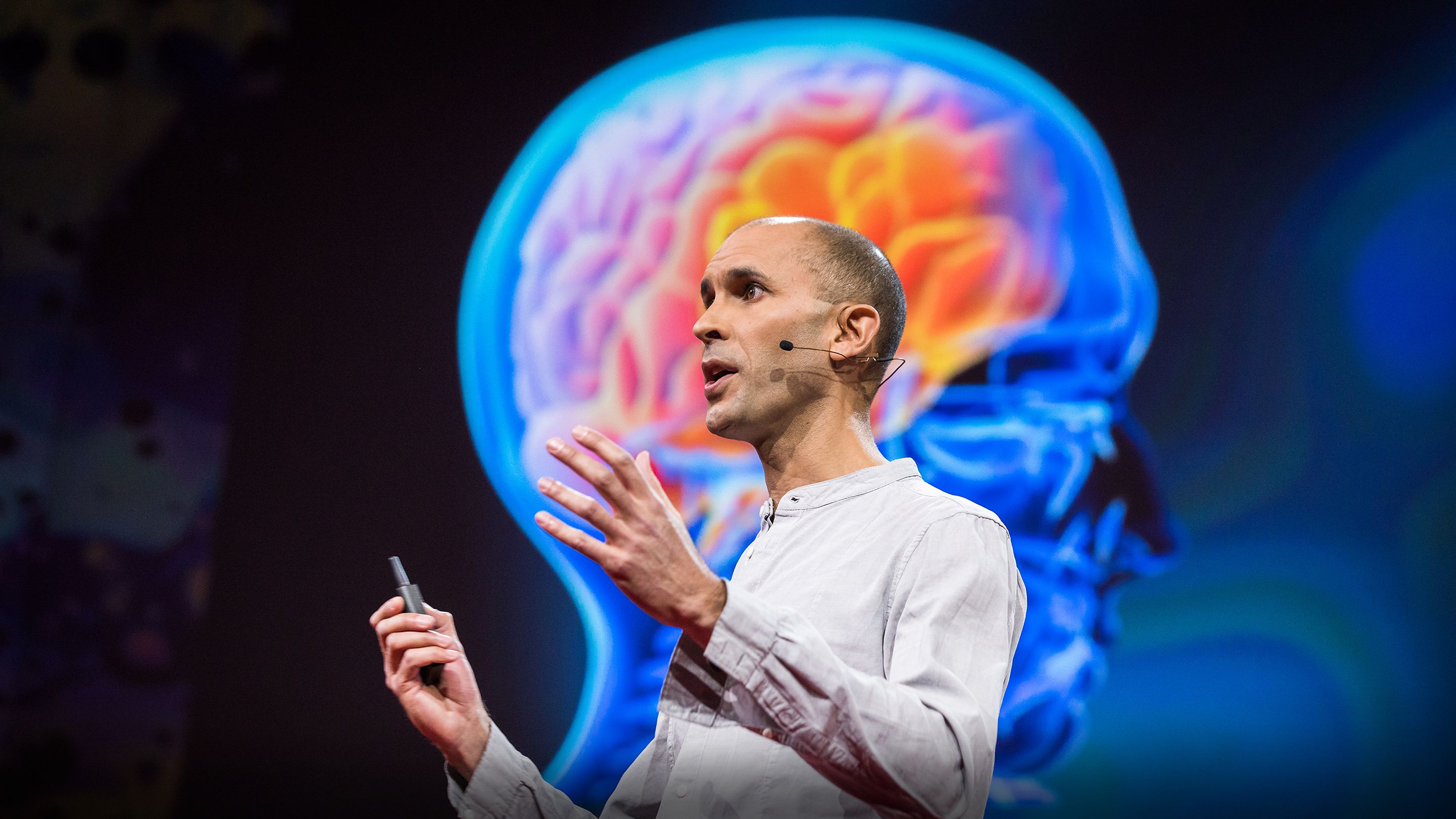
Professor Anil Seth is a leading cognitive and computational neuroscientist at the University of Sussex, where he holds a professorship in the School of Engineering and Informatics. He is Director of the Sussex Centre for Consciousness Science and Co-Director of the CIFAR Program on Brain, Mind, and Consciousness and the Leverhulme Doctoral Scholarship Programme. His research bridges neuroscience, psychology, philosophy, and AI to investigate the biological basis of consciousness and selfhood. His research interests include: Predictive processing approaches to perception Virtual and augmented reality in self-experience studies Mathematical modeling of perception and emergence Machine learning applications in subjective perception modeling Interoception and selfhood Neural mechanisms of conscious experience The recent publications reflect a strong focus on consciousness, neural dynamics, predictive models, and interdisciplinary approaches. Trends include the use of computational modeling, neurophenomenology, causal analysis, and the ethical implications of emerging neurotechnologies. His work increasingly integrates large language models and data-driven methods for analyzing subjective experience. His scientific awards include: Segerfalk Award Perspectives Award Highly Cited Researcher (Web of Science, 2019–2022) Royal Society Michael Faraday Prize (2023) Seth has secured substantial research funding from the European Research Council (ERC), EPSRC, Wellcome Trust, CIFAR, and the Sackler Foundation. He has supervised numerous research projects and doctoral students through interdisciplinary programs. He leads the Dreamachine project and has been an Engagement Fellow with the Wellcome Trust. He serves on editorial boards including Philosophical Transactions of the Royal Society B and is Editor-in-Chief of Neuroscience of Consciousness . He leads a multidisciplinary research group at the Sackler Centre, bringing together psychologists, mathematicians, neuroscientists, computer scientists, and philosophers. His team conducts innovative research using virtual reality, neuroimaging, and computational modeling to explore the nature of consciousness and self.
Michael Wheeler is a Professor in Philosophy at the University of Stirling, focusing on cognitive science, phenomenology, and the philosophy of technology. His work bridges existentialist philosophy with modern AI ethics and embodied cognition. Key Research Themes: Extended mind, distributed cognition, and transparency in smart machines. Recent Projects: Explore the societal impact of AI, cognitive change in the arts, and the interplay between aging and cognition. Selected Articles (2024-2019): His publications span topics like creativity and contingency in the arts, transparency in AI, and the evolutionary psychology of reasoning. Notable Contributions: Advocates for integrating phenomenology into cognitive science and challenges representationalist frameworks in AI and robotics.
Simon Hanslmayr is a Professor in the School of Psychology & Neuroscience at the University of Glasgow. His research investigates neural oscillations' role in attention and memory processes, employing EEG, fMRI, and transcranial stimulation techniques. He focuses on healthy populations and clinical conditions like Schizophrenia and PTSD. His lab develops tools like the Brain Time Toolbox for electrophysiological data analysis. Education: Ph.D. in Cognitive Neuroscience (not explicitly detailed in text) Research interests include understanding how precise neural timing via oscillations underpins cognitive functions. Key areas: hippocampal memory coding, theta phase synchronization in associative memory, and causal effects of rhythmic stimulation on memory plasticity. Recent articles highlight mechanisms linking theta oscillations to memory formation, thalamocortical interactions in perception, and hippocampal-neocortical coupling. His work bridges experimental and computational approaches to model memory dynamics. Grants: Sensory stimulation for memory impairment (BIAL Foundation, 2025-2026) EU-funded studies on neural oscillations and memory (2020-2021) Awards: None explicitly listed, but active grant recipient. Supervised students include Kiera Capstick, Eleonora Marcantoni, and others. Collaborates with researchers worldwide through lab affiliates and visiting scholars. Current work emphasizes scalable neurotechnologies for cognitive enhancement and memory rehabilitation. Labs/Teams: Leads the Memory & Oscillations Lab at the University of Glasgow, collaborating with institutions like the University of Zurich and Maastricht University on neuroimaging and clinical studies.
**Guy Kahane** is a **Professor of Moral Philosophy** and **Tutorial Fellow** at Pembroke College, University of Oxford. His primary affiliation is with the **University of Oxford**, specifically within the **Department of Philosophy**, and he serves as **Director of the Oxford Uehiro Centre for Practical Ethics**. Kahane holds a D.Phil. and B.Phil. in Philosophy from Oxford University, alongside a B.A. in Philosophy and Psychology from Tel Aviv University. **Research Interests**: His work spans **meta-ethics**, **practical ethics**, **moral psychology**, and **neuroethics**. Key themes include the nature of value, evolutionary debunking arguments, the role of emotions in moral judgment, and applied issues like disability ethics, enhancement, and the moral status of animals. He is renowned for his empirical studies on moral psychology, particularly exploring utilitarianism and sacrificial dilemmas. **Grants & Awards**: He has secured significant funding, including a **Volkswagen Foundation Grant (€400K)** for research on moral intuition and a **Wellcome Trust Award (£190K)** for projects on well-being and consciousness. His work bridges philosophy and empirical science, influencing debates in both academic and public spheres. **Labs/Teams**: Kahane leads the **Oxford Uehiro Centre**, which focuses on applied ethics, and collaborates with interdisciplinary teams in neuroscience, psychology, and bioethics. He also directs the **Master of Studies in Practical Ethics** program. **Publications**: Over 100 peer-reviewed articles, including seminal works on utilitarianism, the ethics of human enhancement, and the neuroscience of moral judgment. Notable books include *Enhancing Human Capabilities* (2011) and contributions to debates on the moral significance of evolutionary suffering.
Katherine Puddifoot is Associate Professor in Philosophy at Durham University and a Fellow of the Institute for Medical Humanities. Her research focuses on social epistemology, implicit bias, epistemic injustice, and their intersections with ethics, mental health, and medical humanities. She has held affiliations with the Durham CELLS (Centre for Ethics and Law in the Life Sciences) and is currently on research leave. Research Interests: Epistemic responsibility and moral implications of cognitive biases Social epistemology in legal and medical contexts Mnemonic epistemic injustice and memory studies Implicit bias interventions and ethical frameworks Publication Trends: Her recent work explores bias through interdisciplinary lenses (2024), trauma-induced memory distortions (2024), fear generalization's epistemic costs (2024-2023), and institutional epistemic oppression (2022). Earlier studies established foundational theories of stereotyping (2021, 2017), memory ethics (2019), and testimonial credibility (2020). Supervision: Postgraduate Fellows: Labeeba Miah, Shaoyu Han Affiliations: Department of Philosophy, Durham University Durham CELLS (Centre for Ethics and Law in the Life Sciences) Institute for Medical Humanities
Professor Julian Savulescu serves as the Uehiro Professor of Practical Ethics and Director of the Oxford Uehiro Centre for Practical Ethics at the University of Oxford, where he is also a Fellow of St Cross College within the Faculty of Philosophy. His career centers on resolving complex ethical dilemmas emerging from scientific and medical advancements, particularly in human enhancement technologies and reproductive medicine. Savulescu's research spans practical ethics, medical ethics, and bioethics with specialized focus on genetic enhancement, neuroethics, reproductive ethics, and research ethics. His expertise includes predictive genetic testing, cloning, performance-enhancing drugs, global health risks, human dignity frameworks, abortion ethics, and stem cell research controversies, often examining the tension between individual autonomy and societal implications. His 2017 publications reveal concentrated neuroethical inquiry, analyzing moral implications of cognitive enhancement through neuroscience, ethical access to experimental treatments in pediatric crises like the Charlie Gard case, and methodological ethics in surgical placebo trials for severe psychiatric conditions. These works demonstrate his commitment to resolving practical ethical conflicts in cutting-edge medical interventions. While no specific awards are documented, Savulescu maintains extensive global media engagement as an ethics commentator, addressing topics from male pregnancy possibilities to comparative societal debates on marriage equality versus assisted dying. His leadership in major research initiatives spans geoengineering ethics and vaccine distribution frameworks. The Oxford Uehiro Centre for Practical Ethics operates as his primary research hub, fostering interdisciplinary collaboration among philosophers, physicians, and scientists to address urgent moral questions arising from technological progress in medicine and science.
Nicholas Sinclair-House is an Assistant Professor in Criminology within the School of Law, Politics and Sociology at the University of Sussex. His interdisciplinary research bridges psychology, law, and neuroscience, focusing on criminal responsibility, addiction, and neuroethics. He is Co-Director of the Sussex Crime Research Centre (CRC) and affiliated with the Sussex Addiction Research and Intervention Centre (SARIC), the Ministry of Justice Expert Academic Network, the British Psychological Society (BPS), and the International Neuroethics Society (INS). Assistant Professor in Criminology (Sociology and Criminology) School of Law, Politics and Sociology, University of Sussex Co-Director, Sussex Crime Research Centre (CRC) Member, Sussex Addiction Research and Intervention Centre (SARIC) Member, Ministry of Justice Expert Academic Network Member, British Psychological Society (BPS) Member, International Neuroethics Society (INS) His research explores how addiction, intoxication, and mental disorders influence perceptions of blame and mitigation in criminal justice. Key interests include drug policy reform, the philosophy of justice, and the ethical implications of neuroscience in law. His work critically examines whether framing addiction as a brain disease leads to more lenient sentencing, concluding that perceived prior choice remains a dominant factor in judicial reasoning. The recent publications reflect a strong engagement with neuroethics and criminology, particularly in how cognitive biases, environmental factors, and neurological conditions affect legal responsibility. Themes include the impact of the pandemic on addiction, AI in education, and psychedelic therapy in fictional AI. His work combines empirical psychology with legal theory, often using experimental methods to study magistrates’ and public perceptions. While no formal scientific awards are listed, his active participation in high-profile academic networks and conferences underscores his recognition in the field. Nicholas Sinclair-House supervises students in criminology and psychology, particularly in neurocriminology and cognitive aspects of criminal behaviour. Though specific advisees are not named, his research collaborations—especially with Child, Crombag, and Osborn—suggest active mentorship and grant-funded projects. His teaching portfolio includes courses such as Thinking Like a Criminologist , Understanding the Criminal Justice System , and various psychology modules, indicating a strong commitment to interdisciplinary education. He is a core member of the Sussex Crime Research Centre (CRC) and the Sussex Addiction Research and Intervention Centre (SARIC), where he contributes to collaborative research on addiction, criminal responsibility, and policy reform. These teams engage in interdisciplinary projects combining neuroscience, psychology, and legal scholarship to inform justice policy and practice.
Dr. Emma Gordon is a Lecturer in Applied Ethics at the University of Glasgow’s Department of Philosophy and Head of Interdisciplinary Research at the Cogito Epistemology Research Centre. Previously, she held a Research Fellowship at the Eidyn Research Centre, University of Edinburgh. Her research spans applied ethics (bioethics, neuroethics, medical ethics, environmental ethics, technology ethics, and gender/race studies), normative ethics (moral psychology, trust, emotions, wellbeing), and epistemology (understanding, social epistemology, intellectual virtues/vices). Her work integrates philosophy with medicine (pharmacology, addiction) and psychology (counselling, psychotherapy). She is the author of *Human Enhancement and Well-Being: A Case for Optimism* (Routledge, 2022). Teaching includes courses like *Contemporary Ethics* (convenor/lecturer), *History of Moral Philosophy: Kant*, and *Philosophy 1B: What is Good?*. She supervises PhD students in bioethics, applied epistemology, and metaethics. As Head of Interdisciplinary Research at Cogito, she fosters collaborations between philosophy and fields like medicine, psychology, law, and engineering. She also serves as Scientific Adviser on the *Dimensions of Wellbeing* project and co-leads the Arts Concordat ECR Network for early-career researcher support. Her interdisciplinary work includes exploring pharmacological enhancement’s ethical implications, psychedelic use in moral development, and the ethics of mental health interventions. She maintains a part-time practice as an integrative psychotherapist, specializing in relationship counseling and LGBTQ+ issues, with over 1900 clinical hours and qualification as a casework supervisor.
Dr. David Lawrence is an Assistant Professor in Biolaw at Durham Law School and holds a joint affiliation with the Durham CELLS (Centre for Ethics and Law in the Life Sciences). He is also a Fellow of the Institute for Medical Humanities. His research focuses on the ethical, legal, and policy implications of emerging biotechnologies, including neurotechnologies, implantable devices, human enhancement, and synthetic biology. Current work includes a project on creating new lifeforms through synthetic biology. His editorial roles include serving as editor for Clinical Neuroethics and the Cambridge Quarterly of Healthcare Ethics . His publications address transformative developments in bioethics and governance frameworks for novel biotechnologies like cerebral organoids. No scientific awards are explicitly listed in the provided information. Dr. Lawrence supervises Miranda Wang, a PhD candidate.
Professor Kleio Akrivou serves as Professor of Business Ethics and Moral Development at Henley Business School, University of Reading, a position she has held since 2008. She also holds multiple leadership roles including Director of the Centre for Business Ethics and Sustainability, Research Ethics Director for Leadership, Organisations, Behaviour and Reputation, and Principles for Responsible Management Education Lead for Henley Business School. As a Senior Fellow of the UK Higher Education Academy, Professor Akrivou contributes significantly to academic leadership and ethical scholarship. Professor Akrivou's educational background spans multiple international institutions, with degrees earned in Cleveland, USA; Strasbourg, France; and Athens, Greece. Her academic journey began with work in economics and management, leading to a PhD in moral human development, followed by advanced studies in classical moral philosophy. She maintains an active scholarly presence as a visiting scholar at the University of Navarra's Institute for Culture and Society in Pamplona, Spain. Her research centers on personalist virtue ethics and transcendental anthropology applied in management contexts, addressing critical issues at the intersection of ethics, economics, and business practice. Professor Akrivou's work spans business ethics, moral education, philosophical and anthropological foundations of ethics, and personalist moral psychology. Her scholarship informs management decision-making processes and contributes to broader discussions about ethics and sustainability in business, education, and society. She has developed frameworks examining moral growth, organizational integrity, and the common good approach to business practices. Analysis of Professor Akrivou's recent publications reveals a consistent focus on developing ethical frameworks grounded in personalist philosophy and virtue ethics. Her work increasingly integrates transcendental anthropology with organizational studies, creating innovative approaches to understanding moral development in business contexts. A notable trend is her development of the inter-processual self theory as a foundation for ethical decision-making and organizational behavior. Her research bridges theoretical philosophical concepts with practical business applications, particularly in sustainability reporting, human resource management, and leadership development. Senior Fellow, UK Higher Education Academy Professor Akrivou has led multiple significant research initiatives including the Henley Business School reports to the United Nations' Principles for Responsible Management Education (PRME) across multiple reporting periods (2015-2023). Her current research projects include 'Futures of Business Education in 2055,' 'Sustainable Development Goal-Related CBES Workshops,' and 'Rethinking Wellbeing: Evaluating the Neoliberalisation of Wellbeing in the Workplace Using Artworks as a Critical Lens.' She has secured funding for projects examining ethics in business education and sustainable development frameworks. As Director of the Centre for Business Ethics and Sustainability, Professor Akrivou leads a multidisciplinary team focused on advancing research and practice in business ethics. Her collaborative work extends to the European Business Ethics Network, Society for Business Ethics, Association of Moral Education, and Academy of Management. She works closely with scholars from the University of Navarra and other international institutions on projects integrating personalist philosophy with business ethics applications.
Cleo Valentine is a Vice Chancellor's Doctoral Scholar at the University of Cambridge and Senior Design Researcher in Neuroarchitecture at HKS. Affiliated with the Department of Architecture and Computational Neuroscience Group, her work establishes the field of architectural neuroimmunology , investigating how architectural forms mediate neuroinflammatory responses. She lectures at Politecnico di Milano and Harvard University, and contributes to editorial boards of Intelligent Buildings International and Buildings . Education: MPhil in Architecture and Urban Studies (Cambridge), MSc in Sustainable Urban Development (Oxford), BA in Urban Systems and Economics (McGill/Copenhagen) Research Affiliations: UCL Spatial Cognition Lab, MIT Department of Urban Studies and Planning, Cambridge Design Engineering Centre Her research combines neuroimmunology , computational neuroscience , and biophilic design to demonstrate how architectural features like curvature, proportions, and enclosure affect allostatic load and neuroinflammation . Key findings show that biomorphic design reduces neuroinflammatory activity, with implications for urban health policy and architectural ethics. Recent publications analyze visual stress in architectural façades , epigenetic consequences of urban design , and neuroethical frameworks for architectural practice. She advocates for human-centric design tools to balance creative expression with neurophysiological health impacts. Scientific Awards: Vice Chancellor's Doctoral Scholarship (Cambridge), Cambridge Trust funding, Wolfson College support, Harvard Visiting Fellowship Partnerships: Heatherwick Studio’s Humanise Campaign, UCL/RISE Centre for NeuroArchitecture, Beautiful Places AI Her work intersects with the Mind Body Space International Symposium , ANFA Conference , and International Making Cities Livable Conference , emphasizing cross-disciplinary collaboration to redefine architecture’s role in public health.
Leon Culbertson is the Dean of the Graduate School, overseeing academic research and postgraduate programs. His work focuses on intersections of philosophy, sport ethics, and educational theory. He has published extensively on topics like performance enhancement, aesthetics, and Wittgensteinian philosophy. Research Interests: Philosophy of Mind, Ethics in Sport, Analytic Philosophy Notable Contributions: Critiques of scientism in athlete welfare, explorations of aesthetic concepts in drama His recent publications address academic quality metrics and the philosophical underpinnings of understanding/learning processes. Active in collaborative research across multiple countries, though specific partnerships remain unspecified.
Lars Muckli is a Professor of Visual and Cognitive Neurosciences at the University of Glasgow and serves as the Director of fMRI at the Centre for Cognitive Neuroimaging (CCNI). He is also the Co-chair of the 7T-Imaging Center of Excellence (ICE) MRI, where he has pursued two decades of research in functional MRI and multi-modal brain imaging. Research Focus: Muckli specializes in cortical feedback mechanisms, particularly layer-specific processing in the visual cortex. His work bridges visual perception, cognitive neuroscience, and neuroimaging methodology, with recent studies exploring contextual feedback, predictive coding, and neural dynamics during navigation. Editorial Contributions: He holds significant editorial roles, including Chief Editor for Perception Science at Frontiers in Neuroscience, Associate Editor for Brain Imaging Methods, and Review Editor for Brain Health and Clinical Neuroscience. These positions underscore his influence in advancing neuroimaging research and open science practices. Collaborations: Muckli collaborates across disciplines, contributing to studies on consciousness, clinical neuroscience, and neural computation. His lab focuses on understanding how the brain generates internal models and processes contextual and mnemonic information via feedback signals.
Professor Tiago Moreira is a leading scholar in the Department of Sociology at Durham University, with fellowships at the Wolfson Research Institute for Health and Wellbeing and the Institute for Medical Humanities. His work bridges science and technology studies with social and cultural gerontology. Professor of Sociology Fellow of Wolfson Research Institute Fellow of Institute for Medical Humanities Research focuses on: Intersections of aging, technology, and society Knowledge organization in health care Priority setting in health innovation Social studies of medicine Recent publications explore engineered living materials, AI in aging, biological age metrics, and post-COVID frailty dynamics. Collaborations span Physics, Medical Humanities, and Environmental Sciences. Scientific roles include: Plenary speaker at BSA Medical Sociology Conference (2014) Research Professorship at Copenhagen University (2013) Editorial board memberships (Science, Technology and Human Values, Journal of Aging Studies) ESRC Inclusive Ageing Programme panel (2021) Supervises postgraduate researchers in: Jiaxi Li Katie Smith Luany Promenzio Shuman Xie Trayten Zhang Coleads SMART Soils Laboratory initiative and founded the Health and Social Theory Research Cluster, advancing responsible innovation frameworks in biotechnology and aging studies.