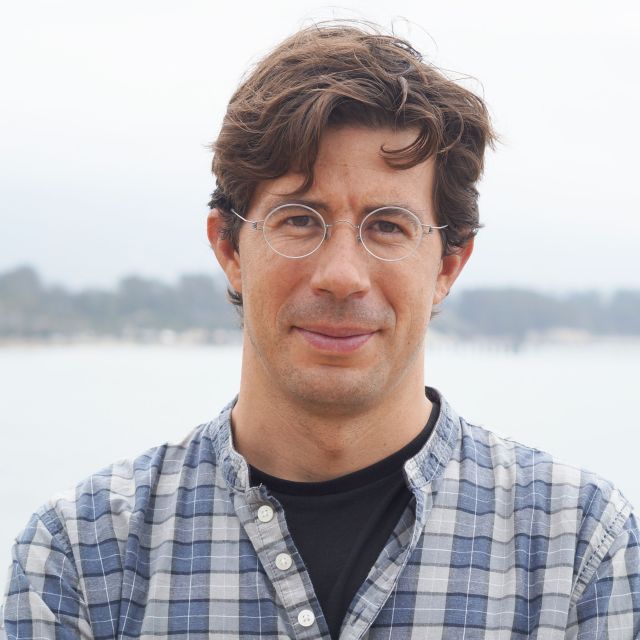
Hume Akahori Stroud is an Assistant Professor in the Department of Neuroscience at UT Southwestern Medical Center . He earned his B.A. from Cornell University and completed his Ph.D. at the University of California, Los Angeles, working on plant transposon regulation under Dr. Steven E. Jacobsen . His postdoctoral research at Harvard Medical School with Dr. Michael E. Greenberg focused on neuronal development. Education B.A., Cornell University Ph.D., University of California, Los Angeles Postdoctoral Research, Harvard Medical School The Stroud Lab investigates epigenetic gene regulation mechanisms in health and disease, particularly in neurological disorders and cancer . His research bridges plant epigenetics and mammalian neuronal epigenetics, focusing on DNA methylation, histone variants, and chromatin remodeling. His recent publications highlight studies on MeCP2 function in neuronal enhancers , microRNA-29 in brain maturation , and transcriptional transitions in postnatal neurons . Earlier work includes plant epigenetics, such as transposon silencing and histone variant roles in DNA methylation . Current projects in the lab explore how epigenetic disruptions affect neural circuits and contribute to disease, leveraging advanced genomic tools to map activity-dependent regulatory elements and develop cell-type-specific viral vectors.
Dr. Alex Reichenbach is a Research Fellow in the Department of Physiology at Monash University, specializing in neuroendocrinology and metabolic neuroscience. His work focuses on understanding how neural circuits, particularly AgRP neurons, integrate metabolic and stress signals to regulate energy balance, reward mechanisms, and behavioral responses. He leads multiple research projects funded by the Australian Research Council (ARC), including investigations into hypothalamic circuits linking stress and metabolism. Reichenbach’s research interests span metabolic sensing in AgRP neurons, ghrelin signaling pathways, and the role of neurocircuits in stress adaptation. He has contributed to advancements in neuroimaging tools (e.g., FiPhoPHA) and open-source devices for behavioral studies in rodents (FED3). Collaborations emphasize translational research, bridging basic neuroscience with implications for obesity, Parkinson’s dementia, and metabolic disorders. His publications highlight discoveries in stress-sensitive neurocircuits, metabolic regulation of dopamine signaling, and the interplay between hunger and learning. Current projects (2024–2026) aim to identify hypothalamic circuits that integrate stress and metabolic cues, with potential clinical relevance for stress-related metabolic disorders.
Charles L. Howe, Ph.D., is a Professor of Neurology and Neuroscience at Mayo Clinic College of Medicine and Science in Rochester, Minnesota. He serves as Chair of the Division of Experimental Neurology, Director of Research at the Center for Multiple Sclerosis and Autoimmune Neurology, and Director of the Office of Core Shared Services. His primary appointment is in the Department of Neurology, with a joint appointment in the Department of Immunology. Professor of Neurology, Mayo Clinic Professor of Neuroscience, Mayo Clinic Chair, Division of Experimental Neurology Director, Office of Core Shared Services Director of Research, Center for Multiple Sclerosis and Autoimmune Neurology Dr. Howe holds a Ph.D. in Neuroscience from the University of California, San Francisco, and completed research fellowships at Stanford University Medical Center and Mayo Clinic. His research is centered on neuroimmunology, particularly the immune mechanisms underlying multiple sclerosis, epilepsy, neuromyelitis optica, and axonal injury. His lab employs advanced techniques including iPSC-derived neural models, immunophenotyping, and in vivo imaging to explore how neuroinflammation damages neurons and axons. The research of Dr. Howe spans several critical areas in translational neuroimmunology. His lab investigates how immune responses contribute to axon injury in multiple sclerosis, develops stem cell-based strategies for personalized therapies, and studies the role of inflammatory monocytes in antigen trafficking. Recent work focuses on epilepsy’s neuroinflammatory basis, astrocyte reactivity in NMO, and mechanisms of neural circuit disruption. His publications reveal a strong emphasis on CD8+ T cell-mediated axonal damage, patient-specific immune profiling, and novel neuroprotective interventions. Dr. Howe has been recognized with several honors, including being a Fellow of the American Neurological Association and a charter member of the NIH’s Clinical Neuroimmunology and Brain Tumors study section. He also serves on the editorial boards of Scientific Reports , Neurobiology of Disease , and Journal of Neuroinflammation . In 2023, he received a research award from the Minnesota Partnership for Biotechnology and Medical Genomics. Dr. Howe leads an active research program funded by the NIH and the National Multiple Sclerosis Society. He mentors junior scientists and collaborates extensively with clinicians such as Gregory A. Worrell, M.D., Ph.D., and Claudia F. Lucchinetti, M.D. His lab, the Translational Neuroimmunology Laboratory, is equipped with cutting-edge tools including 4D microscopy, flow cytometry, and genetically engineered mouse models. Dr. Howe’s work aims to translate mechanistic insights into therapies that preserve neural function in autoimmune and inflammatory neurological diseases. The Translational Neuroimmunology Lab at Mayo Clinic is a multidisciplinary research environment focused on understanding and modulating immune responses in the central nervous system. The lab integrates basic science with clinical applications, working closely with the Center for Multiple Sclerosis and Autoimmune Neurology and the Stem Cell and Organoid Core. Current projects include investigating the role of cytotoxic T cells in axon injury, developing human iPSC-based disease models, and exploring immune effectors in seizure generation. The lab fosters collaboration across immunology, neurology, and bioengineering disciplines to advance patient care.
Dr. Jiaming Fu is an Assistant Professor in the Department of Mechanical Engineering at the University of West Florida, part of the Hal Marcus College of Science and Engineering. He is actively involved in teaching and research, focusing on robotics and dynamic systems. Education: Ph.D. in Technology (Robotics Track), Purdue University, 2024 M.S. in Mechanical Engineering, Columbia University, 2020 B.S. in Mechanical Engineering, Florida Institute of Technology, 2017 Dr. Fu's research centers on robotics, particularly collaborative and soft robotics, variable stiffness mechanisms, compliant design, grasping, control, and AI in mechanical systems. His work emphasizes safety and adaptability in human-robot interaction, with applications in manufacturing and healthcare. He has published extensively in high-impact journals such as ASME Journal of Mechanisms and Robotics and IEEE conferences including ICRA and ReMAR. His recent publications (2021–2024) highlight innovations in variable stiffness actuators, force sensing, rehabilitation robotics, and intelligent control. He holds multiple pending patents in robotic grippers and rehabilitation tools. Dr. Fu teaches Dynamic Systems and leads the BattleBots Enterprise Project, fostering hands-on learning. Scientific Awards: ASME Top Senior Award Dr. Fu actively contributes to the academic community as a reviewer for IEEE Transactions on Biomedical Engineering, IEEE Transactions on Circuits and Systems for Video Technology, ASME Journal of Mechanisms and Robotics, and conferences like IEEE BioRob, ICRA, and IDETC-CIE. He mentors students through research and project-based learning, though specific advisees are not listed. He has not received explicit grant mentions in the text, but his patent activity and publication record suggest funded research. He is involved in enterprise teams like BattleBots, promoting student innovation in robotics.
Daniele Marinazzo is a Full Professor in the Department of Data Analysis at Ghent University (Belgium), with a background in statistical physics and a focus on computational neuroscience and complex systems. He serves as Deputy Editor at PLOS Computational Biology , Co-Editor-in-Chief at Neurons, Behavior, Data Analysis, and Theory , and academic editor at Network Neuroscience and Imaging Neuroscience. His work spans theoretical physics, neuroscience methodology, and experimental neurophysiology. Academic Affiliation: Ghent University (Belgium) Editorial Roles: 3+ journals Research Initiatives: EBRAINS representative Research Interests combine computational neuroscience, complexity science, and network analysis. He investigates higher-order interactions in brain networks, synergistic information processing, and methodological advancements in neuroimaging. Recent work includes MEG/EEG analysis, gene expression modeling, and developing open-source tools like SPM-Python. Scientific Contributions include 15+ recent publications on topics ranging from individual brain fingerprinting to multisensory integration models. His work appears in venues like Nature Communications , Physics of Life Reviews , and Entropy , with methodological innovations in hidden factor localization and network synchronization analysis. Current projects include PhD/postdoc recruitment for fast-sampled fMRI analysis and organizing the Erice workshop Higher-Order Interactions: Mechanisms, Behaviors, and Networks (August 2025).
Dr. Emily E. Noble serves as Associate Professor in the Department of Nutritional Sciences within the University of Georgia's College of Family and Consumer Sciences, where she directs the Nutritional Neuroscience Laboratory. Her research employs rodent models to investigate brain mechanisms controlling feeding behavior, energy balance, and diet-cognition relationships, with particular focus on obesity development and Western diet impacts. Her academic credentials include: PhD in Nutrition, University of Minnesota (2014) MS in Nutrition, University of Minnesota (2010) BA in Natural Science, Hampshire College (2001) Dr. Noble's research program examines neural signaling pathways regulating eating behaviors, body weight control mechanisms, and the cognitive consequences of adolescent nutrition and Western diets. Her laboratory investigates how dietary components alter hippocampal function and memory processes through gut-brain axis interactions, utilizing behavioral paradigms and neurobiological techniques to map neural circuits involved in food motivation and impulsivity. Current projects explore food insecurity effects, cannabinoid signaling, and developmental programming of obesity. Analysis of her 15 most recent publications reveals consistent thematic focus on nutritional neuroscience with strong emphasis on developmental windows (adolescence/early life), sex differences, and translational mechanisms linking diet to neural function. Her work spans molecular neuroendocrinology (leptin, oxytocin, MCH systems), behavioral phenotyping (food impulsivity, memory tests), and metabolic outcomes, demonstrating interdisciplinary integration of nutrition science and neuroscience. Her scientific recognition includes: Fellow of The Obesity Society (2023) Charles B. Knapp Early Career Scholar Award (2022) Bioserv Award in Experimental Animal Nutrition (2022) Multiple early-career awards from UGA and professional societies Dr. Noble actively mentors undergraduate researchers (evidenced by FACS Mentoring Award) and graduate students through FDNS 6900/8900 seminars. Her research is supported by grants from The Obesity Society and American Society for Nutrition, with recent funding recognizing innovative approaches to ingestive behavior research. She serves on editorial boards for Obesity Reviews and Physiology & Behavior , and holds leadership positions in The Obesity Society (Basic Science Representative) and Society for the Study of Ingestive Behavior. The Nutritional Neuroscience Laboratory maintains active rodent facilities for behavioral testing and neurobiological analysis, with current projects examining adolescent dietary interventions, astrocyte-neuron interactions in feeding circuits, and translational models of diet-induced cognitive impairment. Dr. Noble's team collaborates with exercise physiologists and microbiome researchers to investigate multi-system interactions in metabolic health.
Athanassios G. (Thanos) Siapas is a Professor of Computation and Neural Systems at the California Institute of Technology (Caltech). He holds the Bren Scholar distinction (2003-2008) and served as Executive Officer of the Computation and Neural Systems department from 2017-2020. His research focuses on understanding neural network mechanisms underlying learning and memory, particularly the interplay between hippocampal and neocortical circuits during memory consolidation. His work employs multi-electrode recordings, two-photon imaging, and theoretical models to study neuronal interactions in awake animals. Key achievements include developing novel neural recording technologies and being named a Vannevar Bush Faculty Fellow (2015) and recipient of the NIH Pioneer Award (2011). He teaches core courses such as CNS 100 and advanced topics in systems neuroscience. Current projects include investigating hippocampal CA3 dynamics during ripples, subthreshold membrane potential fluctuations, and the role of inhibition in memory processing. His lab's interdisciplinary approach combines experimental neuroscience with computational methods, aiming to bridge gaps between neural circuits and cognitive functions. Ongoing efforts focus on advancing neurotechnology for dense 3D brain recordings and understanding cortical-hippocampal coordination during memory formation.
Karin Roelofs is a Full Professor of Experimental Psychopathology at Radboud University, affiliated with the Behavioural Science Institute (BSI) and the Donders Institute: Centre for Cognitive Neuroimaging (DCCN). She previously held positions as Associate Professor at Leiden University (2007–2011) and Assistant Professor (2002–2006). Her clinical registrations include certifications as a Cognitive Behavioral Therapist (2004) and Healthcare Psychologist (2001). Education & Early Career: PhD student at Radboud University (1997–2001), focusing on cognition and information processing. Junior Researcher at the NIH (USA, 1996–1997), Pediatric Branch. Research Interests: Her work bridges cognitive neuroscience, psychopathology, and neuroendocrinology. Key areas include: Neuroendocrine mechanisms in social affective disorders. Neural control of defensive behaviors (e.g., freezing). Effects of stress hormones on cognition and emotion regulation. Testosterone’s role in social and emotional behaviors. Awards & Recognition: 2017: NIAS selection panel member. 2015: Radboud Science Award and Young Academy of Europe membership. 2013: Editors' Choice Award from the Organization for Human Brain Mapping. Grants & Funding: Secured over €5.3 million in competitive grants, including: ERC Starting Grant (€1.5M). NWO Vici Grant (€1.5M). Multiple fellowships from Netherlands Brain Foundation and other agencies. Labs & Teams: Leads research at the epanlab (http://www.epanlab.nl), focusing on neural mechanisms of emotion and action control.
Wayne Pratt is a Professor of Psychology at Wake Forest University, specializing in the neuropharmacological mechanisms underlying feeding behavior, motivation, and reward processing. His research focuses on the interactions between neurotransmitter systems (dopamine, serotonin, opioids) and brain regions (nucleus accumbens, ventral tegmentum) that regulate food intake, binge eating, and effort-based decision-making. Key Research Areas: Behavioral neuroscience, neuropharmacology, reward circuitry, obesity neurobiology Methodological Expertise: Rat models, receptor stimulation/blockade, effort-based choice tasks, reinstatement paradigms Recent work examines how mu opioid and GLP-1 receptors modulate binge-like consumption, while earlier studies characterized serotonin receptor subtypes (5-HT2C, 5-HT6) in reward valuation. His findings contribute to understanding the neural basis of eating disorders and obesity. Selected Collaborations: Investigated pharmacological agents (lorcaserin, D-fenfluramine) for anti-obesity properties, and explored corticostriatal-hypothalamic integration of energy balance and reward.
Florian Engert serves as Professor of Molecular and Cellular Biology at Harvard University, leading an active neuroscience laboratory focused on understanding neural circuit function using larval zebrafish as a model organism. His research program investigates how biological structures produce complex behaviors through comprehensive analysis of simple neural circuits. Engert teaches multiple advanced neuroscience courses including MCB 105 (Systems Neuroscience), MCB 366 (Synaptic Plasticity and Neuronal Networks), and specialized seminars on conscious perceptual experience. His primary research interests encompass: Movement Behavior and neural circuit dynamics Circuit Function and organization in the vertebrate brain Circuit Structure and connectivity patterns Systems neuroscience approaches to behavior Synaptic plasticity mechanisms Engert's laboratory employs cutting-edge methodologies including two-photon microscopy, calcium imaging, voltage imaging, and sophisticated behavioral assays to monitor neural activity throughout the brain during various behaviors in awake, intact zebrafish preparations. His team has developed quantitative learning assays and tools for in vivo monitoring and manipulation of neural activity during complex behaviors. Analysis of his recent publications reveals a strong trajectory toward understanding how neural circuits control behavior across multiple domains - from visually evoked escape responses and habituation to social interactions and decision-making processes. His 2024-2025 work shows increasing focus on astroglial signaling mechanisms, neuromodulation by norepinephrine, and pharmacological effects on neural circuits. Breakthrough of the year in neurosciences by Science magazine (1999) Extensive publication record in top journals including Nature, Science, and Neuron Recent perspective in Nature Neuroscience Reviews challenging traditional views of learning and memory Dr. Engert actively mentors a diverse research team including graduate students, postdoctoral researchers, and undergraduate students. His laboratory includes graduate student Alex Chen, clinician-scientist postdoc Farhana Akter, and several specialized student teams. Notably, Mariela Petkova leads the SCION (Summer Connectomics Internship for Outreach Neuroscience) program focused on fish connectomics. Other team members include Joana Avrami studying integration and decision making, Alina Hebling (visiting Master's student from Germany), Morgan Phillips (research fellow), and Hillary Jean-Gilles examining social interactions. Outside academia, Engert recently participated in the Clipper Around the World Race during 2023-2024, demonstrating his adventurous spirit through competitive sailing while maintaining laboratory operations through administrative support from Entela Nako.
Ibrahim Eke serves as an Associate Professor in the Department of Electrical and Electronic Engineering within the Faculty of Engineering and Natural Sciences. His academic work centers on advancing power system stability and optimization through innovative computational methods, with primary affiliations spanning electrical engineering research and education. Professor Eke's research spans critical areas of electrical power engineering including economic load dispatch, load frequency control, voltage stability, and renewable energy integration. He specializes in developing heuristic optimization algorithms such as Electric Fish Optimization, Chaotic Particle Swarm, and Vortex Search to solve complex power system problems involving time delays, multi-area networks, and renewable integration challenges. His methodology consistently bridges theoretical algorithm development with practical power grid applications. Analysis of his 15 most recent publications (2020-2024) reveals three dominant research trajectories: (1) Mitigation of communication time delays in load frequency control using fractional-order PID controllers and neural networks, (2) Development of hybrid optimization techniques (Taguchi-Vortex, Chaotic PSO) for combined heat-power economic dispatch, and (3) Integration of electric vehicles and energy storage systems into frequency regulation frameworks. His work demonstrates increasing focus on renewable-heavy grid stability amid evolving power system architectures.
Steven A. Rasmussen, MD, MMS is Professor of Psychiatry and Human Behavior and Chair of the Department of Psychiatry and Human Behavior at the Alpert Medical School of Brown University. He has been repeatedly listed among the Best Doctors in America and is one of the most Highly Cited researchers in Psychiatry. Dr. Rasmussen has served as Medical Director at Butler Hospital from 1998-2012 and continues to be an internationally recognized expert in obsessive-compulsive disorder (OCD). Dr. Rasmussen received his MMS and MD from Brown Medical School in 1977 as a member of the second graduating class of the PLME program. He completed his psychiatry residency at Yale in 1983, followed by a two-year obligation with the National Health Services Corps in North Kingdom Vermont. He joined the Brown faculty and Butler Hospital in 1983, where he has remained throughout his distinguished career. His primary research focuses on the course and treatment of OCD, with particular expertise in neurosurgical approaches to intractable OCD and depression, and the neurocircuitry of OCD. His recent publications demonstrate a strong emphasis on longitudinal studies of OCD symptom stability, genetic underpinnings of OCD, neural circuitry investigations using advanced neuroimaging techniques, and neurosurgical interventions including deep brain stimulation and gamma capsulotomy. Best Doctors in America Highly Cited Researcher in Psychiatry Dr. Rasmussen currently leads multiple major research initiatives, including four R01 grants from the NIMH. His work encompasses studies of the longitudinal course of OCD, neurosurgical approaches to treatment, understanding the neurocircuitry underlying DBS effects in OCD, and a genome-wide association study of OCD. He directs the Brown Longitudinal Obsessive Compulsive Study (BLOCS), tracking 400 OCD patients over many years, and co-founded the OCD Collaborative Genetics Group which has conducted extensive genetic research on OCD. As a leader in developing bridges between campus-based and hospital-based brain science faculty at Brown University, Dr. Rasmussen has pioneered translational research approaches that integrate clinical observation with basic neuroscience. His work on gamma capsulotomy and deep brain stimulation has provided critical insights into prefrontal cortical function in humans while offering hope to patients with otherwise untreatable OCD.
Shang Mu serves as Assistant Professor of Research in Neuroscience at the Brain and Mind Research Institute, Weill Cornell Medical College since 2022. His work focuses on high-resolution neural circuit mapping using advanced connectomics techniques, particularly in mouse visual cortex and human brain disorders. His educational background includes: Ph.D. in Biomedical Engineering from University of Florida (2010) B.Eng. in Biomedical Engineering from Beijing University, China (2005) Dr. Mu's research spans connectomics, neural circuit architecture, and computational neuroscience. He investigates synaptic organization, inhibitory specificity, and wiring rules in cortical circuits using electron microscopy and machine learning. His work has significant implications for understanding neurological diseases including stroke and glioblastoma. Key methodologies involve large-scale image analysis, transcriptomic integration, and development of open-source tools for connectome annotation. Analysis of his 15 most recent publications (2024-2025) reveals a dominant focus on mouse visual cortex connectomics, with emerging work on human brain disorders. Major themes include inhibitory circuit specificity, dendritic morphology mapping, and computational tool development (CAVE, NEURD). His research demonstrates consistent high-impact output in top journals like Nature and Cell , often featuring collaborative, interdisciplinary approaches combining neuroscience, genomics, and computer science. No scientific awards are documented in the provided materials. Information regarding student advising, grant funding, or specific laboratory teams is not available in the current dataset. His research is conducted within the Brain and Mind Research Institute infrastructure at Weill Cornell Medical College.
Matthieu Louis is an Associate Professor at the University of California Santa Barbara, affiliated with the Department of Molecular, Cellular, and Developmental Biology. His research focuses on understanding how odor tracking (chemotaxis) emerges from neural-circuit computations in the Drosophila melanogaster larva, which has fewer than 10,000 neurons organized in a central brain. Education: BA/MA in Theoretical Physics (Free University of Brussels), PhD in Systems Biology (University of Cambridge), Postdoctoral training (Rockefeller University, EMBL-CRG Systems Biology Unit). His interdisciplinary approach combines molecular neurogenetics, bioengineering, and physics-based modeling to unravel the algorithms guiding navigation in odor gradients and the neural implementation of these processes. The lab aims to map and characterize neural circuits converting olfactory information into navigational decisions, with long-term comparative studies across Drosophila species. Recent publications emphasize sensory processing, neural dynamics, and computational modeling in chemotaxis. Key themes include olfactory perception, decision-making algorithms, sensorimotor integration, and evolutionary neuroethology. Scientific Awards : EMBL Pre-doctoral Fellowship NIH Brain Initiative Grant His lab mentors graduate and undergraduate students, emphasizing computational methods, experimental neuroscience, and collaborative research at the intersection of biology, physics, and engineering.
George R. Mangun is a Distinguished Professor of Psychology and Neurology at the University of California, Davis, serving as Director of the Center for Mind and Brain and leading the NIH-supported Laboratory for the Neural Mechanisms of Attention. He founded the Center for Mind and Brain in 2002 and served as Dean of Social Sciences in the College of Letters & Science from 2008-2015. His educational background includes: Ph.D. in Neurosciences (Cognitive Neuroscience), University of California, San Diego (1987) B.S. in Chemistry (and Life Sciences), Northern Arizona University (1981) Mangun's research investigates the cognitive neuroscience of attention, using EEG and fMRI to study how the brain selects and processes sensory information. His work focuses on neural mechanisms of attentional control, visual perception, and awareness, with applications to neurological and psychiatric disorders. He employs high-temporal-resolution electrophysiological methods combined with neuroimaging to identify brain systems involved in attention. Recent publications emphasize neural oscillatory mechanisms (particularly alpha and theta rhythms) in top-down attentional control, decoding attentional states via machine learning, and exploring large-scale brain networks in voluntary attention. His work increasingly integrates cross-modal and feature-based paradigms to understand attentional flexibility. His scientific honors include: Elected Fellow of the Association for Psychological Science (APS) (2007) Elected Fellow of the American Association for the Advancement of Science (AAAS) (2010) Mangun directs the Kavli Summer Institute in Cognitive Neuroscience (funded by NIMH, NIDA, and Kavli Foundation) and has secured continuous NIH support for his laboratory. He has served on numerous national and international advisory boards including NIH, National Academy of Sciences, and European Research Council. His textbook Cognitive Neuroscience: The Biology of the Mind (5th ed., 2019) is a field standard. He leads the Center for Mind and Brain and Laboratory for the Neural Mechanisms of Attention, fostering interdisciplinary research in cognitive neuroscience through collaborative projects and training programs.