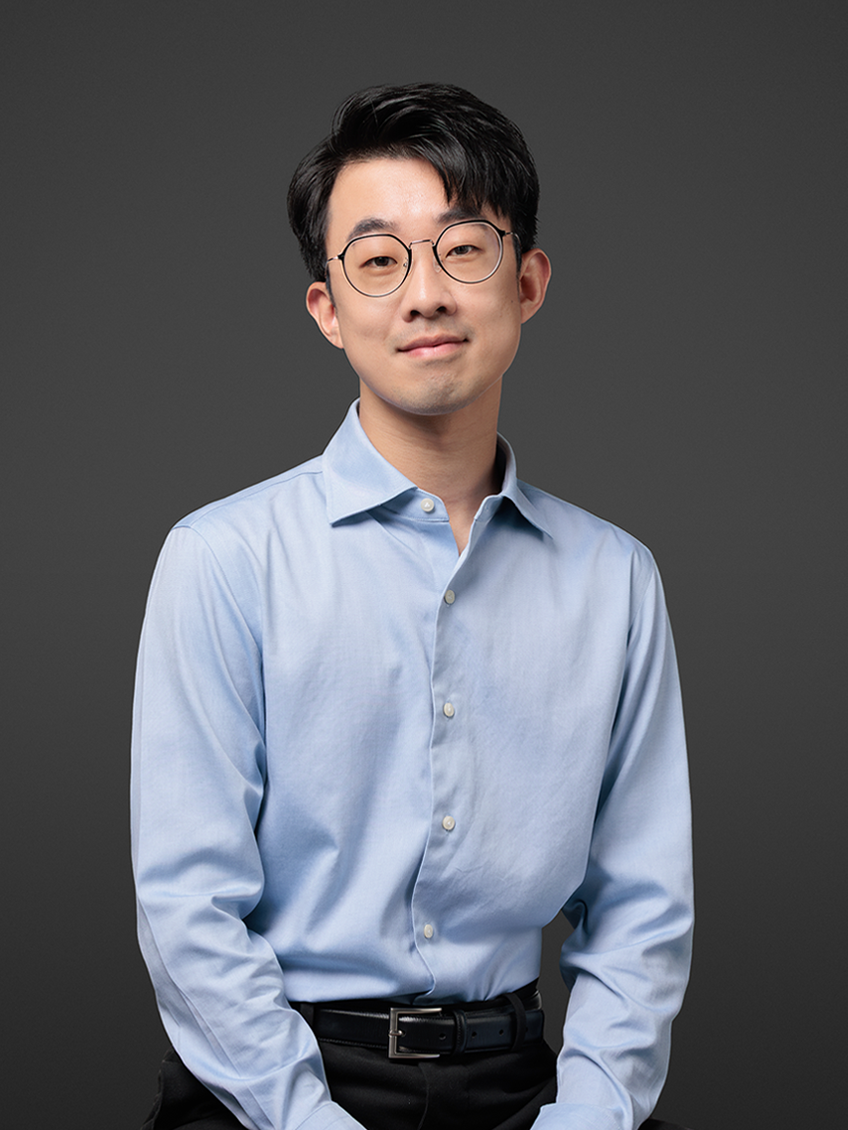
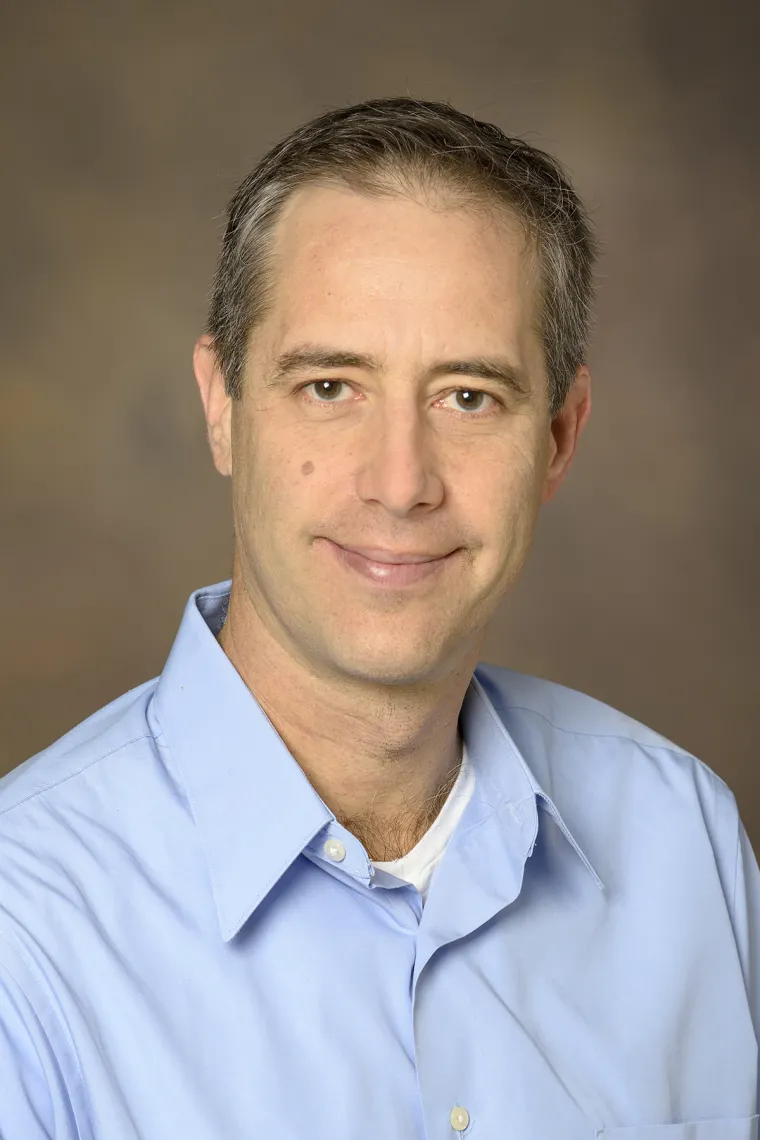
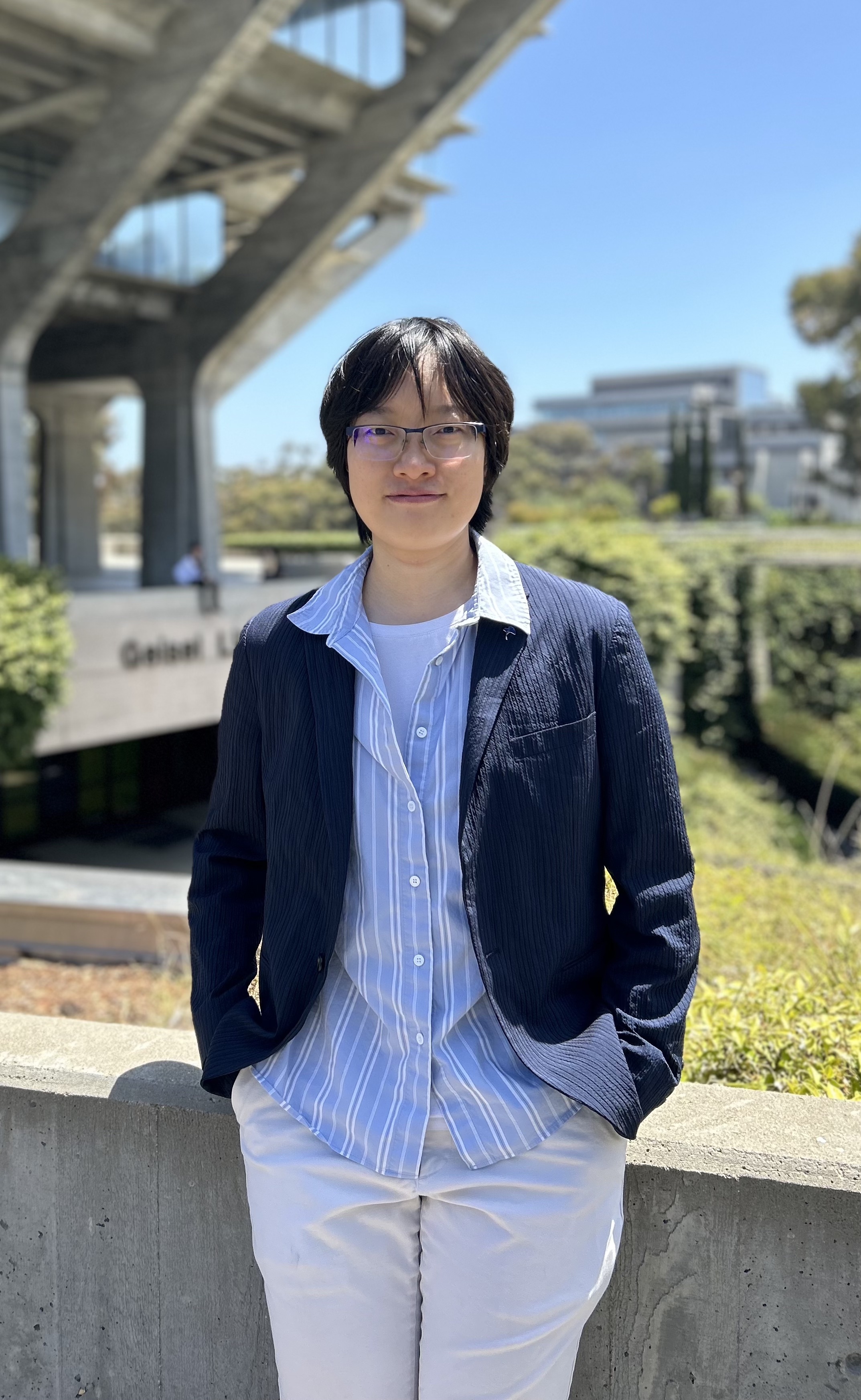
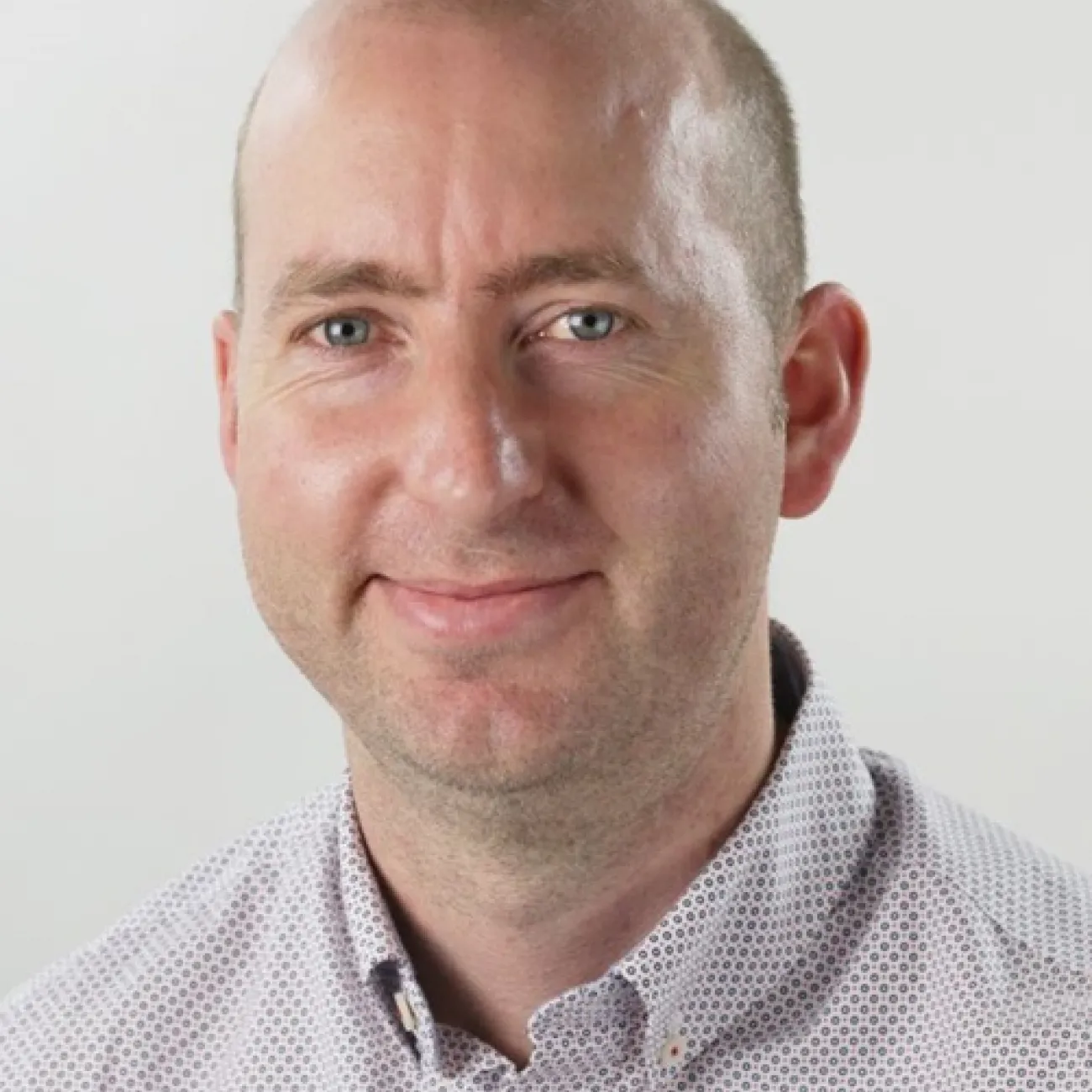
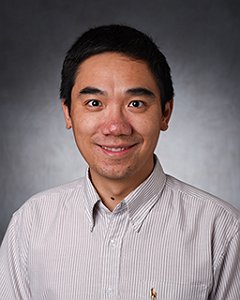
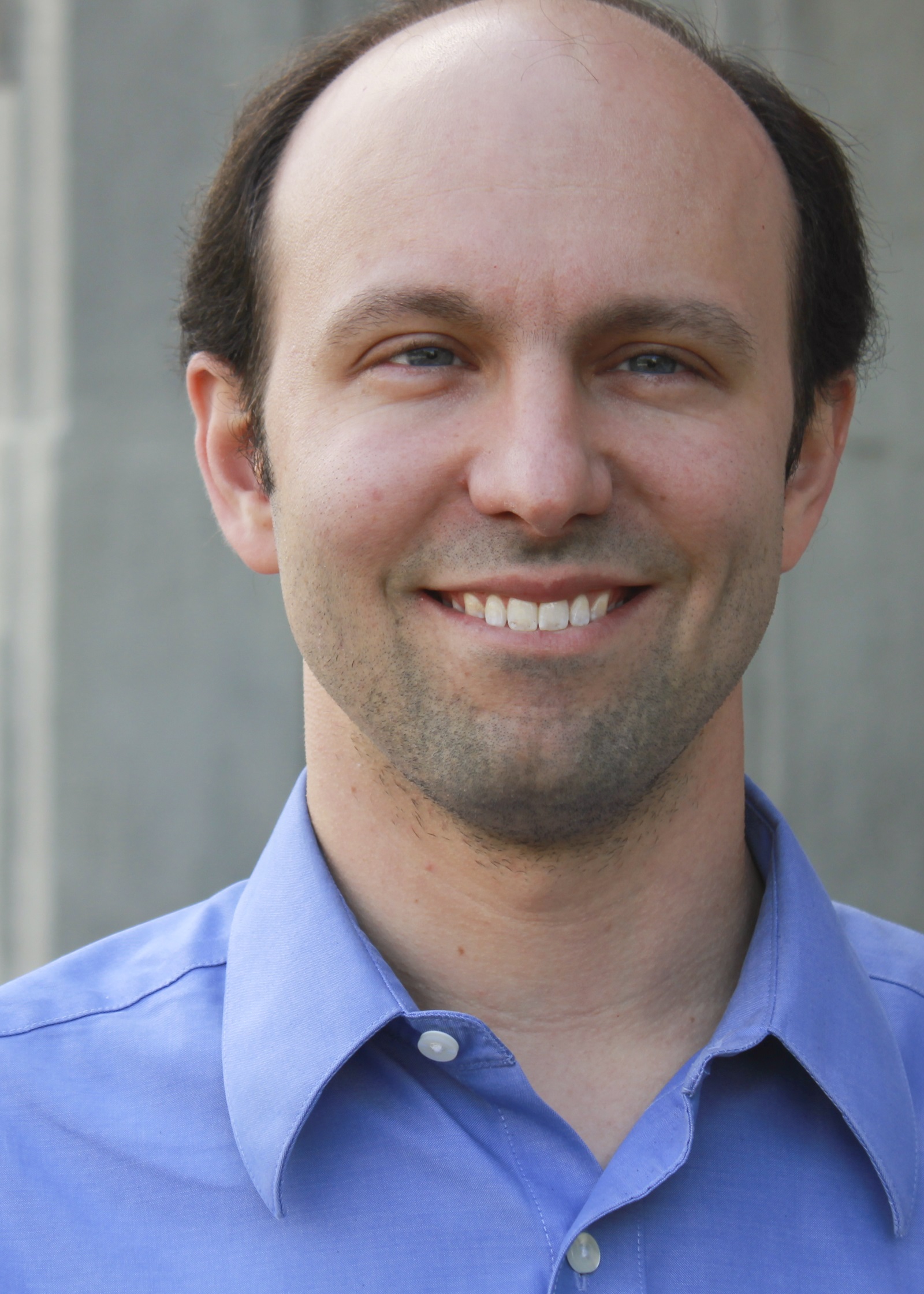
Mikkel N. Schmidt is an Associate Professor in the Department of Applied Mathematics and Computer Science at the Technical University of Denmark (DTU). His research focuses on statistical modeling, Bayesian methods, and their applications in science and industry. He has held visiting roles at Columbia University (2007) and Cambridge University (2008-2009). His work integrates probabilistic modeling with computational inference to address complex problems in diverse fields such as molecular discovery, optical communication, and brain connectivity analysis. Education highlights include visiting scholar and postdoctoral experiences at top-tier institutions. Research interests span statistical methodology development, machine learning applications, and interdisciplinary problem-solving. Current projects involve Bayesian neural networks for molecular discovery and federated learning optimization. Advising efforts include supervising multiple PhD students in areas like molecular discovery and denoising diffusion models. Notable collaborations involve work on materials science, quantum communication, and medical signal processing. His contributions bridge theoretical advancements with practical industrial applications, emphasizing interdisciplinary innovation.
Luigi Acerbi is an Associate Professor in the Department of Computer Science at the University of Helsinki, where he leads the Machine and Human Intelligence research group. He is also an active member of the Finnish Center for Artificial Intelligence (FCAI) and ELLIS (European Laboratory for Learning and Intelligent Systems). His research focuses on probabilistic machine learning and computational neuroscience, particularly on developing efficient methods for statistical inference, Bayesian models of perception, and resource-constrained rationality. His work bridges machine learning and cognitive science, with applications in Bayesian optimization, simulation-based inference, and image completion. The recent publications highlight a strong trend toward unifying probabilistic conditioning across diverse tasks using transformer-based meta-learning frameworks like the Amortized Conditioning Engine (ACE). These works emphasize amortized inference, flexible latent variable modeling, and the integration of prior knowledge at runtime, enabling efficient and scalable Bayesian methods for complex problems. Scientific Affiliations: University of Helsinki, Department of Computer Science Finnish Center for Artificial Intelligence (FCAI) ELLIS (European Laboratory for Learning and Intelligent Systems) Education: PhD in Computational Neuroscience, Doctoral Training Centre, Edinburgh, UK Advisor: Sethu Vijayakumar and Daniel Wolpert Visiting work at Computational and Biological Learning Lab, Cambridge Postdoctoral Experience: Alex Pouget’s lab, University of Geneva, Switzerland Wei Ji Ma, New York University, USA Collaboration with the International Brain Laboratory Luigi Acerbi mentors PhD students including Daolang Huang and Nasrulloh Loka, and collaborates widely with researchers such as Samuel Kaski. He has contributed to open-source tools like PyVBMC and is involved in community initiatives such as the EurIPS conference. His work is supported by grants from the Research Council of Finland, Business Finland, and the UKRI Turing AI World-Leading Researcher Fellowship. He leads a research lab focused on amortized probabilistic inference, with ongoing projects including PriorGuide and Stacked VBMC, aiming to make Bayesian methods more practical and accessible for real-world scientific and engineering applications.
Dr. Jason Gibbs is an Associate Professor in the Department of Entomology at the University of Manitoba, Faculty of Agricultural and Food Sciences. He also serves as the Curator of the J. B. Wallis / R. E. Roughley Museum of Entomology (WRME), a significant center for the study of bee biodiversity. His work is central to advancing knowledge in wild bee systematics, phylogenetics, and conservation. PhD in Biology, York University, Canada MSc in Botany, University of Toronto, Canada BSc in Biological Sciences, University of Toronto Scarborough, Canada His research focuses on the diversity, taxonomy, and conservation of wild bees , particularly halictid and panurgine bees. He employs integrative taxonomic approaches , combining morphological, molecular, and ecological data to resolve species boundaries and evolutionary relationships. His work extends to pollinator ecology , examining how habitat management, agricultural practices, and landscape changes affect bee communities and pollination services. He is deeply involved in bee conservation , including the rediscovery of rare species and the development of habitat strategies to support pollinators in human-modified landscapes. The trends in his recent publications reveal a strong emphasis on systematics and alpha-taxonomy , with numerous revisions of bee genera and checklists of regional faunas. He frequently uses DNA barcoding and phylogenomics to address taxonomic challenges. Additionally, his work explores pollination dynamics in agricultural systems , particularly in blueberry and other crops, assessing the roles of wild versus managed bees. There is a consistent theme of habitat enhancement and conservation across his research, with studies on floral strips, prairie restoration, and the impacts of land-use change. Dr. Gibbs is actively involved in mentoring and training the next generation of entomologists. His lab includes several graduate students and highly qualified personnel who contribute to his diverse research projects, as indicated by the asterisked names in his publications. He leads the Gibbs Wild Bee Lab, which is dedicated to understanding bee diversity and evolution. The lab combines field research with molecular and morphological analyses, and maintains close ties with the WRME museum, which serves as a vital resource for specimen-based research and education.
Dr. Wenxuan Zhang is a tenure-track Assistant Professor at the Information Systems Technology and Design (ISTD) Pillar of Singapore University of Technology and Design (SUTD), supported by the prestigious SUTD Assistant Professorship (SAP) award. He holds a PhD from The Chinese University of Hong Kong and previously worked as a research scientist at Alibaba Group Singapore. His research focuses on advancing large language models (LLMs) to be both inclusive (supporting multilingual capabilities) and trustworthy (ensuring safety and robustness). Key projects include SeaLLMs (specialized for Southeast Asian languages), Babel (serving 90% of global speakers), and M3Exam (LLM evaluation framework). Education: PhD in Computer Science, The Chinese University of Hong Kong Previous roles: Research Scientist at Alibaba Singapore (2022) Research Interests: Multilingual LLMs, AI safety, model evaluation, and cross-lingual adaptation. He leads projects addressing LLM trustworthiness through safety mechanisms and fair evaluation practices. Awards & Recognition: SUTD Assistant Professorship (2025) Alibaba Star (2022) ITU Best Innovate for Impact Award (2024) Service & Leadership: Area Chair for NeurIPS 2025, ACL 2025, and multiple other top conferences. Actively contributes to program committees for conferences like ICLR and EMNLP. Current Projects: Multilingual LLMs, model compression, safety frameworks, and evaluation methodologies. Openings for PhD/Postdoc researchers in these areas.
Helge Langseth is a Professor at the Department of Computer Technology and Informatics , within the Faculty of Information Technology and Electrical Engineering at the Norwegian University of Science and Technology (NTNU). His research focuses on Artificial Intelligence , Machine Learning , and Probabilistic Graphical Models , particularly Bayesian Networks and their applications in Decision Support Systems . Langseth's work addresses Explainable AI (XAI) , Reinforcement Learning , and Recommender Systems . He has contributed to Bayesian Optimization , Probabilistic Modeling , and Robotic Control in oceanic environments. His recent publications emphasize transparency , fairness , and scalability in AI systems, with applications spanning maritime trade, migraine diagnosis, and power grid management. He is affiliated with the Intelligent Systems Research Group at NTNU and actively mentors doctoral and master's students. Co-authored works with Yanzhe Bekkemoen , Sverre Herland , and Jørgen Hanssen reflect his role in advising the next generation of AI researchers.
Russell S. Witte, PhD, is a Professor at the University of Arizona, jointly appointed in the departments of Medical Imaging, Optical Sciences, Biomedical Engineering, Surgery, and Neurosurgery. He is also a Professor at the BIO5 Institute and leads the Experimental Ultrasound & Neural Imaging Lab (EUNIL). His interdisciplinary work bridges physics, engineering, and medicine to develop innovative imaging technologies for diagnosing and treating neurological, cardiac, and oncological conditions. Education: PhD, Arizona State University, 2002 MS, Arizona State University, 2000 BS (Honors), Physics, University of Arizona, 1993 Dr. Witte's research centers on hybrid imaging modalities that combine ultrasound with light, microwaves, and electrical signals. His lab pioneers techniques such as photoacoustic imaging, acoustoelectric imaging, and elasticity mapping to visualize tissue function and mechanics deep within the body. These methods have transformative potential in functional brain imaging, cardiac electrophysiology, and early cancer detection. He is particularly interested in leveraging nanotechnology and smart contrast agents to enhance imaging specificity and therapeutic efficacy. His research program reflects a strong trend toward multimodal, physics-driven biomedical imaging, with applications spanning neuroscience, cardiology, and oncology. By integrating principles from biomedical engineering, optics, and applied mathematics, his work aims to bridge the gap between fundamental science and clinical translation. Scientific Affiliations and Memberships: Arizona Cancer Center Sarver Heart Center School of Mind, Brain, and Behavior Neuroscience Graduate Interdisciplinary Program Applied Mathematics Graduate Interdisciplinary Program Biomedical Engineering Graduate Interdisciplinary Program Dr. Witte is deeply committed to training the next generation of interdisciplinary scientists. He actively mentors students and encourages collaboration across engineering, medicine, and industry. His lab fosters a creative environment for dreamers, problem solvers, and innovators aiming to make transformative discoveries at the intersection of physics and medicine. He has established strong collaborative networks across the Colleges of Engineering, Optical Sciences, and Medicine, facilitating translational research with real-world clinical impact. Dr. Witte leads the Experimental Ultrasound & Neural Imaging Lab (EUNIL), a multidisciplinary research team dedicated to developing and refining cutting-edge imaging technologies. The lab focuses on translating novel physical principles into practical tools for disease diagnosis and treatment monitoring, particularly in chronic tendon disorders, arrhythmias, and breast cancer.
James A. Evans is the Max Palevsky Professor of Sociology and Data Science at the University of Chicago, where he is a faculty member in the Department of Sociology within the Division of the Social Sciences. He is the director of Knowledge Lab and the Faculty Director of the Masters Program in Computational Social Science . He holds additional affiliations as an External Professor at the Santa Fe Institute , External Faculty at the Complexity Science Hub, Vienna , and Visiting Faculty Researcher at Google . Education: B.A. in Anthropology, Brigham Young University (1994) M.A. in Sociology, Stanford University (1999) Ph.D. in Sociology, Stanford University (2004) His research centers on the collective system of thinking and knowing , exploring how ideas emerge, spread, and evolve through social and technical systems. He investigates innovation, collective intelligence, and the science of science , using large-scale data modeling, machine learning, generative AI, and network analysis to study knowledge creation. His work spans domains including science, technology, law, and religion, with a focus on how AI is reshaping discovery processes. The most recent publications highlight trends in AI and scientific discovery , with a strong emphasis on innovation, knowledge systems, and human-machine intelligence . His research increasingly explores AI as a transformative agent in science , including the concept of 'alien intelligence' and the development of complementary AI to augment human capacity. Projects like the $20M NSF-funded APTO initiative aim to build language models that predict technological outcomes by analyzing historical data. Scientific Recognition and Funding: Research supported by the National Science Foundation (NSF) , National Institutes of Health (NIH) , Air Force Office of Scientific Research (AFOSR) , and philanthropic sources Work published in Nature, Science, PNAS , and leading social science journals Featured in The New York Times, The Economist, The Atlantic, Wired, NPR, BBC, Le Monde , and others James Evans advises on science policy and funding strategies, emphasizing the importance of diversity, interdisciplinary collaboration, and demographic balance in fostering innovation. He critiques current academic incentives and proposes alternative discovery regimes. He leads Knowledge Lab , a collaborative research environment that conducts seminars, grants, and employment opportunities in computational social science and AI.
Amir Rahmati is an Assistant Professor in the Department of Computer Science at Stony Brook University , where he directs the Ethos Security and Privacy Lab and contributes to the Stony Brook National Security Institute . His research focuses on system security , with specific emphasis on the security and privacy challenges of emerging technologies such as IoT , AR , and ML systems . Teaching: Instructor of SBU102: Computer Security (Spring 2025) Collaborations: Frequent collaborations with institutions like University of Michigan, University of Toronto, and IEEE/USENIX conferences. Rahmati’s research addresses security vulnerabilities in resource-constrained devices and real-world ML applications. His work includes adversarial robustness in neural networks, attack synthesis on medical devices, and privacy-preserving frameworks for IoT ecosystems. Trends in his publications reveal a focus on practical system design to mitigate security threats in cyber-physical systems , augmented reality , and blockchain technologies . Prospective students: Rahmati seeks researchers with expertise in hardware/software, machine learning, network protocols, and security to tackle system-stack challenges in his lab.
Pavan Turaga is a Professor and Founding Director of The GAME School at Arizona State University (ASU), with a joint appointment in the School of Electrical, Computer and Energy Engineering (ECEE). They lead transdisciplinary research and education initiatives spanning gaming, esports, AI-enabled media creation, computer vision, and geometric modeling. Ph.D., Electrical Engineering, University of Maryland (2009) B.Tech., Electronics and Communication Engineering, IIT Guwahati (2004) Research focuses on integrating geometry and topology with machine learning , enabling advancements in: Computer vision for human activity recognition Generative AI for immersive media Health analytics and wearable rehabilitation systems AI ethics and pandemic prediction Key publications span CVPR (2023 spotlight paper PolyINR ), DLGC workshop (2023 best paper), and ICML (2019 work on GAN priors). Recent work explores LMMs , 3D human modeling , and AI for pandemic preparedness . Scientific accolades include: ASU Founders' Day Research Excellence (2025) NSF CAREER award (2015) CVPR 2023 Spotlight paper 2024 X-Prize (Rainforest Challenge) Directed research for students like Rajhans Singh and Ankita Shukla, securing grants from NSF , DARPA , and industry partners (Adobe, Google ATAP). Founded the Geometric Media Lab , emphasizing interdisciplinary collaborations with mathematicians, health scientists, and media artists.
Xiaofan Yu is an Assistant Professor in the Department of Electrical Engineering at the University of California, Merced. He holds a Ph.D. (2025), M.S. (2020), and B.S. (2018) from the University of California, San Diego and Peking University, respectively. His research focuses on embedded systems , edge AI , and neuromorphic computing , with applications in IoT, federated learning, and hyperdimensional computing. ML&Systems Rising Star (2024) CPS Rising Star (2023) EECS Rising Star (2022) His work addresses on-device AI for real-world IoT deployments, reliability-driven sensor networks , and next-generation edge intelligence . Recent publications highlight advancements in federated learning (TIOT 2025), multimodal sensor interaction (IMWUT 2025), and noise-resilient sensor systems (Sensors 2024). Key subfields include hyperdimensional computing , asynchronous distributed training , and resource-efficient edge models . Dr. Yu actively mentors students across institutions and programs, including the Early Research Scholarship Program (UCSD) and ENLACE Summer Research Program. He has advised projects on smart elderly monitoring , LLM-based sensor reasoning , and hyperdimensional algorithm optimization . Collaborations span UCSD, TUM, and Stanford, with industry partnerships in IoT design automation (RelIoT simulator) and biomedical applications (bladder fullness restoration system).
Professor David J. Thomson is a Professorial Fellow in the Optoelectronics Research Centre (ORC) at the University of Southampton, holding a prestigious Royal Society University Research Fellowship. He pioneers photonics research for computing applications and LIDAR systems, commanding over £10 million in research funding and leading a 12-member team focused on novel photonic device development and electronic integration. Thomson's research centers on silicon photonics and optical computing, with critical advancements in high-speed optical modulators, photonic integrated circuits, and LIDAR technologies. His work drives innovations in programmable photonics using phase-change materials and the co-integration of photonic and electronic systems, enabling breakthroughs in energy-efficient data communication and next-generation computing architectures. Recent publications (2024-2025) reveal a dominant focus on silicon photonics for ultra-high-speed optical interconnects, featuring programmable circuits with Sb2Se3 phase-change materials, 224 Gbaud transmitters, and MOSCAP ring modulators with sub-5nm insulators. These works collectively address bandwidth and energy challenges in data centers and high-performance computing through monolithic integration and novel material systems. Scientific Awards: Royal Society University Research Fellowship Thomson actively supervises eight PhD students across the ORC and Department of Electronics and Electrical Engineering, while managing substantial grants exceeding £10 million from the Royal Society, EPSRC, Horizon Europe, and Huawei Technologies. His projects include DOLORES (Digital Optical Computing Platform), Tunnel Epitaxy of III-V on Silicon, and PIXEurope, targeting revolutionary photonic integration for neural networks and communications. He leads a specialized research team within the ORC's state-of-the-art facilities, focusing on photonic device design, fabrication, and characterization. This group collaborates on major European initiatives like Horizon Europe's DOLORES and PIXEurope, advancing silicon photonic platforms for optical computing and LIDAR applications.
Gang (Gary) Tan is a Professor at the Pennsylvania State University's College of Engineering, specializing in computer security, formal methods, and programming languages. He co-directs the Institute for Networking and Security Research (INSR) and leads the Security of Software (SOS) Group, focusing on compiler, programming language, and formal method techniques to enhance computer security. Education: B.E. in Computer Science from Tsinghua University Ph.D. in Computer Science from Princeton University His research integrates formal verification with practical security applications, particularly emphasizing: Compiler-based security enforcement Side-channel mitigation in speculative execution Fairness analysis in machine learning systems Formal grammar approaches for software reliability Key article trends show: Security-focused formal methods (15% of publications) ML fairness verification (20% of recent work) Compiler-based security solutions (30% of output) Side-channel defense mechanisms (25% of research) Parser design and formal grammar synthesis (10% of contributions) Scientific achievements include: NSF CAREER Award Google Research Awards (2x) PLDI 2024 Best Paper James F. Will Career Development Professorship Outstanding Research Award at Penn State Ruth and Joel Spira Excellence in Teaching Award Dr. Tan actively contributes to academic communities through: DARPA ISAT study group membership Program committee roles (CGO 2024, ECOOP 2018, etc) Leadership in security research initiatives
Daniel B. Neill is a Professor of Computer Science, Public Service, and Urban Analytics at New York University (NYU), jointly appointed across the Courant Institute of Mathematical Sciences, Robert F. Wagner Graduate School of Public Service, and the Center for Urban Science and Progress (Tandon School of Engineering). He also serves as the Director of the Machine Learning for Good Laboratory (ML4G) and is affiliated with NYU's Center for Data Science and Tandon Department of Computer Science and Engineering. Education: Ph.D. in Computer Science, Carnegie Mellon University M.S. in Computer Science, Carnegie Mellon University M.Phil. in Computer Speech, Cambridge University Research Interests: Dr. Neill's research focuses on developing novel machine learning methods for social good, with applications in disease surveillance (e.g., early outbreak detection), healthcare (e.g., anomalous care patterns), and urban analytics (e.g., predicting citizen needs). He also explores algorithmic fairness , causal inference , and pre-syndromic surveillance using unstructured data. His work bridges theoretical machine learning with real-world policy challenges, collaborating with health departments, hospitals, and city governments to deploy data-driven tools that enhance public health, safety, and security. Scientific Awards & Honors: NSF CAREER Award NSF Graduate Research Fellowship IEEE Intelligent Systems' "Top Ten AI Researchers to Watch" Yelp Dataset Challenge Winner Hidden Signals Challenge Runner-Up (DHS) Grants & Funding: He has received significant funding from the National Science Foundation (NSF), including grants on fairness in AI (IIS-2040898), bias in urban analytics (IIS-1926470), and others. He also acknowledges support from UPMC, MacArthur Foundation, and Richard King Mellon Foundation. Laboratory & Leadership: He directs the Machine Learning for Good Laboratory (ML4G) at NYU, focusing on AI for social impact. He previously co-directed NYU's Urban Initiative (2019-2022) and led the Event and Pattern Detection Laboratory at Carnegie Mellon University.
Mikko Kurimo is a Full Professor at Aalto University's Department of Information and Communications Engineering, School of Electrical Engineering. He earned his M.Sc., Lic.Tech., and D.Sc.(Tech.) from Helsinki University of Technology (1992, 1994, 1997) and pioneered neural networks for automatic speech recognition (ASR) in his PhD thesis. After research roles at IDIAP (Swiss AI center) and visiting positions at University of Colorado, Edinburgh, SRI, ICSI, and Nitech, he leads Aalto's ASR group since 2000. His work focuses on unsupervised subword modeling for morphologically complex languages (Finnish, Estonian, Turkish, Arabic) and large speech foundation models. PhD in Neural ASR (Helsinki University of Technology, 1997) Research Scientist at IDIAP (Switzerland) Visiting Fellow at University of Colorado, Edinburgh, SRI, ICSI, Nitech Head of Aalto ASR Group (2000-present) His research spans deep learning for ASR, spoken language modeling , and low-resource language solutions . Recent work explores continued pre-training of self-supervised models, multimodal emotion recognition, and pronunciation assessment using LLMs. He led the winning team in the 2017 Multi-Genre Broadcast challenge and secured competitive funding in Tekes Challenge Finland and EC's H2020-ICT-2017. Key article trends include: Advancements in children's speech recognition and dysarthric speech processing Integration of generative AI for language learning feedback Specialization in low-resource Uralic languages (Finnish, Northern Sámi) Development of robust ASR systems for complex phonetic environments Scientific Awards ACM Multimedia 2023 Computational Paralinguistics Challenge Prize First place in MGB3 2017 Arabic ASR Challenge ISCA Best Student Paper Award (2011) Professeur Invité at Université de Saint-Etienne (2005-2006) Royal Society International Short Visit Fellowship (2004) Professor Kurimo leads the Speech Recognition Group at Aalto, collaborating with COIN (Centre of Excellence in Computational Inference) and AIRC (Adaptive Informatics Research Centre). His projects like CaptainA mobile app demonstrate practical applications of ASR in language education. He has supervised numerous publications with co-authors in domains spanning bandwidth extension, stuttering detection, and speech sound disorder assessment.
Ghassan AlRegib is the John and Marilu McCarty Chair Professor in the School of Electrical and Computer Engineering at Georgia Institute of Technology. He directs the Omni Lab for Intelligent Visual Engineering and Science (OLIVES), the Center for Energy and Geo Processing (CeGP), and previously led Georgia Tech's MENA initiatives (2015-2018). His research spans machine learning, image processing, and seismic interpretation with real-world applications in autonomous vehicles, medical imaging, and subsurface analysis. His research focuses on trustworthy AI systems through three pillars: enhancing interpretability, improving robustness/generalizability, and tackling domain-specific challenges. Key interests include human-in-the-loop frameworks, uncertainty quantification, explainable AI, and physics-driven learning. The OLIVES lab pioneered modern machine learning applications in seismic interpretation and developed open-source datasets for geological fault analysis. Dr. AlRegib's scientific contributions include over 270 publications, multiple U.S. patents, and leadership roles as Technical Program co-Chair for ICIP 2020/2024. His work demonstrates significant impact through awards like the IEEE Fellow designation (2022) and multiple best paper awards at premier conferences. IEEE Fellow (2022) 2023 EURASIP Best Paper Award 2019 ICIP Best Paper Award 2017 Denning Faculty Award for Global Engagement CSIP Research & Service Awards (2003) He has advised numerous PhD students including Dr. Ashraf Alattar (now Auburn professor) and Dr. Zhiling Long (Kennesaw State faculty). His lab structure emphasizes collaborative teams comprising postdocs, senior/junior PhD students, and undergraduates working on high-impact problems from autonomous systems to medical diagnostics. Current research thrusts include trustworthy neural networks, human-in-the-loop frameworks, and deployment of machine learning in seismic interpretation and ophthalmology.