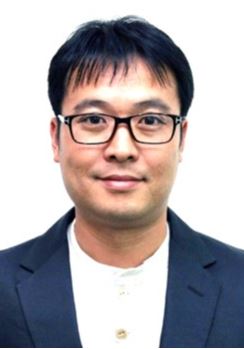
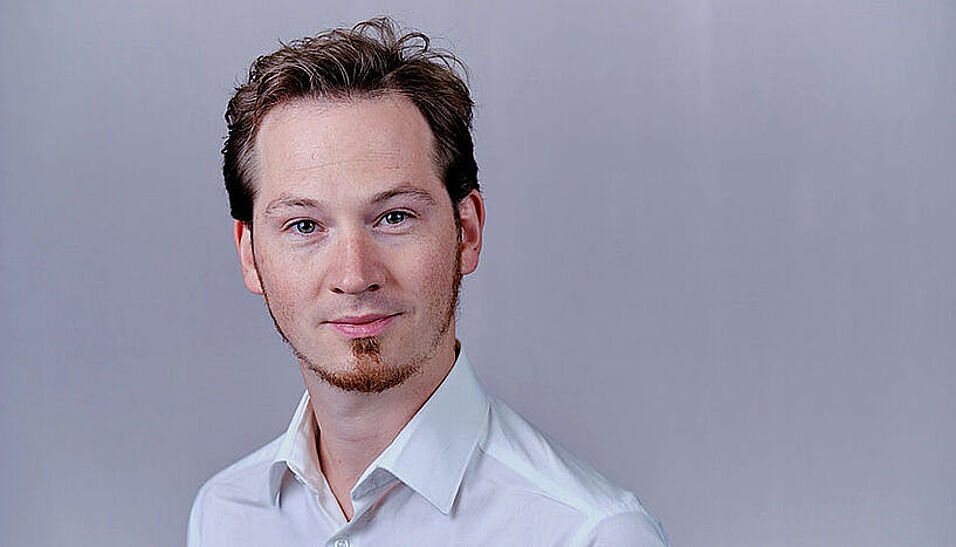
Dr. Vivian Dayeh is an Associate Professor in the Department of Biology at the University of Waterloo, where she joined in 2004 as a full-time lecturer. Her roles include Teaching Fellow, Undergrad Advisor for Biomedical Science and Medical Physiology, and coordinator of the Biotech Technician Diploma program. Ph.D. Biology, University of Waterloo (2004) M.Sc. Biology, University of Waterloo (2001) B.Sc. Biology, University of Waterloo (1999) Dr. Dayeh specializes in cellular toxicology and in vitro methodology development , focusing on alternatives to whole-organism testing in aquatic environments. Her work explores toxicant effects on fish cells, particularly gill and intestinal epithelial systems, and employs protozoa as toxicity indicators. Recent research examines temperature and nutritional stress impacts on cell viability. Her publications from 2004-2025 demonstrate expertise in fish cell culture , cytotoxicity assays , and environmental contaminant testing , with applications in regulatory toxicology and industrial effluent analysis. 2024 Service Award, Society for In Vitro Biology 2021 Fellow Award, Society for In Vitro Biology Multiple Outstanding Performance Awards (2006-2020) Jack Carlson Teaching Excellence Awards (2006, 2018) Joseph F. Morgan Awards (2002, 2003) As an educator, Dr. Dayeh teaches core courses including Introductory Cell Biology , Human Anatomy , Human Physiology , Environmental Toxicology , and Animal Cell Biotechnology . She serves on the SIVB Board and facilitates instructional skills workshops.
Sungkwon Park is a Professor in the Department of Food Science and Biotechnology at Sejong University, specializing in advanced food science and biotechnology research with a focus on meat science, cultured meat production, and sustainable food systems. His research integrates molecular biology, food biotechnology, and systems biology to develop innovative food solutions. His educational background includes a Ph.D. from Purdue University (2008), M.S. from Yeungnam University (2001), and B.S. from Yeungnam University (1999). Prior to his current position, he worked as a Postdoctoral Fellow at Virginia Tech (2008-2012) and as a Research Officer at the National Institute of Animal Science, RDA (2012-2015). Professor Park's research interests focus on livestock production optimization, meat processing for health functionality, environmentally friendly animal production systems, and in vitro meat production. His work has led to significant achievements including the identification of calcium and glucose interaction mechanisms in muscle metabolism, development of oleogel-based meat processing techniques, optimization of feed ingredients for sustainable livestock, and establishment of in vitro meat production systems. His recent publications (2023-2025) demonstrate a strong focus on cultured meat technology, meat science, and sustainable food production. The research spans cellular mechanisms for cultured meat production, safety and regulatory aspects of alternative proteins, comparative analysis of muscle satellite cells, and optimization of meat processing techniques. His work shows a clear trend toward developing practical applications for next-generation meat products with emphasis on health functionality and environmental sustainability. Professor Park actively serves as a reviewer for Frontiers in Veterinary Science and is an Editorial Board Member of the Korean Society of Animal Science. His laboratory, the M&M'a lab (Functional Food Lab), conducts research on high-value-added, health-functional BioFood and future foods using bio-convergence technologies.
Dr. Carla Cervini is an Academic Fellow in Nutrition and Mycology at Cranfield University's Centre for Soil, Agrifood and Biosciences and the Magan Centre of Applied Mycology (MCAM). She holds a PhD in Translational Medicine and Food from the National Research Council (Italy) and an MSc in Human Nutrition from the University of Rome Tor Vergata. Her research bridges food safety, climate change, and sustainable agriculture, with expertise in mycotoxin mitigation, agrifood systems, and gender-inclusive farming practices. Research Focus: Cervini investigates climate change impacts on mycotoxin-producing fungi (e.g., Aspergillus , Fusarium ), develops pre-/post-harvest interventions for crops like peanuts and cassava, and advocates for food security in sub-Saharan Africa. Her work emphasizes: Mycotoxin biocontrol under abiotic stress Gender disparities in agricultural training access Sustainable teff production for gluten-free diets Publications & Trends: Her 15 most recent articles (2019–2025) analyze mycotoxin dynamics in climate-stressed environments, biocontrol efficacy, and supply-chain safety in Ethiopia/Uganda. Dominant themes include fungal ecophysiology, risk assessment, and resilience in staple crops (wheat, maize, teff). Funding & Leadership: She leads tasks in the EU Horizon 2020 project EWA-BELT and UKRI Innovate UK's NutriNuts , with additional grants from the Global Challenges Research Fund (£13K) and British Mycological Society. She currently advises PhD student Kavitha Vijeandran. Labs & Collaborations: Cervini co-develops the Magan Centre of Applied Mycology, focusing on fungal threats to food safety. She collaborates globally on projects like aflatoxin management in Rwanda and mycotoxin training hubs for industry stakeholders.
Hans Bouwmeester is a Full Professor in Toxicology at Wageningen University & Research, specializing in chemical risk assessment, nanomaterial toxicity, and in vitro modeling. His work focuses on integrating artificial intelligence and physiologically based kinetic (PBK) models to predict toxic effects of contaminants like organophosphate pesticides, microplastics, and mycotoxins. He leads projects exploring the health impacts of foodborne contaminants in inflammatory bowel disease and developing animal-free testing methods. Key collaborations include EU initiatives like the ONTOX project and the GUTTEST program, which utilize advanced in vitro models such as gut-on-a-chip systems. Research interests span toxicokinetics, nanoplastics exposure, and the application of Bayesian networks for nanomaterial hazard ranking. His team addresses translational challenges in linking in vitro data to in vivo outcomes, with a focus on bile acid metabolism and cardiotoxicity prediction. Bouwmeester has supervised over 10 PhD candidates, including studies on microplastic hazard assessment, nanomaterial gastrointestinal fate, and AI-driven data extraction for risk assessment. Notable contributions include datasets on nanoplastics' protein corona effects and transcriptomic analyses of intestinal cell responses. His work is published in journals like Ecotoxicology and Environmental Safety , Toxicology , and Environmental Science & Technology , emphasizing open-access research and interdisciplinary approaches to chemical safety.
Benedikt Warth is a Full Professor for Food Chemistry and Exposome Research at the Department of Food Chemistry and Toxicology, Faculty of Chemistry, University of Vienna (since 2022). He coordinates the Austrian node of the ESFRI research infrastructure EIRENE and leads the 'Global Exposomics and Biomonitoring Laboratory' since 2017. His work bridges chemistry and toxicology, focusing on exposomics and metabolomics to assess chemical exposure and its health impacts. Education: PhD in Analytical Chemistry (2012), Master’s in Biotechnology (2009), Bachelor’s in Food Science and Biotechnology (2007) Research interests center on exposomics , metabolomics , and analytical chemistry , particularly for environmental and food-related toxicants. Recent articles highlight advancements in mass spectrometry for exposome-scale analysis, combining targeted and non-targeted approaches, and exploring chemical interactions (e.g., xenoestrogens, mycotoxins, flame retardants) in biological systems. Key trends in his publications include: Development of hybrid LC-MS methods (targeted/untargeted) for sensitive exposomics Integration of AI and cognitive computing for pathway analysis Global biomonitoring of mycotoxins and xenobiotics in vulnerable populations Standardization frameworks for non-targeted analysis (SRT) Notable awards include the 2025 Chemical Research in Toxicology Young Investigator Award , Brigitte Gedek-Science Award , and multiple grants (ERC Consolidator, Erwin-Schrödinger Fellowship). He has delivered over 20 invited talks on exposomics, including sessions at ACS Fall Meetings and international conferences. His laboratory's projects span: Breast cancer exposomics (linking environmental exposures to disease onset) High-throughput sample preparation for exposome-wide studies Systems toxicology of chemical mixtures (e.g., flame retardants, mycotoxins) Development of global metabolomic assays for toxicity prediction
Professor Nick Turner is a Professor in Bioanalytical Chemistry at the University of Sheffield's Department of Chemistry within the School of Mathematical and Physical Sciences. He holds a BSc in Pharmacology (University of Southampton, 1997), an MRes in Biochemistry (University of Exeter, 1999), and a PhD in Bio-organic Chemistry (Cranfield University, 2004). His career includes roles at the University of Utah, University of Newcastle (Australia), Open University, and De Montfort University, where he progressed from Lecturer to Reader in Bioanalytical Chemistry. In 2022, he received an EPSRC Established Career Fellowship for artificial chaperone research and was awarded a personal chair. His research focuses on molecular recognition, particularly molecularly imprinted polymers (MIPs) for biosensing, nucleic-acid-polymer hybrids, and artificial chaperones. These technologies address challenges in drug detection, environmental monitoring, and biomedical diagnostics. He actively supports PhD applications in these areas. Awards: EPSRC Established Career Fellowship (2022), Senior Fellowship of HEA (2016) Professional Memberships: Royal Society of Chemistry, Macro Group UK (Secretary) Teaching interests include analytical chemistry and pharmacology, emphasizing modern techniques like VR/AR in drug design education. He contributes to interdisciplinary projects such as the Open Science Laboratory and MOOC development.
Dr Carol Verheecke-Vaessen is a Senior Lecturer in Applied Molecular Mycology at Cranfield University, affiliated with the Centre for Soil, Agrifood and Biosciences and the Applied Mycology Group under the Environment and Agrifood theme. She leads the Food Safety module in the MSc Food Systems & Management program and is the Director of the Mycotoxin Training Hub, developing industry-focused training and research initiatives globally. Education: PhD in Mycotoxin Research, Federal University of Toulouse, France (2014) Postgraduate Certificate in Academic Practice, Cranfield University (2021) Her research focuses on understanding the molecular mechanisms of mycotoxin production in fungi under environmental stress, particularly climate change. She develops holistic solutions from farm to fork for managing mycotoxin risks, including biocontrol agents, decision support systems, and food waste valorization. Her work spans agrifood chain contamination assessment using advanced molecular and analytical techniques. The recent publications reflect a strong trend in climate change impact on mycotoxin dynamics, real-time detection methods (e.g., CO2 monitoring, spectroscopy), biocontrol strategies in coffee and cereals, and innovative pretreatment techniques for mycotoxin analysis. Her studies often involve interdisciplinary collaborations across Europe, Africa, and Asia. Scientific Awards: Best Innovative PhD Award, Federal University of Toulouse (2015) Fellow of the Higher Education Academy (FHEA) She actively supervises PhD and MSc students and has secured funding from Research England, Innovate UK, and BBSRC. She is co-leading the development of the Magan Centre of Applied Mycology and contributes to the Africa Centre of Excellence for Sustainable Cooling and Cold-chain (ACES). Her research projects include Oats for the Future, NutriNuts, and Gender-equal mycotoxin training, emphasizing sustainable and equitable food systems. Laboratories and Research Teams: Applied Mycology Group, Cranfield University Mycotoxin Training Hub (Director) Magan Centre of Applied Mycology (Co-Lead) Africa Centre of Excellence for Sustainable Cooling and Cold-chain (ACES) – Active Member
Ine van der Fels-Klerx is an Associate Professor in Business Economics at Wageningen University & Research, with a focus on food safety and risk management. She is also a Programme and Account Management lead, overseeing interdisciplinary projects. Her work integrates economic analysis with food safety challenges, particularly addressing mycotoxin contamination, climate change impacts, and circular economy solutions. Key collaborations include projects on early warning systems for mycotoxins and cost-effective monitoring strategies for contaminants in food supply chains. Her research spans topics such as alternative protein sources, insect-based feed production, and resilient supply chain designs. Notable projects include developing decision support tools for risk-based monitoring and assessing the economic feasibility of food safety interventions. She has advised multiple PhD candidates, including those studying mycotoxin management in maize and climate change effects on aflatoxins. Media contributions highlight her expertise in food safety, including interviews on predicting grain contamination and smart monitoring techniques. She actively participates in workshops and conferences, discussing digitalization in food systems and the role of artificial intelligence in food safety prevention.
Professor Enda Cummins is a faculty member at University College Dublin (UCD), serving as Professor and Deputy Head of the School of Biosystems and Food Engineering. He also holds roles as Head of Teaching and Learning and Visiting Professor at KU Leuven, Belgium. His research focuses on risk assessment, predictive modeling, food safety, and environmental contamination, with an emphasis on chemicals (e.g., acrylamide, nanoparticles) and pathogens (E. coli, Salmonella). He leads a multidisciplinary team and coordinates the EU-funded H2020 ITN project PROTECT, addressing climate change impacts on food safety. Education: BAgrSc, MEngSc, PhD from UCD. Teaching emphasizes problem-based learning and integrates research innovations. He developed the EU-funded Erasmus+ Predictive Modelling and Risk Assessment program and coordinates the MEngSc in Food Engineering. Grants include projects on antimicrobial resistance, nanoparticle toxicity, and urease inhibitor efficacy. Over 100 peer-reviewed publications and 123 conference papers highlight his work on risk assessment, food safety, and environmental modeling.
Prof. Henning Hintzsche is a Professor at the University of Bonn's Institute of Nutrition and Food Sciences. His research focuses on genotoxic effects of food-derived substances, employing methods such as DNA damage analysis and micronucleus assays. Key interests include understanding mechanisms of genotoxicity, developing protective strategies, and improving regulatory risk assessment frameworks. Notable work includes studies on micronucleus dynamics in cell models and toxin mixtures' effects in zebrafish and human cells. Research topics span synthetic dyes (e.g., Alizarin Red S), perfluoroalkyl substances (PFAS), and natural compounds like pyrrolizidine alkaloids. Findings have been published in journals like Archives of Toxicology and Scientific Reports . Collaborations emphasize translational applications in food safety and regulatory science. No awards or grants are explicitly listed, though his work contributes to EU policy frameworks. His lab's interdisciplinary approach bridges basic toxicology with real-world risk mitigation strategies.
Rainer Schuhmacher is a Full Professor for Plant and Microbe Metabolomics at the University of Natural Resources and Life Sciences, Vienna (BOKU), affiliated with the Department of Agricultural Sciences and the Institute of Bioanalytics and Agro-Metabolomics in Tulln an der Donau. His research focuses on metabolomics, analytical chemistry, and plant-microbe interactions, with emphasis on fungal secondary metabolites, mycotoxin resistance, and environmental stress responses in crops. He leads projects funded by the Austrian Science Fund (FWF), European Commission, and national agencies. Research interests span: Metabolomic profiling of plant-pathogen interactions (e.g., Fusarium -wheat systems) Stable isotope-assisted techniques for metabolic pathway analysis Cold stress mitigation in plants using Antarctic bacteria Development of computational tools for untargeted metabolomics data processing His work integrates analytical chemistry, bioinformatics, and molecular biology to study metabolic crosstalk in agricultural systems. Awards include the Fritz-Feigl-Preis (2012) and Dr.-Wolfgang-Houska-Preis (2005). He has supervised multiple PhD projects and leads the Plant-Microbe Metabolomics group, managing core metabolomics platforms and international collaborations. Key projects: Chemical crosstalk in mycoparasitic interactions (FWF) Metabolomics of cold stress tolerance mediated by psychrotolerant bacteria Extension of metabolomics platforms for plant-pathogen studies
Célia Maria Gonçalves Soares is an Adjunct Assistant Professor at the School of Engineering, Universidade do Minho, with a PhD in Chemical and Biological Engineering (2012). She specializes in mycology, focusing on mycotoxin detection and fungal biodiversity in food commodities. Education: PhD in Chemical and Biological Engineering, Universidade do Minho (2012) MSc in Technology, Science and Food Security, Universidade do Porto (2007) Her research interests include mycotoxin analysis , fungi in food safety , and MALDI-TOF MS applications . Recent work explores bioconcrete and ochratoxigenic fungi in Colombian coffee . Key projects: MYCOTOX-PALOP (2020–2025) and MIRRI-PT (2021–2023). She has published 20+ articles and co-authored chapters on fungal identification. Scientific Awards: 3rd Poster Prize (2011)
Laura Righetti serves as Assistant Professor in Organic Chemistry at Wageningen University & Research and is a core member of the Team Natural Toxins. Her work bridges analytical chemistry and food safety research with institutional collaborations across European universities including University of Parma and University of Almería. Her research program centers on natural toxins in food systems, particularly mycotoxins like deoxynivalenol (vomitoxin) produced by Fusarium species. She employs advanced metabolomics and tandem mass spectrometry techniques to analyze contaminants in grains, plant-based foods, and dietary supplements. Key focus areas include food authenticity verification, chemical characterization of wild edible plants, and developing sustainable analytical methods for toxin detection. Recent publications demonstrate a clear trajectory toward integrating eco-metabolomics with portable mass spectrometry for on-site food safety testing. Her work increasingly addresses emerging challenges in botanical supplement standardization and antibacterial properties of plant compounds, reflecting growing interdisciplinary connections between food chemistry, toxicology, and microbiology. Dr. Righetti actively mentors doctoral researchers through three ongoing PhD projects: development of portable biotoxin detection systems, toxicological assessment of bee pollen supplements, and identification of novel plant toxins. She also leads the LVVN-funded Pull Down Approach project focused on selective sampling methodologies. As part of Wageningen's Laboratory of Organic Chemistry, she contributes to the Team Natural Toxins research collective which maintains active collaborations across food safety networks in Europe. Current work includes metagenomic analysis of perennial grain rhizospheres and metabolomic profiling of medicinal plants like Melissa officinalis .
Dr. Samet Sahin is a Lecturer in Chemical Engineering at Lancaster University's School of Engineering. He holds a PhD and professional designations including FHAE (Fellow of Advance HE), AMIChemE (Associate Member of the Institution of Chemical Engineers), and MRSC (Member of the Royal Society of Chemistry). His academic journey includes positions at Bilecik Şeyh Edebali University and postdoctoral work with distinguished advisors including Prof. John A. Rogers. Dr. Sahin's research focuses on developing healthcare solutions through biochemical systems and material science, particularly in bioelectrode development, device design, and alternative materials. His work aims to translate basic research into practical healthcare products and devices, especially wearable and implantable biosensors. His publications show a strong emphasis on electrochemical biosensors for glucose detection, biofuel cells, and aptamer-based detection systems for various analytes including mycotoxins, bisphenol-A, and medical biomarkers. His research group has received funding from multiple international sources including TÜBİTAK (Scientific and Technological Research Council of Türkiye), TÜSEB (Health Institutes of Türkiye), and non-profits like Breakthrough T1D (USA) and the Fulbright Commission. The group maintains an interconnected structure that allows researchers from different backgrounds to collaborate on various topics. Dr. Sahin has received several professional awards including Research Excellence Awards from Bilecik SE University (2022, 2023) and a Fulbright Post Doctoral Fellowship (2020). His work has been recognized with the Engineering YES Elevator Pitch Prize (2013). As an educator, he serves as Module Convenor for ENGR265 Chemical Engineering Laboratory Projects and teaches multiple engineering modules including Fundamentals of Engineering Science and Chemical Process Design Project. He has supervised PhD student Jack Morley and numerous undergraduate students. Notably, Dr. Sahin has an impressive background in Taekwondo, having been a member of the Turkish National Team, winning a silver medal at the European Taekwondo Championship, and co-founding the NeoDo Taekwondo Academy in 2025.
Luisa Mannina is a Full Professor of Food Chemistry at Sapienza University of Rome, Department of Chemistry and Technology of Drugs, Faculty of Pharmacy and Medicine. She leads the Food Chemistry Laboratory (FOODCHEMLAB) and serves as Director of the Metabolomics Unit focusing on Foods, Nutraceuticals and Biological Fluids Research. Her academic career spans over 25 years with progressive appointments from Assistant Professor to her current Full Professor position since January 2019. Full Professor of Food Chemistry (2019-present) Associate Professor of Food Chemistry (2009-2019) Director of multiple Master's programs in Nutraceuticals and Cosmeceutics Coordinator of PhD program in Molecular design and characterization for health promotion Member of numerous institutional committees at Sapienza University Professor Mannina's research centers on Nuclear Magnetic Resonance (NMR) methodologies for food analysis and metabolomics. She has developed innovative analytical protocols for determining metabolic profiles of food matrices and biological fluids, enabling authentication of geographical origin, variety, and cultivation methods for diverse food products. Her work spans olive oils, fruits, industrial hemp, and various agricultural products, with particular emphasis on NMR-based metabolomics for food authentication and quality assessment. She has established herself as a leading expert in industrial hemp analysis, publishing extensively on cannabis inflorescences, seed oils, and related products. Analysis of her recent publications reveals a strong focus on sustainable food systems, with particular attention to agri-food waste valorization, novel food development from unconventional sources like medicinal mushrooms, and advanced analytical techniques for food authentication. Her work increasingly integrates NMR with other analytical methods to address complex food science challenges, including food fraud detection, nutritional enhancement through processing techniques, and chemopreventive properties of plant-based products. The research demonstrates consistent evolution from fundamental food characterization toward applied solutions addressing contemporary food system challenges. Her scientific recognition includes: GIDRM/GIRM 2018 Gold Medal ANVUR Research Funding (2017) Associate Editor of Journal of Integrated Omics Member of Scientific Committee of La Rivista Italiana delle Sostanze Grasse Professor Mannina has successfully supervised numerous PhD students and directed multiple Master's programs. Her research is supported by substantial funding from regional, national, and European sources, including projects on industrial hemp valorization (€150,000), innovative bio-packaging (€50,000), and metabolomic studies of Mediterranean diet adherence (€14,500). She maintains active collaborations with European research institutions and industry partners through various research contracts. Her Food Chemistry Laboratory (FOODCHEMLAB) is equipped with state-of-the-art analytical instrumentation including NMR, HPLC-PDA, GC-MS, and other advanced equipment for comprehensive food analysis. The laboratory serves as a hub for metabolomic research, food authentication studies, and valorization of agricultural by-products, contributing significantly to Sapienza University's research profile in food science and technology.