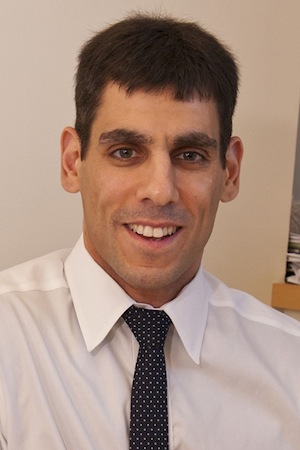
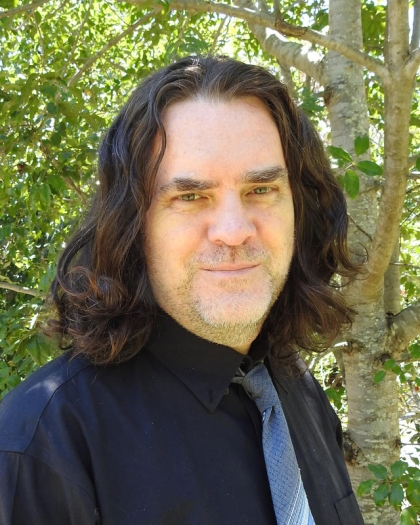
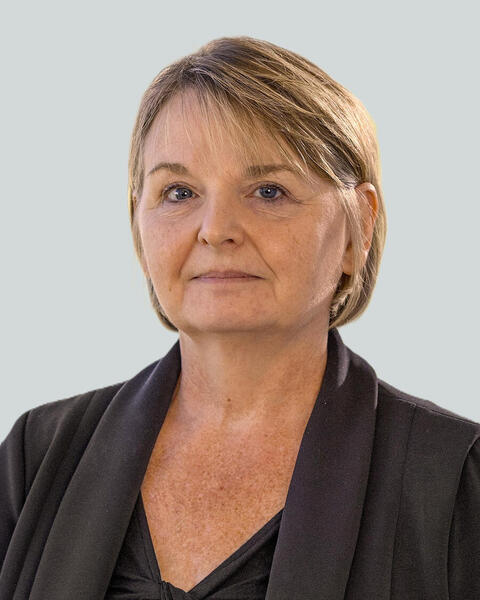
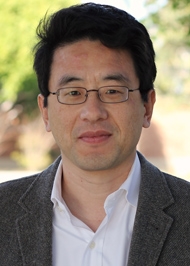
Julian Knight is a Professor of Genomic Medicine at the University of Oxford, with affiliations including the Centre for Human Genetics , Merton College , and leadership roles in the NIHR Oxford Biomedical Research Centre and Central and South NHS Genomic Medicine Service . His work bridges clinical practice and research, focusing on translational genomics. Principal Investigator Deputy Director, Centre for Human Genetics Honorary Consultant Physician Tutor and Fellow, Merton College Director, Medical Sciences Division Graduate School Genomic Medicine Theme Lead, NIHR Oxford BRC Research interests include mechanisms of dysregulated immune responses in sepsis , autoimmune disease , and infection . Key contributions involve RNA signature stratification for sepsis outcomes and HLA allele associations in COVID-19 immunogenicity. Current work explores genetic/epigenetic modulators of innate immunity and causal relationships in multi-omic datasets. Recent publications highlight diverse applications of his group’s work: from pleural infection endotyping (2025) to TLR7 variants in severe COVID-19 (2024), with methodological advancements in single-cell demultiplexing (2024) and pathway analysis (2025). Keywords span genomic medicine , immunology , and multi-omic integration . Knight’s leadership extends to clinical implementation of genomics, education (DPhil/MSc programs), and public engagement. Collaborations span institutions including Imperial College , Wellcome Sanger Institute , and Queen Mary University of London .
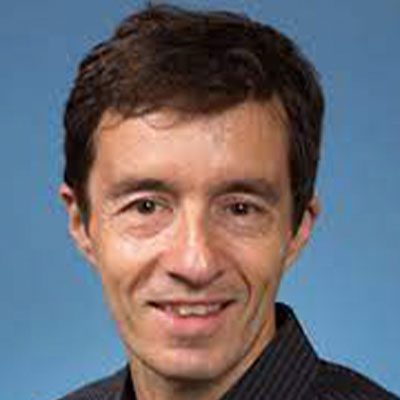
Robert Fulbright, MD, is Professor of Radiology and Biomedical Imaging at Yale School of Medicine with a secondary appointment in Neurology. He serves as Medical Director of the Magnetic Resonance Research Center and specializes in neuroradiology, focusing on diagnostic examinations of the brain, head and neck, spine, and peripheral nervous system using CT, MRI, and MR spectroscopy. Dr. Fulbright completed his medical degree at Baylor College of Medicine (1984), followed by residency training at Baylor College of Medicine and Columbia University, and a fellowship at Yale University School of Medicine. He is board certified in both Diagnostic Radiology (1991) and Internal Medicine (1988). His research centers on advanced magnetic resonance techniques to better understand brain function and disease mechanisms, with particular emphasis on Deuterium Metabolic Imaging (DMI) for mapping brain tumor metabolism. His work bridges radiology, neurology, and oncology to improve diagnostic capabilities and patient outcomes. Analysis of his recent publications (2023-2025) reveals three major research thrusts: metabolic imaging of brain tumors using DMI, genomic correlations with imaging findings in meningiomas, and technical innovations in MRI acquisition and processing. His work demonstrates increasing integration of AI techniques with traditional imaging modalities. As Medical Director of the Magnetic Resonance Research Center, Dr. Fulbright oversees a multidisciplinary team working at the forefront of neuroimaging technology. His clinical work focuses on neuroradiology with particular expertise in brain tumor imaging and neurological disorders.
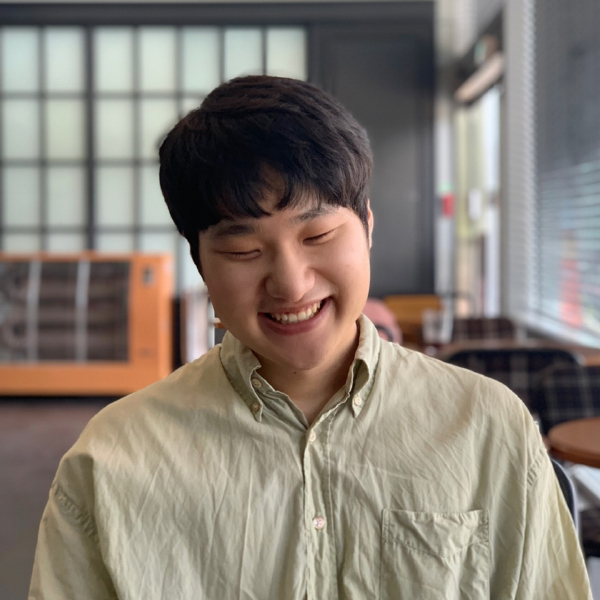
Jinhan Kim is a Postdoctoral Researcher at the Università della Svizzera italiana (USI) in the Faculty of Informatics, working in the TAU lab under Prof. Paolo Tonella. He earned his Ph.D. from KAIST under Prof. Shin Yoo, focusing on software engineering research in mutation testing, fault localization, and deep learning system testing. His work bridges traditional software engineering techniques with AI-driven methodologies, emphasizing AI4SE and SE4AI paradigms. Education: Ph.D. in Software Engineering, KAIST, 2023 Research Interests: Mutation Testing Deep Learning System Testing Autonomous Systems Testing Adversarial Attack Detection Empirical Software Engineering Service and Leadership: Organized SBFT 2026 and DeepTest 2026 (co-located with ICSE 2026) Program Committee Member for ASE, ISSTA, Mutation, and DeMeSSAI Board of Distinguished Reviewers for TOSEM (2024–2025) Labs and Teams: Active contributor to the TAU Lab at USI, focusing on advanced software testing and AI integration.
Norbert O. Reich is a Distinguished Professor in the Department of Chemistry & Biochemistry at the University of California, Santa Barbara (UCSB), affiliated with the College of Letters and Science. He joined UCSB in 1987 after completing his Ph.D. at UCSF in 1984 and an NIH postdoctoral fellowship there. His research focuses on enzyme mechanisms, particularly DNA methylation and telomerase, with applications in antibiotic and cancer therapy design. He also develops innovative chemical biology tools, including gold nanoshell-based drug delivery systems and fluorescence-based protein tracking methods. Education: Ph.D. in Chemistry from UCSF (1984). Awards: Regent's Junior Faculty Fellowship (1987), American Cancer Society Faculty Research Award (1991), UC President's Award for Excellence in Undergraduate Research (1994). Research Interests: Epigenetic regulation via DNA methylation in bacteria and mammals Enzyme mechanisms of DNA methyltransferases (e.g., DNMT3A, CcrM) Design of therapeutic inhibitors targeting epigenetic enzymes Light-controlled delivery of proteins/RNA via gold nanoshells Protein-DNA interaction analysis using microfluidic arrays Awards and Recognition: His honors reflect contributions to both research and education, emphasizing his dual impact in science and teaching. Lab and Collaborations: Leads the Reich Lab, collaborating with researchers like Tom Pettus (UCSB) and Erkki Ruoslahti. Projects include antibiotic development, cancer epigenetics, and nanotechnology-driven drug delivery. Future Work: Expanding applications of nanoshell technology for targeted gene silencing and exploring allosteric inhibitors of DNMT3A for cancer treatment.
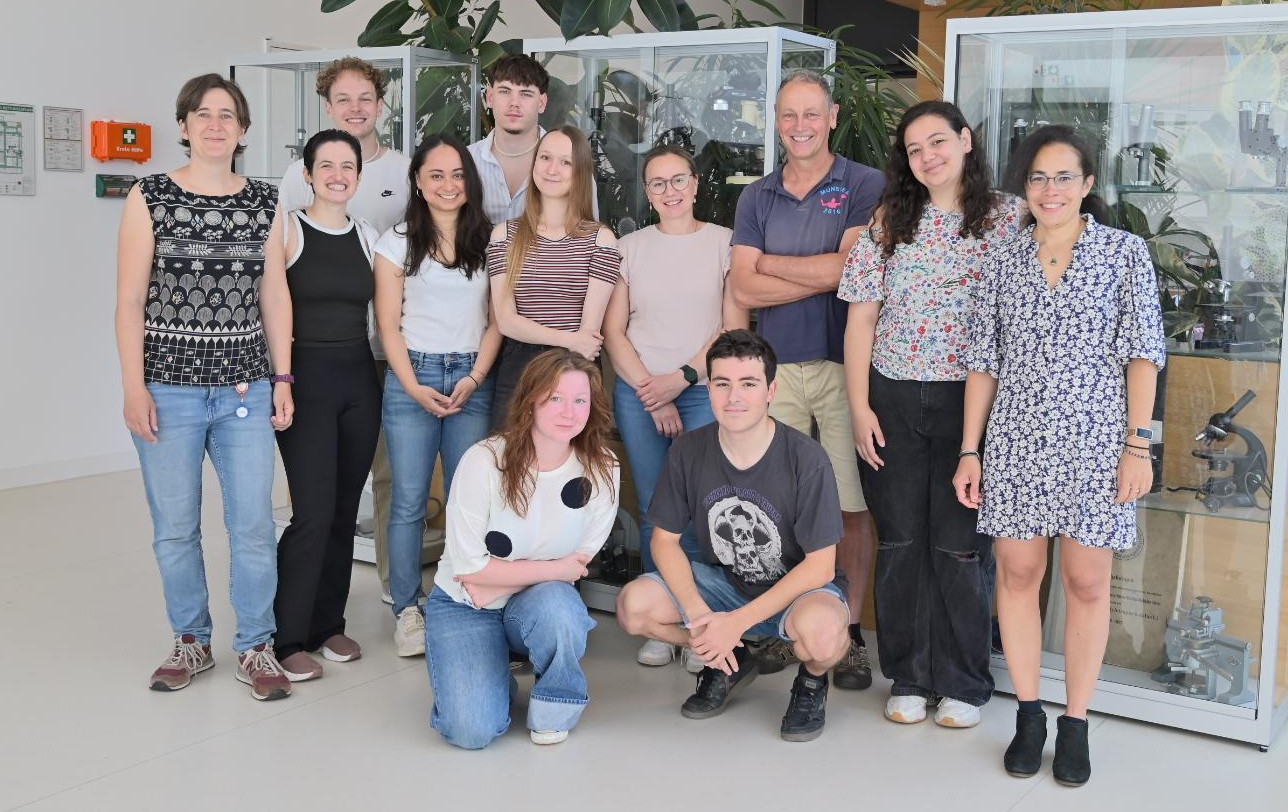
Professor Ralf Stanewsky leads the Stanewsky Group at the Institute of Neuro- and Behavioral Biology, University of Münster. His research focuses on the molecular mechanisms of circadian rhythms in Drosophila melanogaster , particularly how environmental cues like light and temperature reset the circadian clock. The group employs genetic, molecular, histological, and behavioral approaches to study sensory pathways and their integration in central clock neurons. Member of the Multiscale Imaging Centre (MIC) and Imaging Network – Microscopy Current lab members: Ph.D. students Anna Katharina Eick, Angelica Coculla, Maia Zabel Barroso Technical assistants Regina Hube and Ume Aiman Research Themes Light and temperature synchronization of circadian clocks Temperature compensation mechanisms in biological timing Neuronal integration of environmental signals Evolutionary aspects of circadian regulation Professor Stanewsky’s work spans molecular clock components (e.g., cryptochromes, timeless gene variants) to broader ecological implications of temporal niche choice. His lab investigates how clock gene expression responds to seasonal changes and environmental stressors, while also exploring novel synchronization pathways beyond classical photoreceptors. Publication Trends Recent articles emphasize temperature-dependent clock regulation , evolutionary capacitance via Hsp90 , and non-canonical phototransduction in circadian systems. Key subfields include nuclear transport dynamics, kinase evolution, and computational modeling of periodic patterns across species. Contact Information Institute of Neuro- and Behavioral Biology, University of Münster MIC | Röntgenstraße 16, D-48149 Münster, Germany Email: stanewsky@uni-muenster.de Phone: +49 251 8321029
Guillaume Chanfreau is a Professor in the Department of Chemistry and Biochemistry within the College of Letters and Science at the University of California Los Angeles (UCLA). His research focuses on fundamental mechanisms of RNA metabolism, with particular emphasis on RNA splicing, decay pathways, and ribonuclease functions. His work spans molecular biology, biochemistry, and genetics, utilizing yeast as a primary model organism to investigate conserved RNA processing mechanisms. Professor Chanfreau's research interests center on understanding how RNA processing pathways regulate gene expression. His work examines transcription termination, RNA splicing fidelity, RNA decay mechanisms, and the role of ribonucleases in cellular RNA homeostasis. He investigates how these processes are interconnected and how they respond to cellular stress conditions. His laboratory has made significant contributions to understanding how RNA quality control mechanisms prevent the accumulation of aberrant transcripts and maintain cellular health. Analysis of Chanfreau's recent publications (2020-2025) reveals a strong focus on RNA splicing mechanisms, RNA decay pathways, and ribonuclease functions. His work frequently employs yeast genetics combined with advanced RNA sequencing techniques. A notable trend is the increasing use of long-read sequencing technologies to analyze RNA isoforms and decay intermediates. His research consistently bridges fundamental molecular mechanisms with potential implications for understanding human diseases related to RNA processing defects. Professor Chanfreau has been continuously funded by the National Institutes of Health, with his current grant R35GM130370 (2019-2023) titled 'The Control of Gene Expression by Eukaryotic Ribonucleases' and previous long-term funding through R01GM061518 (2000-2019). His research program has supported numerous graduate students and postdoctoral researchers who have contributed to his extensive publication record spanning over two decades.
Stuart Allan is Professor of Neuroscience at the University of Manchester's Faculty of Life Sciences, Division of Neuroscience. His research focuses on neuroinflammation mechanisms in stroke and neurodegenerative diseases, with particular expertise in cytokine signaling (especially IL-1) and neuronal injury pathways. He leads projects targeting interleukin-1 for acute brain injury treatment and investigates stroke-immune mediated pathways in cognitive trajectory. Research Interests: Neuroinflammatory responses, cytokine-mediated neuronal injury, stroke pathophysiology, Alzheimer's disease mechanisms, and neurovascular coupling. His work bridges experimental paradigms (in vitro and in vivo) with clinical applications. Education: PhD Biomedical Sciences (University of Aberdeen, 1990-1993) BSc Pharmacology (University of Dundee, 1986-1990) Professional Appointments: Professor of Neuroscience (2012-present) Senior Lecturer (2008-2012) Lecturer (2002-2008) Postdoctoral Research Associate (1993-2002) Research Beacons & Institutes: Dementia@Manchester, Manchester Regenerative Medicine Network, Lydia Becker Institute, Christabel Pankhurst Institute, Manchester Institute for Collaborative Research on Ageing. Scientific Output: 179 research outputs including articles on cerebrovascular health, neurovascular coupling, and cytokine mechanisms in stroke models. Research demonstrates consistent focus on translational neuroscience and neuroinflammatory pathways.
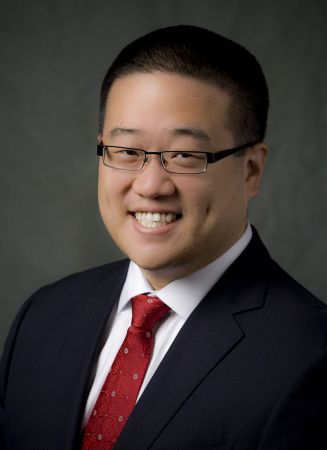
Dr. Brian Y. Chen is an Associate Professor and Doctoral Program Director in the Department of Computer Science & Engineering at Lehigh University. His research focuses on bioinformatics, structural biology, and machine learning applications in computational biology. He holds a Ph.D. in Computer Science from Rice University and B.A. degrees in Mathematics and Computer Science from Rutgers University. Dr. Chen's work emphasizes developing algorithms to analyze protein structures, protein-protein interactions, and ligand binding mechanisms. He has contributed to tools like DeepVASP-S and MechPPI, which explain molecular interactions and predict binding specificity. His recent projects include Alzheimer’s disease diagnosis using multimodal data and containerization frameworks for bioinformatics software. He previously served as a postdoctoral researcher in Barry Honig's Lab at Columbia University, where he contributed to the Center for Computational Biology and Bioinformatics. His research spans structural bioinformatics, computational methods for protein function prediction, and interdisciplinary applications in medicine and materials science. Key achievements include a nomination for Outstanding Mentorship (2017) and collaborative projects funded by the Army Research Lab and Lehigh University. His lab explores cutting-edge AI techniques for biomedical problems, including interpretable machine learning models and scalable bioinformatics pipelines.
Jonathan Huggins is an Assistant Professor at Boston University, affiliated with the Department of Mathematics & Statistics and the Faculty of Computing & Data Sciences. He holds a Ph.D. in Computer Science from MIT (2018) and a B.A. in Mathematics from Columbia University (2012). His research focuses on developing fast, trustworthy machine learning and Bayesian methods that balance computational efficiency and statistical optimality, with applications in ecological forecasting and genomic data analysis. Education: Ph.D. in Computer Science, Massachusetts Institute of Technology (2018) B.A. in Mathematics, Columbia University (2012) Research Interests: Large-scale machine learning and Bayesian computation Robust statistical inference Applications in genomics and ecological modeling Algorithmic development for scalable inference Key Projects: Stochastic Methods for Data Science: A book on stochastic processes and algorithms VIABEL: A Python package for variational inference and diagnostics ShorTeX: A LaTeX package for mathematical writing Recent Articles: Focus on scalable Bayesian methods, error bounds for iterative algorithms, and mutational signature discovery. His work emphasizes reproducibility and robustness in statistical inference. Awards: Blackwell–Rosenbluth Award (Outstanding Junior Bayesian Researcher) Grants & Funding: Supported by NIH, NSF, and the Department of Defense. Active in advising students across multiple BU programs. Labs/Teams: Affiliated with the BU URBAN Program, Program in Bioinformatics, and Department of Computer Science.
Ramy Arnaout, MD, DPhil , is an Associate Professor of Pathology at Beth Israel Deaconess Medical Center (BIDMC) and Harvard Medical School (HMS) , where he also holds affiliations with the Department of Systems Biology and Division of Clinical Informatics . As director of the Arnaout Laboratory for Immunomics and Informatics , he leads research at the intersection of systems immunology , machine learning , and clinical pathology . Education: SB in Mathematics, MIT DPhil in Biochemistry, Oxford University (Marshall Scholarship) MD, Harvard Medical School (Soros Fellow) Research Interests focus on decoding adaptive immunity through high-throughput sequencing of antibody and T-cell receptor repertoires, applying information theory and network analysis to understand immune dynamics in aging, cancer, and infections. His systems medicine work leverages real-world hospital data to optimize diagnostics and therapeutic strategies. Scientific Awards include the Reagan-Udall Foundation Grant for accelerating COVID-19 test approval, the Gordon and Betty Moore Foundation Award for BIDMC-UCSF collaboration, and prestigious fellowships like the Marshall Scholarship and Soros Fellowship . Advising & Grants highlight mentorship of computational biologists and a lab supported by NIH, American Heart Association, Massachusetts Life Sciences Center, and industry partners. His team has developed 3D-printed swabs and machine learning frameworks for immune repertoire analysis during the pandemic. Lab Structure includes 5–10 members spanning immunologists, computer scientists, and physicians. Collaborations extend to Dr. Rima Arnaout (UCSF), Dr. James Kirby (BIDMC), and institutions like Duke AI Health and Kapa Biosciences.
Dr Michael Boemo is an Assistant Professor at the University of Cambridge, holding dual appointments in the Department of Pathology and Department of Genetics. He leads research at the intersection of computational biology, DNA replication, and cancer genomics, developing machine learning tools to analyze replication stress and genomic instability. Academic Background: BA in Mathematics (Rutgers University), PhD in Physics (University of Oxford) Research Focus: Genomic instability in cancer, DNA replication/repair defects, computational modeling using machine learning and high-performance simulations Teaching: Lectures in Natural Sciences Tripos (mathematical biology, genetics, systems biology), module organizer for cancer biology and biological modeling His research group leverages nanopore sequencing and AI to map replication fork dynamics, revealing how stalled forks generate mutations in cancer cells and pathogens. Recent work examines extrachromosomal DNA replication vulnerabilities and transcription-replication conflicts. Dr Boemo collaborates across computational biology and cancer research domains, with publications spanning journals like Nature Methods, Cell, and PLoS Computational Biology. His lab develops tools such as DNAscent for replication fork analysis and explores therapeutic targeting of replication stress.
Jason Nelson is a Professor of Digital Culture in the Department of Linguistic, Literary and Aesthetic Studies at the University of Bergen, Norway. He is a creator of digital poems and fictions, builder of surrealist and politically focused art games and digital creatures. His work is exhibited widely in galleries and journals around the globe at FILE, ACM, LEA, ISEA, SIGGRAPH, ELO and numerous other venues. Nelson serves on organizational boards including the Australia Council Literature Board and the Electronic Literature Organization. Nelson's research focuses on the intersection of digital technology, creative writing, and artistic expression. He explores how AI and machine learning can be harnessed for creative purposes, developing new forms of digital literature and interactive art. His work often involves building expansive visual worlds through collaborative AI processes, creating interactive digital poetry, and developing novel approaches to digital narrative. Nelson's research spans digital humanities, electronic literature, AI-generated art, and interactive media, with particular emphasis on how these technologies transform creative processes and experiences. Over the past decade, Nelson's work has increasingly focused on the creative potential of AI technologies, especially in the areas of text-to-image generation and multimodal authorship. His projects often blend game engines with poetic expression, creating immersive experiences that challenge traditional boundaries between human and machine creativity. Recent works explore themes of multispecies futures, time perception, and the transformation of physical spaces through augmented reality. Nelson has received numerous scientific awards and fellowships including: Fulbright Fellowship at the University of Bergen Moore Fellowship at the National University of Ireland Winner of the Digital Writing Prize, Queensland Literary Awards (15,000 AUD) Winner of the Woollahra Library Digital Poetry Prize (5,000 AUD) Runner-Up Prize at the Videomedeja digital art exhibition Finalist for the Turn-on Literature Prize Finalist for the Queensland Literary Awards, Digital Writing Category Multiple finalist nominations for the New Media Writing Prize Nelson actively participates in academic advising and has secured significant research funding, including a 125,000 AUD grant from the Australia Council of the Arts, Literature Board for his project "Cube Cryptext and Nomencluster," which was recognized as the world's largest interactive art-game. His work "Nine Billion Branches" received multiple awards including the Digital Writing Prize from the Queensland Literary Awards. He has also received a 75,000 NOK grant for the "Flood Mosaic Artwork" project featured in the Floodlines Exhibition at the State Library of Queensland. Nelson is affiliated with the Center for Digital Narrative at the University of Bergen, where he collaborates with researchers like Scott Robert Rettberg and Alinta Krauth. Together they form EphemerLab, exploring new creative processes that move beyond simple "ask and generate" AI methods. Their work involves stitching together hundreds of individual image fragments and components into cohesive visual and narrative concepts, pushing the boundaries of what's possible with current AI technologies.
Aaron Hoskins is a full-time Professor of Biochemistry and Chemistry at the University of Wisconsin–Madison, where he leads an active research program focused on pre-mRNA splicing, spliceosome assembly, and single-molecule biophysics. He is affiliated with the Department of Biochemistry and the Hoskins Group laboratory, located in the Biochemical Sciences Building. Education: B.S., 2000 – Purdue University Ph.D., 2006 – Massachusetts Institute of Technology Postdoctoral Fellow, 2006–2011 – Brandeis University and UMass Medical School His research centers on understanding the molecular mechanisms of pre-mRNA splicing and spliceosome assembly in eukaryotes. Using single-molecule fluorescence microscopy, his lab investigates how the spliceosome recognizes RNA targets, how ribonucleoproteins are assembled, and how splicing fidelity is maintained or disrupted in disease. His work integrates genetics, chemical biology, and biophysical approaches to dissect spliceosome dynamics and to develop new tools for studying RNA processing. Aaron Hoskins has published over 80 peer-reviewed articles since 2004, with recent work appearing in RNA , eLife , Structure , and Cell Chemical Biology . His research trends include the structural dynamics of spliceosomal snRNPs, cancer-associated mutations in splicing factors, and the development of splicing inhibitors as potential therapeutics. His lab also explores translational applications, including the use of humanized yeast strains for drug screening. He is supported by multiple NIH grants (R01 GM053007, R01 GM112735, R01 GM081648) and has collaborated extensively with UW-Madison colleagues David Brow and Samuel Butcher. His lab is equipped with custom-built fluorescence microscopes for single-molecule imaging and is actively training the next generation of scientists in RNA biology and biophysics.
Pam J. McLean, Ph.D. is a Professor of Neuroscience and Consultant in the Department of Neuroscience at Mayo Clinic, Jacksonville, Florida . She leads the Neurobiology of Parkinson's Disease and Related Disorders Laboratory , focusing on the molecular mechanisms of neurodegenerative diseases such as Parkinson’s disease and dementia with Lewy bodies. Primary Appointment: Consultant, Department of Neuroscience Institution: Mayo Clinic, Jacksonville, FL Research Affiliations: APDA Center for Advanced Research, Center for Clinical and Translational Science (CCaTS), Discovery and Translation Labs: Brain Research, Lewy Body Dementia Center Without Walls Dr. McLean’s research centers on alpha-synuclein , a key protein involved in neurodegeneration. Her lab investigates how alpha-synuclein misfolds, aggregates, and propagates in a prion-like manner across neurons, contributing to disease progression. She employs human induced pluripotent stem cell models, viral vector-based systems, and animal models to study these processes. Key research themes include: Prion-like propagation of alpha-synuclein Biomarker discovery using extracellular vesicles in blood Copathologies in neurodegenerative diseases Development of gene therapies and small molecules targeting alpha-synuclein Her recent publications highlight work on alpha-synuclein seeding assays, transcriptional differences between Lewy body disease and Alzheimer’s, and novel methods for isolating plasma-derived extracellular vesicles for diagnostic use. These reflect a strong trend toward translational neuroscience, aiming to bridge molecular insights with clinical applications. Dr. McLean is actively funded through multiple NIH grants, including from the National Institute on Aging and the National Institute of Neurological Disorders and Stroke. She serves as Principal Investigator on projects related to functional assessment of pathological species in Lewy body dementia and contributes to the Mayo Alzheimer’s Disease Research Center. Her lab is committed to patient-centered research and training the next generation of neuroscientists, offering postdoctoral fellowships and research education programs. She collaborates extensively with experts in neuropathology, neurology, and translational biology.
Li Min is an Associate Professor at the University of California, Los Angeles (UCLA), affiliated with the Department of Anthropology. His research focuses on Chinese prehistoric and Bronze Age archaeology, emphasizing state formation, social memory, and climatic responses. He also studies maritime archaeology of the Asiatic Trade in the Early Modern Era, using ceramic analysis to trace global trade impacts. Li teaches graduate seminars in archaeology theories and undergraduate courses on Chinese civilizations, collaborating across Anthropology, Asian Languages and Cultures, and the Interdepartmental Program of Archaeology. He co-directs the Wen-Si River Basin archaeological project with Chinese institutions. His 2018 book, Social Memory and State Formation in Early China , is a key contribution to the field. His education includes a Ph.D. from the University of Michigan (2008). Research interests further encompass landscape archaeology, integrating ceramics analysis with remote sensing and historical records. Subfield expertise includes social archaeology, material culture studies, and historical anthropology. Recent publications (2023–2025) concentrate on neuro-oncology imaging innovations, including MRI techniques for glioma characterization, adaptive clinical trials (e.g., GBM AGILE), and biomarker development. These studies highlight advanced applications of AI in medical imaging and molecular targeting therapies for brain tumors. Despite no listed awards, his work on imaging biomarkers and tumor response assessment has advanced clinical neuro-oncology standards. He advises on interdisciplinary collaborations, such as the Wen-Si project, and participates in global clinical trials for glioblastoma therapies.