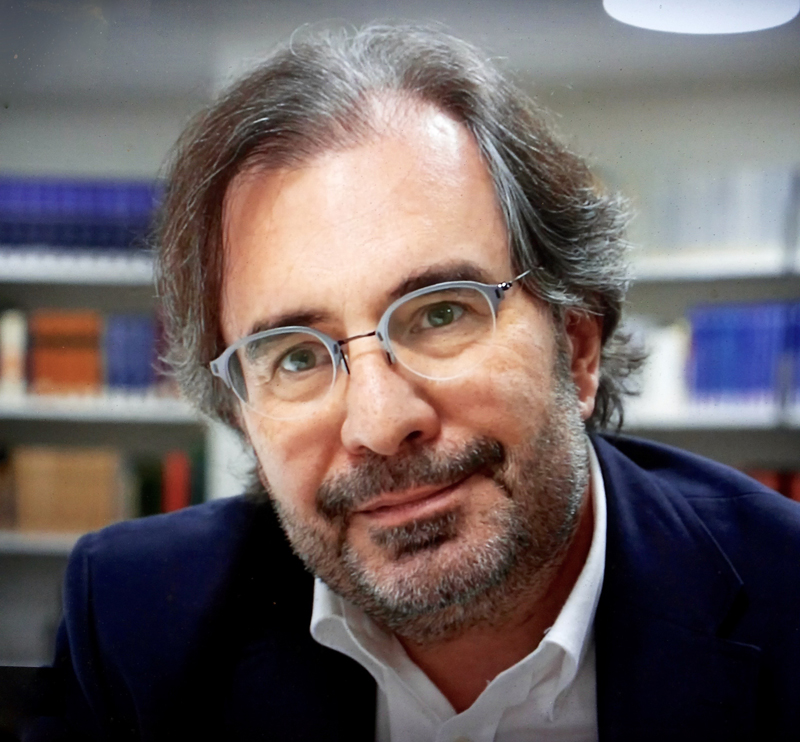
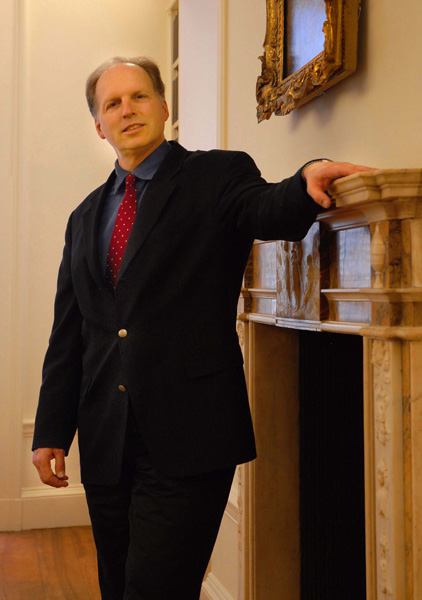
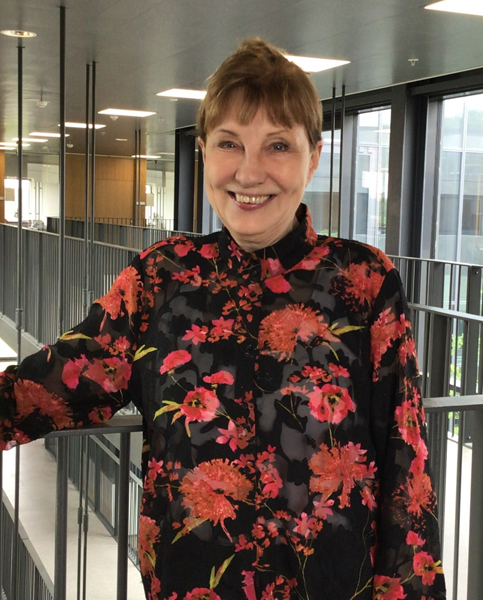
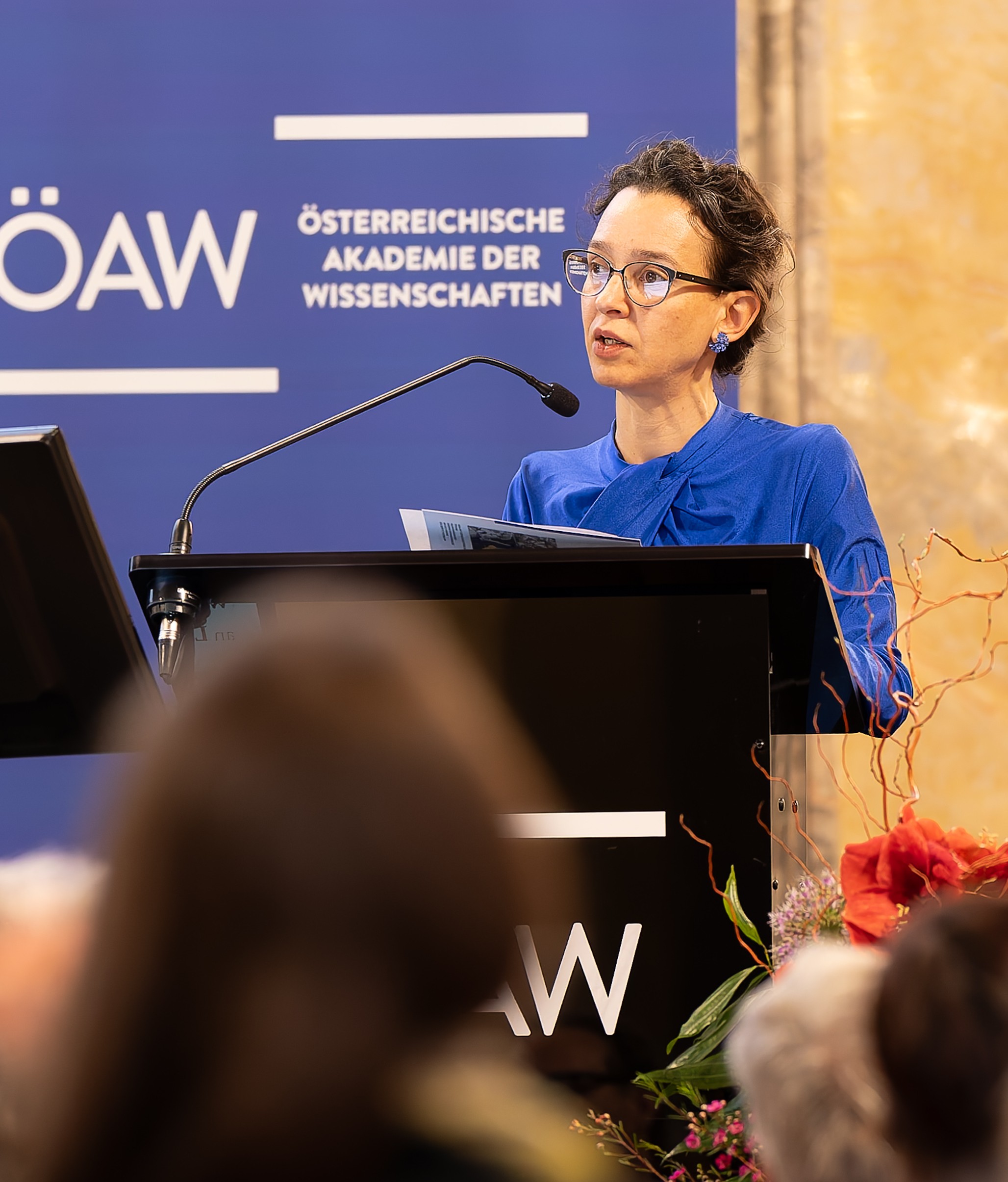
Vincenzo Borghetti is an Associate Professor of Music History at the University of Verona, Italy, where he has been employed since 2008, first as a Lecturer ("ricercatore") until 2017, then promoted to his current position. He previously held teaching positions at the University of Vienna (2015-2016) and was a Lila Wallace–Reader's Digest Fellow at Villa I Tatti, Harvard's Center for Italian Renaissance Studies in Florence (2007-2008). He earned his Ph.D. from the University of Pavia-Cremona in 2001. His scholarly work centers on Renaissance polyphony and early twentieth-century opera, with particular expertise in music philology, court culture, and the intersection of music with visual arts and literature. Borghetti has made significant contributions to Rossini scholarship through his critical edition of Elisabetta regina d'Inghilterra (2016) for the Fondazione Rossini's critical edition series. Borghetti's publications appear in leading journals including Early Music History , Acta musicologica , Journal of the Alamire Foundation , and Imago Musicae . His research demonstrates consistent engagement with both historical musicology and interdisciplinary approaches connecting music to broader cultural contexts. Gabriele D'Annunzio Award (1998) for co-authored monograph Il bacio della Sfinge: D'Annunzio, Pizzetti e "Fedra" Grant from Fritz Thyssen Stiftung (2018) for organizing the International Conference "Books, Images, Objects: The Media of Secular Music in the Medieval and Early Modern Period" As an active scholar in musicology, Borghetti contributes to major reference works including the Handbuch der Musik der Renaissance , demonstrating his standing in the international academic community. His work bridges historical musicology with cultural studies, offering nuanced interpretations of musical practices within their broader social and intellectual contexts.
Stefan Hagel is a Research Fellow at the Austrian Academy of Sciences and Privatdozent at the University of Vienna, specializing in ancient Greek and Roman music. His work bridges archaeology, philology, and digital reconstruction to analyze ancient musical instruments, notation systems, and performance practices. His research focuses on: Reconstruction of auloi (double-pipes) and hydraulis (water organs) Computational analysis of instrument acoustics Cross-cultural transmission of musical technologies Ancient harmonic theory and notation decipherment He leads major projects including Ancient Music Beyond Hellenisation (ERC Advanced Grant), Digitising Aspects of Graphical Representation in Ancient Music (FWF), and the European Music Archaeology Project . Hagel has developed specialized software for instrument analysis and serves as editor for the Journal of Music Archaeology . His publications demonstrate consistent focus on technical aspects of ancient music through interdisciplinary methodologies.
Stefan-Michael Newerkla is a University Professor of West Slavic Linguistics at the Department of Slavonic Studies, Faculty of Philology and Cultural Studies, University of Vienna. He has served as Head of the Institute of Slavic Studies since 2022, following previous leadership roles as Deputy Head (2018-2022) and Head (2005-2008). His academic leadership extends to significant positions including Member of the Academy Council of the Austrian Academy of Sciences (2022-2026), Member of the International Board of Palacký University Olomouc (2022-2026), and Member of the Scientific Council of the Czech Academy of Sciences (since 2013). Professor Newerkla earned his doctorate in 1998 with a dissertation on "Intended and actual linguistic reality in Bohemia. Diglossia in the school system of the Czech-speaking countries of the Habsburg Monarchy 1740–1918 using the example of the West Bohemian district town of Plzeň (Pilsen)" and completed his habilitation in 2003 on "Language Contacts Czech – German – Slovak. German Loanwords in Czech and Slovak: Historical Development, Evidence, Previous and New Interpretations." His academic journey began with studies in Slavic Studies, English Studies, and American Studies at the University of Vienna from 1992-1998. His research focuses on West Slavic linguistics with particular emphasis on contact linguistics, areal linguistics, linguistic geography, and historical sociolinguistics. He investigates the development of linguistic contacts between German, Hungarian and Slavic languages, examining Central Europe as a linguistic area with special attention to Austriazisms and Internationalisms research. His work also explores the school system and language teaching in the Habsburg Monarchy, analyzing language legislation versus language reality and diglossia or polyglossia in the educational system. Additional research interests include the National Renewal in the Bohemian Lands, Vienna's role in the Czech National Renewal, the Slovak national awareness process, and the grammatology and grammarography of West Slavic languages. Analysis of his recent publications (2023-2025) reveals a continued focus on historical language contact in Central Europe, particularly examining multilingualism in the Habsburg Monarchy and linguistic heritage. His work increasingly incorporates interdisciplinary approaches, connecting linguistic analysis with historical, educational, and cultural studies perspectives. Recent publications show particular attention to Czech language in Austria, language teaching methodologies, and the reconstruction of historical language contact phenomena, with several multilingual publications reflecting his expertise in cross-cultural communication. Professor Newerkla's scientific achievements have been recognized with numerous prestigious awards: Medal of the Minister for Foreign Affairs of the Czech Republic (August 7, 2024) for Services to Diplomacy Premia Bohemica for 2023 for outstanding contribution to promoting Czech literature abroad Josef-Dobrovský-Ehrenmedaille of the Czech Academy of Sciences (April 25, 2017) Full member of the Austrian Academy of Sciences (since 2018) Corresponding Member of the Austrian Academy of Sciences (since 2014) Member of the Academic Assembly of the Czech Academy of Sciences (since 2010) Award from University of Vienna for Innovative Teaching (June 22, 2001) As an academic leader, Professor Newerkla has supervised numerous theses across various levels of study. His research is supported by significant grants, most notably his role since 2016 as consortium member and board member of the Special Research Programme "German in Austria. Variation – Contact – Perception" (SFB F 60-G23), where he heads Task Cluster C and subprojects 05 and 06. He also led the research project "Slavists in Exchange: Austria and Russia 1849-1939" (2021-2025). His administrative roles have included Chairman of the Curricular Commission of the Senate of the University of Vienna (2010-2016) and Member of the Senate of the University of Vienna (2009-2016). Professor Newerkla is actively involved in multiple international research teams and collaborations, including the Permanent Conference of Austrian and Czech Historians on Common Cultural Heritage (SKÖTH), which he has co-chaired since 2009. His research group at the University of Vienna's Institute of Slavic Studies focuses on West Slavic linguistics, with particular expertise in historical language contact phenomena and the linguistic heritage of Slavic languages in Central Europe. He has also served as editor for numerous publications including the Vienna Slavic Yearbook (New Series) since 2013.
Wolfgang Sandberger (b. 1961) is a Professor of Musicology and Director of the Brahms-Institut at Musikhochschule Lübeck. Specializing in German music history from the 17th to 19th centuries, he focuses on composers like Brahms, Bach, and Handel, as well as music philology and reception history. He has secured over €1 million in grants from DFG and Schleswig-Holstein for digitization projects, advancing musicological research accessibility. Education: Master's in Musicology, Philosophy, and History (Münster/Hamburg); PhD in Musicology His research integrates interdisciplinary approaches, including iconography, performance practice, and editorial methodologies. He leads major editorial projects such as the Brahms-Briefwechsel-Verzeichnis and Göttinger Händel-Beiträge. Sandberger holds leadership roles in organizations including the Göttinger Händelgesellschaft and the International Dieterich Buxtehude Society, fostering collaborative scholarly initiatives. Awarded the Joachim Jungius Society of Sciences Award (1996), he emphasizes outreach through radio collaborations and public engagement with Brahms' legacy. His work bridges academic rigor with public dissemination, making complex musicological research accessible to broader audiences.
Luca Zoppelli is a Professor of Musicology at the University of Fribourg, Switzerland, since 2000. Previously, he held academic positions at the University of Salento (1993–1998 as Lecturer, then Associate Professor) and taught at several Italian conservatories including Padua, Vicenza, and Lecce. His research focuses on 19th-century opera, Venetian music history, musical dramaturgy, and the aesthetics of Baroque music. He co-directs the critical edition of Vincenzo Bellini's works and served as editor of the Schweizer Jahrbuch für Musikwissenschaft / Annales Suisses de Musicologie (2008–2019). Education: Studied Musicology and Literature at Ca' Foscari University in Venice (B.A., 1984 under Giovanni Morelli). Specialized in Baroque music aesthetics, operatic narrative structures, and the interplay between music and drama. His work bridges historical analysis with contemporary musicological methodologies. Research interests prominently feature operatic composition processes, the role of narrative in music, and the socio-political dimensions of 19th-century Italian opera. His publications critically analyze composers like Rossini, Verdi, Wagner, and Bellini, with notable contributions to understanding musical dramaturgy and the evolution of operatic forms.
Michael Weber is an Associate Professor at the Department of Musicology within the Faculty of Philology and Cultural Studies at the University of Vienna. His research focuses on interdisciplinary aspects of musicology, including Historical Musicology, Ethnomusicology, and Systematic Musicology, with a particular emphasis on Music Sociology, Popular Music, and Adult Contemporary Music. Current roles: Member of the University of Vienna Senate, Deputy Chair of the Curricular Commission, and active in academic governance through the Works Council for Academic University Staff. Contact: Room 3A-O1-14A, Telephone +43-1-4277-44257, Email michael.weber@univie.ac.at (consultation by email appointment). Teaching includes courses like Introduction to Music Sociology , Popular Classic Music , and seminars on Master's level topics.
Martina Werner is a Senior Postdoc and Research Fellow at the Austrian Centre for Digital Humanities (ÖAW), affiliated with the Institute of German Studies at the University of Vienna's Faculty of Philology and Cultural Studies. She holds a habilitation in German Linguistics from the University of Vienna (2019) and a PhD from LMU Munich (2009). Her academic appointments include visiting professorships at Universität Würzburg (2024–2025) and LMU Munich (2019–2020), along with a guest professorship at the University of Vienna (2017/2018). Research Focus: Werner specializes in morphology, historical linguistics, and corpus-based approaches. Her work explores grammar theory, language change, syntax-morphology interfaces, and digital humanities methodologies. Current projects include FWF-funded research on relational adjectives in historical German (RAHiG) and the diachrony of nominalized infinitives. Publication Trends: Her recent articles (2016–2025) predominantly analyze diachronic morphology in German, focusing on nominalization patterns, compound structures, and suffix evolution. Corpus linguistics methodologies underpin her investigations into grammaticalization, language variation, and comparative Germanic linguistics. A strong interdisciplinary thread connects linguistic theory with empirical data analysis. Awards & Grants: FWF Project Funding: RAHiG – Relational Adjectives in the History of German (2019–2026) Elise Richter Project Grant: Diachrony of the Nominalized Infinitive in German (2014–2019) LMUMentoring Excellence Program (2008–2011) HWP Doctoral Scholarship (2005–2006) Academic Service: Werner co-leads research teams at ÖAW's Digital Humanities Centre, collaborates internationally on Germanic linguistics projects, and supervises academic initiatives through the Vienna Linguistic Society. Her teaching covers historical linguistics, morphology, and language development at undergraduate and graduate levels.
Priv.-Doz. Dr. Ingeborg Jandl-Konrad is an Assistant Professor for South Slavic Literatures and Cultures at the Department of Slavonic Studies, University of Vienna, where she holds the Venia Docendi (Habilitation) in Slavic Literatures and Cultures. She completed her habilitation on photographic and narrative discourses on war trauma in post-Yugoslav literatures, focusing on theoretical categories like 'photo-text' and 'speaking.' Her doctoral thesis on Gajto Gazdanov's works earned the DOC fellowship and the Ingeborg Ohnheiser Dissertation Award. Education: Russian and French Philology, Psychology, and Philosophy from Graz, Odesa, Moscow, and Sarajevo. Research interests include intermediality, narratology, verse theory, and literature/ethics intersections. She has edited volumes on trauma, body concepts, and transculturality, and authored monographs on Tsvetaeva’s verse dramas and post-Yugoslav trauma narratives. Awards include the DOC fellowship and ÖGSl award. Her work spans Slavic literatures with a focus on interdisciplinary approaches. She co-organizes academic events, such as a guest lecture series on Yugoslav war memory and masculinity. Active in academic networks, her research bridges literature, psychology, and cultural studies, addressing themes like trauma, identity, and ethical representation.
Jan Ziolkowski (b. 1956) is Arthur Kingsley Porter Professor of Medieval Latin at Harvard University and served from 2007 to 2020 as Director of the Dumbarton Oaks Research Library and Collection , Harvard’s leading institute for Byzantine, Pre-Columbian, and Garden & Landscape studies. Education A.B. summa cum laude , Princeton University (1977) Ph.D. Medieval Latin, University of Cambridge (1982) – Marshall Scholar Fellow, American Academy in Rome (1980–1981) Research Interests His scholarship centers on Medieval Latin literature and Comparative Literature , with particular attention to folklore and fairy-tale traditions , beast poetry , grammar and sexuality , memory studies , and the classical tradition in the Middle Ages . He has produced critical editions, translations, and wide-ranging monographs that illuminate the intellectual and cultural life of medieval Europe. Across nearly four decades his publications have ranged from Alan of Lille’s Grammar of Sex (1985) to the six-volume Juggler of Notre Dame and the Medievalizing of Modernity (2018), exploring how medieval texts were read, adapted, and remembered. His editorial leadership of the Dumbarton Oaks Medieval Library has further expanded the availability of medieval Latin, Greek, and Old English texts with facing-page translations. Honours & Awards Fellow, American Academy of Arts and Sciences (2010) Fellow, Medieval Academy of America (2008) Member, American Philosophical Society (2017) Corresponding Member, Austrian Academy of Sciences (2006) Member, Academia Europaea (2015) Austrian Cross of Honor for Science and Art, First Class (2015) John Simon Guggenheim Fellowship (1987–1988) Multiple Hoopes Prizes for outstanding thesis direction Advising & Grants At Harvard he has chaired the Department of Comparative Literature , the Committee on Medieval Studies , and the Department of Classics . He has directed numerous senior honors theses recognized by the Hoopes Prize and has held residential fellowships at the Netherlands Institute for Advanced Study (2005–2006) and Villa I Tatti (1992–1993, 1997–1998). Laboratories & Teams As Director of Dumbarton Oaks he oversaw an international community of scholars, librarians, and curators, expanded public programming, and forged partnerships with institutions throughout Washington, D.C. He founded and continues to guide the Dumbarton Oaks Medieval Library , a major series published by Harvard University Press.
Anne-Marie Mai is a Professor of Nordic Literature at the University of Southern Denmark since 1999. She is affiliated with the Literary & Theatrical Studies and History & Archaeology sections of the Danish Academy for Language and Literature, and her work spans women's literature, Scandinavian literary historiography, and cultural sociology. Born: Lic. phil. (1982) and Mag. art. (1978) from Aarhus University Chair of Danish IAS at SDU (2017–present) Editorial roles: European Journal of Scandinavian Studies (2010–present), K&K (1999–present) Her research focuses on Nordic women's literary traditions, Danish hymn writers, and intersections of modernism/postmodernism in Scandinavian poetry. She has pioneered large-scale projects like The History of Nordic Women’s Literature , influencing literary historiography across Scandinavia. Scientific awards include the Karen Blixen Special Honour Award (2022), Søren Gyldendal Award (2018), and the Danish Research Councils’ Communication Prize (2014). She has served as General Secretary of the International Society for 18th Century Studies (2010–2015) and chaired the Danish Society for 18th Century Studies (1993–2000).
Laura Gianvittorio-Ungar is a postdoctoral researcher at the Austrian Academy of Sciences, specializing in Ancient Legal History and Papyrology . Her work bridges Greek and Roman culture with interdisciplinary approaches to performance, dance, and narrative. Education : Doctorate in Philosophy of Language (University of Palermo/Humboldt University of Berlin); Habilitation in Classical Philology (University of Vienna). Academic Roles : Researcher at Universities of Salzburg, Eichstätt-Ingolstadt, Nottingham, and Heidelberg; Project Manager at the Austrian Archaeological Institute since 2021. Her research focuses on theater forms , genre discourses , and dance in antiquity , exploring how bodily expression shaped tragic and narrative art. She has led FWF projects (Hertha Firnberg and Elise Richter programs) since 2012. Recent publications highlight her expertise in choreonarratives , Senecan tragedy , and fragmentary texts . Key themes include the interplay of movement and storytelling in Greco-Roman contexts. She has edited volumes such as Choreonarratives (Brill) and Choreutika (Fabrizio Serra), contributing to debates on ancient performance and interdisciplinary methodologies . Her work intersects with FWF grants and collaborations across Europe, emphasizing the revival of classical themes in modern scholarship and performance.
Wolfgang Sandberger is a Professor of Musicology and director of the Brahms-Institut at the University of Music Lübeck since 1999. He specializes in German music history from the 17th to 19th centuries, with a focus on figures like Johannes Brahms, Johann Sebastian Bach, and Dieterich Buxtehude. President of the Göttinger Händelgesellschaft Deputy Chairman of the Musikgeschichtliche Kommission Board member of Johannes Brahms Gesamtausgabe (Munich) Trustee of the Göttingen Handel Festival Member of the International Dieterich Buxtehude Society His research spans music philology, biographical studies, musical iconography, and reception history. He has spearheaded digitization projects in music, securing grants exceeding 1 million € from the German Research Fund (DFG) and the Schleswig-Holstein state government. Additionally, he engages in outreach work related to Brahms through collaborations with radio stations. 1996: Joachim Jungius Society of Sciences Award He holds a PhD in musicology, following a Master’s degree in musicology, philosophy, and history, and studied cello under Eckhard Stahl at Osnabrück Conservatory and Hannover Music Academy.
Christoph Reuter is a Professor in the Department of Musicology at the University of Vienna. His work spans systematic musicology, psychoacoustics, and crossmodal perception, with a focus on auditory cognition, timbre analysis, and sound-environment interactions. As Director of Studies for Musicology and Linguistics, he oversees academic programs and teaches courses ranging from systematic musicology to auditory perception. His research explores the intersection of music, technology, and human perception. Key themes include crossmodal associations (e.g., sound-color mappings), acoustical analysis of natural and synthetic sounds, and auditory environments in healthcare and education. He has developed VR tools like the Incubator Experience and SOFA Native Spatializer Plugin to advance immersive audio research. The 15 most recent articles highlight his expertise in timbre studies, crossmodal perception, and medical/environmental acoustics. Topics range from the neuroscience of chord progressions to the psychoacoustic impact of neonatal ventilation sounds and metal music lyrics. His work bridges empirical experimentation with interdisciplinary applications in technology and health. Reuter contributes to musicological education through initiatives like the MediaLab of the Faculty of Philological and Cultural Studies, integrating digital methods into teaching. His collaborations span neurology, engineering, and cultural studies, reflecting a holistic approach to sound research.
Ioana Aminian Jazi is a Research Fellow at the Austrian Academy of Sciences, with affiliations to the University of Vienna and Friedrich Schiller University Jena. Her work spans Romance linguistics , minority languages in Southeastern Europe and Asia Minor, and language documentation of endangered communities. She completed her PhD in Romance Philology at the University of Vienna in 2023, focusing on language shift and identity among Sephardim in Turkey and Kalmyks in Russia. Education: PhD in Romance Philology (2023), University of Vienna M.A. in Romance Languages and Cultures (2013), Friedrich Schiller University Jena B.A. in Romance Studies with Applied Linguistics (2011), University of Vienna Her research addresses language contact , social multilingualism , and language revitalization , particularly in the Kalmykia and Sephardic diaspora projects. Recent publications and presentations explore sociolinguistic dynamics in minority communities across Turkey, Russia, Ukraine, and China. She has secured significant funding, including the 2023 SHIFT grant (€50k) for Afghan heritage and €27k+ grants for fieldwork in Kalmykia, Xinjiang, and Northern Africa, alongside her DOC scholar role at the Austrian Academy of Sciences. Ioana also co-edits digital resources for Judeo-Spanish , Oirat-Kalmyk , and Boyash/Rudari languages. Scientific Awards: SHIFT Grant, Roots Revival Afghanistan (2023) 8 Field-Research Grants (2016–2018) DOC Scholar (Austrian Academy of Sciences, since 2020)
Katharina Scharf is a doctoral student at the Department of History, Faculty of Arts and Humanities, University of Salzburg. Her research focuses on the transformation of Alpine regions like Salzburg and Savoy into tourism hubs during 1860–1914, emphasizing infrastructure and socio-cultural interactions. She is supervised by Univ.-Prof. Dr. Martin Knoll and Ao.Univ.-Prof. Dr. Kurt Luger. Master's Degree in History (University of Salzburg, 2011–2014) Bachelor's Degrees in History (2008–2011) and German Philology (2008–2012) Supplemental Studies in Global Studies (2013) Her work combines quantitative statistics with qualitative historical sources (newspapers, archives) to explore how railways and hotels catalyzed regional change, balancing economic growth with social conflicts. She applies an actor-centered approach to analyze key figures and institutions in tourism development. Her scientific recognition includes the Erika Weinzierl-Preis 2016 for her Master's thesis on Nazi women's organizations. She contributes to the editorial team of historioPLUS , an e-journal for student research.