Prof. Roger Wattenhofer is a Full Professor at the Department of Information Technology and Electrical Engineering, ETH Zurich, Switzerland, and Deputy head of the Computer Engineering and Networks Lab. He holds a doctorate in Computer Science from ETH Zurich (1998) and has held positions at Brown University and Microsoft Research before returning to ETH. His research focuses on distributed computing, wireless networks, and algorithmic systems design, with contributions to Byzantine agreement protocols, blockchain technologies, and neural network architectures. He teaches courses such as Distributed Systems and Computational Thinking. Education: Ph.D. in Computer Science (ETH Zurich, 1998). Research interests include distributed systems, network algorithms, and the intersection of machine learning with distributed computing. His work spans both theoretical foundations and practical implementations, addressing challenges in fault tolerance, consensus mechanisms, and algorithmic efficiency. Recent publications explore topics like adversarial robustness in voting systems, privacy in reinforcement learning, and generative music models. He actively contributes to open-source frameworks and benchmarks for neural algorithmic reasoning.
Rudolf Lutz (*1951) is a Swiss musician, conductor, and composer renowned for his work in sacred music and historical performance practice. He received an honorary doctorate from the Faculty of Theology at the University of Zurich in 2021, recognizing his contributions to performing and disseminating Johann Sebastian Bach's vocal works, including founding the J.S. Bach Foundation and directing its ensemble since 2006. Lutz has taught improvisation at the Schola Cantorum Basiliensis, bass continuo at the Basel University of Music, and oratorio studies at the Zurich University of Music. Research & Artistic Contributions Rudolf Lutz's work focuses on the intersection of music and theology, particularly through the complete performance and innovative interpretation of Bach's sacred compositions. His initiatives include the Bachpedia platform, livestreamed performances during the pandemic, and dialogues with theologians and literary figures. He has also composed original works like the Christmas Oratorio in English style and a cantata for Luther's commemoration. Honors Culture Prize of the Canton of St. Gallen (2006) STAB Prize (2015) Swiss Culture Prize (2019) Member of the Board of the New Bach Society (since 2016)
Swiss Federal Institute of Technology in LausanneSwitzerland
Paolo Prandoni is a Lecturer at École Polytechnique Fédérale de Lausanne (EPFL) in the School of Computer and Communication Sciences (IC). He serves as a Scientist in the Audiovisual Communications Laboratory (LCAV) and teaches in the SSC-ENS and SIN-ENS units, focusing on signal processing theory and practical applications in audiovisual communications. He earned his PhD from EPFL after completing all prior education there, driven by childhood fascination with long-distance telephony. His doctoral work established foundations in communication systems that continue to inform his research. Prandoni's research spans audio/image processing, machine learning for media analysis, and DSP education. Key areas include computational photography (e.g., spectral imaging, stained glass rendering), speech quality assessment via transfer learning, music information retrieval (e.g., fingering prediction), and audience analytics through his company Quividi. His work consistently bridges theoretical signal processing with real-world implementation. Recent publications reveal a strategic shift toward machine learning integration in signal processing tasks, particularly non-intrusive speech assessment and lensless imaging reconstruction. Simultaneously, he advances DSP pedagogy through MOOC development and hands-on teaching tools using off-the-shelf hardware, emphasizing accessibility and practical skill development. No scientific awards are documented in the provided materials. He has advised PhD student Thanikachalam Niranjan (thesis: Image Based Relighting of Cultural Artifacts , 2016) and teaches Communication Systems and Computer Science courses. His educational impact extends through the open-access textbook Signal Processing for Communications (2008) and tools like MultiPub for maintainable online classes. Industry engagement includes Quividi co-founding (2006) and ongoing CSO role in attention analytics. As a core LCAV laboratory member, he collaborates on interdisciplinary projects including cultural heritage digitization, embedded signal processing systems, and real-time audience measurement, leveraging EPFL's infrastructure for both academic and commercial applications.
University of Applied Sciences and Arts LucerneSwitzerland
Prof. Dr. Felix Diergarten is a full-time Professor of Music Theory and Composition at the Lucerne School of Music (HSLU), part of Lucerne University of Applied Sciences and Arts. He specializes in music analysis, history of music theory, and studies of composers such as Anton Bruckner, Haydn, and Josquin des Prez. His career includes roles as Professor for Historical Music Theory at Schola Cantorum Basiliensis (2009–2016) and Professor for Music Theory at Musikhochschule Freiburg (2016–2023). He holds a Dr.phil. from Dresden Hochschule für Musik and has been honored with awards from the Cusanuswerk, Richard-Wagner-Verband, and MERKUR Essay Competition. His research focuses on liturgical music, compositional techniques, and historical performance practices. Key publications include a 2023 biography of Anton Bruckner, a critical guide to Bruckner's sacred works, and studies on 18th-century music analysis. His work bridges historical scholarship with practical pedagogy, as seen in textbooks like Formenlehre . Current research explores medieval composition practices and the legacy of Bruckner's early career. He actively contributes to academic discourse through symposia and editorial roles, emphasizing interdisciplinary approaches to musicology.
Swiss Federal Institute of Technology in LausanneSwitzerland
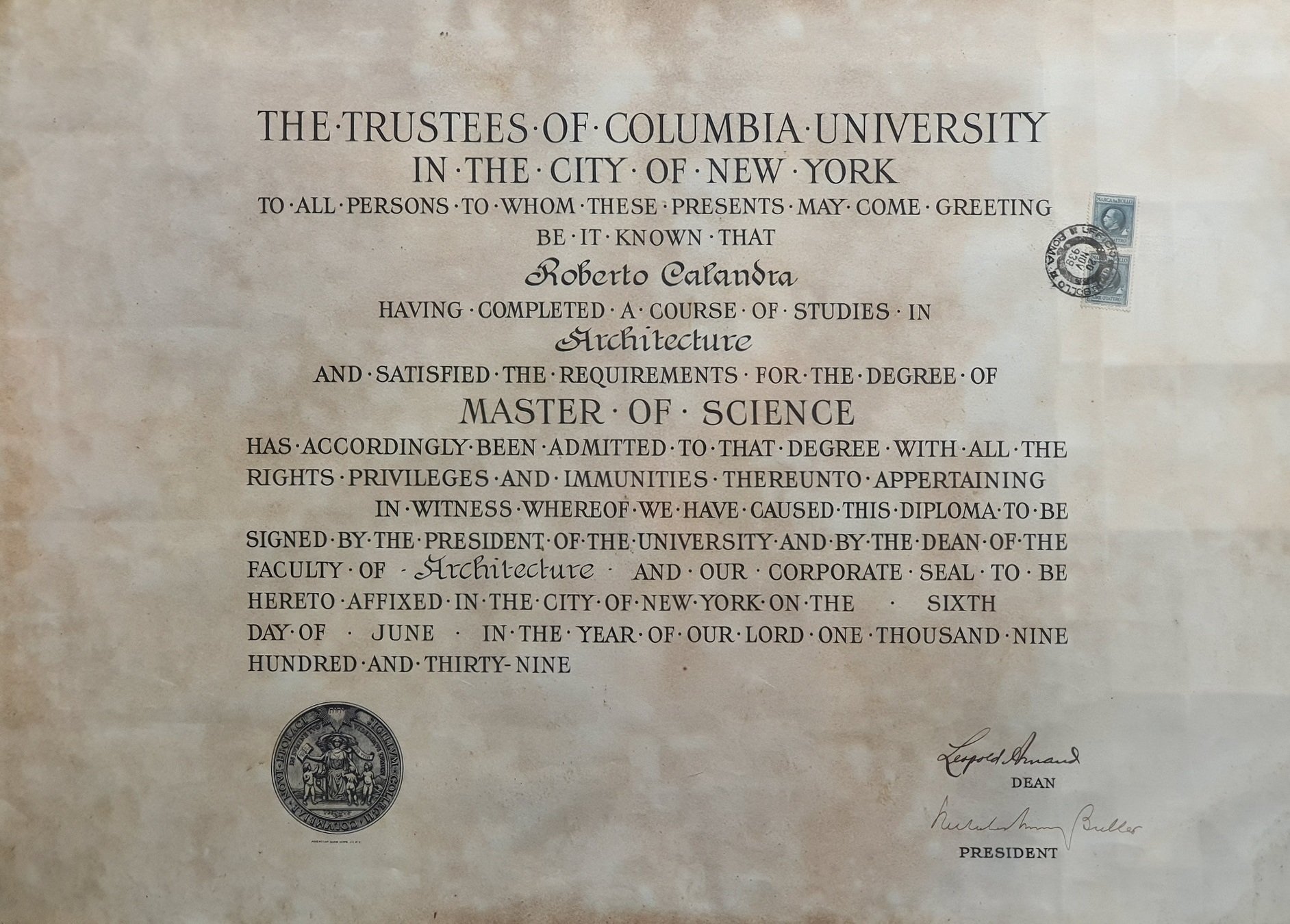
Roberto Calandra is a Full (W3) Professor at Technische Universität Dresden, where he leads the Learning, Adaptive Systems and Robotics (LASR) Lab. Previously, he served as a Research Scientist at Meta AI (formerly Facebook AI Research) and a Postdoctoral Scholar at UC Berkeley’s BAIR Lab under Sergey Levine. His academic journey includes a PhD in Robotics from TU Darmstadt, an M.Sc. in Machine Learning from Aalto University, and a B.Sc. in Computer Science from Università di Palermo. His research bridges Robotics and Machine Learning, focusing on tactile sensing, Bayesian Optimization, and model-based reinforcement learning. He pioneered the DIGIT tactile sensor , now the most widely used tactile sensor in robotics, and advocates for a computational field of Touch Processing to advance haptic understanding. His work emphasizes data-efficient learning, real-world dexterous manipulation, and multimodal perception. Recent publications highlight breakthroughs in tactile sensor design, in-hand object manipulation, and multimodal integration. He organizes workshops on robotics and machine learning (e.g., at NeurIPS, ICRA) and promotes open-source tools like PyTouch and TACTO .
University of Applied Sciences and Arts LucerneSwitzerland
Christoph Stiefel is a Professor at the Lucerne School of Music (HSLU), specializing in Jazz Piano, Keyboard, and Jazz Ensemble Direction. He leads the Institute of Jazz and Folk Music, focusing on composition using Isorhythms, a medieval technique adapted into modern jazz frameworks. His career spans global performances with artists like Andreas Vollenweider, and he has produced 23 albums, including acclaimed works like Full Tree (2023) and CHUTES AND LADDERS (2021). His research explores the intersection of structured composition and improvisation, blending traditional jazz elements with experimental techniques. Key projects include the Inner Language Trio and Septet formations, emphasizing collaborative creativity. Recent work highlights his shift toward balancing conceptual frameworks with spontaneous musical interaction. No specific grants or awards are noted, but his discography reflects significant industry recognition.
Swiss Federal Institute of Technology in LausanneSwitzerland
Peter Edwards is Professor at the Department of Musicology, University of Oslo, where he has served as Head of Research (since 2022) and Head of Department (2017-2020). With affiliations in the Faculty of Humanities, he leads significant academic projects including the Democracy of Silence and holds leadership roles in the National Council of Music. His academic journey includes a PhD and MA from University of Oslo and a BMus from London College of Music. Edwards' research explores music philosophy, aesthetics, and analysis of twentieth/twenty-first century music. His work integrates interdisciplinary approaches to understanding musical expression, cultural contexts, and theoretical frameworks that shape contemporary musicology. His recent publications focus on music analysis and aesthetics, particularly exploring themes of mortality, cultural identity, and artistic innovation. Trends include interdisciplinary studies combining music theory with cultural anthropology and philosophy. Awards: Erasmus+ staff mobility stipend (2024) Edwards has supervised 16 graduate students (13 Master's and 3 PhD candidates) focusing on diverse musicological topics. His leadership includes the Oslo Death Network research group.
Kalaidos University of Applied SciencesSwitzerland
Vovka Ashkenazy is a distinguished classical pianist and lecturer, currently teaching at Kalaidos Musikhochschule (Zurich), the Conservatory of Italian Switzerland (CSI) in Lugano, the Accademia di Imola Foundation, and the Tiziano Rossetti Academy. He holds a Master of Arts from Belford University and advanced pedagogical certification from France. His academic roles are centered on classical piano performance and interpretation. Education: Master of Arts, Summa Cum Laude, Belford University (2008) Certificat d'Aptitude - Professor d'Enseignement Artistique, France (2002) GRNCM Upper Division, Royal Northern College of Music (BA, 1983) Vovka Ashkenazy's research and artistic interests focus on classical and romantic piano repertoire, with a special emphasis on Russian music, two-piano performance, and chamber music. His pedagogical philosophy emphasizes musical understanding before technical execution, advocating for clarity of sound and emotional expression. He has made significant contributions through performances and arrangements of works by Rachmaninoff, Borodin, Mussorgsky, and Scriabin. His recent artistic output, spanning from 2009 to 2014, reveals a strong focus on collaborative piano performance, particularly in two-piano and piano-and-winds genres. He frequently performs with his father, Vladimir Ashkenazy, and his brother, Dimitri Ashkenazy, exploring Russian romanticism, orchestral transcriptions, and chamber repertoire. His work bridges performance and education, with recordings on DECCA, Chandos, and Cryston labels reflecting both technical mastery and interpretive depth. Scientific and Artistic Awards: Honorary Artistic Adviser, Guangzhou Opera House (2010) Artistic Director, Rina Sala Gallo International Piano Competition, Monza, Italy (2014) Vovka Ashkenazy is actively engaged in mentoring through masterclasses across Asia, Europe, and the Americas. While no formal grant information is available, his leadership roles in international competitions and recordings indicate sustained artistic funding and institutional support. He has contributed to charitable causes such as Action for Children, Cystic Fibrosis Trust, and the Bridges Peace Foundation. He runs a private teaching studio in Pura, Switzerland, offering structured and intensive piano study programs. Laboratories and Performance Ensembles: Private Piano Studio at Casa Camelia, Pura, Switzerland Collaborative Duo with Vladimir Ashkenazy (father) Chamber Ensemble with Dimitri Ashkenazy (brother) Reykjavík Wind Quintet (long-term collaborator) Regular performer at international festivals (Marlboro, Edinburgh, Spoleto)
University of Applied Sciences and Arts Northwestern SwitzerlandSwitzerland
Dr. Jamie Allen is a Senior Lecturer/Researcher at the FHNW University of Applied Sciences and Arts Northwestern Switzerland, based in the Institute Experimental Design and Media Cultures (IXDM) at the Basel Academy of Art and Design. His work bridges artistic practice, media theory, and environmental science, focusing on infrastructures, ecological justice, and planetary systems. He holds a PhD in media and infrastructure studies and has held roles including Canada Research Chair in Infrastructure, Media and Communications at NSCAD and Head of Research at CIID. Academic Affiliations: Senior Researcher at Critical Media Lab Basel, Adjunct Professor roles in institutions globally Education: Degrees in chemical/electrical engineering, music composition, media arts, and communication philosophy Research interests center metabolic creative practices, infrastructural modernism critiques, and planetary intimacy. Notable projects include the Anthropocene Curriculum platform and the Shift Register media-geological project. His articles explore themes like planetary scale analysis, ecological mythologies, and labor dynamics in digital capitalism. Awards include grants from Swiss National Science Foundation, SSHRC, and Denmark/Canada arts councils. Key collaborations include work with the Nam June Paik Art Centre, transmediale festival, and institutions like Tate Liverpool. Current projects include Geognostics: A Planetary Manual and Didn't You Get the Memo?, addressing institutional practices and ecological futures.
Dr. habil. Vadym Rakochi serves as a Lecturer in the Department of Musicology within the Faculty of Humanities at the University of Basel. Based at the Musicological Seminar located at Petersgraben 27, 4051 Basel, Switzerland, he contributes to the department's century-long tradition of musicological research and teaching. His academic specialization centers on orchestral studies, with particular expertise in the instrumental concerto, the historical development of orchestras, and the concept of the 'concert orchestra.' His research examines the form-defining, genre-defining, dramatic, and expressive functions of orchestras in concert settings from the 17th century to the present day. Rakochi's scholarly output includes approximately thirty articles and book chapters along with a monograph dedicated to the history of the orchestra. His work bridges historical musicology with practical music theory, contributing to the department's comprehensive approach that spans from early music theory through contemporary art and popular music. As part of the Musicological Seminar's teaching staff, he participates in the department's vibrant academic community that includes regular events such as semester aperitifs, research days, and musical performances featuring faculty, students, and staff. The department maintains active research projects and collaborations, including the NightMuse research team focusing on nocturnal musical practices in early modern Europe.
University of Applied Sciences and Arts LucerneSwitzerland
Philipp Teriete is a full tenured Professor of Music Theory (focusing on Jazz/Pop/Arrangement and Classical Music) at the University of Music Freiburg, Germany. Previously, he held roles as a Lecturer in Music Theory at the Lucerne School of Music and represented the Chair for Music Theory at HfM Freiburg. His research explores historical improvisation, intersections between classical and jazz music, 16th-century vocal polyphony, and Béla Bartók’s works. Education: BM/MM in Piano and Music Theory from HfM Freiburg (2006–2014), with exchanges at Royal Academy of Music London and Conservatoire National Supérieur de Musique Paris. Later studies in Jazz Composition (Norwegian Academy of Music) and Jazz Studies (NYU). Research Interests: 18th/19th-century improvisation pedagogy Jazz-classical intersections in late 19th/early 20th century Vocal polyphony of the 16th century Béla Bartók’s compositional techniques Publications: Co-edited Das Universalinstrument (2020) and authored key papers like Leipzig to St. Louis (2018). Active in publishing music theory analyses and jazz compositions. Teaching: Taught Music Theory at HfM Freiburg, Jazz Piano/Composition at NYU, and currently mentors students in jazz/pop/arrangement fields. His pedagogical work bridges historical European traditions with modern jazz practices.
Kalaidos University of Applied SciencesSwitzerland
Judit Polgar is a lecturer for accompaniment with a focus on singing at the Kalaidos Music Academy since 2014, specializing in piano accompaniment for vocal performance. She is an accomplished pianist and accompanist with extensive experience in the classical music field. Her educational background includes a Teaching Diploma (2002) and Concert Diploma (2005) from Zurich University of Music, MAS Song Accompaniment (2010) from Zurich University of the Arts, and conducting studies (2019) from Bern University of the Arts. She has participated in masterclasses with renowned musicians including Irwin Gage, Brigitte Fassbänder, and Homero Francesch. Polgar's research and performance interests center around song accompaniment, particularly focusing on the works of composers such as Mahler, Strauss, Berg, and Debussy. She has released several critically acclaimed recordings that explore the transition to musical modernism, including the album 'Songs of a New Era' which features works by Schoenberg, Berg, Honegger, and Debussy. Her scholarly output demonstrates expertise in interpreting complex piano-vocal repertoire, with particular attention to the nuanced interplay between voice and piano in art song literature. Reviews consistently praise her as 'the ideal accompanist' who provides 'competent, collegial support and pianistically perfect accompaniment.' 2009 Nico Kaufmann Prize of the City of Zurich, Prize for Song Accompaniment 2010 International Joseph Suder Competition Nuremberg, Companion Prize As an educator, Polgar conducts song courses with soprano Barbara Fuchs and provides regular accompaniment at 'diemasterclass Zürich' with Sandra Trattnigg. Her teaching focuses on developing the collaborative skills necessary for effective piano-vocal partnership in art song performance.
University of Applied Sciences and Arts LucerneSwitzerland
Jean-Paul Brodbeck serves as a Professor at the Lucerne University of Applied Sciences and Arts within the Institute for Jazz and Folk Music, holding a teaching diploma in classical piano from the Basel Conservatory earned in 1995 with "very good" distinction. His educational journey began with jazz instruction under Hans Feigenwinter before advancing to classical studies at the Basel Conservatory. Teaching Diploma in Classical Piano, Basel Conservatory (1995) Brodbeck's artistic practice spans Jazz , Classical Piano , Hip-Hop , and Ensemble Performance , demonstrated through founding the experimental hip-hop band "Chapter 12" and collaborations with icons like Lionel Hampton, Herbie Mann, and Kurt Rosenwinkel. His work consistently bridges genres, notably adapting Chopin compositions into contemporary jazz frameworks. His recorded output reveals a trajectory of cross-genre innovation, with projects like The Chopin Project (2022) and A Different Mind (2011) emphasizing harmonic exploration, rhythmic complexity, and dialogues between classical structures and jazz improvisation. Recognition includes: Studio Scholarship from the City of Zurich (2011) As an educator, Brodbeck directs Piano Jazz and Jazz ensemble courses at Lucerne University of Music, mentoring students through practical ensemble training while sustaining an international performance career. His creative projects receive selective institutional support, exemplified by the Zurich scholarship enabling New York recordings. Current artistic engagements include the Kurt Rosenwinkel quartet for "The Chopin Project", Johannes Enders' quartet featuring Billy Hart, and longstanding leadership of original trios – continuing a career launched at age 15 through onstage collaboration with Lionel Hampton.
University of Applied Sciences and Arts LucerneSwitzerland
François Chalet serves as an Artistic Professor at Lucerne University of Applied Sciences and Arts within the Design Film Art school, where he teaches Expanded Animation and has held academic positions since 2005. His professional profile combines academic instruction with an active practice as an independent visual artist, animator, and director spanning nearly three decades since 1997. Chalet's research and creative work centers on expanded animation techniques that transcend traditional screen boundaries. His practice integrates projection mapping, interactive installations, and immersive audiovisual performance, creating innovative experiences that merge digital technology with artistic expression. Recent projects demonstrate increasing sophistication in audience interaction and contextual awareness, particularly through his work with Context-aware AR and full-dome animation environments. As an educator, Chalet has supervised numerous student collaborations, most notably the Reizvoll immersive audio-visual performance that brought together HSLU animation students with the molto cantabile choir. His teaching philosophy emphasizes both technical mastery and conceptual development, encouraging students to explore animation beyond conventional formats and applications. Chalet leads significant research initiatives including Ludic Lab Lucerne (2019-2021), the ETH Zurich collaboration on Context-aware AR (2021-2022), and previous holography research with the National Filmboard of Canada (2018-2019). These projects consistently involve interdisciplinary teams combining animation expertise with music composition, technical development, and interactive design to create cohesive, boundary-pushing works. His professional recognition includes regular participation as a jury member and speaker at internationally relevant conferences and festivals, reflecting his standing within the global animation and visual arts community. Chalet's work continues to evolve toward more sophisticated integration of animation with live performance, audience participation, and responsive environmental systems.
University of Applied Sciences and Arts LucerneSwitzerland
Daniella Gerszt serves as a Lecturer and Study Coordinator for Music Theory, Composition, Music and Digital Creation, and Music and Artistic Research at the Institute for New Music, Composition and Theory, Lucerne University of Applied Sciences and Arts in Kriens, Switzerland. Her office is located at Arsenalstrasse 28a, Room 160. Her research spans Music Theory, Composition, Digital Music, Artistic Research, Contemporary Music, and Musicology, with current focus on historical performance analysis through the project "Claude Debussy's recordings of his own piano works." This work bridges early 20th-century compositional practices with modern musicological methodologies. Scientific Awards: No awards or honors listed in available documentation Advising and Grants: No student advisees or grant funding details disclosed Labs and Teams: Integral member of the Institute for New Music, Composition and Theory driving curriculum development in digital music creation and artistic research frameworks