Prof. Hedan Bai is an Assistant Professor at the Department of Materials, ETH Zürich, specializing in robotics materials, bio-inspired systems, and soft robotics. Their research focuses on developing advanced materials for sensing, energy-efficient systems, and biomedical applications. Notable projects include the SmartSuit architecture for space exploration and self-healing optical sensors for soft robots. Research interests span bioelectronics, stretchable sensors, haptic interfaces, and biomimetic materials. Bai's work integrates material science with robotics to create adaptive, sustainable, and intelligent systems. Key areas include wireless implants for neuromodulation, environmental-responsive textiles, and energy-harvesting devices. Publications highlight innovations in optical waveguides, self-healing materials, and wearable technologies. Their interdisciplinary approach bridges robotics, biomedical engineering, and aerospace applications. No formal awards are listed, but contributions to next-gen materials for robotics are prominent. Advising and grants are not detailed in the text, but Bai's lab focuses on projects like SmartSuit for extravehicular activities and synthetic afferent neural networks. Collaborations likely involve aerospace and biomedical sectors.
Swiss Federal Institute of Technology in LausanneSwitzerland
Francesca Stradolini is a Lecturer at École Polytechnique Fédérale de Lausanne (EPFL), affiliated with the Electrical Engineering Doctoral School (EDEE). She holds a PhD in Electrical Engineering from EPFL (2018), with prior education in Bio Engineering and Neuroscience from the University of Genoa (2012, 2015). Her current work focuses on R&D engineering for medical devices, emphasizing system lifecycle management, human factors engineering, and compliance with CE/FDA regulations. As an invited guest, she contributes to usability engineering education and interdisciplinary research at EPFL. PhD: IoT Bio-Electronic Multi-Panel Device for On-line Monitoring of Anaesthesia Delivery (EPFL, 2018) MSc: Bio Engineering (University of Genoa, 2015) BSc: Bio Engineering (University of Genoa, 2012) Her research spans bioelectronics, IoT-enabled medical monitoring, and electrochemical sensor development for clinical applications. Key areas include anesthesia delivery systems, wearable diagnostics, implantable devices, and human factors engineering. Her work integrates fluidic systems, noble metal nanostructures, and open-source hardware (e.g., Raspberry Pi) to address challenges in traceability, fouling mitigation, and pharmacokinetic modeling. Scientific recognition includes the Ville de Lausanne Award (2019) , EPFL Outstanding PhD Thesis Distinction (2018) , and a Best Paper Award at MOBIHEALTH (2016) . She has published extensively in journals like IEEE TBIOCAS, Sensors and Actuators B, and IEEE Sensors Journal, with collaborative studies on propofol monitoring, carbon nanoallotrope drug detection, and implantable sensor validation. Her technical expertise includes managing medical device development lifecycles, designing IoT architectures for intensive care, and optimizing electrochemical sensors for stability in undiluted biological fluids. She has contributed to conferences such as IEEE BioCAS, ISCAS, and MOBIHEALTH, focusing on translational studies in personalized medicine and 3D-printed medical systems.
Renate Sachse is a Researcher at the Chair of Structural Analysis, Technical University of Munich (TUM), where she has worked since May 2024. Previously, she held postdoctoral positions at Harvard University's Bertoldi Lab (2024) and TUM's Chair of Computational Mechanics (2021-2024), following academic staff roles at the University of Stuttgart (2015-2020). Her interdisciplinary work bridges civil engineering, biomechanics, and computational modeling. Her educational foundation includes a Master's in Civil Engineering from the University of Stuttgart (2014; thesis: 'Isogeometric contact analysis of thin-walled structures') and a Bachelor's from the same institution (2011; thesis: 'A Primary School Pavilion for Magagula in South Africa - Structural Analysis'). She also completed ERASMUS studies at ESTP Paris and internships at Foster + Partners and Werner Sobek AG. Dr. Sachse's research centers on biomechanics and biomimetics, with pioneering work on plant-inspired structures. She investigates snapping mechanisms in carnivorous plants (Venus flytrap, waterwheel plant) to develop bio-inspired adaptive systems, soft robotics, and metamaterials. Her expertise spans motion design for large-deformation structures, isogeometric analysis, and hygroscopic actuation in 4D-printed materials, emphasizing computational modeling of contact mechanics and structural stability. Analysis of her 15 most recent publications reveals a dominant focus on biomechanics (60% of articles), particularly plant movement mechanics translated into engineering solutions. Her work consistently integrates computational structural analysis with biological principles, showing increasing emphasis on motion design (25% of recent output) and additive manufacturing applications (15%). Key trends include translating snap-buckling phenomena into robotics and developing material design spaces for responsive structures. Her distinguished awards include the Bertha Benz Prize (2022), Klaus Tschira Boost Fund Fellowship (2022-2024), and University of Stuttgart Publication Award (2022). Additional recognition comprises GAMM Juniors Fellowship (2020-2022), AVK Innovation Award (2017), and Emil Mörsch Study Prize (2014). She has secured independent funding through the Klaus Tschira Boost Fund for high-risk interdisciplinary projects and participates in collaborative initiatives including CoDA, MistralWind, WINSENT, and FlexWing. While teaching advanced courses at TUM (Advanced Finite Element Methods, Theory of Plates), her mentorship focuses on computational mechanics and biomimetic design principles. Currently based at TUM's Chair of Structural Analysis under Prof. Bletzinger, she maintains active collaboration with Harvard University's Bertoldi Lab in developing next-generation adaptive structures.
Prof. Dr. Kenan Aycan is a Professor of Anatomy at Ahi Evran University's Faculty of Medicine, Department of Basic Medical Sciences, where he has served since 2019. He also holds the position of Department Head since 2020. Previously, he worked at Erciyes University as a School Director from 2011-2016. His academic career spans over four decades with significant contributions to anatomical sciences. Dr. Aycan earned his PhD in Basic Medical Sciences from Ege University's Faculty of Medicine (1983-1986) following his Bachelor's degree in Science from Ege University's Faculty of Science (1970-1975). He also holds a Certificate of Use of Experimental Animals from Erciyes University (2008). His research focuses on anatomical morphology, vascular structures, and developmental processes. Dr. Aycan has pioneered anatomical techniques including the 'Aycan's method' for corrosion preparations. His work spans comparative anatomy across various species, morphometric analyses of anatomical structures, and investigations into teratogenic effects and protective agents. He has extensively studied the foramen magnum using golden ratio principles, vascular anatomy of reproductive organs in ruminants, and auditory ossicles in sheep. Analysis of his recent publications (2021-2025) reveals consistent focus on anatomical methodology development, morphometric studies of key anatomical structures, vascular anatomy investigations, and research on developmental processes and teratology. His work often employs plastic injection and corrosion techniques, CT imaging, and comparative approaches across human and animal models. Dr. Aycan has mentored numerous graduate students, serving as primary advisor for over 20 Master's and PhD theses covering diverse anatomical topics from vascular variations to developmental studies. His collaborative network includes researchers like Tufan Ulcay, Burcu Kamaşak, and others across Turkish institutions.
Muhannad S. Bakir is the Dan Fielder Professor in the School of Electrical and Computer Engineering at Georgia Institute of Technology and serves as the Director of the 3D Systems Packaging Research Center. His research focuses on heterogeneous integration of microsystems, including 2.5D and 3D ICs and packaging technologies, with significant contributions to advanced cooling systems, electrical and photonic interconnects, and biosensor integration with CMOS. Dr. Bakir's research interests span heterogeneous microsystem design and integration, advanced cooling and power delivery for emerging architectures, electrical and photonic interconnect technologies, biosensor technologies, and nanofabrication. His work addresses critical challenges in next-generation electronics, enabling polylithic integration that concatenates heterogeneous ICs of various functionalities while mimicking monolithic-like densities. His research particularly focuses on co-design of thermal technologies, power delivery networks, and signaling networks for silicon nanoelectronic systems. His recent publications demonstrate strong trends in fused-silica stitch-chip technology for heterogeneous integration, with particular emphasis on RF and mm-wave applications, power delivery for AI accelerators, and thermal management solutions. His work bridges electrical engineering, materials science, and thermal management to solve critical bottlenecks in computing performance and efficiency. 2013 Intel Early Career Faculty Honor Award 2012 DARPA Young Faculty Award 2011 IEEE CPMT Society Outstanding Young Engineer Award 2012 National Academy of Engineering Frontiers of Engineering Symposium Invited Participant 2015 IEEE CPMT Society Distinguished Lecturer 2014 Best Paper of the IEEE Transactions on Components Packaging and Manufacturing Technology More than 25 conference and student paper awards Twelve issued US Patents Dr. Bakir leads the Integrated 3D Systems Lab (I3DS) at Georgia Tech, which is actively researching advanced packaging, interconnects, electrical and thermal design, and system integration. His team has received significant recognition for their work, including multiple best paper awards from major conferences like ECTC, IITC, and CICC. The lab is currently seeking postdoctoral researchers and research faculty to advance next-generation electronics through collaborative research. His lab focuses on enabling the next phase of Moore's Law through polylithic integration, which concatenates heterogeneous ICs of various functionalities (digital, analog, photonic, and mm-wave) using advanced off-chip '2.5D' and '3D' heterogeneous interconnects and packaging. This work impacts applications in high-performance computing, machine learning, edge intelligence, autonomous vehicles, augmented/virtual reality, and healthcare.
Kelly Arnold is an Associate Professor in the Department of Biomedical Engineering at the University of Michigan. Her research integrates systems engineering principles with immunology to investigate variability in immune responses across infection, vaccination, and injury, with a focus on computational modeling and clinical translation. Research Focus Systems-level immune response modeling Vaccination and antibody functionality Vaginal microbiome-host interactions Chronic lung disease progression Computational serology and proteomics Recent Work Her 2025 studies examine SARS-CoV-2 vaccination responses in cancer patients and computational frameworks for vaginal probiotics. Earlier works (2024-2007) span COPD progression, lupus fibrosis, HIV susceptibility, and tissue engineering for fertility preservation. Methodologies include proteomic profiling, network modeling, and microfluidic systems.
Noah J. Cowan is a Professor of Mechanical Engineering at Johns Hopkins University's Whiting School of Engineering, with secondary appointments in Computer Science, Electrical & Computer Engineering, and Neuroscience. He is the founder and director of the Locomotion in Mechanical and Biological Systems (LIMBS) Laboratory, part of the Laboratory for Computational Sensing and Robotics. His research focuses on neuromechanics, robotics, and control theory, bridging neuroscience, biomechanics, and engineering. Cowan's work investigates how organisms achieve precise locomotion and applies these insights to advance robotics, neuroprosthetics, and rehabilitation technologies. Education: B.S. Electrical Engineering (Ohio State, 1995), M.S. and Ph.D. Electrical Engineering & Computer Science (University of Michigan, 1997/2001). Postdoctoral fellowship at UC Berkeley (2001–2003) before joining Johns Hopkins. Research Interests: Neuromechanics of motion, bio-inspired robotics, multisensory integration in animals (e.g., electric fish, Drosophila), and sensorimotor control in clinical contexts like cerebellar ataxia. His lab studies how neural circuits interact with biomechanics to produce movement, with applications to robotic design and neurological disorder treatments. Awards & Recognition: Presidential Early Career Award for Scientists and Engineers (2010), IEEE Fellow, NSF CAREER Award (2009), and multiple teaching and research excellence awards at Johns Hopkins. His work has been published in top journals like Nature , Proceedings of the National Academy of Sciences , and IEEE Transactions on Robotics . Outreach & Mentorship: Longtime mentor for high school and undergraduate students in STEM, leading programs like the Baltimore Ingenuity Project and WISE. Served as team leader for the STEM Achievement in Baltimore Elementary Schools (SABES) initiative. Key Projects: Development of the LIMBS Lab’s VR systems for animal studies, bioelectric navigation technologies for medical devices, and collaborations with clinicians on upper limb movement disorders. His team’s research on electric fish and fruit flies has revealed principles of adaptive control applicable to robotics and AI.
Thomas Gray is an Assistant Professor in the Mechanical Engineering Department at Texas A&M University, affiliated with the Mike J. Walker ’66 Department. His research focuses on Human Strength Amplification, Wearable Robotics, and Control Systems, with a particular emphasis on exoskeleton design and biomechanical interaction. He leads the HERC Lab, aiming to advance direct control paradigms for physically interactive robots. Educational Background : Ph.D., Mechanical Engineering, University of Texas at Austin (2019) B.S., Engineering: Robotics, Olin College of Engineering (2012) Research Interests : Gray’s work centers on enhancing human performance through advanced robotic systems. Key areas include: Development of wearable devices for strength amplification and fatigue mitigation Design of series-elastic actuators and force/torque feedback mechanisms System identification for robust control in dynamic environments Optimization of mechanical impedance rendering for natural human-robot interaction Awards & Recognition : IEEE ICRA Best Manipulation Paper Award (2017) IJHR Best Paper Award (2016) NASA Space Technology Research Fellowship (2015) DARPA Virtual Robotics Challenge Winner (Team IHMC, 2013) Grants & Advising : Gray has secured significant funding for his research, including grants from NASA and DARPA. He advises students in robotics and control systems, though specific student names are not listed. Labs & Teams : He directs the Human-Empowering Robotics and Control (HERC) Lab, which explores next-generation robotics for human augmentation and direct control methodologies.
Qingguo Li is a Professor and Associate Head at the Department of Mechanical and Materials Engineering , Queen's University , and a member of the Ingenuity Labs Research Institute . He specializes in biomechanical system design, energy harvesting, wearable sensors, gait analysis, and load carriage systems. His research integrates robotics, biomedical engineering, and sensor technology to develop human-centric devices and mobility aids. Current Roles : Professor, Associate Head, Queen's University Research Institute : Ingenuity Labs Research Institute Lab : Bio-Mechatronics and Robotics Laboratory His work focuses on biomechanical energy harvesting , IMU-based motion analysis , and assistive device development . Key applications include stroke rehabilitation, gait monitoring, and wearable power generation systems. Articles span cable-driven robots , smart walkers , and 3D printing mechanisms , emphasizing human-robot interaction and dynamic modeling . The lab explores sensor calibration , adaptive control algorithms , and human movement optimization . Areas of impact include rehabilitation engineering , load carriage stability , wearable sensor accuracy , and assistive robotics . His team develops solutions for gait asymmetry detection , post-stroke mobility , and low-cost energy systems , leveraging machine learning and kinetic modeling .
Masaki Nishida is a Professor at the Faculty of Sport Sciences , Waseda University, and Vice President of the Health Support Center at the same institution. He also serves as Chief of the Sleep Research Institute . His research bridges Sleep Science , Sports Medicine , and Clinical Psychiatry , with a focus on the interplay between sleep, cognitive function, and athletic performance. Education: Tokyo Medical and Dental University, Faculty of Medicine (1996) His work has significantly advanced understanding of napping interventions for athletes, sleep quality in competitive divers, and neurophysiological mechanisms linking sleep spindles to memory consolidation. Current research projects include a 2024-2027 study on functional bedding effects funded by Japan Society for the Promotion of Science. Scientific awards include the 15th Japanese Society of Sleep Research Encouragement Award (2010) and the 88th Japanese Society for Occupational Health Award (2015). His publications span topics like REM sleep's role in emotional memory , sleep inertia , and motor adaptation , with recent emphasis on international sports psychiatry standards . He actively contributes to professional societies including the Japanese Association of Sports Psychiatry (Chairman) and Society for Neuroscience .
Leibniz Institute for Zoo and Wildlife ResearchGermany
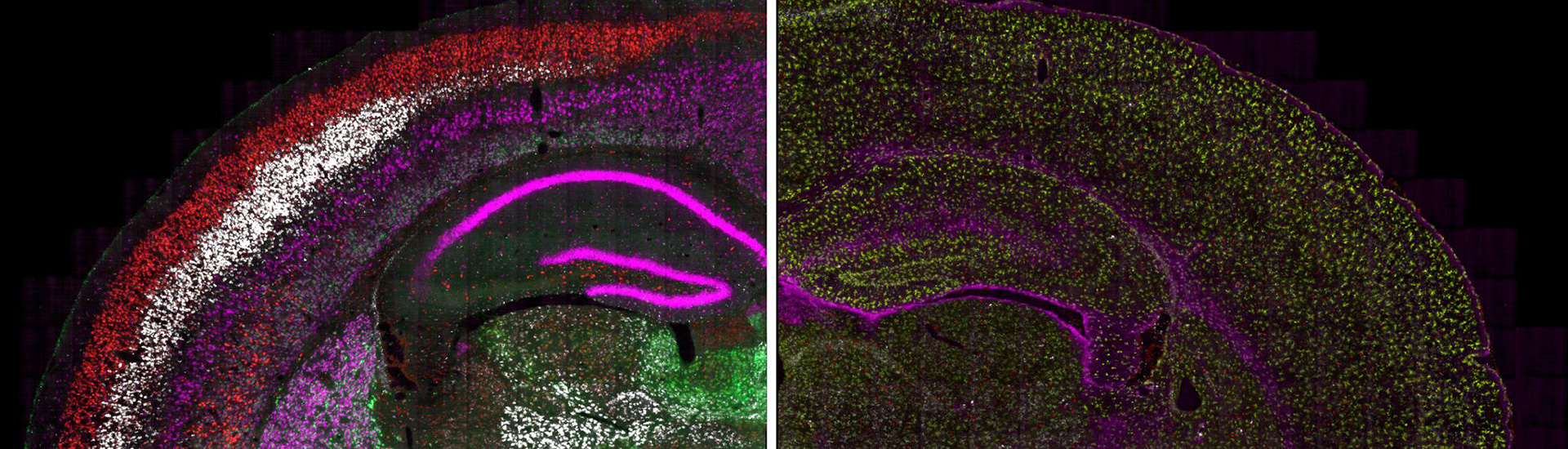
Omer Bayraktar is a Group Leader at the Wellcome Sanger Institute , leading research in the Cellular Genomics Programme. His work focuses on decoding human brain cellular diversity using spatial transcriptomics , imaging , and functional screening to study neural complexity in health and disease. Bayraktar's educational background includes a PhD from HHMI under Chris Doe, investigating neural diversity development in Drosophila , followed by postdoctoral work at University of California, San Francisco and University of Cambridge as a Life Sciences Research Foundation Fellow. He developed a spatial transcriptomic pipeline during his postdoc to analyze astrocyte heterogeneity in the cerebral cortex. His research explores neural cell type mapping , glial-neuronal interactions , and cellular pathways in neurodevelopmental disorders . Recent publications emphasize 3D tissue mapping , multi-omic integration , and computational tools like Cell2fate and WebAtlas. His work bridges neurogenetics and computational biology to advance understanding of human tissue ecosystems. Bayraktar's lab collaborates with the Human Cell Atlas initiative and develops technologies such as automated histology pipelines and highly-multiplexed smFISH for molecular cell typing. His team also investigates glia-based therapies and astrocyte functional heterogeneity in neurodevelopmental contexts. Key scientific contributions include: Discovering astrocyte layer patterns independent of neuronal laminae Developing cell2location for spatial cell mapping Characterizing Drosophila neural stem cell models with human relevance Notable awards include the Life Sciences Research Foundation Fellowship during his postdoctoral training. His current group includes a PhD student , Senior Data Scientists , and Bioinformaticians .
Jennifer Curtis is a Full Professor in the School of Physics at Georgia Institute of Technology and serves as an ADVANCE Professor for the College of Sciences. Her research focuses on the physics of cell-cell and cell-extracellular matrix interactions, particularly within glycobiology and immunobiology contexts. Dr. Curtis earned her Ph.D. in Physics from the University of Chicago (2002) and her B.A. in Physics from Columbia University (1997). Her research interests span biophysics at interfaces, quantitative modeling of collective cellular interactions, cell mechanics, motility, adhesion, and the role of bulky sugars in tissue organization. Her laboratory investigates collective and single cell migration, immunophage therapy (combining immune cells with phages to combat bacterial infections), and molecular biophysics of hyaluronan synthase. Recent work demonstrates applications in soft materials, biomaterials, tissue engineering, and advanced characterization techniques. Analysis of her publication record reveals consistent focus on glyco-biophysics and cellular mechanics, with increasing emphasis on microbial communities and therapeutic applications. Her work bridges physics, biology, and engineering through interdisciplinary approaches. Honors include the NSF CAREER Award (2010), Georgia Tech College of Sciences Faculty Mentor Award (2015), and Cullen Peck Award (2020). She serves on the Biophysical Journal editorial board. Dr. Curtis actively mentors students through the Georgia Tech Physics REU program (which she directs) and collaborates with biologists, chemists, and materials scientists. Her laboratory maintains strong partnerships with institutions including Emory University and international collaborators. The Curtis Lab operates the Cell Physics Laboratory in the Molecular Science & Engineering Building, utilizing advanced techniques including holographic optical tweezers, thermochemical nanolithography, and single-molecule imaging to study cellular mechanics and polymer physics at biological interfaces.
Ben Cosgrove is an Associate Professor in the Meinig School of Biomedical Engineering at Cornell University, serving as Director of Graduate Studies. His research focuses on systems bioengineering approaches to understand muscle stem cell dysfunction in aging and disease. He leads the Cosgrove Lab, a multidisciplinary group integrating biomedical engineering, stem cell biology, and systems biology to study microenvironmental signaling in muscle regeneration. His work includes developing biomimetic microenvironments for stem cell manufacturing and improving regenerative medicine therapies. Dr. Cosgrove holds a B.Eng. from the University of Minnesota (2003) and a Ph.D. in Bioengineering from MIT (2009). Postdoctoral training at Stanford University (with Dr. Helen Blau) followed. His research is supported by NIH grants (including R01, R21), the Glenn Medical Research Foundation, and others. He has been recognized with awards such as the BMES Graduate Research Award (2008), Rising Star Award (2015), and Swanson Teaching Excellence Award (2019). Research interests span bioengineering, biomechanics, computational science, and systems biology. His lab's innovations include spatial transcriptomic mapping and high-yield stem cell expansion platforms. Current projects aim to decode stem cell-niche interactions to treat muscle degeneration and aging. Grants: NIH K99/R00, R01, R21; Glenn Medical Research Foundation Labs/Teams: Cosgrove Lab (Cornell University) Future Work: Expanding applications of spatial transcriptomics and engineering regenerative therapies for muscle diseases
Jianhua Xing is an Associate Professor in the Department of Physics & Astronomy at the University of Pittsburgh , affiliated with the Dietrich School of Arts and Sciences . His research focuses on applying physics-based approaches to study biological systems, particularly cell phenotypic transitions (CPTs) and their underlying dynamics. He integrates quantitative single-cell measurements with computational and theoretical analyses to understand how cells transition between stable states. Key research areas include: Nonequilibrium systems and rate theories for biological transitions Single-cell trajectory analysis and live-cell imaging Epithelial-mesenchymal transition (EMT) dynamics Gene regulatory networks and stochastic processes Biological applications of dynamical systems theory Recent work highlights the coupling between EMT and cell cycle arrest, leveraging machine learning frameworks (e.g., LivecellX ) for high-resolution imaging analysis. His lab also explores chromosomal dynamics and mechanotransduction in stem cell aging. Publications emphasize data-driven modeling and theoretical insights, with contributions to frameworks like GraphVelo and Graph-Dynamo for inferring cellular state transitions. Collaborative efforts bridge physics, biology, and computational science to address fundamental biological questions. No awards or grants are explicitly listed in the provided texts. His research group focuses on advancing systems biology through interdisciplinary methods, with a lab dedicated to quantitative analysis of cellular processes.
Bydgoszcz University of Science and TechnologyPoland
Andrzej Majkowski is an Associate Professor at the Institute of the Theory of Electrical Engineering, Measurement and Information Systems, Faculty of Electrical Engineering, Warsaw University of Technology. His career spans over two decades of research in biomedical engineering, focusing on brain-computer interfaces, signal processing, and emotion recognition. Active in both teaching and research, he contributes to advancing methodologies in electrophysiological signal analysis. Warsaw University of Technology Institute of the Theory of Electrical Engineering, Measurement and Information Systems Faculty of Electrical Engineering Specializing in biomedical engineering , Majkowski's research bridges control systems and information technologies with neuroscience applications. His work explores brain-computer interfaces , EEG/EMG signal processing , and emotion recognition using multimodal physiological data. Recent studies focus on deep learning architectures for artifact removal and classification tasks. Recent publications highlight trends in CNN-LSTM hybrid models for signal denoising, convolutional networks for seizure detection, and machine learning applications in visual evoked potential analysis. His work spans both clinical applications (epilepsy monitoring) and human-computer interaction (emotion recognition, sign language detection). With over 98 documented publications and significant bibliometric indicators (h-index 13 in Scopus), Majkowski has supervised 95 promoted theses. His research includes one funded project and collaborations in biomedical instrumentation, though specific award details remain unspecified in available records.