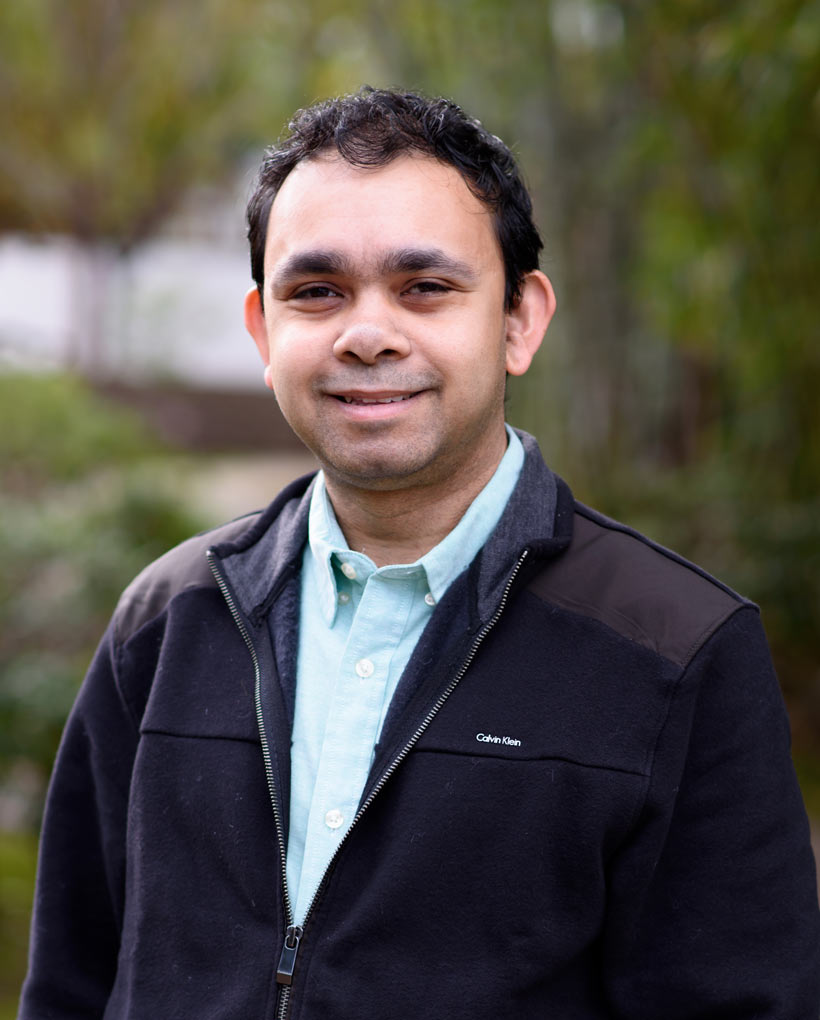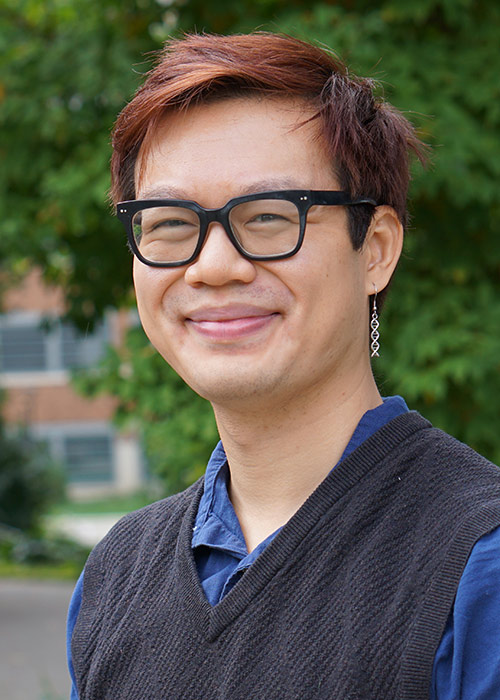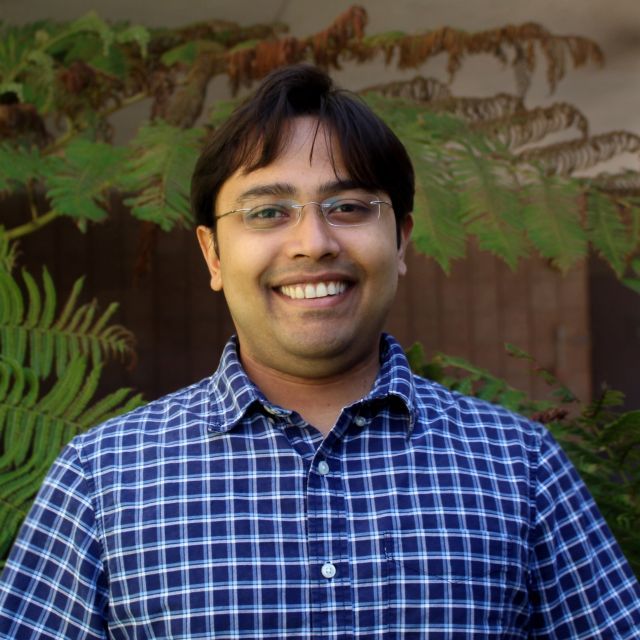
Siddharth DeyView profile
Associate Professor
- Single-cell sequencing technologies
- Epigenetic regulation of gene expression
- Cell fate decisions
- +5 more
Siddharth Dey is an Associate Professor in both the Department of Bioengineering and the Department of Chemical Engineering at the University of California, Santa Barbara. His research focuses on developing novel single-cell sequencing technologies to study epigenetic regulation of gene expression and cell fate decisions. The Dey Lab investigates mechanisms underlying DNA methylation dynamics, cancer cell invasion, and HIV latency using advanced multiomics approaches and 3D organoid models. He leads the Dey Lab , which integrates synthetic biology, optogenetics, and computational modeling to understand cellular heterogeneity and disease processes. Key research areas include: (1) Single-cell multiomics integration, (2) Epigenetic regulation during human development, (3) Mechanotransduction in cancer progression, and (4) Engineering tools for bacterial transcriptomics. Recent work demonstrates breakthroughs in simultaneous profiling of 5mC/5hmC modifications with transcriptomes, enabling unprecedented insights into epigenetic maintenance fidelity and cellular decision-making. His research is supported by grants including the NSF CAREER award (2024) for spatial epigenetic studies in human development. The lab actively collaborates on projects involving photopatterning technologies, stress response signaling, and HIV latency therapies. Experimental approaches combine cutting-edge sequencing methods with microfluidics-based platforms to study cellular responses in physiologically relevant 3D environments. Publications highlight contributions to understanding: (1) DNA methylation erasure in germ cells, (2) YAP-driven cardiac hypertrophy mechanisms, (3) macrophage priming via Fc receptors, and (4) bacterial mRNA sequencing innovations. These studies bridge engineering principles with fundamental biological mechanisms to address critical questions in development, cancer biology, and infectious diseases.