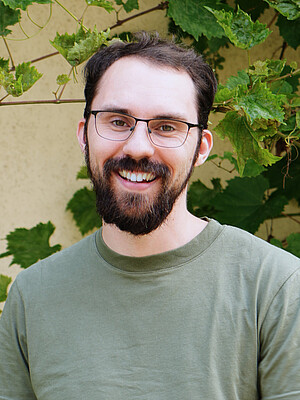
Aditya Sharma is a researcher at the University of California Santa Barbara , focusing on Natural Language Processing , Computer Vision , and Artificial Intelligence . His work bridges vision-language models, medical AI evaluation, and knowledge graph reasoning. PhD : Advancing AI Understanding in Language & Vision (UCSB, 2024) Research Interests: • Vision-Language Models for geometric reasoning and mixed reality • Medical LLM evaluation and hallucination reduction • Temporal knowledge graph reasoning and multimodal systems Article Trends: Recent publications emphasize vision-language integration (e.g., GeoCoder, OCTO+), LLM reliability in medical contexts (MedHELM), and temporal reasoning (TwiRGCN). He explores applications in dark web security , healthcare diagnostics , and energy-efficient computing .
Janine Knight is a Professor in the Department of Applied Linguistics at the Universitat Internacional de Catalunya (UIC Barcelona), affiliated with the Institute for Multilingualism. She specializes in multilingual education, digital literacy, and teacher training. Her work focuses on plurilingual competence development, superdiverse classrooms, and the integration of technology in language learning. Education includes a PGCE in Teaching English in Secondary Schools (Nottingham University), a Masters in e-learning and ICT (Universitat Oberta de Catalunya), and certifications in adult literacy and dyslexia support. Research Group: GRAM (Grup de Recerca en Adquisició Multilingüe) Her research emphasizes multimodal approaches to language teaching, digital tools in education, and collaborative projects between schools and universities. Recent publications explore plurilingual pedagogy, learner agency in online interactions, and the use of pictorial dictionaries in diverse classrooms. Teaching includes courses on English language education, methodology for teaching English as a foreign language, and bilingual education across undergraduate and master's programs. She has also led projects funded by entities like the ASHDRA Hornby Dictionary Trust.
Dr. Ozren Rafajac is a Professor of Professional Studies at Veleri, specializing in integral communication, digital innovation, and organizational strategies. His work bridges academic research and practical business applications, focusing on topics such as digital currencies, IoT in education, and customer experience optimization. He teaches courses in digital marketing, entrepreneurship, and procurement management, emphasizing real-world problem-solving. Research interests span integral communication frameworks, blockchain technology, and logistics optimization. He has contributed to publications analyzing customer interaction dynamics, organizational intelligence, and the impact of technology on modern business practices. Rafajac’s projects include the development of the Veleri-OI IoT School, showcasing applied IoT solutions in education and industry. His work often addresses challenges in Croatia’s economic and technological landscapes. Key areas of focus include enhancing intermodal transport networks, improving youth professional orientation, and exploring sustainable economic paradigms. Rafajac’s interdisciplinary approach integrates communication theory with practical business strategies, aiming to create actionable solutions for organizations and policy-makers.
Sabrina Gerth is a Professor for Digital Education in Primary Schools with a focus on language at the University of Teacher Education Tyrol (PHT). She leads the Institute for Primary Education and holds a formal role as deputy head of the Federal Focus on German in Primary School. Her academic career includes roles at institutions such as the University of Potsdam and the University of Helsinki, with research extending from 2007. Gerth’s work focuses on digital media’s impact on literacy acquisition, inclusive language education, and teacher training in primary education. She actively contributes to conferences globally, publishes in journals like Children and Cognitive Neurodynamics , and leads EU-funded projects like PIVOT and INNALP Edu Hub. Key research areas include handwriting biomechanics, audiobook integration in reading, and virtual reality in teacher education. Education & Career: PhD in Cognitive Science (unspecified year) Professor at PHT since 2024 Postdoc at University of Potsdam (2014–2022) Research roles at multiple universities since 2010 Research Interests: Gerth’s work explores how digital tools enhance literacy and language learning. Recent studies include electromyographic analysis of tablet-based writing, cross-cultural writing acquisition comparisons, and inclusive education strategies for multilingual students. She emphasizes bridging teacher training with practical digital media use. Publications Trends: Her articles (15 most recent listed) highlight themes such as handwriting mechanics, audiobook impacts on reading fluency, and VR-based teacher training. Keywords include educational technology, primary education, and cognitive development. Grants & Projects: PIVOT (EU Erasmus+, 2024–present): Inclusive instruction strategies INNALP Edu Hub (Austrian FFG, 2022–2025): Alps-focused educational projects VIRTUOUS (EU Erasmus+, 2021–2023): Teacher behavior management in virtual environments Labs/Teams: Coordinates the Wunderstift Learning Studio, investigating digital tools like smart pens and audiobooks in primary classrooms. Collaborates with institutions like University of Innsbruck and University of Nicosia on interdisciplinary projects.
Azy Eftekhari is an Assistant Professor of Teaching in the Department of Technology, Information Systems & Analytics at Wayne State University. She serves as the Course Coordinator for the BA 1500 Business Tools and Applications course, focusing on pedagogical innovation and business analytics. Education: Master of Education (Second Language Acquisition, Culture and Society), University of Windsor (2018-2020) Education: Master of Mathematics, Azad University of Tehran (2016) Education: LLB, Azad University of Tehran (1994) Education: Master’s in Architectural Engineering Design, University of Tehran (1990-1993) Education: Bachelor of Computer Science, University of Windsor (2003) Her research bridges education technology, adult language learning, and cross-disciplinary pedagogical strategies. Recent work explores integrating visual arts and music into English acquisition for adult learners. She holds multiple certifications in online teaching, project management, and software tools, reflecting her commitment to innovative, practice-oriented education. Dr. Eftekhari’s teaching portfolio includes BA 1500 - Business Tools and Applications and TIS5900 - Project Management , with a focus on applied business analytics and technology skills. 2020 Outstanding Alumni Award, University of Windsor
Tim Kelly is an academic, filmmaker, and writer affiliated with Coventry University's School of Humanities and Department of English . With extensive teaching experience across UK institutions and Japan, he focuses on radical art, narrative theory, and media aesthetics. His current projects include a novel, while his past roles include consultancy for digital education initiatives. Coventry University: Associate Head of English (Student Experience) Warwick University: Educational Enhancement Fund recipient Collaborations: eChina-UK CUTE 2 Project, BASE research His research explores subversive aesthetics , unreliable narration , and the intersection of radical thought with creative practice. Publications span fiction, film, and educational materials, reflecting interdisciplinary interests in media, language, and ethics. Key trends in his work include experimental storytelling , critical screenwriting , and innovative pedagogy . His films address social commentary , while educational outputs focus on language acquisition and presentation skills . British Council Innovation in Education Award He contributes to curriculum design, quality assurance, and student experience initiatives. Professional roles include judging for international film festivals and poetry awards, alongside consultancy in digital media education. His affiliations span institutions like Lancaster University, Sheffield University, and Doshisha University in Japan, alongside memberships in the National Association of Writers in Education and Writing West Midlands networks.
Ilkyeun Ra serves as Associate Professor in the Department of Computer Science and Engineering at the University of Colorado Denver, where he has taught since 2001. His instructional responsibilities span undergraduate and graduate courses including Operating Systems, Computer Networks, and Cloud Computing. His educational background comprises: Ph.D. in Computer and Information Science, Syracuse University (2001) M.S. in Computer Science, University of Colorado Boulder B.S. and M.S. in Computer Science, Sogang University Dr. Ra's research concentrates on adaptive distributed systems and high-speed communication networks for high-performance computing. Current investigations focus on microservice autoscaling in cloud environments, multimedia streaming protocols over named data networks, and social media-driven disaster management systems. His methodology integrates reinforcement learning, blockchain, and real-time analytics to address scalability and reliability challenges in distributed architectures. Analysis of his 2018-2024 publications reveals dominant themes in cloud-native systems (46%), disaster informatics (23%), and network protocol innovation (31%). Key methodological trends include reinforcement learning applications for resource optimization (3 articles), blockchain implementations for privacy preservation (2 articles), and social media analytics for crisis response (3 articles). Scientific recognition includes: Outstanding paper award at IEEE The 26th International Conference on Advanced Communications Technologies (2024) Dr. Ra actively recruits Ph.D. students for distributed systems research. His funded projects include NIH support for the Hospital Computerized Disaster Information Management System (1G08LM009710-01, 2008-2011) and ETRI (South Korea) collaboration on parallel data processing frameworks. Current grants focus on cloud-based disaster management and edge network optimization. He directs the Distributed Computing and Networking Research Lab, which operates three specialized teams: the Cloud Microservices Group developing reinforcement learning autoscalers, the Multimedia Streaming Team designing NDN protocols, and the Disaster Informatics Unit analyzing social media for real-time crisis response.
Dr. Charlotta Hillerdal is a Senior Lecturer in the Department of Archaeology , School of Geosciences , University of Aberdeen. She holds an MA and PhD in Archaeology from Uppsala University and has been active in the field since her 2006 commercial archaeology work in Canada, followed by her 2010 appointment at Aberdeen. Research Focus: Her work bridges Indigenous Archaeology , Community Engagement , and Viking Diaspora studies, emphasizing the archaeology of social identity and heritage discourses . Current projects include the Nunalleq Digital Museum , which integrates Yup’ik narratives with scientific findings to combat climate-driven heritage loss in Alaska. Publication Trends: Recent outputs highlight collaborative methodologies with Indigenous communities climate change impacts on Arctic archaeology digital heritage curation cross-cultural Norse settlements Teaching: She coordinates MSc programs in Archaeology and Archaeology of the North, teaching courses like Viking Archaeology and Indigenous, Community-Based Archaeology . Her educational initiatives include co-created resources for Alaskan schools and digital museum projects. Key Collaborations: Projects include the Nunalleq excavation in Alaska, Oxbow Books publications , and partnerships with the Archaeology Scotland organization.
Wang Yufei is affiliated with Xiamen University, China, holding positions across the School of Informatics, Institute of Artificial Intelligence, Center for Digital Media Computing, and School of Film. The research spans interdisciplinary domains, integrating artificial intelligence, robotics, and multimedia systems for real-world applications. Wang Yufei's research primarily focuses on artificial intelligence , computer vision , robotic interaction , and multimedia systems . Key areas include 3D scene modeling using Gaussian splatting, diffusion models for storytelling and image generation, reinforcement learning for interactive instruction, and AI applications in healthcare, agriculture, and urban planning. The work emphasizes robustness, real-time feedback, and human-centered design. The recent publications demonstrate a strong trend in deep learning applied to vision and multimodal systems , with increasing focus on interactive AI , embodied environments , and domain adaptation . Topics such as differentiable trajectory optimization, backdoor attacks in compression models, and context-aware assistance systems reflect both technical depth and societal relevance. Wang Yufei has not been mentioned in relation to any scientific awards in the provided text. No information is available regarding student advising or research grants. However, the breadth and volume of publications suggest active research leadership and likely involvement in funded projects. Research is conducted in collaboration with teams at Xiamen University, particularly within the Institute of Artificial Intelligence and the Center for Digital Media Computing, focusing on intelligent multimedia and robotic systems. The integration of AI with cultural and educational applications, such as piano instruction and heritage preservation, highlights a unique interdisciplinary lab environment.
Tom Gullberg is a Senior Lecturer in Education at Åbo Akademi University's Faculty of Education and Welfare Studies. His research focuses on democratic education, minority language instruction, and cross-cultural pedagogy, particularly in Swedish-speaking communities in Finland. Research Interests: Language islands, multilingualism, democratic dialogue in teaching, integrated subject education, and cultural identity formation. Projects: Led the Foundation-funded project on Swedish-language education in Finland (2021-2024) and co-led the Ministry-supported Idemo project on democratic education (2018-2022). Activities: Participated in Nordic conferences on social studies didactics, delivered public lectures on Holocaust remembrance, and contributed to digital educational media projects like Läromedelsväktarna.
Jorge Rodriguez is an Assistant Professor in the Attallah College of Educational Studies at Chapman University. He holds a Ph.D. and M.S. from the University of Wisconsin-Madison and a B.A. from the University of California, Irvine. His work is rooted in critical pedagogy, ethnic studies, and youth-centered research. Education: Ph.D., University of Wisconsin-Madison M.S., University of Wisconsin-Madison B.A., University of California, Irvine His research focuses on the intersection of culture, power, and privilege in education, with strong interests in critical media literacy, funds of knowledge, and the centering of counter-narratives. He is passionate about youth resilience, self-determination, and cultural resistance, often working with students through multimedia and participatory methodologies. His recent scholarly output reveals a consistent engagement with youth voice, ethnic studies, and critical discourse in education. His publications span book chapters, journal articles, film presentations, and advocacy writings, reflecting a commitment to both academic scholarship and community praxis. Themes include youth media projects, ethnic studies curriculum defense, and critical analysis of media representations of immigrants and refugees. Jorge has collaborated extensively with students at Chapman University, co-authoring publications and presenting multimedia projects at festivals such as OC Film Fiesta. His translation work on a key article about the Fourth Industrial Revolution and education further demonstrates his international scholarly engagement.
Donna Werderich , Ed.D., is a Presidential Teaching Professor in the Department of Curriculum and Instruction at Northern Illinois University. Her teaching focuses on language arts education at both undergraduate and graduate levels, with expertise in writing instruction and teacher preparation. Specializes in student-centered pedagogy Coordinates B.S.Ed. program in Middle Level Teaching and Learning Former elementary/middle school teacher Education : Ed.D., Northern Illinois University M.S., Northern Illinois University B.A., Concordia University Research Interests include language arts education, digital writing instruction, and teacher education frameworks that emphasize: Caring classroom environments Organizational strategies Role modeling with technology Engagement through social learning theory Scientific Awards : Illinois Reading Educator of the Year (2013) Certificate of Excellence in Online Teaching (2022) Blackboard Exemplary Course Program Winner (2022) Excellence in Teaching and Campus Leadership (2007)
Cengiz Güneş is a Lecturer and active faculty member at Nevşehir Hacı Bektaş Veli University, Faculty of Theology, Department of Basic Islamic Sciences. He currently serves as Vice Dean and Head of Department, reflecting his leadership roles within the institution. He teaches a wide range of courses at undergraduate, master’s, and doctoral levels, including Arabic language, Qur’anic exegesis, translation techniques, and religious education. Education: PhD in Basic Islamic Sciences, Sivas Cumhuriyet University, Institute of Social Sciences (2019) MA in Basic Islamic Sciences, Cumhuriyet University, Institute of Social Sciences (2000) BA in Theology, Selçuk University, Faculty of Theology (1991) His research interests are deeply rooted in Qur'anic studies, focusing on theological concepts, linguistic analysis, Islamic economics, and ethical dimensions of religious texts. He explores topics such as trade, gratitude, metaphors, and moral values in the Qur’an, combining theological insight with linguistic rigor. His work often bridges classical Islamic scholarship with contemporary issues, including digital tafsir and modern pedagogy. His recent publications show a consistent trend in analyzing Qur’anic language and concepts, particularly economic and ethical themes. He frequently publishes in Turkish academic journals indexed in TR DİZİN and international platforms, with a strong emphasis on original research and conceptual analysis. His work spans books, peer-reviewed articles, and conference papers, demonstrating scholarly productivity and engagement. Scientific Contributions: Author of multiple scholarly books on Qur’anic trade, values, and theological concepts Published numerous peer-reviewed articles in national and international journals Presented at international symposia on Qur’anic translation and classical exegesis He is actively involved in academic mentoring, currently supervising two graduate students in theology and Arabic studies. His administrative duties as Vice Dean and Head of Department indicate significant institutional involvement. Although no grants or awards are mentioned, his continuous publication and teaching activities reflect a dedicated academic career. He is engaged in curriculum development, particularly in Arabic language instruction and Qur’anic studies at both graduate and postgraduate levels. Labs and Research Teams: While no formal lab is mentioned, he is part of academic teams focused on Qur’anic exegesis, Arabic language teaching, and Islamic theological research at Nevşehir Hacı Bektaş Veli University.
Andreas Reich is a Researcher at the University of Hohenheim's Department of Communication Science, focusing on media research and media use. He works on the 'DeLLFi' project and holds a Master's degree from Furtwangen University. His research interests include artificial intelligence, machine learning, augmented reality, and network analysis applied to media and communication contexts. He has received notable awards for his master's thesis on automated programming using node trees and an AR smart mirror project in interaction design. Key research contributions include developing benchmark datasets for video-slide alignment, studying AI-driven conversational agents' ethical frameworks, analyzing protest movements' digital organization on Telegram, and exploring onboarding strategies for educational chatbots. His technical work spans program synthesis via reinforcement learning and neural networks, as well as 3D object generation using node-based systems. Awards: Media Prize (2021) - Furtwangen University Master's Prize (2020) - Furtwangen University Expertise Areas: Program synthesis, augmented reality applications, network analysis, educational chatbots, multimodal data alignment, and generative AI. Consultation hours are available by appointment via email.
Jordi Muñoz Mari is an Associate Professor in the Department of Electronic Engineering at the School of Engineering, University of Valencia. He is a key member of the Image and Signal Processing (ISP) research group within the Image Processing Laboratory (IPL), a recognized research institute (ERI) at the university. His research focuses on the intersection of artificial intelligence, remote sensing, and environmental science. Key areas include machine learning for Earth observation, biophysical parameter retrieval, crop yield forecasting, climate modeling, and causal inference in ecological systems. He also explores applications of AI in education, particularly generative models for assessment and digital learning tools. The most recent publications highlight a strong trend toward physics-aware machine learning, uncertainty quantification, and large-scale applications using platforms like Google Earth Engine. His work spans climate extremes (medicanes, hurricanes, droughts), agricultural monitoring, biodiversity, and educational technology, demonstrating interdisciplinary innovation. Jordi Muñoz Mari completed his PhD at the University of Valencia in 2004 on telemonitoring systems for cardiac patients. His ongoing research involves advanced signal processing, kernel methods, and AI-driven geoinformation systems.